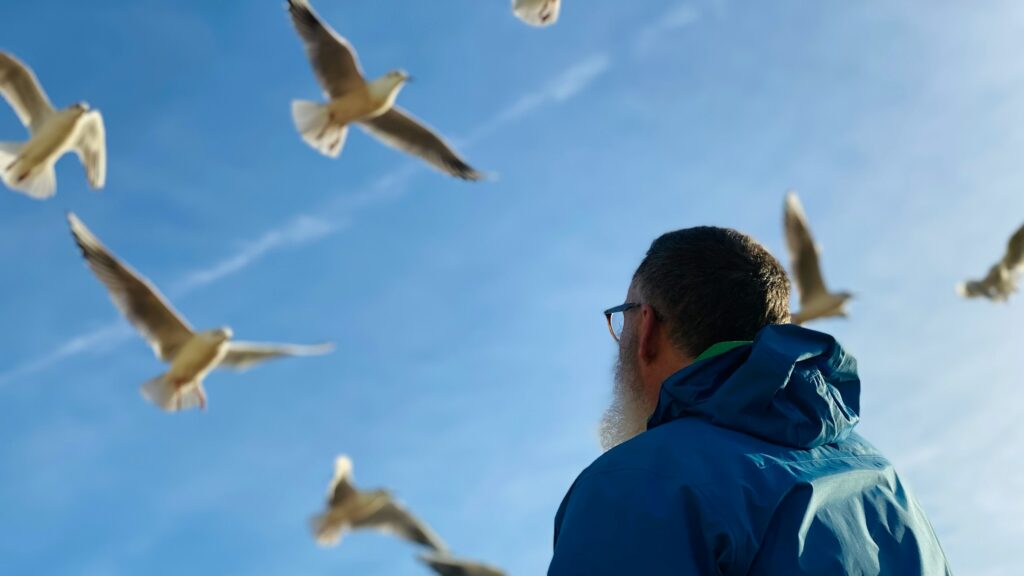

You know that strange, almost sacred feeling you get when you spot a deer at the edge of a field, a hawk circling overhead, or a squirrel completely absorbed in its own tiny mission? For a moment, you stop thinking about your to‑do list, your phone, your worries, and you just watch. Time stretches out, your mind goes quiet, and you feel oddly lighter, almost as if you’ve stepped out of your own life and are just… there. Those small encounters are not trivial. They tap into something deep in your brain: the ability to slip out of your personal story and remember that the world is bigger than you, and it keeps going whether you are stressed, successful, or spiraling. When you catch a wild animal living its life, unbothered by your existence, you get a tiny window of psychological relief that modern life rarely offers you on purpose.
When Your Brain Steps Outside Its Own Story

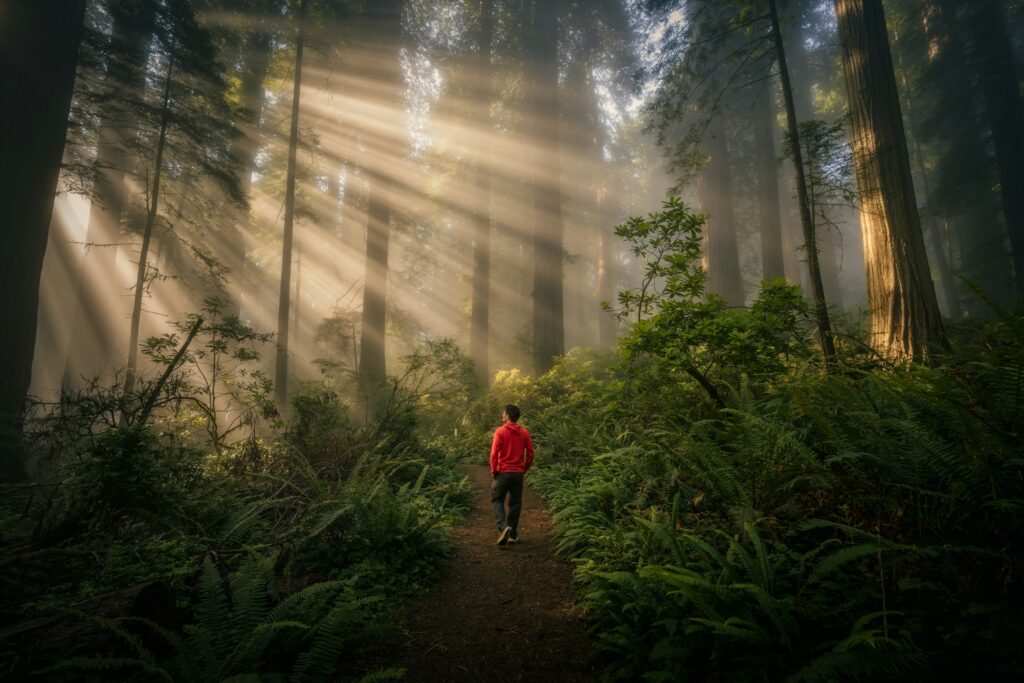
In everyday life, your brain runs a nonstop commentary about you: what you should be doing, what people think of you, what could go wrong, what already went wrong. Psychologists sometimes call this your narrative self, and it is useful, because it helps you organize your experiences into a coherent story. But it is also exhausting, because it keeps you at the center of every scene, even when you desperately want a break from yourself. When you spot a wild animal that doesn’t care about you at all, your attention shifts away from that inner monologue. For a few seconds, you are not the main character; you are just a quiet observer watching something that has nothing to do with your plans, your identity, or your problems. That little shift is what it feels like when your brain steps briefly outside its own narrative, and that exit is exactly where relief sneaks in.
The Science of Attention and Why Animals Grab It
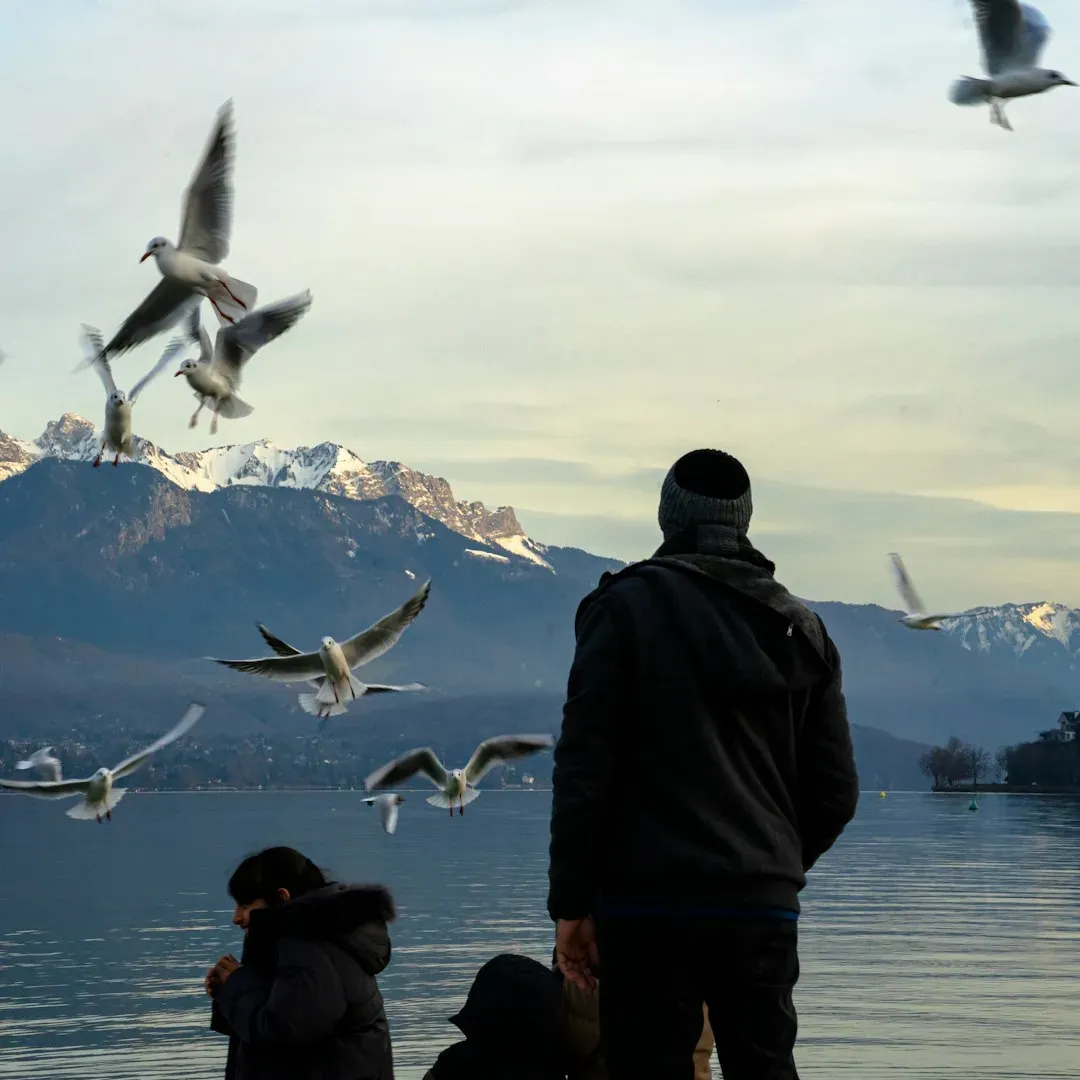
Your brain is wired to notice movement, patterns, and living things, because for most of human history, survival depended on spotting animals before they spotted you. Even now, if you walk through a park, your attention automatically hooks onto a bird hopping in the grass or a chipmunk darting across a path, even if you were lost in thought just moments before. Your mind does this without asking for permission, pulling your focus outward toward what is happening in front of you. That shift in attention matters. When your mind locks onto the world outside instead of spinning on your worries, you interrupt rumination, which is the mental loop where you keep replaying the same problems in your head. Watching an animal live its own small, self-contained life is a natural, organic form of mindfulness: you are simply attentive, present, and curious. You are not trying to control anything; you are not the center; you are just witnessing life unfold.
How Detaching From Your Narrative Lowers Stress
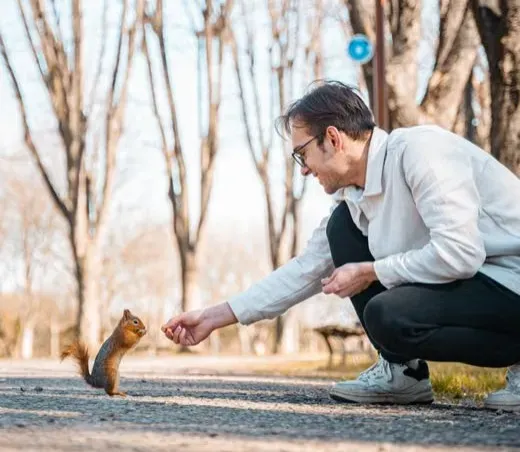
Stress thrives on self-focus. When you are anxious, your thoughts tend to circle around you: your mistakes, your future, your pressure, your reputation. The more your brain rehearses that story, the more your body reacts with muscle tension, elevated heart rate, and shallow breathing. You feel trapped inside your own head, as if there is no doorway out of that tunnel. Seeing a wild animal going about its life opens a small doorway. For a moment, your inner drama loses its grip because your attention is anchored in something real, simple, and external. Physiologically, your nervous system tends to settle when your thoughts pause and your senses take over: your shoulders drop a little, your breathing evens out, and your body gets the signal that there is nothing urgently wrong right now. That is why such a tiny, quiet moment can feel weirdly like taking off a heavy backpack you forgot you were wearing.
Awe, Smallness, and the Relief of Not Being the Center
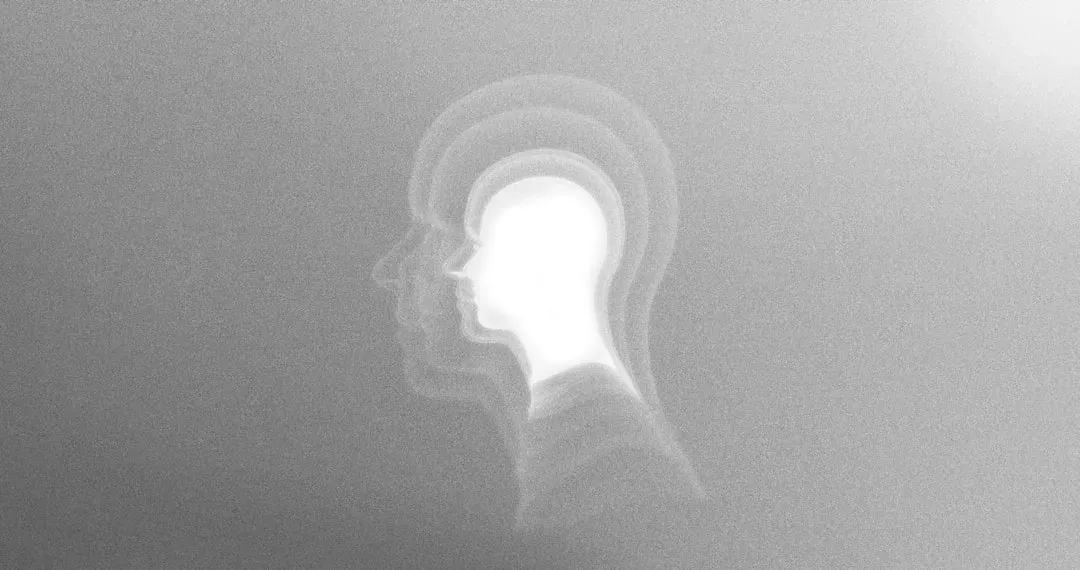
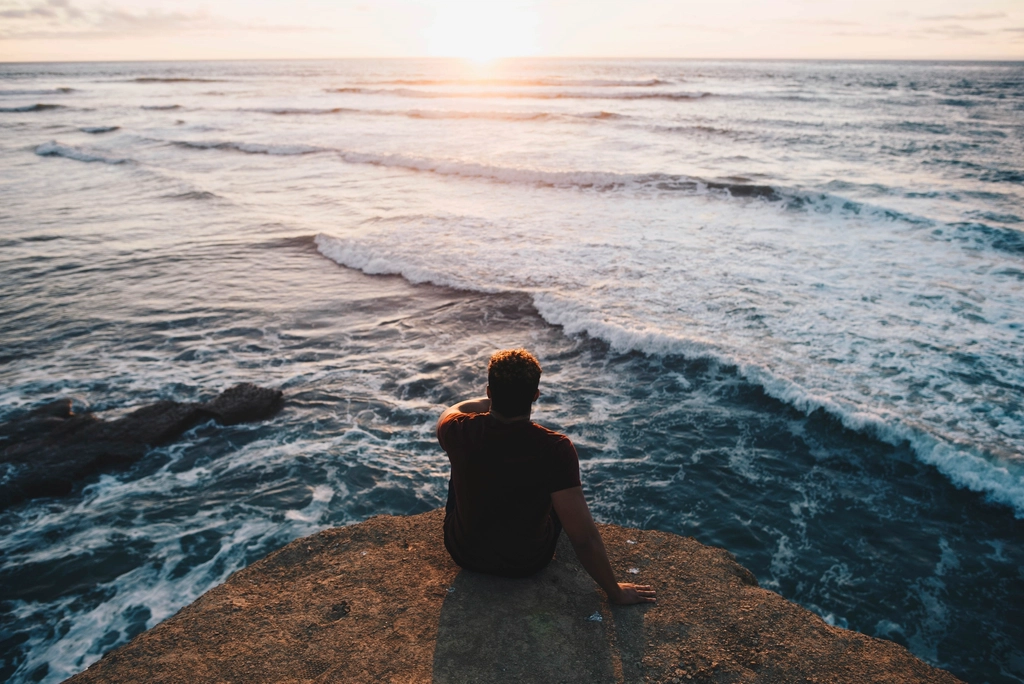
There is also a subtle feeling of awe in these encounters, even when the animal is common. Awe is what you feel when you sense you are part of something larger than yourself, and your mind has to widen to take it in. You might get it from mountains, the night sky, or the ocean, but you can also feel it from a fox slipping through the brush or a line of ants building a world under your feet. In those seconds, you feel smaller in the best possible way. Your problems do not vanish, but they shrink just a bit in scale compared to the ongoing, indifferent flow of nature. The animal is not performing for you; it was living before you arrived and will keep going after you leave. That reminder that life does not revolve around you can be deeply freeing, because it lets you temporarily drop the pressure to control and perfect everything.
How These Moments Quiet Anxiety and Depression Loops
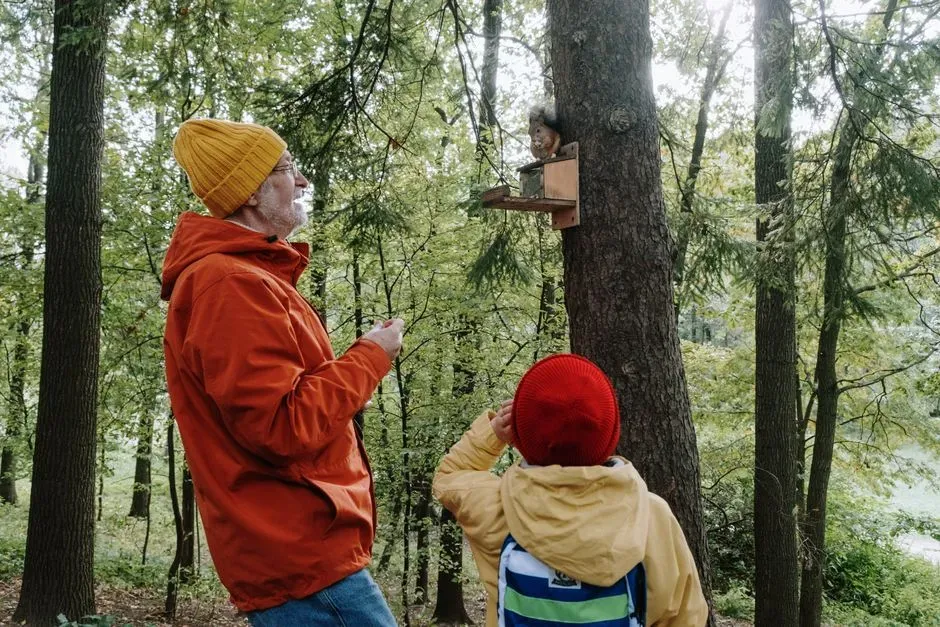
If you struggle with anxiety, your brain tends to leap into the future, scanning for threats and rehearsing worst-case scenarios. If you lean toward depression, your thoughts often sink back into the past, revisiting regrets and disappointments. In both cases, your narrative locks you into a story about danger, failure, or hopelessness, and you can spend hours stuck in that loop without noticing anything around you. An animal encounter interrupts that loop with something immediate and neutral. The squirrel is not a symbol; it is just a squirrel chewing. The hawk is not a metaphor; it is just riding a thermal. Your mind is forced into the present to process the sights, sounds, and movements happening right now. Even if the effect is small and brief, this break in the mental pattern gives you a taste of what it feels like to exist outside the anxious or depressed storyline your brain keeps replaying.
Using Wild Encounters as a Simple Mental Health Tool
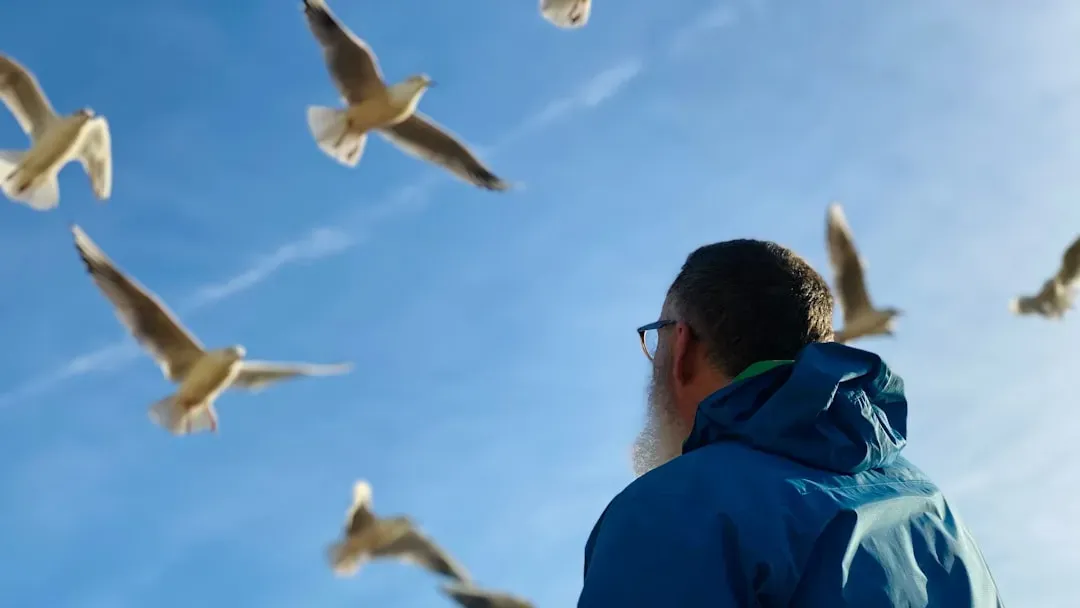
You cannot summon deer on command, but you can deliberately structure your life so you bump into nonhuman life more often. That might mean taking a daily walk where you are likely to see birds, insects, or small mammals, or even just sitting on a balcony or porch and paying attention to whatever shows up. You do not need a pristine forest; a city pigeon hunched over a piece of bread can trigger the same shift if you let yourself really watch it. The key is how you relate to the moment. When you notice an animal, give yourself permission to pause for a few breaths and fully observe without naming, analyzing, or turning it into a personal sign. Let it be exactly what it is: a separate life, unfolding beside yours, unaffected by your current stress. Treat these encounters as tiny, unplanned therapy sessions where you practice stepping out of your narrative and into raw, unfiltered reality.
Why Feeling “Insignificant” Can Actually Make You Feel Better
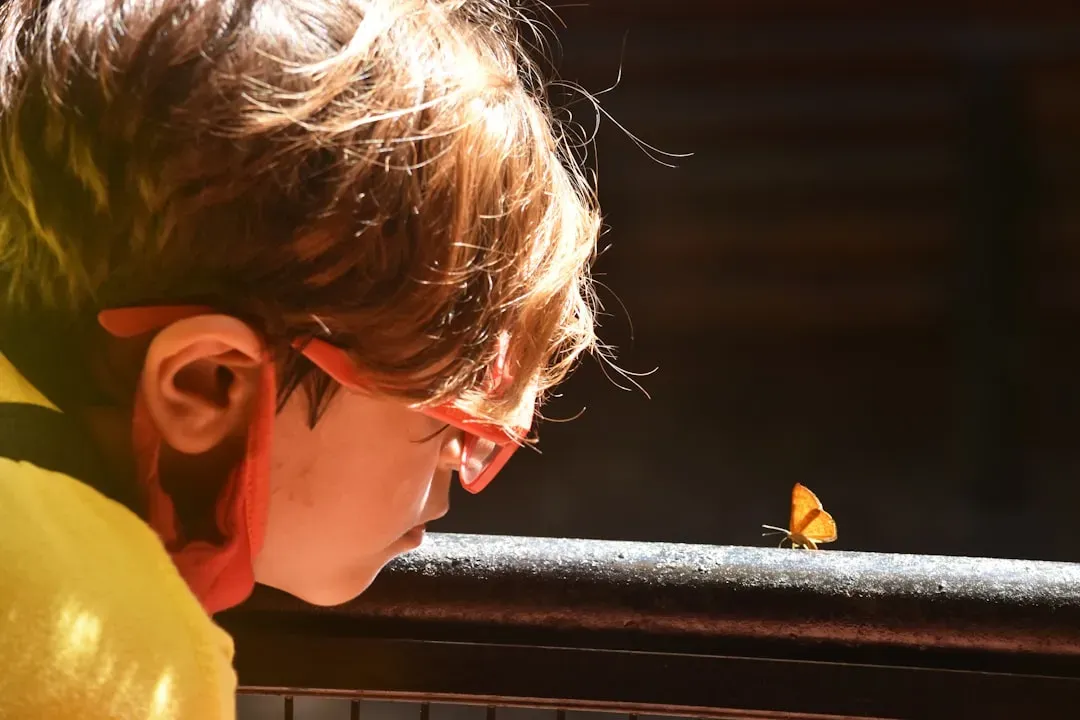
At first, the idea of being insignificant in the grand scheme of things can sound depressing. You might think that if you do not matter much, then nothing does. But when you stand quietly and watch a wild animal that has no idea who you are, you get a different flavor of insignificance: not hopeless, but spacious. You realize that your worst day does not shake the trees, stop the river, or interrupt the lives of the creatures around you. In that spaciousness, there is room to breathe. When you are not the sun everything orbits around, you get to rest from constant self-judgment and endless self-improvement projects. You can be just another animal on the planet for a second, watching another animal do its thing. That leveling can feel oddly kind, as if the world is reminding you that you do not always have to be remarkable or perfect to belong here.
Turning Brief Glimpses Into a Quiet Daily Practice
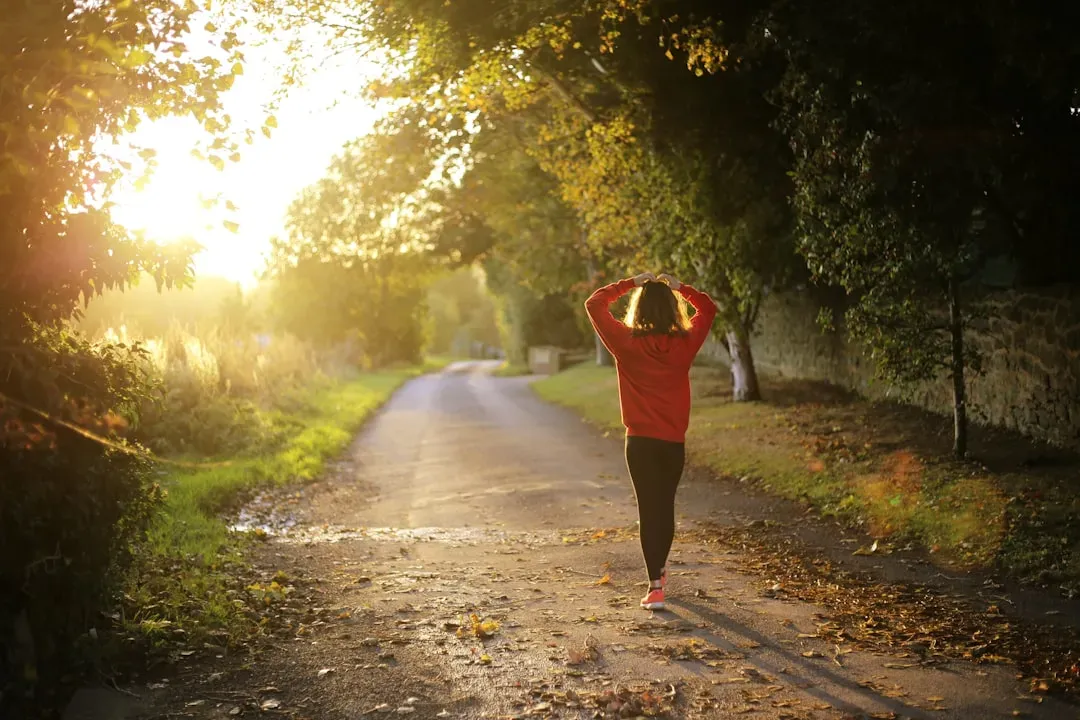
You do not need to wait for dramatic wildlife moments to get this effect; you can turn it into a low-key, daily habit. Any time you step outside, you can make a silent game of asking yourself what around you is alive and busy that has nothing to do with you. You might notice a bee visiting a flower, a crow calling from a phone line, or a line of snails after the rain. Each one is a small doorway out of your head and into the larger world. Over time, you can train your brain to recognize and savor that exit from your own narrative. Instead of mindlessly rushing past, you pause, observe, and feel your identity loosen for just a beat. It will not cure deep psychological issues on its own, but it can weave tiny moments of relief into the fabric of your day. Those brief steps outside your story can quietly add up, giving you a more stable sense that your life is part of something wider, not a lonely bubble floating in space.
Conclusion: Letting the World Be Bigger Than You
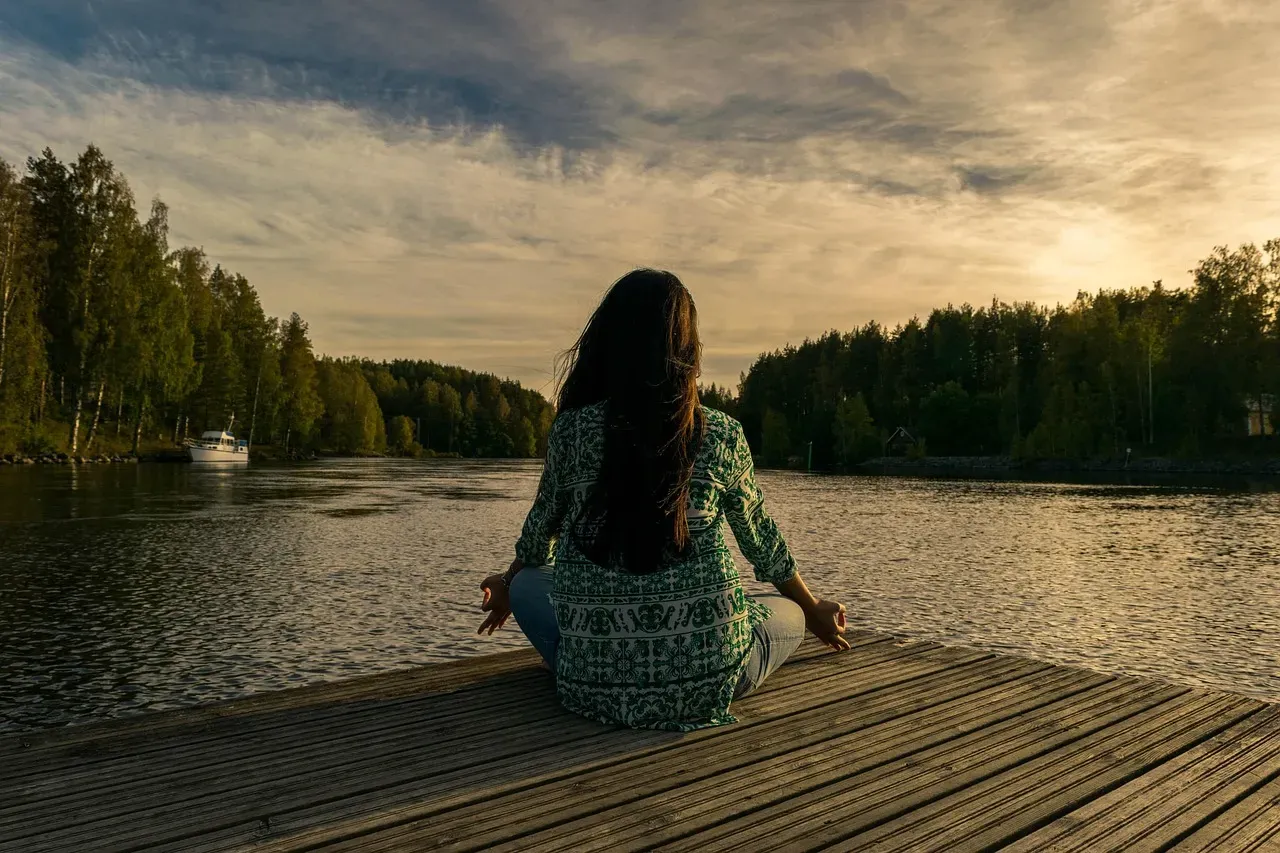
The next time you catch a glimpse of a wild animal going about its day, try letting the moment land. Notice how your thoughts fade into the background for a second as your senses sharpen and your body softens. You are not scripting the scene, you are not the star of the show, you are simply present in a shared world where not everything is about you. That small shift is where a surprising amount of psychological relief lives: in the ability to step outside your own narrative and remember that life is larger, stranger, and more ongoing than whatever your mind is currently obsessing over. If you start treating those encounters as invitations instead of accidents, you might find that your days feel a little lighter, your problems a little less absolute, and your place in the world a little more grounded. When you think about it, how many of your most peaceful memories already began with you just stopping to watch something wild that did not even know you were there?