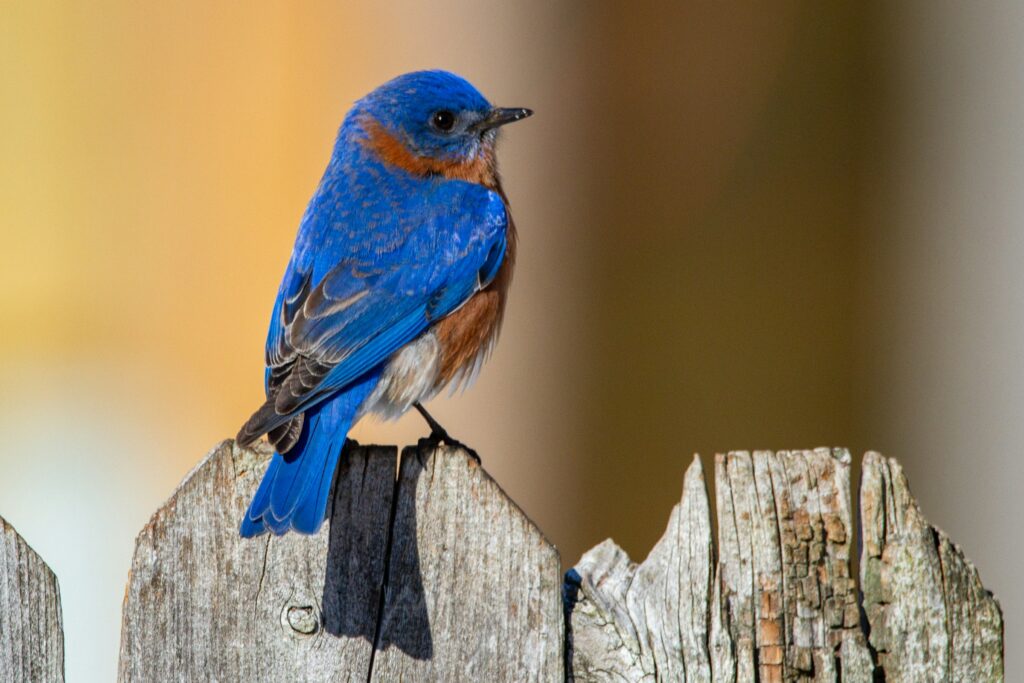

Every once in a while, life pauses. The traffic noise blurs, your to-do list vanishes, and there it is: a flash of brilliant blue on a fence post or in a nearby tree. For a surprising number of people, seeing a bluebird in that exact moment feels like a sign, a soft nudge from the universe whispering that something good is on its way. Even if you are a hard-core realist, it is hard to deny that spark of hope that shows up with those feathers.
Of course, scientists would say a bluebird is just a bird following instinct, searching for food, finding a mate. And they would not be wrong. But human beings have always layered meaning onto the natural world, and the bluebird has carried a reputation for joy, renewal, and good fortune for centuries. The real story of why seeing a bluebird feels like good luck is a mix of psychology, culture, biology, and something less tangible that many of us feel but cannot quite name.
The Ancient Roots of Bluebird Good Luck Beliefs
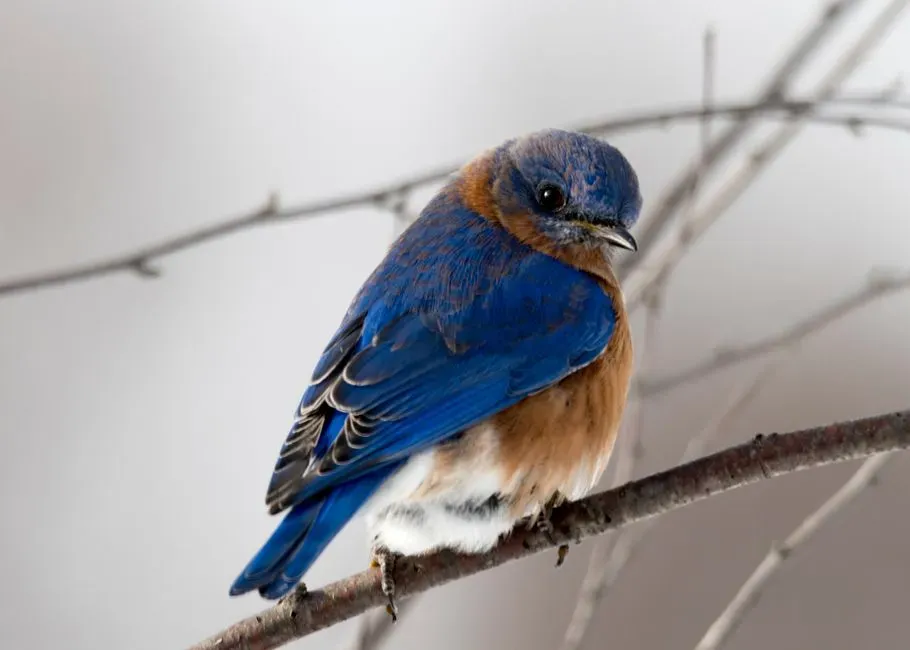
The idea that bluebirds bring good fortune did not start on social media or in a motivational quote; it reaches back into old folktales, songs, and spiritual traditions. Across different cultures, the bluebird has shown up again and again as a messenger of joy, a symbol of the soul, or a sign that happier times are on the horizon. When the same symbol repeats across time and geography, people start to treat it as more than coincidence.
What is striking is that these traditions emerged long before people could compare stories online or share videos of backyard sightings. That suggests something about bluebirds speaks directly to our shared human wiring: their striking color, their gentle behavior, their habit of appearing in spring after harsh winters. By the time you or I see a bluebird today, we are quietly inheriting centuries of meaning, even if we have never read a single myth about them.
The Science of Why We Notice a Bluebird at the “Right” Time
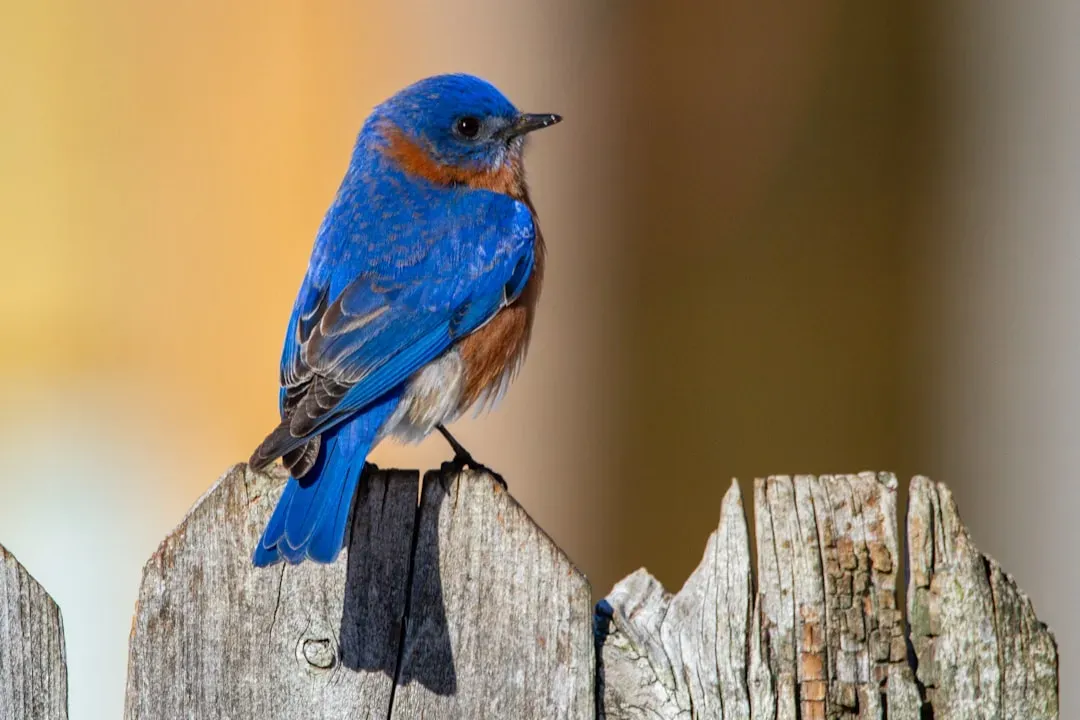
From a psychological angle, one big reason a bluebird feels like a lucky sign is something called selective attention. Our brains are constantly filtering an overwhelming amount of information, and we tend to notice what feels personally meaningful, emotionally loaded, or relevant to our current struggles. If you are stressed, sad, or hoping for a change, your mind is primed to latch onto anything that might signal hope – like a vivid blue bird landing right in your field of vision.
There is also the way memory works. We remember emotionally charged coincidences and forget all the neutral moments. So the day you saw a bluebird just before you got good news stands out sharply, while the day you saw nothing special and your afternoon was average fades into the background. Over time, your brain stitches together a pattern: bluebird equals good things ahead. The pattern feels real because for you, it has been real enough times to matter.
The Power of Color: Why Blue Feels So Comforting
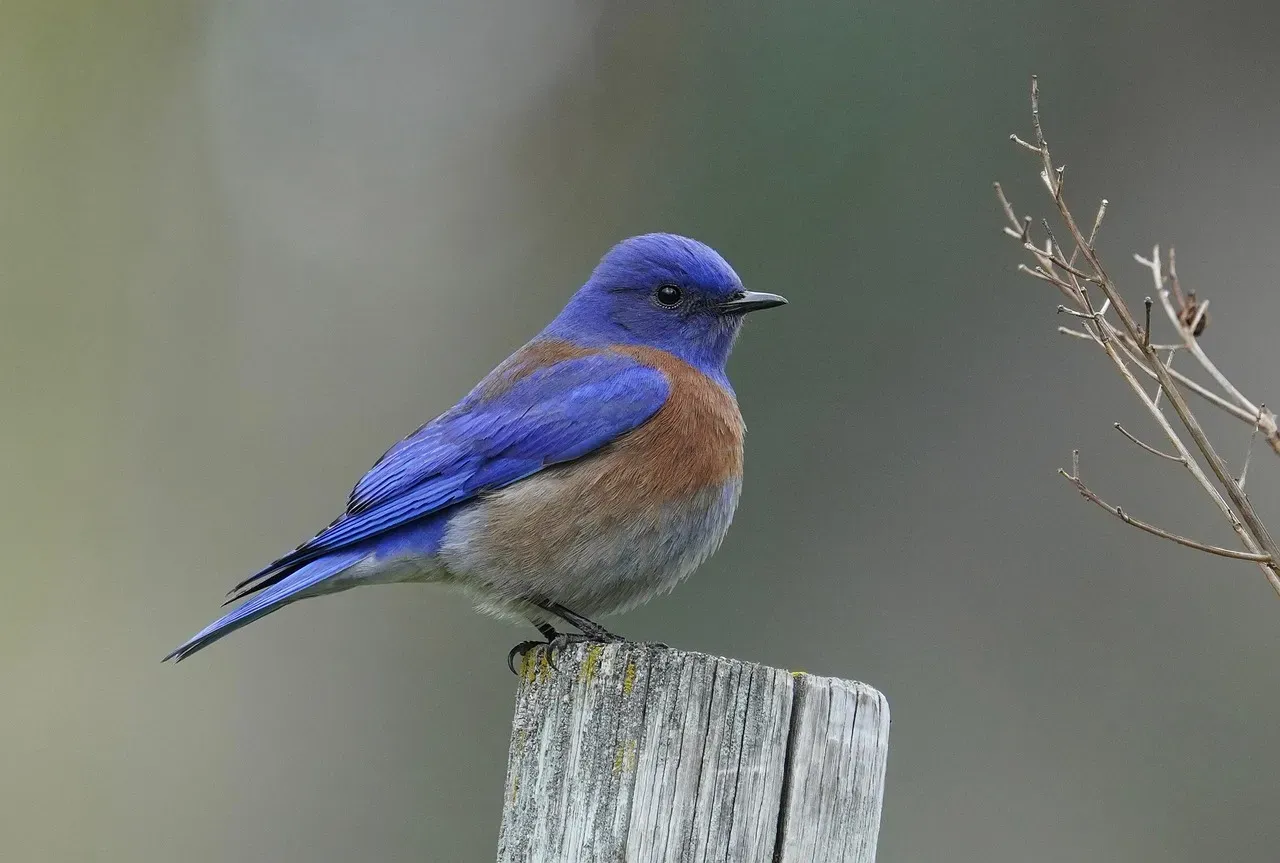
Even if you take away legend and coincidence, the color of a bluebird does a lot of emotional heavy lifting. Humans tend to associate blue with calm skies, clean water, and open horizons – things that signal safety and stability on a deep, almost instinctive level. When you catch that splash of clear, radiant blue against a dull background, your brain may subtly read it as a cue that the environment is safe, and your body responds with a tiny shift toward relaxation and optimism.
There is also something fascinating about how bluebird feathers create color. Many blue birds are not actually pigmented blue in the way we might expect; their feathers often use microscopic structures that scatter light, so we see that intense, shimmering blue. Whether or not you understand the physics, there is an uncanny, almost magical quality to that glow, especially in late afternoon light. It feels otherworldly, and anything that feels a little magical is easy to read as a sign that luck is turning.
Bluebirds, Seasons, and the Promise of Renewal
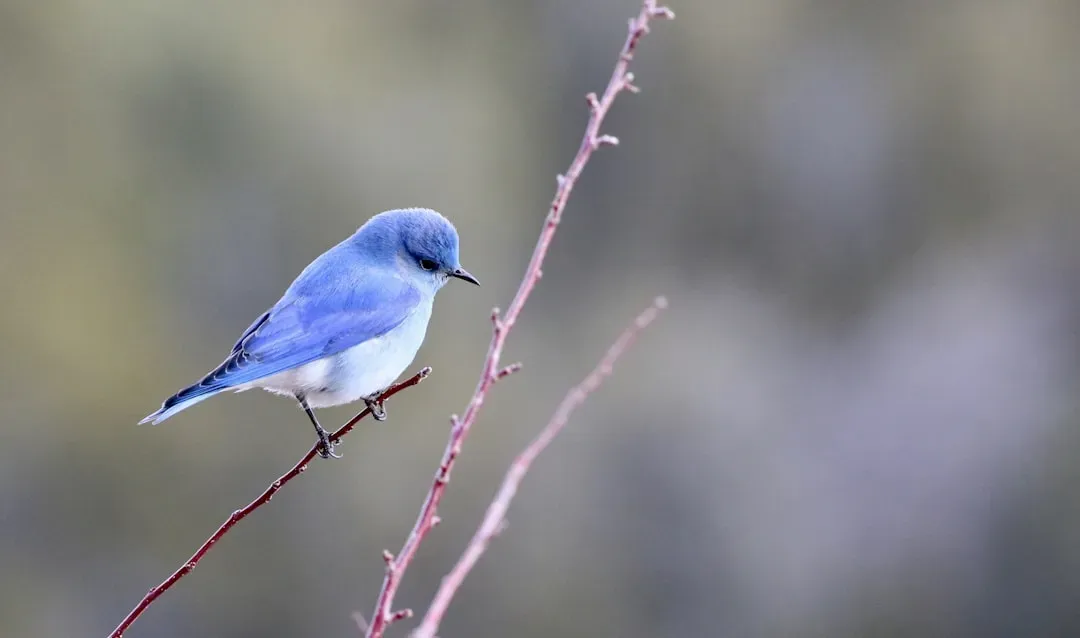
In many regions, bluebirds are strongly associated with spring and early summer, the seasons when life returns after a cold, gray winter. Watching a bluebird claim a nest box, feed its young, or swoop over a newly green field naturally connects in our minds with second chances, fresh starts, and life pushing forward despite setbacks. When the land looks dead for months and then a small, bright bird appears, it feels like a promise that the tough season really is ending.
That seasonal rhythm lines up uncannily well with emotional cycles. People often feel worn down, reflective, or low during colder, darker months. When the bluebird shows up just as the light is returning, it is easy to experience that timing as personal: a sign your own difficult chapter is closing. Even if it is just migration and breeding patterns, the overlap between environmental renewal and emotional relief is powerful, and our brains eagerly connect the two.
How Seeing a Bluebird Changes Your Mindset in the Moment
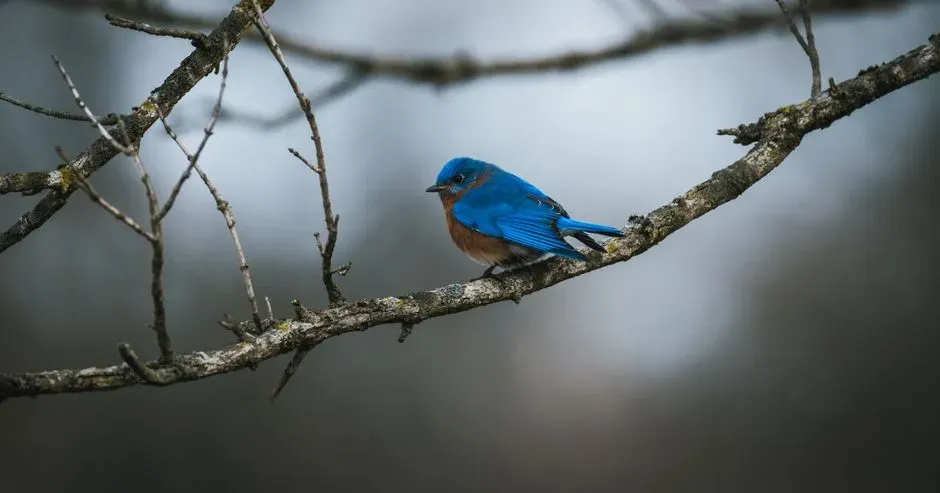
There is a simple but underappreciated truth: if you believe something good is coming, you tend to behave differently in small but meaningful ways. When people treat a bluebird as a good omen, they often walk away from that moment a bit lighter, a bit more open to positive possibilities. That shift in mood can translate into kinder interactions, bolder decisions, or a little extra patience – all of which can actually create better outcomes in the hours or days that follow.
In that sense, the bluebird is less a magical cause of good luck and more a catalyst. It nudges your mindset from scarcity to possibility, from resignation to curiosity. Many of us underestimate how much of “luck” is really a mixture of opportunity plus readiness plus a willingness to act. If a tiny blue bird on a fence nudges you toward being more ready and more willing, then you are not wrong to say it brought you luck, even if the mechanism is psychological rather than supernatural.
Personal Meaning, Grief, and Bluebirds as Messengers
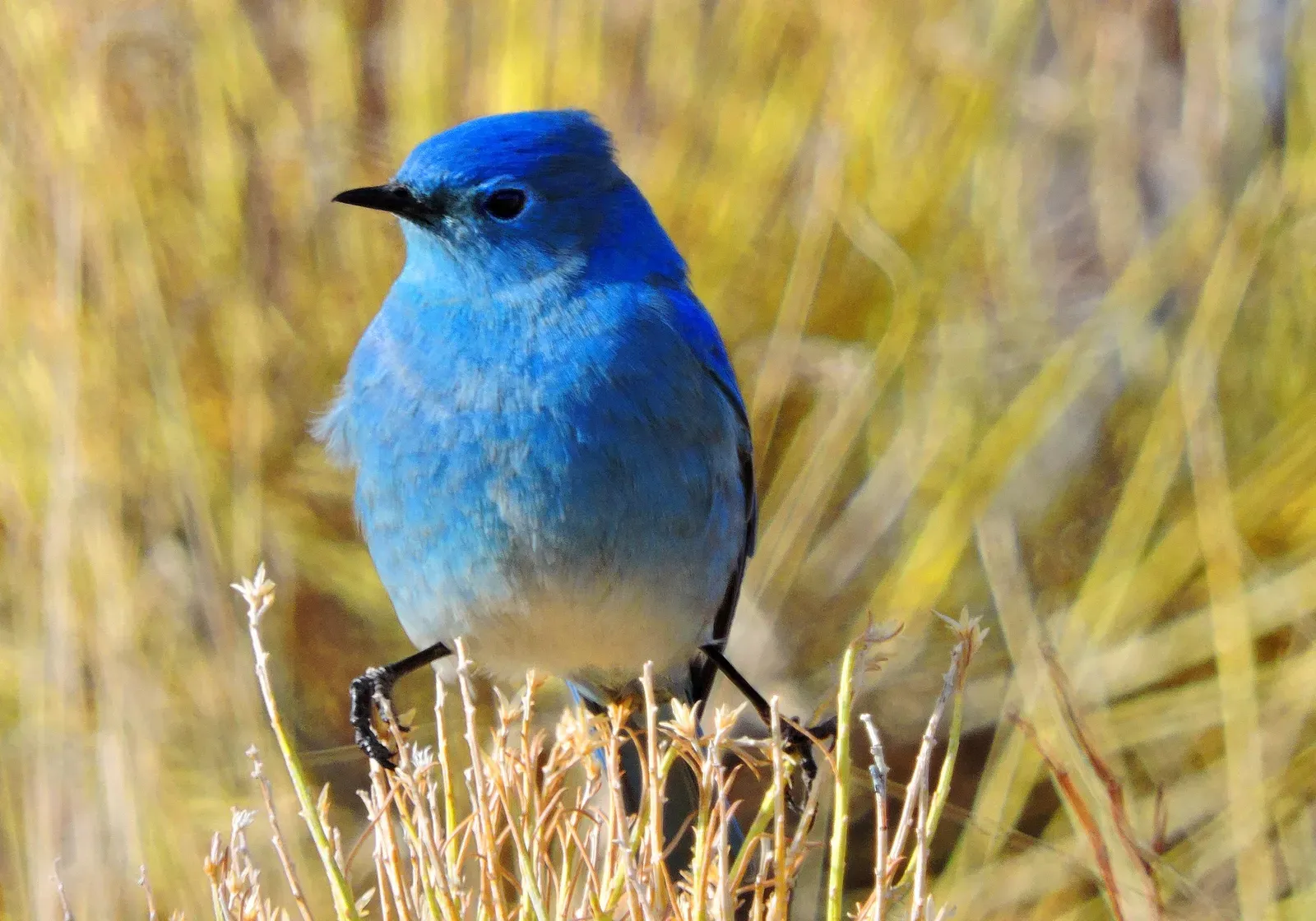
For some people, bluebirds carry a very personal meaning, especially after a loss. It is common to hear someone say they started noticing bluebirds after a loved one died, or that they see one at strikingly emotional times. While science would frame this as a mix of pattern recognition, memory, and attention, that explanation does not erase the comfort. When you are hurting, the mind looks for signs that you are not alone, and a gentle, beautiful creature appearing just when you are struggling can feel like exactly that.
I have noticed, in my own life and in conversations with others, that the urge to find meaning in these encounters gets stronger when things feel chaotic or uncertain. The bluebird becomes a quiet stand-in for reassurance – a way to say what logic cannot: that you are seen, supported, and not permanently stuck in your current pain. Whether or not you believe in messages from beyond, the emotional reality is clear: those moments help people keep going, and that alone is a kind of good luck.
Bluebirds, Social Media, and the Modern Myth Machine
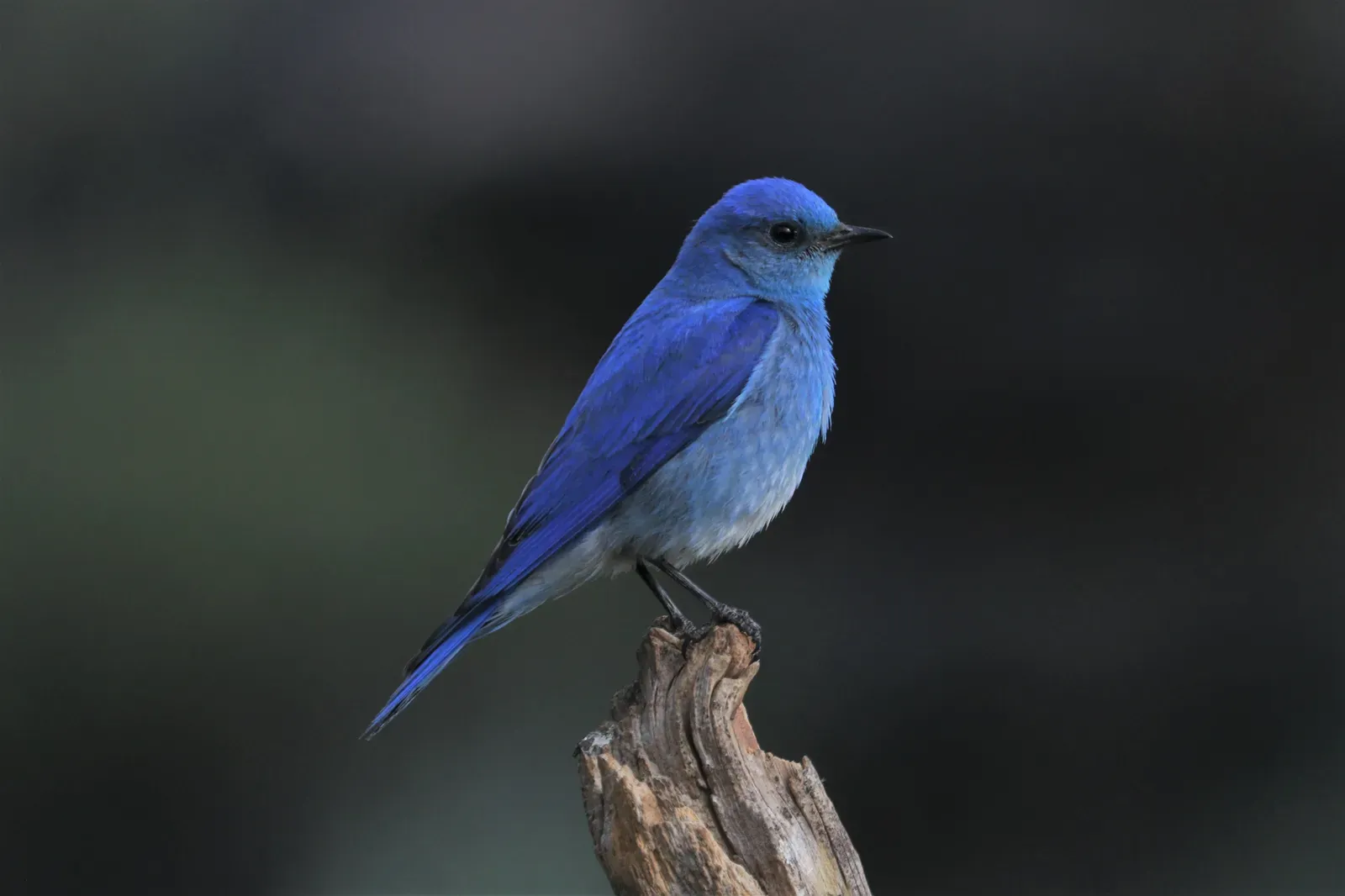
In the digital age, a single striking bluebird video or photo can travel around the world in hours, carrying captions about luck, blessings, or signs from the universe. The more these stories get shared, the more they shape our expectations. When you keep seeing people post that a bluebird showed up right before a job offer, a reconnection, or a health breakthrough, you start to hold that association in your own mind, even if you are skeptical on the surface.
This creates a feedback loop. Social media amplifies the good-luck narrative, people who already believe it pay extra attention when bluebirds appear, and they share their stories, which reinforce the belief for others. While this might sound like a modern distortion of an old idea, there is something kind of beautiful about it: around the globe, strangers are collectively agreeing that one small wild creature stands for joy and hope. In a culture that often leans cynical, that shared tenderness toward a bird feels like its own quiet rebellion.
Balancing Wonder and Skepticism: Is the Bluebird Really a Sign?
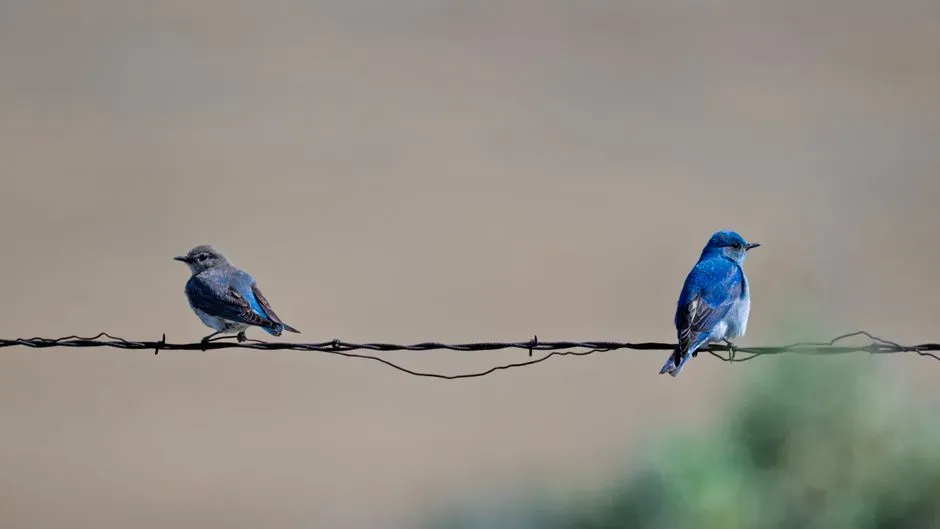
If you strip it down, a bluebird is following its instincts: finding insects, defending territory, wooing a mate, raising young. From a purely scientific view, it is not thinking about your upcoming exam, your medical results, or your job interview. The bird is not choosing to comfort you or to predict your future. That view can be sobering, but it is also grounding; it reminds us that nature is not a personal fortune-teller, and that random timing is part of how the world works.
Still, I do not think you have to choose between wonder and realism. You can respect the biology and still let yourself feel moved when a bluebird appears at a meaningful moment. In fact, holding both views at once might be the healthiest position: acknowledging that the bird is not a literal message while still allowing the experience to shape your mindset toward hope, resilience, and gratitude. To me, that balance is more powerful and more honest than either extreme skepticism or blind faith.
Conclusion: The Real “Luck” Behind a Bluebird Sighting
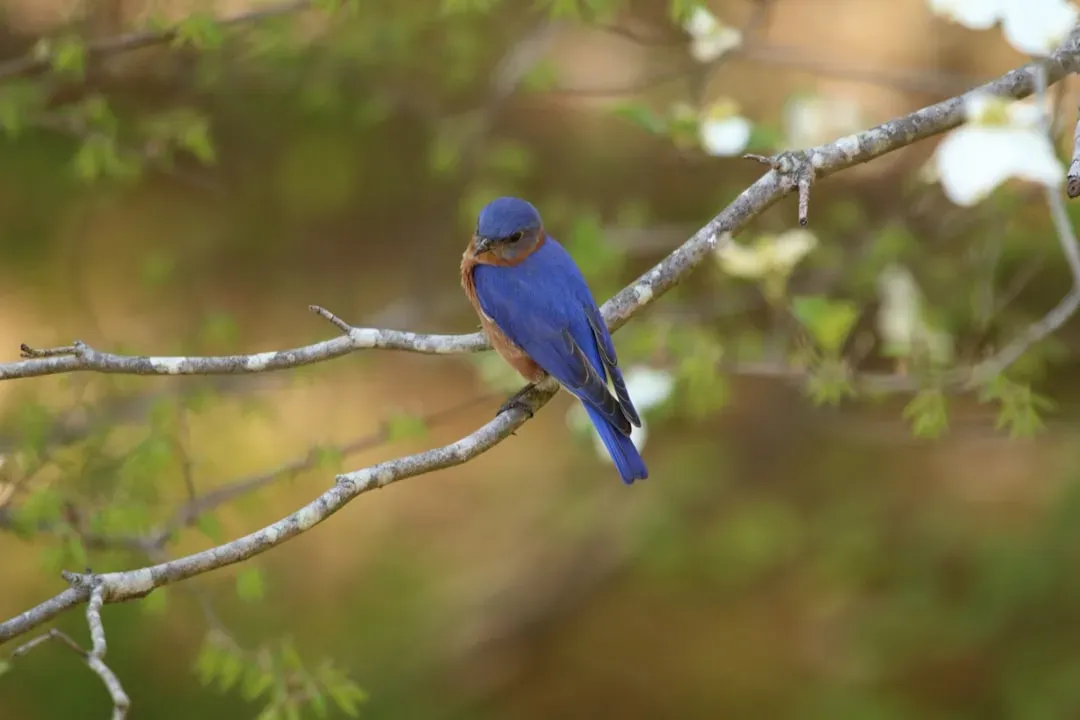
In my opinion, the real luck of seeing a bluebird is not that it magically rearranges the universe in your favor, but that it rearranges you. It interrupts your mental noise, hands you a moment of beauty you did not earn or schedule, and quietly invites you to believe that your story is not finished yet. That tiny jolt of hope can shift how you show up to the rest of your day – and often, that is the difference between staying stuck and noticing the doors that were already half open.
I am convinced we need symbols like the bluebird more than we care to admit, especially in a world that constantly pulls us toward stress, doom-scrolling, and worst-case scenarios. If choosing to see a bluebird as a sign of good luck makes you softer, braver, or more willing to expect good things, then it is doing real, measurable work in your life, whether or not any mystical force is involved. The next time a flash of blue crosses your path, maybe let yourself take the hint and lean into that tiny surge of optimism – after all, what if that hopeful feeling is the very beginning of your “good luck” arriving?