
You probably already know that bears hibernate, but you might never have thought of their long sleep as a doorway. In Arctic shamanic traditions, that doorway leads somewhere wild: into the spirit realm. When you look past the cute winter den photos and wildlife documentaries, you find a deep, old belief that every winter, bears vanish not just into sleep, but into another world entirely. Instead of treating this as a fairy tale, you can look at it as a window into how Arctic peoples have tried to make sense of a harsh, mysterious environment for thousands of years. You’re not just learning about a legend; you’re stepping into a worldview where animals, seasons, dreams, and survival are all woven into one big living story.
The Bear as a Shape-Shifting Neighbor, Not Just Wildlife
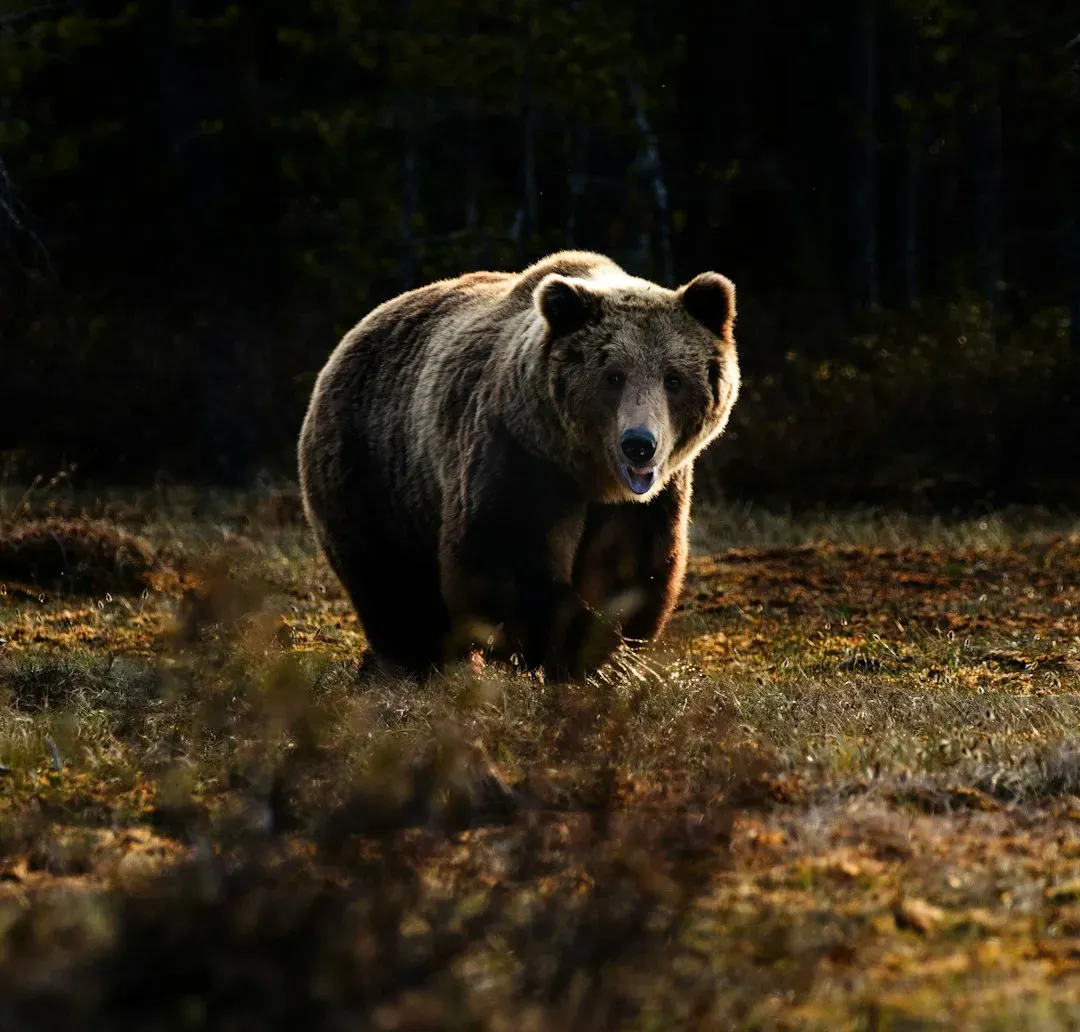
If you grew up with nature documentaries, you probably think of a bear as a wild animal living “out there” somewhere beyond human life. In many Arctic shamanic traditions, you’d see that bear very differently: as a powerful neighbor, a kind of person with fur, who thinks, feels, and acts with intention. You’re sharing the same landscape with a being that is never merely background scenery. This is why the bear often appears in stories not as a dumb beast, but as a kind of shape-shifter who can move between worlds. When you hear elders describe the bear, it is treated with respect close to what you might give a wise relative or a dangerous guest. You’re dealing with someone who has their own rules, alliances, and mysteries, and hibernation becomes one of the biggest of those mysteries.
Winter Dens as Portals Between Worlds
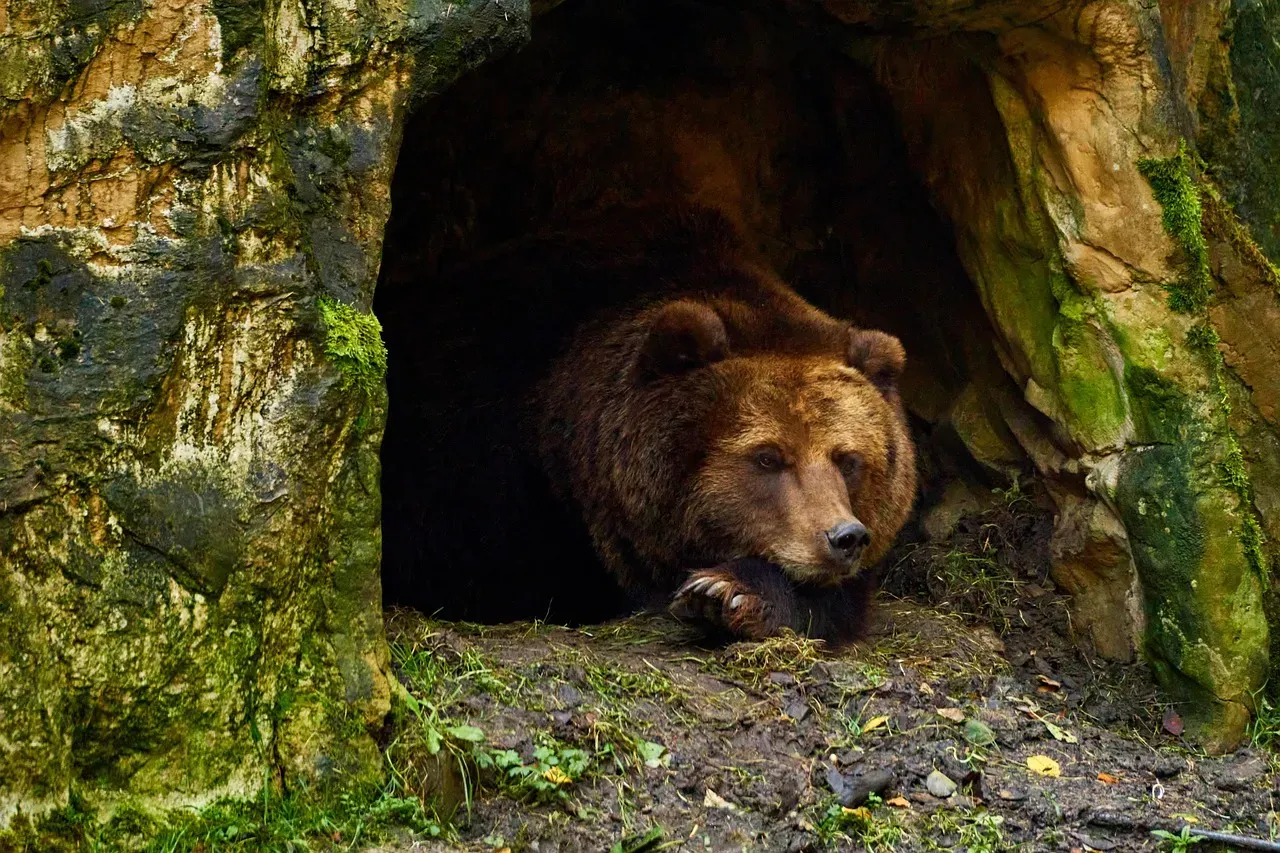
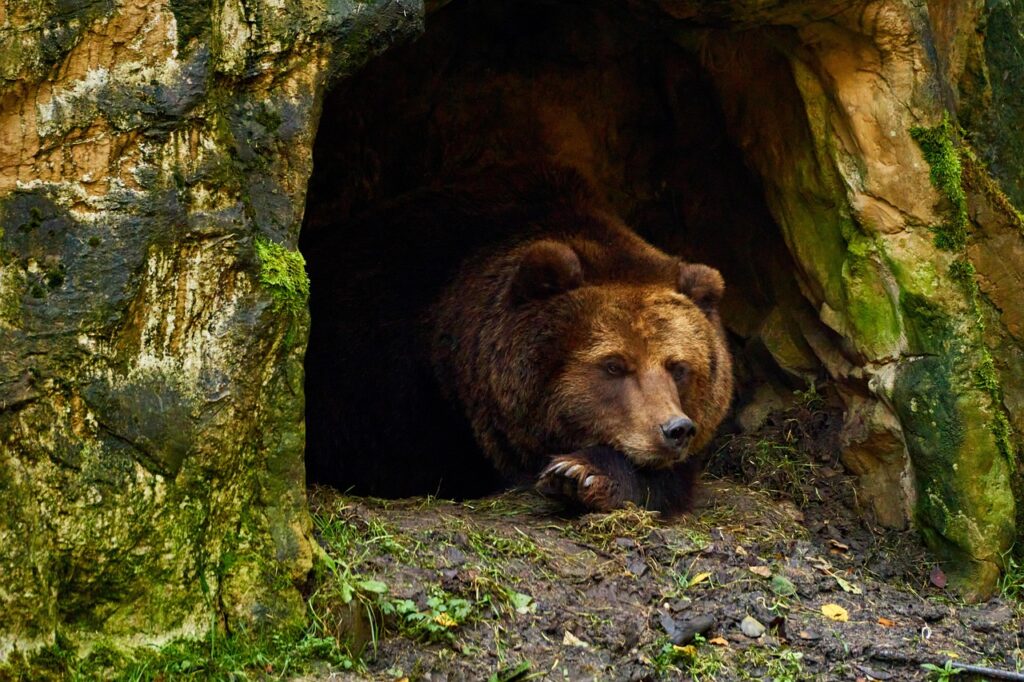
Imagine standing on a frozen landscape where snow hides everything and daylight barely shows up. You know a bear crawled into a den months ago, but there’s no movement, no sound, only cold and silence. In that setting, it’s not hard for you to see the den as more than a hole; it starts to feel like a doorway, the threshold between your world and another one that you can’t walk into on your own two feet. In many Arctic stories, the den is exactly that: a portal where the bear leaves the physical world and enters the spirit realm. While you’re chopping wood and hauling water, the bear is understood to be traveling, learning, advising spirits, or negotiating the next year’s fortunes. So even when you cannot see a single paw print, you’re not supposed to assume the bear is absent; you’re supposed to remember it is busy elsewhere.
How Shamans Read the Bear’s Winter Journey
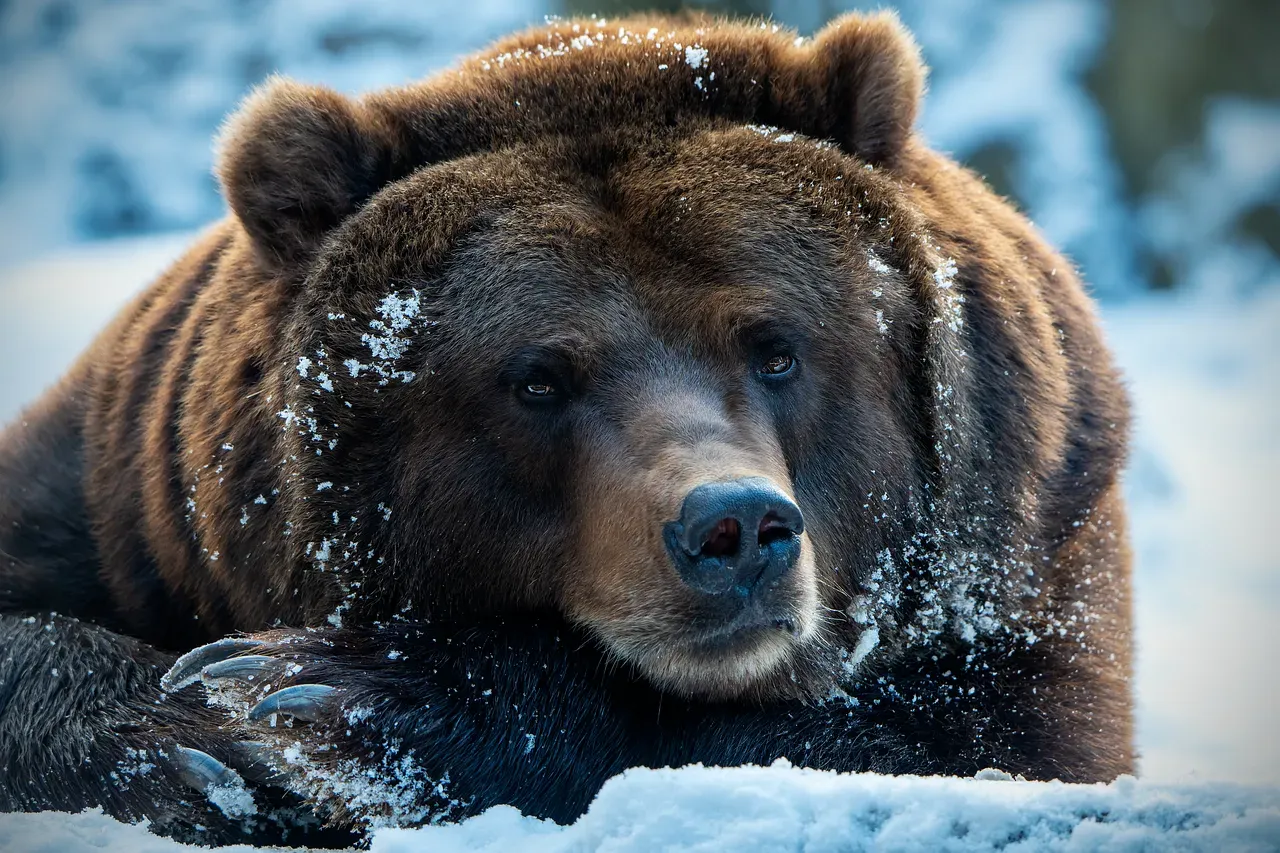
If you were a shaman in a traditional Arctic community, the bear’s winter journey would not just be a neat story; it would be part of your working cosmology. You might enter trance states, guided by drumming, chanting, or controlled breathing, to travel in spirit alongside the bear. You’d see the bear’s path through the unseen world as a way to understand upcoming hunting luck, weather patterns, or the health of your community. In this view, you are not simply watching nature, you’re participating in a larger cycle. The shaman becomes a kind of interpreter, translating the bear’s mysterious absence each winter into meaning and guidance. When the bear “returns” in spring, you’d see it as confirmation that the journey is complete and the connection between realms remains intact, which might shape how you advise others on rituals, respect, and offerings.
Why Hibernation Feels So Supernatural to Human Eyes
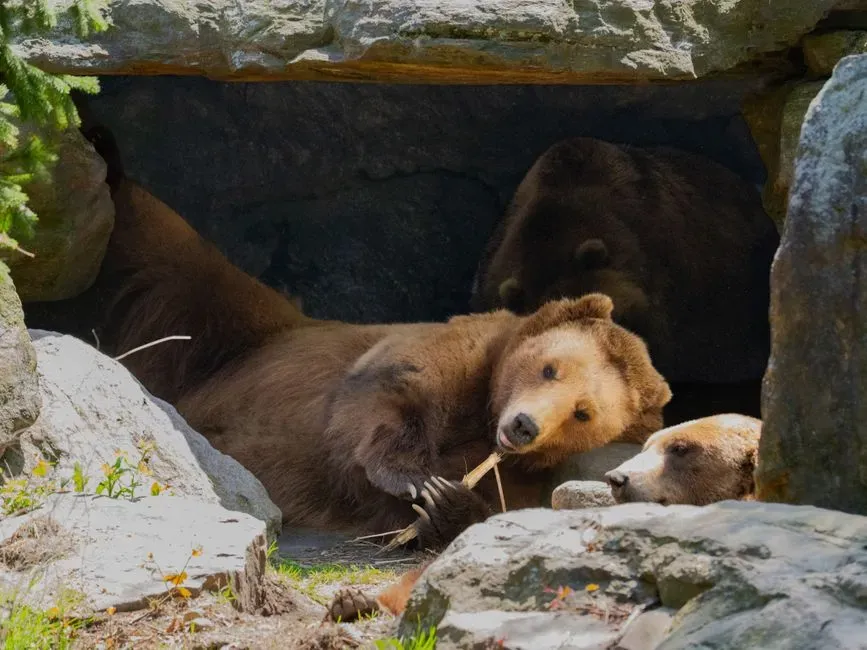
From a biological angle, you know hibernation is about energy conservation, slow metabolism, and survival during food shortages. But if you strip away that scientific language and just look at the behavior, it is genuinely eerie. A huge animal curls up in a dark hole for months, barely eats or drinks, emerges thinner but alive, as if returning from somewhere no one else can go. You can see why people long before modern science might frame this as a kind of seasonal death and rebirth. When you live close to the land, every mystery like that begs for explanation, and pure “we don’t know” is rarely satisfying. So the idea that bears are off traveling in the spirit realm makes emotional sense; it treats this strange behavior as meaningful, not random. You’re allowed to read their disappearance as a story: they leave to learn, to negotiate, to renew themselves, and then they reappear, carrying back invisible knowledge that helps the world keep turning.
Science, Myth, and the Bear in Your Own Imagination
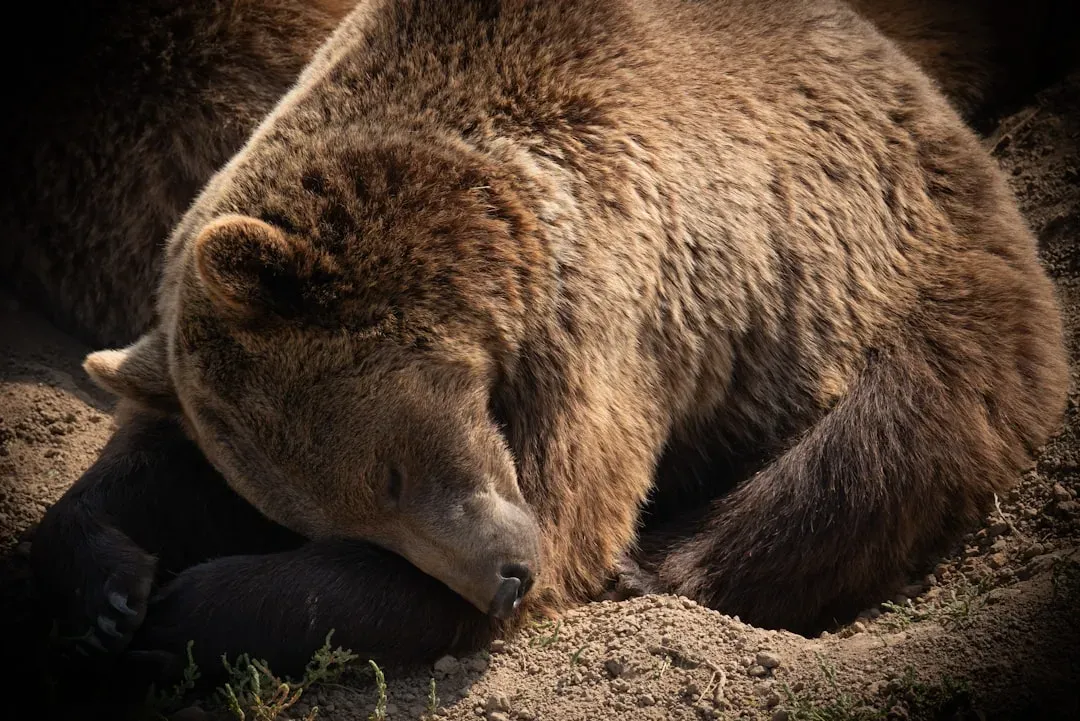
You don’t have to choose between hard science and deep myth; you can let both run side by side. On one hand, you can look up research on bear physiology and learn about lowered heart rates, fat metabolism, and how females can even give birth during hibernation. On the other hand, you can hold onto the symbolic power of the bear’s winter absence as a journey inward, just like the moments in your life when you withdraw to rest, heal, and come back changed. When you let myth and science talk to each other instead of fight, the legend of the spirit-traveling bear stops being silly and starts becoming a lens. You begin to ask different questions: What does it mean for you to have your own “spirit winters,” your own seasons of retreat? How does the bear mirror your need to disappear for a while, to work on something invisible, and then emerge ready to face the world again?
Respect, Ritual, and the Ethics of Living with Bears
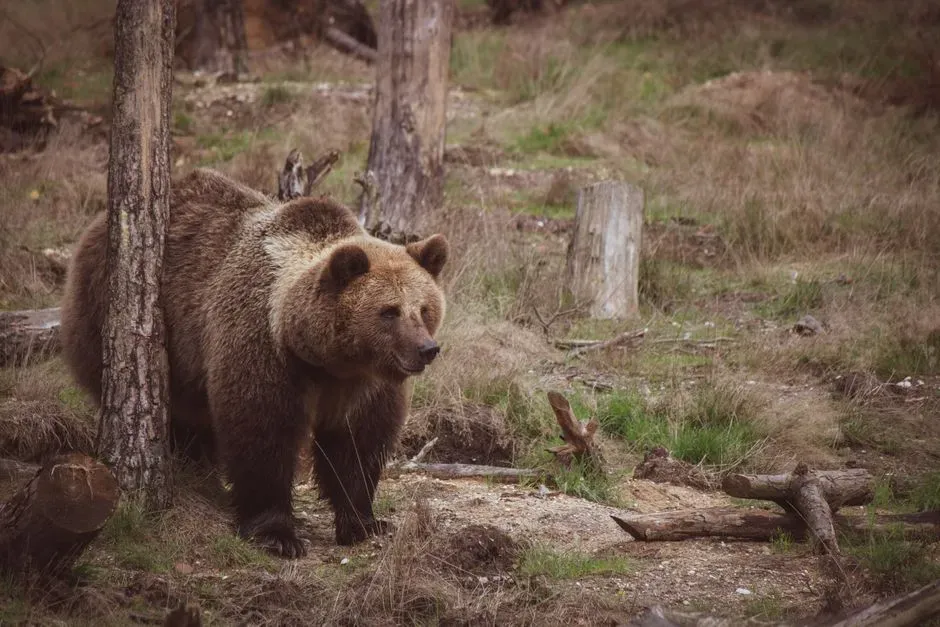
In many Indigenous Arctic traditions, the belief that bears travel to the spirit world carries serious responsibilities for you as a human. If a bear is a spirit traveler, you don’t treat it casually. Hunters might speak carefully about it, leave parts of the animal as an offering, or perform specific rituals after a successful hunt. The idea is that you’re not just taking meat; you’re entering into a relationship that needs balance and respect. Even if you’re not part of those cultures, this idea can shift how you think about wildlife. When you see the bear as a participant in a world full of visible and invisible ties, you’re more likely to support conservation, avoid needless disturbance of dens, and think twice about reducing animals to background props. You’re reminded that the bear you glimpse in a video or at a distance has layers of meaning you might only be beginning to understand.
Your Own Winters: Learning from the Spirit-Bear Metaphor
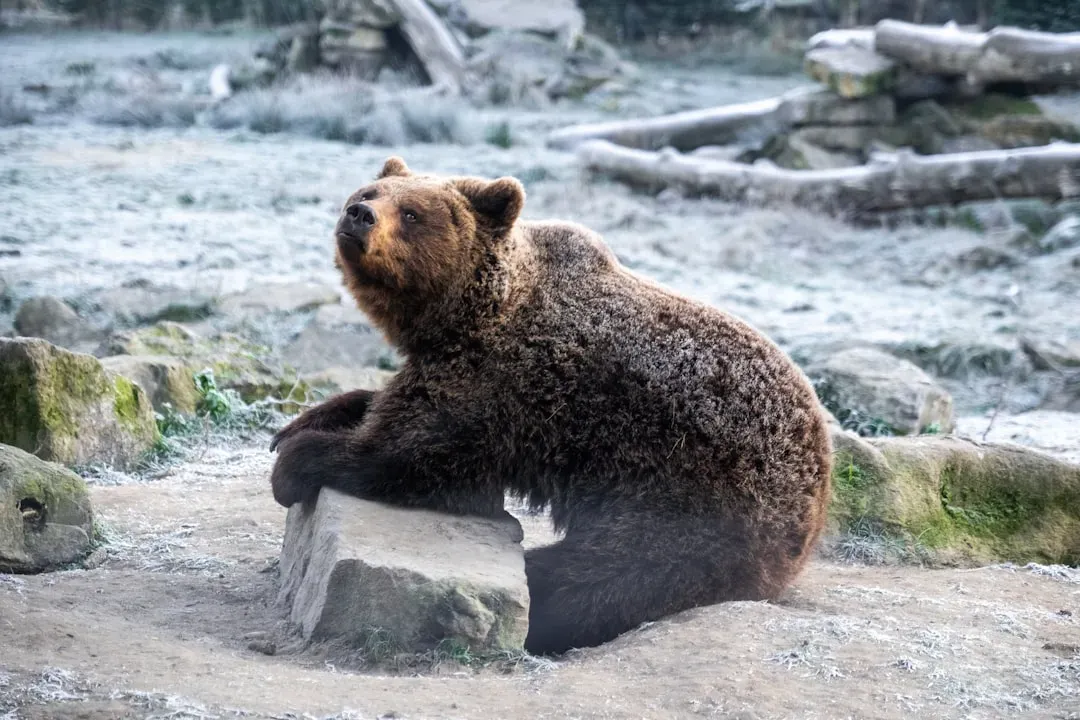
You might never set foot in the Arctic or meet a shaman, but the core image of this legend still speaks directly to your life. You also go through winters of the soul: periods when you withdraw, feel less visible, or step back from social noise to process major changes. The idea that bears are traveling in the spirit world offers you a way to see those quiet seasons as meaningful journeys rather than useless pauses. Instead of beating yourself up for not always being productive, you can take a cue from the bear. You rest, conserve energy, and let unseen processes run their course – healing, grieving, learning, or reimagining your path. Then, like the spring bear emerging from its den, you come back to the surface carrying something you did not have before, even if it is just a little more clarity about who you are and what you want.
Holding Wonder Without Losing Your Critical Mind
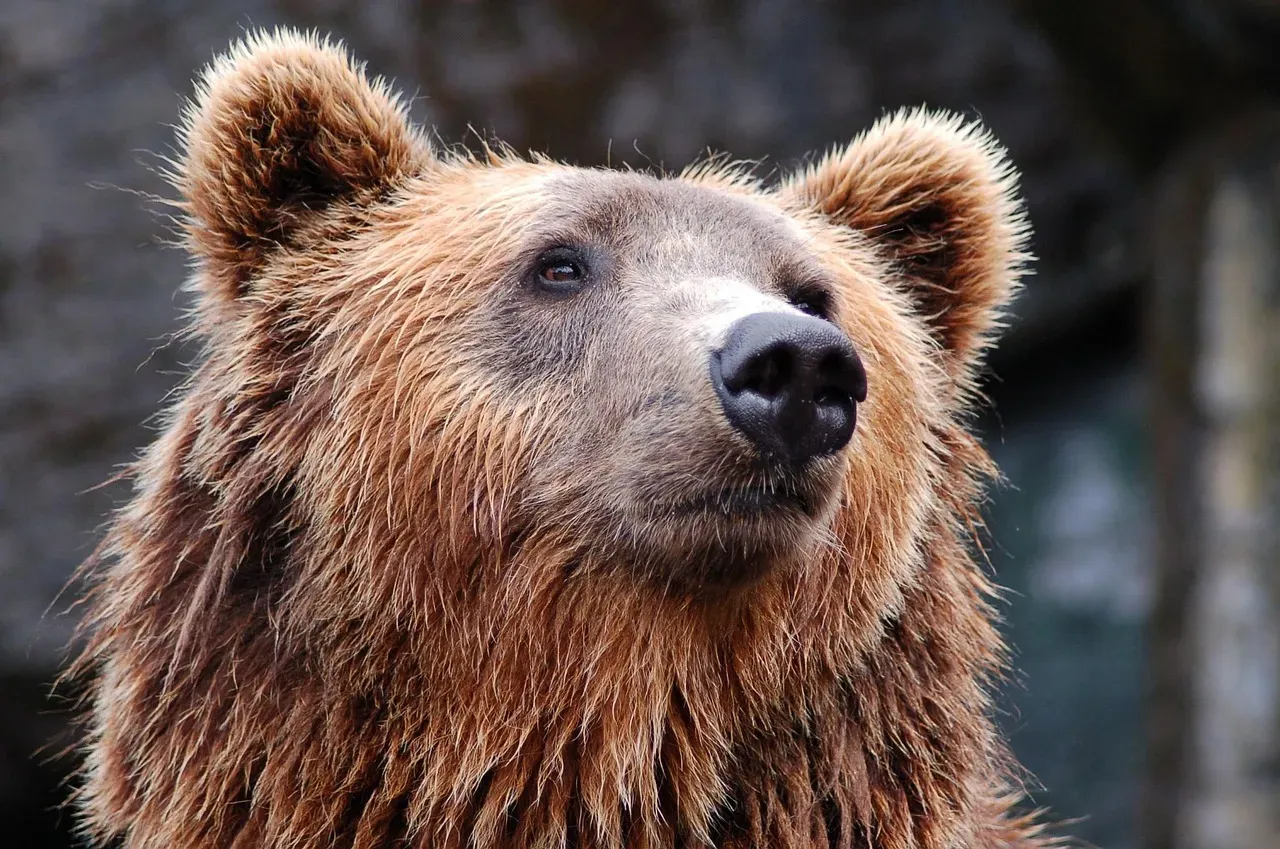
It’s easy to fall into two extremes: either you take every legend literally or you write all of them off as nonsense. With the Arctic bear myth, you have a chance to practice a middle path. You can accept that bears are not literally stepping into a Hollywood-style spirit dimension, while still honoring that the story expresses a genuine human attempt to make sense of the unknown. You’re allowed to feel wonder without abandoning reason. When you walk that line, the legend becomes something living. It nudges you to look at the winter den with more imagination and at your own inner life with more patience. You stay grounded in what research knows about hibernation, yet you keep a space in your mind where the bear remains a traveler between worlds, reminding you that the universe you walk through every day might be deeper and stranger than you think.
Conclusion: Meeting the Bear at the Threshold
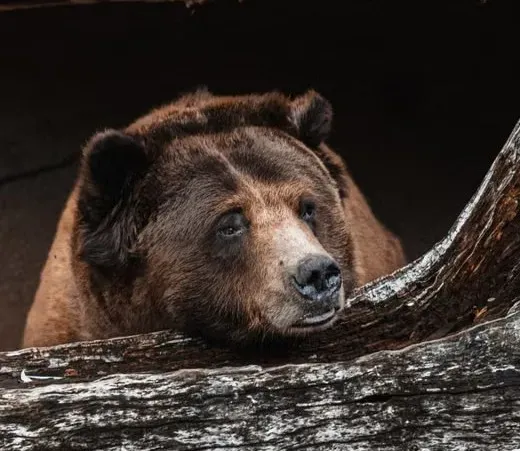
When you put it all together, the Arctic shamanic legend about hibernating bears traveling to the spirit realm is less about geography and more about relationship. You are being invited to see the bear as a guide standing at the threshold between the visible and the invisible, between survival facts and soul-level meaning. The den in winter becomes a symbol that keeps asking you: What is really happening when life goes quiet? If you let that question linger, you may find yourself reading the natural world with more care and your own seasons of withdrawal with more compassion. You do not need to fully believe in a literal spirit journey to feel the power of the image, or to let it shift how you move through your own winters and springs. The next time you picture a bear curled up beneath the snow, will you see only sleep, or will you also sense a journey you can almost, but not quite, follow?