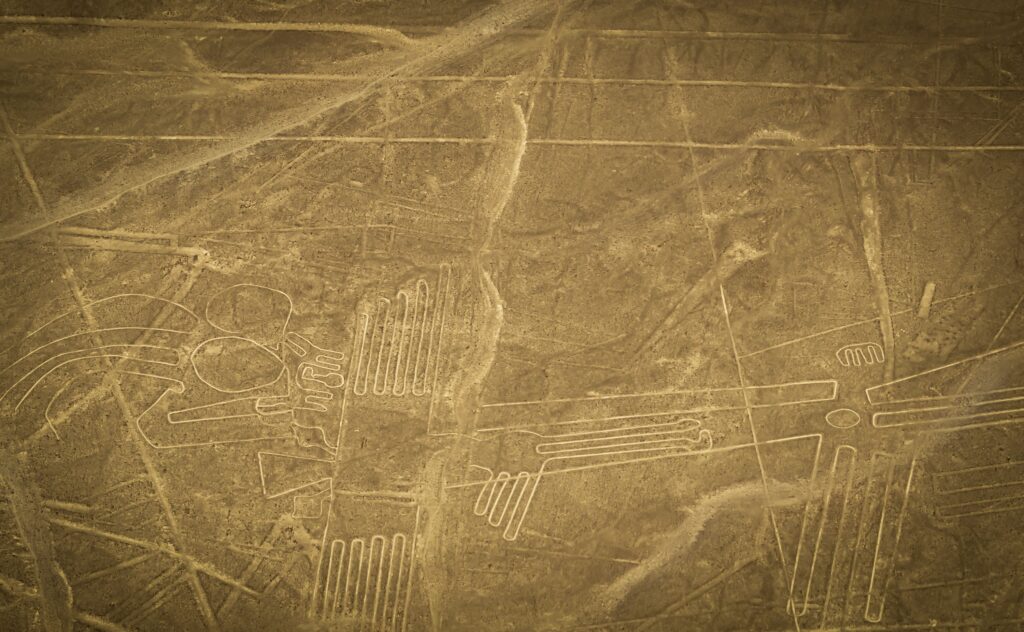

You probably know the Nazca Lines from those dramatic aerial photos: a hummingbird stretching across the desert, a spider longer than a soccer field, endless ruler-straight lines vanishing into the horizon. The mainstream view today says they were part of a vast ritual landscape, probably tied to water, agriculture, and sacred processions connected to mountain and sky gods. That theory is serious, well-researched, and much more grounded than the old “ancient runway” fantasies. But if you look closer, you start to notice uncomfortable details that the standard explanation quietly steps around. When you dig into the research, you see a pattern: every new paper seems to add nuance rather than closure. You are told the lines are mainly about water, but then you learn about astronomical alignments that are not so easy to dismiss, about strange geometric perfection in a culture with no metal tools, about giant figures that make sense from the air but not from eye level. Bit by bit, you realize something important: the accepted theory might be broadly right, yet still leave some of the most disturbing questions on the table.
1. You Can Walk Among Them Yet Still Not See the Whole Picture
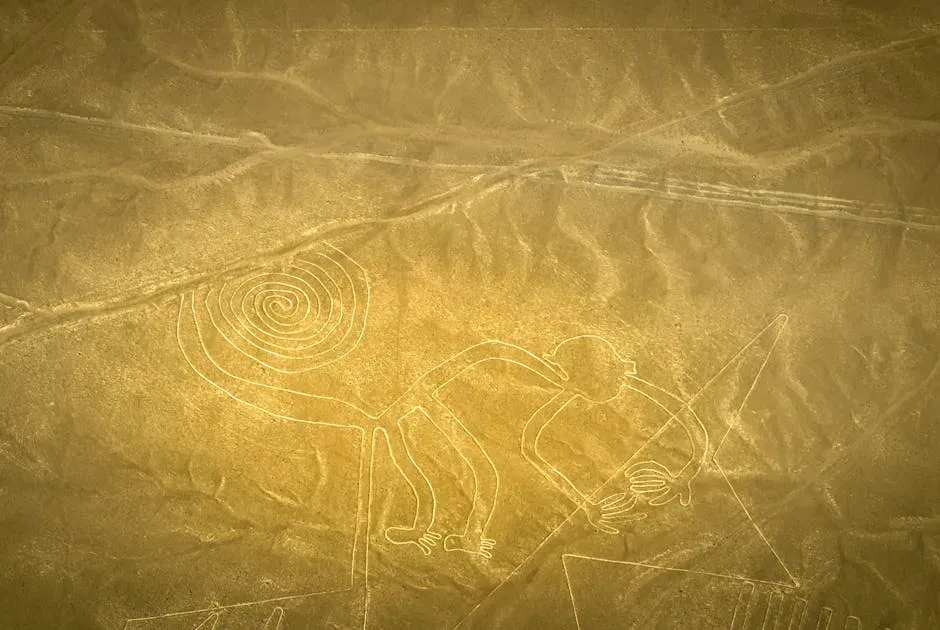
If you stand on the pampa itself, the Nazca Lines feel surprisingly ordinary. You see shallow furrows where dark stones have been scraped aside, and low borders of piled rocks. From ground level, a hummingbird that spans more than two football fields just looks like a few oddly placed trenches in the sand, and the spider’s delicate legs dissolve into nothing more than pale streaks of soil under your feet. The water-and-ritual theory explains why people might walk along these lines in processions, praying for rain or honoring mountains. But it struggles with something simple: if you are walking the lines, you can’t really see what you are walking on. You experience the path, not the picture. So why invest so much effort in animal shapes and intricate designs that only fully appear to someone far away, high in the air or perched on rare lookout hills? The mainstream view admits this puzzle but mostly just asks you to accept that the creators did not need to see the images the way you do.
2. The Impossible Straightness That Stretches for Miles
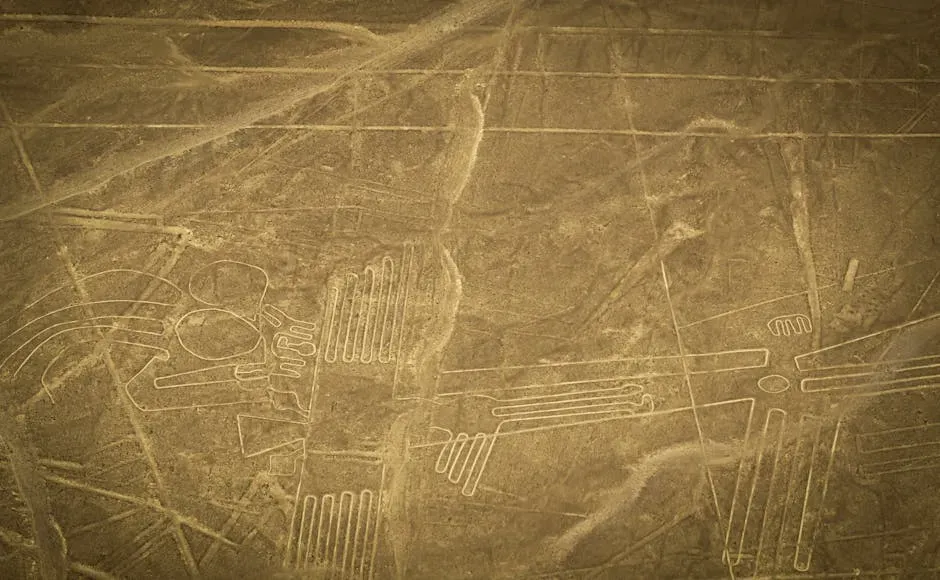
From a satellite image or airplane window, some of the Nazca lines look almost unnervingly straight, as if someone dragged a cosmic ruler across the desert. A number of them run for kilometers over uneven ground, yet barely deviate from their course. Archaeologists have found wooden stakes and think cords were stretched between them to keep the lines true, and experimental archaeology shows you can indeed create very straight segments with such simple tools. What this does not fully clarify is scale and precision working together. You are not talking about a few dozen meters in a small field, but huge alignments extended over sprawling terrain where small errors quickly add up. The prevailing theory tends to wave this away as a matter of patient surveying and collective labor, which is plausible, but it does not show exactly how people on foot, without metal instruments or a centralized state apparatus, consistently produced that level of large-scale geometric order. The method feels theoretically adequate, yet the outcome in front of your eyes still feels uncomfortably perfect.
3. The Sheer Variety of Designs Defies a Single Sacred Function
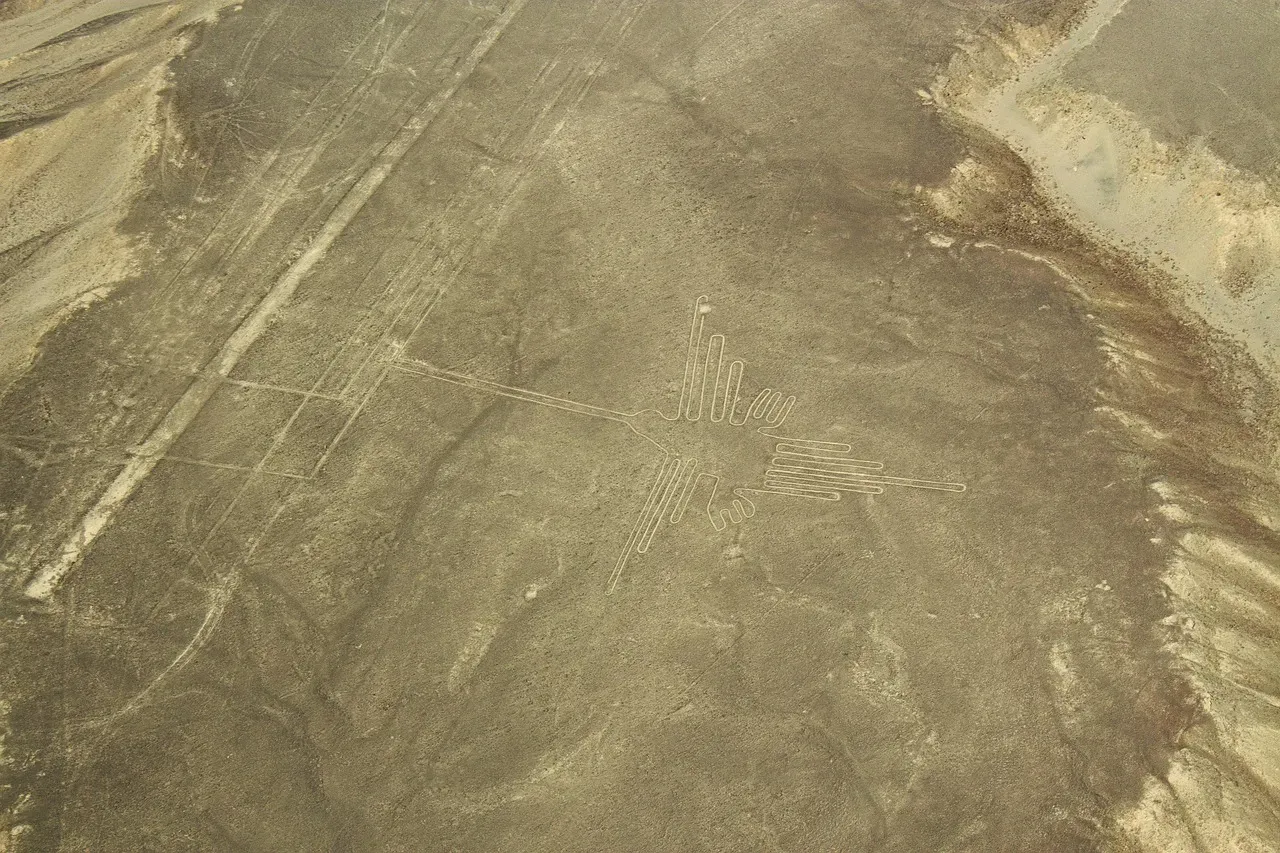
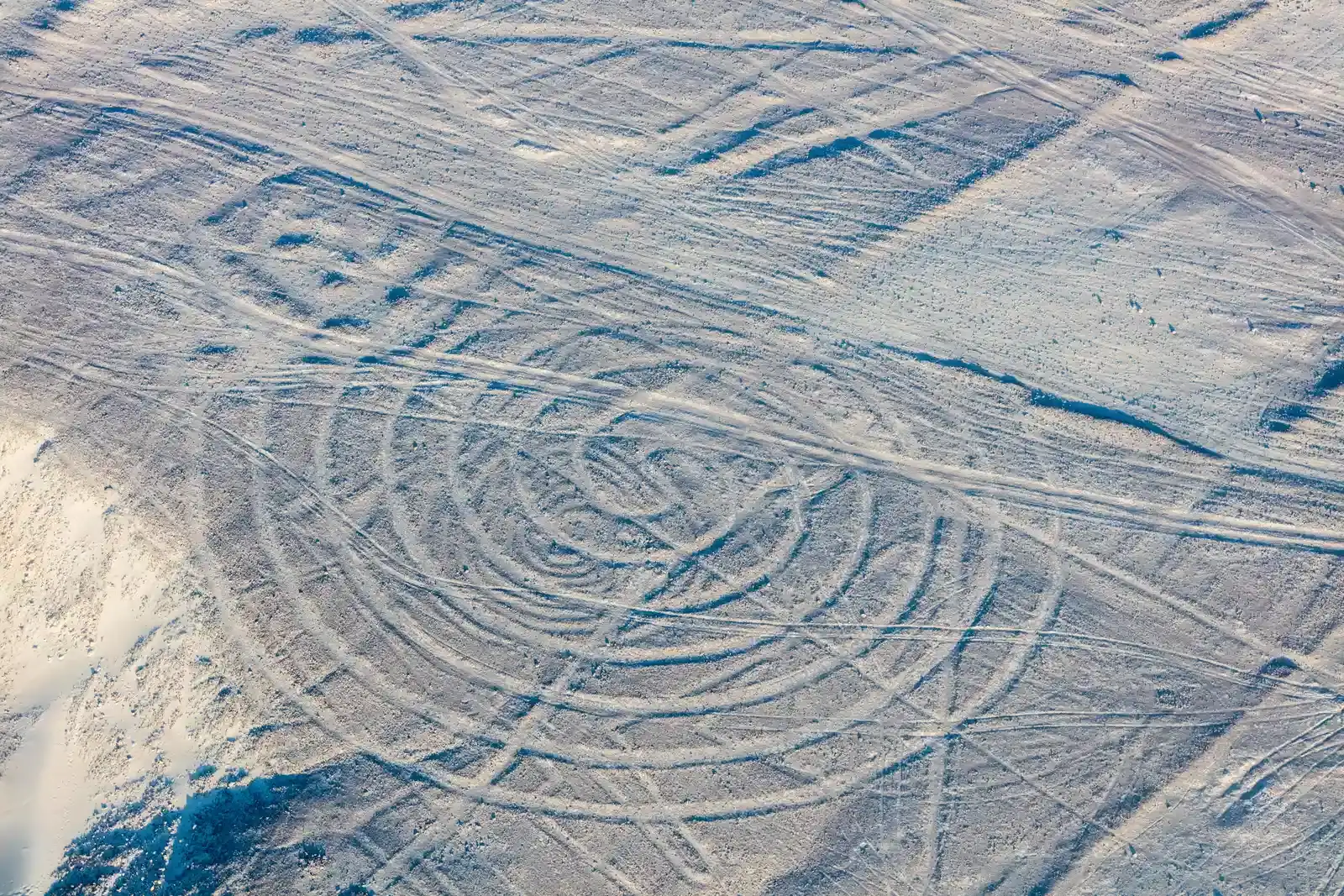
When you read popular summaries, the Nazca Lines can sound like one unified cult project: lines and figures all made to serve a single religious function. But when you look at the catalog of shapes, you see something messier. There are long straight lines, broad trapezoids, spirals, zigzags, tiny relief-type figures, huge animal silhouettes, and even more abstract forms that do not clearly match anything in nature. Recent surveys keep discovering new motifs, and they are not all stylistically identical. The water-and-ritual model can easily explain some of this variety. You can imagine processional routes, symbol animals linked to fertility, and shapes marking paths to wells or sacred mountains. Yet you also have figures that seem oddly playful, or geometric forms that resemble giant technical diagrams more than sacred paths. If you try to force everything into one purpose, you end up glossing over the diversity you actually see on the ground. You are left with an uncomfortable question: are you oversimplifying a landscape that may have hosted multiple, overlapping meanings that simply do not collapse into one neat theory?
4. Astronomical Hints That Refuse to Fully Go Away
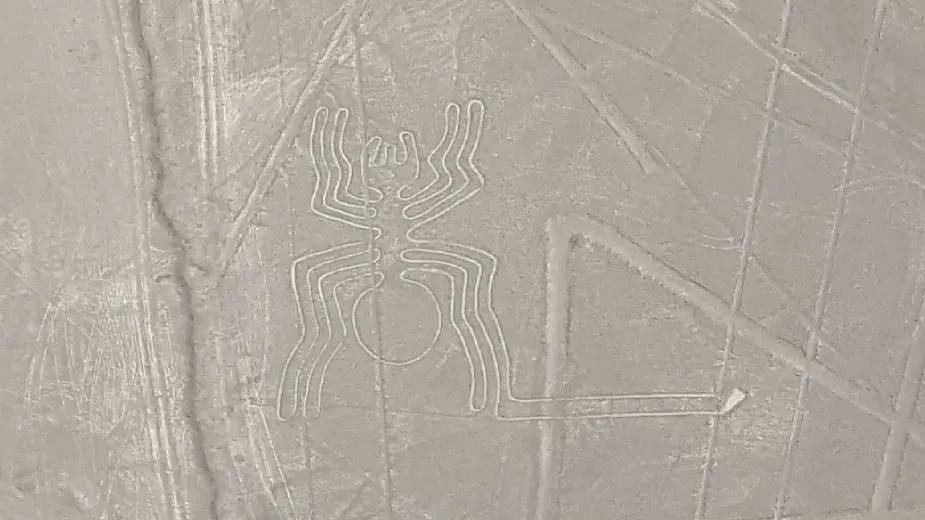
For decades, scholars have debated whether the Nazca Lines track the sun, moon, or stars. Early researchers argued that certain lines line up with solstice sunsets or mark important celestial events, but later statistical studies showed that, taken as a whole, the patterns are not nearly as clean or systematic as a giant observatory would demand. That undercut the bold “sky map” theories that once captured the public imagination. Yet you are still left with stubborn details. A number of lines do align with solar positions, at least roughly, and some animal figures look uncomfortably like constellations that were important in ancient Andean traditions. The mainstream view now tends to downgrade astronomy to a secondary role, saying the lines might have occasional sky-related meanings within a broader ritual landscape. That sounds reasonable, but it does not fully answer why you see these curious alignments at all. You are asked to accept that they are either partly intentional but not central, or mostly coincidental, and neither option feels entirely satisfying.
5. The Enormous Effort for a Landscape That Was Continually Rewritten
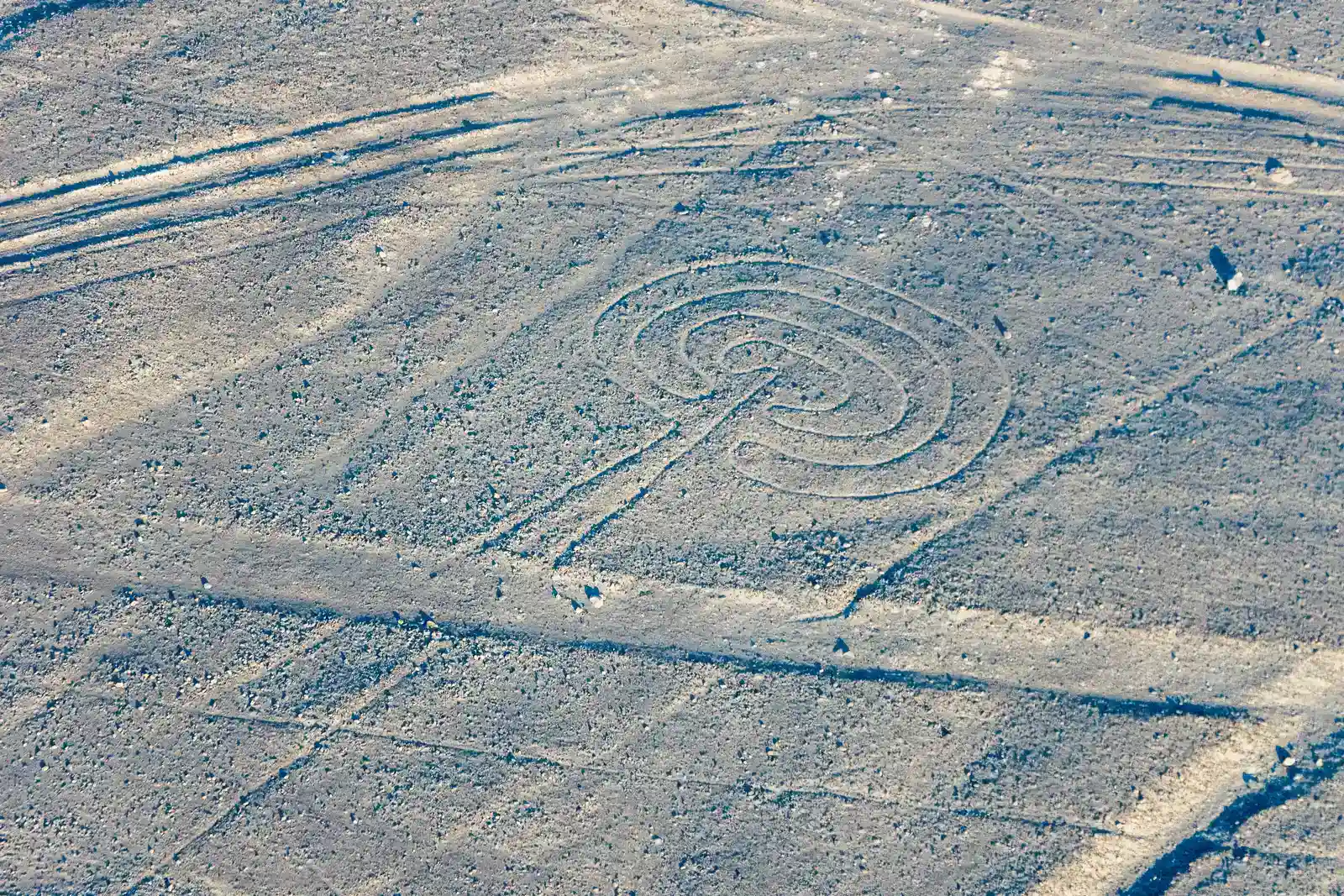
You might assume a sacred landscape of this magnitude would be stable and carefully preserved over centuries. Instead, archaeological work shows that new lines and shapes sometimes cross or overwrite older ones, like a desert-sized palimpsest. In some places, one group of geoglyphs partially erases another, suggesting that later people were either indifferent to earlier designs or willing to sacrifice them for new ritual priorities. The widely accepted theory explains this as change through time: different communities, different cult centers, evolving beliefs. That makes sense at a high level, but you are still left with the human puzzle beneath it. If making these lines and figures demanded so much organized labor, why would people so readily overwrite them? What does that say about how you value sacred work in a culture like Nazca? The ritual-landscape model tells you the why in broad strokes, but it only sketches the how and the social logic of repeatedly re-drawing the desert’s sacred canvas.
6. The Connection to Water That Is Compelling but Not Complete
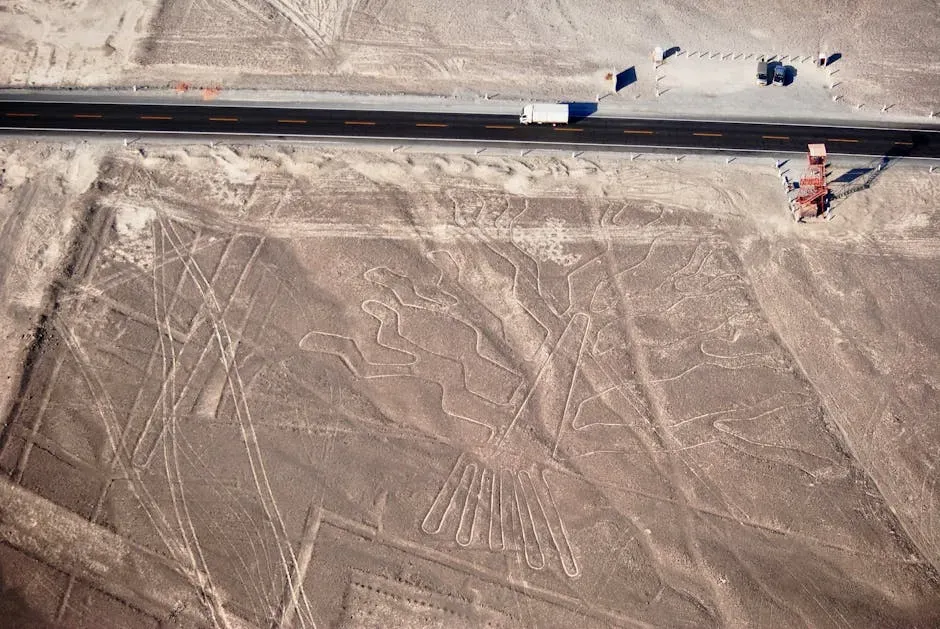
In the last few decades, the most persuasive mainstream work has tied the Nazca Lines to water. You learn about the brutally dry environment, the ingenious underground aqueducts called puquios, and the central role of mountain and water spirits in Andean religion. From that angle, lines pointing toward distant peaks, shapes near channels, and associations with rituals for rain all feel like pieces of one compelling picture. But when you try to apply this water lens to every geoglyph, gaps appear. Some figures sit far from known aqueducts or obvious hydrological features. Others do not line up neatly with mountains or streams. You can always argue that you simply have not found the right correlation yet, or that some lines encoded mythic landscapes rather than literal maps, but that pushes the puzzle further into the fog. You end up where many specialists quietly are: water and fertility probably mattered a great deal, yet they still do not fully explain the entire spread of forms you see.
7. The Social Machinery Behind the Project Remains Shadowy
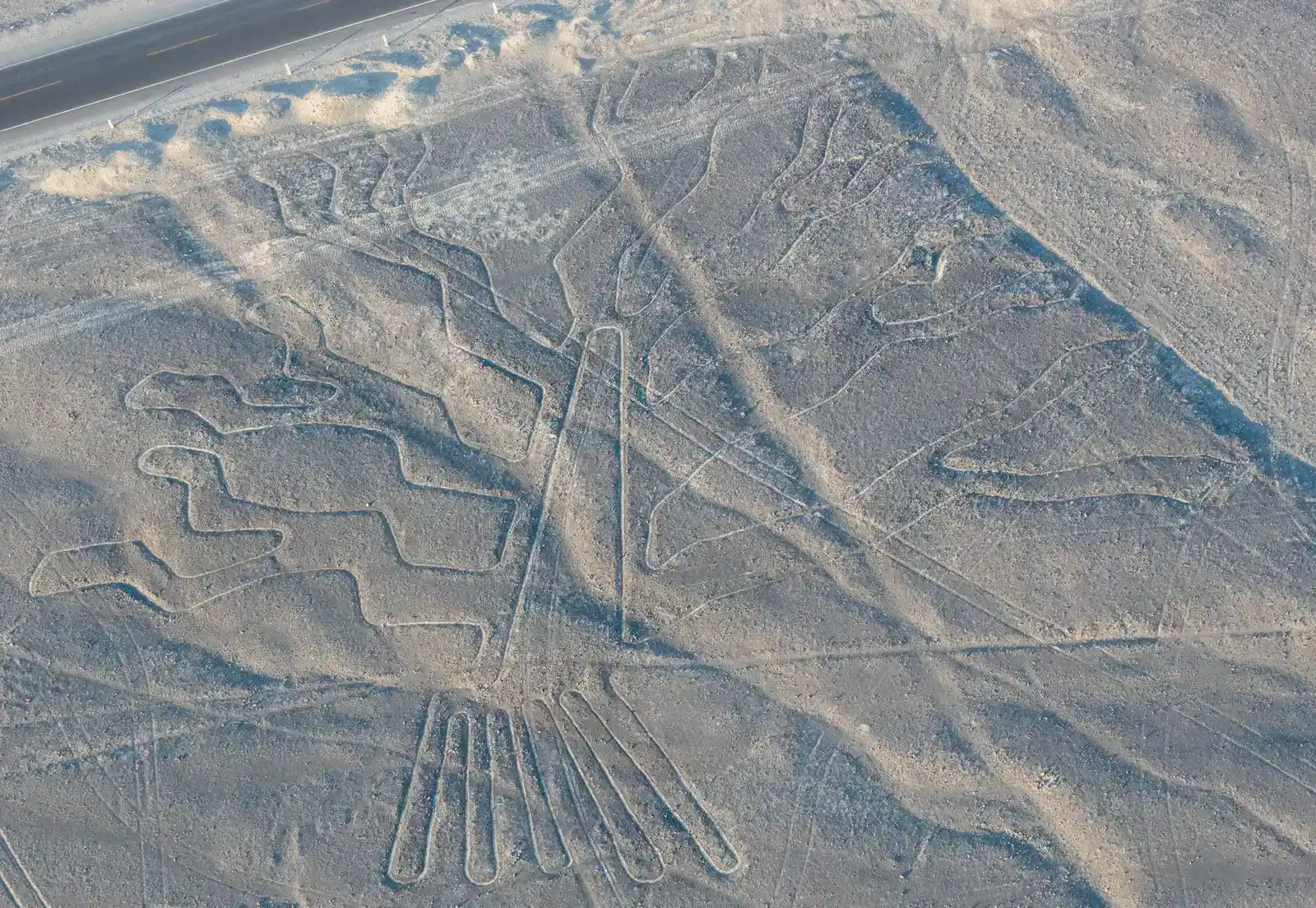
To carve hundreds of huge geoglyphs into the desert, you need more than belief; you need logistics. You need someone to decide where each line goes, who contributes labor, how food is supplied, and why competing communities would participate. The Nazca culture built serious irrigation systems and other large projects, so you know it had some way to coordinate big efforts. But unlike more centralized empires, you do not see massive stone cities or obvious monuments of kings that would signal a classic top-down command structure. The ritual-landscape theory nods to community festivals, shared pilgrimages, and periodic gatherings, which feel intuitively right. Still, you rarely see a detailed, evidence-backed picture of what that looked like in practice. Who told you where to draw? How did you resolve disputes when one group’s design cut across another’s? Why did people keep enlarging the system instead of turning their energies elsewhere? The accepted model largely treats society as a black box: it assumes coordination existed, but it cannot yet show you its inner workings.
8. The Modern Obsession That May Be Warping How You See Them
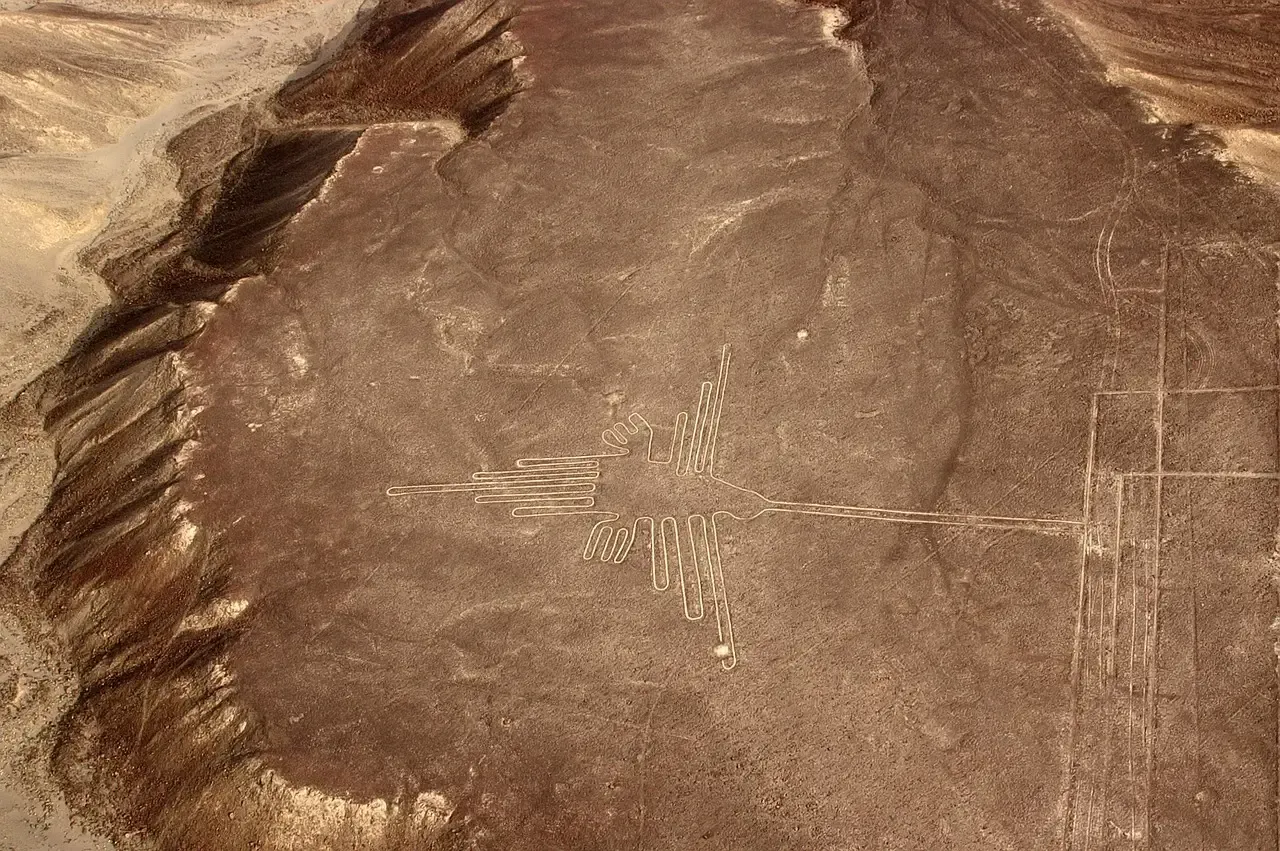
There is one more fact you are rarely encouraged to examine: your own fascination. The Nazca Lines exploded into global consciousness in the twentieth century through sensational books, documentaries, and, yes, a lot of wild speculation about extraterrestrials and lost technologies. Even though professional archaeologists have firmly rejected those ideas, the afterglow of that mystery marketing still hangs over every discussion. You arrive at the lines already primed to see them as a riddle that begs for a single dramatic answer. The widely accepted water-and-ritual theory, in a way, grew up partly in reaction to this. It offers a sober, grounded alternative to fantasies, but it can slip into the opposite extreme, smoothing over awkward questions to avoid fueling fringe narratives. You are left in a strange tension: you know the exotic explanations go too far, yet you can also feel that the cautious mainstream story does not fully satisfy your curiosity. The lines themselves remain in the middle, indifferent to your modern debates, quietly insisting that they hold more layers than any one theory can comfortably contain.
Conclusion: Living With a Mystery That Refuses to Shrink
When you step back, the Nazca Lines show you something bigger than a single archaeological debate. They remind you that ancient people were capable of sustained, large-scale projects whose full meanings can slip through your fingers even when you map, photograph, and model every line. The mainstream view today, centered on ritual and water in a harsh environment, is probably the best overall framework you have, but even its strongest defenders admit that many details remain open, and some patterns simply resist neat categorization. Maybe the real challenge for you is learning to live with that. You can appreciate how far careful research has brought you while still admitting that the desert keeps some of its secrets. You may never know exactly what every hummingbird wing or perfect trapezoid meant to the people who carved them, but perhaps that enduring uncertainty is part of their power. Faced with a landscape like this, are you willing to accept an answer that is partial, layered, and unresolved, or will you always feel there must be one final explanation just beyond the horizon?