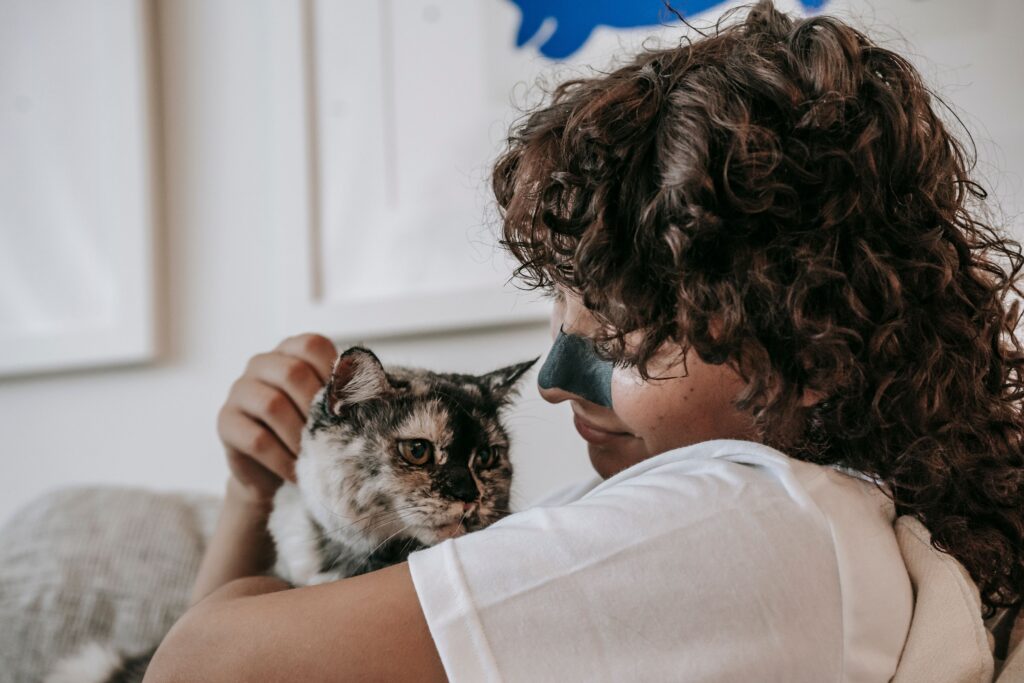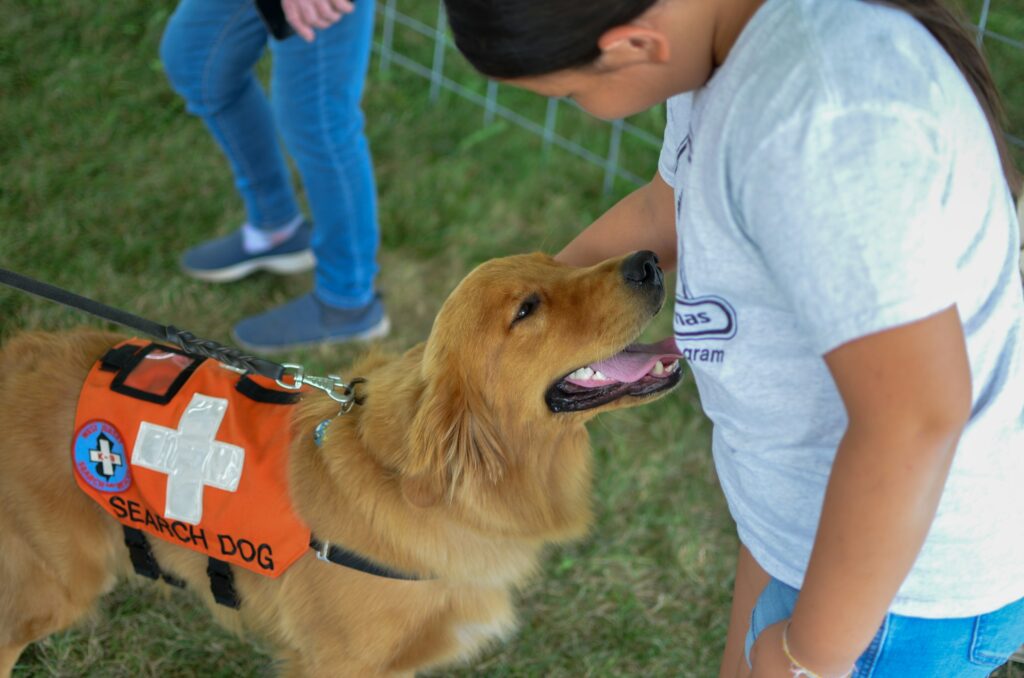

You know that weirdly soothing feeling you get when you watch a puppy tumble around or a cat chase a toy with total abandon? You might describe it as cute, heart‑warming, or simply relaxing, but there’s something deeper going on under the surface. Your body often responds as if a weight has just slipped off your shoulders: your muscles loosen, your breathing gets softer, and your brain feels a little less loud. You may think you’re just enjoying something aesthetically pleasing, like a beautiful painting or a well‑designed room. But when you watch animals play, your nervous system is actually scanning the scene for clues about safety. Your brain treats relaxed, playful animal behaviour as living proof that the surrounding environment is calm, stable, and free of immediate threats – and then it tells your body it’s allowed to stand down.
Your Brain Is a Constant Threat-Detector, Even When You Feel “Fine”
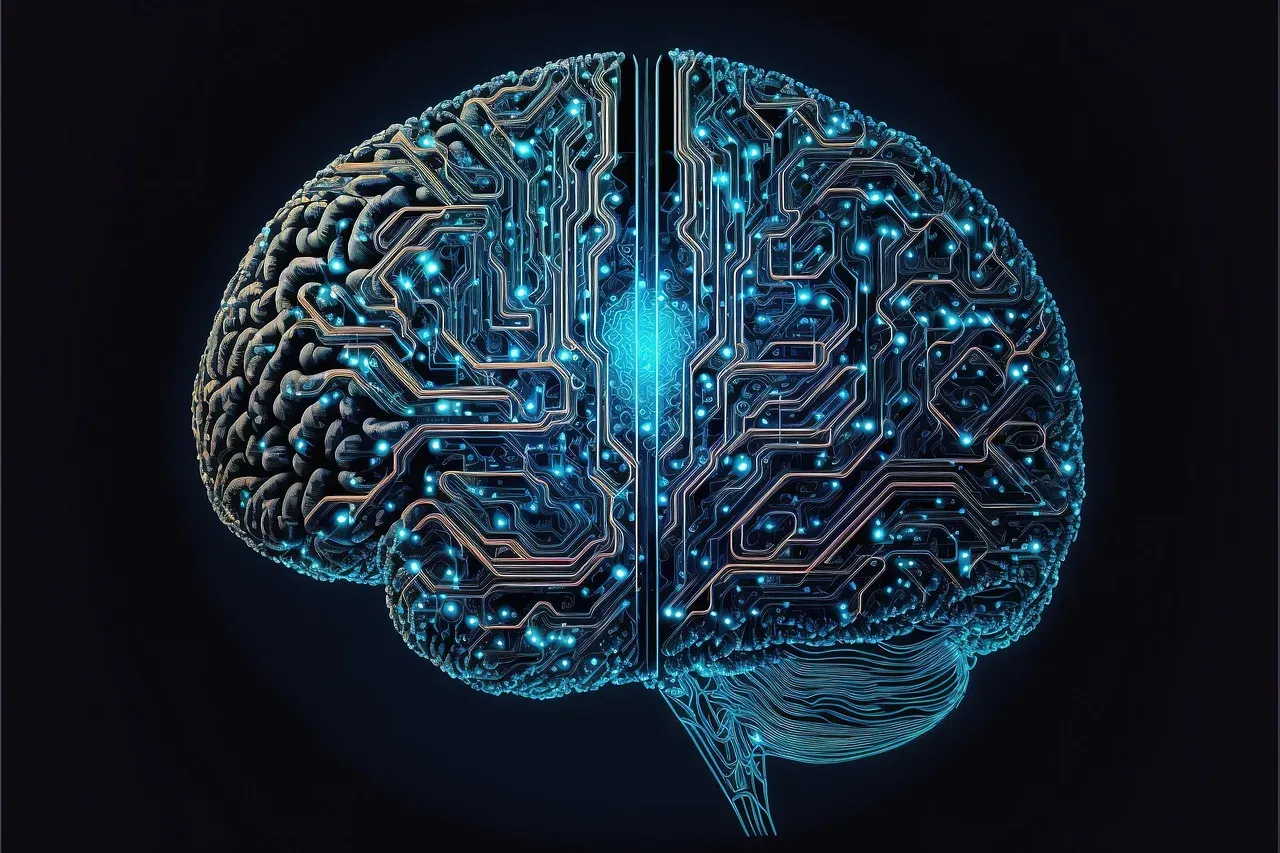
Without you realizing it, your brain is quietly running in the background like security software, constantly asking one question: am I safe right now? You might be scrolling on your phone, folding laundry, or sipping coffee, but your nervous system is still monitoring sounds, movement, facial expressions, and body language around you. This is not paranoia; it is an ancient survival system that kept your ancestors alive long before you had words for anxiety or stress. When something hints at danger – a loud bang, a tense voice, a sudden movement – your body ramps up. Your heart may beat a little faster, your attention sharpens, and your muscles subtly tighten. What you often overlook is that this system also responds, just as powerfully, to signals of safety. Watching animals play is one of those surprisingly strong signals that tells your brain: if they feel safe enough to mess around, things must be okay.
Relaxed Animal Play Is a Powerful “All Clear” Signal

When you see two dogs wrestling happily or a group of birds splashing in a puddle, you are not just witnessing something cute. Your brain is reading their relaxed posture, loose movements, and lack of vigilance as hard data about what is happening in the environment. In the wild, animals do not play when danger is nearby. They pause, freeze, flee, or fight. Play only shows up when there is enough safety for them to let their guard down. So when you watch that video of foxes bouncing on a trampoline or otters holding hands while they float, your brain interprets it as a broadcast: these animals are safe, so the surroundings must be safe too. You then borrow that sense of safety for yourself, even if you are sitting in your living room. It is less about cuteness and more about your nervous system saying, all right, I can afford to relax.
Why You Physically Feel Relief (Not Just Emotional “Aww”)

You may notice that after a few minutes of watching animals play, your shoulders drop, your jaw unclenches, and your breathing deepens. That shift is your body literally moving from a threat‑ready state toward a rest‑and‑restore state. Your heart rate can slow down, your muscles loosen, and tension that you were not even aware of begins to melt away. This is not imagined; it is physiology. When your brain decides the environment is safe, it dials down stress hormones and eases off the systems that prepare you to fight or run. You feel that as a physical exhale – sometimes so strong that you are surprised you were carrying that much tension in the first place. The emotional feeling of “cute” rides on top of a very real bodily transition from guarded to at ease.
The Science of “Neuroception”: Detecting Safety Before You Think About It

You are not consciously analyzing every tail wag, ear flick, or playful pounce you see. A deeper layer of your nervous system is doing that automatically, long before your thinking mind catches up. Some researchers use the term neuroception to describe this subconscious detection of safety and threat. It runs under your awareness, constantly scanning for cues that things are either okay or dangerous. When you watch relaxed, playful behaviour – in animals or humans – your neuroception leans toward safety. Loose bodies, soft eyes, and bouncy, unguarded movement are like green lights to your nervous system. The more clear and consistent those safety cues are, the easier it is for your body to come down from a heightened state and let you feel that micro‑wave of relief.
Why Animal Play Feels Different From Human Play
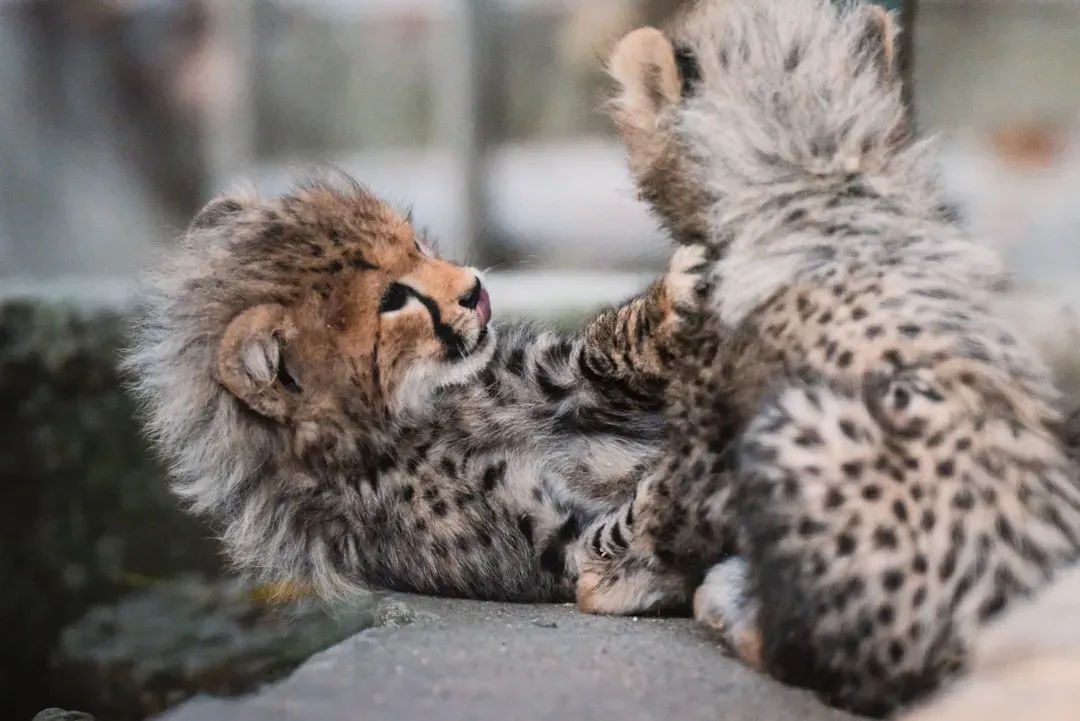
You might notice that watching animals play sometimes soothes you more than watching people joke around or play games. One big reason is that animals do not trigger the same social evaluations you automatically run with humans. You are not worried about their status, whether they secretly dislike each other, or if there is hidden tension and judgment in the room. With animals, what you see tends to feel more honest and direct: relaxed means relaxed, playful means playful. So when you see a dog flopping belly‑up or a kitten pouncing clumsily, your brain does not have to waste energy decoding complex intentions. That clarity lets your nervous system trust the safety signal more fully and drop into that “nothing bad seems close by” state with less resistance.
From the Savannah to Your Screen: Ancestral Logic in a Modern World

Your nervous system was shaped in a world where ignoring danger could get you killed, but overreacting cost you valuable energy. So your brain learned to rely on the behaviour of other living creatures as real‑time evidence about the safety of the landscape. If the animals around you were jumpy and tense, you stayed on edge. If they were calm and playful, you could loosen up and conserve resources. Today, you live in homes and cities instead of open plains, but the logic in your brain has not changed nearly as much as your environment has. When you open a video of elephants splashing in water or baby goats hopping in a field, you are still tapping into that old detection system. Your brain treats those scenes the same way it would treat actual animals nearby: as a live update that, at least in that slice of reality, no immediate predator is lurking.
Why You Reach for Animal Videos When You’re Stressed

Think about the times you instinctively open a cute animal clip: after a long day, before bed, during a stressful work break, or when your mind feels overloaded. You may tell yourself you are just distracting yourself, but what you are really doing is trying to change your inner state. You are looking for something that tells your body, without words, that the world is not only danger and deadlines. Animals at play give you that in a clean, concentrated dose. Even if your inbox is full and your life is complicated, your nervous system can still borrow the calm from that playful scene for a moment. You are effectively using a small, portable safety signal to push back against the constant hum of modern stress that convinces your body it has to stay braced all the time.
How to Use This Safety Signal Intentionally

Once you understand what is actually happening, you can use animal play as a simple, deliberate tool instead of just a guilty pleasure. You might decide to watch a short video of relaxed animals before a big meeting, after reading something upsetting, or when you notice your body slipping into that tight, wired feeling. The goal is not to escape reality but to remind your nervous system that safety still exists somewhere, right now. You can also seek out real‑life versions of these safety cues. Watching dogs at a park, birds at a feeder, or squirrels chasing each other in a tree can have a similar effect. When you let yourself really absorb their relaxed, playful energy – noticing their loose bodies, curious exploring, and lack of urgency – you give your brain fresh evidence that not every moment, and not every place, is dangerous.
When the Signal Does Not Land: Anxiety, Trauma, and Sensitivity

If you live with chronic anxiety, past trauma, or high sensitivity, you might notice that even the cutest animal videos only help a little, or sometimes not at all. That does not mean this safety signal is fake; it means your nervous system has learned to prioritize threat so strongly that safety cues have a harder time sinking in. Your body may keep asking, yes, but what if something bad is still about to happen? In those cases, watching animals play might still be useful, but more as one tool among many rather than a magic fix. Pairing it with deep breathing, grounding exercises, or gentle movement can give your body multiple layers of safety at once. Over time, repeating small, consistent safety experiences – including watching playful, relaxed animals – can help your nervous system slowly trust that not every moment requires full‑scale protection.
Conclusion: You Are Not Just Watching Cute Animals – You Are Borrowing Their Safety
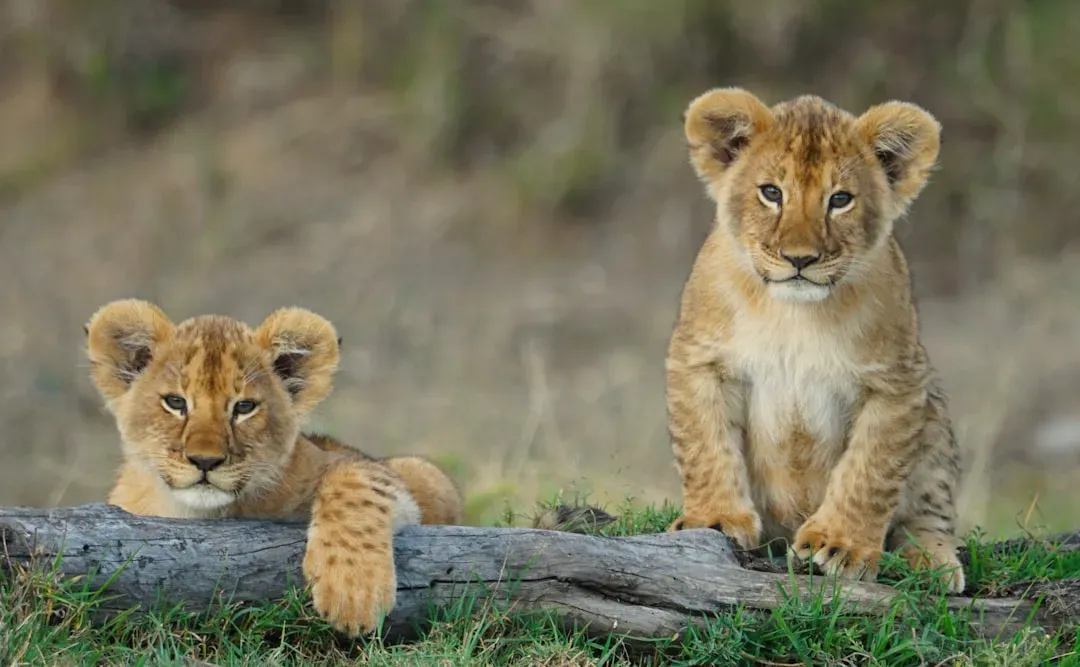
The next time you feel that little surge of relief while watching a dog zoom around a yard or a panda rolling down a hill, you will know something deeper is happening. You are not just admiring how adorable they are; your brain is using their relaxed behaviour as real‑time evidence that, somewhere in the world, danger is not in charge. And your body, grateful for any excuse to rest, takes that as permission to loosen its grip. You can keep treating these moments as a light distraction, or you can start seeing them as a quiet, powerful way to tell your nervous system it does not have to stay on high alert every second. Either way, that physical feeling of relief you notice is not an accident – it is your built‑in safety system doing its best to protect you and, mercifully, sometimes letting you exhale. Now that you know what is really going on, how differently will you feel the next time you press play on a video of animals just being joyfully, effortlessly themselves?