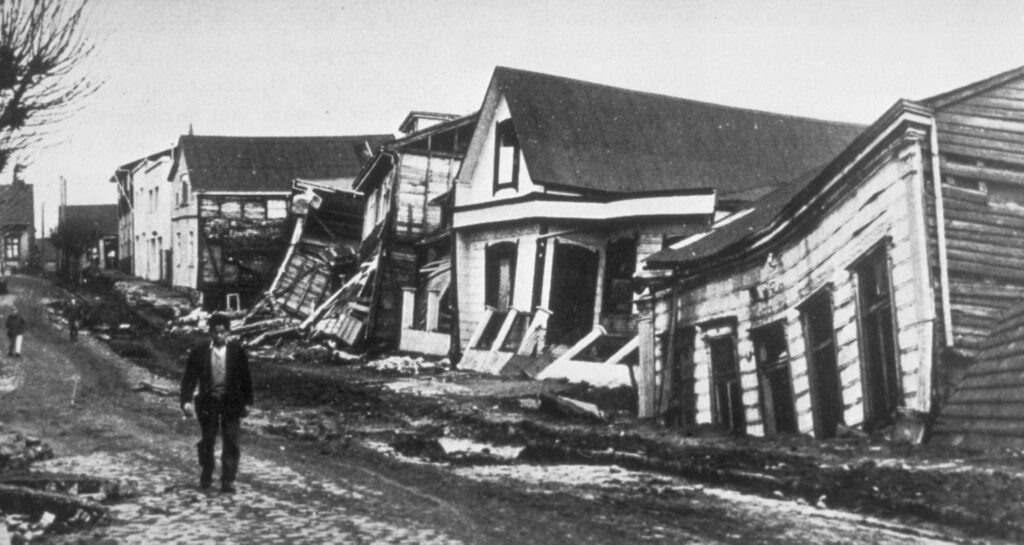

You probably think of earthquakes as moments: a few terrifying minutes, then it is over. But sometimes, the ground shakes so violently, and over such a huge area, that an entire country’s story splits into a “before” and an “after.” That is what happened on May 22, 1960, when the most powerful earthquake ever recorded ripped through Chile and reshaped not just its coastline, but its future.
As you walk through this story, you are not just learning about a massive number on a scientific scale. You are stepping into a day when the Earth itself roared so loudly that it sent waves across oceans, altered maps, and left scars that Chile still carries in its cities, its politics, and its people. By the end, you may never hear the word “earthquake” the same way again.
The Day the Earth Broke: What a Magnitude 9.5 Really Means
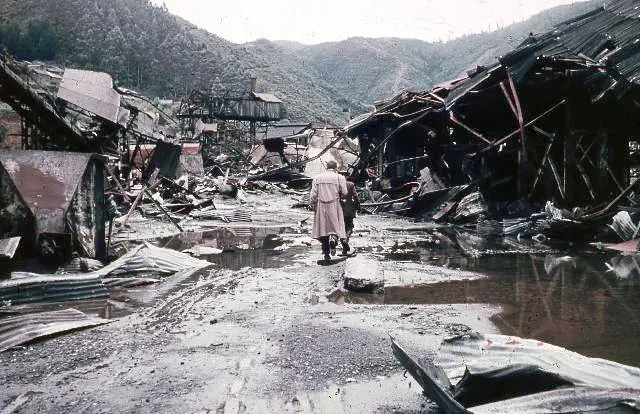
When you hear “magnitude 9.5,” it sounds like just a number, but on the moment magnitude scale, that number sits at the very top of what humanity has ever recorded. You are not talking about a slightly stronger quake than others; you are looking at an event that released more energy than hundreds of typical large earthquakes combined. The 1960 Valdivia earthquake in southern Chile did not just shake a city, it shook a continental margin for hundreds of kilometers.
If you imagine trying to describe a jet engine to someone who has only heard a lawnmower, that is the kind of scale jump you are dealing with. You feel local quakes as rattling windows or swaying lamps; this one tore open the Earth’s crust along a fault that stretched roughly the distance from New York City to Detroit. In some places, the ground moved several meters in a matter of seconds. You live on a planet where the solid ground under your feet can suddenly behave like an ocean wave, and this earthquake was one of the clearest, most brutal demonstrations of that fact.
Chile’s Violent Geography: Living on the Edge of a Tectonic Collision
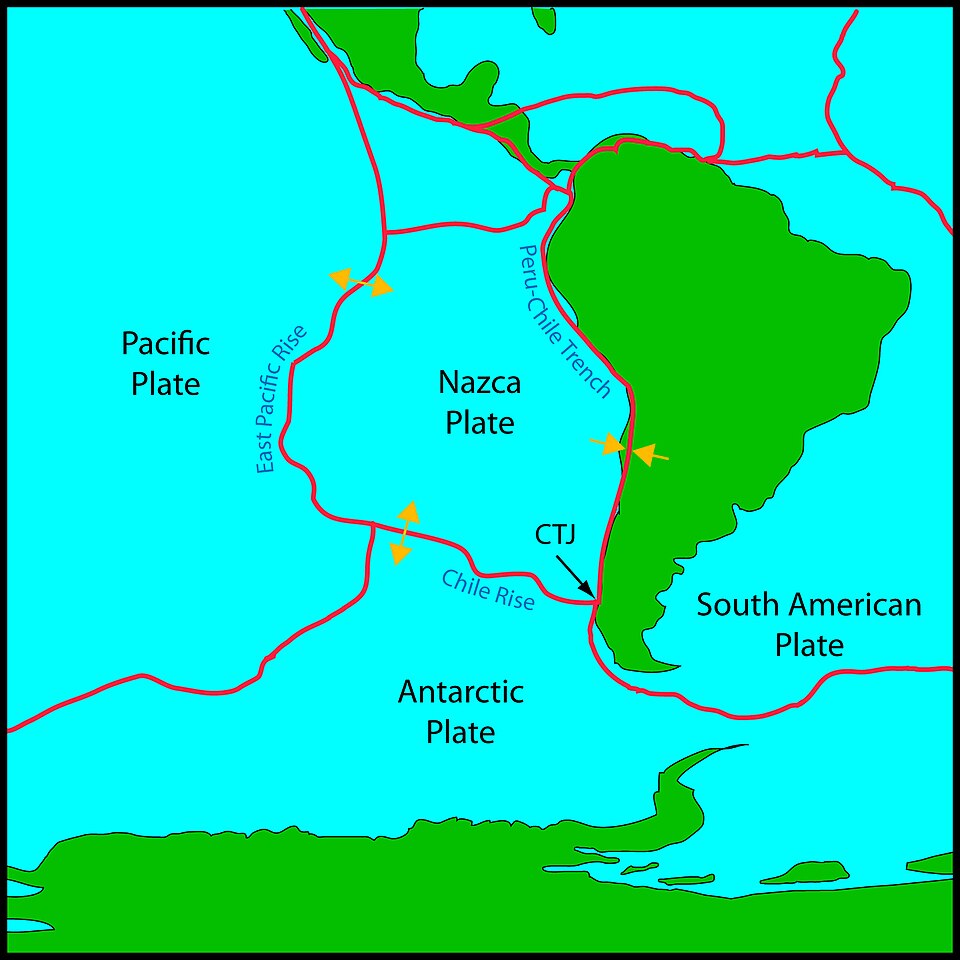
To really understand why this happened in Chile, you have to picture where you are on the planet’s mechanical map. Chile lies along the boundary where the dense Nazca Plate is slowly diving under the lighter South American Plate, a process called subduction. You can think of it as a slow-motion conveyor belt, where one section of the planet’s surface is constantly being pushed below another, storing up energy over decades and centuries.
When you live in a country like Chile, that tectonic collision is not just a line on a geological map; it is a constant background threat woven into daily life. Over time, the plates lock, strain builds, and when it finally snaps, the release is violent. In 1960, that locked section of plate boundary finally gave way in spectacular fashion, unleashing the 9.5 rupture. You are essentially watching the planet adjust itself, but when it does, everything humans have built on top of it – homes, roads, ports, power lines – pays the price.
A Chain of Disasters: Tsunamis, Landslides, and Flooded Valleys
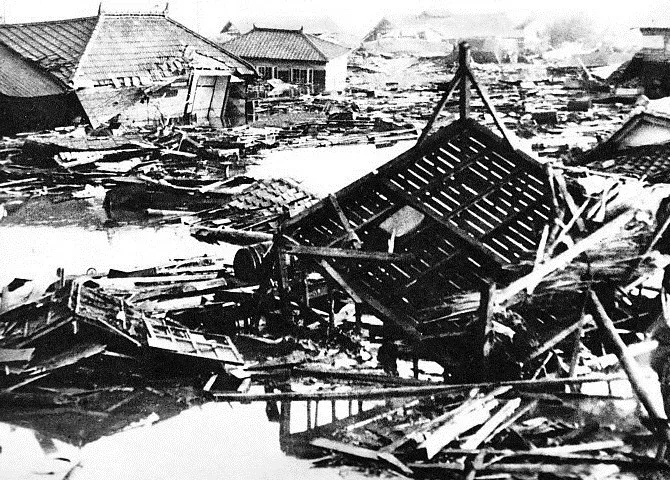
You might assume the real danger was just the shaking, but the 1960 earthquake turned into a chain reaction of disasters that spread across oceans and deep into Chile’s interior. The rupture triggered towering tsunami waves along the Chilean coast, tearing through fishing towns and ports, then racing across the Pacific to hit places as far away as Hawaii and Japan hours later. If you had been standing on a beach that day thinking the worst was over when the ground stopped moving, you would have been terribly, tragically wrong.
Inside Chile, the story was just as devastating. The quake destabilized mountain slopes, triggering landslides that buried villages and blocked rivers. In southern Chile, one of the most haunting outcomes was the partial damming of rivers by landslides, which later failed or overflowed, causing destructive floods. Imagine surviving the initial quake, only to watch the valley you live in slowly fill with rising water in the days afterward. You are reminded that an earthquake of this scale does not end when the tremors stop; it lingers in collapsing hillsides, redirected rivers, and new inland lakes where fertile farmland used to be.
Cities Shattered and Lives Uprooted: A Country Forever Rearranged
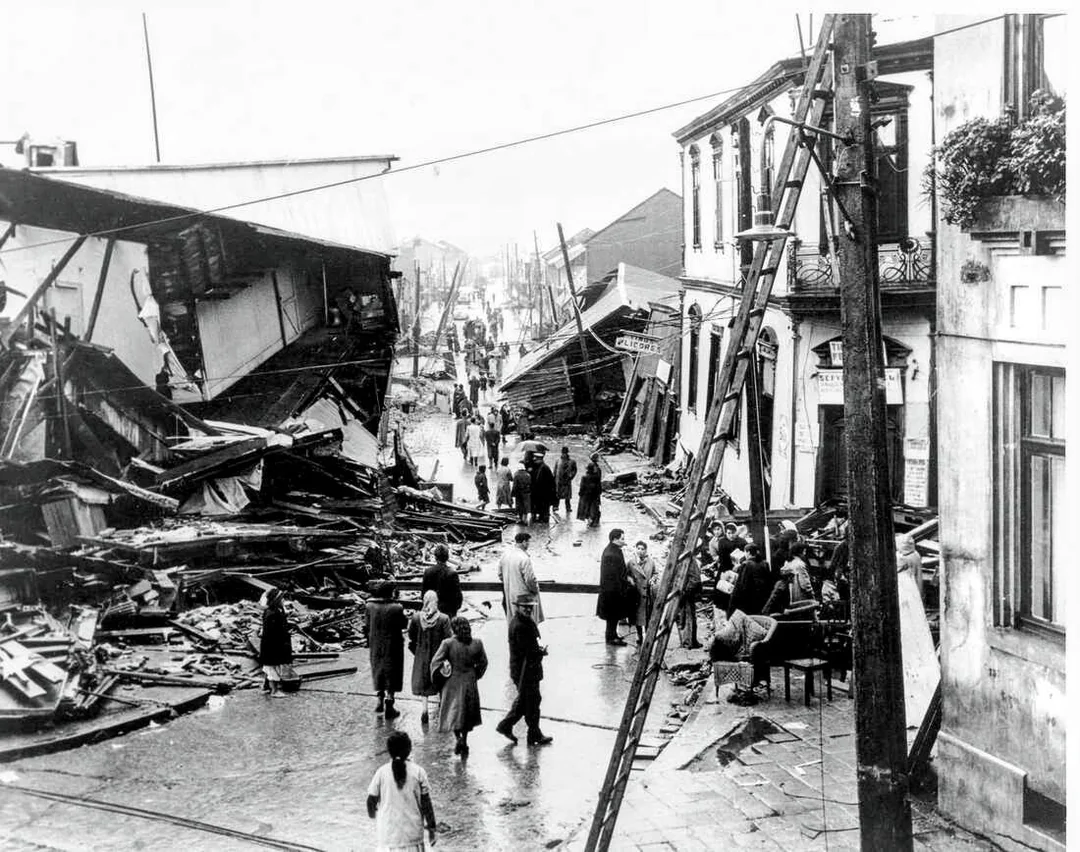
When you think about recovery, you might picture rebuilding houses and repairing roads within a few years, but for Chile, the 1960 quake left damage so widespread that entire communities were effectively rearranged. Cities like Valdivia and Puerto Montt saw whole neighborhoods destroyed, with buildings pancaking, bridges failing, and streets splitting. In many places, the ground itself either sank or rose, turning former farmland into wetlands or leaving once-coastal communities suddenly further inland or closer to the sea.
If you had grown up in one of those towns, your personal map of home would have been permanently redrawn. People were forced to move, not just because their houses were gone, but because the land no longer functioned the same way. Some communities aligned their identity around the quake itself, remembering it in stories, anniversaries, and local history. So when you hear that Chile never fully recovered, it is not just about buildings that were never rebuilt; it is about the stubborn fact that the physical and social fabric of those places was altered in ways you cannot simply reverse.
Psychological and Economic Aftershocks That Never Quite Ended
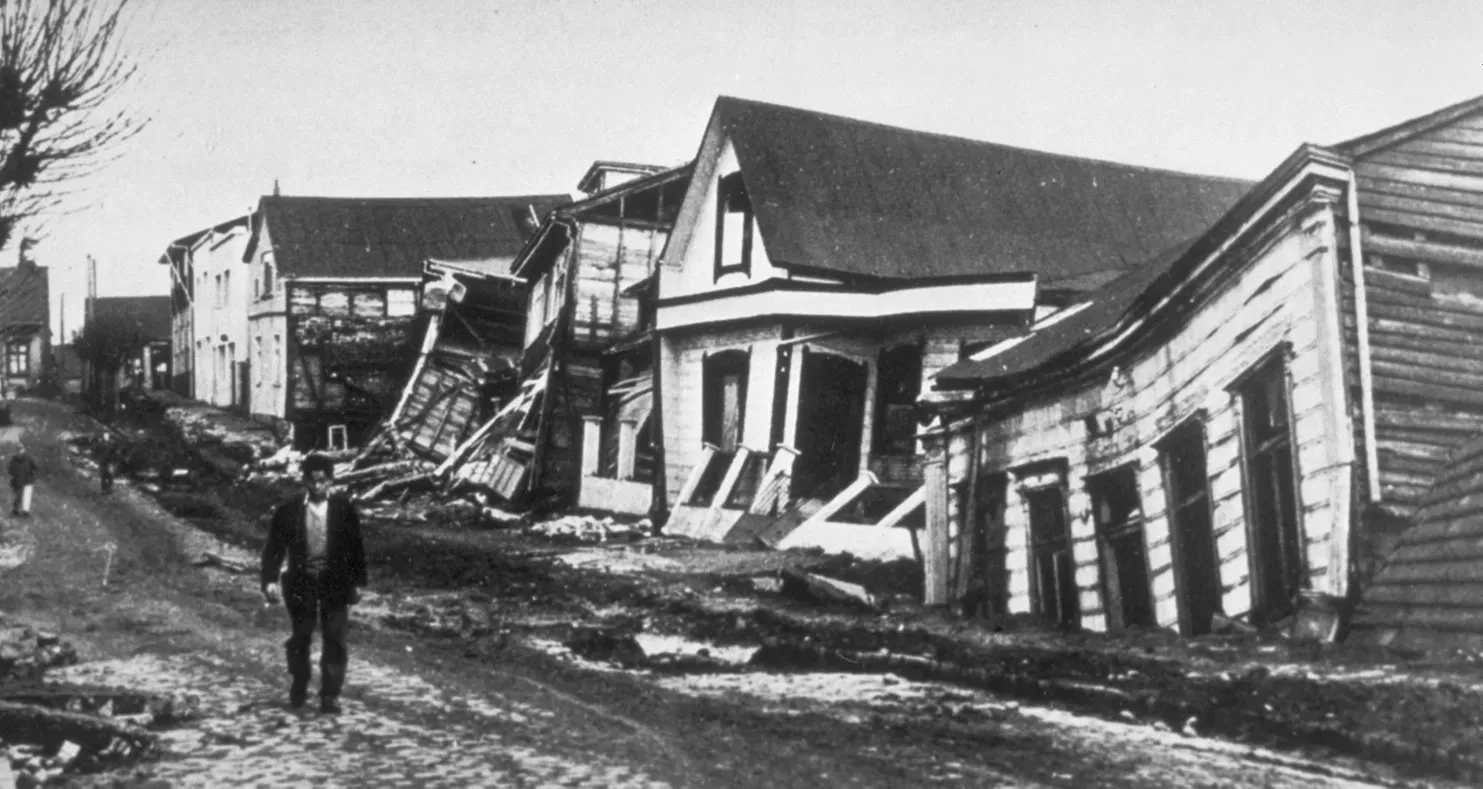
Long after the rubble was cleared, you would still have felt the quake in other, quieter ways. Economically, Chile faced enormous losses in infrastructure, agriculture, and industry, especially in the south, which was already less wealthy than the capital region. For many families, livelihoods tied to fishing, farming, or small local businesses never fully bounced back. The country did receive international aid and launched major reconstruction programs, but the gap between regions deepened, and some areas struggled for decades to regain momentum.
On a psychological level, you have to imagine what it does to you when the ground itself betrays your trust that violently. People who lived through the 1960 quake often carried a lifelong sense of vulnerability. Children who grew up hearing those stories inherited a deep respect – and fear – for the Earth beneath them. Even as Chile became a global model for modern seismic building codes later on, that lingering collective memory remained. You can pour concrete, reinforce walls, and design evacuation plans, but you cannot fully rebuild a sense of absolute safety once you have watched the horizon heave like an ocean.
Lessons You Live With: How Chile Changed Its Future After 1960
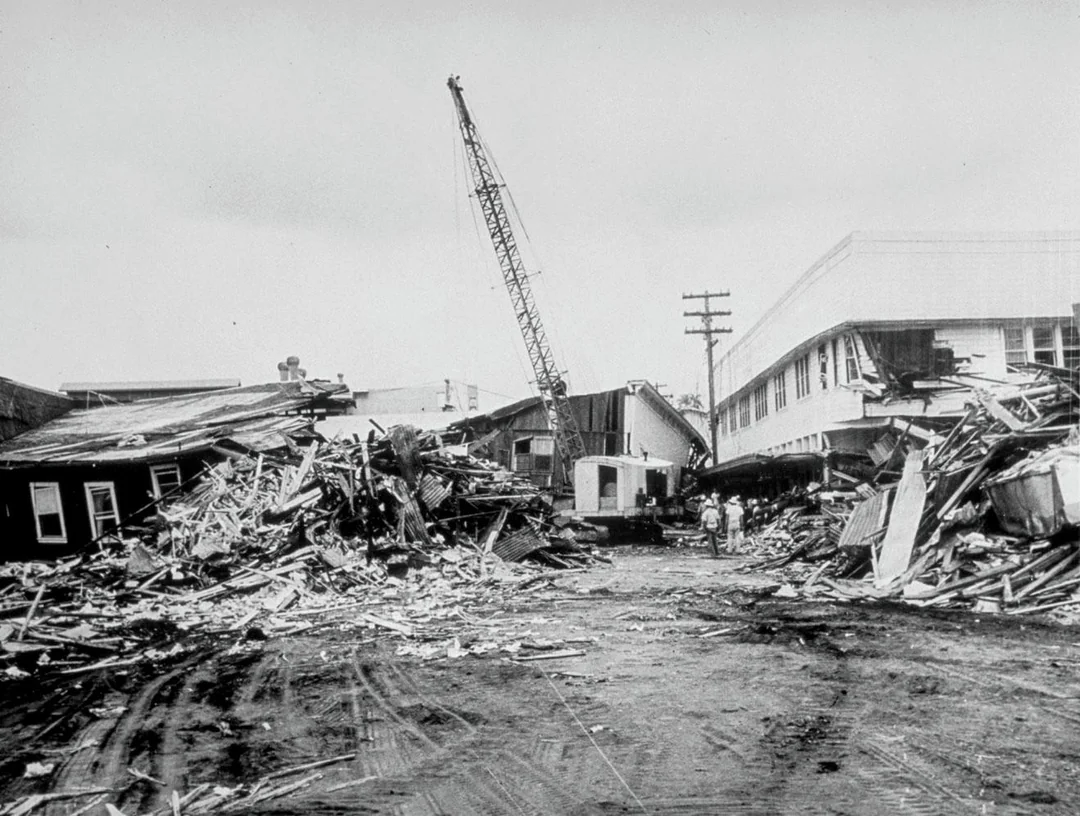
Out of such a disaster, you might expect only trauma, but Chile also turned the 1960 quake into a catalyst for profound change. In the years that followed, the country progressively strengthened building standards, improved early warning and communication systems, and invested in scientific research on earthquakes and tsunamis. When you see how Chile has handled more recent major quakes, with fewer casualties than you might expect given their size, you are seeing the legacy of hard lessons learned from 1960.
At the same time, you cannot ignore that some wounds remained open. Not every community benefited equally from those improvements, and not every family found stability again. Still, as you walk through modern Chilean cities and coastal towns, you are moving through spaces shaped by that one catastrophic day. The country did not “bounce back” in the simplistic sense; it adapted, reoriented, and carried the memory forward as a constant reminder that in a place built on a tectonic frontier, resilience is not optional – it is a way of life.
Living on a Restless Planet: What This Earthquake Means for You
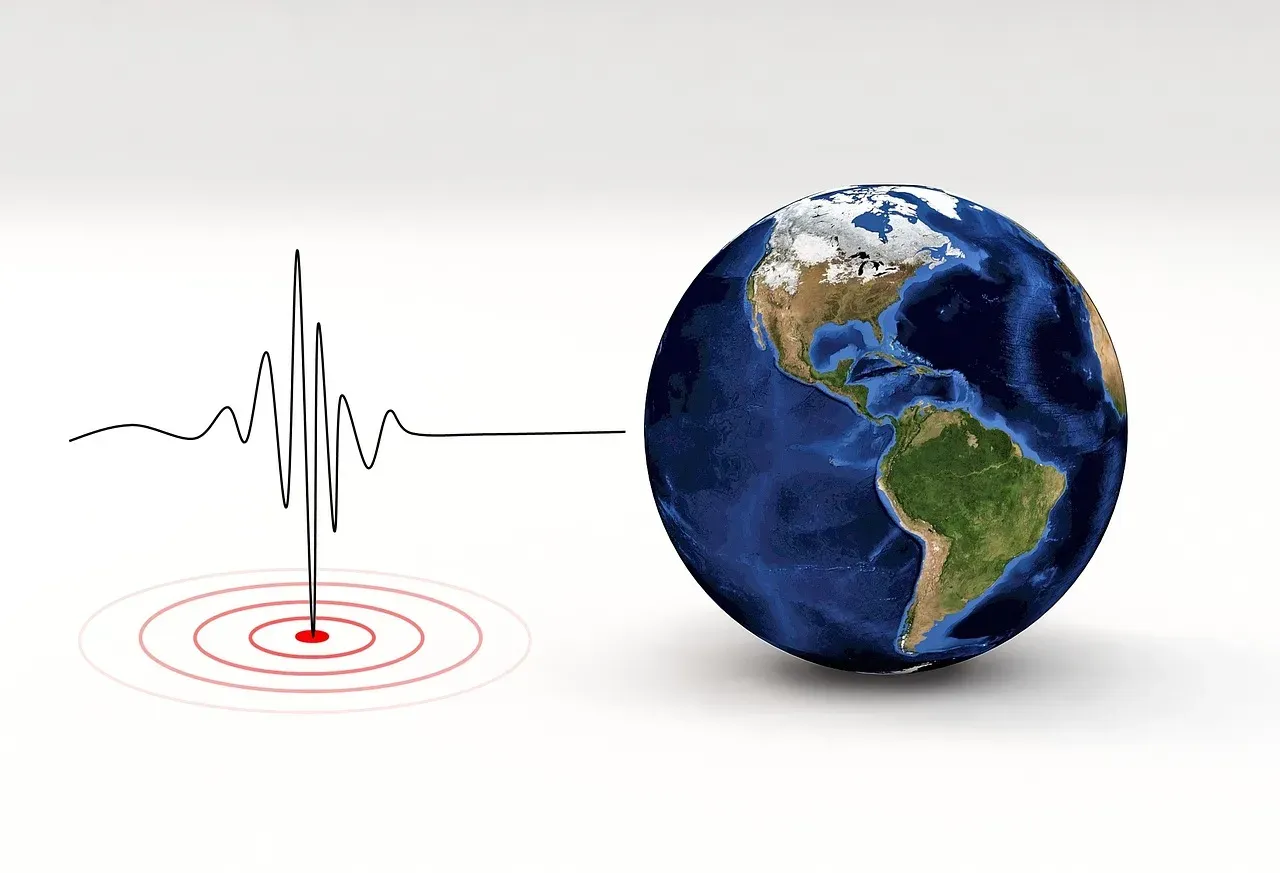
When you step back from the details – the date, the magnitude, the place – you are left with a deeper realization: you live on a restless planet that is always storing and releasing energy, whether you notice it or not. The 1960 Chile earthquake is a dramatic case study, but it is also a warning label for every coastal and tectonically active region in the world. If you live near a plate boundary or an ocean, your daily comfort depends on forces far larger and older than your cities, your technology, or your plans.
That does not mean you should live in fear, but it does mean you are wiser when you respect the risks. You can push for strict building codes, pay attention to evacuation routes, and take drills seriously, not as theater but as practice for events you hope never come. Chile’s story shows you that recovering from the strongest earthquake ever recorded is not about going back to what was before – that is impossible. It is about learning enough that, when the ground moves under your own feet one day, you and your community are ready to survive, adapt, and carry your own stories forward. Did you ever imagine that one day of shaking in one long, narrow country could echo so powerfully into your own life?