
Most people assume the word “Anunnaki” comes straight out of some ancient prophecy about alien visitors landing on Earth. It doesn’t. But the truth buried in Sumerian clay is arguably stranger than the myth, because real Assyriologists and a small army of self-taught “ancient astronaut” researchers have been fighting over the exact same handful of cuneiform tablets for nearly fifty years.
Some of these texts really are among the oldest surviving writing on the planet. Others have been stretched, mistranslated, or quietly invented to prop up a story about a hidden world called Nibiru. Here’s what the tablets – and the scholars who can actually read them – really say, starting with a text so old it makes the pyramids look modern.
#1 – The Kesh Temple Hymn
Here’s the claim that surprises almost everyone: this tablet is older than the pyramids of Giza in written form, and it barely mentions anything alien at all.
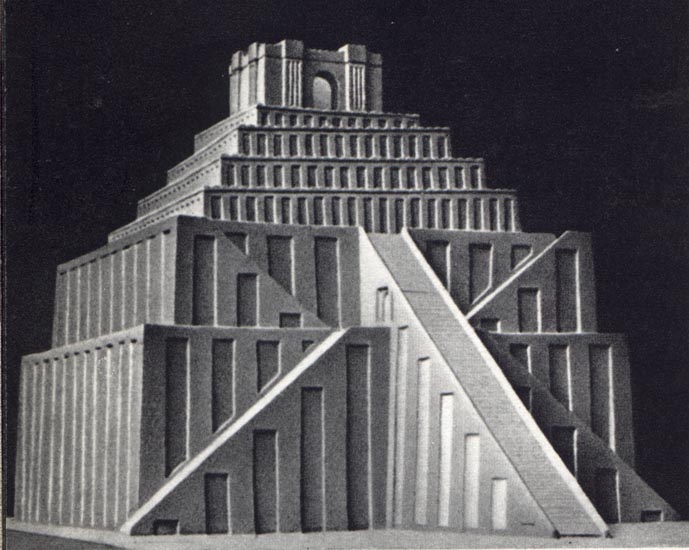
The Kesh Temple Hymn was written on clay tablets as early as 2600 BCE, and along with the Instructions of Shuruppak, it is the oldest surviving literature in the world. That’s not a rounding error – this is a genuine contender for the oldest piece of literature humans have ever produced, predating the Epic of Gilgamesh by centuries. The tablet doesn’t describe spaceships or genetic engineering – it describes a building.
The first “house” describes the founding of Kesh by Enlil and its organization by Nisaba, goddess of writing and, earlier, of agriculture. Fragments were pieced together from excavations at the temple library at Nippur, and the text spends most of its lines praising architecture, offerings, and ritual – not cosmic travelers.
Fast Facts
- Written as early as 2600 BCE – one of the oldest known literary texts on Earth
- Ranks alongside the Instructions of Shuruppak as the earliest surviving literature
- Predates the Epic of Gilgamesh by centuries
- Focuses on temple architecture, offerings, and ritual – not deities from space
It’s a reminder that most Anunnaki references started as religious poetry glorifying temples, not technical manuals for interstellar mining operations. But that’s nothing compared to what we found about #2…
#2 – The Eridu Genesis
This single, badly damaged tablet contains one of the earliest flood stories ever written – and it predates the biblical flood account by over a thousand years.
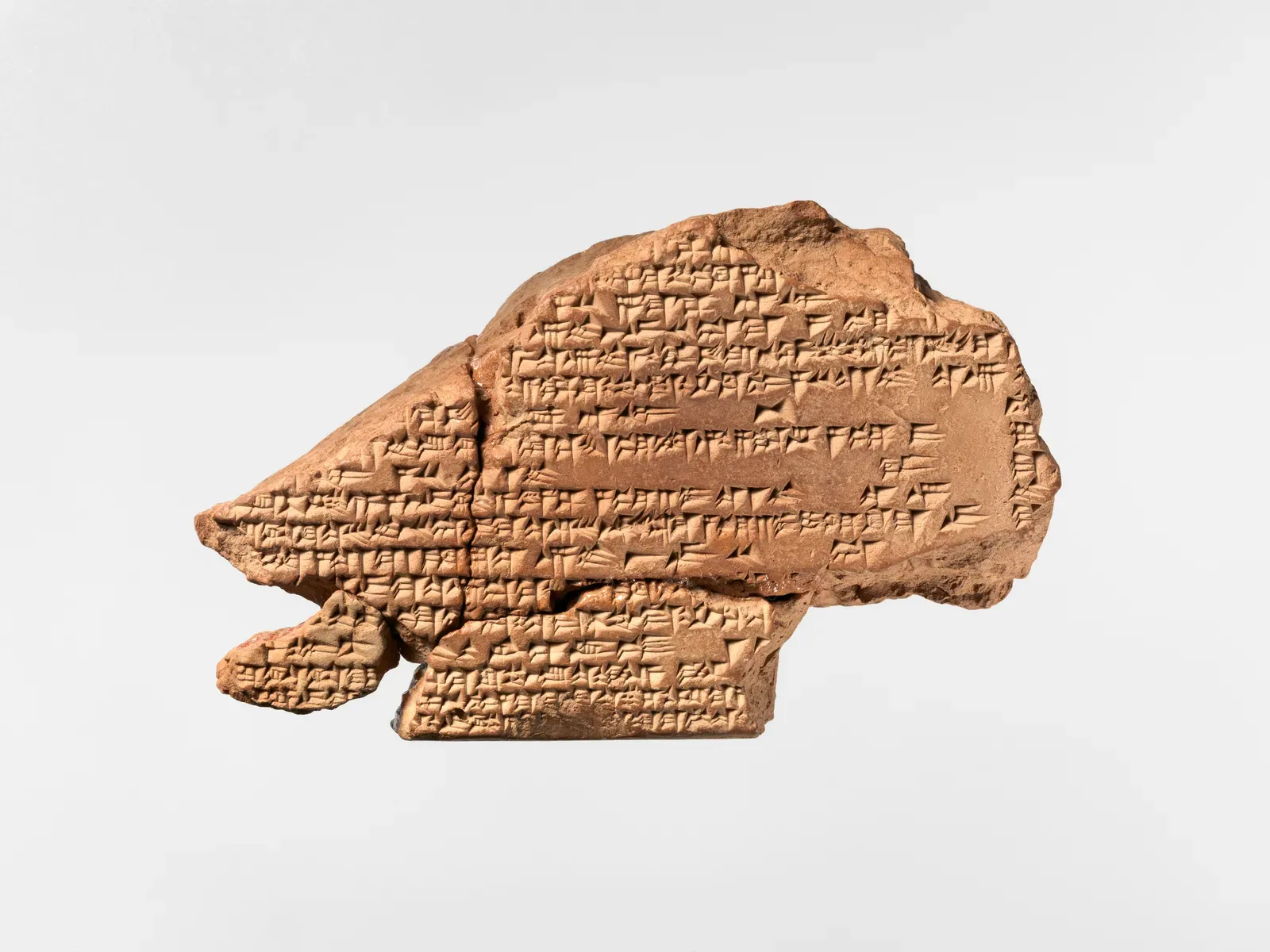
The Eridu Genesis is a fragmentary Sumerian creation and flood myth preserved on a single cuneiform tablet, known as CBS 10673, excavated from the ancient city of Nippur and now housed in the University of Pennsylvania Museum of Archaeology and Anthropology, dating to the late 17th or early 16th century BCE. The most surprising detail: the tablet is so damaged that scholars had to reconstruct entire sections from context alone.
It narrates the gods’ formation of humanity and animals from the earth, the founding of the first Mesopotamian cities such as Eridu assigned to deities like Enki, and a divine decision to unleash a devastating deluge, with the pious king Ziusudra surviving in a boat to preserve life and granted eternal life by An and Enlil.
It was reconstructed and translated by Assyriologist Thorkild Jacobsen in his 1981 scholarly article, who coined the term “Eridu Genesis.” Ancient astronaut writers love citing this tablet as proof of an “alien-engineered” flood, but the actual text reads like a divine morality tale, not a survival log. Wait until you see how #3 complicates the “gods vs. humans” narrative entirely…
#3 – Enki and the World Order
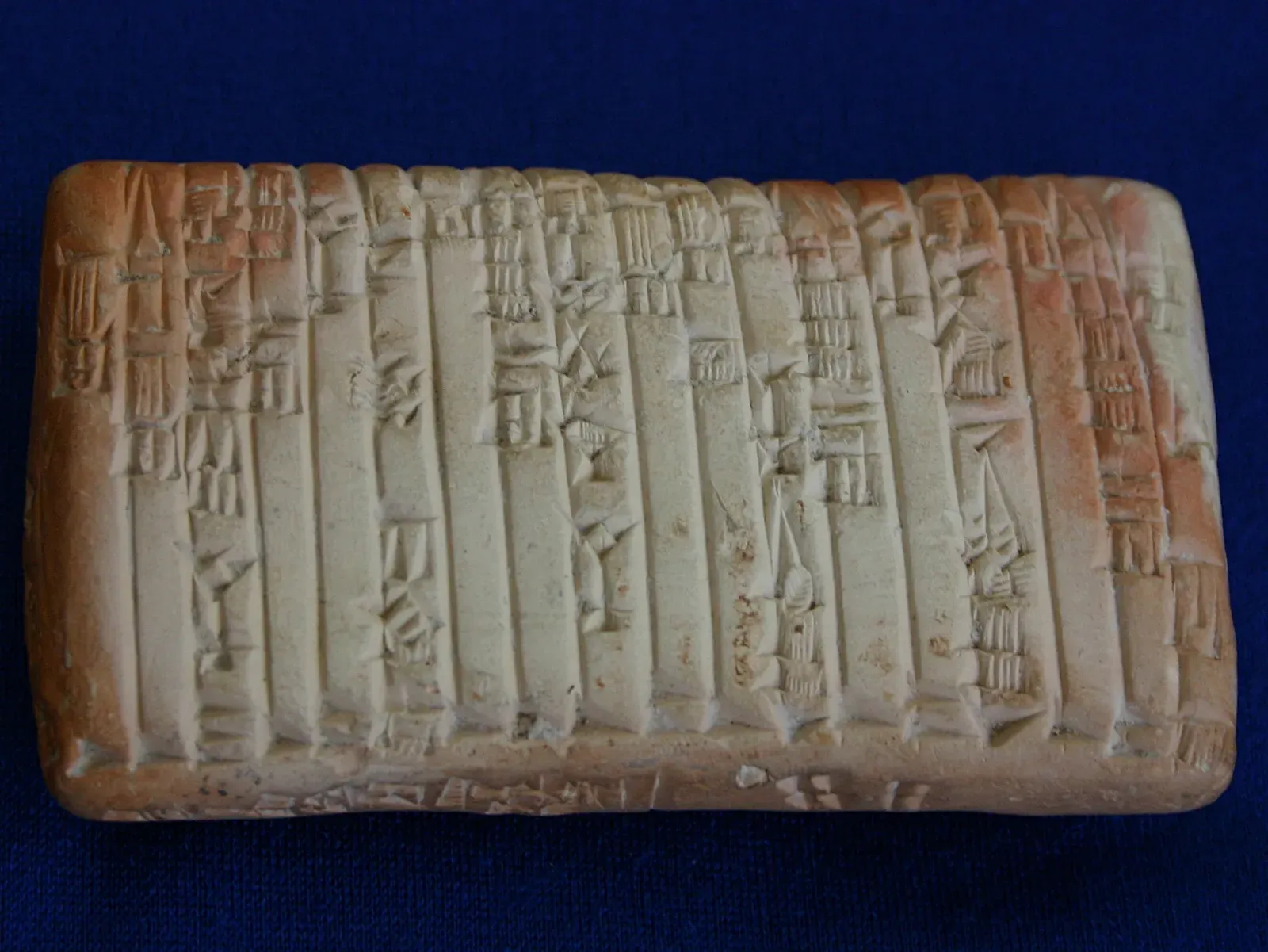
If there’s one tablet that fringe theorists lean on hardest for the “Anunnaki ran the planet” claim, it’s this one – and honestly, it’s easy to see why.
The Sumerian myth Enki and the World Order suggests that one of their main functions in early mythology was to decide the fates of human beings. That’s a genuinely big deal in mythological terms: this isn’t a background character group, this is a divine council with real administrative authority over human destiny. The text describes fifty Anunna associated with the city of Eridu, responsible for assigning domains of influence.
Here’s the part most casual readers miss: the Anunnaki were initially associated with the heavens, but over time both literary and administrative texts reflected an increased role for the Anunnaki in earthly affairs. That shift – from purely celestial beings to earthbound administrators – is exactly the kind of detail that ancient astronaut theorists seize on as “evidence” of a physical landing event.
Mainstream scholars read it differently: as a natural evolution of religious bureaucracy as Sumerian city-states grew more complex. Still, what we found regarding #4 is where the underworld gets involved…
#4 – The Descent of Inanna into the Underworld
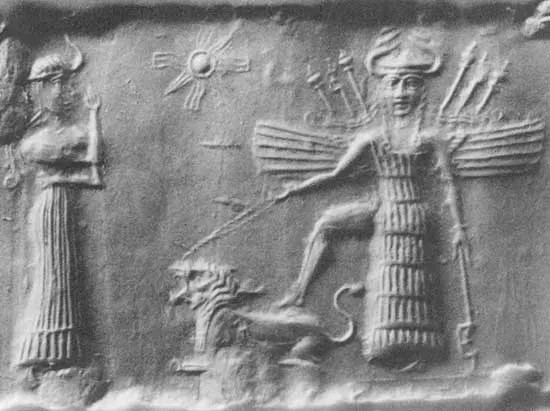
This tablet turns the Anunnaki into literal judges – and it’s one of the creepiest passages in all of Sumerian literature.
In key narratives, including Inana’s Descent to the Netherworld, they function as judges enforcing underworld laws, reflecting their role in mediating between the divine and mortal realms. The goddess Inanna descends to confront her sister, ruler of the underworld, and is judged – and killed – by this divine tribunal before being resurrected. The Sumerian version, entitled Descent of Inanna into the Underworld, comprises 400 lines, and its incipit bestows upon it the title Angalta, which translates to “From the Great Sky.”
The most surprising fact: clay tablet fragments were unearthed in Nineveh and Assur during the 1860s, with two comprehensive texts dating from the early first millennium BCE, though their provenance appears to originate from as early as 1600 BCE. Epigraphists painstakingly pieced together the text from numerous fragments unearthed in Nippur, with Arno Poebel and Stephen Langdon leading the initial reconstruction.
This wasn’t one clean discovery – it was a century-long jigsaw puzzle across three different excavation sites. But nothing compares to what #5 reveals about a full-blown labor revolt among the gods…
#5 – The Atrahasis Epic
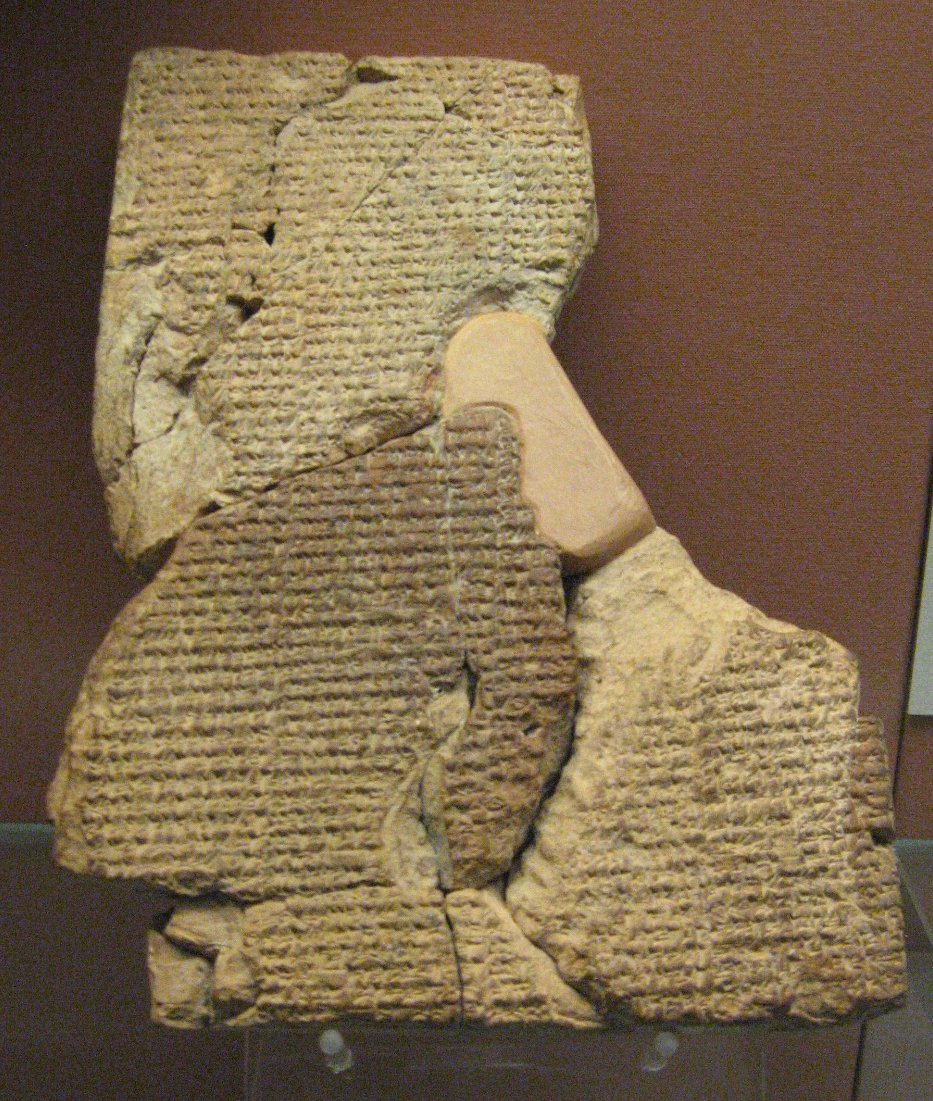
Here’s a genuinely wild plot twist buried in ancient clay: the gods went on strike, and humanity exists because of it.
In the myth of Atra-Hasis, Akkadian paradise is described as a garden where lower-rank deities, the Igigi, are put to work digging a watercourse by the more senior deities, the Anunnaki. The Atrahasis epic describes how the Igigi grew tired of digging canals and working the earth, leading them to revolt against Enlil. The most surprising detail: this wasn’t a peaceful protest.
The Igigi rebelled against the dictatorship of Enlil, setting fire to their tools and surrounding Enlil’s great house by night. Terrified senior gods negotiated a truce – and the solution was creating humans to take over the manual labor.
At a Glance
- Igigi: lower-rank gods forced to dig canals and irrigation channels
- Anunnaki: senior gods who assigned and oversaw that labor
- Flashpoint: the Igigi burned their tools and surrounded Enlil’s house by night
- Resolution: humans were created to take over the manual work
This is the single tablet most cited by ancient astronaut proponents as “proof” of genetically engineered slave labor, because the labor-dispute framing feels almost industrial. Mainstream Assyriologists read it as a myth explaining why humans exist and why we’re mortal – a divine labor negotiation, not a biotech memo. But #6 is where this same labor story gets a much bigger, much more famous sequel…
#6 – The Enuma Elish
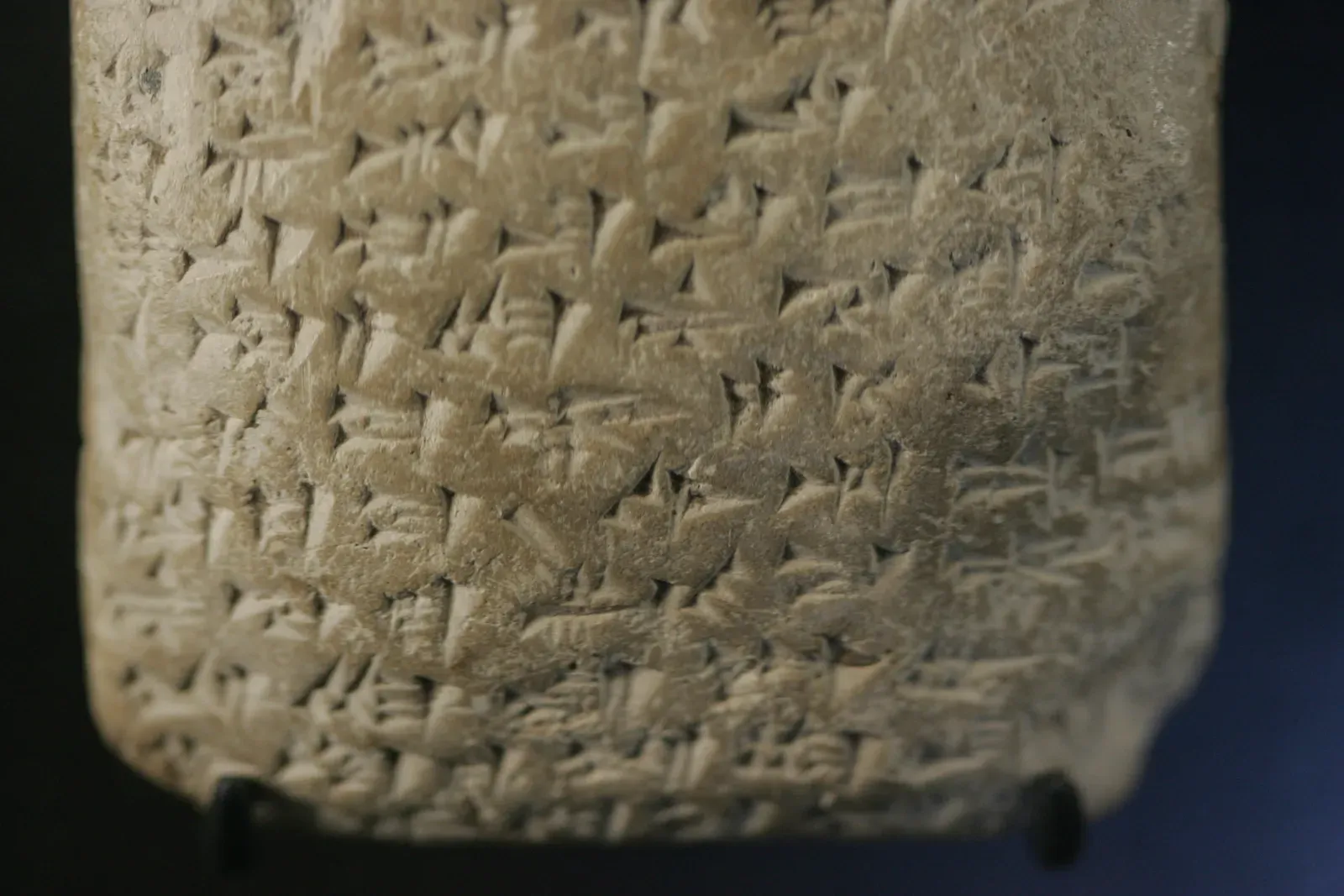
This is the tablet most people picture when they hear “Anunnaki,” and the numbers involved are honestly staggering.
In the Babylonian creation epic, the Enuma Elish, the chief Babylonian god Marduk has authority over some 600 Anunnaki gods, directing 300 of these gods to reside in the heavens and 300 to reside on earth. Six hundred divine beings, split evenly between sky and soil – that’s the kind of specific number that makes conspiracy communities light up with excitement.
After Marduk defeats the primordial goddess Tiamat, he reorganizes the universe and assigns specific duties to the Anunnaki. They acknowledge Marduk as supreme and help build his temple in Babylon, a story that helped legitimize Babylon’s political power by showing even the great Anunnaki submitting to Marduk, Babylon’s patron deity.
That’s a crucial point most viral posts skip entirely: this text is political propaganda for Babylon’s rise, not an astronomical record. But that political angle is nothing compared to the sheer scale of what turned up at Nineveh…
#7 – The Nineveh Tablet Hoard
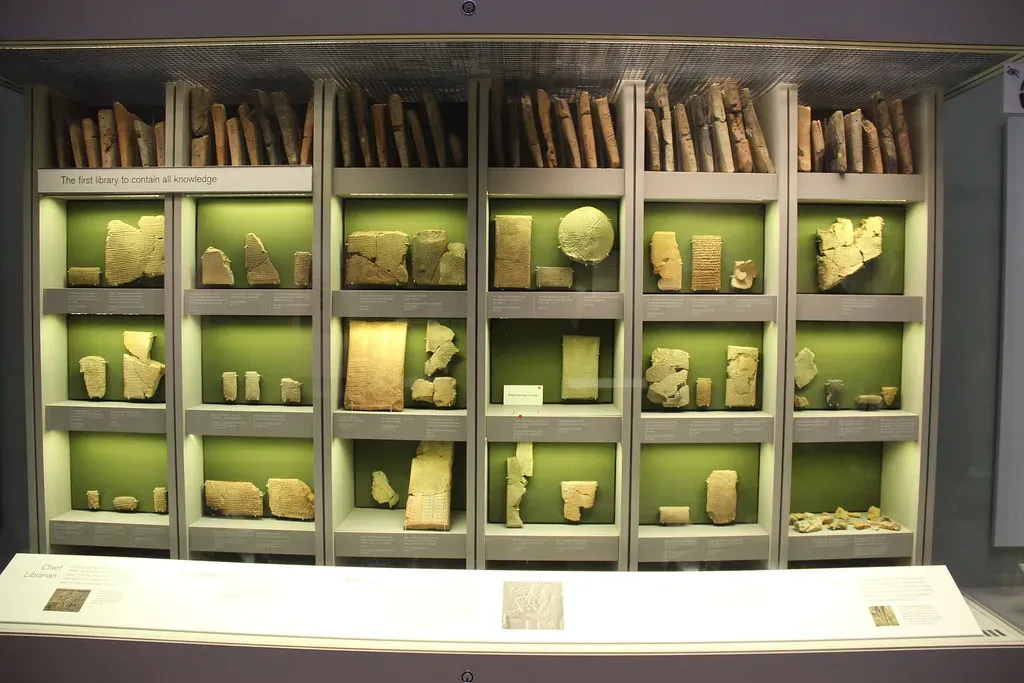
Most debates about the Anunnaki completely ignore where the actual physical evidence comes from – and the scale of that archive is almost never mentioned.
Cuneiform tablets excavated from the Library of Ashurbanipal at Nineveh include compositions like the Enuma Elish epic, which depicts the Anunnaki as a divine assembly participating in cosmic order and judgment, with these artifacts numbering over 30,000 in total. Thirty thousand tablets. That’s the real reason this debate refuses to die – there’s an enormous, only partially catalogued archive that both mainstream scholars and fringe theorists can mine for supporting fragments.
Much of what we know about the Sumerian civilization comes from clues left behind in thousands of clay tablets, and to this day, these tablets are still being researched. That ongoing research is exactly why new translations occasionally reignite old arguments – a freshly deciphered fragment can either quietly confirm existing scholarship or get lifted out of context and turned into a viral headline. #8, though, is the single artifact that turned this entire debate mainstream.
#8 – Cylinder Seal VA 243
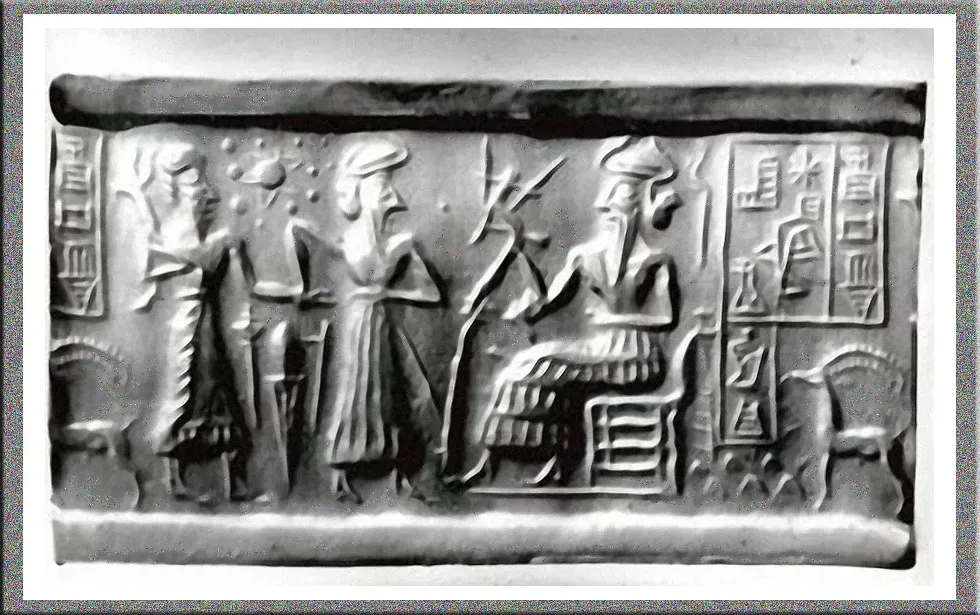
If one artifact single-handedly launched the modern “Anunnaki are aliens” movement, it’s this small carved cylinder sitting in a Berlin museum.
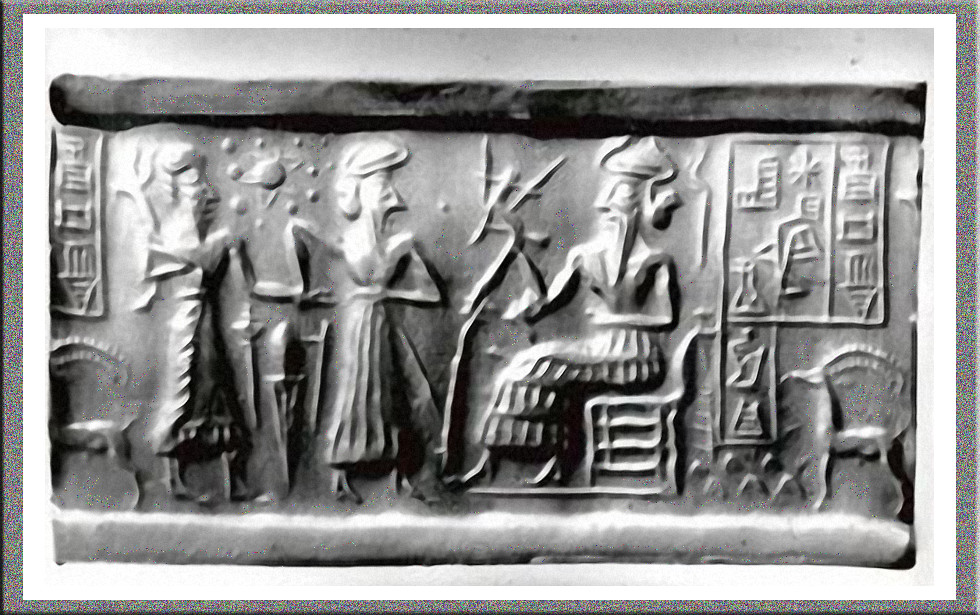
This Akkadian cylinder seal, believed to be around 4,500 years old, is catalogued as VA/243 and can be found at the State Museum in East Berlin. Sitchin argued that in the upper left-hand corner of the seal one sees the sun surrounded by eleven globes, and since ancient peoples supposedly held the sun and moon to be “planets,” these eleven globes plus the sun add up to twelve planets. That’s the entire foundation of the “Nibiru as a 12th planet” theory – one small engraving on one small seal.
Here’s where the actual scholarship pushes back hard: Michael S. Heiser indicates the symbol depicted on the cylinder seal is not the sun but a star, and the alleged planets identified by Sitchin are not planets but other stars. If the central image isn’t the sun, the whole “solar system map” interpretation collapses immediately.
Quick Compare
- Sitchin’s reading: sun plus eleven globes equals twelve planets, hinting at a hidden Nibiru
- Heiser’s rebuttal: the central symbol is a star, not the sun, and the “planets” are other stars
- The stakes: if the sun isn’t in the image, the entire twelve-planet math falls apart
Yet this seal still gets shared constantly online as definitive proof – which brings us straight to the man who built an entire publishing empire around it.
#9 – Sitchin’s “Fourteen Tablets” and The 12th Planet
This is the single most influential – and most disputed – Anunnaki claim ever published, and it came from someone with no formal training in Sumerian language at all.
In 1976, a scholar named Zecharia Sitchin wrote a book called The 12th Planet, which shared translations of 14 tablets related to Enki, a child of the Sumerian supreme deity An. His book claimed that the Sumerians believed the Anunnaki came from a far-off planet called Nibiru, which according to Sitchin has an elongated orbit of 3,600 years. The most surprising fact: Sitchin wasn’t a credentialed Assyriologist.
Sitchin was a New York shipping executive, self-taught in ancient Semitic scripts, not a credentialed Assyriologist – and in his own telling, that was the point. He believed career academics had missed the real story hiding in plain sight on the clay.
Worth Knowing
- The 12th Planet was published in 1976, launching a seven-book series
- Sitchin claimed to have translated 14 tablets connected to the god Enki
- He proposed Nibiru follows a 3,600-year elongated orbit
- Sitchin was a former shipping executive, self-taught in ancient scripts – not a credentialed Assyriologist
He argued the Anunnaki were extraterrestrial beings from a hypothetical planet who had genetically engineered the human race as a labor force. It’s a compelling narrative – but it set up a collision with the actual linguists who’d spent their careers reading this language, which is exactly why #10 has never really cooled off.
#10 – The Nibiru Debate That Refuses to Die
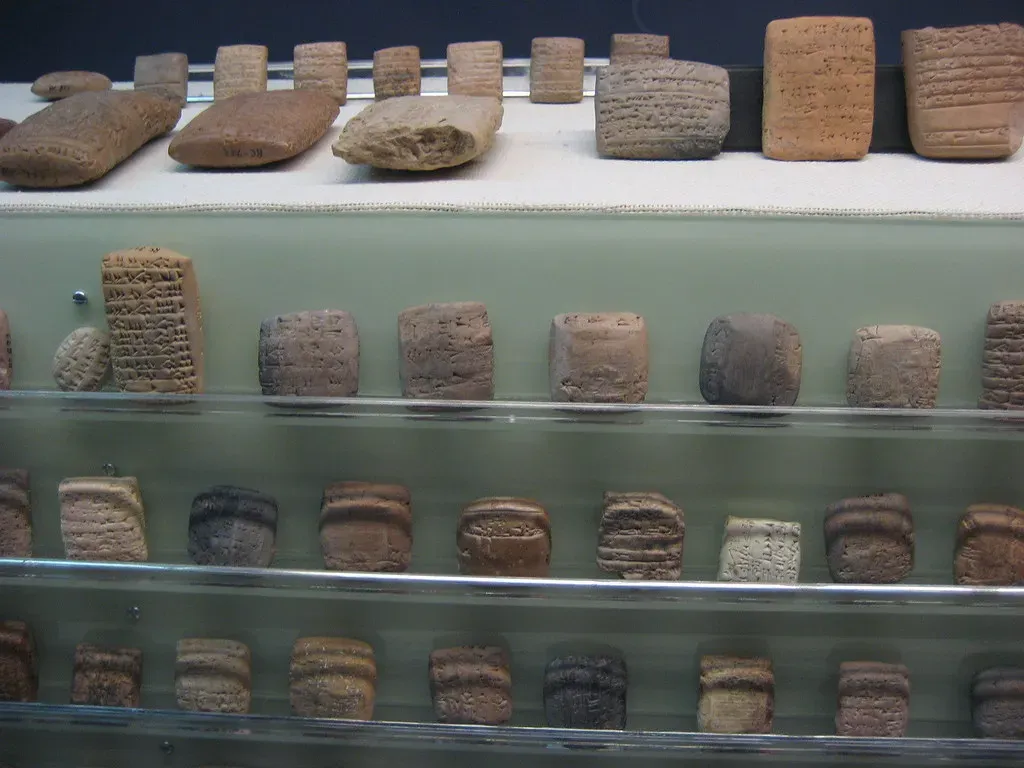
Here’s the uncomfortable truth mainstream sources rarely put bluntly: the experts who can actually read cuneiform have rejected this theory for decades, and it still hasn’t mattered to its popularity.
His readings of cuneiform tablets have not been accepted as accurate by the scholars who spend their careers learning the languages, studying the grammar, and cross-referencing the thousands of tablets that survive, and credentialed Assyriologists have consistently rejected his translations as idiosyncratic at best and fanciful at worst. The word itself is part of the problem: Anunnaki actually means “Princely Seed” or “Princely blood,” and Sitchin’s translation of Anunnaki as “those who from heaven came” is itself an error or was completely fabricated.
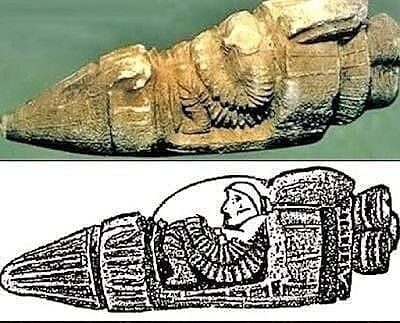
Nibiru is never mentioned in any respect with the Anunnaki and is never said to have been or be inhabited, and there is no such depiction of the Anunnaki as aliens descending in flying vehicles anywhere in the actual Sumerian texts.
Nibiru is never identified as a planet beyond Pluto in any Mesopotamian text.
Michael S. Heiser
And yet, remarkably, interest in the extraterrestrial Anunnaki still seems greater than interest in the more mundane, actual human history of Mesopotamia. That gap – between what the tablets say and what people want them to say – is the real story here, and it isn’t closing anytime soon.
The Bottom Line
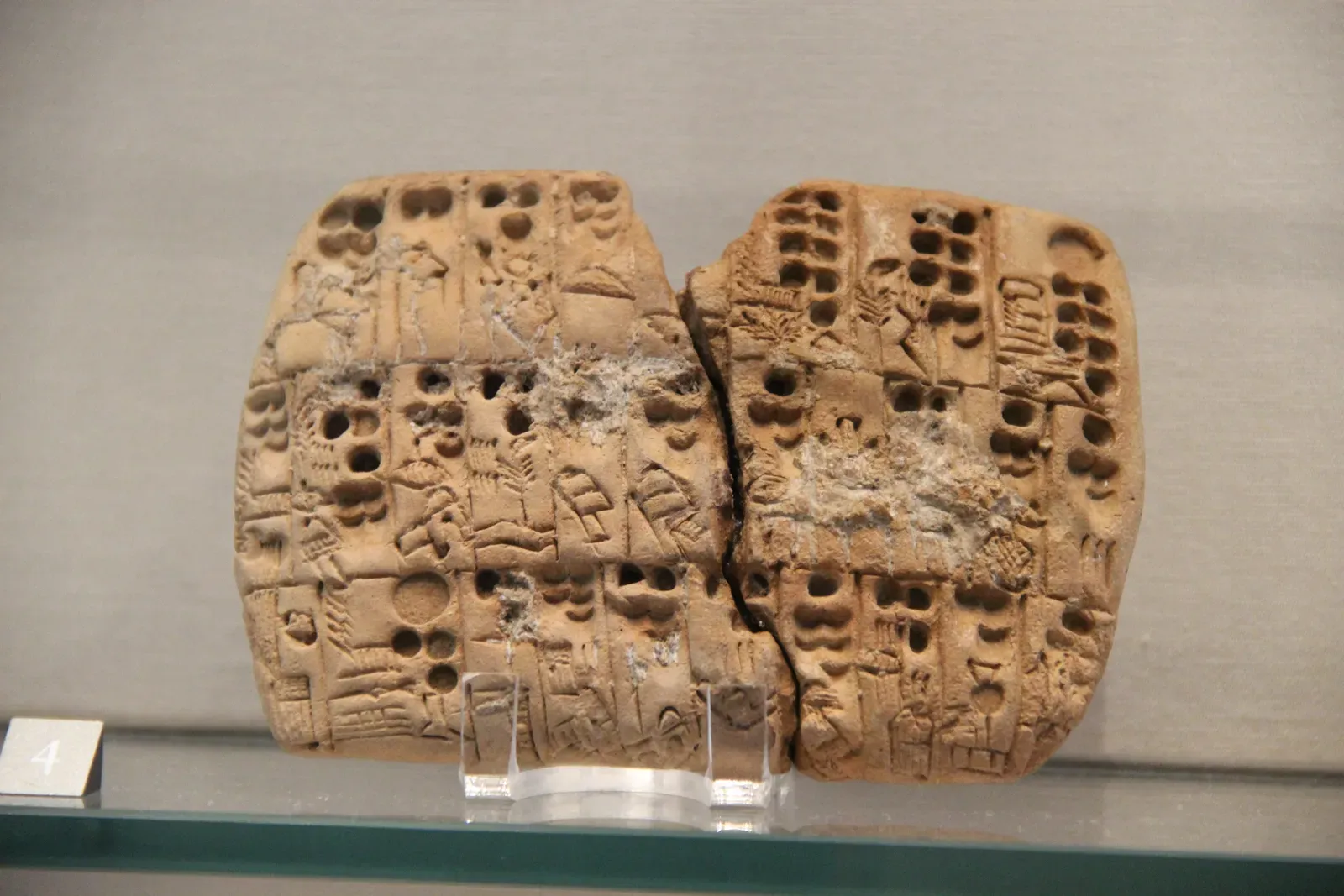
The tablets are real. The Anunnaki are real, in the sense that Sumerians genuinely worshipped them as a council of gods overseeing fate, judgment, and cosmic order.
What isn’t supported by the clay itself is Nibiru, alien DNA splicing, or a 12th planet – those ideas trace back almost entirely to one uncredentialed author’s 1976 book, not to the cuneiform. Frankly, the more interesting story was never the aliens – it’s why humans keep choosing the alien version anyway, even after fifty years of expert pushback.
That says more about us than it does about ancient Sumer. Which tablet do you think gets the most unfair treatment in this debate – drop your take in the comments.