
Most people assume history is a stack of settled facts – dates, quotes, deathbed lines, and vivid details we simply “know” to be true. Turns out a shocking number of them were never facts at all.
They were educated guesses, moralizing fables, Victorian marketing stunts, or a single sloppy source that nobody bothered to fact-check for two hundred years. Some were invented by writers who weren’t even born when the events happened. Others were manufactured by museum curators, Hollywood screenwriters, or a 19th-century poet chasing a deadline. Here’s what archaeology, court records, and modern scholarship actually say – and how far off the popular version really is.
#1 – Napoleon Was Secretly Average Height, Not Short
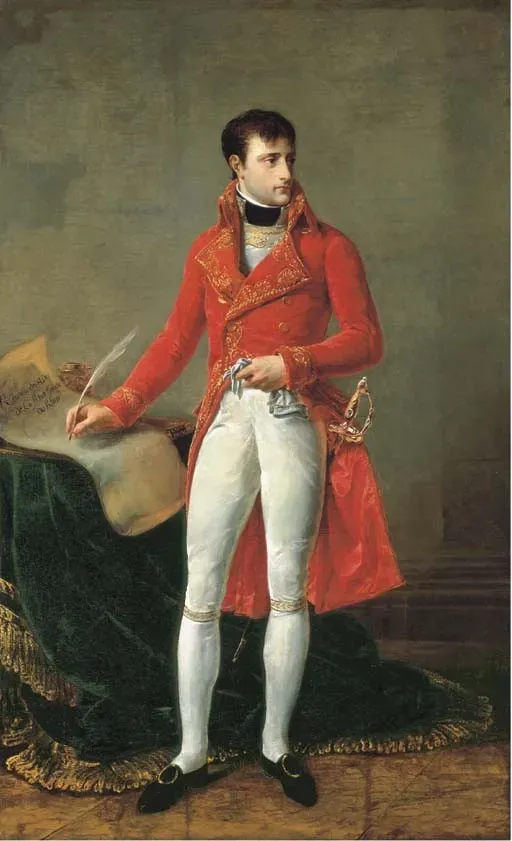
The “Napoleon complex” is one of history’s most successful smear jobs, and it started with a measurement mix-up. Napoleon’s height was recorded at 5’2″ – but that was in French inches, which were longer than English inches. Converted properly, he stood around 5’6″ or 5’7″, which was completely average for a Frenchman of his era.
British propaganda cartoonists loved drawing him as a tiny, tantrum-throwing tyrant, and the image stuck for two centuries. Napoleon was also frequently surrounded by his Imperial Guard, an elite unit selected partly for above-average height, which made him look shorter by comparison in portraits and in person. Historians now treat the “short Napoleon” story as a case study in how enemy propaganda can outlive the empire it targeted.
#2 – Vikings Never Actually Wore Horned Helmets
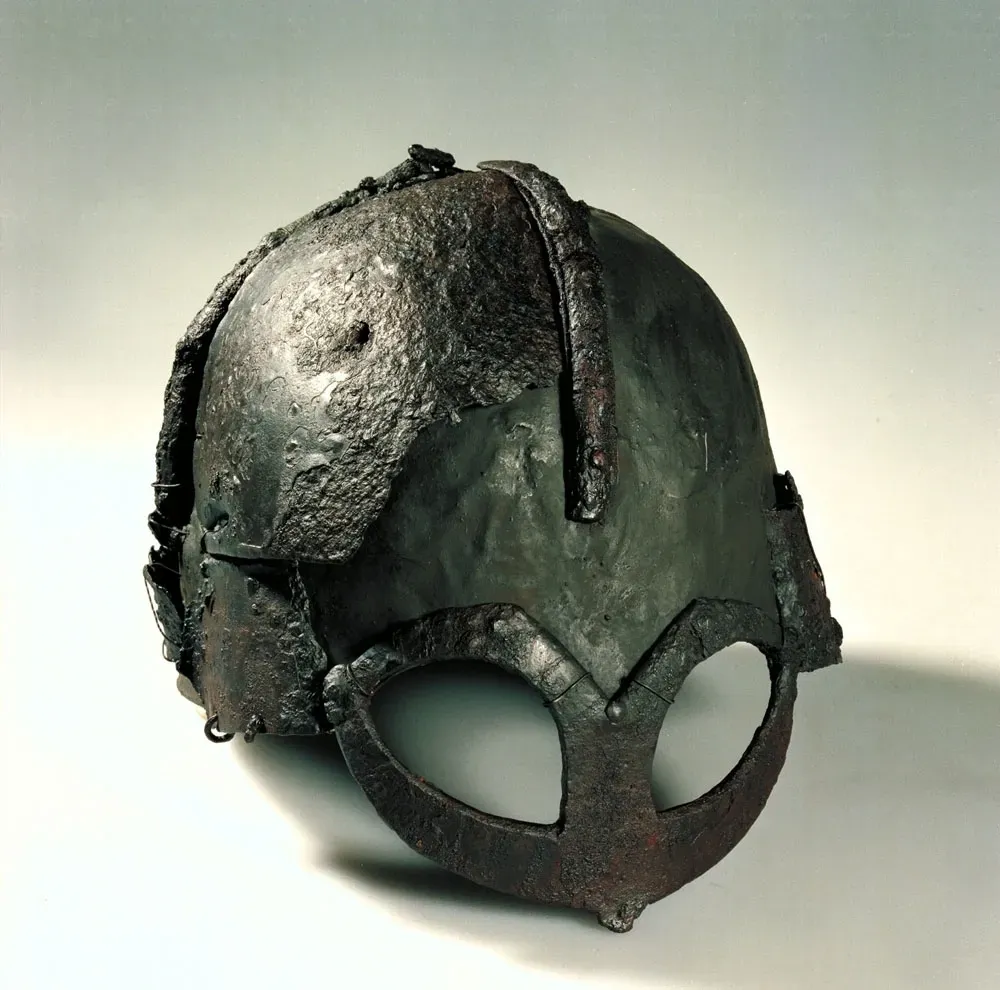
Nearly every Viking costume, cartoon, and football helmet logo features horns – and archaeologists have found zero verified Viking-age helmets with horns on them. Not one, out of dozens of excavated Norse helmets and helmet fragments from the era.
The image traces back to 19th-century Romantic-era costume designers, particularly for opera productions and illustrated Norse mythology books, who wanted Vikings to look suitably savage and pagan on stage. Real Viking helmets, like the Gjermundbu helmet from Norway, were simple rounded iron caps with a spectacle-style eye guard – practical, not theatrical. Historians now consider the horned helmet pure invention, closer to costume design than combat gear.
Fast Facts
- The Gjermundbu helmet is the only nearly complete Viking-age helmet ever discovered, dating to roughly the 10th century.
- Costume designer Carl Emil Doepler is widely credited with adding horns to Viking-style costumes for an 1876 Wagner opera production.
- Real Norse helmets favored rounded iron construction with a simple nose-and-eye guard, not ornamentation.
- No horned helmet has ever been recovered from a genuine Viking-age burial site.
#3 – Medieval People Did Not Think the Earth Was Flat
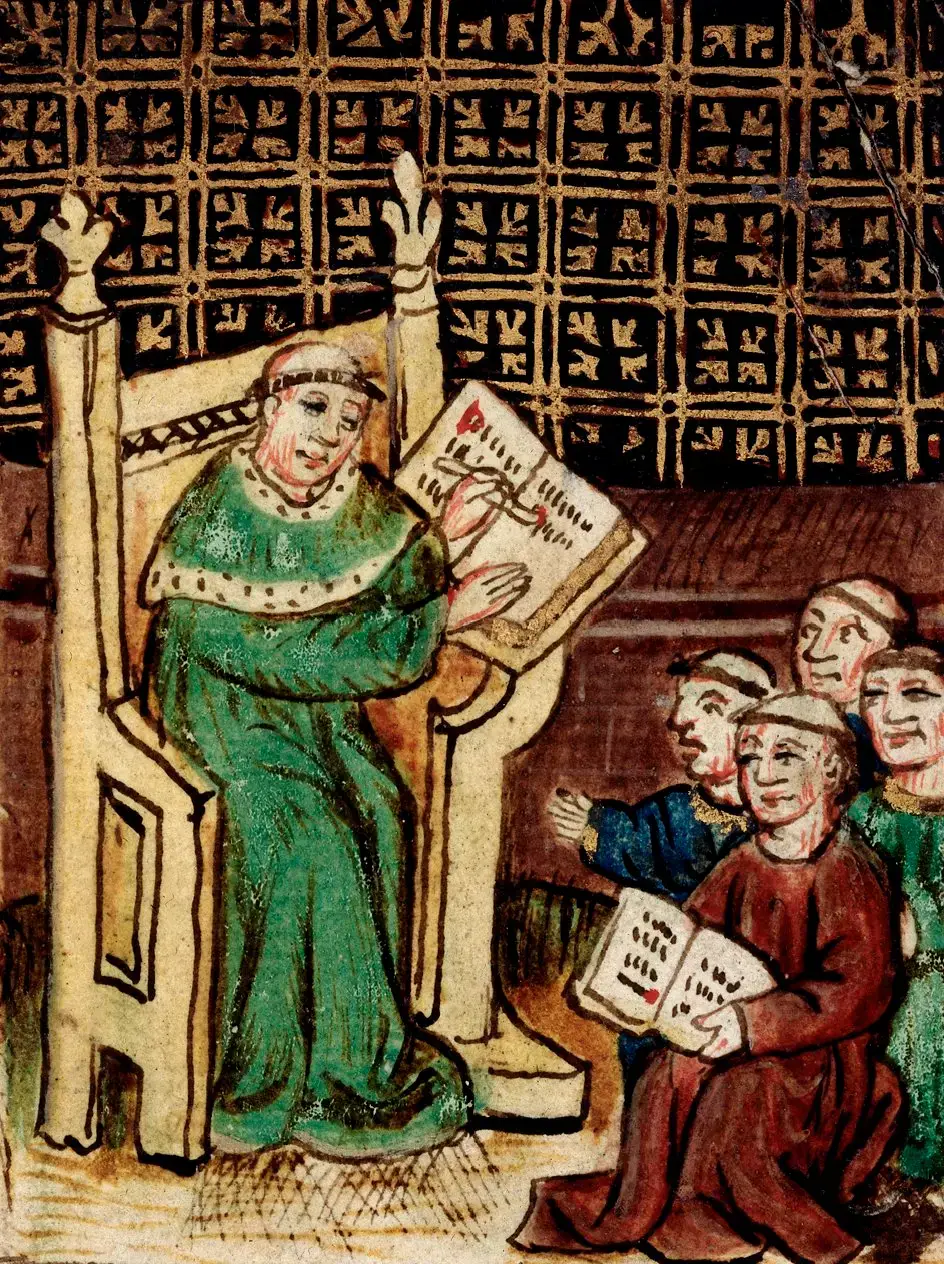
This might be the single most persistent history myth in Western education. Educated Europeans throughout the Middle Ages – monks, scholars, navigators – knew the Earth was round, a fact established by Greek astronomers centuries earlier and never seriously disputed by medieval scholarship.
The flat-Earth myth was largely popularized in the 19th century by writers eager to paint the Middle Ages as an era of ignorant superstition, contrasted against modern scientific progress. Textbooks even tangled Columbus up in this myth, teaching generations that he “proved” the world was round – when in reality, his opponents disputed the size of the globe, not its shape. The “flat Earth Middle Ages” is a myth invented to make the Renaissance look better by comparison.
#4 – Marie Antoinette Almost Certainly Never Said “Let Them Eat Cake”
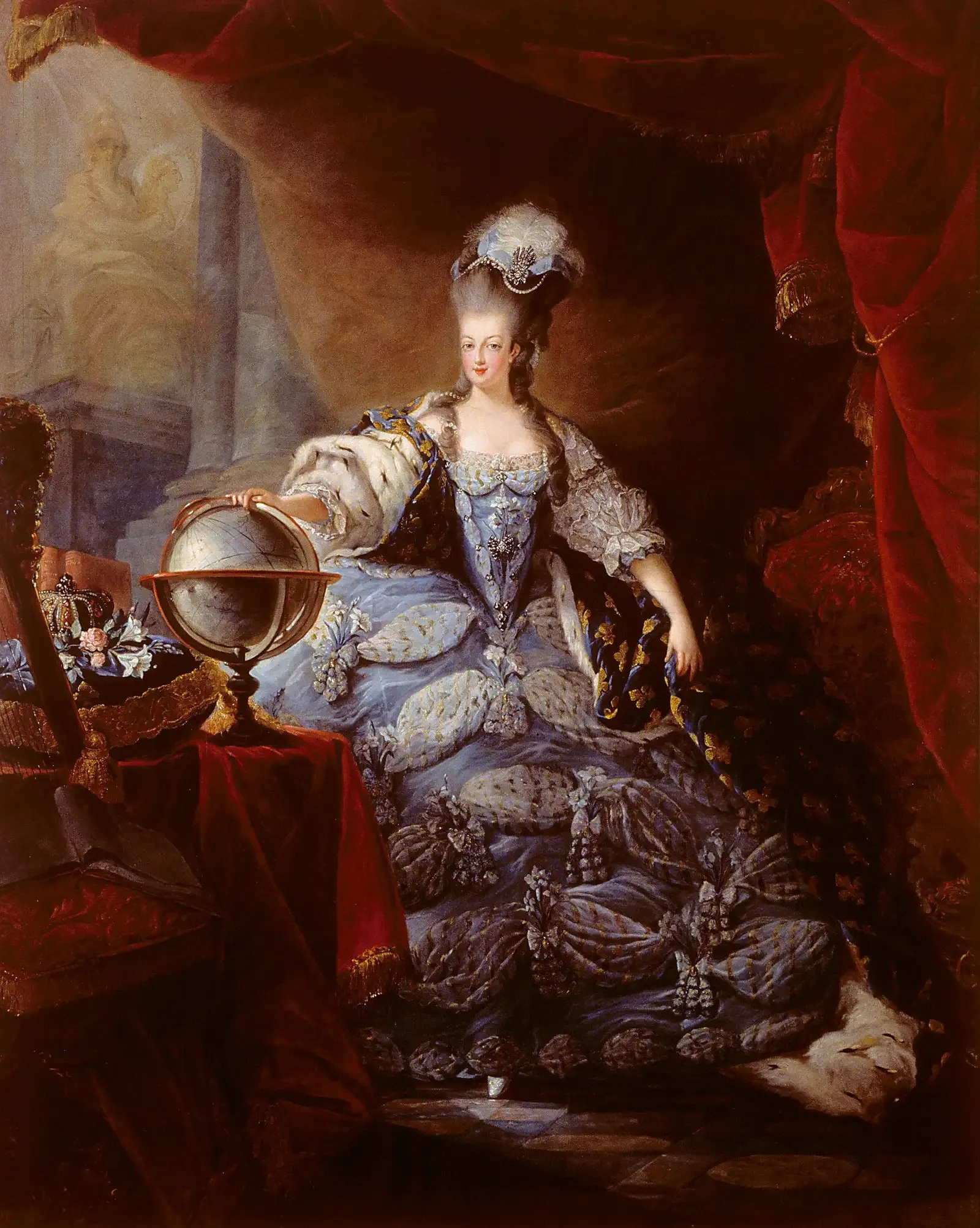
The quote that defines Marie Antoinette as a clueless, callous queen appears nowhere in her letters, court records, or contemporary accounts of her speech. It shows up in Jean-Jacques Rousseau’s “Confessions,” written when Antoinette was still a child in Austria, attributed vaguely to “a great princess.”
Historians believe the phrase was likely a stock insult already circulating about aristocratic obliviousness, later pinned retroactively onto Marie Antoinette because she made a convenient villain during and after the French Revolution. There’s no primary source connecting her directly to those words at all. Modern biographers now treat the line as folklore, not biography.
#5 – George Washington’s Teeth Were Never Made of Wood
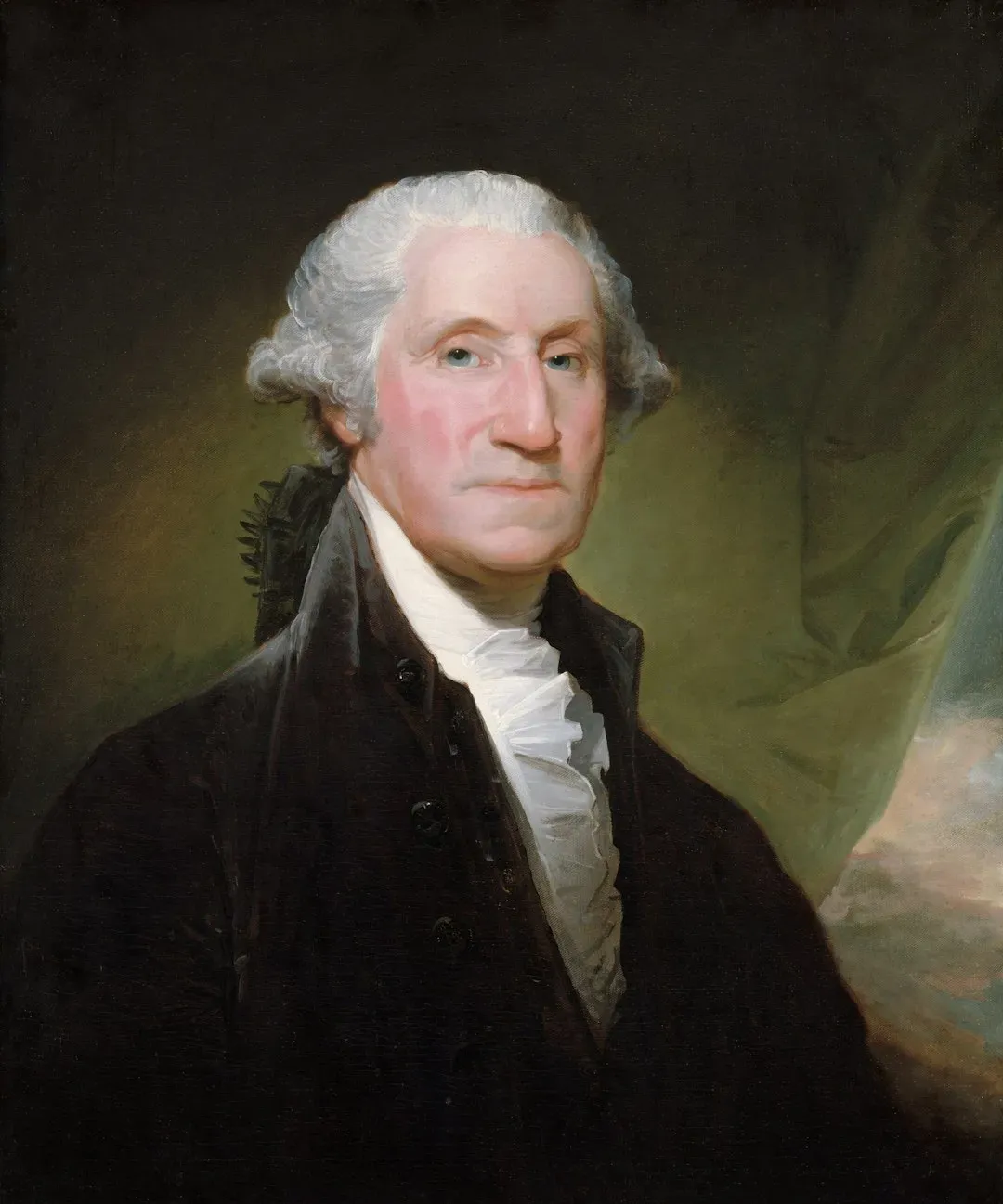
Washington did suffer from severe dental problems and wore dentures for most of his adult life – but wood was never one of the materials. Researchers who’ve examined his surviving dentures found they were crafted from ivory, gold, lead, and even human and animal teeth, including reportedly purchased teeth from enslaved people.
The wood myth likely grew from the way ivory stains and cracks over time, developing a grainy, wood-like appearance that 19th-century observers misidentified. This detail matters because the real story is arguably more disturbing than the wooden-teeth legend – it implicates the economics of slavery directly in Washington’s personal comfort. Historians now push back hard on the wood myth specifically because it sanitizes a much darker, more historically significant truth.
#6 – Julius Caesar’s Famous Last Words Were Shakespeare’s Invention
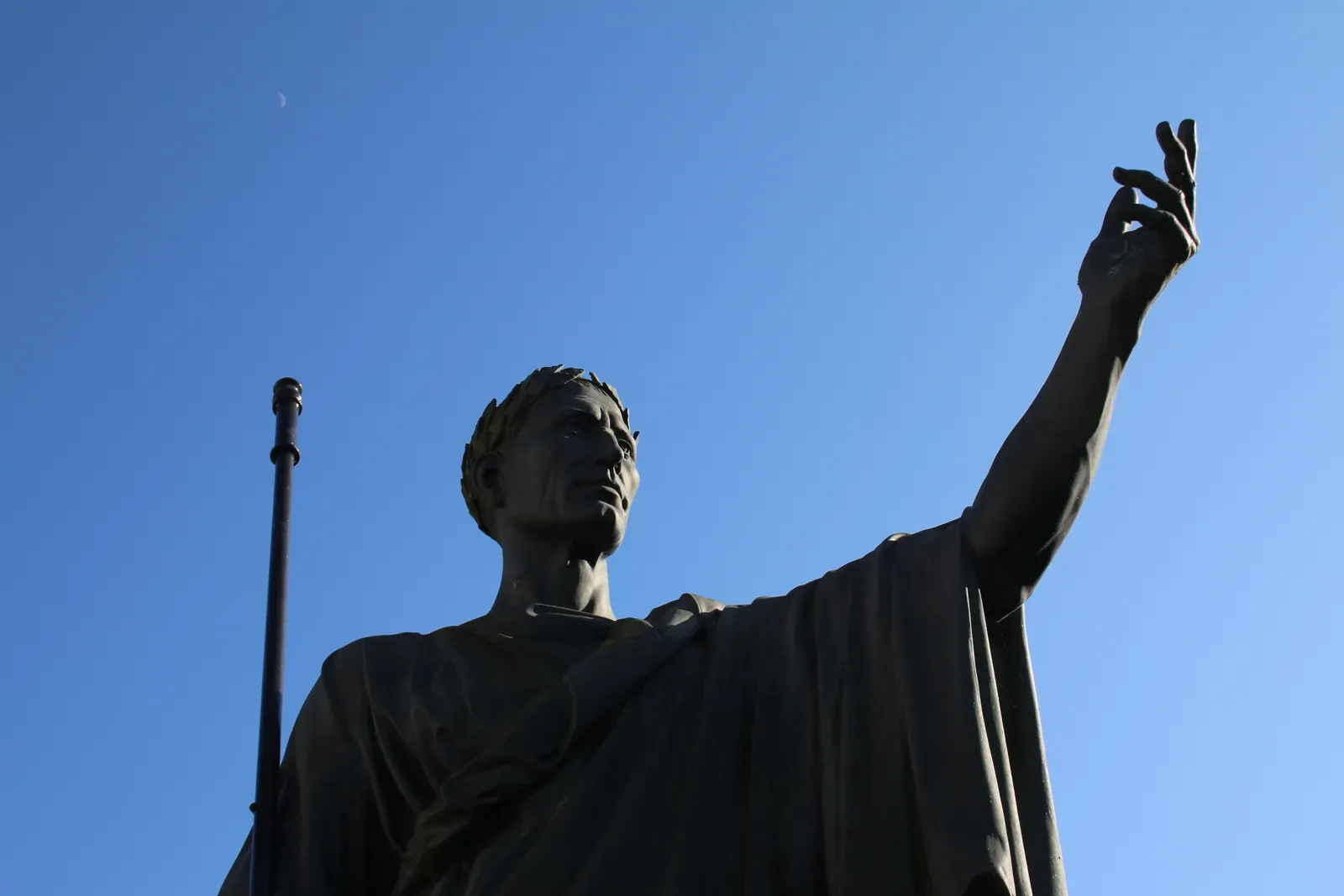
“Et tu, Brute?” is one of the most quoted lines in the English language, and Caesar almost certainly never said it. The phrase comes entirely from William Shakespeare’s play, written over 1,600 years after Caesar’s assassination in 44 BC.
Ancient historians like Suetonius offer a different account, suggesting Caesar may have said nothing at all, or possibly a phrase in Greek – not the Latin line popularized centuries later. Shakespeare wasn’t writing history; he was writing drama, and dramatic license became historical “fact” simply through cultural repetition. Because no contemporary Roman source confirms any specific dying words, historians treat the entire scene as theatrical invention layered onto a real event.
#7 – Nero Did Not Fiddle While Rome Burned
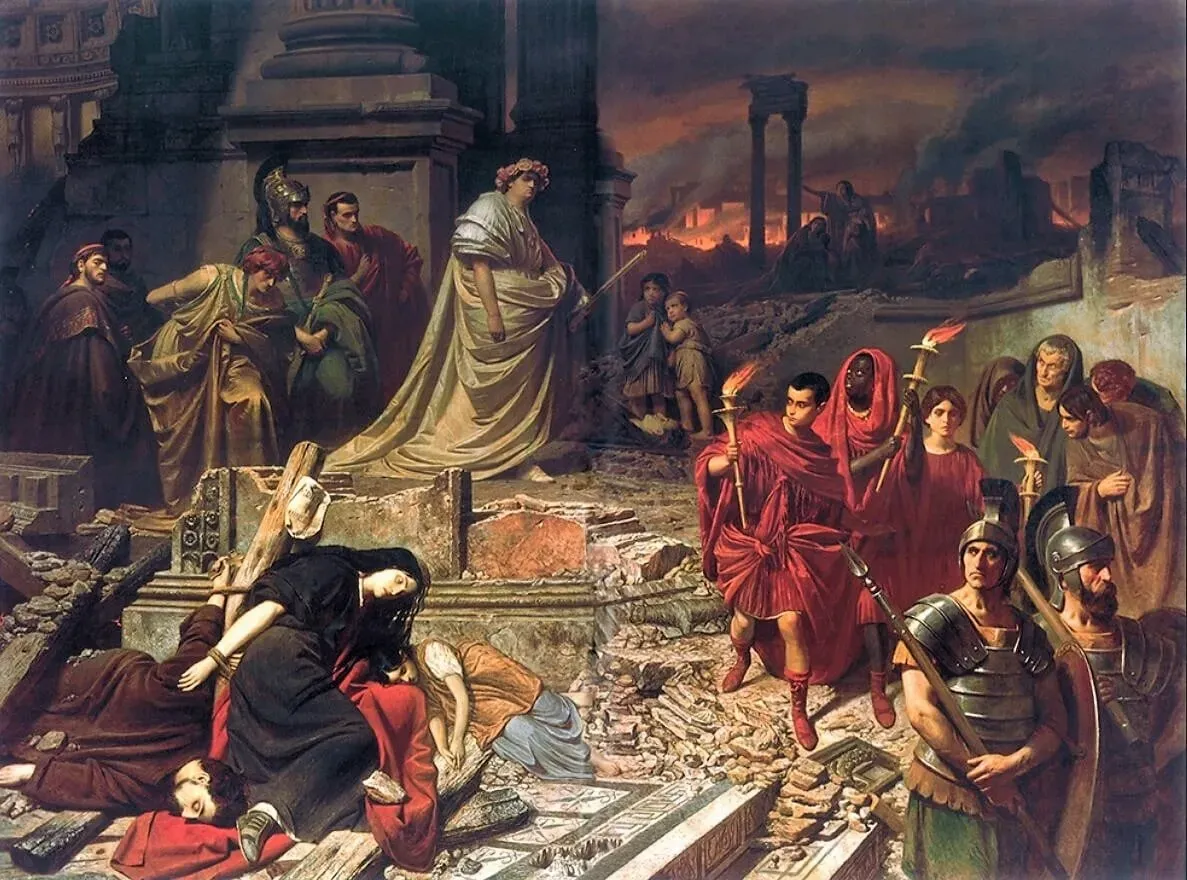
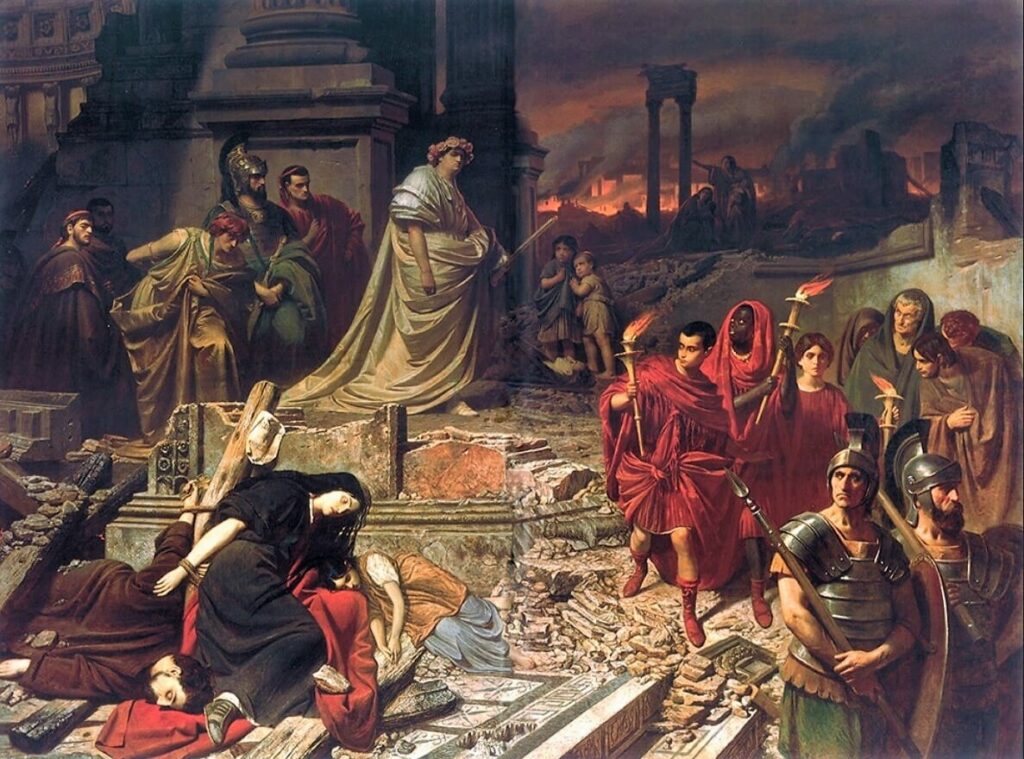
This phrase survives as shorthand for oblivious leadership during a crisis, but it fails on a basic technicality: the fiddle wouldn’t be invented for over a thousand years after the Great Fire of Rome in 64 AD.
Ancient sources actually suggest Nero was outside Rome at Antium when the fire broke out, and accounts describe him returning to organize relief efforts, opening his own gardens to displaced citizens. Some ancient writers, hostile to Nero, claimed he sang about the fall of Troy while watching the flames – but even that detail comes from politically motivated historians writing after his death, not neutral eyewitnesses. The story survived because it’s a perfect, punchy metaphor – not because it’s accurate.
#8 – Paul Revere Did Not Ride Alone, Shouting “The British Are Coming”
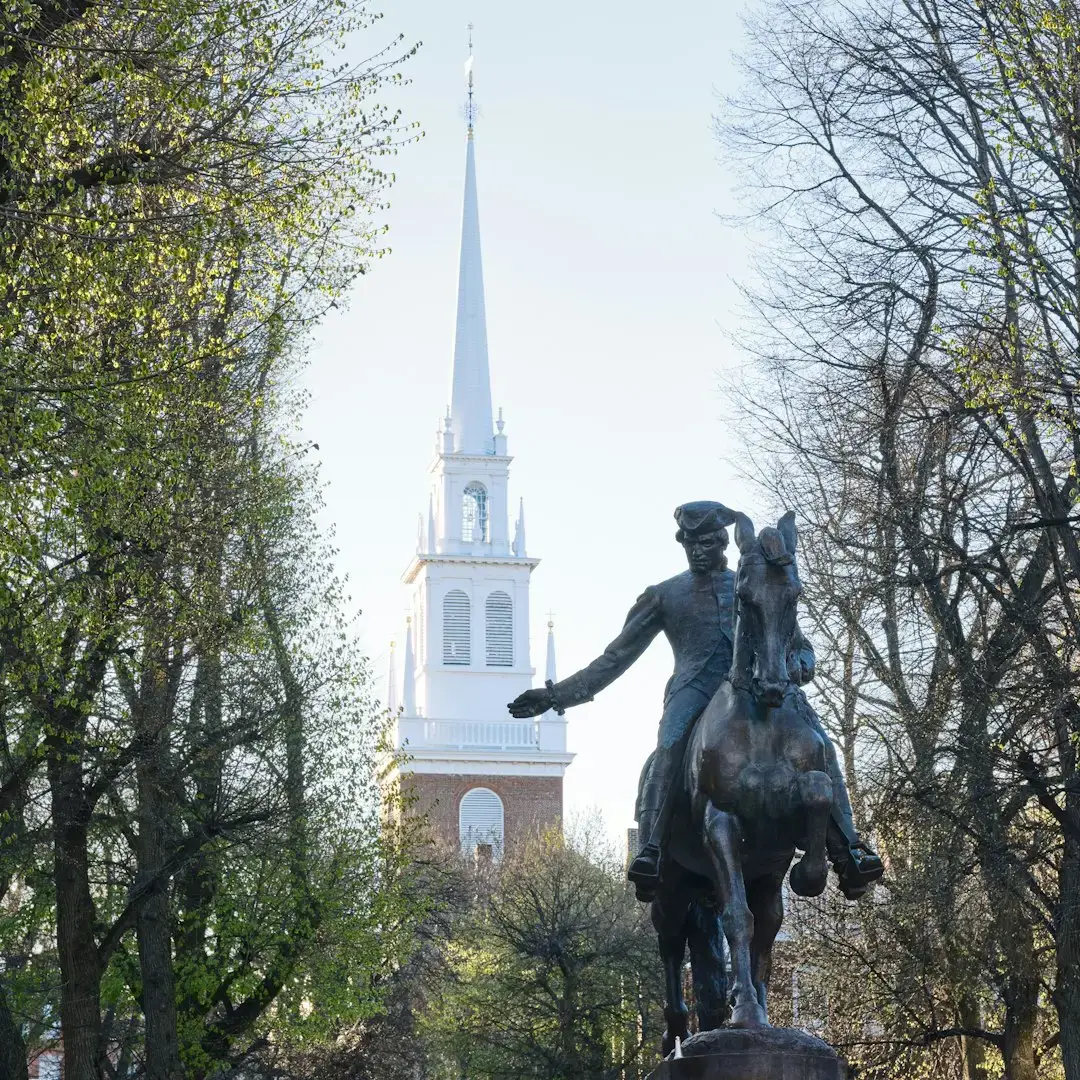
The solitary hero galloping through the night yelling a famous warning makes for great poetry, but the real 1775 ride looked very different. Revere rode alongside William Dawes and later Samuel Prescott, and colonial sources indicate he wouldn’t have shouted “the British are coming” at all, since the mission depended on secrecy and many colonists still considered themselves British.
Revere was actually captured by a British patrol partway through the ride and never completed the full journey to Concord – Prescott did. The popularized version comes almost entirely from Henry Wadsworth Longfellow’s 1860 poem, written nearly a century after the event, partly to stir Northern patriotism before the Civil War. The real ride involved a relay of multiple riders and a captured messenger – a far messier, more human story than the legend.
#9 – Cleopatra’s Famous Beauty Was Likely a Later Assumption
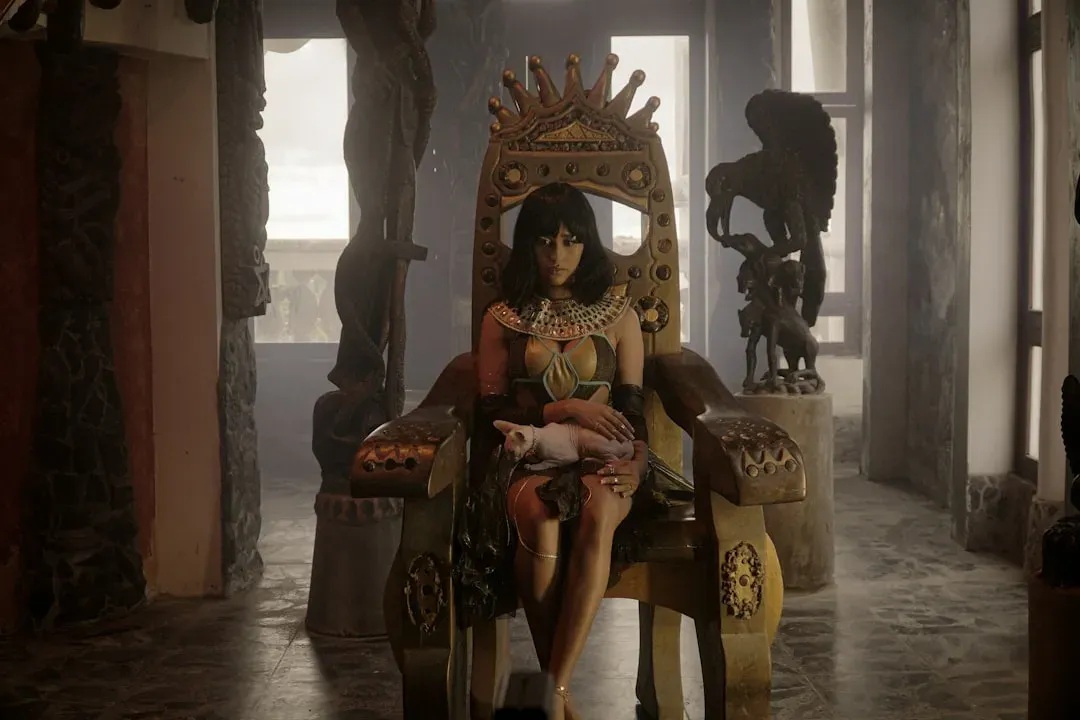
Cleopatra VII is remembered as one of history’s great beauties, but her actual physical appearance is barely documented. Surviving coins from her reign show a strong-jawed, hook-nosed profile more associated with political authority than conventional beauty standards of the time.
Ancient writer Plutarch, writing generations after her death, actually emphasized her wit, charisma, and mastery of language over physical beauty, noting her voice and intellect as her most compelling traits. The beauty myth grew largely through later art, theater, and Hollywood casting choices that prioritized visual romance over the documented record. Historians increasingly argue Cleopatra’s real power came from political savvy and multilingual diplomacy, not looks – a far more interesting story than the myth allows.
Quick Compare
- Myth: A legendary beauty who seduced Rome’s most powerful men on looks alone.
- Reality: Coin portraits show a strong jaw and prominent nose, styled to project authority, not glamour.
- Myth: Her appeal was purely physical.
- Reality: Ancient writers credited her fluency in multiple languages and sharp political instincts as her real weapons.
#10 – The Great Wall of China Is Not Visible From Space

This claim gets repeated so often it feels like common knowledge, but astronauts have consistently debunked it. The wall’s width – often just a few meters – makes it far too narrow to be distinguishable from low Earth orbit with the naked eye, unlike much wider, contrasting features like highways or airports.
Multiple astronauts, including those on the International Space Station, have publicly stated the wall is not naturally visible without aid, contradicting decades of assumption. The myth likely persists because the wall’s length – thousands of miles – gets confused with visibility, which depends on width and contrast, not total distance. Long doesn’t mean visible; wide and high-contrast does.
#11 – Lady Godiva’s Naked Ride Was Likely Added Centuries Later
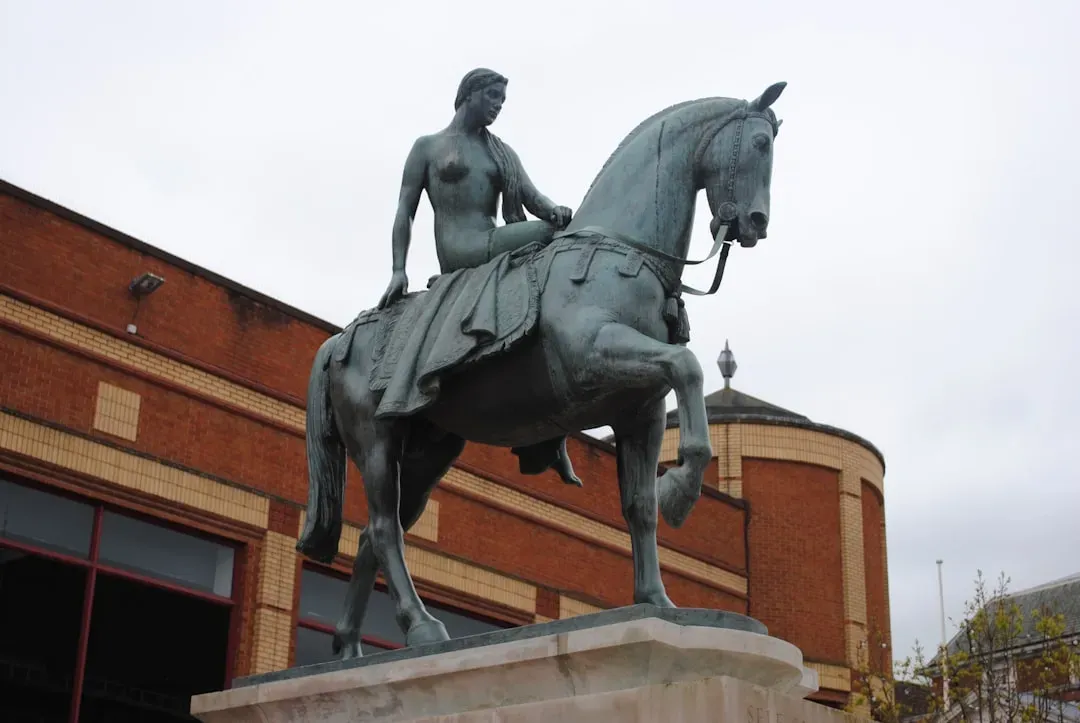
The tale of Lady Godiva riding nude through Coventry to protest her husband’s taxes is beloved and dramatic – and it doesn’t appear in any source from her actual lifetime in 11th-century England. The earliest versions of her story, written decades after her death, don’t include the nude ride at all.
The naked ride detail only enters the written record roughly a century or more later, added by chroniclers who were more interested in a memorable narrative than historical accuracy. Godiva herself was real, a wealthy Anglo-Saxon noblewoman known for donating to churches and monasteries, which is likely the actual basis for her positive reputation. The dramatic protest ride appears to be a later embellishment stitched onto a genuinely charitable, but far less scandalous, real person.
#12 – Salem “Witches” Were Hanged, Not Burned at the Stake
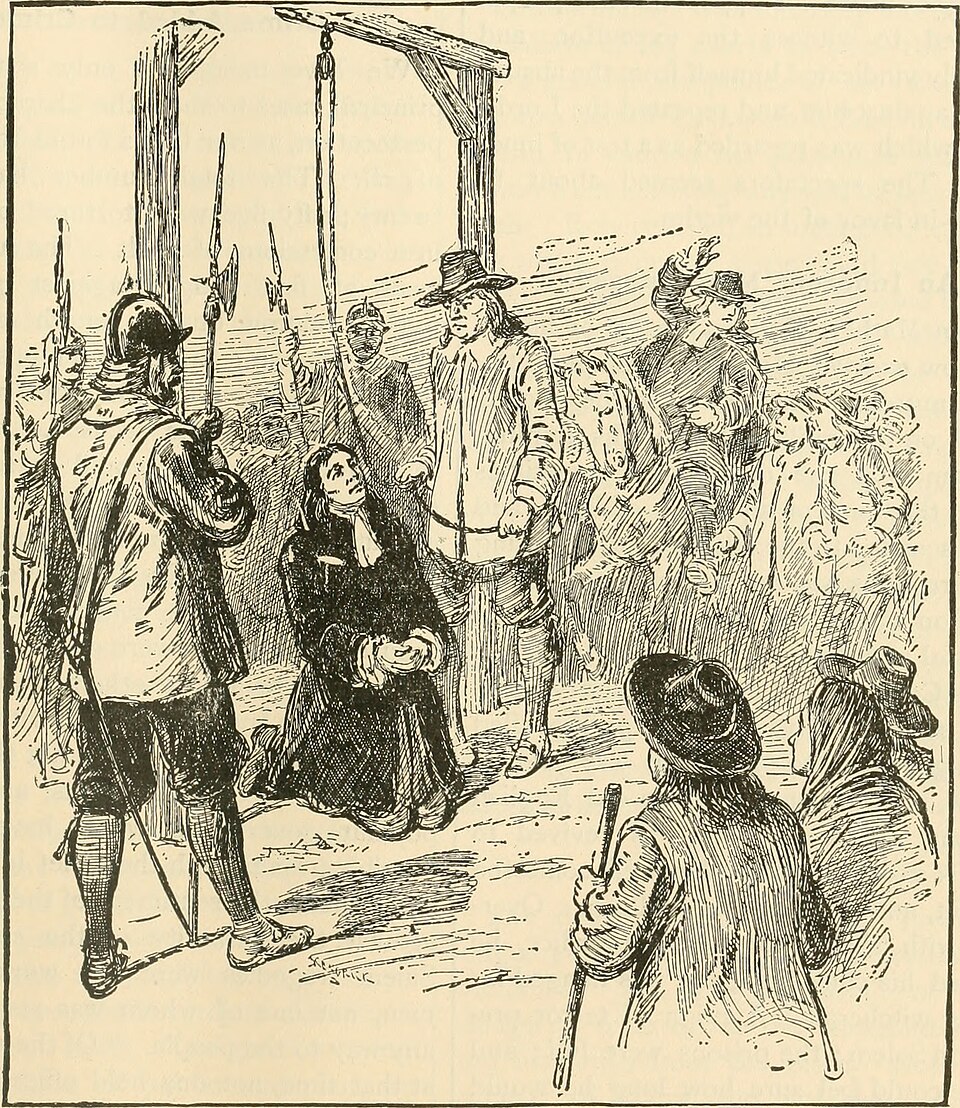
Pop culture consistently shows witch trial victims burning at the stake, but the Salem, Massachusetts executions of 1692 involved hanging, not fire. Nineteen people were hanged, and one man was pressed to death under heavy stones for refusing to enter a plea.
Burning as a punishment for witchcraft was more common in continental Europe under different legal systems, while English and colonial American law generally used hanging for felony convictions, including witchcraft. The burning imagery likely bled into American memory from European witch trial accounts, movies, and Halloween aesthetics rather than actual Massachusetts court records. The real story – mass hysteria, spectral evidence, and a colony’s collective panic – is arguably stranger than the fire myth suggests.
At a Glance
- Year of the trials: 1692
- Executions by hanging: 19
- Deaths by pressing (stones): 1
- Method used: hanging, per English colonial law – not burning
#13 – Isaac Newton’s Apple Never Actually Hit Him on the Head

The story of gravity dawning on Newton after an apple bonks him on the skull is charming, memorable, and almost certainly exaggerated. Newton himself, in accounts relayed by contemporaries late in his life, described watching an apple fall in a garden and wondering why it fell straight down rather than sideways or upward.
There’s no contemporary account describing physical contact between the apple and Newton’s head – that detail appears to have been added later for dramatic flourish. The actual insight was a slow, mathematical process involving years of work, not a lightning-bolt realization triggered by a bruise. The tree itself, at Woolsthorpe Manor, is real and still studied – the head injury is not.
#14 – The Boston Tea Party’s “Indian Disguises” Were Barely Disguises
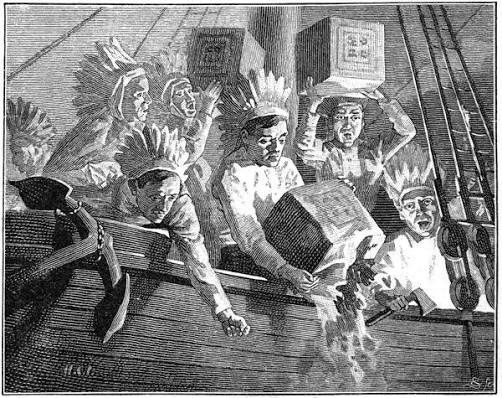
Participants in the 1773 Boston Tea Party did wear rudimentary disguises, but contemporary accounts describe minimal blankets, soot, and makeshift costumes rather than the elaborate feathered Native American regalia often depicted in illustrations.
Many participants were recognized by witnesses despite their disguises, suggesting the costumes were symbolic rather than genuinely concealing. The choice to dress as Mohawk warriors specifically was a political statement, not merely a disguise, aligning colonial protest with an identity separate from England. Later 19th-century illustrations dramatically exaggerated the costumes into elaborate, inaccurate “Indian” outfits that bear little resemblance to contemporary descriptions.
#15 – Alfred the Great “Burning the Cakes” Is a Later Legend
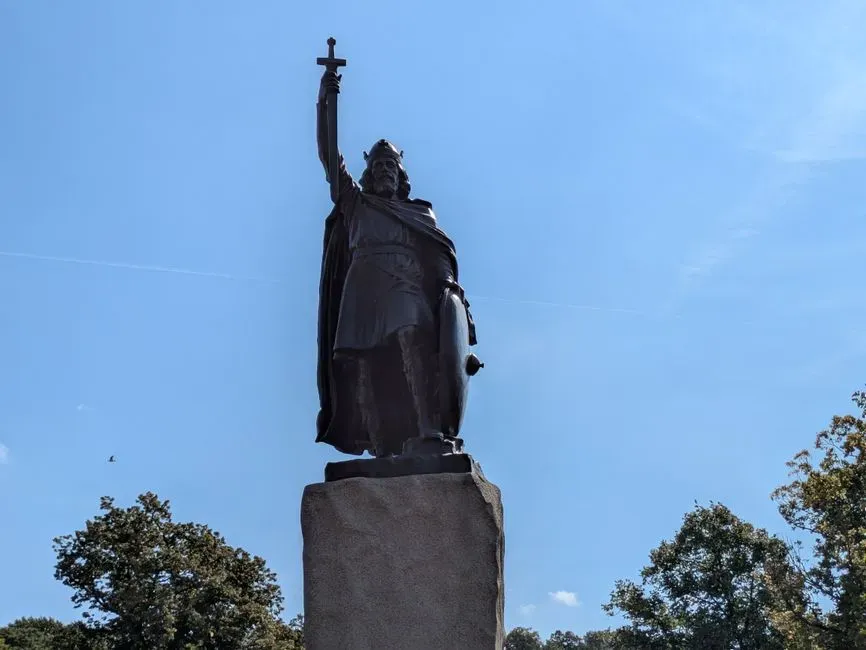
The story of King Alfred, hiding from Viking forces, accidentally burning a peasant woman’s cakes while lost in thought about his kingdom’s troubles is a beloved piece of English folklore – and it appears nowhere in accounts written during Alfred’s actual lifetime in the 9th century.
The tale surfaces in chronicles written roughly a century or more after Alfred’s death, part of a broader medieval tradition of humanizing kings through humble, relatable anecdotes. No contemporary court record or chronicle mentions the incident at all, which is notable given how thoroughly documented Alfred’s reign otherwise was. Alfred’s genuine accomplishments – reorganizing Wessex’s defenses and promoting education – get overshadowed by a charming story that was likely never true.
#16 – Thanksgiving’s “First Feast” Details Are Largely Guesswork
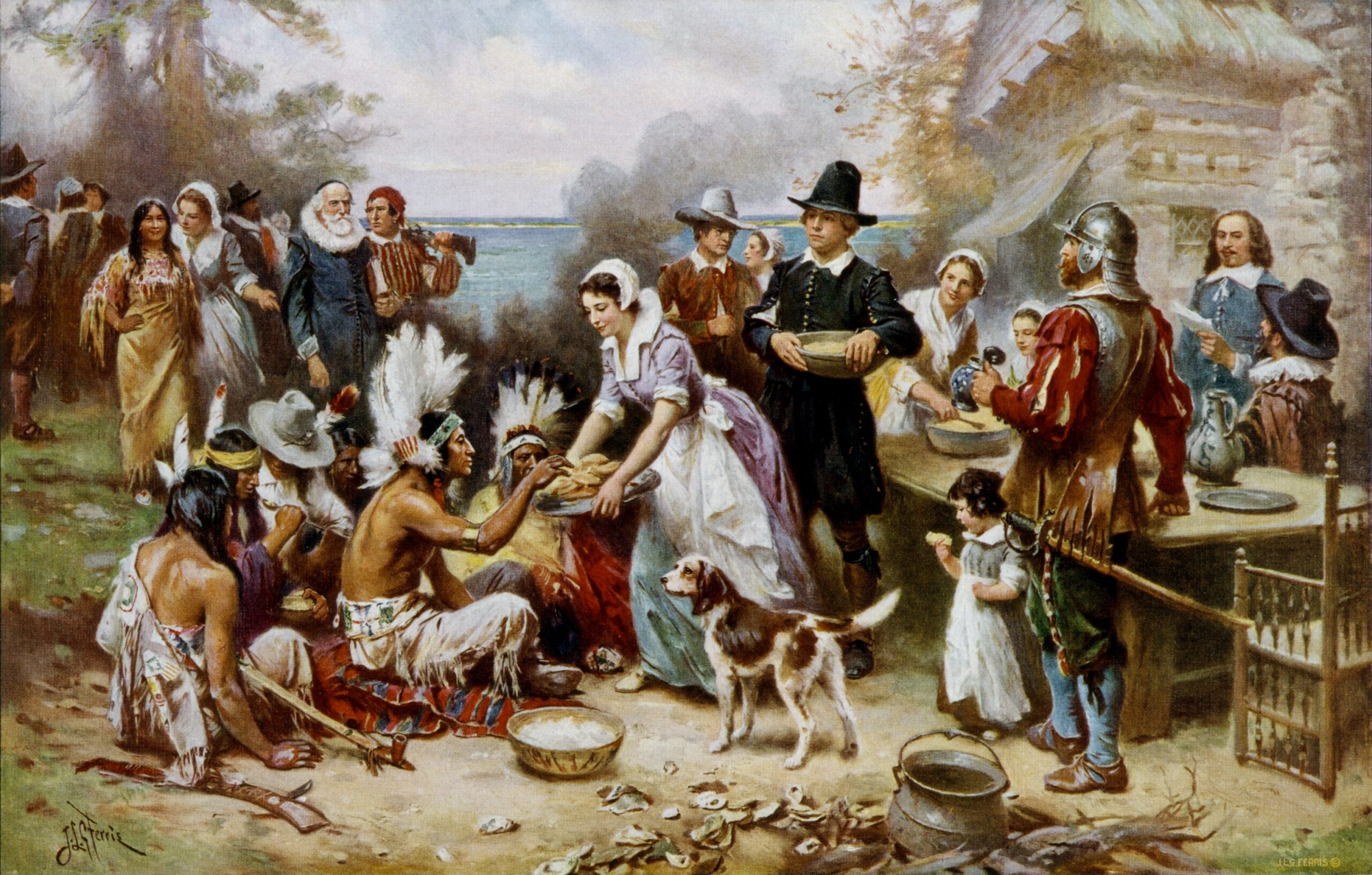
The popular image of the 1621 Plymouth feast – turkey, cranberry sauce, pumpkin pie, and matching pilgrim hats – is almost entirely reconstructed from limited sources, since only one brief contemporary letter actually describes the event.
That single surviving account mentions fowl and deer, but doesn’t specify turkey definitively, and makes no mention of pumpkin pie, cranberry sauce, or the tall-hat pilgrim clothing so common in illustrations. Much of the “traditional” menu was added centuries later, shaped by 19th-century writers eager to create a unifying national origin story during a period of civil unrest. Wampanoag participation, which was significant and essential to the colonists’ survival, was also historically minimized compared to what limited records suggest actually happened.
#17 – Einstein Did Not Fail Math in School
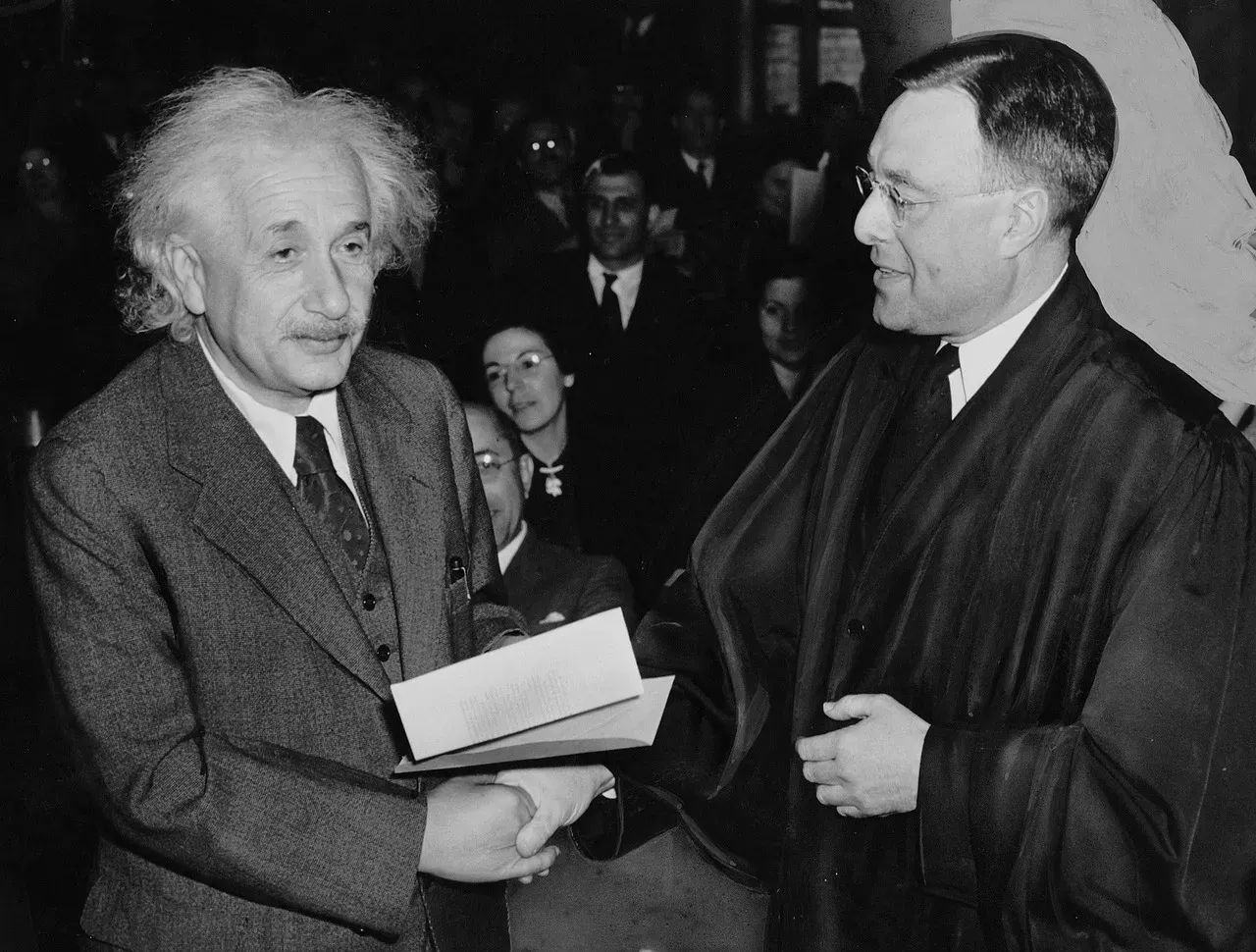
This myth persists as reassurance for struggling students, but Einstein’s actual academic records tell a different story entirely. His surviving school transcripts show he excelled in mathematics and physics from an early age, consistently earning top marks in these subjects.
The confusion likely stems from differing grading scales between Swiss and German school systems, where a “6” meant excellent in one country and poor in another. Einstein reportedly found his own school environment authoritarian and dull, not because the material was too hard, but because rigid rote memorization bored a mind already working ahead of the curriculum. The persistence of this myth says more about our comfort with underdog stories than about Einstein’s actual school performance.
#18 – Medieval Chastity Belts Were Likely Never Widely Used
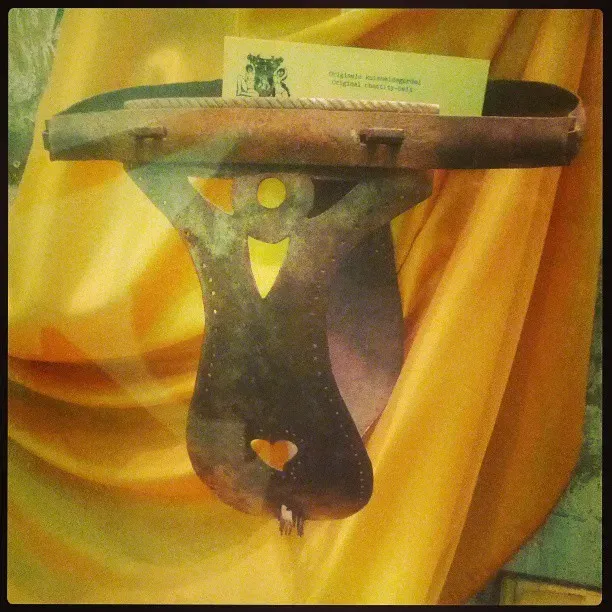
The chastity belt is one of the most enduring symbols of “medieval barbarism,” and modern scholarship increasingly suggests the devices as commonly depicted simply didn’t exist during the actual Middle Ages. According to research by historian Albrecht Classen, the idea likely originated as a literary and comedic device, first appearing in a 1405 treatise on siege machinery, included as a tongue-in-cheek addition rather than a practical invention.
A critical examination of medieval sources reveals a glaring absence of evidence for real-world use, with no references turning up in medieval sermons, legal texts, or medical literature. The devices genuinely displayed in museums for generations came from a much later era entirely.
It is probable that the great majority of examples now existing were made in the eighteenth and nineteenth centuries as curiosities for the prurient, or as jokes for the tasteless.
The British Museum
Victorian showmen and museum curators manufactured “medieval” artifacts to satisfy paying audiences fascinated by imagined Dark Age brutality – arguably one of history’s most successful hoaxes, convincing enough to fool museums for over a century.
#19 – Spartan Baby-Killing at Mount Taygetus Lacks Archaeological Support

Few historical images are as chilling as Spartan elders tossing “weak” infants off a cliff – and the archaeological record tells a strikingly different story. The main ancient source, Plutarch, wrote about this practice centuries after Sparta’s classical peak, and modern excavation of the actual site described in his writing has failed to confirm his account.
When archaeologists excavated the cave at the foot of Mount Taygetus believed to match Plutarch’s description, they found no infant remains at all – almost all of the bones were from men aged 18 to 35, with only a few female remains and no infant bones whatsoever. Modern historians such as Paul Cartledge and Sarah Pomeroy have questioned the accuracy of the sources describing infanticide as consistent state policy. The site instead appears to have been used to dispose of executed adult criminals and prisoners of war, not infants at all.
Worth Knowing
- The site is a natural chasm at the foot of Mount Taygetus, long associated with Plutarch’s infanticide account.
- Excavated remains skew heavily toward adult men aged 18 to 35, not newborns.
- Zero infant bones were recovered from the pit during excavation.
- Scholars like Paul Cartledge and Sarah Pomeroy now treat Plutarch’s account as unreliable, later-era moralizing rather than documented state policy.
#20 – Columbus Was Not the First to “Discover” a Round Earth, or Even America
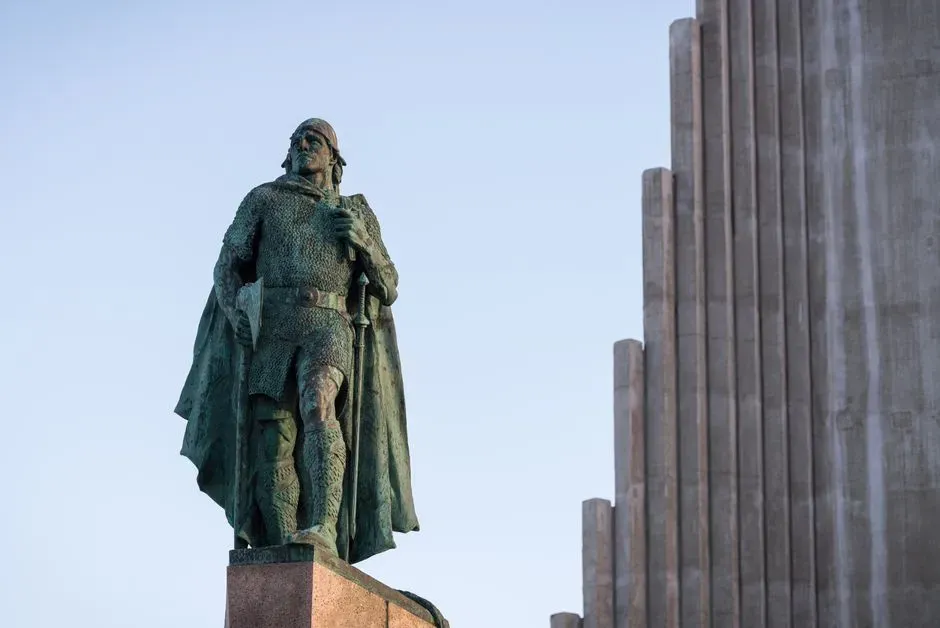
The single biggest history myth might be the Columbus story itself, wrapped in layers of misinformation. Columbus didn’t prove the Earth was round – that was mathematically established by Greek scholars centuries earlier – and his voyage’s real controversy involved disagreements over the size of the globe, not its shape.
Norse explorers led by Leif Erikson reached North America roughly 500 years before Columbus, establishing a settlement in Newfoundland that archaeologists have confirmed through excavation. Columbus never set foot on the North American mainland during any of his four voyages, landing instead in the Caribbean and believing until his death that he’d reached Asia. The modern narrative of Columbus as a bold visionary proving a controversial scientific theory was largely constructed in 19th-century American schoolbooks eager for a founding-hero story.
The Bottom Line
The pattern across all twenty of these “facts” is strikingly consistent: a single late, biased, or entertainment-driven source got repeated so often it became accepted truth, while the actual evidence – archaeology, contemporary letters, court records – tells a quieter, messier story. Textbooks, Victorian showmen, and Hollywood scripts all share the blame for turning educated guesses into unquestioned history.
My honest take? The real stories are almost always more interesting than the myths. Cleopatra’s political genius beats a beauty myth. A relay of terrified riders beats a lone hero shouting into the dark. And Spartan reality is grim enough without an invented cliff. The myths survive because they’re tidy – history rarely is.