
You probably grew up hearing that ancient myths were just stories, colorful metaphors from people who did not understand science. But when you look at some of those old texts with modern genetics in mind, the language can feel uncomfortably precise. You start noticing phrases about blood being purified, life being rewritten, or humans being “fashioned” like clay according to a plan. It suddenly feels less like pure poetry and more like someone trying to describe technical processes with the tools of their own age. You are not about to find clear diagrams of DNA helices in cuneiform or hieroglyphs, and you should be wary of people who pretend you can. Still, there are moments in the world’s oldest writings where ideas about deliberate changes to human nature, lineage, or “seed” sound a lot like crude attempts to talk about what you now call genetic modification. When you read them with molecular biology in the back of your mind, you stop laughing quite so quickly at what earlier generations dismissed as simple metaphor.
1. Mesopotamian Creation Epics and the “Mixing” of Human Life
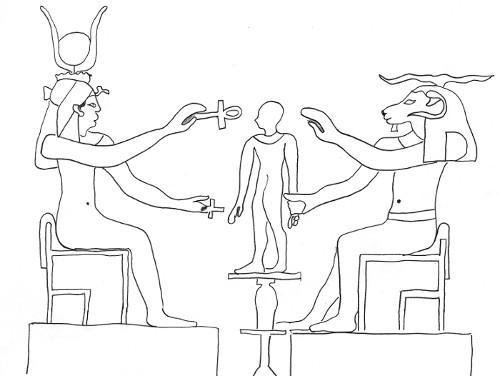
If you look at the Mesopotamian creation stories, especially the ones where humans are made from a mixture of divine material and clay, you can easily treat that as charming symbolism. But once you start thinking in terms of biological inputs, the idea of combining the “flesh” or “blood” of a god with inert matter to create a new species suddenly feels eerily like someone groping toward the idea of a hybrid organism. You are told that humans are formed as a solution to a problem, designed to take over labor from the gods, which puts an oddly functional, almost engineering-like spin on the whole thing. You see phrases about “mixing,” “kneading,” and “binding” this life essence with earthly material, like a recipe that must be followed in the right proportions. To a modern reader with even basic knowledge of DNA and cell biology, it is hard not to see a loose echo of combining two very different sources of biological information to produce a new kind of being. You can still read it as myth, but you also cannot ignore how consistently the text describes human nature as a deliberate blend that did not exist before.
2. The Book of Genesis and the Language of “Kinds,” “Seed,” and Lifespan Reset
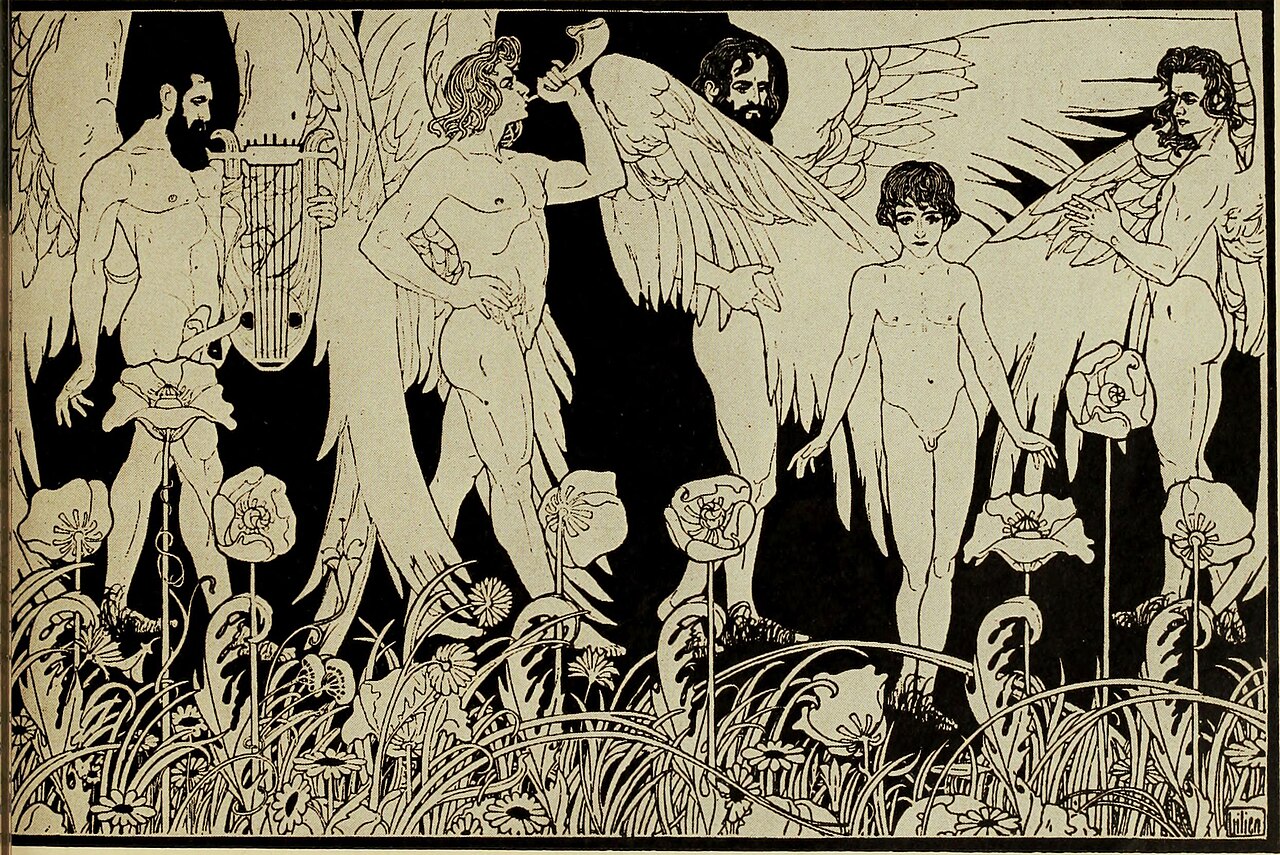
When you look at Genesis through the lens of modern biology, the obsession with “kinds” and “seed” starts to feel strikingly technical. You are told over and over that living things reproduce according to their kind, that lines are preserved through seed, and that corruption of that seed is a serious problem. Then you see sudden, sharp changes in human lifespan presented almost like a policy decision by a powerful experimenter deciding to cap or limit some aspect of human biology rather than letting it run wild. If you think in terms of genetic load and mutation, the stories about a world becoming “corrupt” and then being reset, followed by a controlled decrease in human longevity, hits a different nerve. You can read it as pure moral allegory, but you can also read it as a narrative reflection of something like a drastic intervention in a population’s inherited traits. You are not being handed lab notes, but you are being invited to notice how much the text treats human nature as something that can be constrained, altered, or redirected at the level of lineage and biological destiny.
3. Greek Myths of Prometheus, Pandora, and the Tinkering with Human Limits
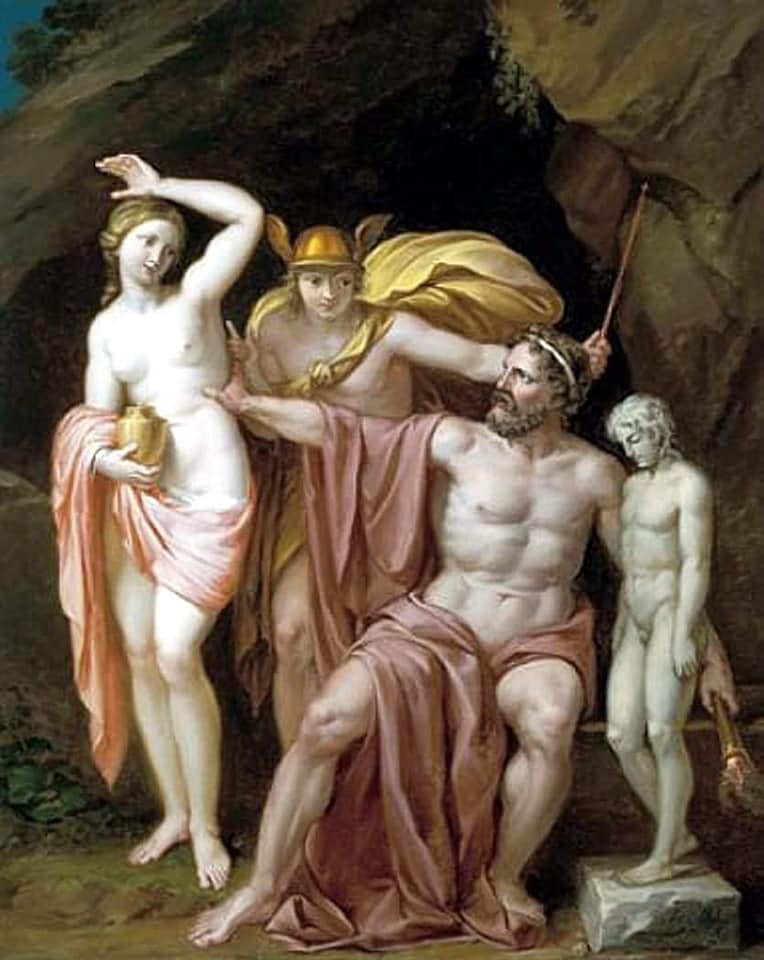
In Greek mythology, you often see gods arguing about how much power or potential humans should be allowed to have. When you read about Prometheus intervening to give humans a forbidden advantage and Pandora unleashing changes that cannot be undone, you are basically being walked through the drama of someone tampering with human settings that were meant to be locked. You can see this as nothing more than philosophical speculation, yet the recurring theme is that your species has dials that can be turned up or down. You also encounter stories where new types of humans or semi-humans appear after unions between gods and mortals, described as if the offspring inherit specific capabilities from both lines. To a modern reader who understands that traits are carried, mixed, and expressed according to rules, this feels a little like watching a culture see glimpses of heredity without being able to describe it technically. You are not confronted with double-stranded DNA here, but you are absolutely seeing an ancient culture wrestling with the idea that your nature is not fixed – someone, somewhere, can upgrade or downgrade it.
4. Indian Vedic and Puranic Texts on Lineage, “Seed,” and the Engineering of Castes
When you look into older Indian traditions, especially Vedic and Puranic stories, you find a strong focus on preserving or manipulating lines of descent. You see gods and sages intervening in births, arranging who will be born to whom, and describing children whose qualities are meticulously predicted based on who contributed what “seed.” If you read that with genetics in mind, you notice how often the text treats your nature as the outcome of a designed combination rather than a random accident. You also encounter the idea that specific social groups and castes are tied to inherited traits that can be maintained or diluted by certain unions. From a modern perspective, this is clearly wrapped in cultural assumptions, but underneath that you can see a primitive attempt to reason about phenotypes, heritable temperaments, and the long-term shaping of populations. You may not find talk of genes and alleles, but you do find a clear belief that human characteristics can be systematically influenced by controlling reproduction over many generations.
5. The Book of Enoch and the “Mixing” of Human and Non-Human Lineages
If you ever dive into the Book of Enoch, you find a surprisingly detailed obsession with beings who cross a boundary and interfere with human reproduction. The text describes a deliberate mixing between a higher order of entities and humans, with the result being offspring that are biologically and morally unstable. Whether or not you treat this as history, you can see that the author is trying to describe a scenario where human genetics, in modern terms, become contaminated by an external input that does not belong. The consequences in the story are not subtle: the world is overwhelmed, the human line is distorted, and a drastic reset is required. If you read that with molecular biology in your head, you cannot help seeing it as a narrative about what happens when you introduce a radically new set of instructions into an existing population. You are being told that not all combinations are sustainable, that some forms of tampering destabilize an ecosystem so badly that the only option is a hard reboot.
6. Gnostic and Early Esoteric Texts Describing Humans as Engineered Vessels
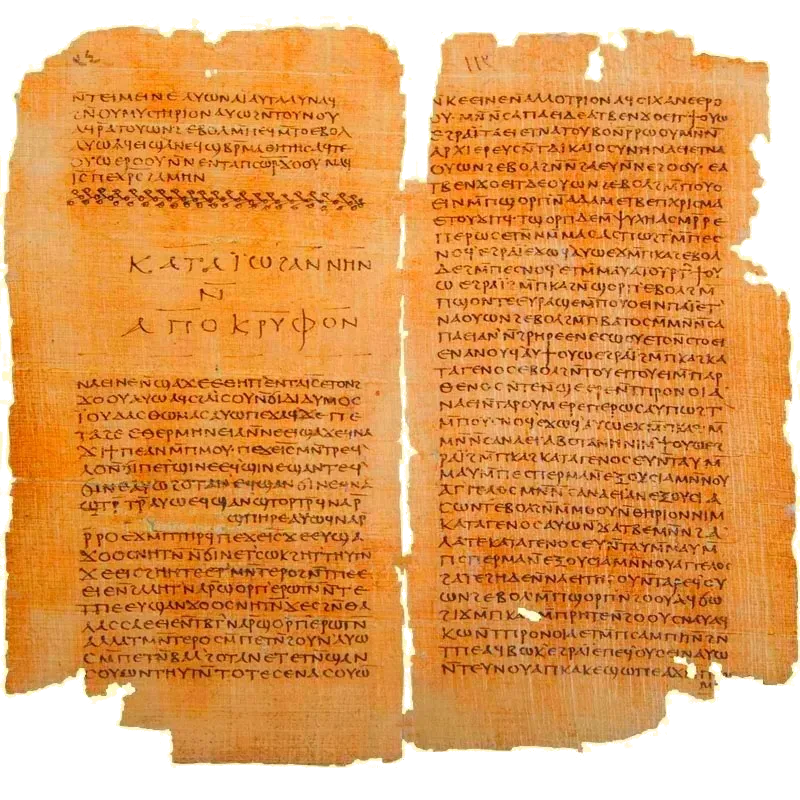
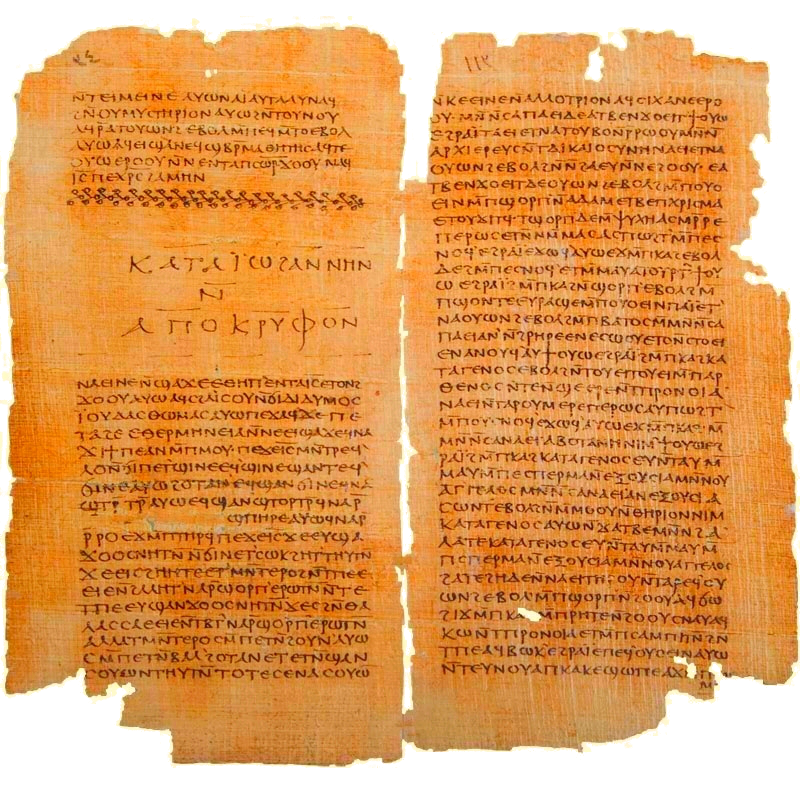
In some early Gnostic and esoteric writings, you are presented with a surprisingly sharp idea: humans are crafted bodies designed to house something more subtle, and different makers can tweak the design for different purposes. You see language about rulers or artisans forming humanity with a specific blueprint, sometimes arguing over what capacities you should be allowed to keep. If you think in terms of engineering, the human frame is treated as a platform that can have modules enabled or disabled. You also find recurring ideas that the body is not just formed once and left alone but can be altered, locked, or partially awakened depending on who is doing the work. Viewed through a modern lens, you could see this as a mythic riff on the notion that your biology contains unused potential, switches, and safeguards, much like regulatory genes that only activate under certain conditions. You are not being handed a lab manual, yet you are being nudged to imagine a version of yourself whose capabilities depend on which “settings” someone decided to turn on.
Conclusion: Reading Old Stories with New Eyes Without Losing Your Grip on Reality
When you put all of these texts side by side, you start noticing a spooky family resemblance: across cultures, your ancestors told stories where human nature is not a fixed starting point but a product of deliberate adjustment. You see talk of blood, seed, lineage, and hybrid offspring; you see resets, lifespan caps, and beings who tamper with what it means to be human. None of this proves that ancient people had advanced genetic technology, but it does suggest they were already thinking about your species as something that could, in principle, be engineered or altered. For me, the most striking part is how modern you feel when you read these old lines with today’s science in mind. You now really do have tools that can rewrite genomes, tweak embryos, and redirect evolution in ways that once sounded purely mythical. When you go back to those stories, you are not just indulging in fantasy – you are watching earlier generations wrestle, in symbolic language, with questions you are finally able to act on in the lab. That raises a quiet but unsettling question for you: how carefully are you going to handle the power they could only imagine?