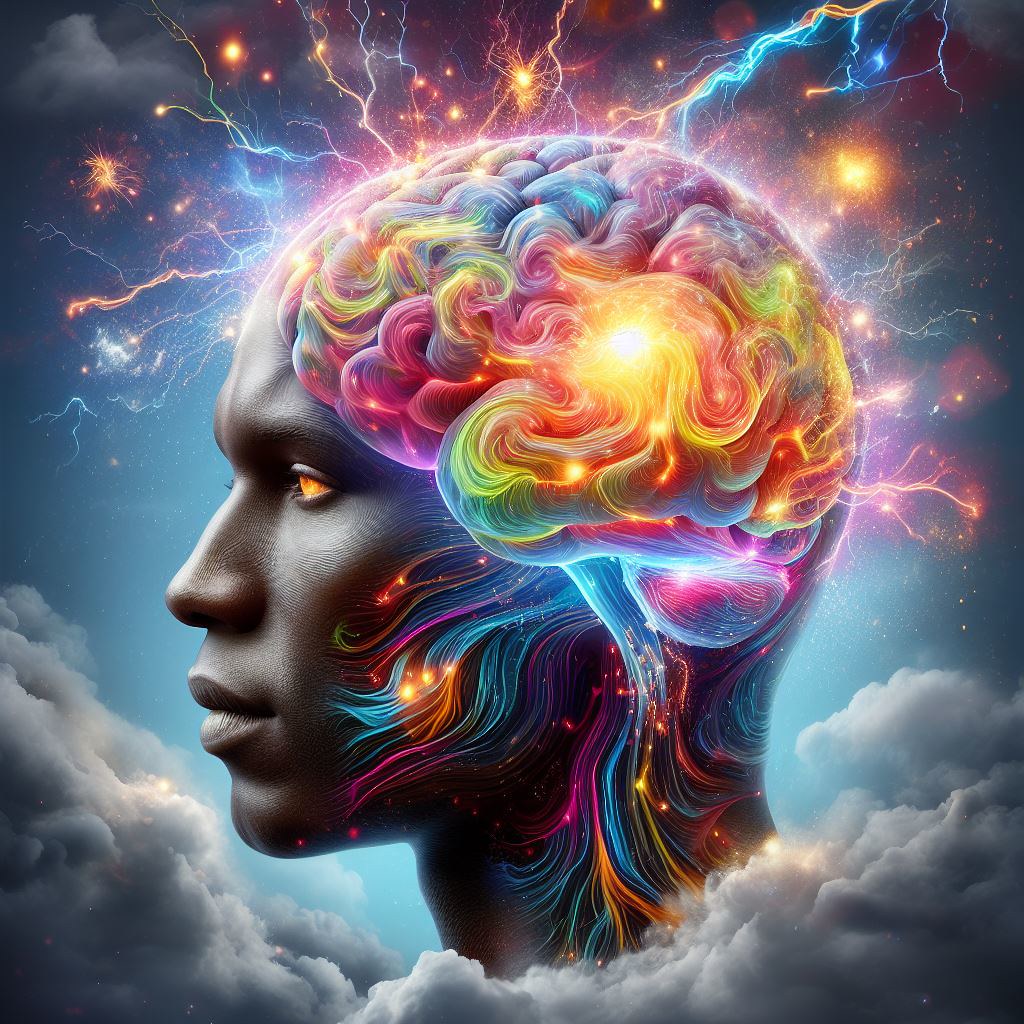

Your brain is running roughly 86 billion neurons right now, burning about 20 watts of power – less than a dim light bulb – and somehow producing the entire experience of being you. Yet ask a neuroscientist what consciousness actually is, or why you dream, or why anesthesia works, and you’ll get a shrug dressed up in fancy Latin terms.
Most people assume brain science has this figured out. It hasn’t. Not even close. Here are 15 things the smartest people in neuroscience still can’t explain, no matter how many brain scans they run.
#1 – Why 90% of Us Are Right-Handed (And Nobody Knows Why)

Handedness looks simple until you try to explain where it comes from.
Scientists have linked hand preference to genetics, prenatal hormone exposure, and even asymmetries in the womb, but no single theory nails down why the ratio has stayed stubbornly consistent across cultures and centuries. The weirdest part? Even chimpanzees and other primates show handedness preferences, which means this trait predates modern humans entirely. That timeline breaks a lot of tidy explanations.
Fast Facts
- About 9 in 10 people are right-handed, a ratio that has held steady across recorded history
- Left-handedness rates shift slightly by culture and sex, but never come close to 50%
- Chimpanzees, gorillas, and other primates show individual hand preferences too
- Several genes have been linked to handedness, but none fully explains the pattern alone
Twin studies make it worse. Identical twins, who share nearly 100% of their DNA, don’t always share the same dominant hand. That single fact torpedoes any theory claiming handedness is purely genetic – something environmental, developmental, or even random is clearly mixed in, and nobody has isolated exactly what.
#2 – Phantom Limb Sensations That Shouldn’t Exist
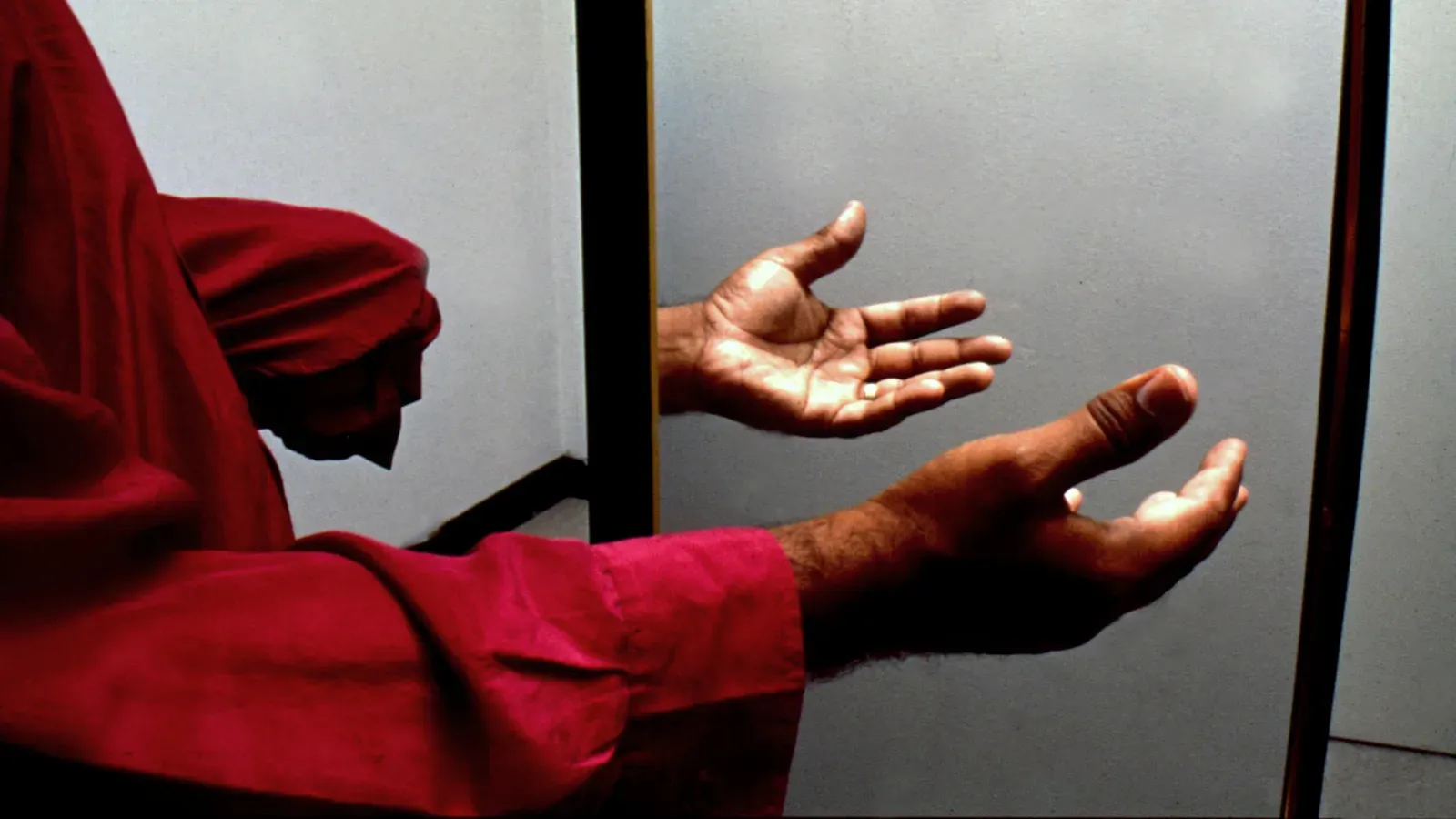
Amputees regularly feel pain, itching, or movement in limbs that have been gone for years – sometimes decades.
The going theory blames “cortical remapping,” where the brain’s map of the body reorganizes itself after a limb is removed, misfiring signals that get interpreted as sensation from a limb that no longer exists. Some patients report feeling their missing hand clench into a fist so vividly they instinctively try to uncurl the fingers. Mirror therapy – tricking the brain visually – helps some patients, but nobody can explain why it works for some and does nothing for others.
Even stranger, some people born without a limb report phantom sensations too, which completely undercuts the “the brain remembers the limb” theory. If there’s no memory to draw from, where is the sensation coming from? Neuroscientists genuinely don’t have a clean answer.
#3 – Déjà Vu Still Has No Confirmed Explanation

That eerie “I’ve lived this exact moment before” feeling hits most people at some point, and science still can’t pin down why.
Leading theories point to a brief glitch in the brain’s memory-processing circuits – maybe a delay between two hemispheres, or a false-familiarity signal misfiring from the temporal lobe. Some researchers link it to the rhinal cortex, an area involved in recognizing familiarity. The catch: because déjà vu lasts seconds and can’t be predicted or triggered on demand, almost none of it has ever been captured in real time on a brain scan.
That makes it nearly impossible to study rigorously. Scientists are left reconstructing what might be happening after the fact, based on patient reports and rare cases in people with temporal lobe epilepsy who experience déjà vu right before seizures. It’s a mystery hiding in plain sight, precisely because it refuses to happen in a lab.
#4 – Synesthesia: When Senses Get Wired Together
Roughly 1 in 2,000 people “see” sounds as colors, or taste words, and neuroscience still can’t fully explain how their brains got wired this way.
The dominant theory involves cross-activation – extra neural connections between sensory regions that, in most people, get pruned away during early brain development. In people with synesthesia, those connections may simply survive. Some synesthetes insist the number 7 is always red or that Tuesdays taste like metal, and the sensation is completely involuntary and consistent for life.
At a Glance
- Grapheme-color synesthesia, where letters or numbers each carry a fixed color, is the most studied form
- Chromesthesia links sounds – music, voices, even traffic noise – to specific colors
- Lexical-gustatory synesthesia makes certain words trigger an involuntary taste
- Dozens of documented variations exist, and most people have more than one type
- It appears to show up more frequently among artists, musicians, and writers
What nobody has cracked is why the trait shows up more often in artists, musicians, and writers, or why it sometimes runs in families without following clean genetic patterns. Brain imaging shows real differences in connectivity, but correlation isn’t causation. Whether synesthesia is a rare wiring “mistake” or a hint at how everyone’s brain works underneath the surface is still an open, contested question.
#5 – Bigger Brains Don’t Mean Bigger Intelligence
Brain size and intelligence should track together. They don’t, and it’s thrown a wrench into decades of research.
Elephants and whales have physically larger brains than humans, yet nobody argues they outthink us. Even within humans, brain size varies significantly without a matching variation in measured intelligence. Some of history’s most celebrated thinkers had unremarkable-sized brains, while some people with above-average brain volume show no exceptional cognitive ability at all.
Researchers now suspect it’s about wiring density, connectivity efficiency, and the ratio of certain brain regions rather than raw size. Plenty of older textbooks still lean on size comparisons, but most modern neuroscientists now argue that judging brainpower by size alone is one of the biggest oversimplifications still floating around pop science.
#6 – The Dying Brain’s Mysterious Surge of Activity
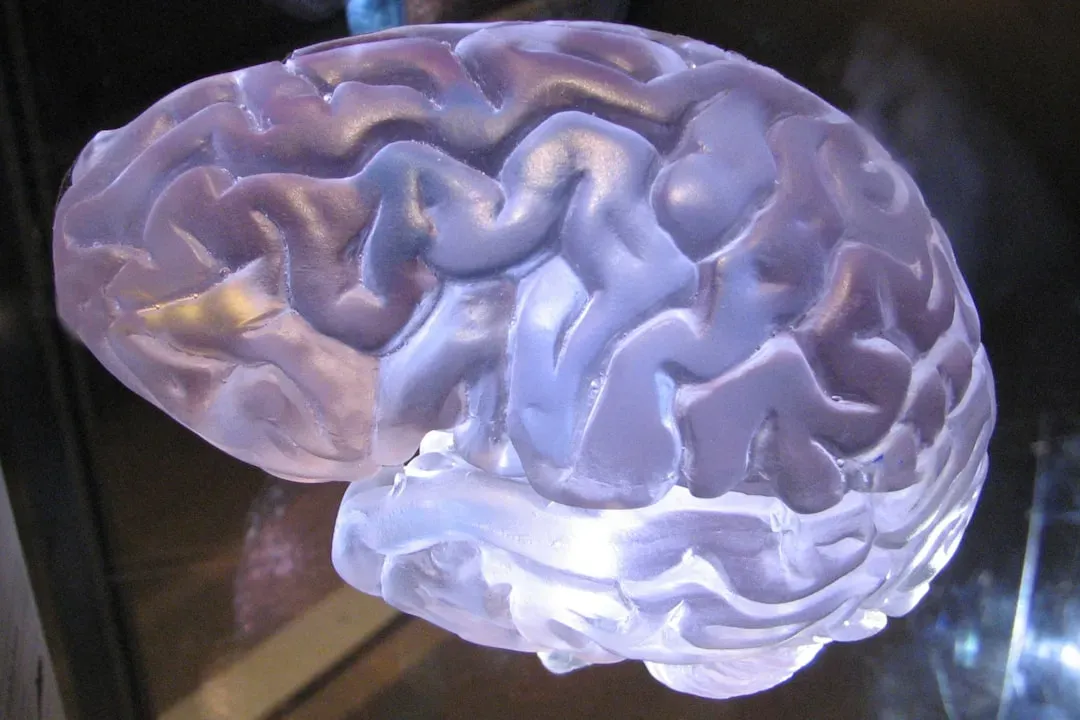
Some patients near clinical death show a sudden spike in brain activity, and scientists are still arguing about what it means.
This burst, sometimes involving gamma wave activity associated with conscious awareness, has been recorded in the moments surrounding cardiac arrest in both animal and limited human studies. Some researchers interpret it as the brain’s last coordinated effort at consciousness. Others argue it could explain vivid near-death experiences people describe after resuscitation – bright lights, life reviews, a sense of calm.
Worth Knowing
- The gamma-wave surge has been documented in both animal models and a small number of human cases
- It typically appears in the brief window right around cardiac arrest, not before or long after
- Researchers disagree on whether it reflects genuine awareness or a final electrical misfire
- The emergency conditions surrounding death make controlled study almost impossible
There’s no consensus on why this surge happens, what triggers it, or whether it reflects genuine awareness or simply the brain’s electrical systems misfiring as oxygen disappears. Because it happens during a medical emergency, it’s almost impossible to study under controlled conditions, which leaves one of the most emotionally loaded questions in neuroscience frustratingly unresolved.
#7 – Nobody Can Find Where “You” Actually Live
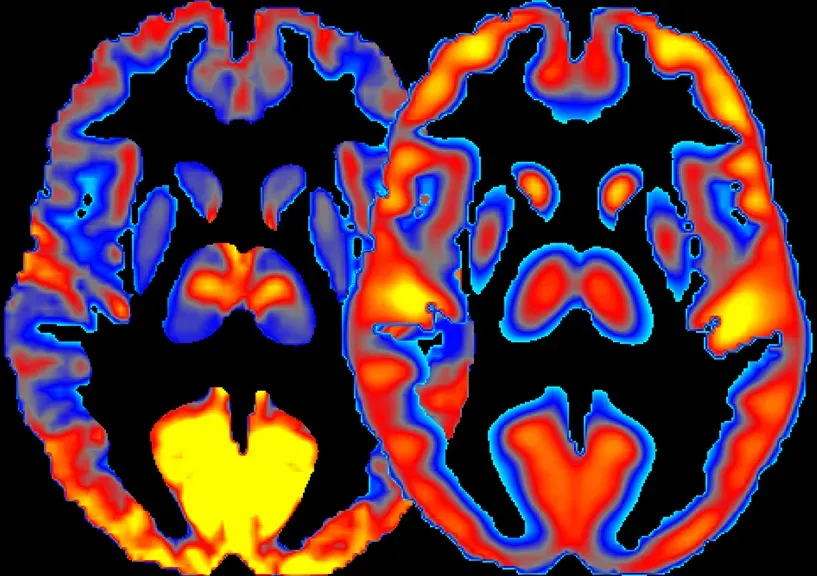
Somewhere in your skull is a sense of “I” – a continuous feeling that you are one single person experiencing your life. Neuroscientists cannot point to where that comes from.
Brain scans show activity distributed across dozens of interacting regions when people think about themselves, but there’s no single “self center” lighting up consistently. Some researchers now openly argue the unified “self” might be an illusion the brain constructs, stitched together from separate, semi-independent processes running in parallel rather than one coherent narrator.
This idea unsettles a lot of people, and it’s genuinely controversial even within neuroscience. If the self isn’t a single thing located somewhere, what exactly experiences your life moment to moment? Some scientists think consciousness itself might work more like a committee than a CEO – a claim that tends to spark heated debate every time it’s raised.
#8 – We Still Don’t Know How Many Types of Neurons Exist
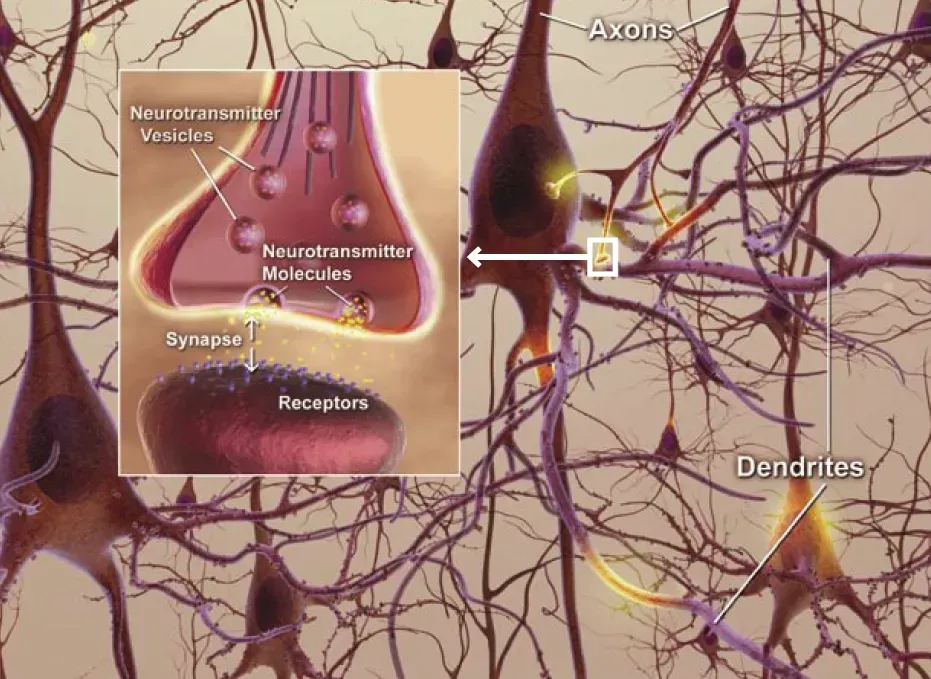
You’d think after over a century of brain research, scientists would have a clean, finished list of neuron types. They don’t.
Researchers are still working toward what some call a “periodic table” of brain cell types – a complete, organized catalog the way chemists have one for elements. Not all neurons are created equal, and scientists still don’t know how many different kinds we have, but it’s likely in the hundreds. Synapses themselves aren’t uniform either, meaning the basic building blocks of thought come in far more varieties than any current model fully accounts for.
Quick Compare
- What’s known: neurons are broadly grouped by shape, location, and neurotransmitter type
- What’s unknown: the exact total number of distinct types, likely in the hundreds
- What’s known: large-scale cataloging projects are actively classifying brain cells today
- What’s unknown: how all those types combine to produce coordinated thought
That incomplete catalog matters more than it sounds. Without knowing exactly what the pieces are, building an accurate theory of how they work together is nearly impossible – it’s like trying to understand chemistry before anyone had identified all the elements. Massive research initiatives are chipping away at this, but a finished map is still years, maybe decades, away.
#9 – We Don’t Even Fully Understand a Worm’s Brain
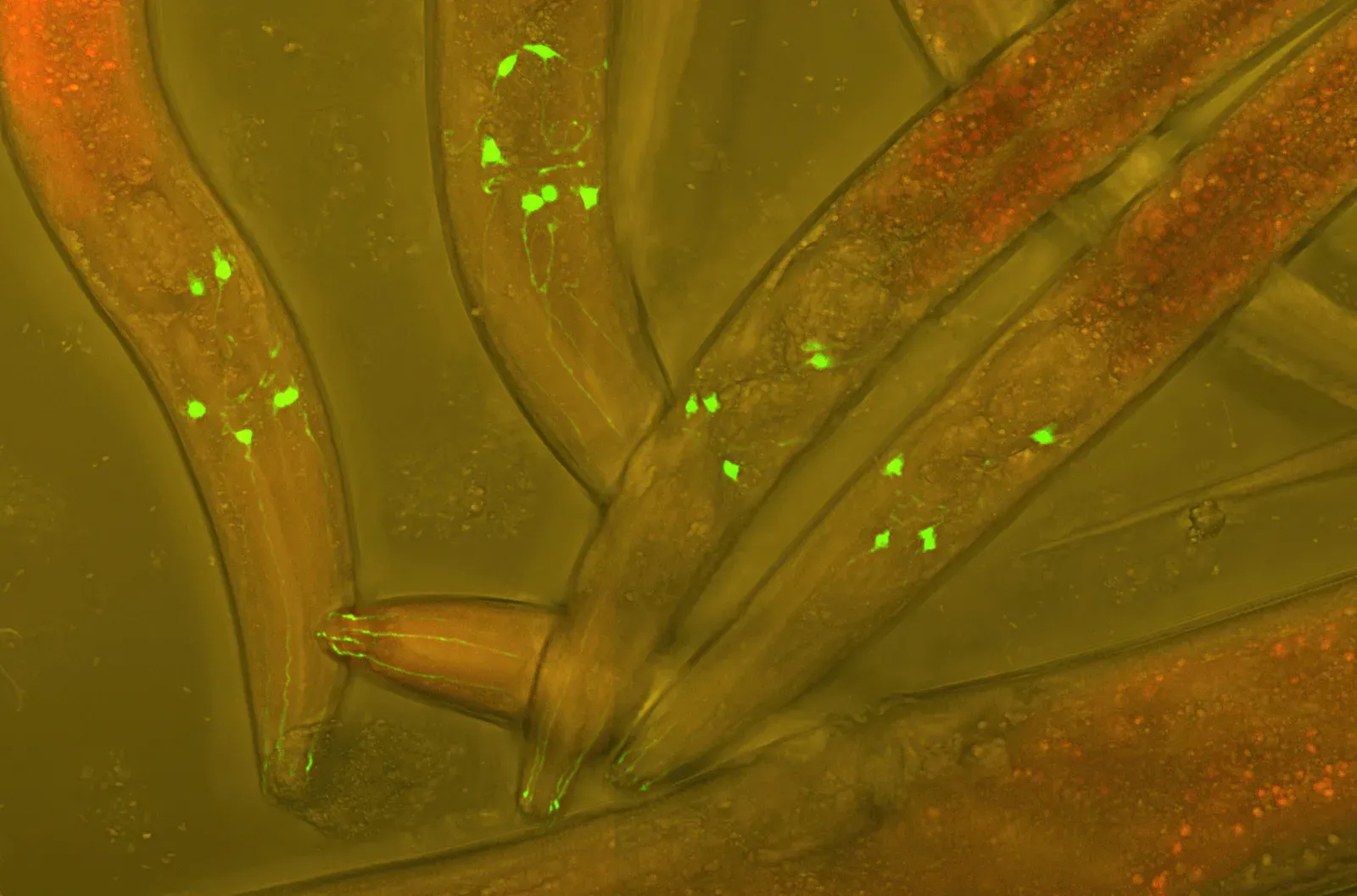
Here’s a humbling fact: neuroscience hasn’t cracked the nervous system of a worm, let alone a human.
We don’t even understand the brain of a worm.
Christof Koch, Meritorious Investigator, Allen Institute
The lab roundworm, known as Caenorhabditis elegans, houses 302 neurons and 7,000 connections in its microscopic body. That’s not a typo – 302 neurons, compared to your 86 billion. Researchers have painstakingly mapped and described every single one of those connections, and we still don’t fully understand how they all work together to produce the worm’s behavior.
If a fully mapped, microscopic nervous system still stumps researchers, it puts human brain research in perspective. Connectome projects are trying to map larger brains, but partial maps of fly and mammal brains still only cover fragments of the full system. The gap between “mapping” and “understanding” turns out to be enormous.
#10 – Memories Aren’t Stored Where You Think
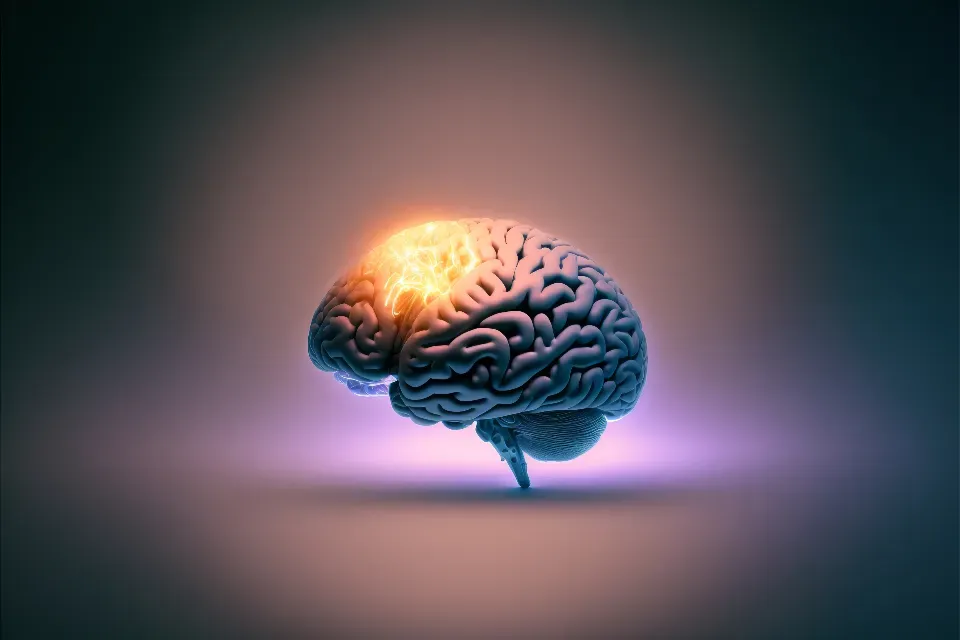
Most people imagine memories sitting in the brain like files in a cabinet. That’s not how it works, and scientists are still filling in the gaps.
Neuroscientists think memory storage depends on the connections between synapses and the strength of associations between them; memories aren’t encoded as discrete bits of information so much as relationships between two or more things. Memories of an event may be stored in a matrix of interconnected neurons called an “engram,” or memory trace – a structure scientists have only recently been able to identify and manipulate directly.
The implications get unsettling fast. Scientists have implanted false memories into a mouse using this exact assumption about engrams, proving memories can be artificially planted, not just recalled. If that’s true in mice, the honest question is how much of human memory is genuinely reliable versus reconstructed after the fact – and most people trust their memories completely.
#11 – Nobody Can Agree on Why We Dream

Every human sleeps and dreams, yet the actual purpose of dreaming remains one of neuroscience’s most stubborn unsolved questions.
Despite centuries of research, there’s no single, universally accepted answer to why we dream. Competing theories range from memory consolidation to emotional processing to random neural noise the brain tries to narrate into a story. Dreaming is linked to powerful bursts of activity in the hippocampus, the brain’s memory center, which seems to replay recent experiences during REM sleep – but replaying isn’t the same as explaining why.
What makes this mystery frustrating is how basic the question sounds. Some scientists argue dreams serve zero adaptive purpose and are simply a side effect of an active brain during sleep – a genuinely controversial take that dismisses centuries of psychological theory in one sentence.
#12 – Free Will Might Be a Trick Your Brain Plays on You
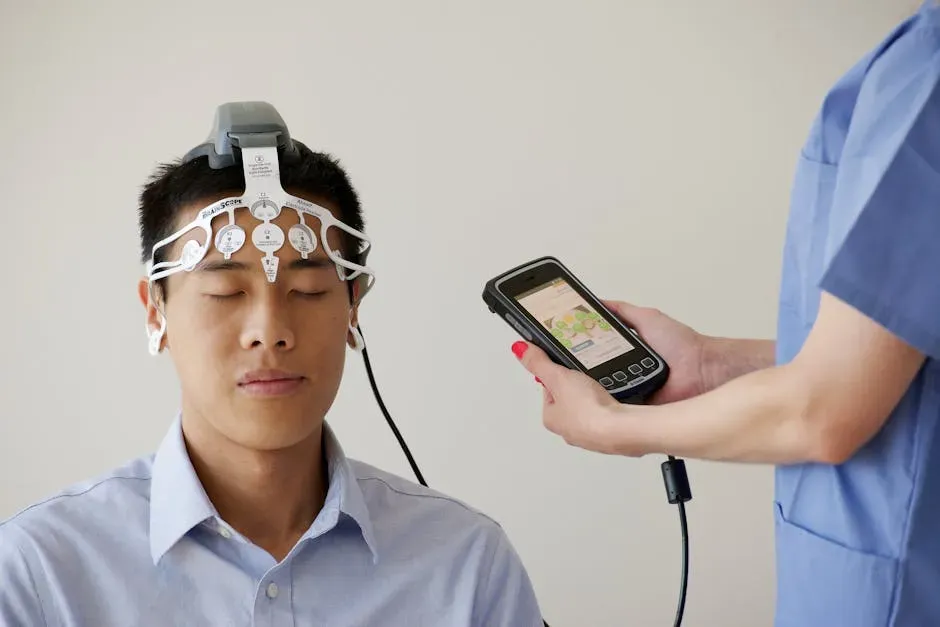
In the 1980s, one experiment convinced a chunk of the scientific world that free will might not exist. The debate still hasn’t settled.
Using EEGs, researcher Benjamin Libet looked for a “readiness potential,” a build-up of brain activity preceding movement, and found it turned up around 200 milliseconds before volunteers’ conscious decisions to press a button. The interpretation offered was that unconscious processes precede and determine our intentional actions. The results generated so much controversy that some neurophysiologists concluded free will simply does not exist.
Quick Compare
- Original reading: unconscious brain activity secretly decides before you’re aware of choosing
- Newer reading: that early activity may just be background neural noise, not a hidden decision
- Original reading: the experiment proves free will is an illusion
- Newer reading: people may still retain a late-stage power to veto or redirect an action
Newer research complicates the picture further. A more recent study found the EEG activity registered before decision-making has no direct correlation to the actual decision, and the moment of conscious intention can be influenced by experimental procedures. Decades later, the argument over whether your decisions are truly yours – or just brain chemistry running ahead of your awareness – is still very much alive.
#13 – The Placebo Effect Works, But Nobody Knows Exactly Why

A sugar pill can relieve real pain in real patients, and neuroscience is still catching up to explain how that’s possible.
Expectations and associative learning are important psychological drivers of placebo effects, but the underlying brain mechanisms are only beginning to be understood. Researchers have identified the ventromedial prefrontal cortex, insula, amygdala, hypothalamus, and periaqueductal gray as central structures involved – but identifying the regions isn’t the same as explaining the mechanism. The mechanisms underlying placebo analgesia specifically are not fully understood, even after decades of brain-imaging studies.
Recent research adds a genuine plot twist: placebo treatment has been shown to increase activity in some pain-related brain regions for unconditioned mechanical pain – the opposite of what researchers expected. If a fake treatment can reshape real neural activity in unpredictable directions, it raises uncomfortable questions about how much of medicine’s success depends on belief rather than biology.
#14 – Nobody Knows Why Anesthesia Actually Works

Millions of people go under general anesthesia every year, trusting a process that doctors themselves can’t fully explain.
General anesthesia was discovered 170 years ago, enabling millions of patients to undergo invasive, life-saving surgeries without pain – yet despite decades of research, scientists still don’t understand why it works. One anesthesia researcher called it “a great mystery for about 170 years,” bluntly stating that the honest answer is that no one really knows. That’s not a fringe opinion – it’s coming from the professionals who administer it daily.
Newer studies have found pieces of the puzzle. Certain anesthetics weaken the transmission of electrical signals between neurons at synapses, and other research found anesthesia hijacks the same neural circuitry the brain uses to fall asleep naturally, tracing this to a tiny cluster of hormone-regulating cells at the base of the brain. But a complete, unified explanation still doesn’t exist – every operating room in the world runs on a process modern science still can’t fully justify.
#15 – Consciousness Itself Remains Completely Unexplained
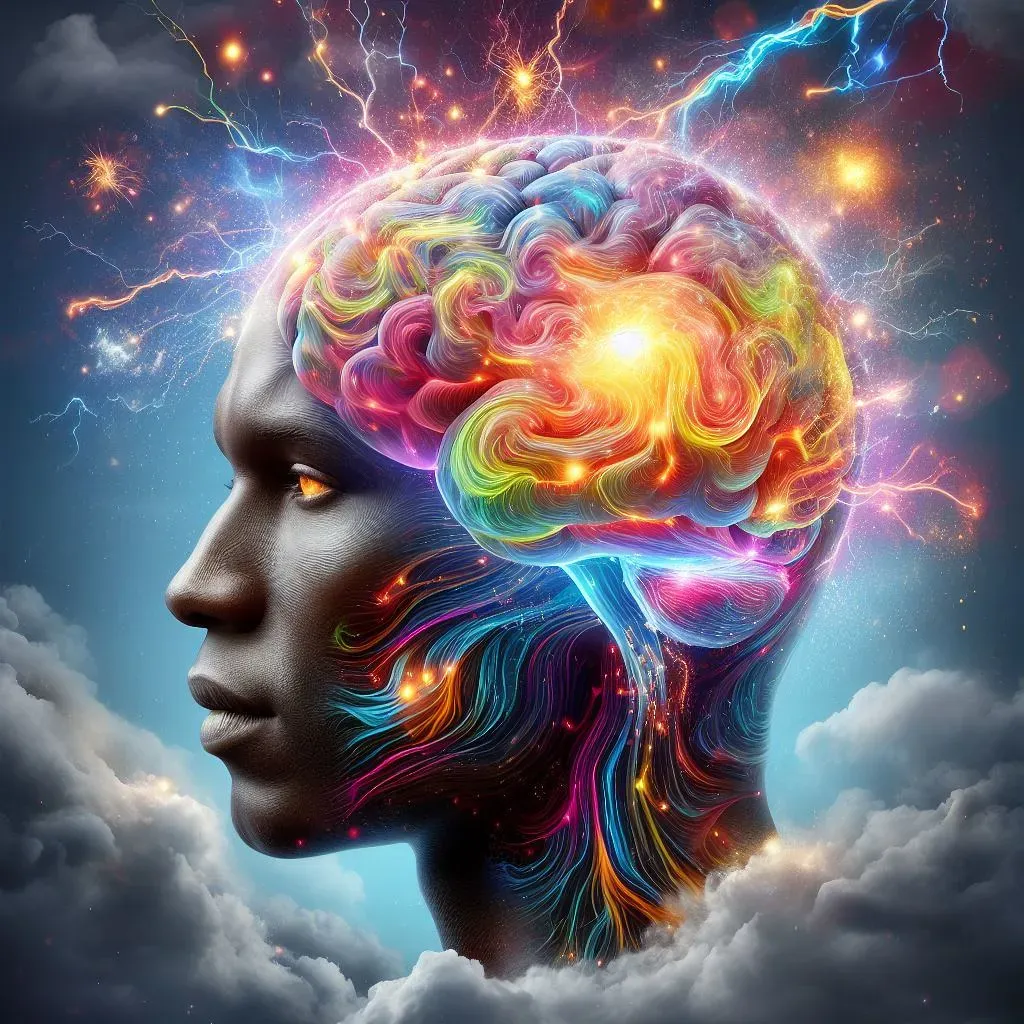
Here’s the mystery that swallows every other one on this list: nobody knows how a physical brain produces the felt experience of being alive.
Neuroscience is still quite a ways off from understanding how the brain produces phenomenal experience, or qualia. It can’t explain how incoming sensations get routed and translated into subjective impressions like taste, color, or pain, or how we conjure a mental image on demand. This is famously called the “hard problem” of consciousness, and it has resisted every major theory thrown at it for decades.
Some scientists have proposed consciousness isn’t a single unified process at all. Philosopher Daniel Dennett described it as a “bundle of semi-independent agencies,” while Marvin Minsky called it the “Society of Mind,” arguing consciousness is simply a word used to avoid discussing dozens of separate processes happening at once. Whether that idea is correct or not, it remains genuinely unsettled, and possibly unsettlable with today’s tools.
The most honest takeaway here isn’t that neuroscience has failed – it’s that the brain is stubbornly, almost insultingly, complicated. We’ve mapped a worm’s entire nervous system and still can’t explain its behavior. We give anesthesia to millions and still don’t know why it works. We can’t even locate the “self” that’s supposedly reading this sentence right now.
If you ask us, the biggest mistake in pop science is pretending these questions are basically solved. They’re not, and the honest experts admit it freely. Which one of these surprised you most? Drop it in the comments – we’re curious which mystery keeps you up at night.