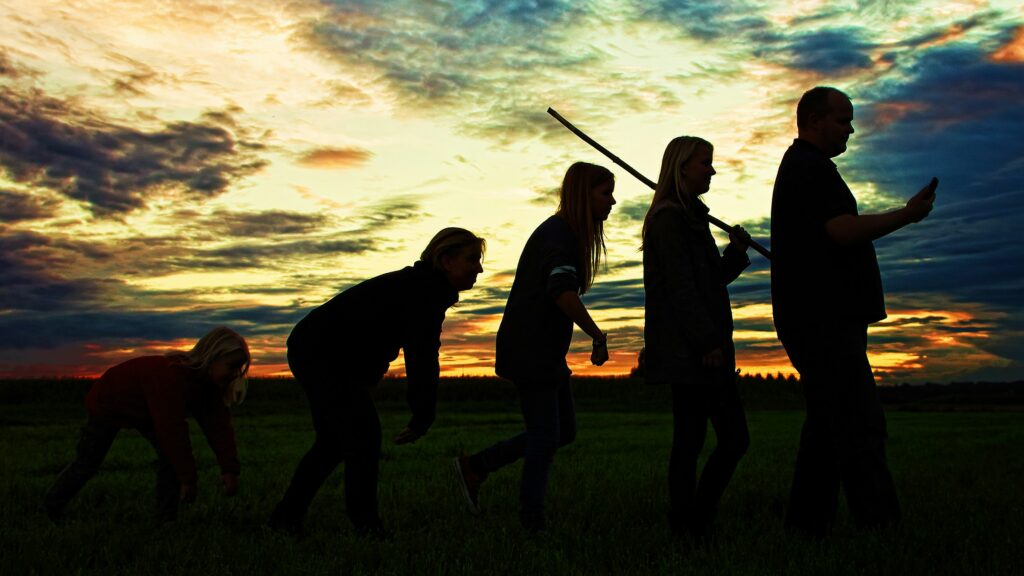

Most of us grew up believing evolution was a straight line: ape shuffles forward, hunches less, and eventually stands up in a suit and tie. Turns out that picture is almost entirely wrong. Modern genetics, ancient teeth, and cave floors buried in ash have quietly blown apart nearly every textbook diagram of human origins we were taught in school.
We didn’t evolve in a straight line, in one place, or even as a single species. For most of our history, several human species walked the same Earth at the same time – sometimes crossing paths, sometimes crossing genes, sometimes leaving footprints in the same mud within days of each other. Here’s what the fossil and DNA evidence actually says, starting with the myth almost everyone still believes.
#1 – We Didn’t Evolve From Monkeys, and We Didn’t Even Evolve From Chimps
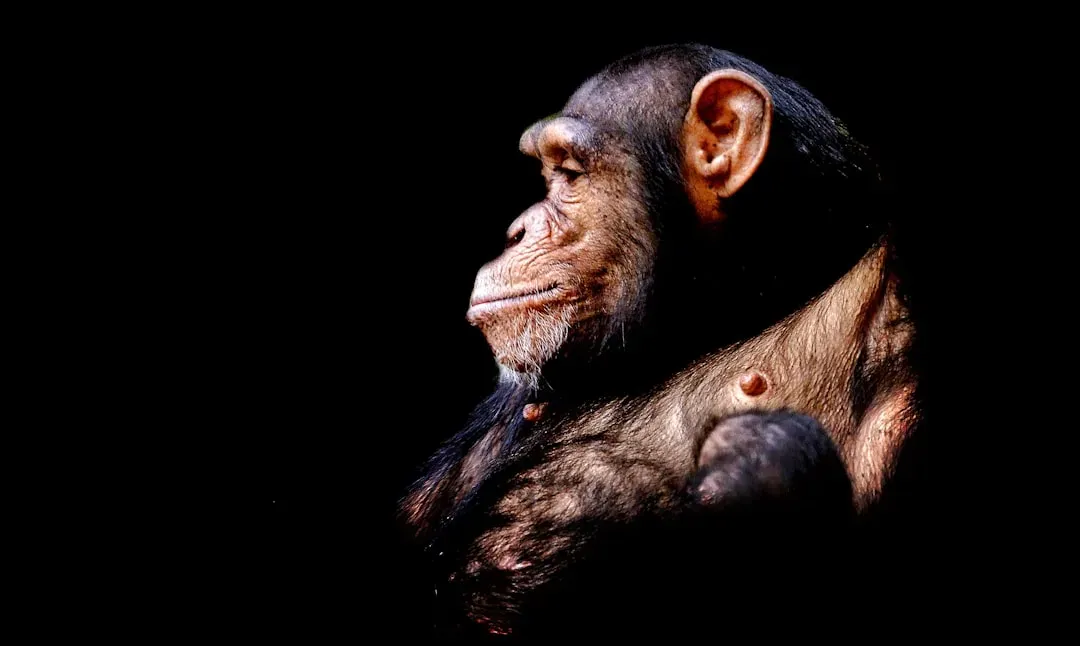
The single most repeated human evolution myth is also the easiest one to bust.
Humans and chimpanzees share a common ancestor that lived roughly 6 to 7 million years ago – an ape that looked like neither species alive today. Chimps kept evolving down their own branch while our lineage went a different direction entirely, developing upright walking, smaller canine teeth, and eventually much larger brains. Neither species is a “more evolved” or “less evolved” version of the other; they’re cousins, not parent and child.
This matters because the “monkey to man” cartoon still shapes how people think about evolution, and it’s simply not how branching works. Every living primate today, humans included, is the tip of its own separate evolutionary branch, not a rung on a ladder. But that’s nothing compared to what we found about #2, where the story of how we started walking on two legs just got turned upside down.
#2 – Walking Upright Probably Didn’t Start on the Savanna
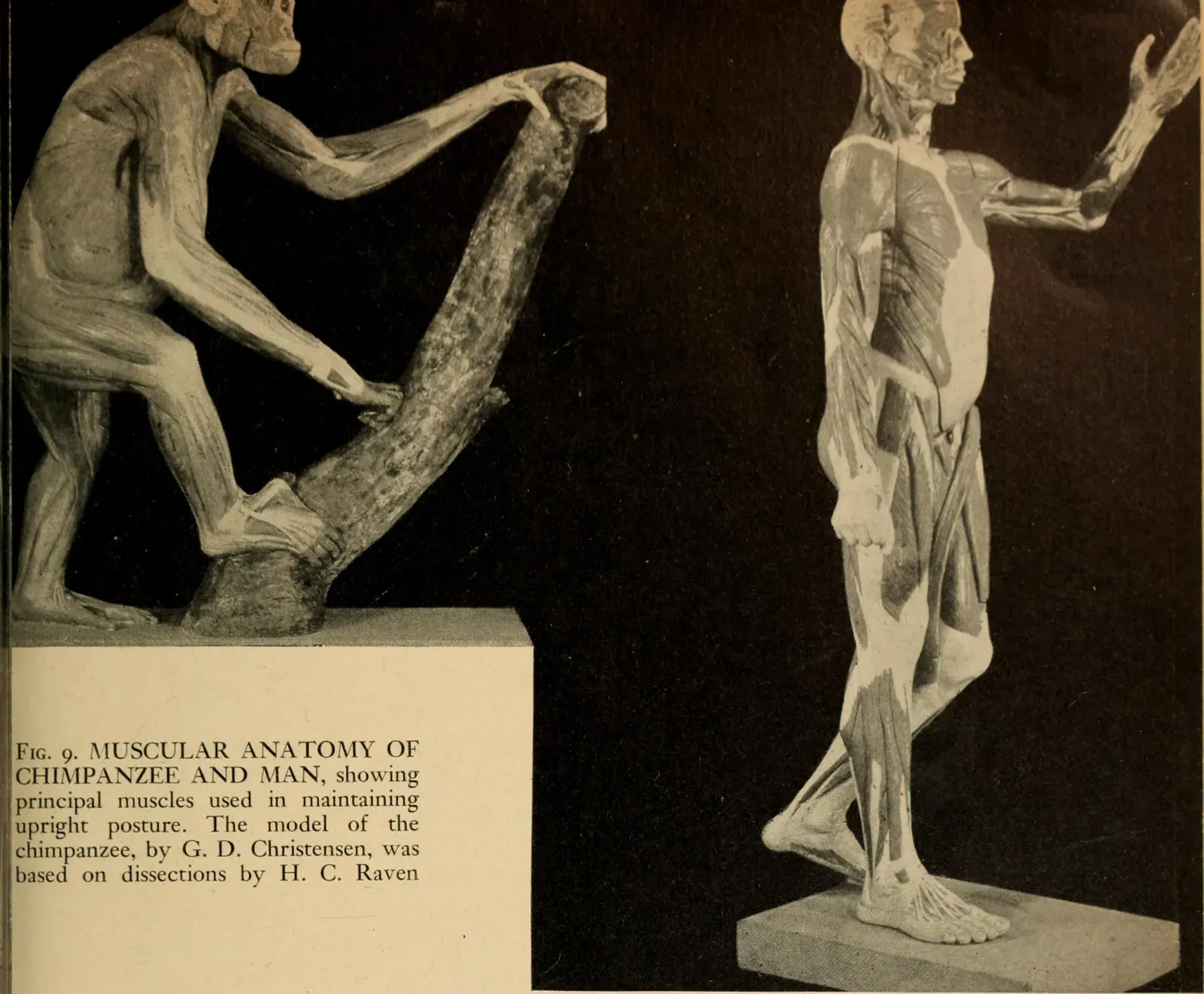
For over a century, textbooks taught that our ancestors stood up because grasslands replaced forests, forcing early hominins to peer over tall grass.
That’s called the savanna hypothesis, and it’s been the default explanation since the 1920s. But recent field studies of wild chimpanzees living in savanna-mosaic habitats in Tanzania’s Issa Valley tell a very different story. The new research proposes human ancestors instead may have begun walking upright to move around tree branches in search of food, with the retreat of forests not acting as a catalyst for bipedalism at all.
Researchers tracking these chimps found something striking: trees remained an essential component of the hominin adaptive niche, with bipedalism evolving in an arboreal context, likely driven by foraging strategy, not open-ground survival. That means our ancestors may have learned to walk upright while still swinging through branches, long before they ever set foot on open grassland. The “stand up to see over the grass” theory may be backwards. Even more surprising is what #3 reveals about where humans actually came from.
#3 – Our Species Didn’t Have One Single Birthplace
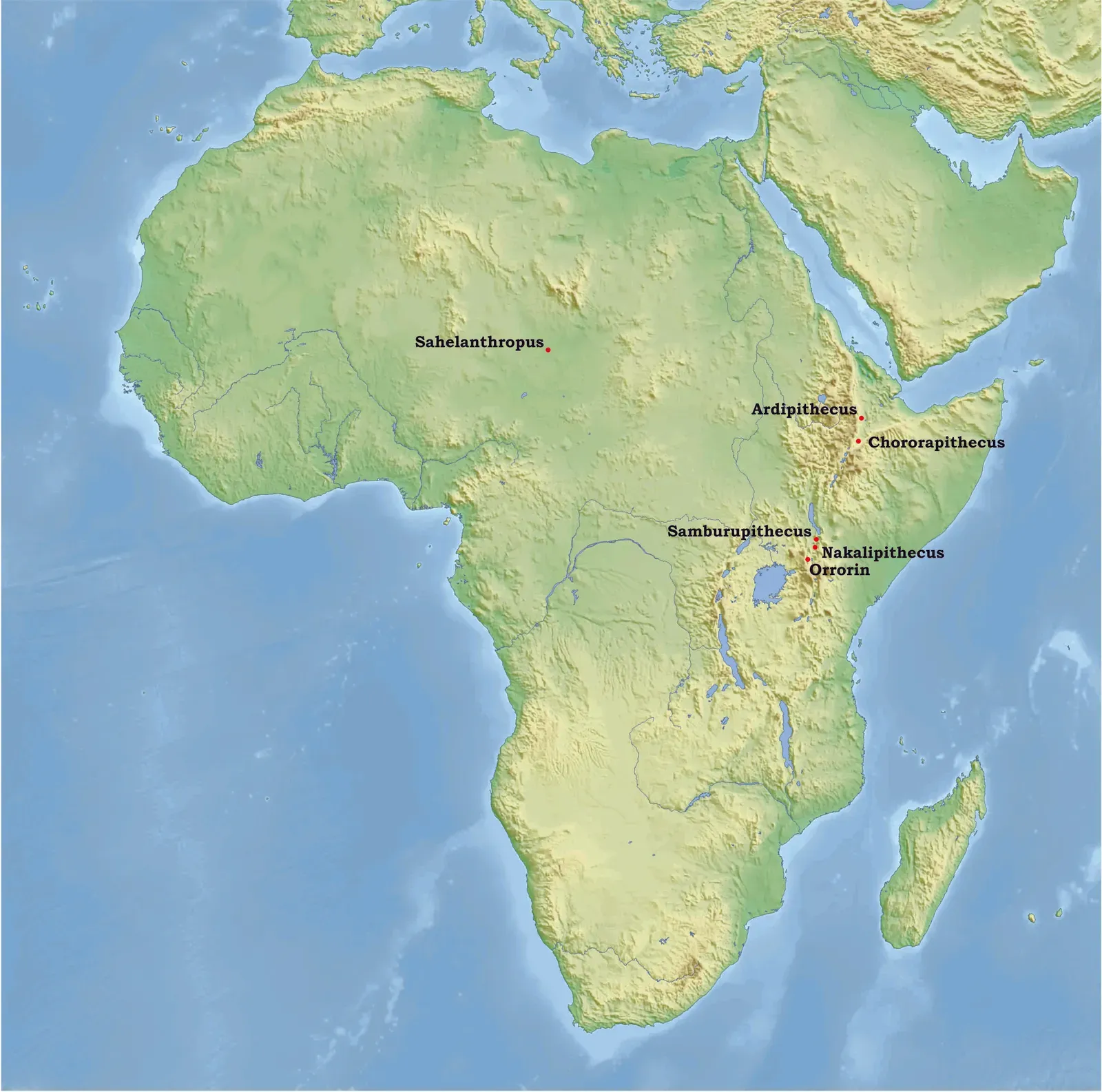
For decades, the story was simple: Homo sapiens evolved in East Africa, full stop, in one region, probably near the Great Rift Valley.
That single-cradle model is now falling apart. Rather than emerging from a single population in one corner of Africa, Homo sapiens likely evolved across the entire continent, with different modern traits such as flat faces, round skulls, and small brow ridges appearing in different African populations at different times before merging through migration and interbreeding. This “pan-African” model has replaced the tidy single-origin story anthropologists taught for generations.
Fast Facts
- The “pan-African” model has replaced the single East African cradle theory taught for decades.
- Flat faces, round skulls, and small brow ridges appeared in different African regions at different times.
- Genetic data shows deep population structure across Africa long before humans spread worldwide.
- Modern traits merged gradually through migration and interbreeding, not from one founding group.
Genetic data backs this up too, showing deep population structure across the continent long before modern humans spread worldwide. Humanity wasn’t born in one village – it was stitched together across an entire continent. That idea gets even weirder once you meet the fossil that started the whole rewrite, coming up in #4.
#4 – A 300,000-Year-Old Face Rewrote the Human Timeline
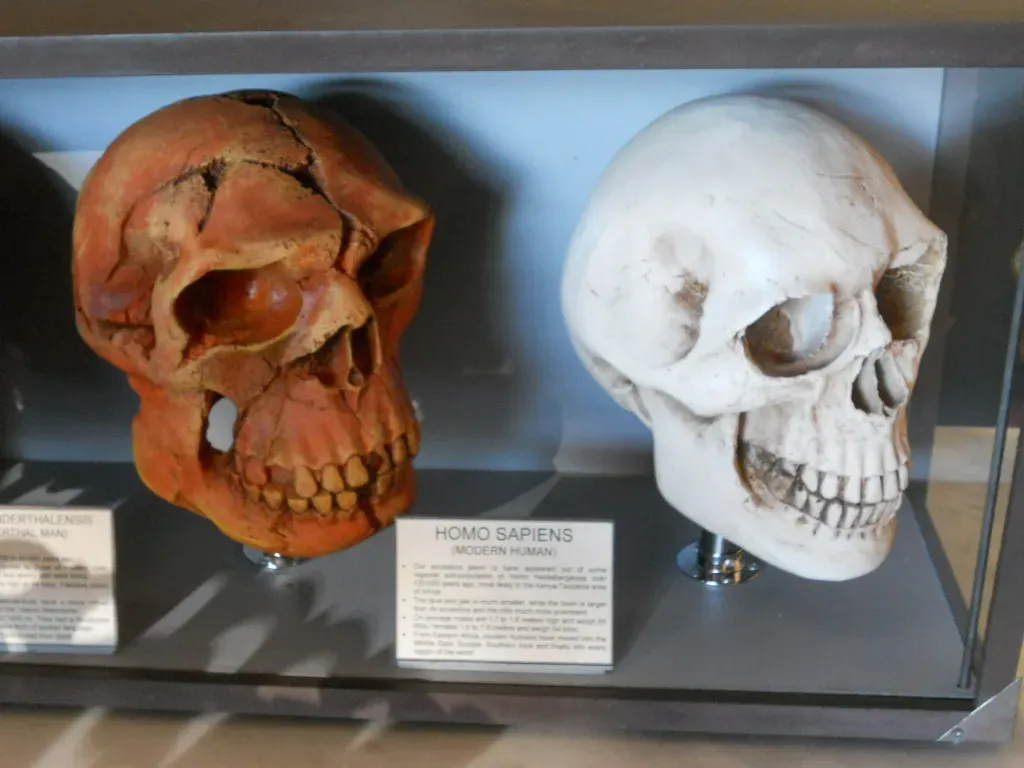
In 2017, a skull found decades earlier in a Moroccan mine completely upended the accepted age of our species.
Fossils from Jebel Irhoud in Morocco were redated using thermoluminescence, and the results stunned paleoanthropologists. Researchers redated a long-overlooked skull from Jebel Irhoud to a startling 300,000 years ago, unearthing new fossils and stone tools that pushed back the appearance of our kind by 100,000 years. Before this, the oldest confirmed Homo sapiens fossils came from Ethiopia and dated to around 195,000 years.
The fossils weren’t fully modern-looking either. They show large teeth and a long braincase typical of early human species like Neanderthals, but the face, forehead, and jawbone are most like those of modern humans. We looked human in the face 300,000 years ago, but our skulls hadn’t finished catching up. Wait until you see who else was sharing the landscape with early humans, revealed in #5.
#5 – Two Different Human Species Left Footprints Side by Side
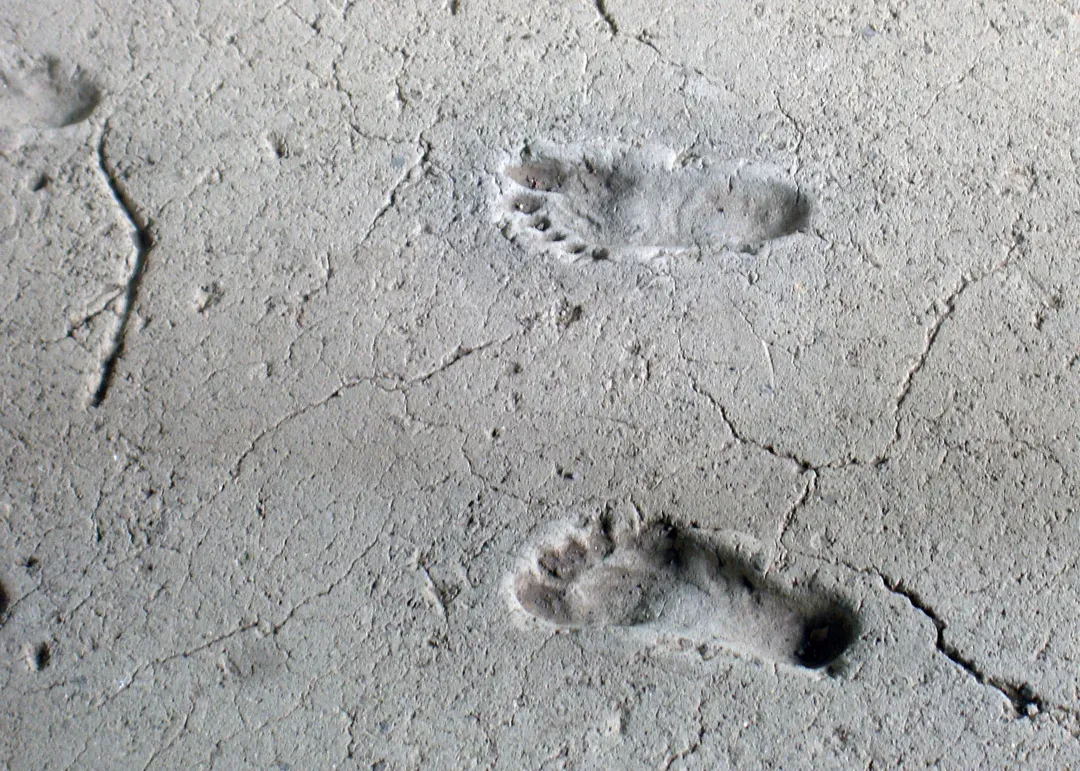
Imagine two completely different human species walking the same muddy shoreline within days of each other. That actually happened.
At a site called Koobi Fora in Kenya, researchers uncovered two sets of footprints preserved in ancient sediment. One set of tracks was most likely left by Homo erectus, the earliest hominin with a gait essentially the same as modern humans, while another set, not resembling modern human footprints but still clearly bipedal, was most likely left by Paranthropus boisei, an evolutionary cousin rather than a direct ancestor.
What makes this discovery wild is the timing. These tracks at Koobi Fora are only yards apart and were made by the two species within hours or days of each other, giving the strongest evidence to date that the two hominin cousins lived in the same area at the same time and likely interacted with each other. Two human species were basically neighbors – and it wasn’t rare. That coexistence gets even stranger with the small-brained species you’ll meet in #6.
#6 – A Tiny-Brained Human Species Buried Its Dead
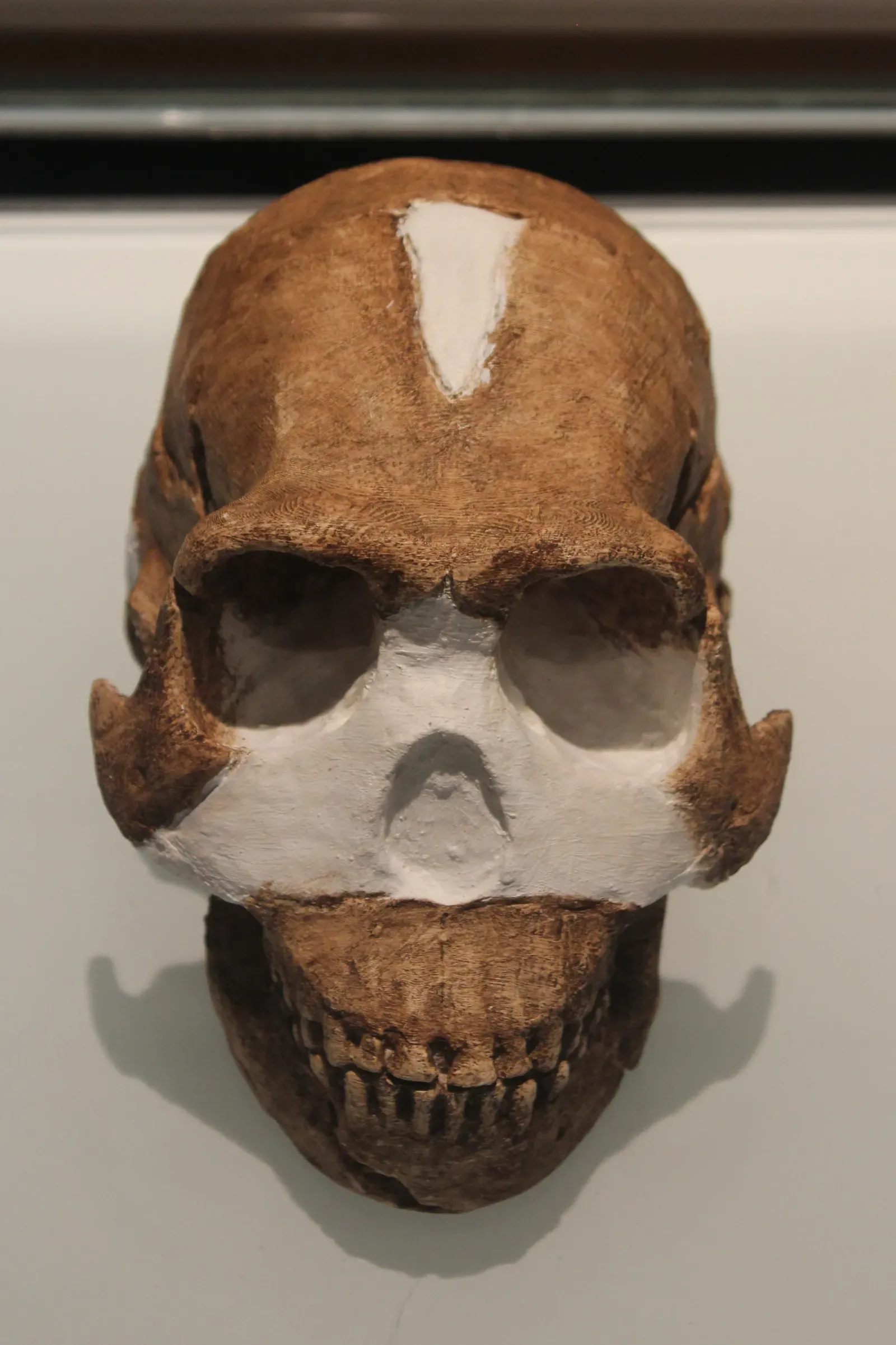
Homo naledi has a brain roughly the size of an orange, yet it may have done something scientists once thought required a massive brain.
Discovered in South Africa’s Rising Star cave system, Homo naledi had a mix of primitive and modern traits that confused researchers from day one. The ability of such a small-brained hominin to have survived for so long in the midst of bigger-brained Homo has greatly revised previous conceptions of human evolution and the notion that a larger brain would necessarily lead to an evolutionary advantage.
Even its place on the family tree is murky. H. naledi is hypothesised to have branched off very early from contemporaneous Homo, and it’s unclear whether it split off around the time of H. habilis and H. rudolfensis, or whether it’s a sister lineage to H. erectus or to the ancestors of Neanderthals and modern humans. A brain a third the size of ours may still have been capable of complex, humanlike behavior. Meanwhile, our other close cousins were busy proving they weren’t the dim-witted brutes of popular imagination – see #7.
#7 – Neanderthals Made Crayons and Left Symbolic Art
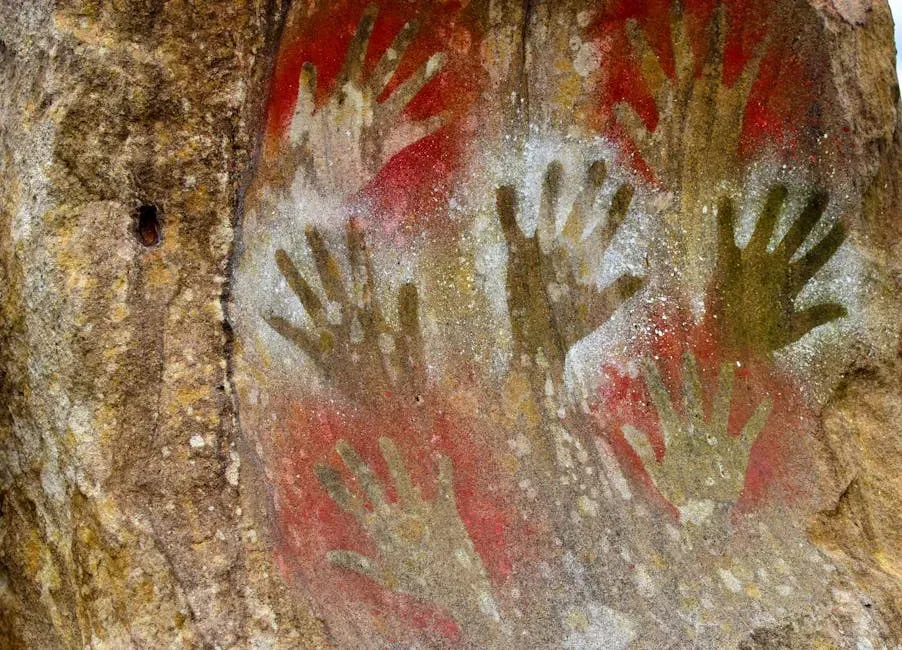
The “dumb caveman” stereotype attached to Neanderthals has been unraveling for years, and one 2024 discovery landed the final blow.
Researchers examining artifacts from Crimea found something unmistakably deliberate. Three pieces of ochre, an iron-rich mineral pigment, from archaeological sites in Crimea were deliberately collected, shaped, engraved, polished, resharpened and deposited there by Neanderthals up to 70,000 years ago. That’s not idle behavior – that’s craftsmanship repeated over time.
The pattern of wear tells its own story. Although it’s impossible to know exactly what the Neanderthals did with these yellow and red pigments, the fact that they seemed to be kept sharpened suggests their tips were used to produce linear marks, hinting at a symbolic or artistic function rather than a purely utilitarian one. Neanderthals may have been marking identity or memory long before modern humans arrived in Europe. But not all Neanderthal populations were living the same lifestyle, as #8 makes clear.
#8 – Neanderthals Weren’t One Big, Connected Population
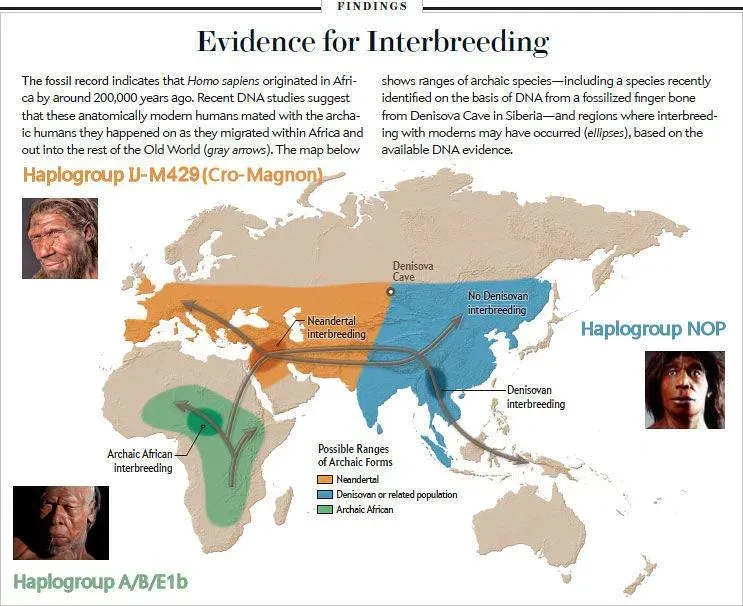
We tend to picture Neanderthals as a single, tight-knit group scattered across Europe. New DNA evidence says otherwise.
A skeleton nicknamed “Thorin,” discovered at Grotte Mandrin in France, revealed something researchers didn’t expect. DNA analysis showed this individual was part of a genetically isolated population that may have lived as recently as 42,000 years ago, overlapping with modern human presence in Europe, and the genetic isolation suggests this population wasn’t breeding with other known Neanderthal populations that would’ve been only a week or two away by foot.
That isolation forces a rethink of how Neanderthals actually lived. This makes us question the concept of Neanderthals as a monolithic, continuous population and suggests they may not have been as cosmopolitan, interacting with each other regularly, as Homo sapiens did. Neighboring Neanderthal groups may have gone tens of thousands of years without mixing. That kind of isolation makes what happened next, in #9, even more remarkable.
#9 – You Are Carrying Neanderthal DNA Right Now
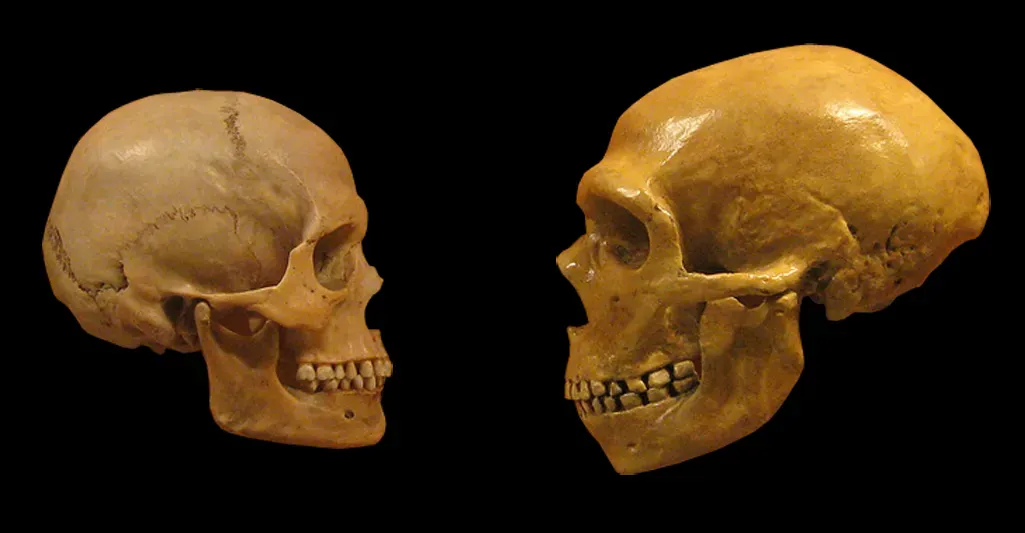
This isn’t metaphorical. If your ancestry traces outside of sub-Saharan Africa, actual Neanderthal genetic code is sitting in your cells today.
Genomic sequencing has confirmed a persistent genetic fingerprint left behind by interbreeding. It has been revealed via genomic sequencing that all modern human populations outside of Africa today carry approximately 1-4% Neanderthal DNA, a result of genetic admixture that occurred after modern humans migrated out of Africa. That’s not a rounding error – it’s a measurable chunk of your genome.
This isn’t leftover junk, either. Researchers have linked Neanderthal-derived genes to immune response, skin pigmentation, and even how some people process fat and cold weather. A species we once drew as a hairy, dim brute literally lives on inside billions of people today. As surprising as that is, it’s nothing compared to the ghost species revealed in #10 – one we barely have any bones for at all.
#10 – We Know an Entire Human Species Mostly From a Finger Bone
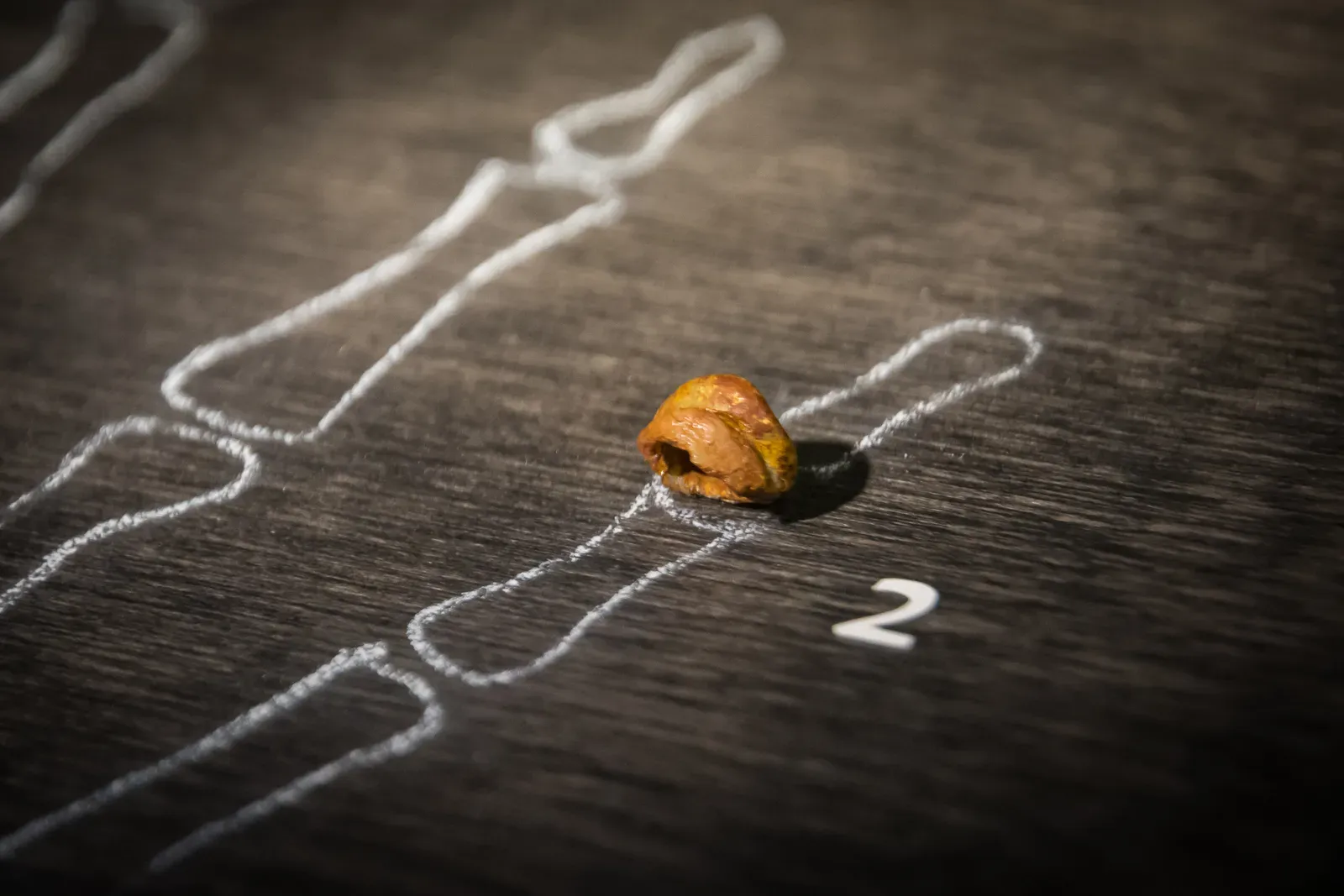
Denisovans are one of the strangest chapters in human evolution because we’ve barely found any of them physically, yet we know they were everywhere.
The entire species was first identified from a tiny finger fragment and a few teeth found in a Siberian cave, yet genetic evidence shows a massive geographic footprint. Evidence suggests Denisovan populations were distributed across Asia, and interbreeding also occurred with the Altai Neanderthal population, with about 17% of the Denisovan genome from Denisova Cave deriving from Neanderthals.
At a Glance
- Denisovans were identified from a single finger bone and a handful of teeth in a Siberian cave.
- About 17% of the Denisovan genome from Denisova Cave came from interbreeding with Neanderthals.
- Denisovan DNA spread to Eastern Siberia, then to Ancient North Eurasians, then to the Yamnaya culture.
- Present-day Europeans and Near Easterners still carry traces of Denisovan ancestry.
Their genetic reach stretches even further than scientists initially assumed. Ancient individuals contributed Denisovan DNA segments to populations in Eastern Siberia and later to Ancient North Eurasians, who became ancestors of Eastern hunter-gatherers that passed Denisovan ancestry to the Yamnaya culture – meaning present-day Europeans and Near Easterners also carry Denisovan ancestry. A species known almost entirely from scraps of bone left genetic traces from Siberia to Western Europe. And that genetic legacy did more than just linger – it helped humans survive, as #11 shows.
#11 – A Denisovan Gene Helped Humans Conquer New Continents
Ancient interbreeding wasn’t just a historical footnote – in some cases, it was a survival upgrade passed down like a cheat code.
Modern Tibetans famously carry a Denisovan-derived gene that helps them cope with low oxygen at high altitude, but the story doesn’t stop in Asia. Ancient humans crossing the Bering Strait into the Americas carried more than tools and determination – they also carried a genetic legacy from Denisovans, an extinct human relative.
That inherited gene appears to have given early Americans a biological edge for surviving in extreme, high-altitude, or oxygen-poor environments they’d never encountered in Africa or Europe. In other words, a species we know almost nothing about handed modern humans exactly the genetic tool needed to settle a brand-new hemisphere. The genes of an extinct human relative may have quietly helped populate an entire continent. Even stranger, that Denisovan genome itself carries evidence of a mystery ancestor nobody has directly found – the subject of #12.
#12 – There’s a Ghost Human Species Hiding in Our DNA
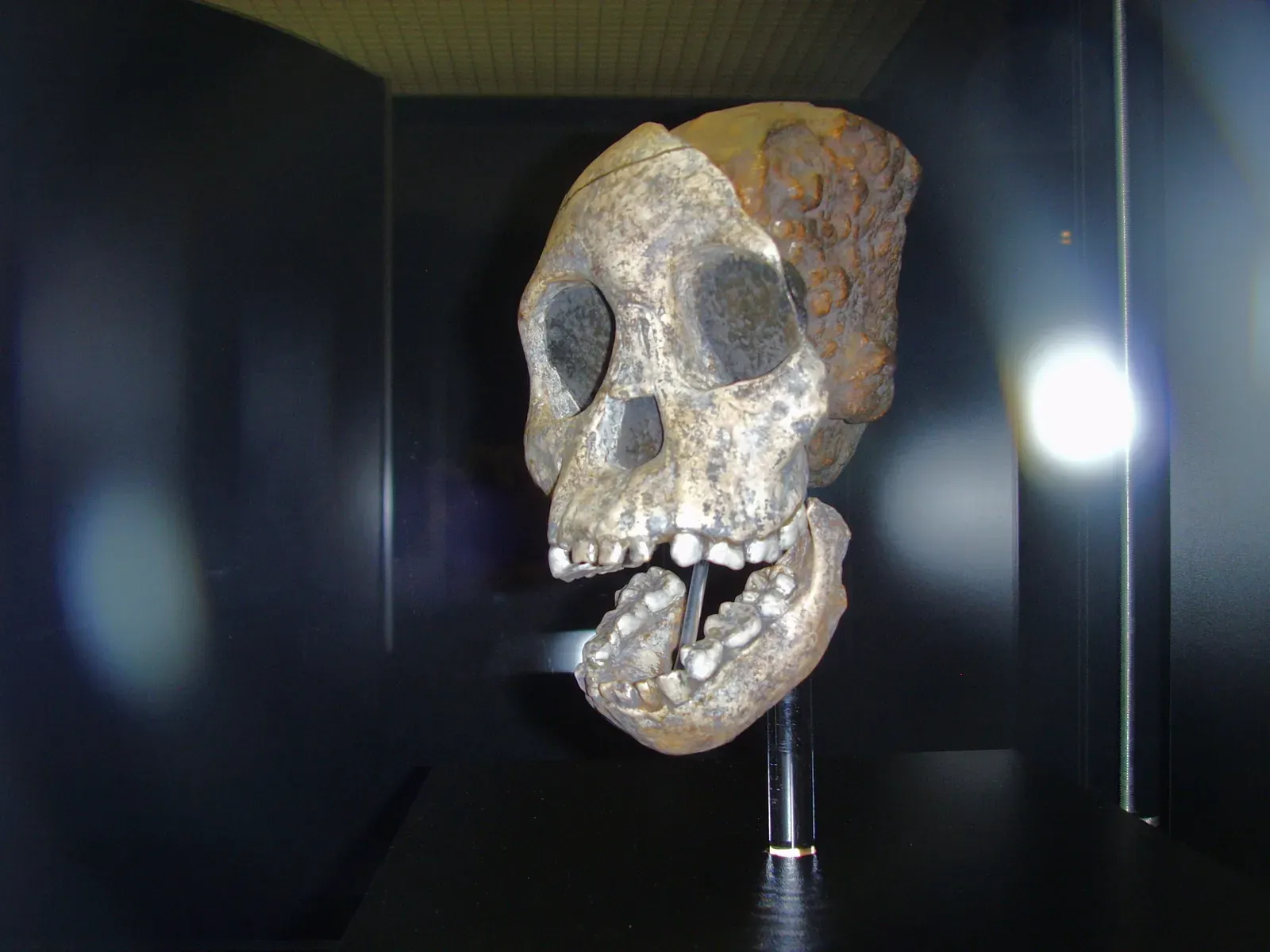
Buried inside the Denisovan genome is evidence of an ancient interbreeding event so old it barely makes sense on a human timescale.
Geneticists comparing ancient genomes found signs of a hidden, previously unknown lineage. Denisovan and Neanderthal ancestors met a lineage of superarchaic hominins that had been separated from African Homo lineages since at least 2 million years ago, and about 350,000 years ago a genome of an “erectus-like” hominid was injected into the Denisovan lineage – meaning the two populations involved were more distantly related than any pair of human populations previously known to interbreed.
This “ghost” ancestor has never been matched to a known fossil species. Scientists only know it existed because of the genetic fingerprint it left behind in Denisovan DNA, like a signature with no name attached. An entire branch of the human family tree may have gone extinct without ever being physically discovered. That kind of hidden mixing turns out to be the pattern, not the exception, as #13 explains.
#13 – Interbreeding Between Species Wasn’t Rare. It Was Normal.
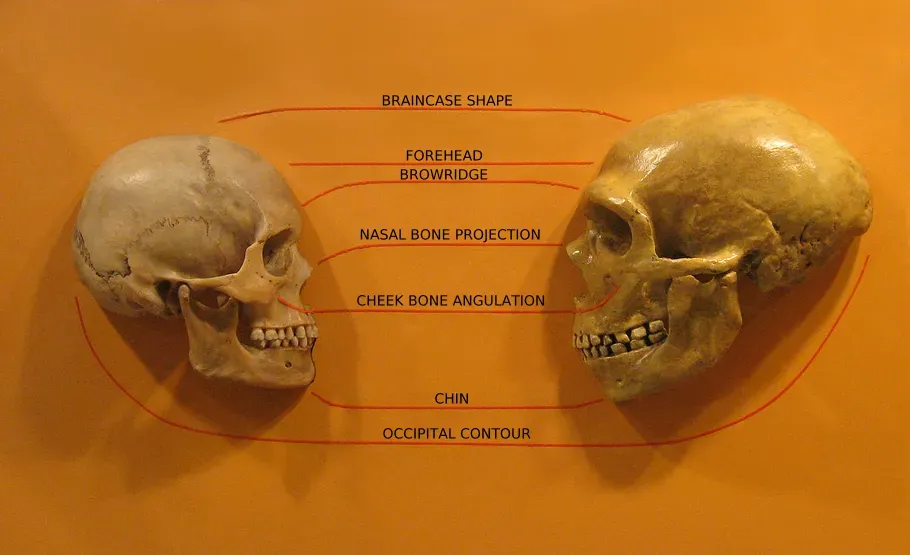
The image of separate, isolated human species quietly going extinct on their own is mostly fiction. Mixing between species appears to have been routine.
Researchers studying Homo naledi’s survival alongside larger-brained Homo species in southern Africa suspect the pattern repeated across the human family tree. Occasional interbreeding in southern Africa, similar to what occurred later among H. sapiens, Neandertals and Denisovans in Eurasia, may have benefited H. naledi.
Biologically, this makes sense. Species within the genus Homo split apart recently enough, geologically speaking, that reproductive barriers hadn’t fully formed. The availability of edible insects in East Asia aided the spread of the unaggressive, highly cooperative Neanderthals, who interbred with H. sapiens in Asia, resulting in a higher admixture of Neanderthal DNA in East Asian populations, with geographical variation in interbreeding likely contributing to neurological and behavioral differences in modern humans. Human evolution wasn’t a single line – it was a braided river of species mixing wherever they overlapped. But before any of that mixing could happen, our ancestors needed one critical tool, and #14 shows it’s far older than anyone guessed.
#14 – Fire Use Is Nearly Two Million Years Old
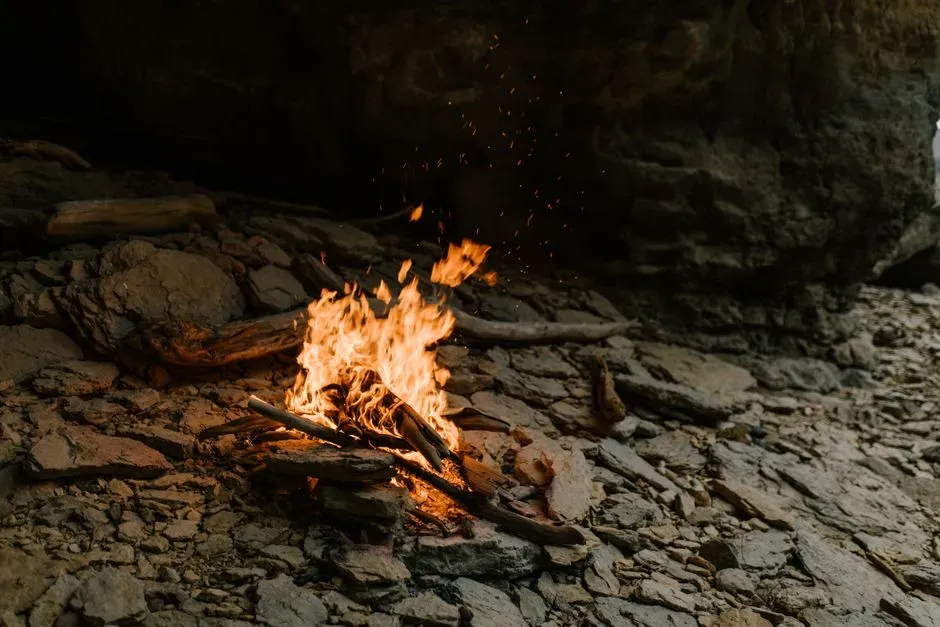
Controlled fire is usually taught as a relatively “recent” human milestone. New cave evidence just shattered that assumption by over a million years.
Deep inside Wonderwerk Cave in South Africa, researchers found burned material in a location impossible to explain naturally. A new study suggests early humans were using fire in South Africa’s Wonderwerk Cave as far back as 1.79 million years ago, with researchers finding burned bones deep inside the cave where natural fire couldn’t easily reach.
Worth Knowing
- Burned bones at Wonderwerk Cave date back roughly 1.79 million years.
- The burn site sits too deep inside the cave to be explained by a natural wildfire.
- The likely fire-user was Homo erectus or an even earlier ancestor, not modern humans.
- That’s nearly ten times older than the fire-use date most textbooks still teach.
That timeline places controlled fire use with Homo erectus or an even earlier ancestor – long before modern humans existed, and long before most textbooks claim humans mastered flame. Fire may be nearly ten times older than the age most people assume it is. Fire wasn’t the only ancient technology that got a shocking new deadline, either – wait until you see #15.
#15 – Ice Age Humans Were Building Advanced Tools Earlier Than We Thought
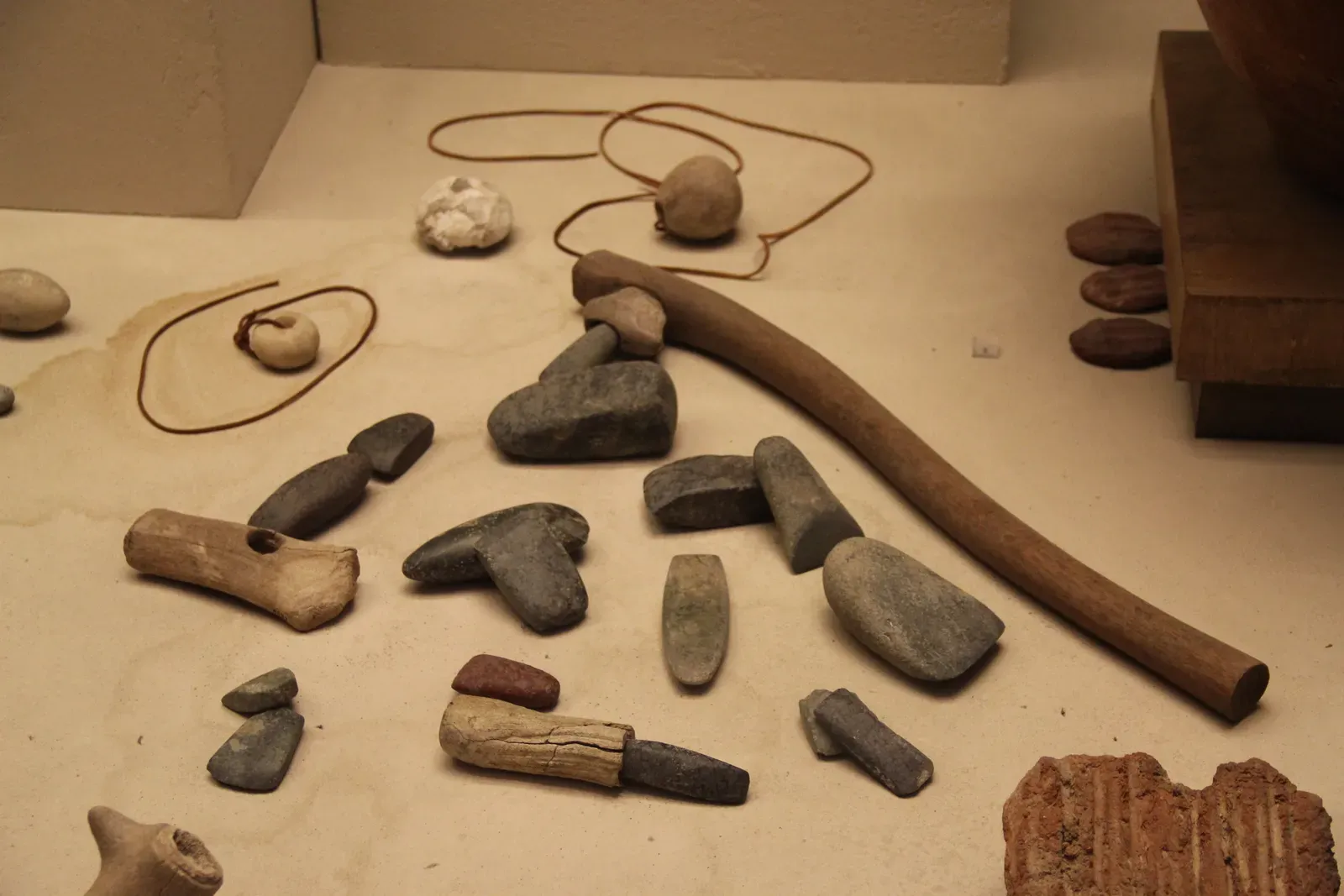
Cold, harsh ice age conditions are usually painted as a survival struggle that left little room for innovation. The opposite appears to be true.
Excavations in China uncovered a level of craftsmanship nobody expected from that time period. Scientists in China discovered that ancient humans were making surprisingly advanced stone tools during a harsh ice age 146,000 years ago.
That’s a striking find, because it suggests technological sophistication wasn’t just a byproduct of comfortable climates – if anything, brutal environmental pressure may have pushed early humans to innovate faster. Tool complexity generally correlates with cognitive planning, foresight, and even teaching between generations, meaning this discovery hints at social learning happening much earlier than assumed in East Asia specifically. Harsh, freezing conditions may have accelerated human ingenuity rather than crushing it. As unexpected as that is, the reason our ancestors got smarter in the first place, explored in #16, might be even harder to believe.
#16 – A Hidden Poison May Have Shaped Human Intelligence

Of all the theories about what pushed early human brains to grow larger, almost nobody expected the answer to involve a toxic heavy metal.
Researchers examining fossil teeth from multiple hominin species found unexpected chemical traces. Ancient hominids, including early humans, were exposed to lead throughout childhood, leaving chemical traces in fossil teeth, and experiments suggest this exposure may have driven genetic changes that strengthened certain traits, with early humans, great apes, and even Neanderthals exposed to lead millions of years ago.
The theory being explored is that repeated, low-level environmental lead exposure may have created evolutionary pressure on genes tied to brain development and detoxification, essentially forcing some hominin lineages to adapt biologically or fall behind. It’s a controversial, still-developing idea, but it flips the usual “environment made us smarter through challenge” narrative into something far stranger. A toxic metal, not just diet or socializing, may have quietly nudged human brain evolution forward. If that sounds unsettling, #17 proves evolution never actually stopped happening to us.
#17 – Human Evolution Didn’t Stop. It’s Still Happening Right Now.
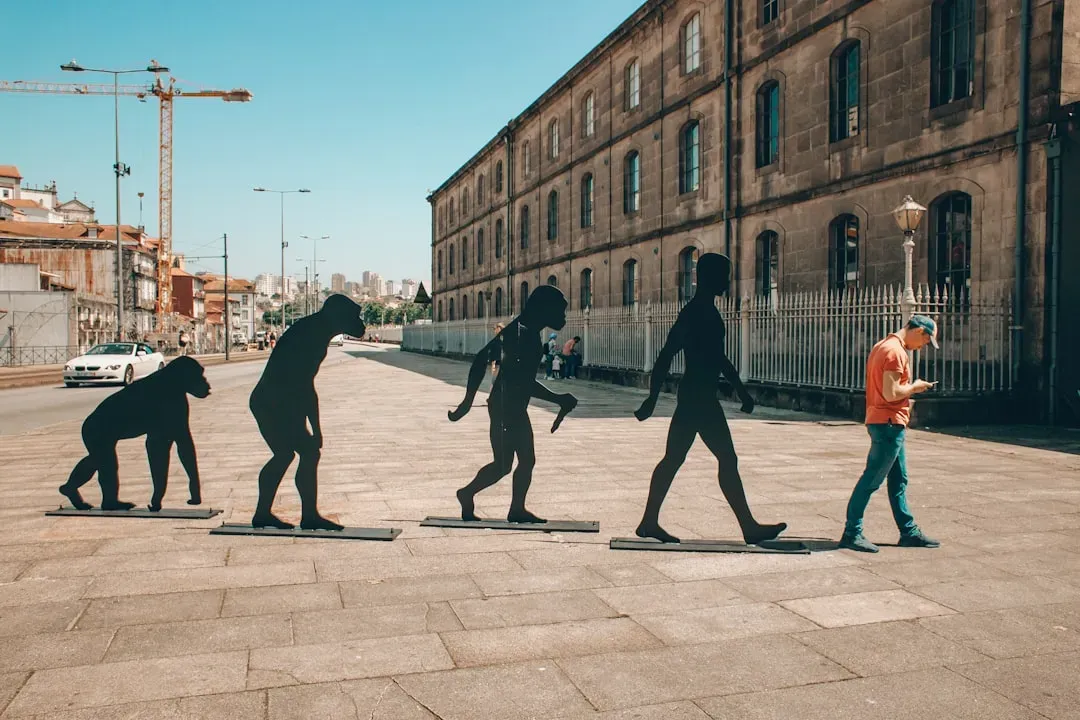
Most people assume evolution is something that happened to our ancestors and finished a long time ago. Ancient DNA proves that’s false.
A major 2024 study tracking genetic change across thousands of years found something researchers weren’t expecting. When researchers looked at modern data alone, they found no instances of selection, but when they examined ancient genomes, they found 11 selective sweeps, and when they divided those ancient genomes into ancestral lineages, they found 21.
Quick Compare: Modern DNA vs. Ancient DNA
- Modern genomes alone: 0 selective sweeps detected
- Ancient genomes, combined: 11 selective sweeps detected
- Ancient genomes, split by lineage: 21 selective sweeps detected
Most of these changes centered on our immune system, constantly being rewritten in response to new diseases, migrations, and diets. Taken together, the results suggest that our immune system has been repeatedly tweaked by recent selection like a piece of software that requires constant updates. Your immune system has been rewritten by evolution more recently than most people assume possible. And it turns out even something as simple as which hand you write with has an evolutionary backstory, revealed in the final fact, #18.
#18 – Even Right-Handedness Traces Back to Walking Upright

It sounds like a minor quirk, but the overwhelming human bias toward right-handedness is actually tied to two of the biggest leaps in our evolutionary history.
Researchers studying the biomechanics and neurology behind hand dominance found a compelling explanation. A new study suggests humans became overwhelmingly right-handed because of two major evolutionary shifts: walking on two legs and developing much larger brains. As human evolution progressed, brain lateralization shifted alongside upright posture, freeing up specialized hand control in ways quadrupedal animals never needed.
No other primate shows anywhere near the same lopsided handedness humans display population-wide. That imbalance appears tightly linked to how our brains reorganized once our hands were freed from constant climbing and weight-bearing duties millions of years ago. The pen or fork in your dominant hand right now is a direct echo of when our ancestors first stood upright. It’s a small, everyday reminder that evolution didn’t just shape our bones – it shaped habits we never think twice about.
The Bottom Line
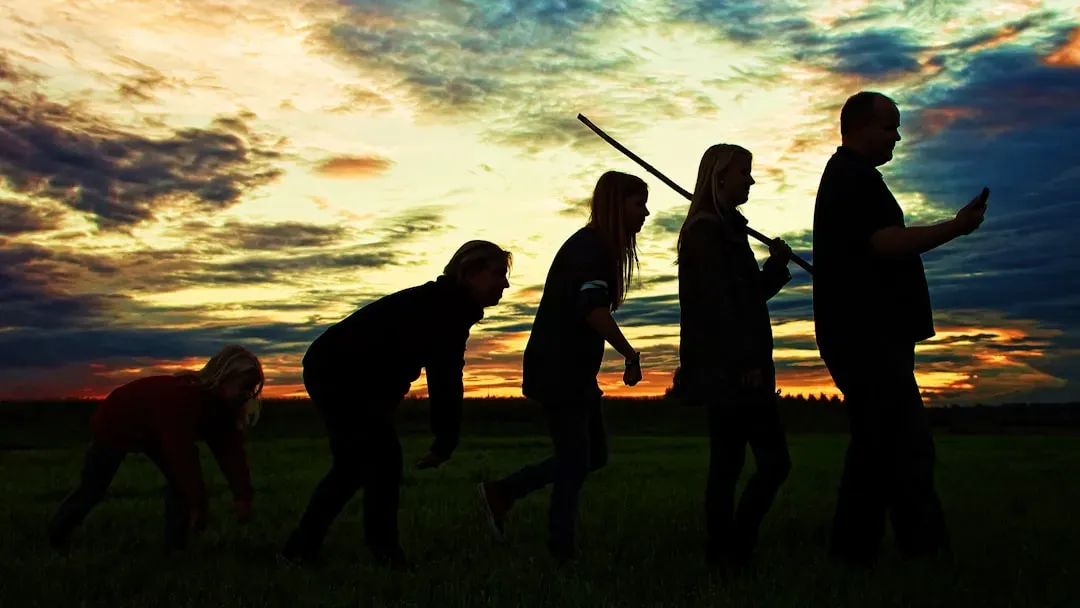
Human evolution was never the clean, single-file march textbooks made it look like. It was messy, overlapping, and full of interbreeding between species we used to think were completely separate.
We now know multiple human species coexisted, mixed, and passed down genes that still shape bodies today – from Denisovan altitude genes to Neanderthal immune traits still active in modern humans. Fire, tools, and even intelligence itself may trace back further, and to stranger causes, than anyone predicted a generation ago.
If you ask me, the most unsettling fact on this list isn’t the ghost species or the ancient fire – it’s #17. Evolution never clocked out. It’s still quietly rewriting your immune system, your body, your descendants, right now, while you read this. Which of these facts genuinely surprised you the most? Drop it in the comments – we’re curious which one breaks the internet.