
If you have ever stepped outside after a loss and noticed two bright red cardinals perched together, you probably felt something stir in your chest before you even knew why. It is one of those small, quiet moments that somehow feels too perfectly timed to be random, like the world is briefly leaning in your direction. In the American South, that sense of meaning is not just in your head; it is woven into more than two centuries of grief tradition, family stories, and front-porch wisdom.
When cardinals visit in pairs after a loss, many Southerners will tell you it is not a coincidence, but a kind of sacred interruption in your ordinary day. You are not just seeing birds; you are reading a language that generations before you have already been speaking and passing down. As you explore what these visits can mean, you may find you are not just learning about folklore, but also discovering new ways to understand your own mourning, your own hope, and your own way of staying connected to those you have lost.
The Southern Belief: Cardinals as Messengers From the Other Side

In much of the American South, you grow up hearing that when a cardinal appears, a loved one is near, and when two arrive together, the message feels even louder. You might not hear those exact words from a book or a sermon, but from a grandmother on a porch swing, an aunt at a funeral repast, or a neighbor standing by the mailbox. Over time, you start to notice how often people around you quietly connect these red flashes of color with anniversaries of loss, memorial dates, or the heavy days when grief sits closer to the surface.
When cardinals visit in pairs, Southern tradition often treats it as a kind of spiritual punctuation mark: not just presence, but companionship. It can feel like more than one soul is reaching out, or like the person you lost is not alone wherever they are. Even if you are not sure what you believe about the afterlife, this image of a pair of messengers can soften the edge of isolation that often comes with grief, letting you imagine that the bond you had with the person you lost is still active, still moving, still winged.
Why Pairs Matter: Companionship, Marriage, and Family Bonds
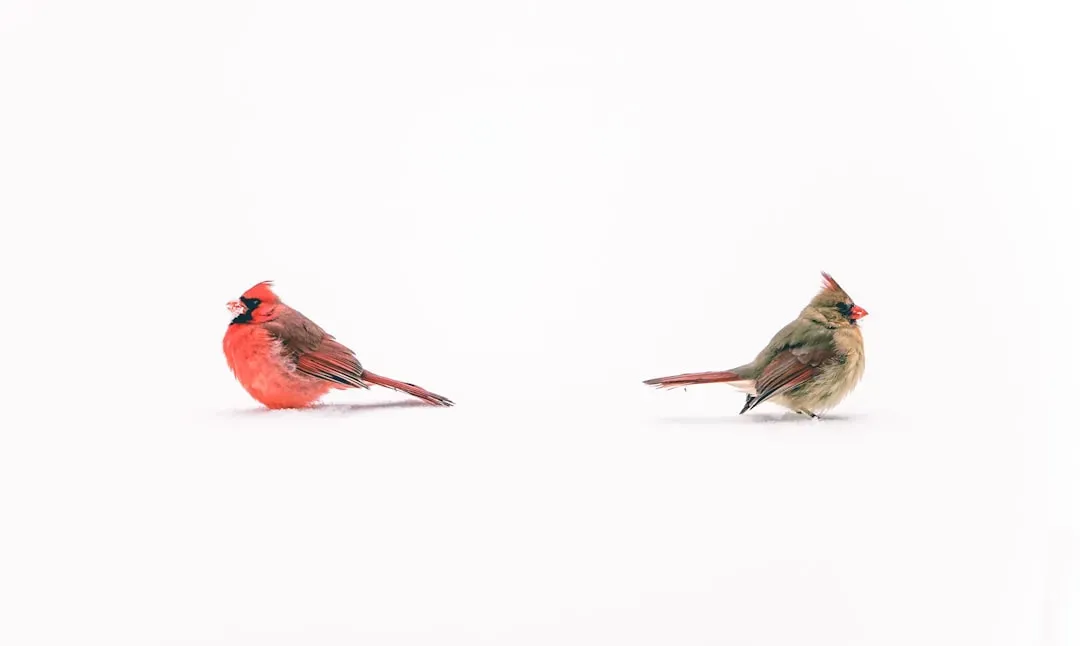
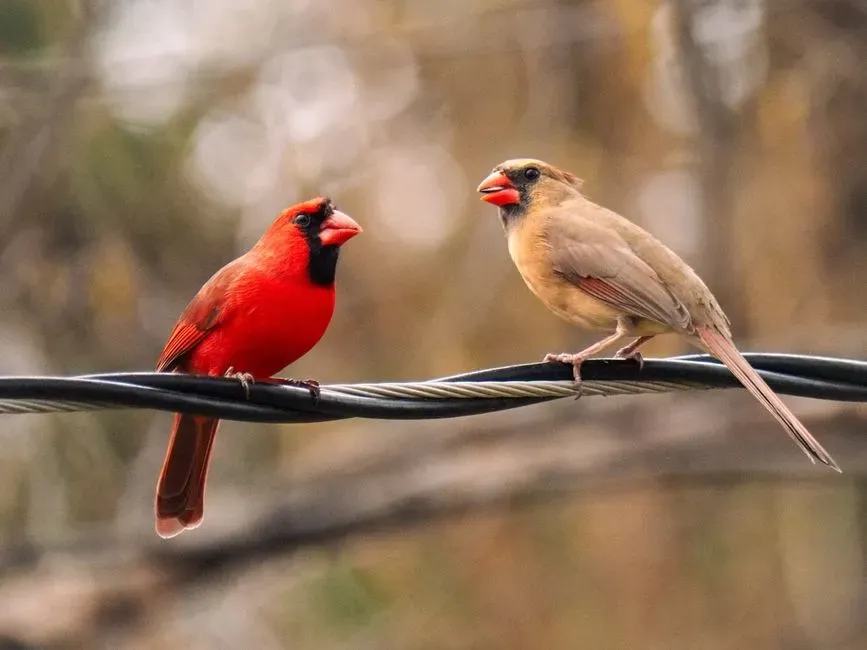
When you see one cardinal, it can feel like a nudge; when you see two together, it can feel like a whole sentence. In Southern grief tradition, a pair of cardinals is often interpreted as a symbol of partnership and enduring connection. If you are grieving a spouse, you may naturally see those two birds as a mirror of your marriage, a reminder that love is not erased by death. Even if the loss you are facing is of a parent, sibling, or close friend, that pair can stand in for the deep, irreplaceable bond you shared.
Many people in the South quietly adopt their own interpretations over time, shaped by church teachings, family stories, and the simple human need to feel accompanied. If you lost more than one person in a short period, you may find yourself seeing the two cardinals as a sign that those loved ones are together and at peace. Even if you cannot prove any of this, the emotional impact is very real: the image of two bright red figures side by side can help you feel a little less alone in your grief, like someone is sitting with you even if they cannot sit at your table anymore.
Roots in Two Centuries of Southern Storytelling and Folk Christianity
Across roughly two hundred years of Southern history, people have used stories to survive the weight of loss, especially in rural communities where formal mental health care or grief counseling were rare. You inherited a world where spiritual meaning was often carried not by textbooks, but by hymns, family tales, and the quiet beliefs whispered over casseroles after a funeral. In that world, cardinals became one of many signs people used to interpret their pain and find comfort, blending Christian faith with older folk traditions and local superstition.
As you look back on that history, you can see how cardinals fit neatly into a culture that prizes both God’s presence and the idea that the dead are somehow still nearby. Southern folk Christianity often leans toward a very personal, relational experience of faith: you talk to God on your porch, you talk to your loved ones at their grave, you talk to the sky when you are driving alone. Cardinals visiting in pairs give you a physical, visible focal point for that conversation, a way to feel that the veil between worlds is thin without needing a complicated theology to explain it.
The Science Side: What Biologists Say About Cardinal Pairs

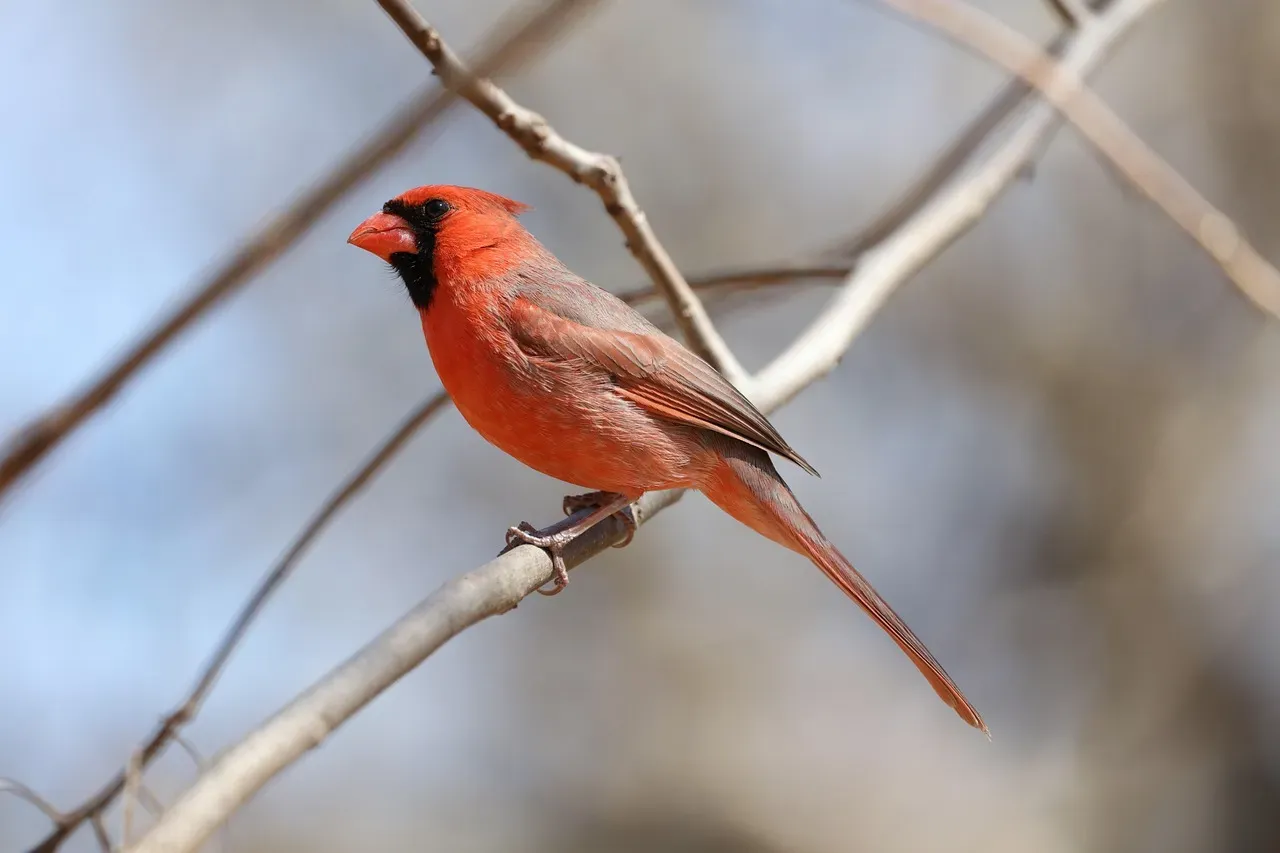
When you step back from the symbolism for a minute, there is also a natural reason you frequently see cardinals in pairs, especially during breeding season. Biologists describe northern cardinals as socially monogamous birds that often form long-term pair bonds, with males and females staying close together as they defend territory, build nests, and raise young. The bright red bird you usually notice is the male, while the female has more muted, brownish tones with hints of red, so at first you might not realize you are looking at a bonded pair.
From a scientific perspective, if you are simply spending quiet time outside after a loss – which many grieving people do – you are more likely to notice wildlife that was always there. Your brain is on high alert for meaning, so you pay more attention to small patterns like two cardinals flying in together or hopping along a fence. Knowing this does not have to ruin the magic; instead, it can actually deepen it. You can understand that the birds are acting on instinct and seasonal rhythms, and still let your heart respond to the timing in a way that feels personal and sacred to you.
How Grief Makes You See Signs Everywhere (And Why That Can Help)
When you are grieving, your mind is constantly searching for connection, almost like a radio scanning for a strong signal. Psychologists sometimes describe this as your brain trying to maintain a bond with the person you lost, even though they are physically gone. You might hear their favorite song in a store, smell their cologne out of nowhere, or notice little coincidences that seem too perfect to dismiss. Cardinals, especially when they arrive in pairs, easily slip into that category of meaningful sign because they are bright, noticeable, and often show up during quiet, reflective moments.
Instead of seeing this as you “imagining things,” you can understand it as a very human coping mechanism that has helped people survive loss for generations. Your mind is wired to look for patterns, and in grief, those patterns can become lifelines. If seeing two cardinals lets you feel that your loved one is still involved in your life, it can ease anxiety, reduce the ache of separation, and give you a way to feel remembered rather than abandoned. As long as the sign leads you toward comfort, reflection, and gentle growth, there is no harm in letting your heart lean into it.
Cardinals, Prayer, and Private Rituals of Remembrance

In many Southern households, a cardinal sighting – especially a pair – naturally turns into a moment of prayer or quiet ritual. You might find yourself pausing mid-chores, stepping onto the porch barefoot, and whispering a few words to the person you miss or to God. Over time, you may even create a small tradition around it: lighting a candle when you see the birds, writing down the date in a journal, or telling a family member, almost as if you are passing along a hello from the other side.
These small, private gestures matter more than they appear. Grief can otherwise feel formless and endless, but a simple ritual tied to a concrete symbol – like a pair of cardinals – gives your mourning shape. You are not just thinking about your loss in a vague, overwhelming way; you are marking it, honoring it, and allowing yourself a moment to feel whatever comes up. That brief pause under the open sky can become a quiet altar in your day, a place where you revisit memories, release tears, or simply say, “I see you, and I’m still here.”
When to Be Careful: Comforting Beliefs vs. Getting Stuck
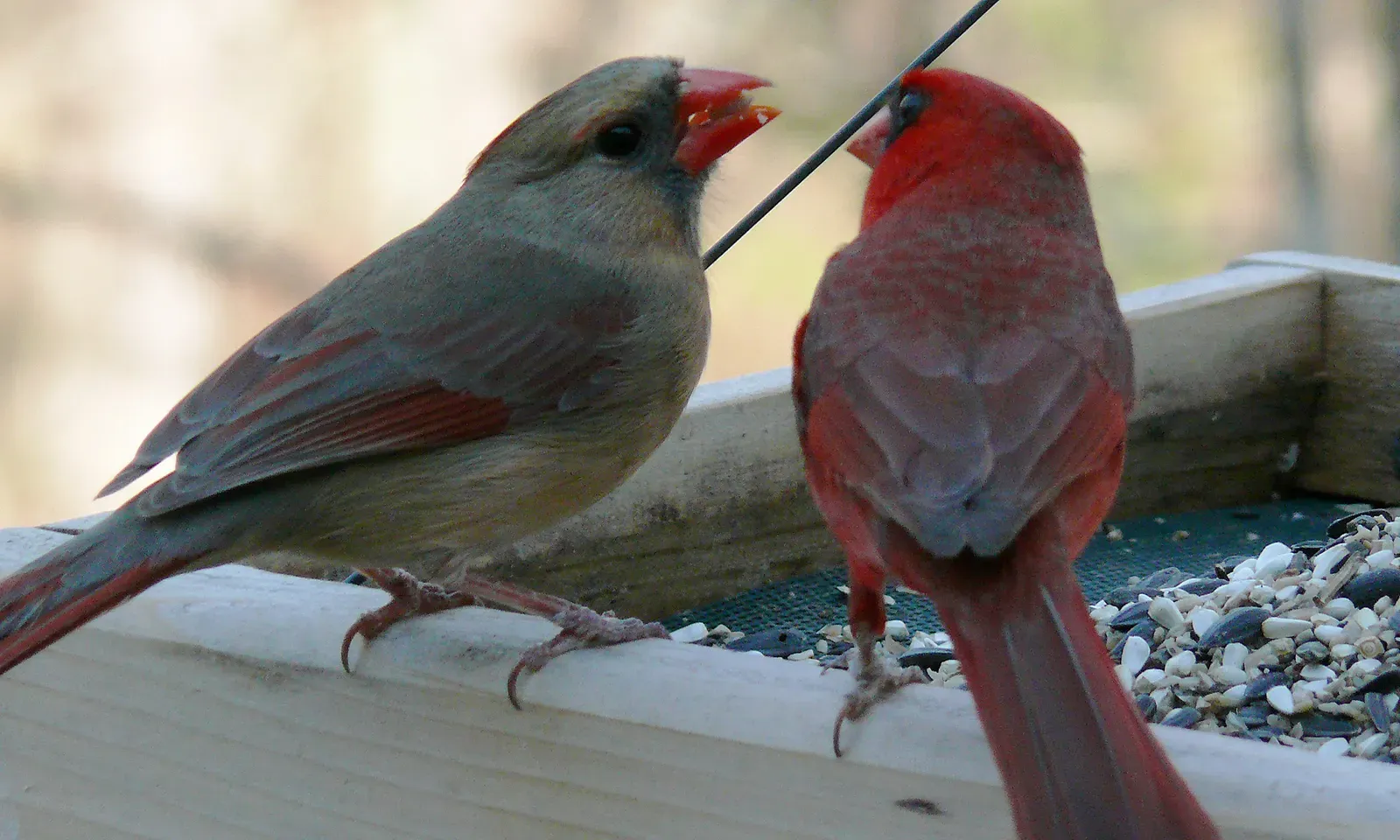
While it can be deeply healing to see cardinal pairs as loving signs, it is also important not to let any symbol freeze you in place. If you find yourself unable to make decisions, leave the house, or move forward in life because you are waiting for a sign from cardinals or interpreting every absence as rejection, it might be time to reach for additional support. Healthy grief allows you to feel connected to your loved one and still keep living; complicated grief traps you in a loop where you feel like you cannot breathe without constant reassurance from the universe.
You can hold a balanced view by letting cardinal visits soften your heart without letting them control your choices. Think of them as gentle reminders rather than rigid instructions. When a pair appears, you can take it as a moment to feel loved, remembered, or accompanied, and then still go ahead and schedule that appointment, take that trip, or start that new project. If the birds never show up on a particular day, it does not mean your loved one forgot you; it just means nature moves on its own timetable, while love is present whether you see feathers or not.
Inviting More Moments of Meaning: Creating Space for Cardinal Encounters

If you feel comforted by cardinals, there are simple, practical ways to invite more of these encounters into your daily life without forcing them. You might hang a bird feeder with seeds that attract cardinals, plant shrubs or small trees where they like to perch, or simply carve out a few minutes each morning to sit outside and pay attention. By creating a welcoming environment for birds, you are also creating a gentler environment for your own spirit, giving yourself built-in pauses to breathe and reflect.
Even on days when you do not see any cardinals, the act of stepping into the fresh air with an open heart can become its own kind of healing practice. You are telling yourself that you are worth that quiet time, that your grief deserves space, and that your loved one’s memory is still part of how you live. When the pairs do show up, you will be ready to receive them, not as proof that magic exists on command, but as a tender reminder that your story with the person you lost is still unfolding in small, beautiful ways.
Keeping the Tradition Alive: Sharing Cardinal Stories With the Next Generation

If you grew up in the South, you probably remember hearing at least one older relative talk about cardinals after a funeral, almost in passing. Now, you have the chance to decide how you will carry that thread forward. When a child in your family notices two cardinals and asks about them, you can share the story in your own words: that some people like to see those birds as visitors from loved ones, and that it is okay to feel comforted by that idea even if you also understand the science behind it.
By passing on this tradition thoughtfully, you are giving the next generation both a tool and a choice. You are not forcing them to believe in signs, but you are offering them a language for grief that is gentle and imaginative instead of cold and clinical. Years from now, they might be the ones standing at a window after a loss, spotting a pair of cardinals, and remembering what you told them. In that way, you become part of the same two-hundred-year chain: a long line of people who refused to let death be the final word, who kept looking for color and meaning even in the hardest seasons.
Conclusion: Letting Cardinal Pairs Be a Soft Place for Your Grief to Land
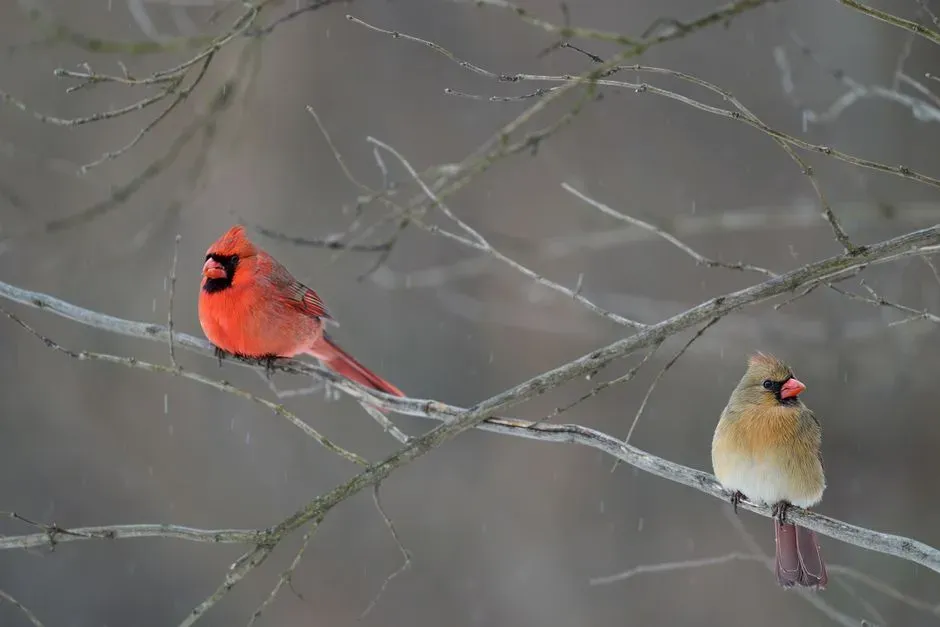
When cardinals visit in pairs after a loss, you are standing at the crossroads of nature, culture, and your own aching heart. Biology explains why these birds travel together; Southern folklore explains why people have long seen them as messengers; your personal story explains why the timing hits you so hard. You do not have to choose between those layers. You can let science ground you, tradition guide you, and your feelings tell you what the moment means for you right now.
If noticing a pair of cardinals brings you a sense of calm, warmth, or connection, there is no need to argue yourself out of it. Let the birds be what they have been for generations in the American South: a brief, brilliant reminder that love still visits, that bonds still matter, and that grief can hold both sorrow and beauty at the same time. The next time two red flashes land in your line of sight on a hard day, maybe just pause, breathe, and quietly ask yourself: what if this is exactly the sign my heart needed today?