
You’ve probably heard fireworks rattle your windows or a thunderstorm boom so hard it made your chest vibrate. But imagine a sound so powerful that it shattered eardrums hundreds of miles away, circled the world several times, and left behind not just destruction, but an eerie, planet‑wide stillness. That is not science fiction. It actually happened, and once you understand it, you’ll never think about “loud” the same way again. You’re about to walk through that event, the distance its shockwaves traveled, and what the strange quiet after it can teach you about sound, survival, and just how fragile normal life really is. By the end, you may find yourself listening a little differently to every clap of thunder, every explosion in a movie, and every pocket of silence in between.
The Day the World Heard Krakatoa
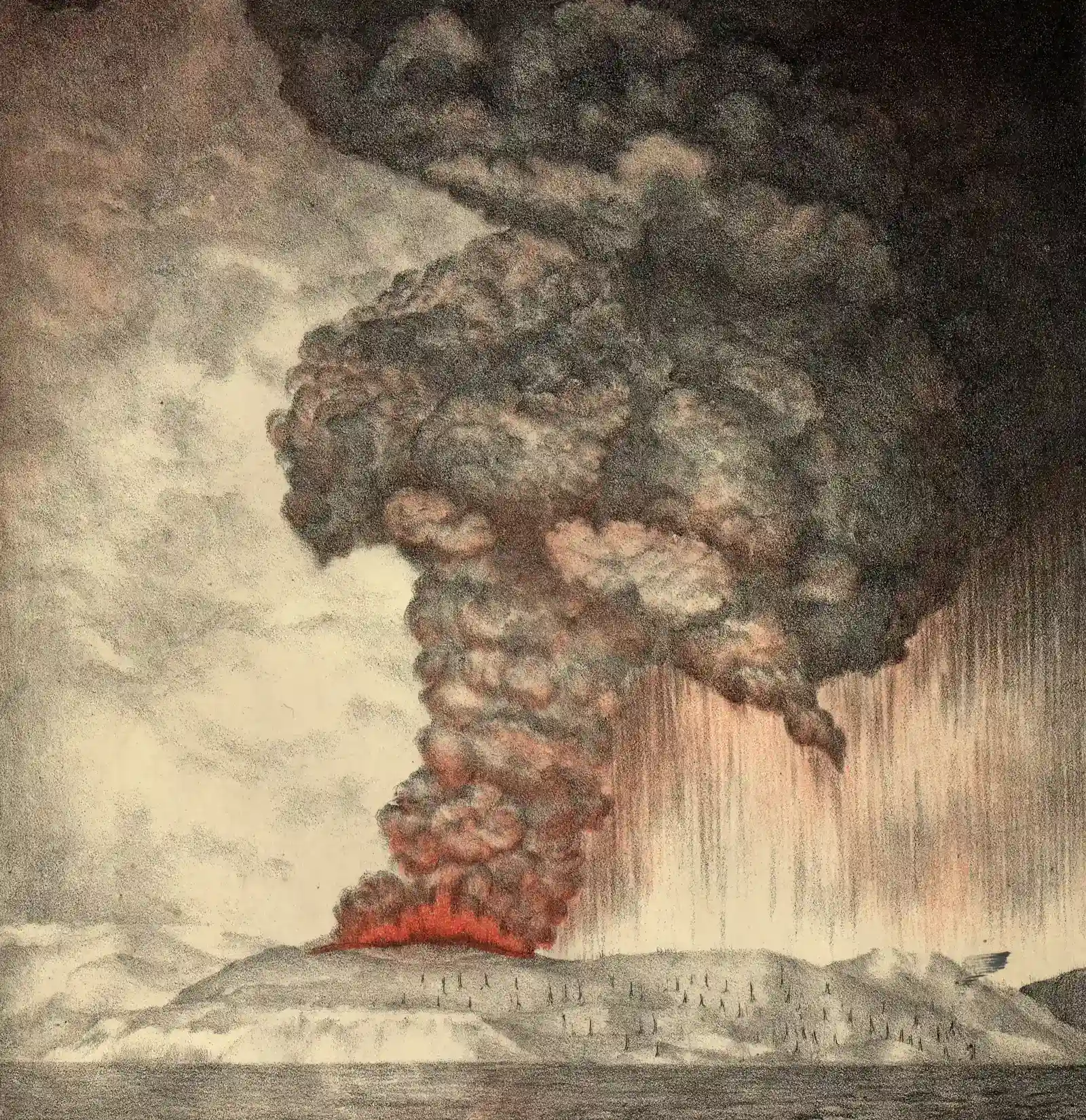
You live on a planet that once experienced a sound so intense that people thousands of miles away thought cannons were being fired just beyond the horizon. That sound came from the volcanic island of Krakatoa (also called Krakatau) in what is now Indonesia during a massive eruption in late August of the eighteen‑eighties. The final explosion was so violent that parts of the island literally disappeared, blown apart by unimaginable pressure. If you picture a typical volcanic eruption as a roaring bonfire, Krakatoa was like detonating an arsenal of weapons all at once. Reports from ships and coastal towns described a deafening blast that arrived out of nowhere, sometimes under clear skies. As you read this in the twenty‑first century, that eruption still holds the record for the loudest sound ever reliably recorded on Earth, and it was powerful enough to be “heard” not just by people, but by scientific instruments around the globe.
How Far a Sound Can Really Travel
When you hear a car horn down the street, that sound is already losing strength with every meter it travels. Normally, even a very loud noise fades into nothing after a few miles as air absorbs the energy and other sounds drown it out. With Krakatoa, the rules did not just bend; they were pushed to their extreme. The pressure wave from the final explosion was detected thousands of miles away, and weather stations recorded sudden jumps in air pressure as the wave swept past. You can think of it like dropping a stone into a pond and watching ripples spread, except in this case, the “pond” was the entire atmosphere. The pressure pulse from Krakatoa circled the globe multiple times, and instruments recorded its passage again and again over several days. Even if your ears could not have picked it up at those distances, barometers and other devices “heard” it clearly, showing just how far a single event can reach when it is powerful enough.
What It Felt Like Up Close
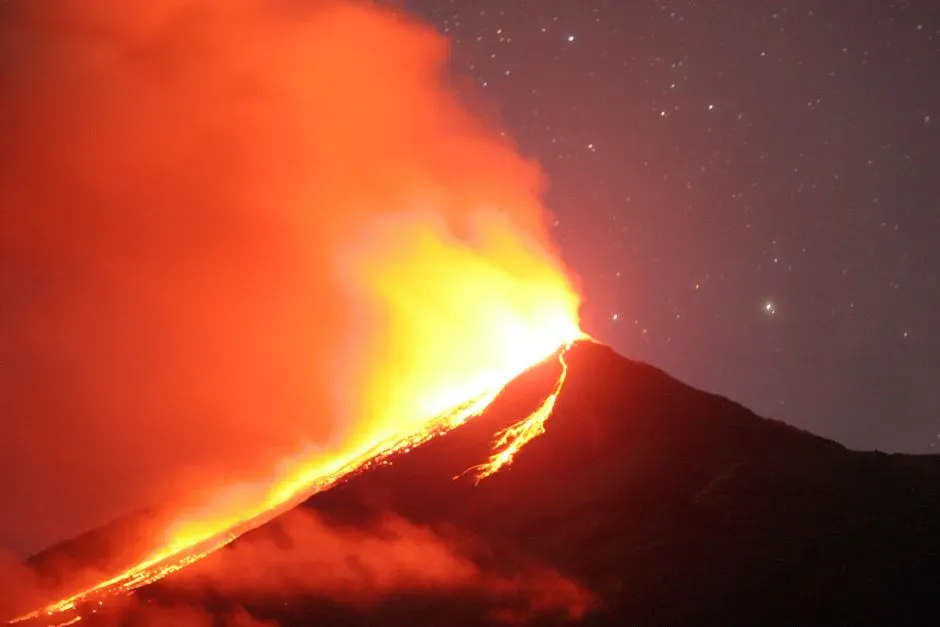
It’s one thing to read that a sound was loud; it’s another to imagine what it felt like to be relatively close to it. People within hundreds of miles reported intense pain just from the noise itself. Ship crews described their eardrums rupturing, and some were temporarily deafened. You have probably felt bass vibrations at a concert or from a passing truck, but the blast from Krakatoa pushed air so violently that it became physically dangerous to be anywhere near it. Buildings shook, windows shattered, and in many places, the pressure wave arrived as a sort of invisible hammer, crushing and tearing before the devastating tsunamis from the eruption even hit. If you had been standing on a ship within a certain range, you might have been knocked off your feet or left reeling by the sudden change in pressure alone. The sound was not just something you heard; it was something that literally slammed into you.
The Numbers Behind “Loudest Ever”
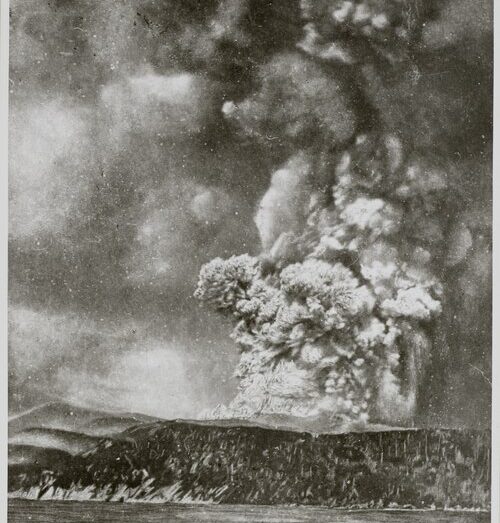
You’re used to describing loudness in everyday terms: loud, very loud, unbearably loud. Scientists use a more precise measure called decibels to describe sound intensity. For reference, a normal conversation is modest, a rock concert is much more intense, and a jet engine at close range is extreme enough that you need hearing protection. Estimates for the Krakatoa explosion put it far beyond even that, at a level so high that the usual scale almost stops feeling meaningful. At such intensities, air does not just vibrate gently; it behaves more like a fast‑moving wall, carrying enough energy to injure you even if you cover your ears. Researchers pieced together those estimates from reports of damage, distance, and instrument readings from the time. Even if exact numbers will always carry some uncertainty, you can be confident that you are looking at the upper limit of what the atmosphere can transmit as sound before it simply turns into raw destructive force.
When the World Went Quiet
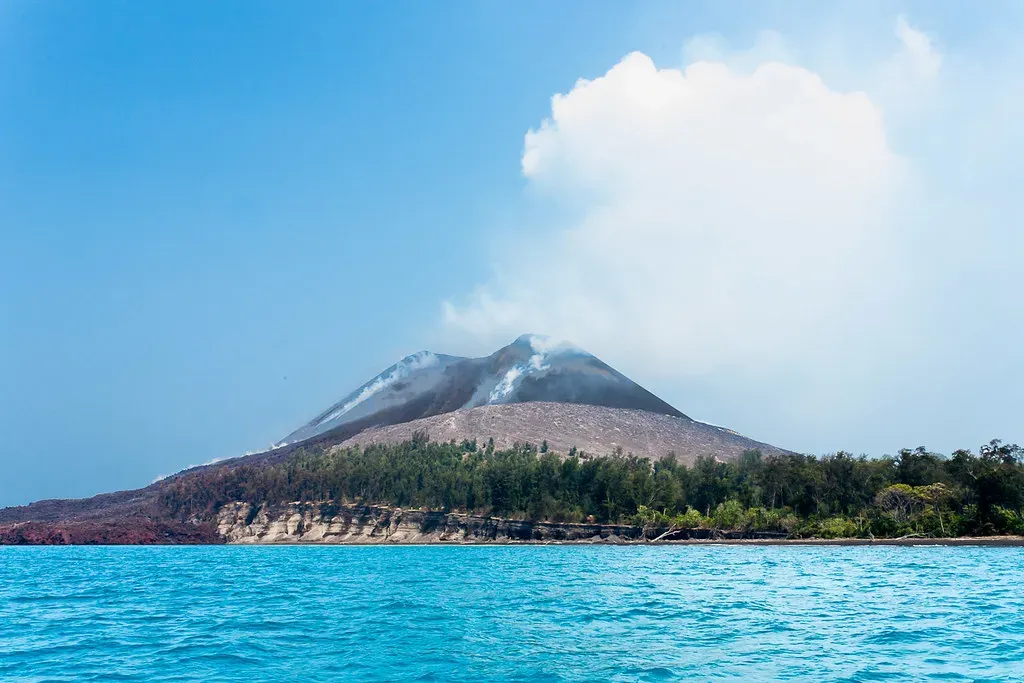
The title of this story is not just about the noise, but also about the silence that followed. After the eruption, large areas near Krakatoa were strangely quiet. So much ash and debris were thrown into the sky that normal sounds, winds, and even light patterns changed. If you had been living on nearby coasts, you might have noticed an unsettling stillness between waves of chaos, like the world was holding its breath after screaming. On a global scale, the eruption affected weather patterns, sunsets, and temperatures for months. That meant the background soundtrack of the planet – storms, winds, rainfall – shifted in subtle but real ways. When a single explosion is powerful enough to alter the sky itself, it is no surprise that it can reshape the soundscape too. The silence after such a blast is not peaceful; it is the heavy, loaded quiet that follows a disaster, when everything familiar has been rearranged.
Why You Didn’t Hear It Everywhere
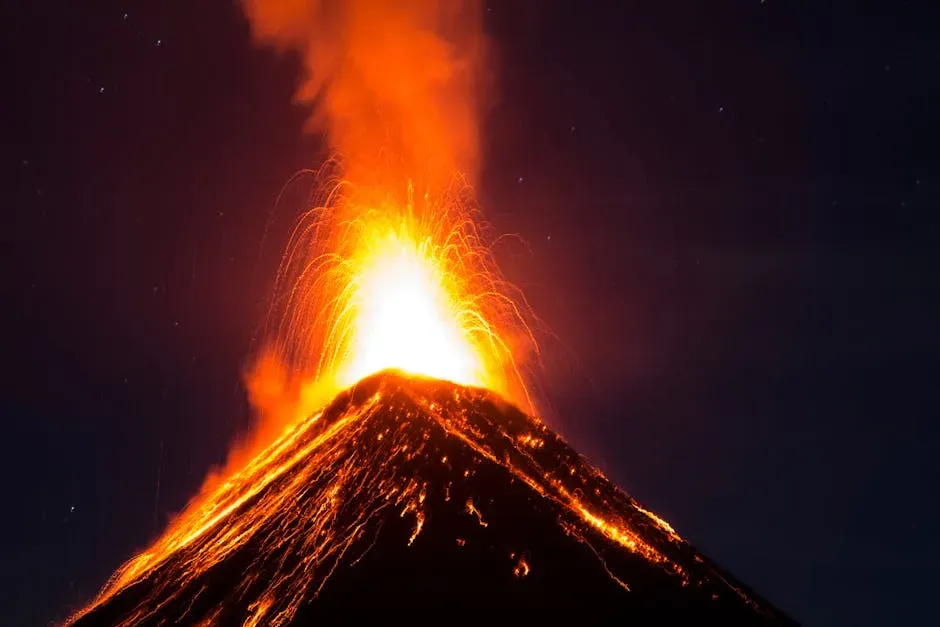
You might be wondering, if the sound was so strong, why did it not deafen every person on Earth? The answer lies in how sound travels through the atmosphere. Air layers with different temperatures and densities can bend, reflect, or absorb sound waves. In some directions from Krakatoa, conditions acted almost like an acoustic lens, focusing and carrying the noise much farther. In other directions, the sound weakened more quickly, creating strange “shadow zones” where people heard little or nothing. You experience a mild version of this when you hear a distant train clearly one night, but barely at all on another, even though it is following the same route. The atmosphere is not uniform, and that matters a lot for extreme sounds. So while some locations thousands of miles away heard the blast clearly, others much closer reported almost nothing unusual. The event shows you that sound is not just about volume; it is also about the complicated, shifting medium it has to cross.
What Modern Science Learned From It
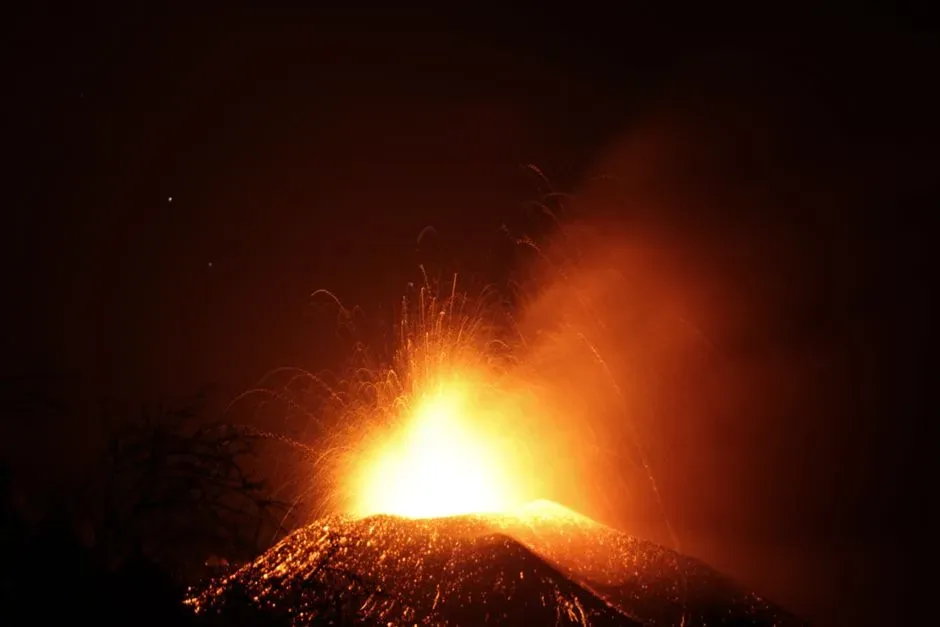
Long after the ash settled, Krakatoa became a kind of natural laboratory for scientists studying sound and the atmosphere. You benefit from that research every time you see global weather maps, hear about atmospheric pressure, or read about how shockwaves from rockets or explosions are monitored. The recordings and reports from the eighteen‑eighties gave scientists a rare, real‑world example of an enormous pressure wave racing around the planet. By comparing when the pulse reached different locations and how strong it was, researchers could test their ideas about how sound moves through air over very long distances. Today, similar methods help monitor nuclear tests, study large meteor explosions, and better understand how the atmosphere layers itself. In a way, whenever you see scientists tracking a distant shockwave, you are seeing echoes of what they learned from that one deafening day.
How This Changes the Way You Hear Everyday Noise

Once you understand what the loudest sound on Earth did, your everyday hearing can feel a little different. When you cover your ears at a construction site or flinch at a sudden clap of thunder, you are reacting to the same basic physics that scaled up into something world‑shaking at Krakatoa. The main difference is intensity. Even routine storms, sonic booms, or industrial blasts are faint cousins of that catastrophic roar. You can also use this story as a reminder to treat your hearing with more care. If one extreme event can rupture eardrums from hundreds of miles away, smaller but repeated exposures close to you – like very loud music without protection – can quietly damage your ears over time. Thinking about the most extreme case helps you see the hidden power in all sound, from the softest whisper to the kind of explosion that can change the sky.
The Echo That Never Really Ended
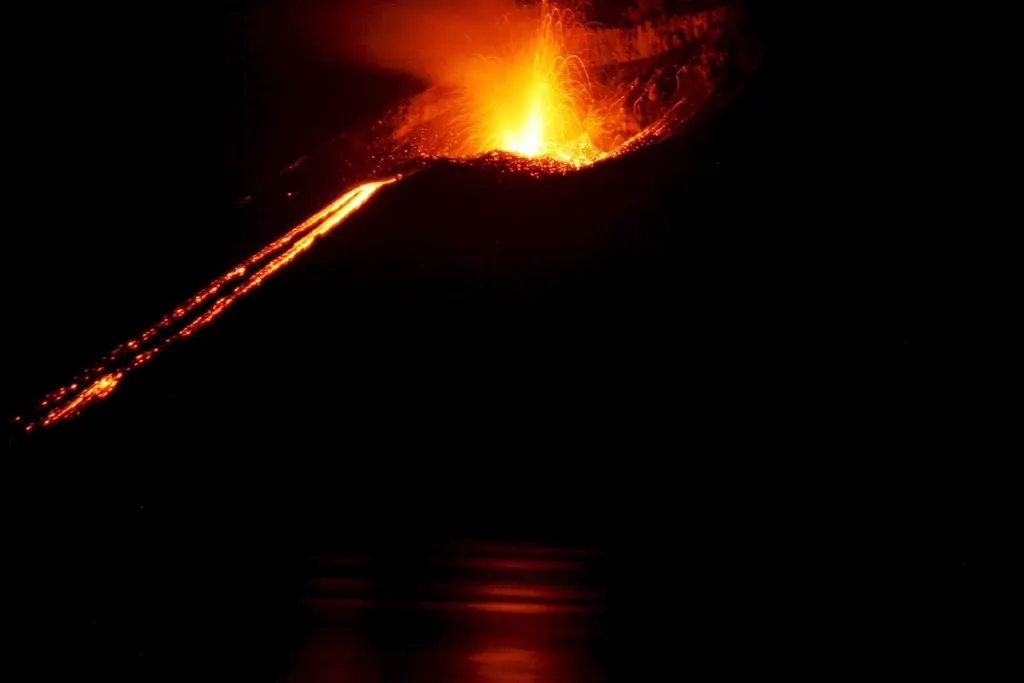
When you pull all of this together – the unimaginable volume, the distance the shockwave traveled, and the strange hush that followed – you start to see the Krakatoa eruption as something more than just a dramatic historical footnote. It is a reminder that your planet is capable of sudden, overwhelming outbursts that can be “heard” around the world, not only by people, but by instruments and even by the climate itself. The loudest sound ever recorded did not just make noise; it rewrote the atmosphere for a while. You may never experience anything close to that in your own life, and that is probably a good thing. But understanding it gives you a deeper appreciation for the fragile normalcy of the hum, chatter, and gentle background sounds that surround you every day. The next time you step outside into a moment of unexpected quiet, you might catch yourself wondering: if the world once screamed that loudly, what other stories are still echoing softly through the air around you?