
You probably think you know what “the middle of nowhere” feels like. Maybe it’s a long stretch of empty highway, a remote cabin in the woods, or a tiny island you can barely spot on a map. But there’s a place on this planet so cut off that even the nearest humans are usually hundreds of kilometers above it in orbit. And at one point, one single person actually lived there, alone, for months at a time. This is the story of Point Nemo – the most remote spot in any ocean on Earth – and the strange, slightly haunting reality of what it means to be the only human being in that kind of emptiness. As you walk through it, you’ll get a sense of the scale, the science, and the quiet psychological weight of being truly, mathematically far from everyone else.
The Exact Middle of Nowhere: What Point Nemo Actually Is
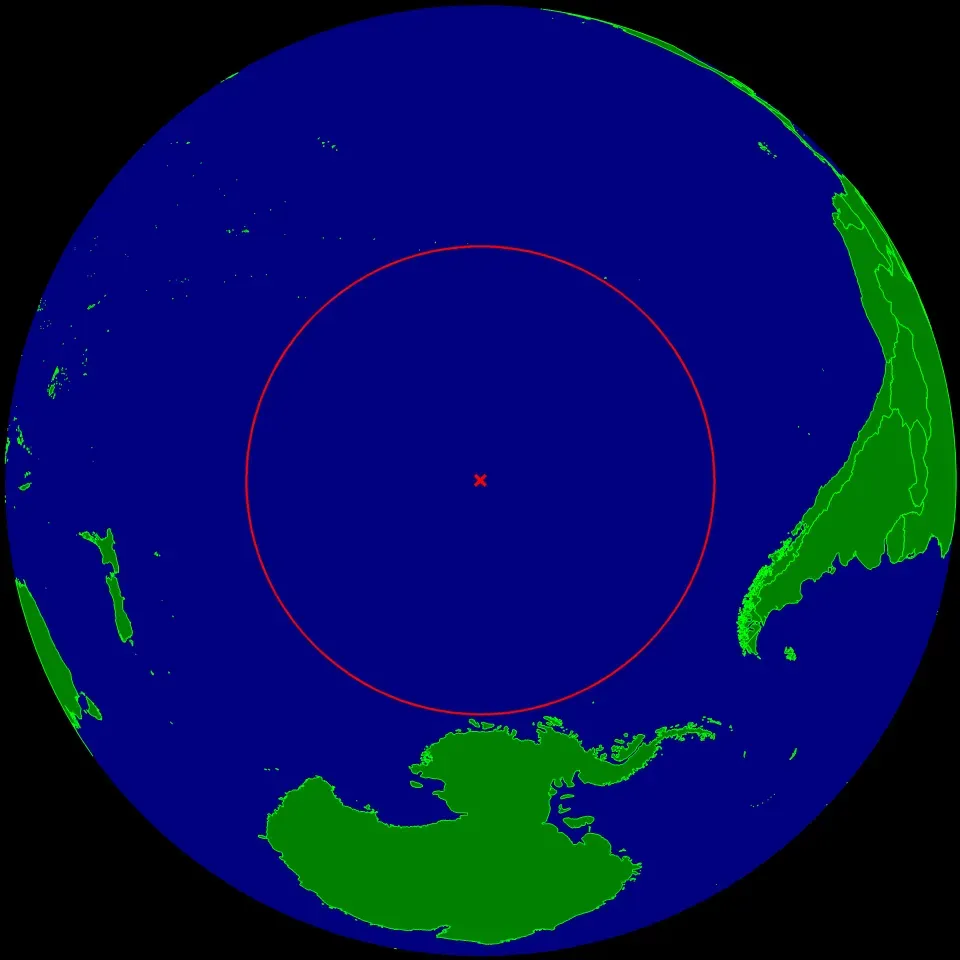
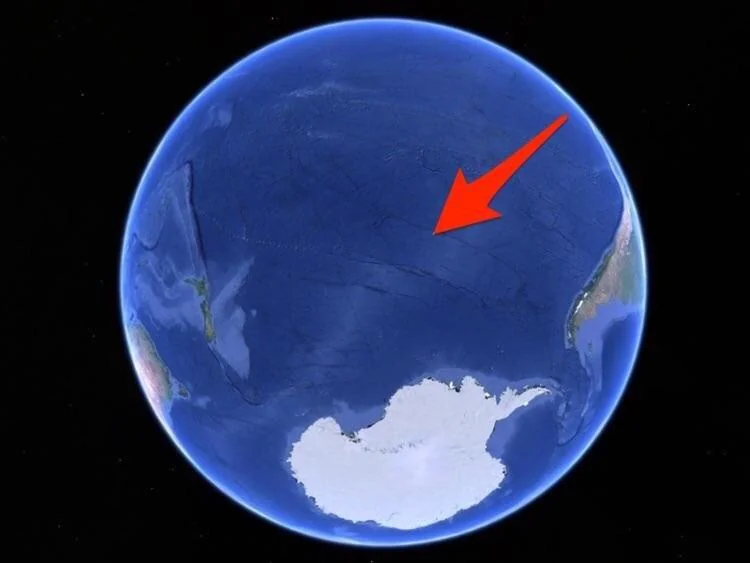
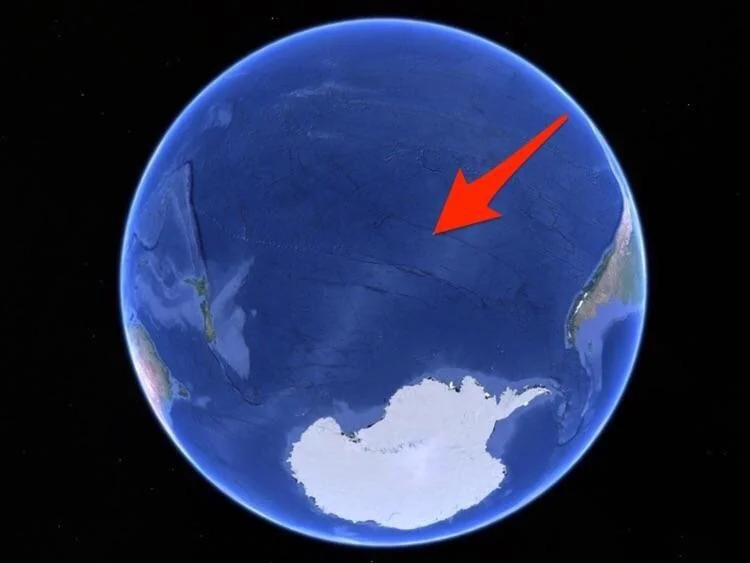
If you could drain the oceans and stand where water once was, Point Nemo is the place where you’d feel as if the entire planet had stepped away from you. It’s called an “oceanic pole of inaccessibility” – the point in the world’s oceans that’s farthest from any coastline. In simple terms, it’s the spot in the Pacific Ocean that’s as far as you can get from land without leaving Earth. You’ll find it in the southern Pacific, roughly between New Zealand to the west, Antarctica to the south, and South America to the east. The closest bits of land are three tiny, uninhabited islands, and even those are more than a thousand kilometers away in every direction. If you ever found yourself there, the nearest people would almost always be astronauts passing overhead on the International Space Station, not anyone at sea level near you.
How Scientists Measured the Loneliest Spot on the Planet
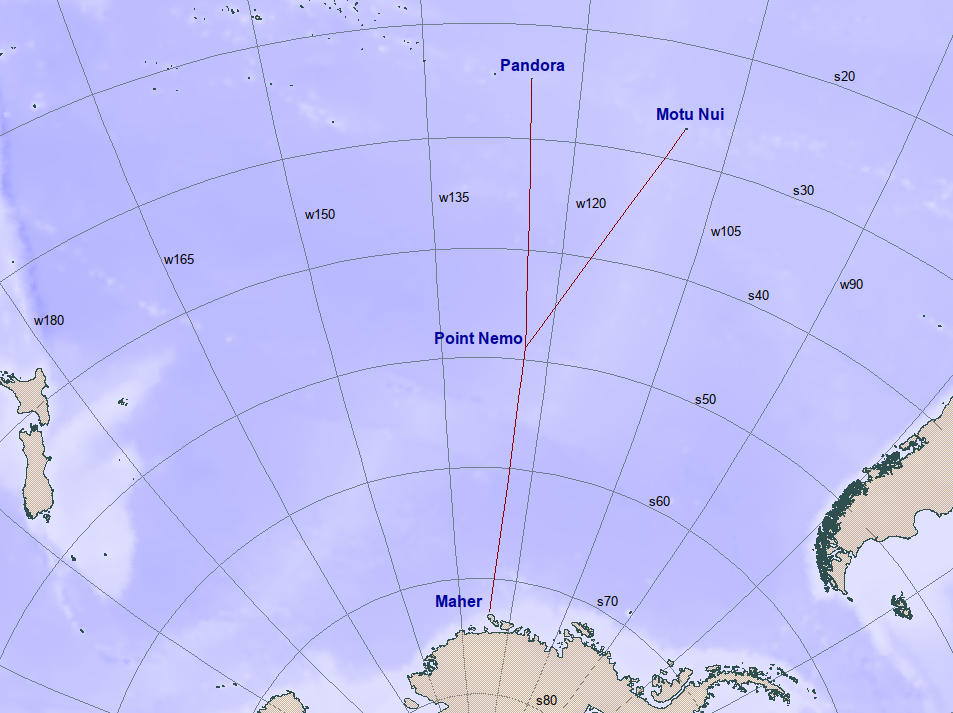
You might assume people figured this sort of thing out with old sailing charts and some educated guessing, but the modern calculation of Point Nemo is surprisingly recent. In the 1990s, a Croatian-Canadian survey engineer used computer models and precise coordinates of coastlines to find the place in the ocean that maximized distance from all land. You’re not dealing with folklore here; you’re looking at a piece of hard geometry laid over a blue planet. The result was an exact point, defined by latitude and longitude, that is now widely accepted as the most isolated ocean location ever formally measured. Once you lock that spot down, the numbers stop being poetic and become almost unsettlingly precise: over a thousand kilometers from the nearest island, surrounded by deep ocean, often with no ships anywhere near it. You’re not just “far away” there – you’re provably, mathematically alone in a way almost no one else on Earth ever experiences.
The Spacecraft Graveyard Beneath the Waves
Here’s where it gets even stranger: the most isolated place in the ocean has quietly become a cemetery. For decades, space agencies have used the area around Point Nemo as a controlled crash zone for old spacecraft, space stations, and cargo vehicles that needed to be deorbited safely. If you could see through the depths below, you’d be looking at twisted metal ghosts of human technology resting on the seafloor. This makes the place feel almost symbolic. You stand (or float) in the loneliest waters on Earth, and beneath you lie the remains of machines that once orbited far above everyone. When you think about it that way, Point Nemo is not just an empty dot in the Pacific; it’s a kind of crossroads between human exploration of the sea and the sky, where the paths of rockets and ocean currents quietly cross at the end of long journeys.
The One Person Who Lived Closest to Point Nemo
Here’s the twist: Point Nemo itself is just coordinates in the middle of open water, so nobody builds a house or sets up a village exactly there. But there was one person who came closer than anyone else to “living” at the end of the world – a solitary caretaker stationed on one of the tiny, remote islands nearest Point Nemo, surrounded by nothing but ocean for days in every direction. If you imagine yourself in their place, you’re about as close to inhabiting the world’s emptiest neighborhood as a human can get. You wake up in the morning and there’s no town, no traffic, no hum of distant highways – just wind, waves, and the constant awareness that if something goes wrong, help is very far away. Supply ships might come only occasionally, maybe every few weeks or months, and contact with the outside world depends on fragile systems that can fail in storms. You are technically not at Point Nemo, but you’re living on its edge, in a place so isolated that the difference barely matters to your daily life.
What It Actually Feels Like to Live That Far from Everyone
When you picture isolation, you might think of peace and quiet – a chance to escape, to think, to reset. But if you push that idea to its extreme like this, your mind starts to bump into deeper questions. If you lived in a tiny outpost near Point Nemo, your days would probably blend into one another, with routines built around maintenance, weather checks, and basic survival. You’d rely heavily on radio or satellite communications just to hear another human voice. Psychologically, that kind of solitude can do unexpected things to you. You might start talking to the wind or the sea just to break the silence, or you might find that your sense of time loosens without daily markers like traffic, city noise, or changing faces. You could feel oddly powerful – the only person for hundreds and hundreds of kilometers – and yet also painfully small, like a single dot standing on the edge of a massive, indifferent blue.
The Hidden Dangers of Extreme Ocean Isolation
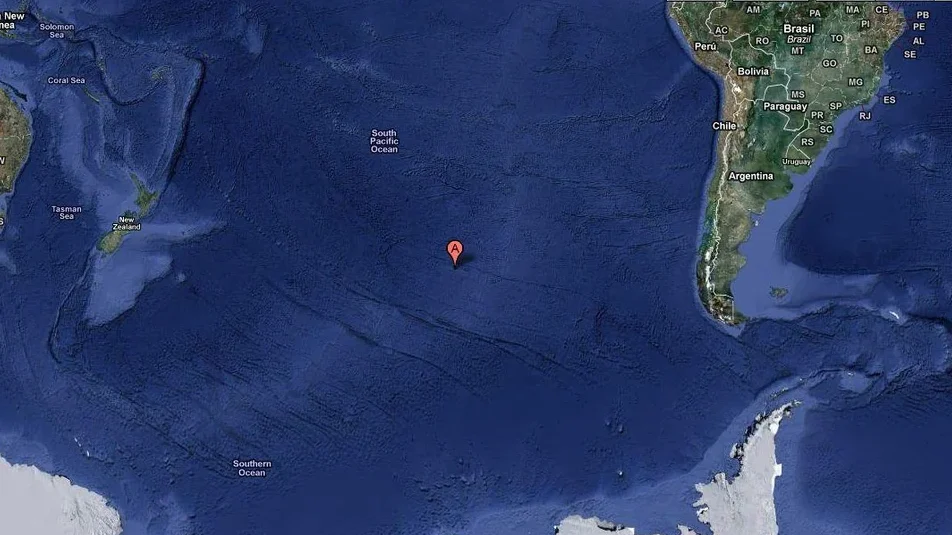
From a distance, being stationed near the world’s most isolated waters can sound romantic, but the risks are very real. If you were that one person out there and you got seriously injured, or a violent storm damaged your equipment, the response time for any rescue would be painfully long. Even in the age of satellites and GPS, distance still matters when you’re trying to move a ship or a helicopter across a wild ocean. And it is a wild ocean. The southern Pacific is notorious for strong winds, powerful swells, and weather that can change faster than you expect. There are long stretches with very little shipping traffic, which is exactly why spacecraft debris is guided there in the first place. For you, that means fewer eyes on the water, fewer ships that might stumble across you by accident if all your systems fail. Out here, self-reliance is not a nice trait; it is mandatory.
Why This Lonely Point Captures Your Imagination
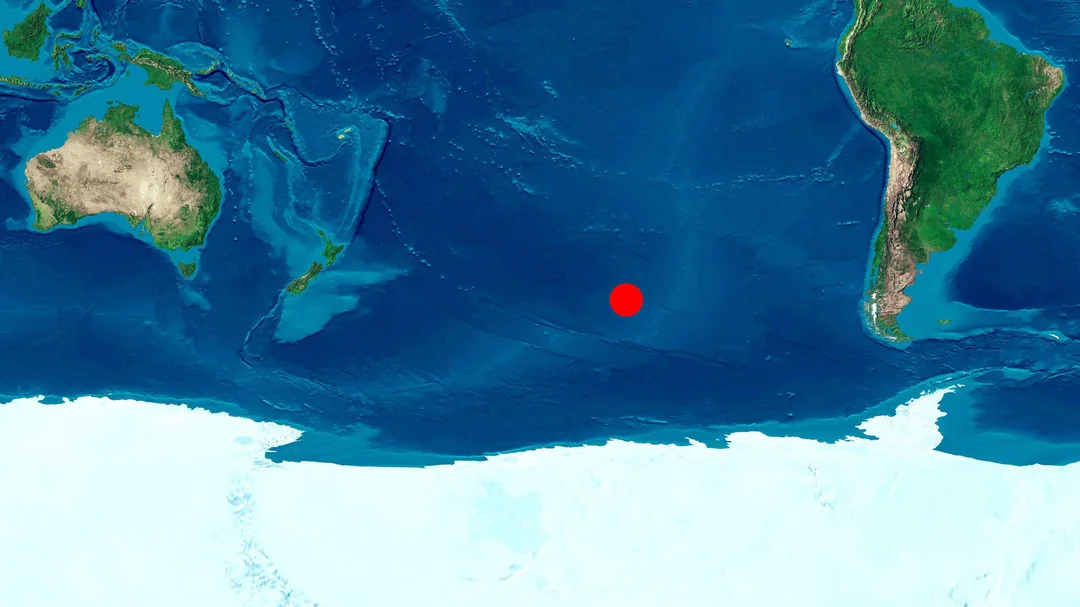
Even if you never leave your city, just knowing that Point Nemo exists tends to stick in your mind. You live in a world that feels more connected every year – instant messages, live video calls, global flights – and yet here is a place that shrugs off all of that and remains bone-deep empty. It reminds you that for all your technology, the planet is still huge, and there are still corners where human presence is a rare exception, not the rule. There is also something oddly comforting about it. When you picture that single person once living near the most isolated waters on Earth, you can almost project yourself into their boots: feeling the wind, watching the endless horizon, realizing that you are both incredibly alone and yet still part of a human story that reaches into space and across oceans. Point Nemo quietly asks you how much solitude you could really handle, and whether some part of you secretly craves it.
What Point Nemo Tells You About Your Place on Earth
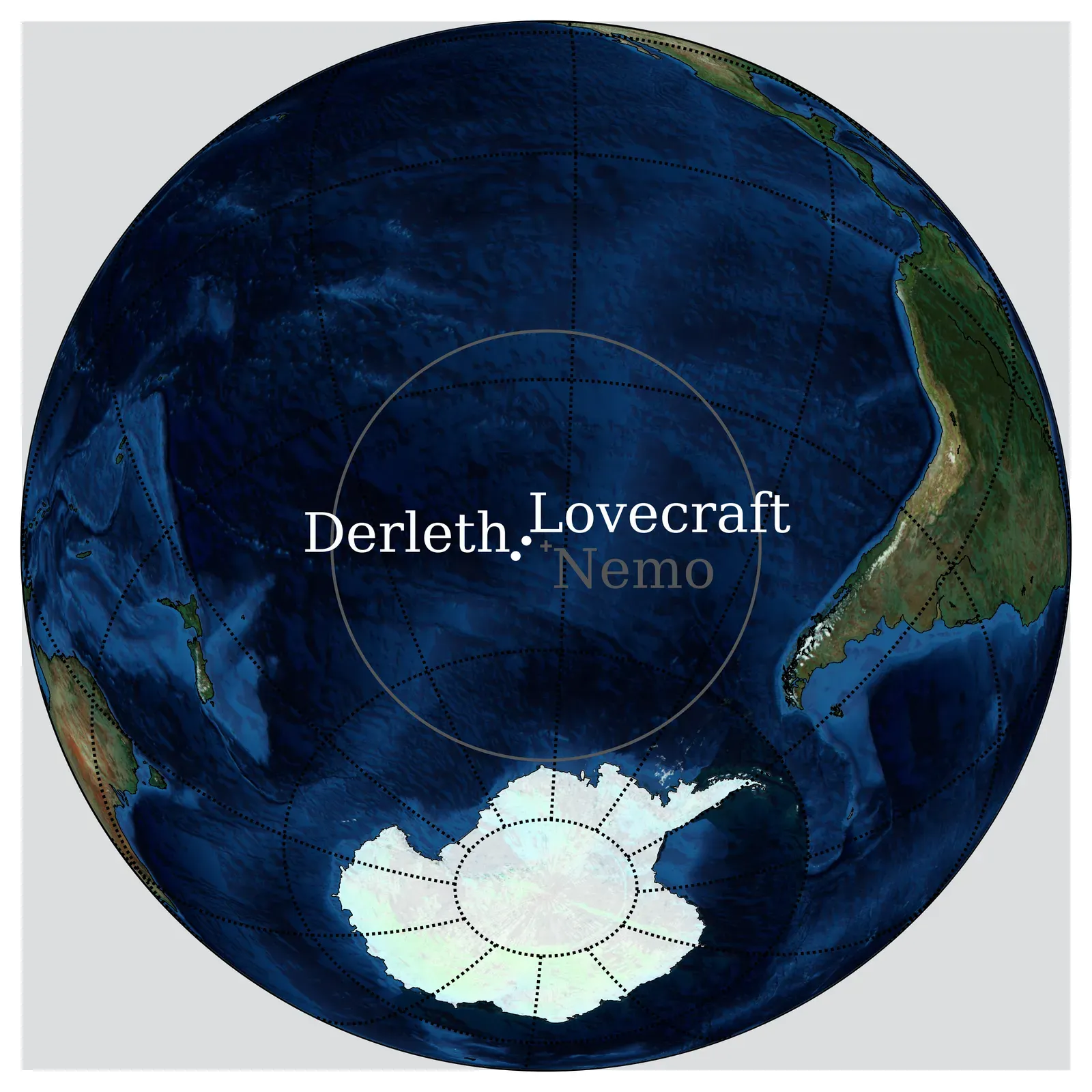
When you zoom out, this lonely dot in the Pacific turns into a mirror for your own life. You move through crowded streets, noisy feeds, shared workplaces, and constant digital chatter, and yet you probably still have moments where you feel just as alone as that one person near Point Nemo. The difference is that your isolation is emotional or social, while theirs was physical and absolute. Thinking about that gap can help you see your own connections in a new light. In the end, Point Nemo and the person who lived closest to it underline a simple truth: you live on a planet where distance and closeness are both powerful forces, and you’re always balancing them. You may never stand in waters that far from land, but you can still decide how much solitude you invite into your life, and how much connection you reach for. If the most isolated place on Earth can become a crossroads for satellites, ships, and human stories, what unexpected crossroads might be hiding in your own daily routine?