
There’s something deeply unsettling about standing in front of a structure that clearly tracks the heavens but sits in total silence about who built it or why. Our ancestors may be gone, but their stone and earthwork “messages” are still there, marking solstices, equinoxes, star risings, and lunar standstills with almost obsessive precision. And yet, for some sites, no inscription, no local oral tradition, and no clear cultural owner steps forward to say: this was ours.
In this article, we’re going to walk through eight such places: engineered alignments to the sky, but without a firmly claimed architect or culture behind them. Some are debated, some sit in the gray zone between “natural” and “artificial,” and others feel almost too clever for how little we know. I’ll be honest: I don’t think they’re the handiwork of some lost super‑civilization, but I also don’t buy every neat, conventional explanation at face value. Let’s dig in and you can decide how far down the rabbit hole you’re willing to go.
1. The Goseck Circle: A Solar Observatory With No Signed Builders
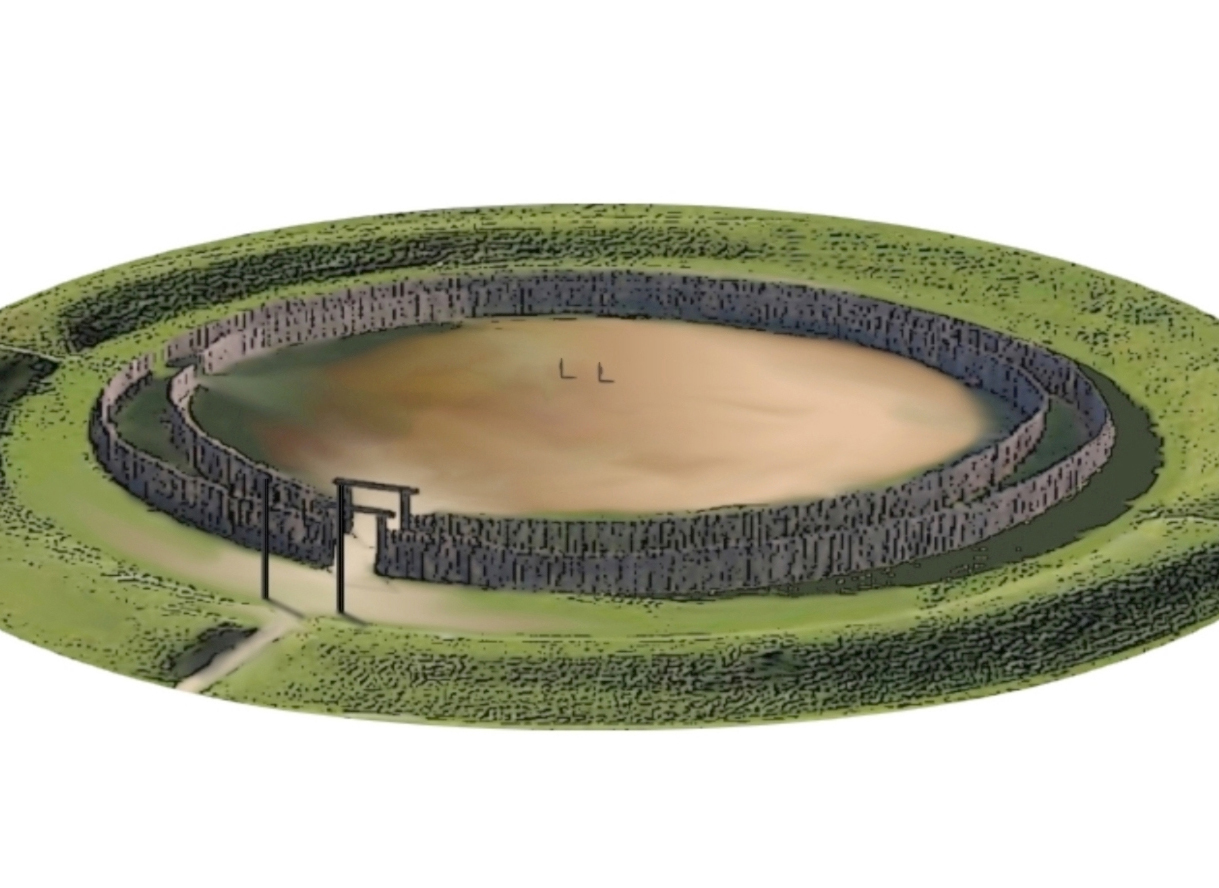
Picture a nearly perfect circular earthwork in the middle of German farmland, with wooden palisades and gates once standing where archaeologists now walk with measuring tools. The Goseck Circle, dating back to the early fifth millennium BCE, has gates that line up impressively with the sunrise and sunset at winter solstice. When the sun hits those gaps, you’re not just watching a sunrise; you’re watching a calendar tick over in a way that feels intentional, even ritualistic.
Here’s the twist: Goseck clearly belongs to the broad Neolithic world in central Europe, but no specific named culture, kingdom, or people ever steps out of the mists of prehistory and says, this was our observatory. The builders left pottery and postholes, not manifestos or myths. We know they understood the sun’s yearly rhythm well enough to embed it in wood and earth, yet their language, beliefs, and stories have vanished. To me, that gap – precise science, no voice – is exactly where curiosity starts to itch.
2. Nabta Playa: Desert Megaliths That Track the Sky Before the Pharaohs
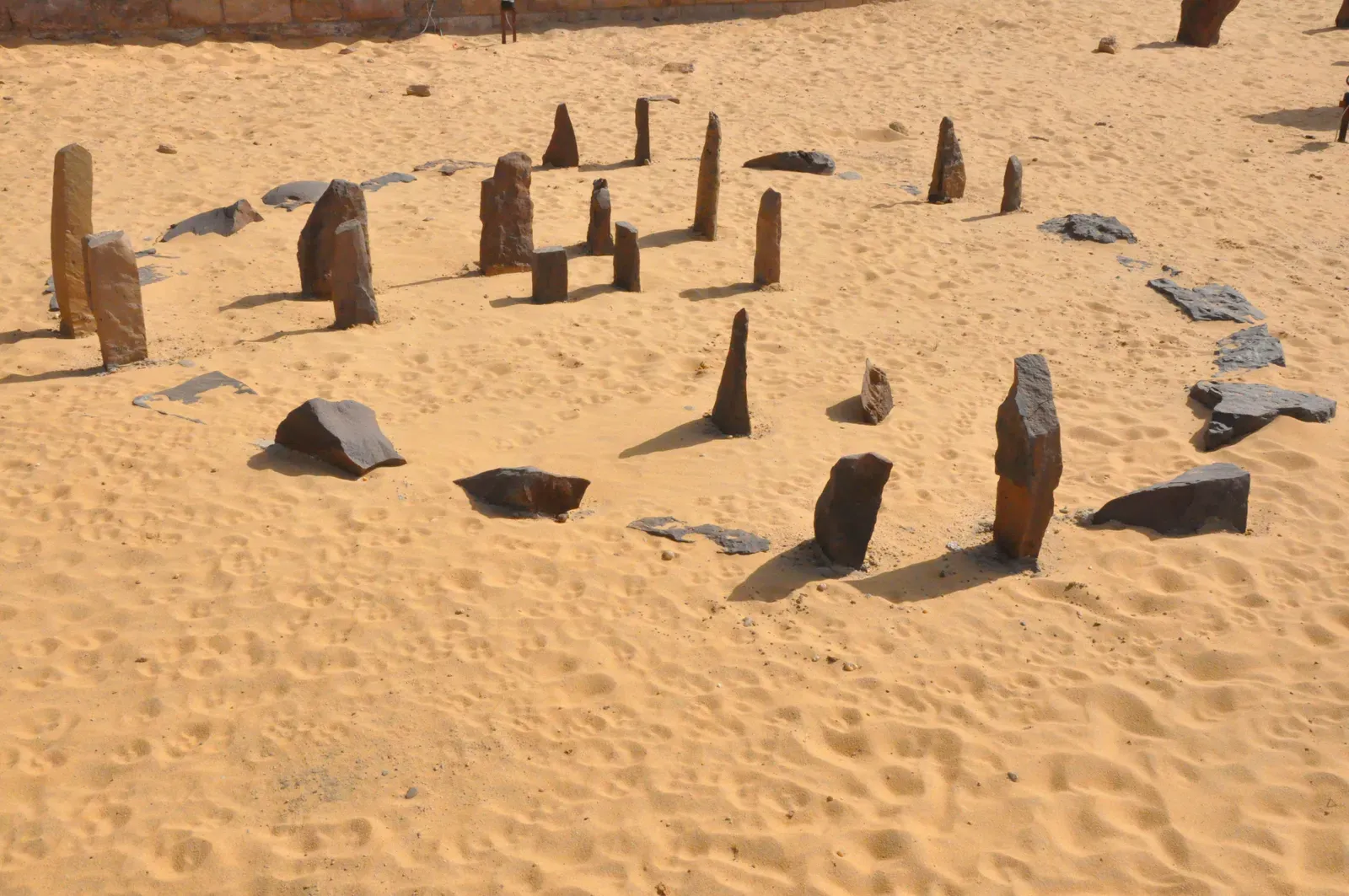
Deep in what is now the Sahara of southern Egypt, long before the pyramids were built, people set up stone circles and alignments at a place called Nabta Playa. Some stones seem to point to solstice sunrises and sunsets, and other arrangements have been interpreted as referencing bright stars that would have marked seasonal changes. This is not just someone randomly dropping boulders; there’s pattern, geometry, and a sense of watching the sky with purpose.
Yet we can’t link these stone builders to any later, historically recorded Egyptian dynasty with confidence. They lived millennia before hieroglyphs, temples, and pharaonic propaganda. Archaeologists group them into early pastoral communities rather than a neatly labeled “civilization” with an emblem and a national story. So we have this eerie situation: people sophisticated enough to embed astronomy into the landscape, but culturally anonymous, absorbed into the broad label of “prehistoric Saharan herders” as if that really explained what they were thinking.
3. The Medicine Wheel in Wyoming: A High-Altitude Sky Diagram Without a Signature
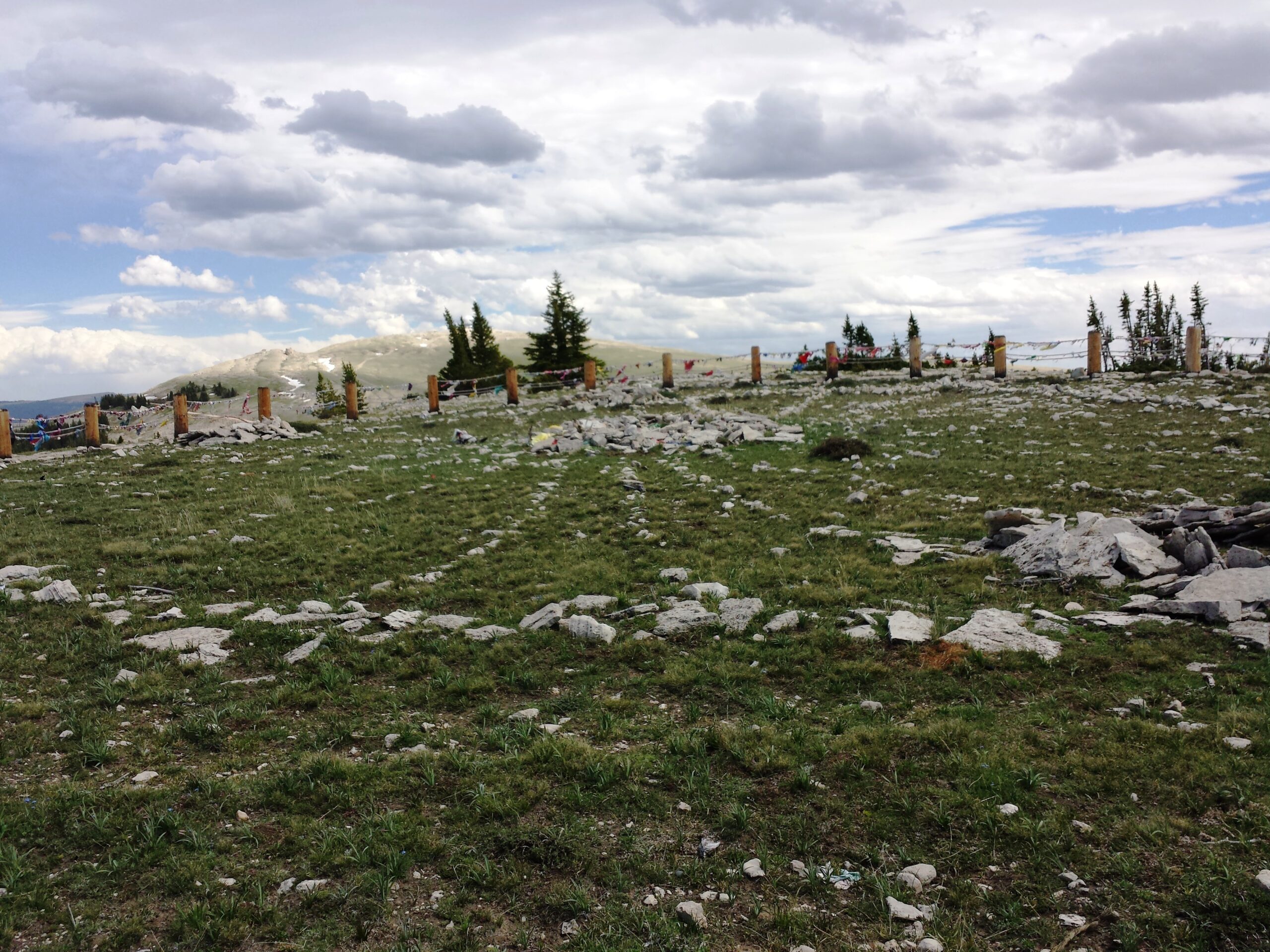
High in the Bighorn Mountains of Wyoming sits a stone wheel, about the size of a small house lot, made from radiating stone spokes and outer rings. Certain spokes and cairns line up remarkably with the summer solstice sunrise and with the rising of specific bright stars on the horizon. If you stand there on the right day, the pattern snaps into place – you can almost feel the site “click” with the sky.
Indigenous groups in the region today acknowledge the wheel as spiritually important, but no tribe is on record saying, definitively, we built this at a known time with a known purpose. Oral traditions connect the wheel to ancient ancestors more than to a particular, named historical nation. From a scientific angle, that leaves us with a carefully tuned astronomical layout but no clear builder’s label; from a human angle, it highlights how the deep past can belong to everyone and no one at the same time. Personally, I think we underestimate just how old and layered North American sky-watching traditions really are.
4. The Major Lunar Standstill Alignments at Callanish: Older Than the Legends
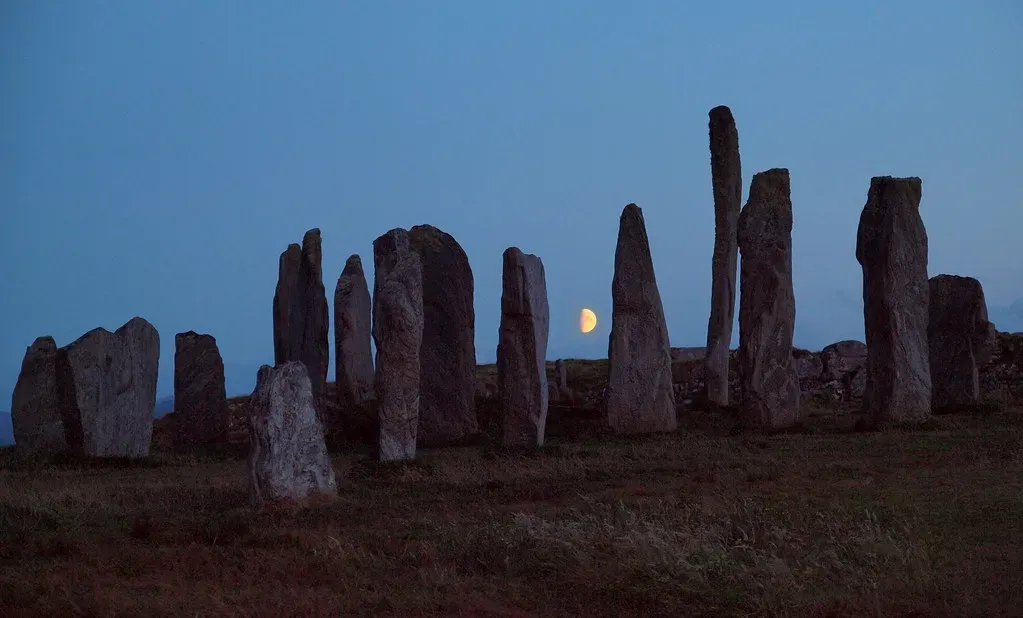
On the windswept Isle of Lewis in Scotland, the stone circle of Callanish rises from the peat like a kind of frozen, skeletal cathedral. Archaeastronomers have argued that the layout aligns stunningly with the major lunar standstill – an event every couple of decades when the moon’s extreme rising and setting points reach their furthest north and south over the horizon. From some vantage points, the moon appears to skim dramatically along the hills in a way that feels almost scripted.
Here’s the awkward part: the stones predate detailed written records, and later Celtic and Norse stories layered over the site do not clearly claim its construction. Local myths talk about giants or petrified beings rather than a specific, traceable culture. So Callanish becomes this paradox: a structure precisely synced to a complex lunar cycle, attributed in local lore to supernatural forces instead of a known society. My own hunch is that the builders understood the moon far better than most of us do today, but whoever they were, they chose stone over text and left us guessing.
5. Mnajdra Temple Alignments in Malta: Solstices in Stone With Silent Origins
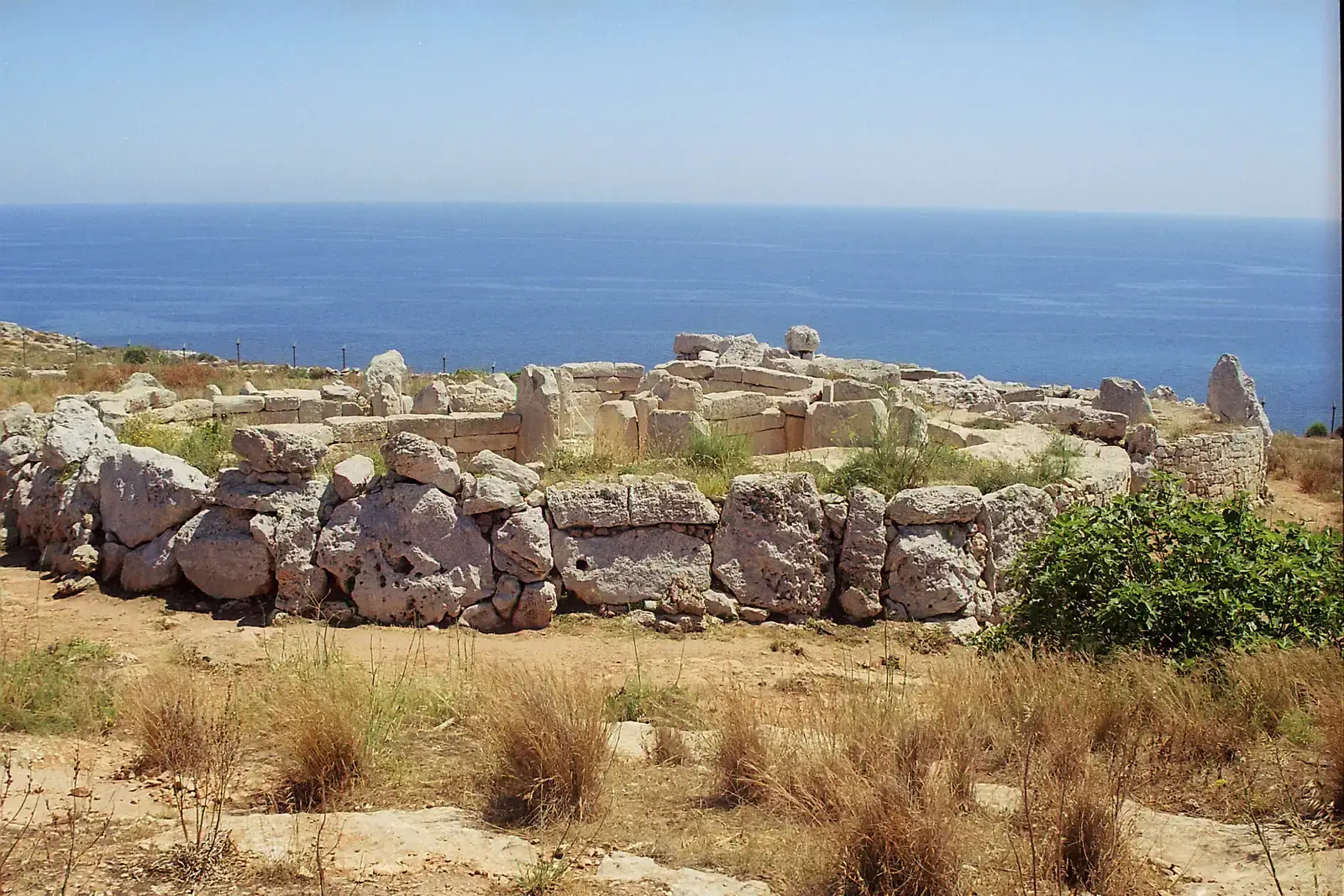
On the rocky coast of Malta, the Mnajdra temple complex faces the rising sun with a subtle but powerful sense of intention. At the equinoxes and solstices, light enters the temple in highly specific ways, illuminating stones and edges that seem deliberately chosen as markers. Walk through at the right time of year and you can literally watch the architecture turn into a living calendar, counting the year with beams of light instead of ink on parchment.
We know Mnajdra belongs to the prehistoric temple-building culture of Malta, but that culture itself has no surviving name, no literature, and no descendants stepping forward with a continuous identity. Archaeologists group it under a modern label – the “Maltese Temple Culture” – which is really just a box we invented for convenience. To me, that underlines a hard truth: having brilliant engineering and refined astronomical sense does not guarantee that your story survives. The temples remember the sun; the world forgot the builders.
6. The Chankillo Solar Observatory in Peru: Thirteen Towers, Unclaimed Genius
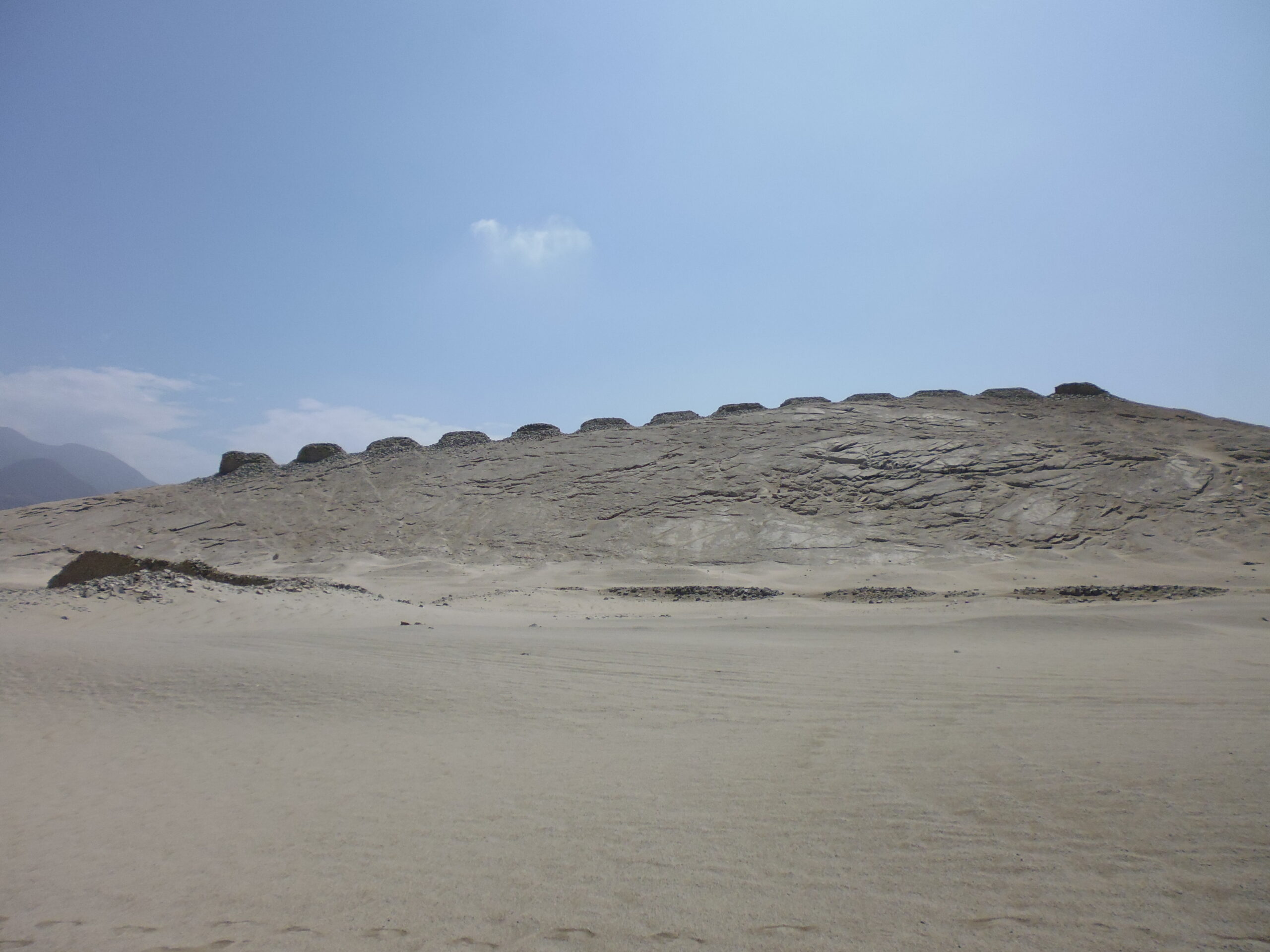
On a ridge in coastal Peru, a line of thirteen towers stretches across the horizon like a jagged spine. From specific observation points below, the sun rises and sets between these towers over the course of the year in a way that allows an observer to track the date with surprising accuracy. This system at Chankillo has been called one of the oldest known solar observatories in the Americas, and honestly, once you see a diagram, it feels almost too clever to be so obscure.
Yet the culture that built Chankillo left no written record that survived, and no historically recorded Andean civilization – like the Inca – can credibly claim to have created it. The site belongs to a much earlier, poorly understood society that archaeology can describe in terms of pottery styles and building techniques, but not by a proper name that appears in any chronicle. For me, that’s both inspiring and frustrating: the conceptual ambition is clear, but it’s like finding a brilliant sketchbook with the artist’s name torn off the cover.
7. The Wheel Structures of the Middle East: Desert Kites and Stone Circles Under the Stars
![7. The Wheel Structures of the Middle East: Desert Kites and Stone Circles Under the Stars (The oldest plans to scale of humanmade mega-structuresProvided under CC BY 4.0: "Copyright: © 2023 Crassard et al. This is an open access article distributed under the terms of the Creative Commons Attribution License ( CC BY 4.0 Attribution 4.0 International Deed), which permits unrestricted use, distribution, and reproduction in any medium, provided the original author and source are credited." [1], CC BY-SA 4.0)](https://nvmwebsites-budwg5g9avh3epea.z03.azurefd.net/dws/f77fe388b52e7f5c540a84fc1d5821bf.webp)
Across parts of Jordan, Syria, and neighboring regions, aerial and satellite surveys have revealed thousands of low stone structures nicknamed “desert kites” and “wheels.” Some researchers have argued that a subset of these wheel-shaped patterns may have alignments to solstice sunrises or other celestial events, especially given how often they seem to sit on elevated ground with clear horizons. The patterns are basic but strangely elegant, like someone doodling geometry straight onto the desert floor.
But here’s the sticking point: these builders are prehistoric, older than the earliest fully documented city-states of the Near East, and no later culture in the region explicitly claims them. No kingdom inscription boasts about constructing the wheels, and no ancient text we’ve found so far explains their purpose. Maybe many of them were just practical structures or animal traps, and some astronomical alignments are coincidental; maybe a few were intentionally aimed at the sky. Until we know more, they sit in that tantalizing zone where pattern, possibility, and silence all overlap.
On a cliff on the Irish coast, a narrow stone-lined passage known as Dun Ailinne’s lesser-known cousins – such as certain passage tombs and cairns – has drawn attention for potential alignments beyond the famous Newgrange complex. While Newgrange itself is clearly aligned with the winter solstice sunrise and is often associated with a broad Neolithic tradition rather than a specific named culture, there are other, less publicized passage graves and earthworks whose alignments appear equally deliberate. In some cases, the rising or setting sun at solstice or equinox lights up internal chambers in a way that is hard to chalk up to accident.
Yet outside of the more famous sites, we frequently lack any solid link between a particular named people and a given cairn, mound, or passage alignment. We talk vaguely about “Neolithic builders” as if that were a single uniform group, which it wasn’t. These anonymous sky‑engineers shaped the land to respond to the turning year and then vanished, leaving later cultures to repurpose, reinterpret, or simply ignore their work. In a way, the alignments have more continuity than the cultures; the sun still hits its mark every year, regardless of who is around to watch.
Conclusion: When the Sky Remembers What History Forgets
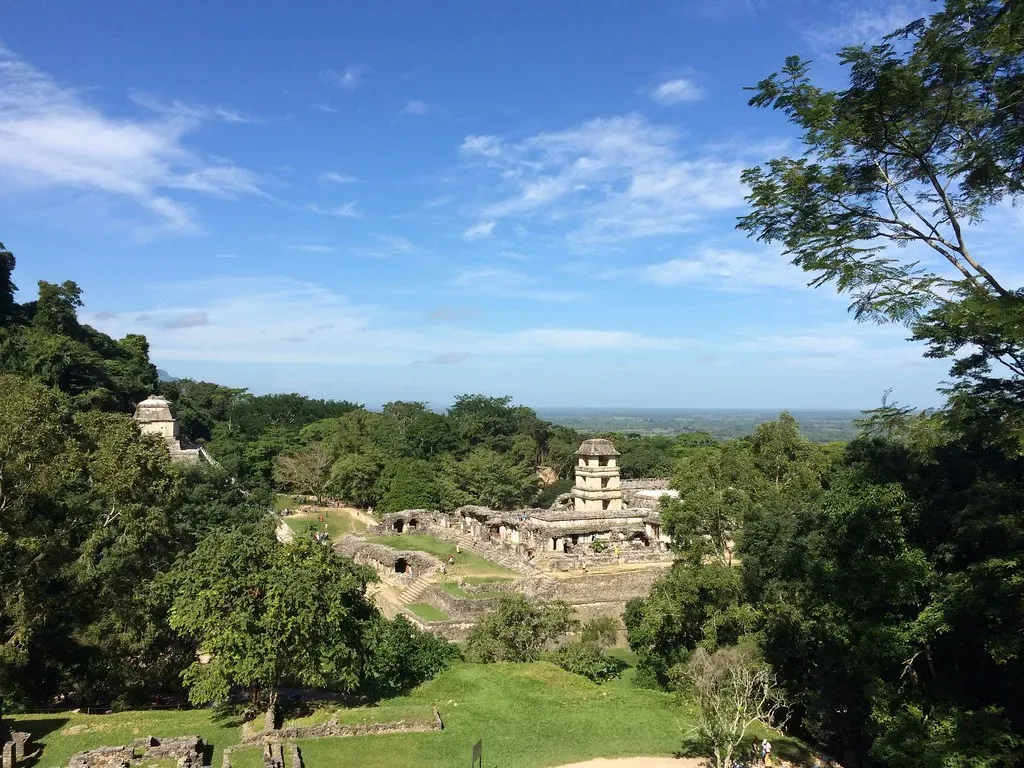
Looking across these eight examples, a pattern emerges that I find both humbling and a little bit haunting: the sky remembers, even when history lets go. Alignments to solstices, equinoxes, star risings, and lunar extremes endure in stone and earth long after names, myths, and political borders dissolve. We end up with this strange asymmetry: clear evidence of careful thinking and long-term observation, but almost no direct voice from the people who did the work. For all our modern pride in data and documentation, we may not be as permanent as we like to think.
My own opinion is that we should resist both extremes: the temptation to romanticize these sites into proof of some lost hyper-advanced civilization, and the temptation to wave them away as simple, obvious constructions anyone could have thrown together. The truth is likely in the middle – ordinary humans, in small communities, paying extraordinarily close attention to the sky because their survival, ritual life, and curiosity demanded it. Maybe the more honest question is not who built them, but whether we, surrounded by apps and satellites, are still paying that kind of attention. If you stood at one of these sites on the next solstice, would you just take a selfie – or would you let the alignment tell you that you’re standing inside someone else’s very old, very quiet idea?