
You probably know someone who has brushed up against death, or you have at least heard their stories: a tunnel of light, a feeling of leaving the body, an overwhelming sense of peace. You are left wondering whether this is just the brain shutting down or a glimpse into something much deeper about who you really are. Near-death experiences sit right at the edge of what science can measure and what you can only live through, and that is exactly why they are so gripping.
When you look closely at these reports, you start to see patterns that are hard to dismiss and questions that refuse to go away. You are pushed to rethink what it means to be conscious, whether your mind is only what your brain does, and what could happen at the moment your life nearly ends. This article walks you through what researchers and experiencers have found so far, what is still unclear, and how all of it might quietly reshape the way you understand your own existence.
The Core Features Of Near-Death Experiences
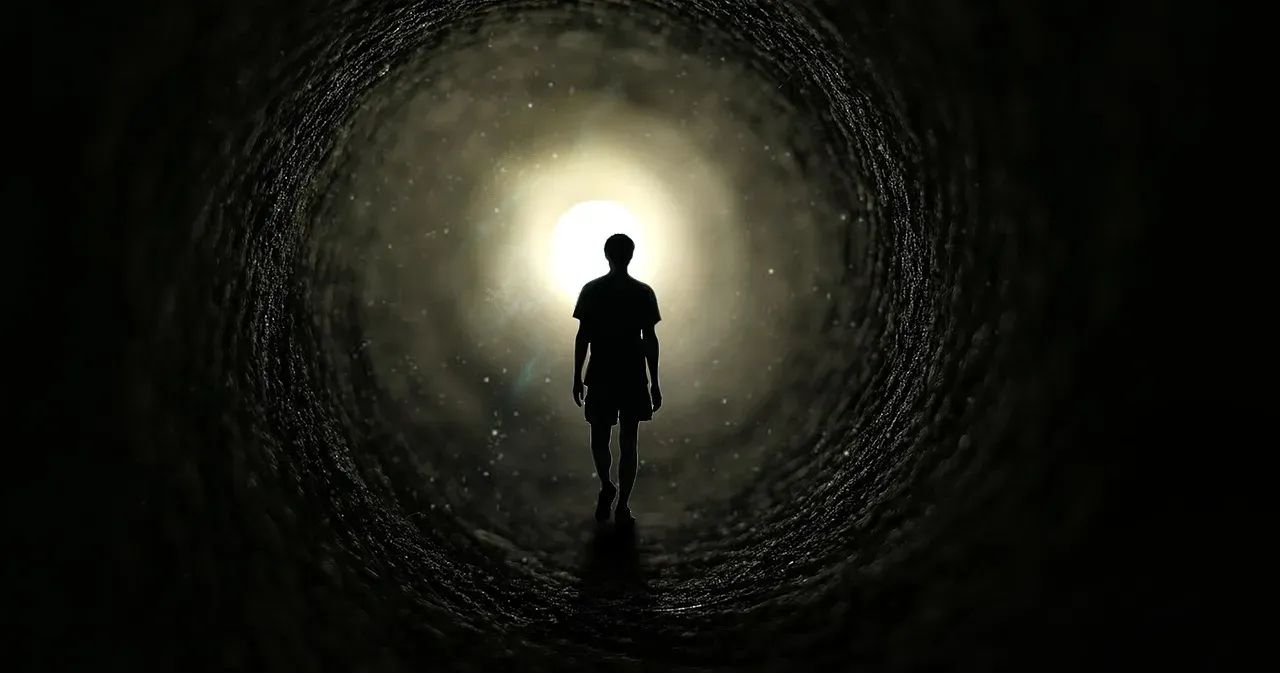
When you dig into near-death reports, you keep bumping into the same core themes: a sudden sense of leaving your body, moving through a tunnel or space, encountering a bright but not blinding light, feeling immense peace, and sometimes meeting beings or deceased loved ones. You might also read about a life review that feels like watching your entire existence unfold at once, but with raw emotional clarity. These elements show up whether the person grew up religious, atheistic, or somewhere in between, and whether the event happened during a car crash, cardiac arrest, or severe blood loss.
You also notice how intensely real these experiences feel to the people who have them. You are not looking at fading, dream-like impressions; you are hearing about moments that feel more vivid than everyday life. Many people will tell you the memory of their near-death experience has a stronger sense of reality than memories of their own wedding day or the birth of a child. When you see that consistency across age, culture, and medical situation, you start to suspect you are not just dealing with random hallucinations but with some kind of structured process in consciousness itself.
What Your Brain Is Doing On The Edge Of Death
From a neuroscientific angle, you are taught to see consciousness as what happens when billions of neurons fire in intricate patterns. During a near-death crisis – such as cardiac arrest – blood flow drops sharply, oxygen plummets, and, in theory, your brain activity should rapidly fade. Yet in some monitored cases, researchers have picked up brief, intense bursts of organized brain activity right after the heart stops, especially in regions tied to vision, memory, and integration of your sense of self. You could think of it as the brain’s last flare of coordinated activity before systems fall apart.
Under this view, your near-death experience might be the subjective side of this final surge, with tunnels, lights, and out-of-body sensations reflecting how collapsing brain networks process dwindling input. Strong surges of chemicals, including those that modulate pain and fear, could help explain why you might feel deep peace instead of terror. When you adopt this perspective, you see NDEs as powerful, meaningful, and utterly human, but still rooted entirely in the physical brain fighting to maintain order in the face of shutdown.
Out-Of-Body Experiences And The Puzzle Of Perception

One of the trickiest parts for you to make sense of is the classic out-of-body report: you find yourself hovering near the ceiling, looking down at your own body, hearing conversations, and noticing tiny details you supposedly could not see. Some people later describe medical instruments or staff actions in ways that line up alarmingly well with what actually happened. When you first hear this, you may be tempted to take it as straightforward evidence that your consciousness can leave your body entirely.
But when you dig deeper, you discover that your brain already has a fragile and easily disrupted map of where “you” are in space. Experiments with virtual reality and electrical stimulation of certain brain areas can trigger out-of-body sensations and the feeling of floating above yourself while you are fully alive and awake. From this angle, your near-death out-of-body episode might be an extreme version of a known brain glitch, amplified by stress, low oxygen, and sensory chaos. At the same time, the small number of apparently accurate verifications keeps the door slightly open, forcing you to admit that not everything is neatly explained yet.
Time, Memory, And The Life Review Phenomenon
If you have ever heard someone say that their whole life flashed before their eyes, you are touching another key feature of near-death experiences: the life review. People describe seeing countless moments at once, feeling not only their own emotions but also how their actions affected others. For you, it is like suddenly switching to a vantage point where time is more like a landscape than a line, and your life becomes a single, complex pattern rather than a string of separate memories.
Researchers suspect that under extreme stress and disrupted blood flow, your brain might release and recombine memories in unusual ways, drawing on emotional and autobiographical centers at high speed. From your perspective, this could feel like a panoramic replay because your internal sense of time may be breaking down. Instead of taking these reports as a literal cosmic judgment day, you can see them as a radically intensified form of memory processing that might still reveal something profound: your mind naturally organizes your story in terms of relationships, impact, and meaning when pushed to its limits.
Culture, Belief, And How You Interpret The Experience
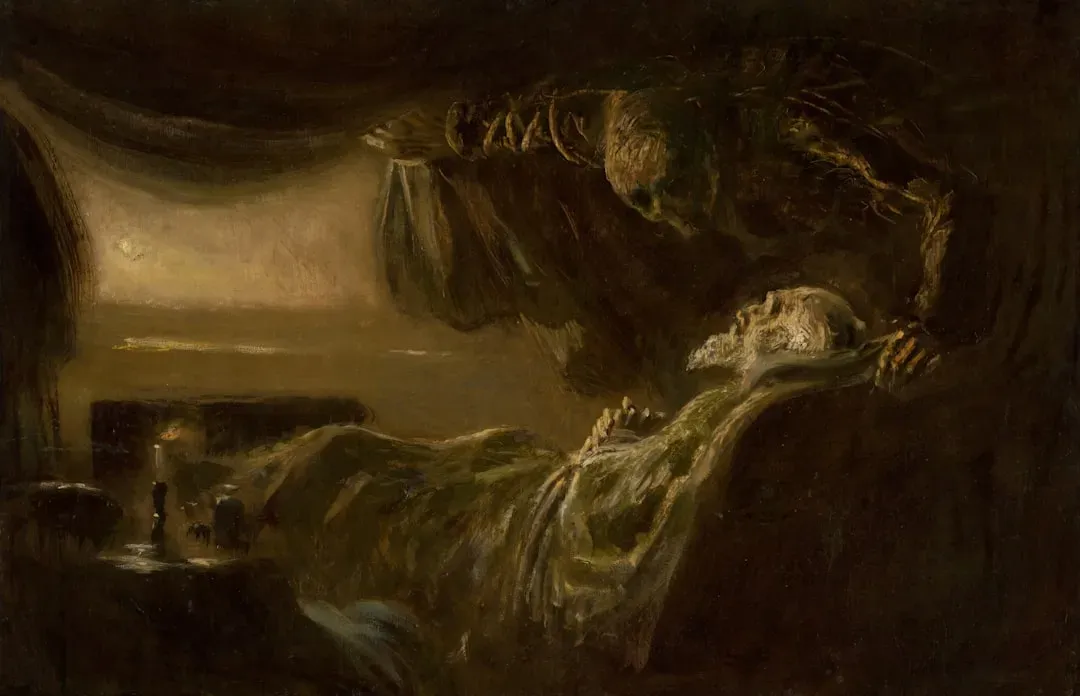
When you compare near-death accounts from different parts of the world, you notice how much your cultural background shapes the details. If you grow up in a Christian setting, you might describe figures that sound like angels; if you are raised in a Hindu or Buddhist culture, you might see entities that fit those spiritual frameworks instead. Yet underneath the surface imagery, you still find repeating themes: a boundary you cannot cross, a sense of being evaluated, and the feeling of being sent back because your time is not yet over.
This suggests that what you see may be filtered through your expectations and symbols, even if the raw experience has some common underlying process. Just like a dream can weave in pieces of your daily life while your deeper emotions do the real work, a near-death event may grab whatever images you already carry in order to give shape to a powerful inner transformation. When you remember that, you are less likely to argue over whose religious version is “right” and more likely to ask what these patterns say about the way your mind handles crisis, identity, and the possibility of meaning beyond survival.
Do Near-Death Experiences Point Beyond The Brain?
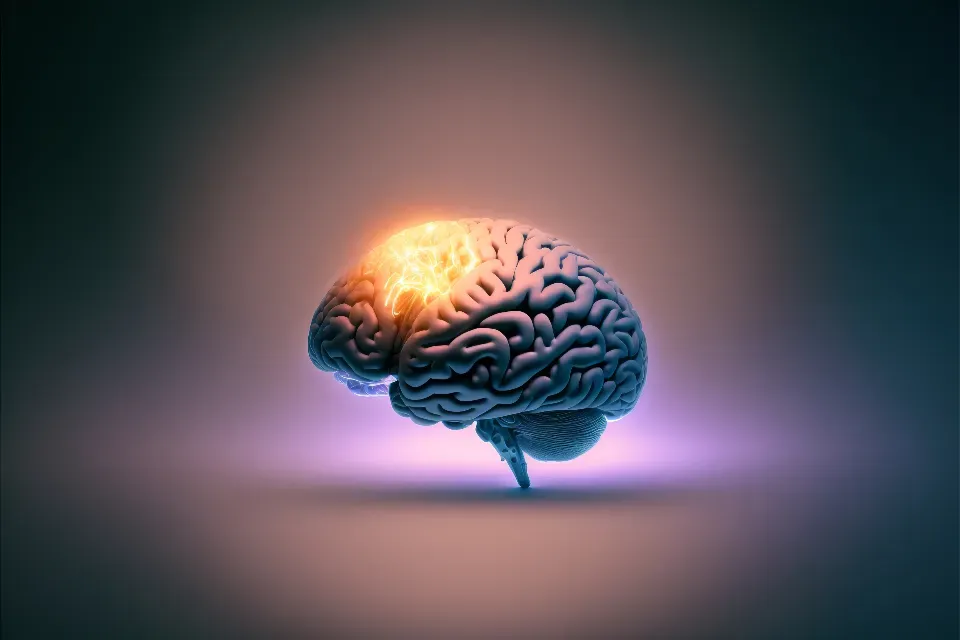
You might feel a strong pull to see near-death experiences as evidence that consciousness can exist without a functioning brain. After all, some accounts appear to occur when brain activity is near flat, and people sometimes report verifiable details they should not have been able to perceive. A few researchers argue that this hints at consciousness as something more like a fundamental field that your brain taps into, rather than a thing your brain strictly produces, a bit like how a radio tunes into signals instead of creating the broadcast itself.
On the other hand, when you look at the data critically, timing is often hard to pin down precisely, and even minimal residual brain activity might be enough to generate intense experiences. Your memory for when exactly you felt or saw something can be unreliable, especially around trauma. So while you can say near-death experiences raise serious questions and offer intriguing anomalies, you cannot honestly claim they prove that consciousness survives death. You sit with a tension: the brain-based explanations cover a lot, but not every detail, and the idea of a mind that stretches beyond the physical remains an open, tantalizing possibility rather than settled fact.
How A Near-Death Experience Can Change Your Life
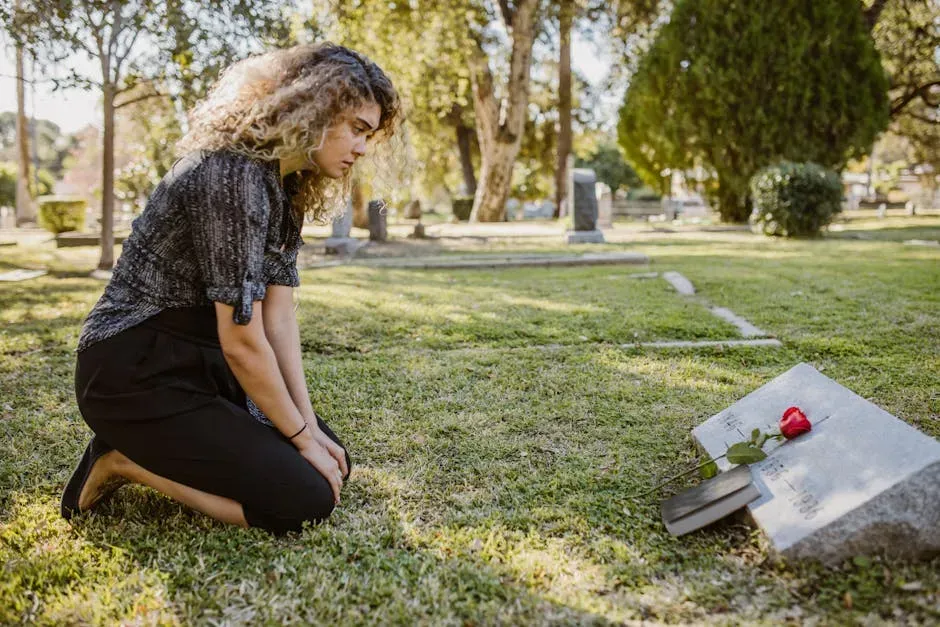
Regardless of where you land on the brain versus beyond-brain debate, you cannot ignore the aftershocks these experiences send through a person’s life. If you go through one, you are more likely to describe a deep drop in your fear of death, a stronger sense that your life has a purpose, and a renewed focus on relationships over status or possessions. Many people say they feel more compassionate, more sensitive to others’ pain, and less interested in rigid dogma, even if they become more spiritual overall.
From a psychological point of view, you might see this as a powerful form of post-traumatic growth: you stare directly at your mortality, feel something that shatters your usual assumptions, and then rebuild your life around what matters most to you. Even if every element could be explained inside the skull, the outcome in your everyday choices is very real. You may find yourself asking different questions, choosing different battles, and measuring success less by what you accumulate and more by how you show up for the people around you.
What Near-Death Research Really Tells You About Consciousness

When you step back from the drama of tunnels and lights, what do these experiences actually tell you about consciousness? First, they show you that your conscious world can remain structured, meaningful, and vivid even when your brain is under extreme threat. That alone hints that your sense of self and reality is more flexible than you might assume, capable of reorganizing itself in ways you normally never see. It also pushes you to recognize that your everyday waking state might be only one version of what your mind can do.
Second, they confront you with unanswered questions that keep both skeptics and believers up at night. You see strong evidence that the brain plays a central, powerful role, but you also bump into edge cases that are not easily dismissed and that hint at layers of mind you do not yet understand. In the end, near-death experiences invite you to hold two ideas at once: your consciousness is deeply tied to your biology, and yet its full nature might be stranger, wider, and more mysterious than any current theory captures. Living with that mystery may be part of what it means for you to be conscious at all.
When you put it all together, near-death experiences act like a mirror held up to your deepest assumptions about who you are and what it means to be alive. Whether you see them as the brain’s final fireworks or as a window onto another level of reality, they push you to take your inner life more seriously, to question the limits you take for granted, and to treat your remaining time as something fragile and precious. You may never get a laboratory-proof answer to what happens when you finally cross that boundary, but you can let the question change how you live right now – if you nearly died tomorrow, what part of your life would suddenly matter most to you?