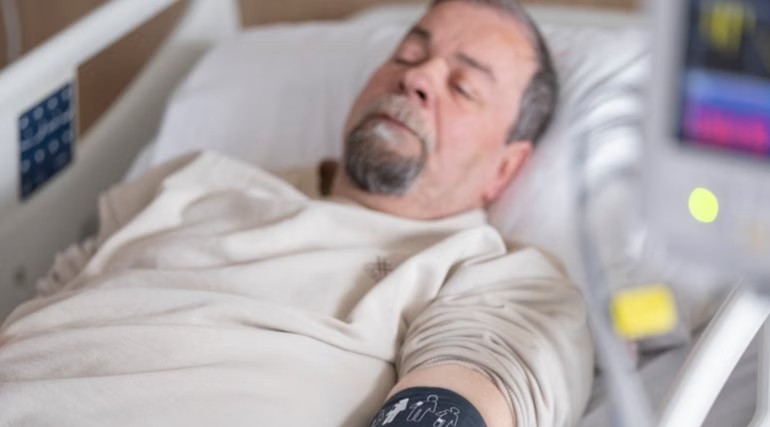

You probably imagine death as a single moment, like a switch flipping off. In reality, what happens right after clinical death is more like a chaotic, desperate negotiation inside your body. Some cells give up quickly, others hang on, and for a short window, your body is fighting a silent, invisible battle you never feel. When doctors declare clinical death, it usually means your heart has stopped and you are no longer breathing on your own. But inside you, a lot is still happening. Chemical reactions keep going for minutes. Some cells stay alive. And under the right conditions, medical teams can sometimes drag you back from that edge. Understanding what actually happens in those first few minutes can change how you think about life, death, and that strange in‑between space.
The Moment Your Heart Stops: Clinical Death Defined
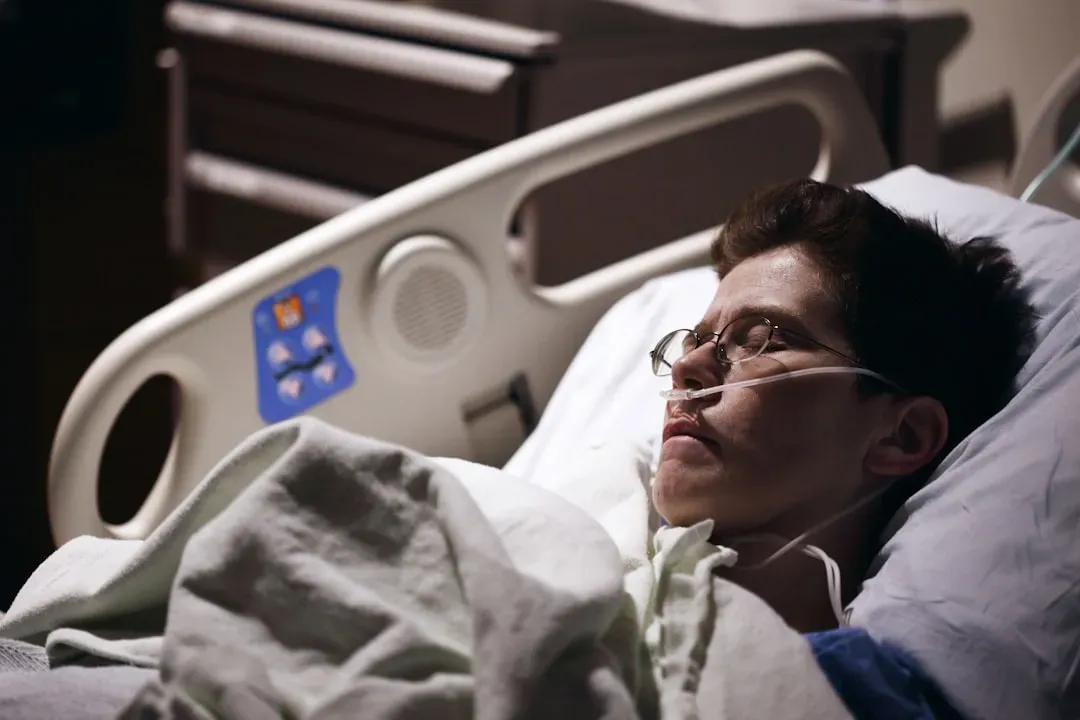
The moment your heart stops beating, blood no longer moves through your body. This is what doctors usually mean when they say you have reached clinical death: there is no heartbeat, no effective breathing, and no measurable circulation. From the outside, you look still, pale, lifeless; from the inside, every organ is suddenly cut off from its energy supply.
You might think everything shuts down instantly, but that is not quite true. Clinical death is more of a threshold than a final wall. Your heart is silent, but the rest of your body does not vanish in that moment. For a short time, you are in a kind of biological limbo, where some systems have failed, but many processes are still running on whatever fuel they have left.
Oxygen Cutoff: Your Brain’s Race Against the Clock
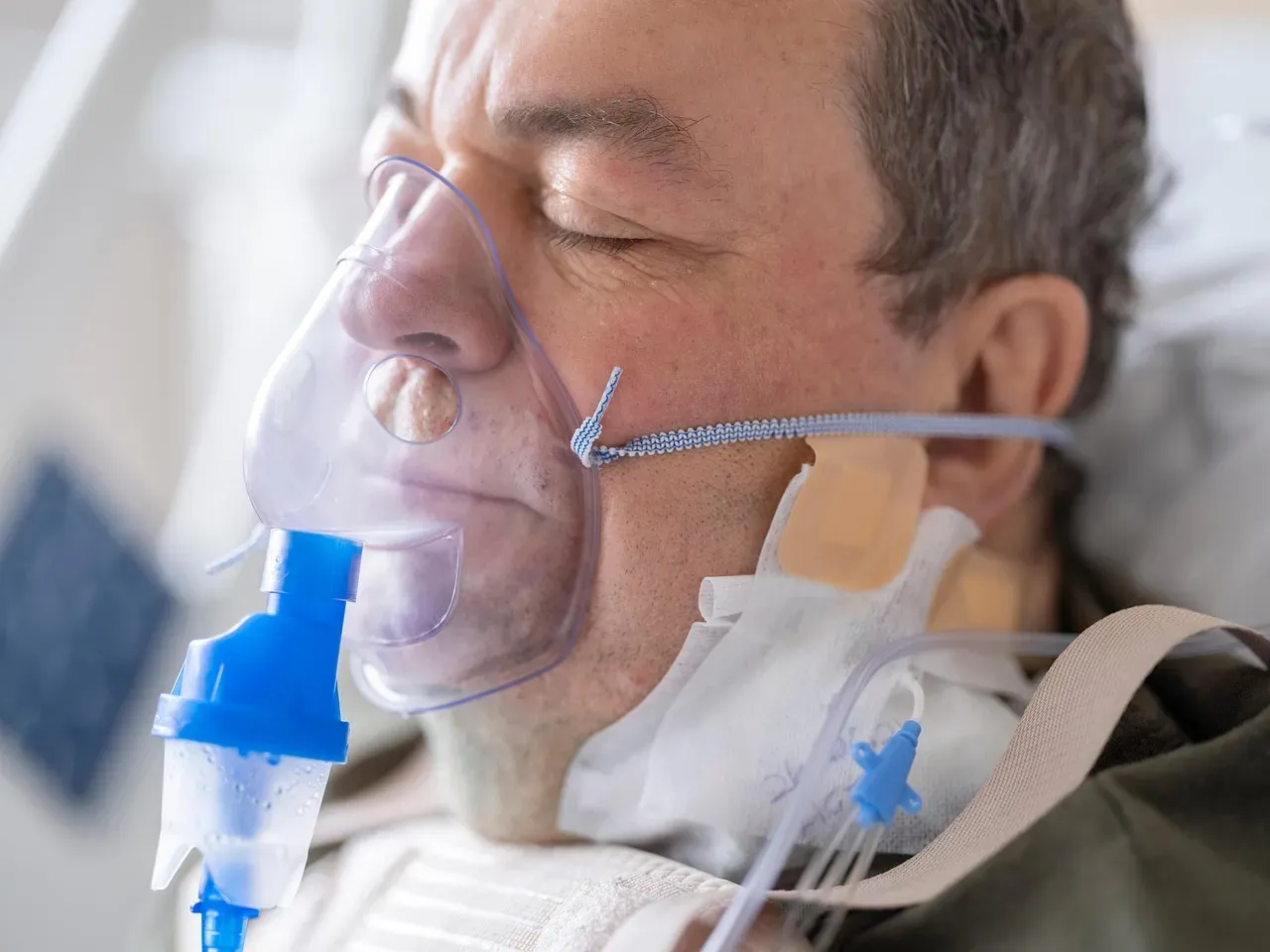
As soon as your heart stops, blood no longer delivers oxygen to your brain. Within a few seconds, if you were conscious, you would black out. The brain is greedy; it uses a lot of your body’s oxygen and energy even when you are just lying still. Without fresh oxygen, nerve cells in your brain begin to malfunction almost immediately.
After several minutes without oxygen, some brain cells start to die and may not recover, which is why every second counts during resuscitation. But it is not an instant, all‑or‑nothing event. Different parts of your brain have slightly different tolerances. Some areas, especially those involved in memory and higher thinking, are more vulnerable, while more basic structures can hang on a bit longer. That is why, in rare cases, people can be revived after many minutes and still regain some or even most brain function, especially if the brain was cooled or protected in some way.
Inside Your Cells: The Energy Crisis Begins
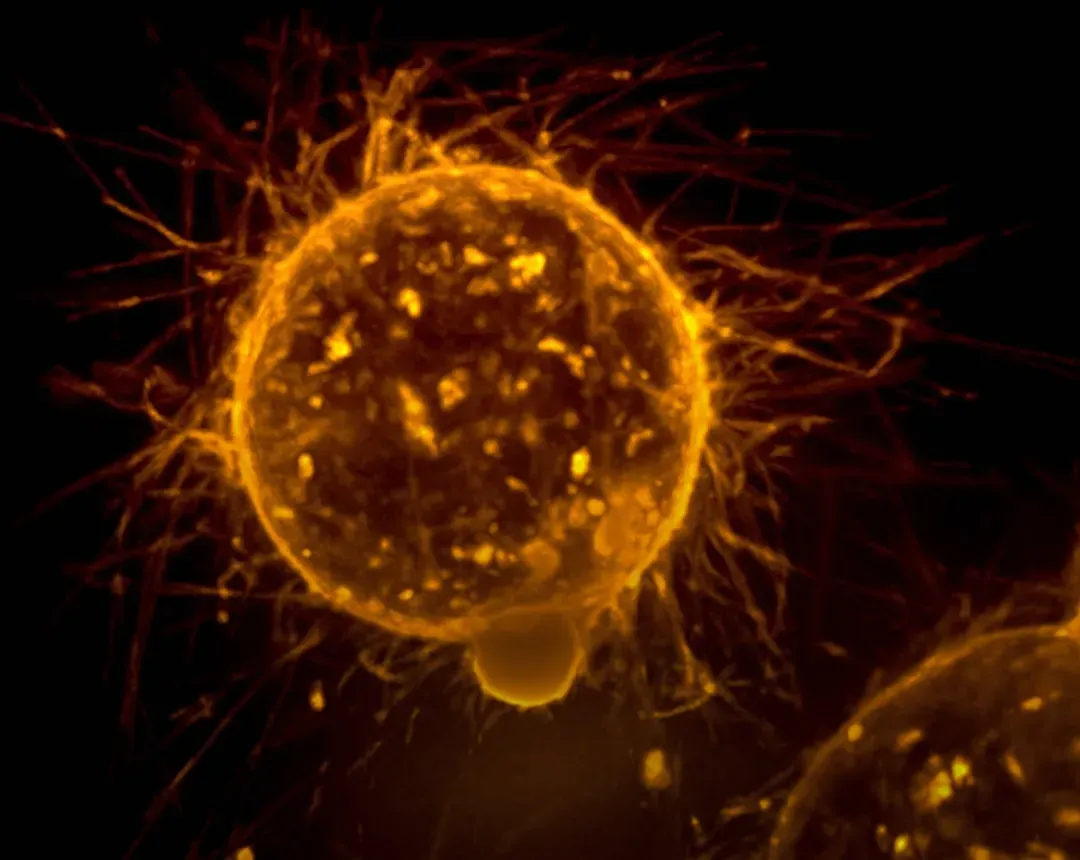
At the microscopic level, clinical death feels like a sudden power outage. Your cells normally use oxygen to create energy in the form of molecules that keep everything working, from muscle contractions to thought processes. When the oxygen stops, that energy production stalls almost immediately, and your cells are forced into emergency survival mode.
Without enough energy, the delicate balance of salts and fluids across cell membranes breaks down. Pumps that normally keep sodium, potassium, and calcium in carefully controlled amounts begin to fail. It is like a factory losing electricity: machines grind to a halt, backup systems kick in briefly, and then everything starts to overheat and break if power does not come back soon.
The First Few Minutes: Reversible vs. Irreversible Damage
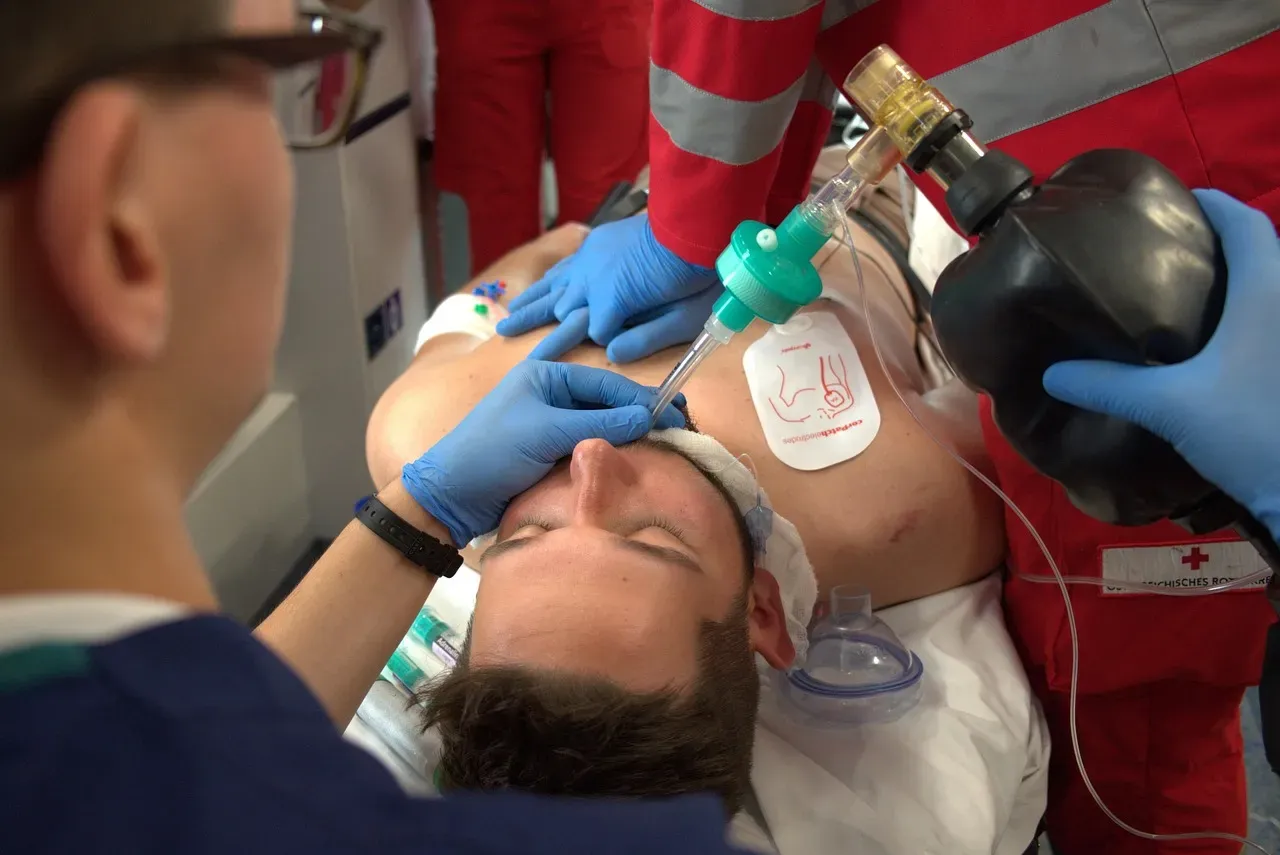
In the first minute or two after clinical death, a surprising amount of the damage inside your body is still reversible. If circulation and breathing are restored quickly – through CPR, defibrillation, or advanced medical support – many cells can recover and go back to normal function. This is the window that emergency teams are trying to seize when they move so fast.
As the minutes pass, however, the lack of oxygen and energy triggers a cascade of changes you cannot just “turn off.” Cell membranes start to leak, toxic by‑products build up, and fragile structures inside the cells begin to fall apart. At some point, the damage becomes irreversible, and that is when clinical death progresses toward what doctors call biological or brain death, when recovery is no longer possible.
Why Some Cells Die Fast and Others Keep Going
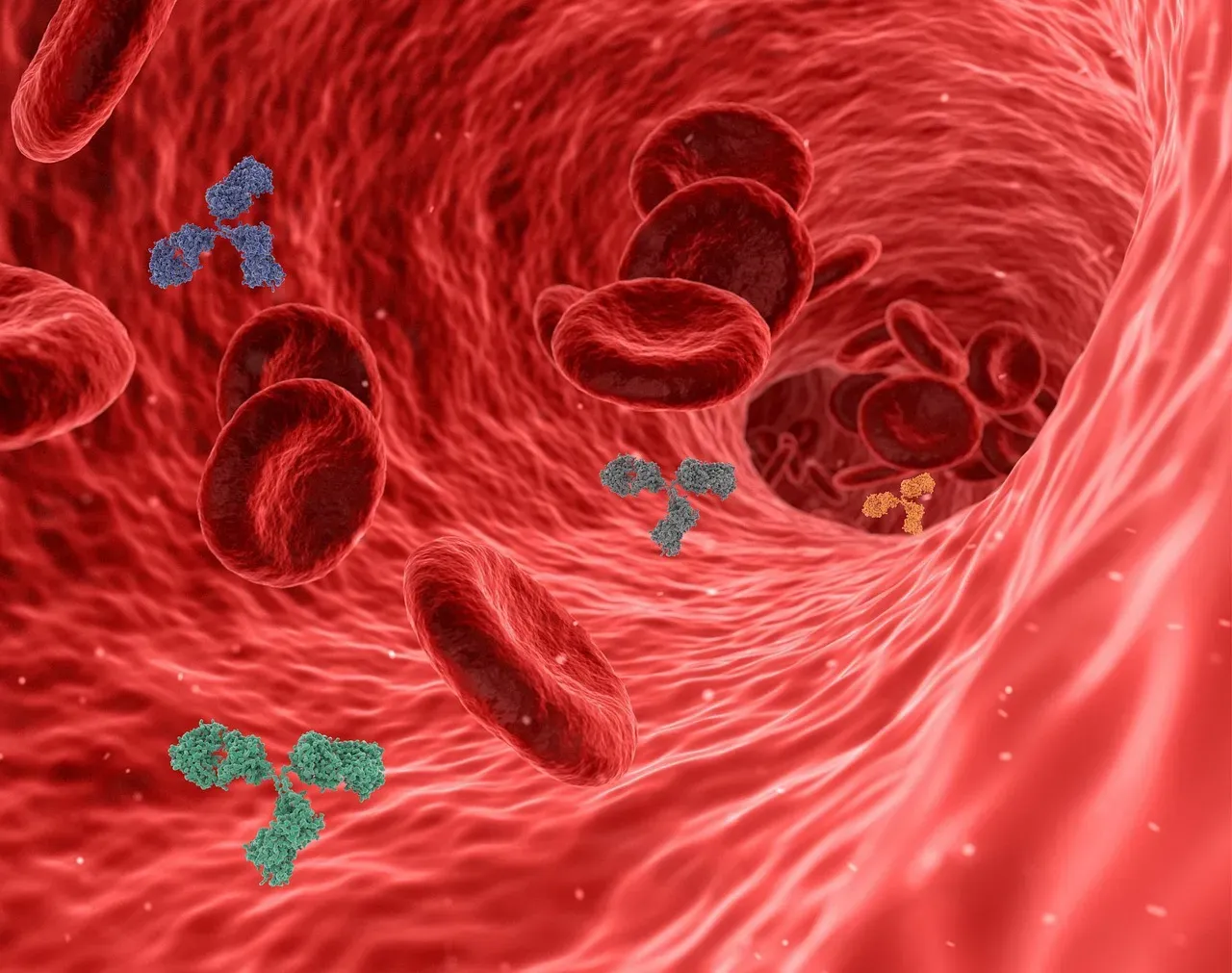
Not every part of your body dies at the same speed. Some tissues, like the brain and heart, are extremely sensitive to oxygen loss and can start to suffer severe damage within minutes. Other tissues, like skin, connective tissue, and parts of your muscles, are far more tolerant and can stay viable for a longer time, especially if the temperature is low and metabolism slows down.
This difference is why organ donation and certain life‑saving procedures are even possible. For example, under controlled conditions, some organs can still be transplanted after your heart has stopped for a while, because their cells have not yet completely broken down. You can think of your body like a city hit by a sudden blackout: some critical systems fail quickly, while others can keep functioning on backup power for a surprisingly long time.
Electrical Silence and Strange Activity in the Brain
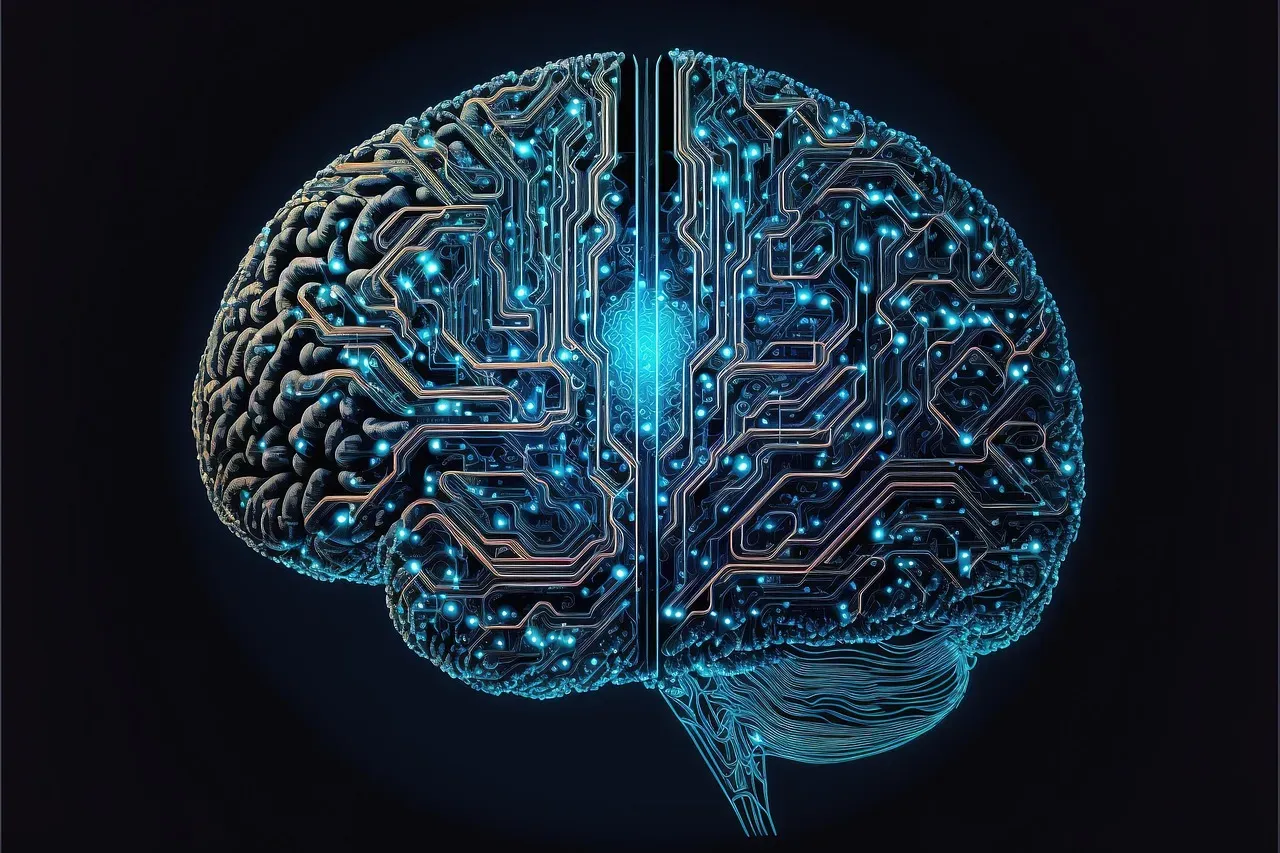
When your heart and breathing stop, the electrical signals in your brain do not instantly flatline. For a short time, neurons may fire erratically as the chemical balance in and around them starts to fail. Some research suggests that under these extreme conditions, your brain may even show brief surges of organized activity before fading, although exactly what that means for your awareness or experience is still being studied.
Eventually, as oxygen deprivation continues, the brain’s electrical activity slows, then becomes disorganized, and finally becomes too faint to detect with standard equipment. At that point, from a clinical perspective, your brain is considered nonfunctional. Yet at the microscopic level, not every neuron is instantly gone. Some cells cling to life for a while, which is why rapid cooling or immediate resuscitation can sometimes preserve parts of brain function you might assume were already lost.
When Medical Teams Fight Back: CPR and Defibrillation
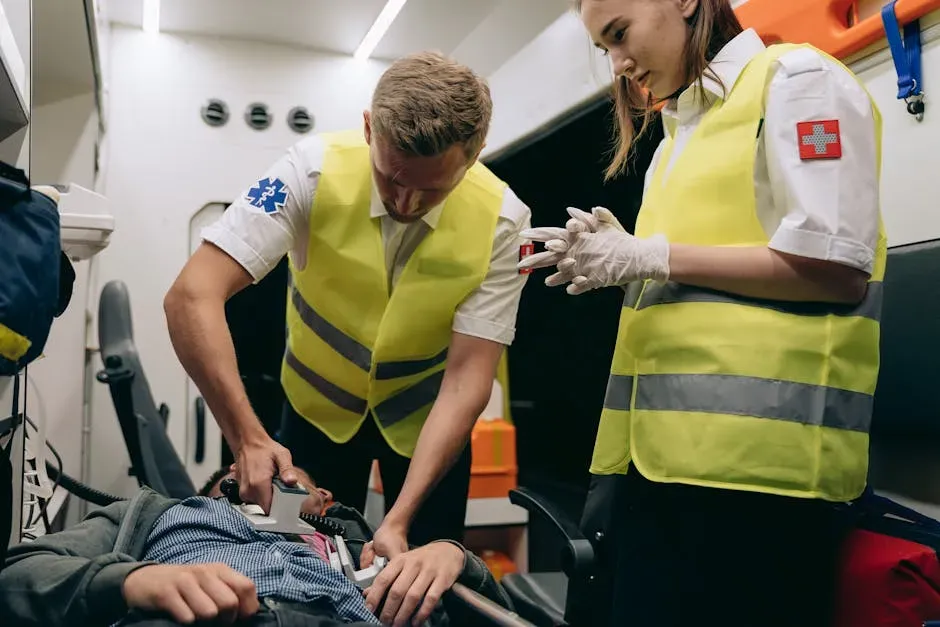
Right after clinical death, if someone starts effective CPR, they are essentially acting as a manual heart and partial lung for you. By pressing on your chest and giving breaths, they push at least some blood and oxygen to your brain and organs. It is rarely as good as a natural heartbeat, but it can slow down the wave of damage and buy precious minutes until more advanced help arrives.
If your heart’s problem is a certain type of abnormal rhythm, a defibrillator can deliver a controlled electric shock to reset it. From the inside, that shock is not “jump‑starting” a dead heart so much as interrupting chaotic electrical activity so the heart’s normal rhythm can resume. If enough cells in the heart are still alive and capable, your heartbeat can restart, circulation can return, and some of the internal chaos triggered by clinical death can begin to reverse.
The Transition Toward Biological Death
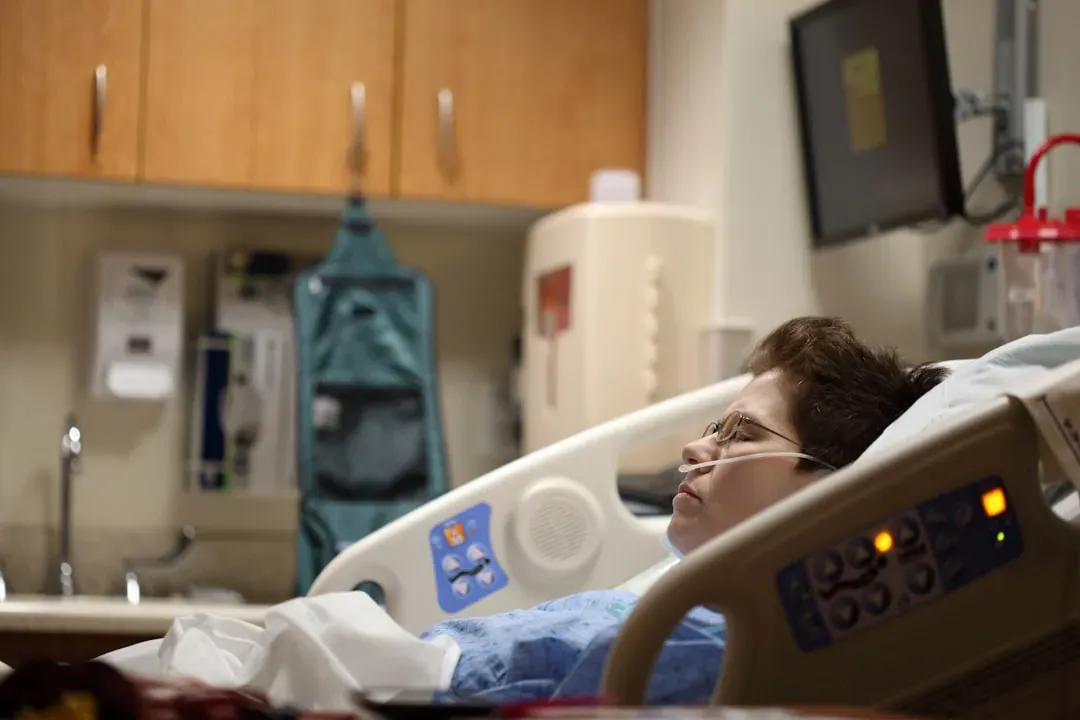
If circulation is not restored, the damage inside your body continues to spread. Cells start to burst or fall apart, and enzymes from inside them leak out and begin digesting nearby tissues. Over time, this breakdown becomes obvious from the outside as stiffness sets in and then, later, the early stages of decomposition begin. By then, the line between life and death is no longer blurry; your body has crossed firmly into biological death.
You might find it unsettling, but also strangely grounding, to know that death is less of a single instant and more of a process. During clinical death, your body is trying, in its own quiet way, to survive. That struggle, and the short window where it can be helped from the outside, is what modern emergency medicine is built around.
Conclusion: A Narrow Window Between Life and Death
When you zoom in on what happens right after clinical death, the picture is both fragile and astonishing. Your heart has stopped, your breathing is gone, and from the outside it looks like everything is over – but deep inside, your cells are still fighting, your brain is racing against time, and modern medicine sometimes has just enough leverage to pull you back. That narrow window, measured in minutes, is the difference between a final goodbye and a second chance.
Understanding this process does not make death less serious, but it does make it less mysterious. It shows you how much your body wants to live, and how crucial quick action can be when a heart stops. Next time you see a defibrillator on a wall or hear about CPR training, you will know exactly what is at stake in those first few minutes after clinical death – did you ever realize how much is still happening when everything looks completely still?