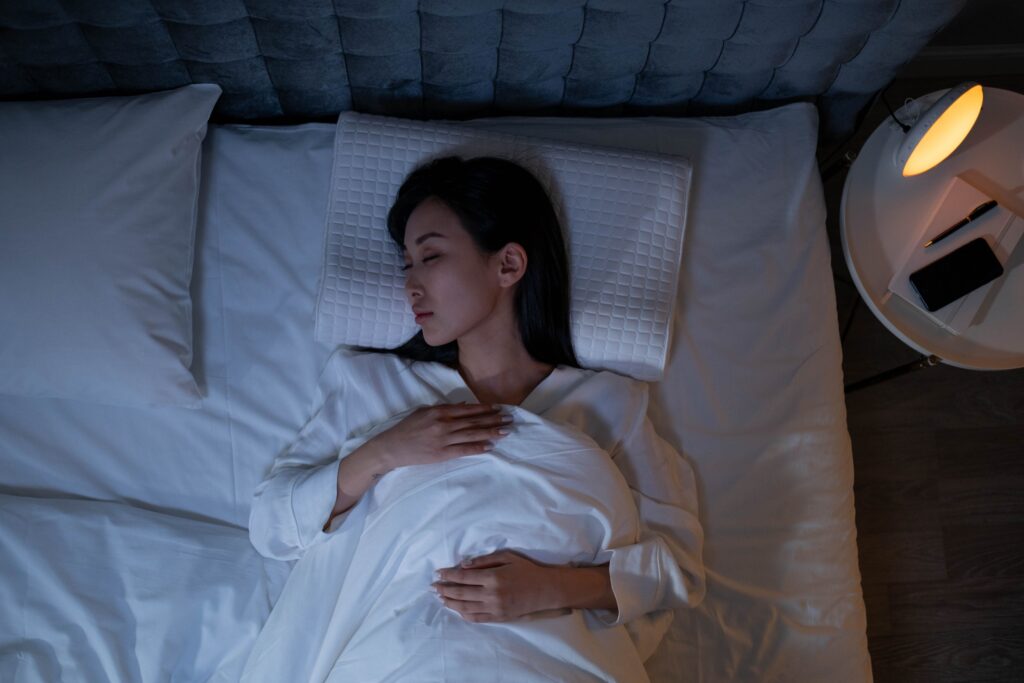
Think about the last time you turned out the lights for bed. Did you feel calmer the darker the room got, or did your chest tighten the moment the room went pitch black? That tiny preference – blackout curtains versus a glowing night-light – might say more about your nervous system and past experiences than you realize.
Neuroscience is increasingly showing that how we like to sleep is not just a quirky habit. It is tightly connected to how our brain handles safety, fear, and unresolved stress. While the research is still developing, what scientists do understand about trauma, arousal, and light sensitivity paints a fascinating, nuanced picture. Let’s unpack what might really be going on in the brains of people who crave total darkness versus those who feel better with a bit of light.
The Brain’s Safety System: Why Darkness Feels Comforting to Some and Threatening to Others
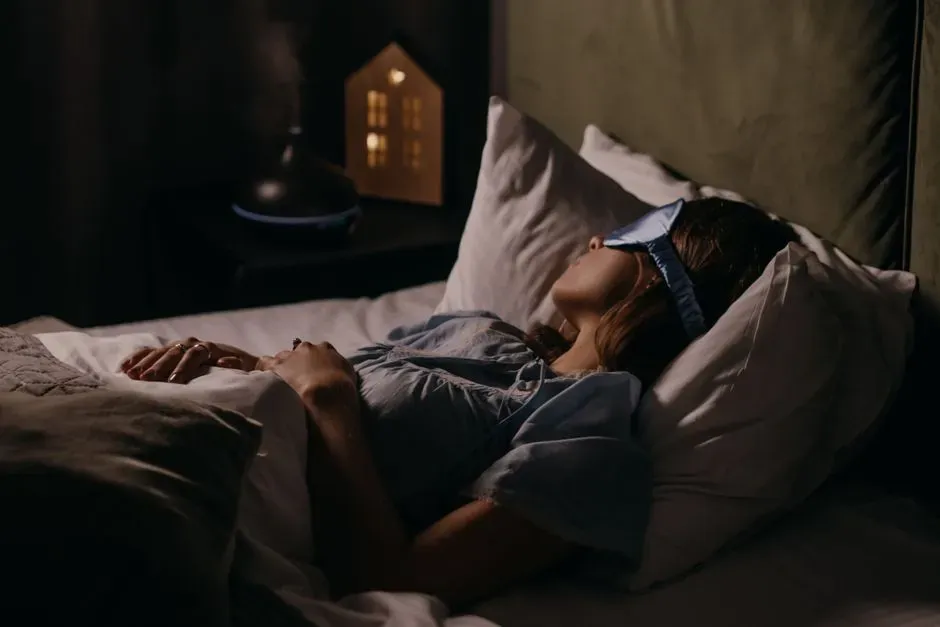
Here is the surprising part: darkness itself is not calming or scary. It is neutral. What changes everything is the brain’s internal threat detector, especially structures like the amygdala and the hippocampus. If your nervous system is wired to feel mostly safe in your environment, darkness can actually signal that it is time to stand down, power off, and go inward. For some people, turning off all lights feels like closing the lid on the outside world so they can finally rest.
But for others – especially those whose brains learned early on that danger often came at night or in unpredictable ways – full darkness can feel like blindfolding yourself in a room you do not fully trust. Their threat system goes on high alert, scanning for sounds, shadows, potential intruders, or even intrusive thoughts. That is why a small light can act like a psychological anchor, a signal to the brain that it is not completely helpless or cut off from the ability to check what is happening around them.
Hypervigilance vs. Collapse: Two Very Different Trauma Patterns in the Dark
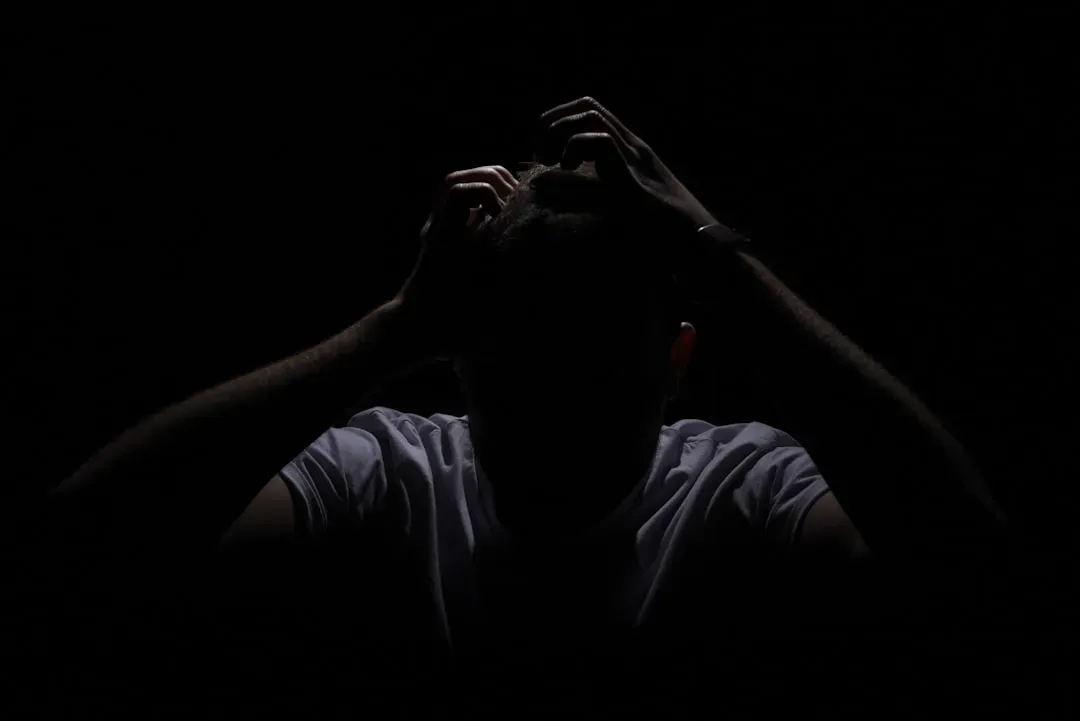
Trauma researchers often talk about hypervigilance on one side and shutdown or collapse on the other. If your nervous system leans toward hypervigilance, you are the person who startles easily, checks the door twice, and sleeps lightly. Sleeping with a lamp, TV glow, or hallway light on can be the brain’s way of saying, “I need to remain ready.” That faint light supports constant scanning, even while you rest, so a part of you never fully goes offline.
On the other hand, some people with a trauma history lean more toward shutdown. They feel emotionally numb, drained, or exhausted a lot of the time. For them, complete darkness can be almost like a sensory cocoon – fewer sights, fewer triggers, fewer reminders of whatever their system associates with danger. Darkness becomes a way to disappear and reduce stimulation, not to watch for threats. These are not moral differences or personality flaws; they are just different ways a survival system has learned to cope.
Light, Cortisol, and Melatonin: How Biology Meets Emotional History
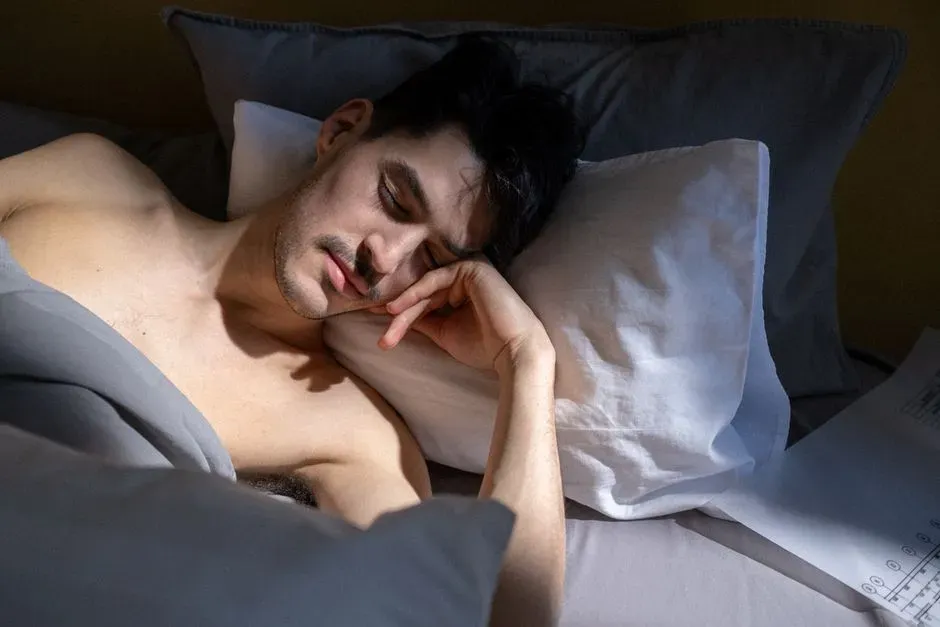
Biologically, we know that darkness triggers melatonin release and supports deeper, more restorative sleep, while light – especially harsh or blue light – suppresses melatonin and keeps the brain more alert. That is why sleep experts usually recommend a cool, dark room at night. So if you are someone who insists on blackout curtains and zero light leak, part of that preference might simply be your body trying to optimize sleep hormone rhythms and brain repair.
But emotional history can twist that biology in different directions. If your trauma has made your nervous system suspicious of any state that feels like “letting go,” deep sleep might feel risky, even if your body needs it. In that case, you may unconsciously use light as a way to hold yourself closer to wakefulness. It is as if your brain is negotiating with your body: “You can rest a little, but not so deeply that we cannot react if something bad happens.” That internal tug-of-war shows up in something as ordinary as whether you plug in a night-light.
Darkness Lovers: When Complete Blackout Is a Form of Emotional Armor
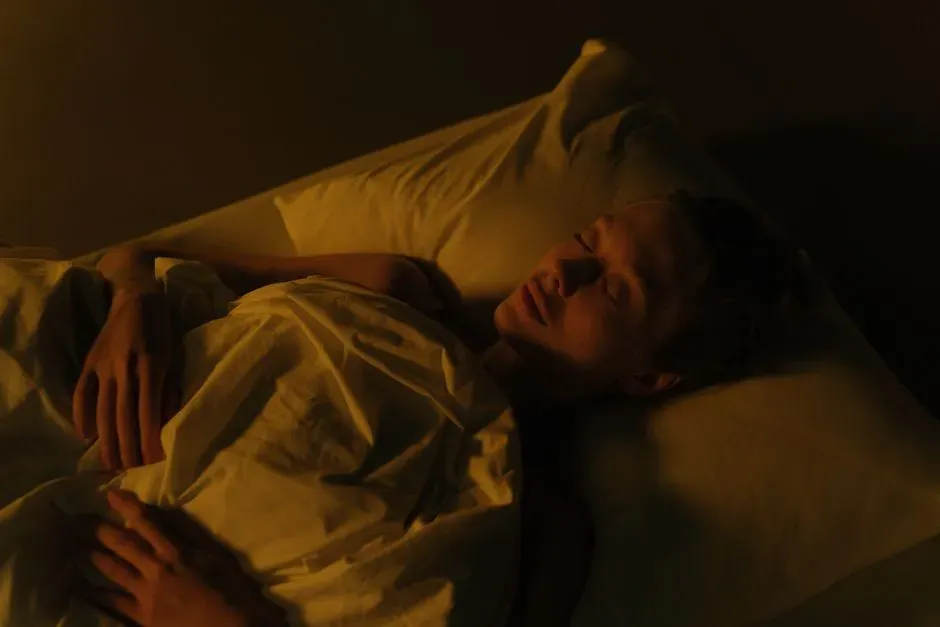
People who fiercely protect their sleep cave – tape over LEDs, invest in blackout curtains, banish screens – are often framed as simply “good sleepers.” But sometimes that drive for complete darkness is not just about wellness routines; it can be an emotional defense. For some, darkness allows them to shut out reminders of a chaotic home or an overwhelming life. No visual clutter, no flickering screens, no hints of the outside world pushing in. Just void.
In that void, the brain can finally downshift from constant social performance or emotional labor. If your waking life feels overexposed, total darkness at night can feel like pulling a thick blanket over your psyche. It is not always consciously about trauma, but it often overlaps with people who have had to be “on” all day long for survival – emotionally, socially, or professionally – and use the dark as the only place where no one can see, judge, or demand anything from them.
Light-Seekers: When Night-Lights Are More Than Just a Childhood Habit
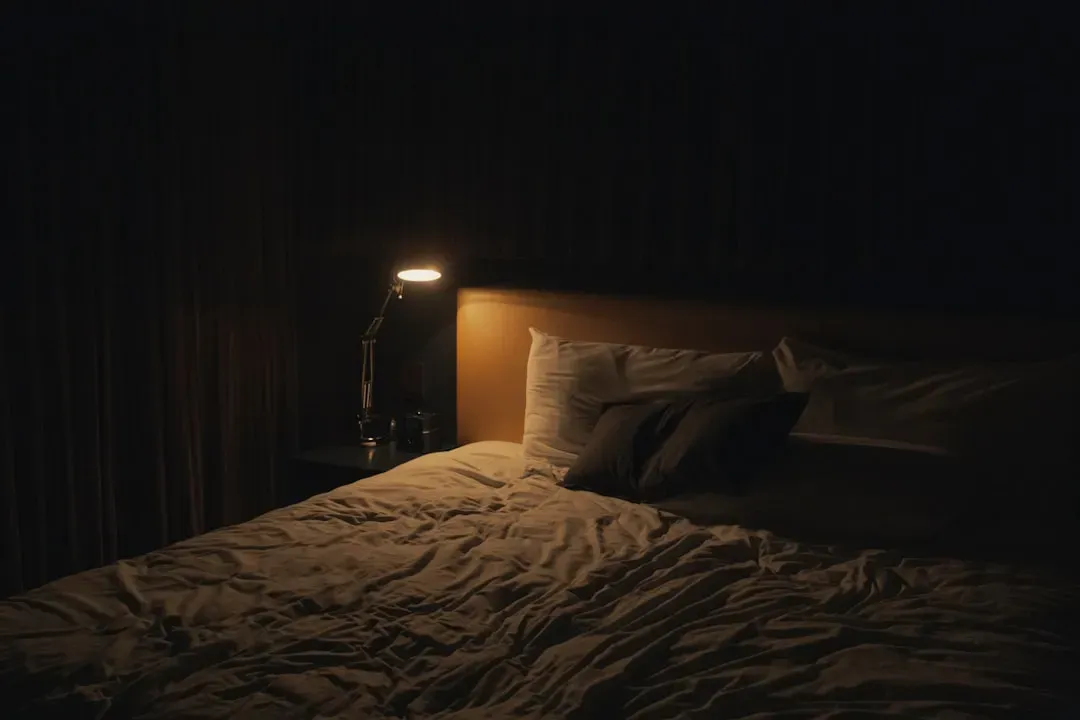
Needing a lamp, TV glow, or night-light well into adulthood is often dismissed as childish or irrational, but there is usually a logic under it. If your nervous system was shaped in environments where danger, conflict, or unpredictable behavior happened behind closed doors or at night, darkness might be wired together with memories of helplessness. A bit of light gives you a sense of power: you can see the door, the window, the corners of the room. You are not stuck in the unknown.
There is also something grounding about light when your mind tends to wander into dark thoughts. People who struggle with panic at night, intrusive memories, or racing anxiety often say that leaving a light on helps them feel less alone in their own head. The light is not just about the room; it is about not being swallowed entirely by inner images and fears. In that sense, keeping a light on can be a perfectly understandable trauma-informed adaptation, not a weakness.
Childhood Bedrooms, Adult Brains: How Early Experiences Shape Night Preferences
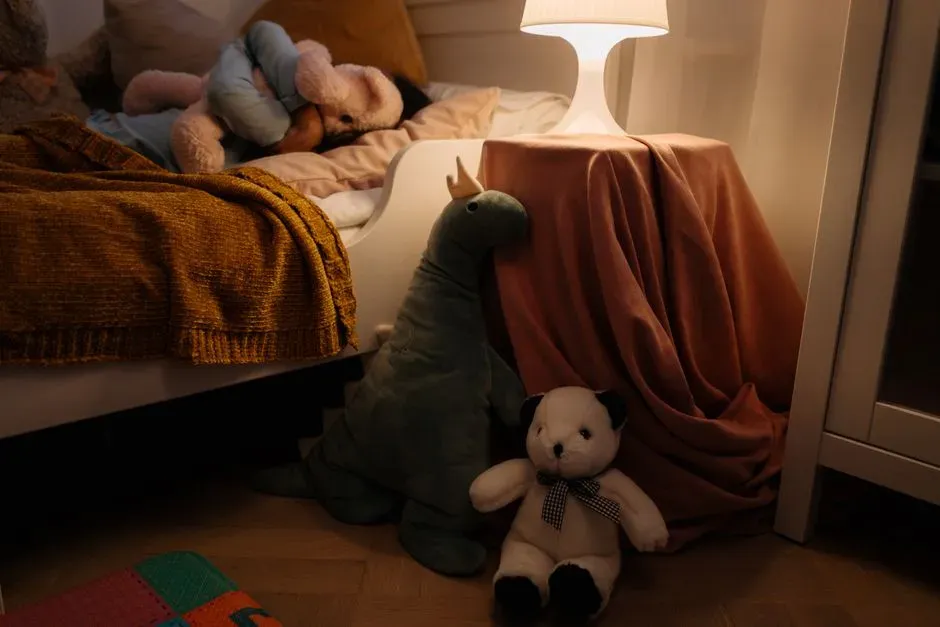
Our first experiences of night and sleep usually happen in childhood bedrooms, which are not always gentle environments. Maybe you grew up in a noisy home where arguments flared after dark, or in a neighborhood where sirens and bangs were common. If you were the child who lay there watching the strip of light under the door, listening for footsteps, your brain learned fast that darkness meant “pay attention.” It is no surprise if your adult self now insists on seeing the room at all times.
Conversely, if your childhood nights felt safe – a closed door, calm voices, predictable routines – full darkness might register as neutral or even cozy. If you also learned that nobody came into your room unexpectedly, darkness could become a symbol of privacy and control. The twist is that two adults, both with trauma in their past, can end up on opposite sides: one clinging to darkness to block out the world, the other clinging to light to monitor it. Same basic story, different nervous-system strategy.
On a more personal note, I still remember realizing as an adult that I slept better in total dark hotel rooms than in my own softly lit bedroom. It forced me to notice how much I was unconsciously keeping myself slightly awake at home “just in case.” That tiny insight – noticing what my body did with light – told me more about unresolved stress than any personality test ever did. Preferences that seem trivial are sometimes the clearest mirrors we have.
What Your Sleep Setup Might Be Telling You (And What It Is Not)
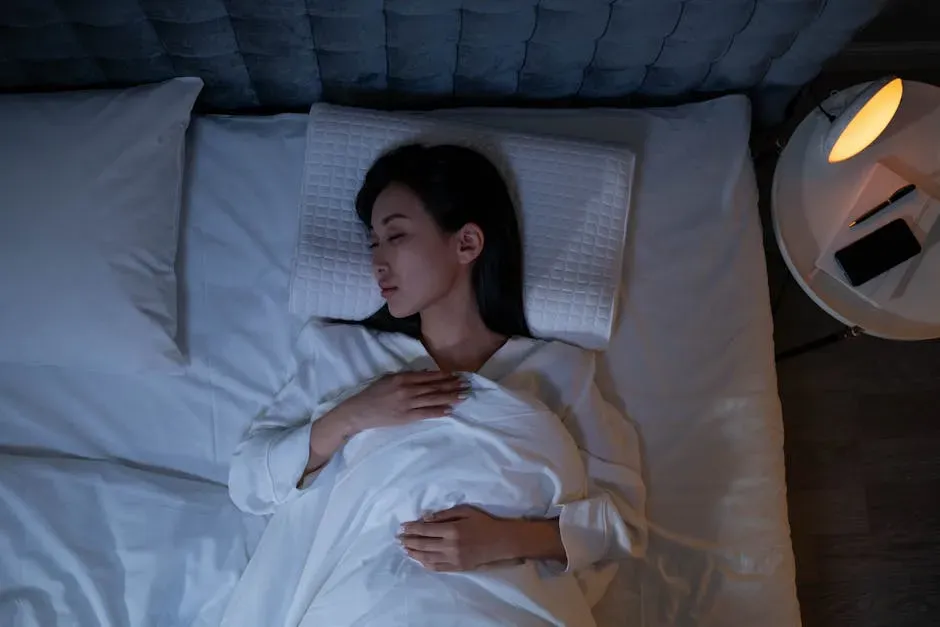
It is tempting to turn all of this into a neat rule like “people who need light are more traumatized” or “people who love darkness have deeper issues,” but the science does not support that kind of black‑and‑white thinking. Many people prefer darkness simply because it biologically supports better sleep, and many people like a little light for reasons as mundane as not tripping over furniture. Trauma is one possible layer in the story, not the entire script.
Still, it can be surprisingly revealing to gently ask yourself: Do I feel safer with more visibility, or with less stimulation? Do I fear what might happen if I fully let go into deep sleep, or do I crave escape from constant sensory and emotional overload? Rather than judging your habits, you can treat them as data points about how your nervous system tries to navigate safety. Sometimes the most compassionate thing you can do for yourself is to listen to these tiny signals without pathologizing them.
Opinionated Conclusion: Your Nighttime Choices Are Coping Strategies, Not Character Flaws
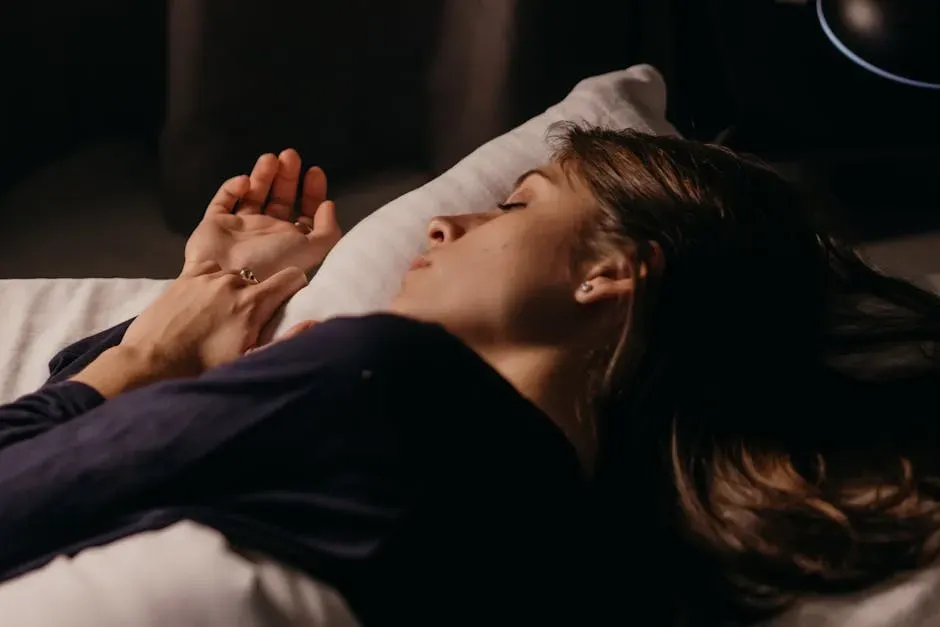
When you zoom out, the whole darkness‑versus‑light debate at bedtime is not really about sleep hygiene; it is about how a human brain learns to survive in a world that has not always been kind. Whether you are a blackout‑curtain loyalist or a night‑light devotee, your setup is likely a clever, hard‑won compromise between biology, memory, and the need to feel even slightly in control. In my view, we should stop treating these preferences as childish, dramatic, or weird, and start recognizing them as quiet trauma adaptations that deserve respect.
So if you need a soft glow to calm your fears, or you need jet‑black darkness to finally exhale, that is not a moral scoreboard of how “healed” you are. It is a snapshot of how your nervous system is currently making sense of safety. You can experiment, work with a therapist, and slowly renegotiate those patterns if you want, but you do not owe anyone a textbook‑perfect sleep environment. Your sleep is allowed to be as complicated, protective, and uniquely human as you are – and maybe the real question is not what your bedroom says about your trauma, but whether you are finally ready to listen to it.