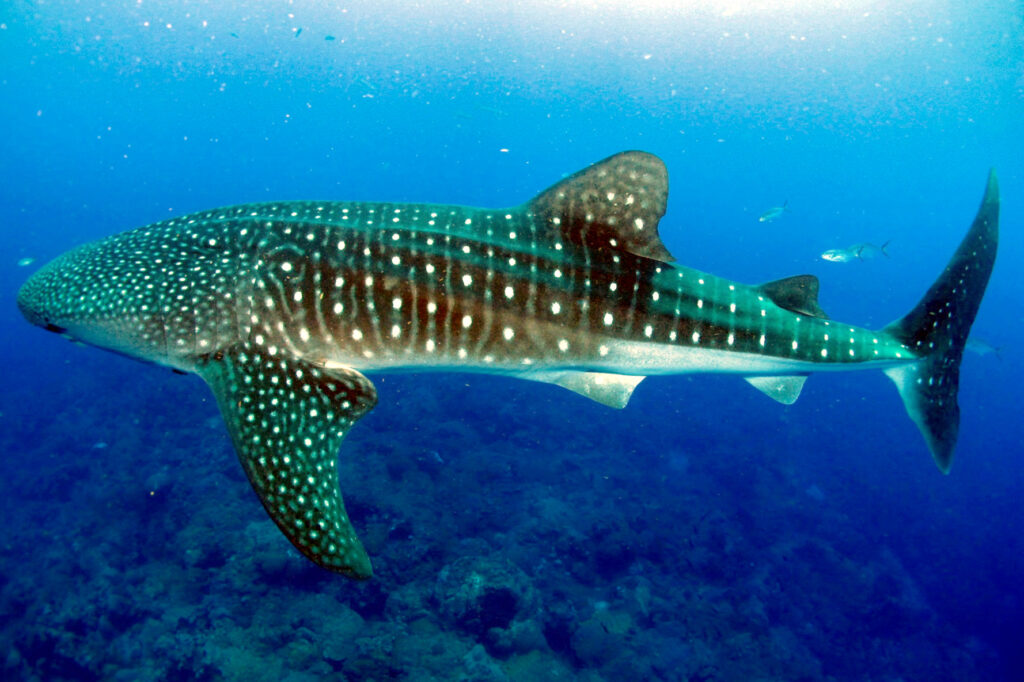
Imagine finning slowly through blue water, thinking you know what to expect, when a spotted giant the size of a bus glides out of the haze, moving with the calm confidence of something that has seen oceans change over millions of years. That is a whale shark. They look gentle and almost cartoonishly friendly, but the reality behind these animals is stranger, more complex, and far more impressive than most people realize.
I still remember the first time I swam alongside one; my brain could not quite process its scale. The closer I’ve looked into the science since then, the more I’ve realized how little we truly know about them – and how often even experienced divers underestimate just how remarkable they are. These are not just big fish; they are living puzzles written in spots and scars. Here are 11 facts that tend to blow people’s minds, even those who already think they have seen it all underwater.
1. Whale Sharks Are The Largest Fish On Earth, But Not Whales
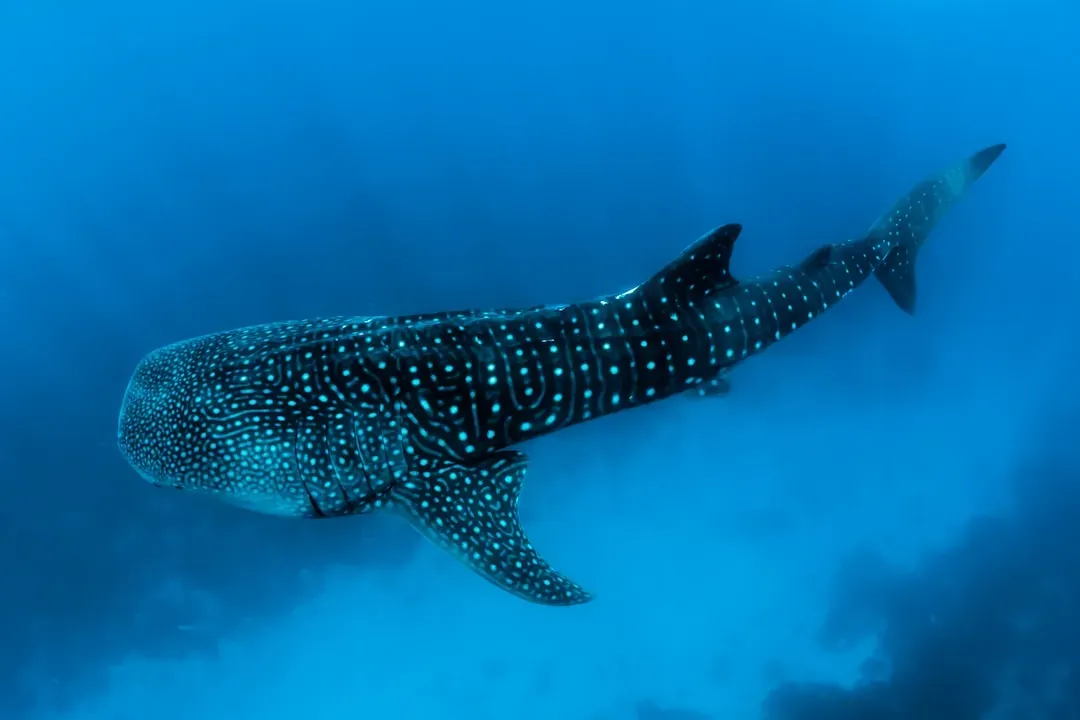
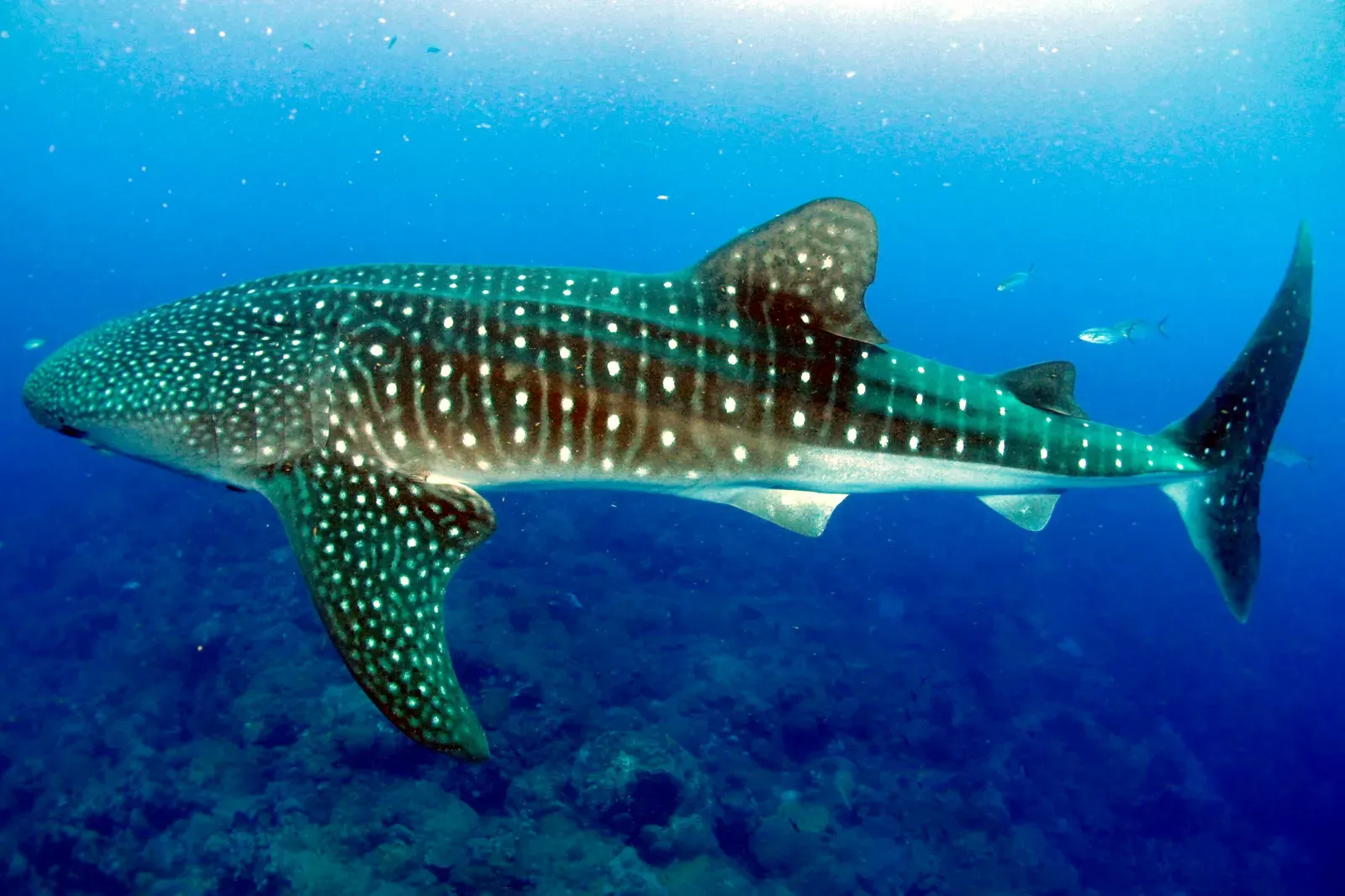
Let’s clear up the biggest misconception right away: whale sharks are sharks, not whales. They are true fish, with gills, cartilage instead of bones, and a tail that moves side to side like other sharks, not up and down like whales. Yet they can grow longer than many buses, with the largest confirmed individuals stretching more than the length of a standard city bus.
That scale hits differently when you’re actually next to one. Divers often say the first instinct is to look for something to compare it to – truck, bus, small plane – because your brain wants a land-based reference. The contrast between their massive size and quiet, slow movements can feel almost surreal, as if the ocean is running in slow motion around them.
2. Their Mouths Are Huge, But Their Throats Are Shockingly Tiny
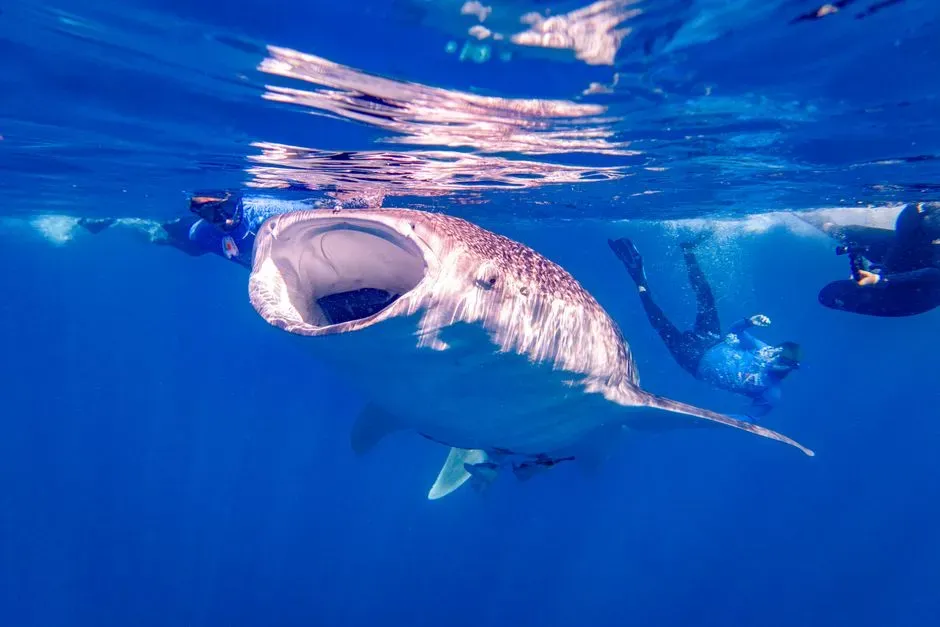
Seeing a whale shark open its mouth is like staring into a moving cave; it can be wider than you are tall. This is where people’s imaginations run wild, especially new divers who briefly wonder if they could get swallowed. In reality, the scary-looking mouth is basically a giant, ultra-efficient filter for tiny food like plankton, small fish, and eggs.
The twist that surprises even seasoned divers is that their throat is surprisingly narrow – far too small to swallow a human, or even a large turtle, whole. Anatomically, they are built for sipping the ocean’s “soup” rather than biting off big chunks. It’s like driving a dump truck that can only accept grains of sand; the machine is enormous, but each load is tiny.
3. Each Whale Shark’s Spot Pattern Is As Unique As A Human Fingerprint
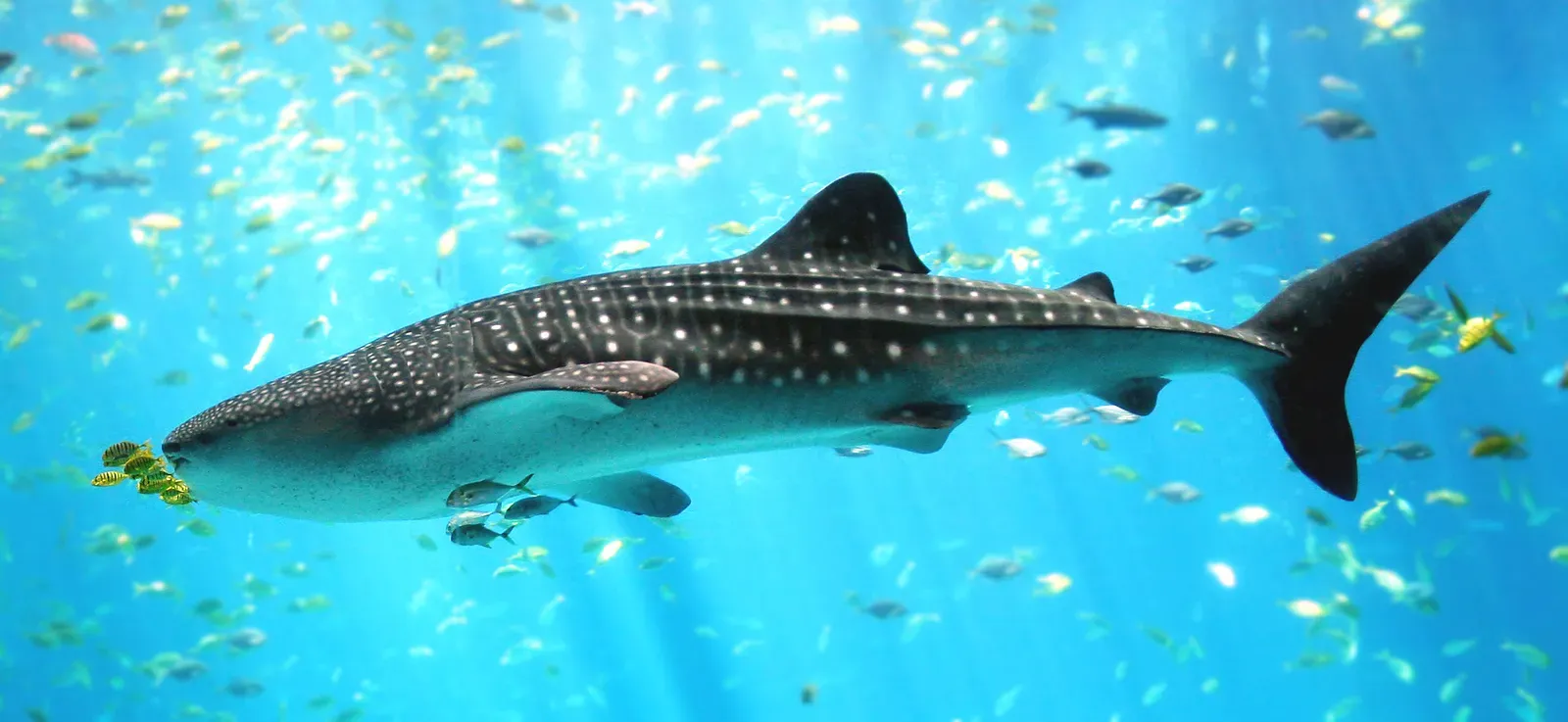
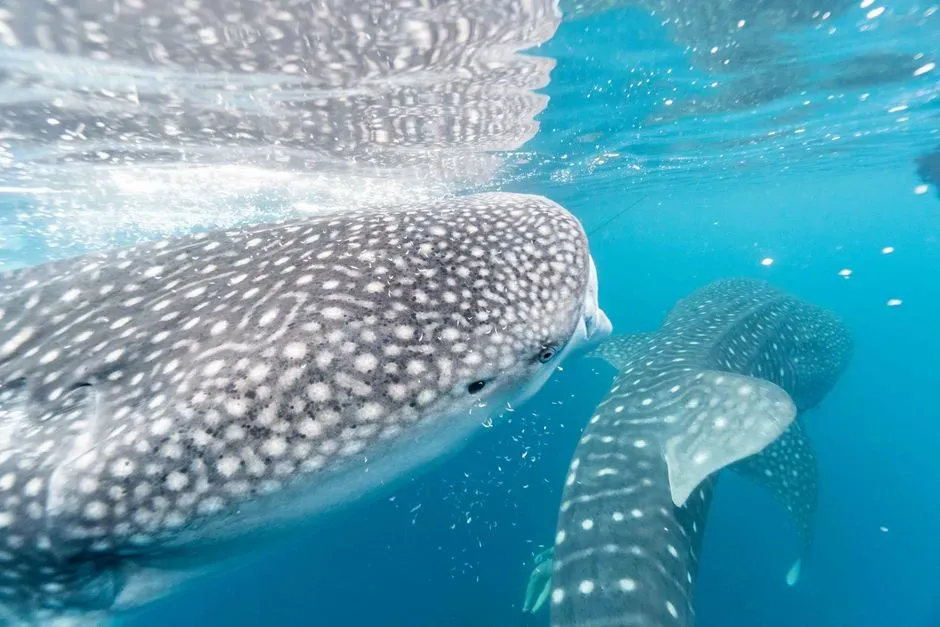
Those beautiful white spots and stripes are not random decoration; they’re individual IDs. Researchers use the unique constellation-like patterns around the gills and behind the pectoral fins to identify specific sharks over time. Specialized software originally developed for mapping stars has even been adapted to match photos of whale shark spots to existing records.
For divers, that means the shark you met on a trip to Mexico might already be in a global database, with a recorded history of where and when it has been seen. There is something quietly emotional about realizing you are not just encountering “a whale shark,” but this specific animal, with a documented travel history and a name or code in a scientist’s notebook somewhere.
4. They Are Filter-Feeding Sharks With Over 3,000 Tiny Teeth They Barely Use
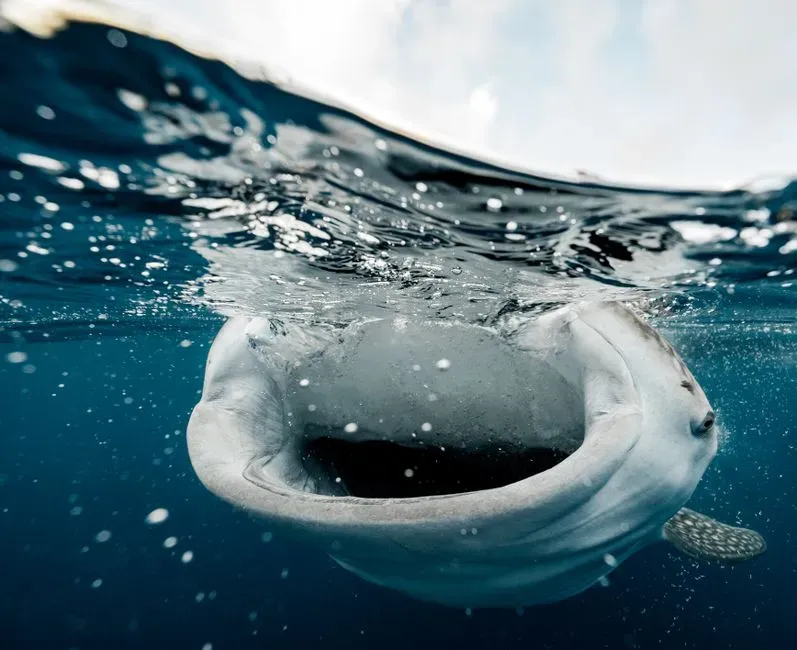
Whale sharks are famous filter feeders, hoovering up clouds of plankton and small fish with open mouths as they cruise along. They use specialized filter pads in their gills to separate food from water, then spit the cleared water back out. In action, it looks oddly like a slow, relaxed vacuum cleaner moving through the sea.
Yet hidden in that massive mouth are thousands of tiny teeth – well over a couple of thousand in total – that do almost nothing for feeding. These teeth are so small they look like rough sand. Scientists still debate their exact role, but in practice, the shark’s entire feeding strategy revolves around straining water, not biting prey. It is like carrying a full set of silverware while happily eating everything with a giant straw.
5. Whale Sharks Can Live For Many Decades – Possibly A Century
Most divers think of sharks as powerful predators, but not many realize how long some of them may live. Whale sharks are slow-growing, late-maturing animals, and evidence suggests they can live for many decades, with some estimates pointing toward lifespans that may approach a human century. That means a large adult you see today could have been silently cruising the ocean before you were even born.
This long life comes with a big emotional weight: animals that take a long time to mature are often especially vulnerable to human pressure. They cannot quickly rebound if too many are lost to ship strikes, fishing, or other threats. When you know you’re looking into the eye of a creature that might have watched coral reefs change color and fish communities shift over half a lifetime, it feels less like a casual encounter and more like meeting an ancient neighbor.
6. Nobody Really Knows Where They Give Birth – Their Maternity Wards Are Still A Mystery
For all our satellite tags, underwater cameras, and drone footage, one of the biggest questions about whale sharks remains almost completely unanswered: where do they actually give birth? Scientists have discovered that whale sharks are ovoviviparous, meaning the eggs hatch inside the mother and she gives birth to live young. But the actual birthing grounds themselves have never been clearly documented.
This mystery amazes people, because we regularly see juveniles and huge adults in aggregation hotspots, yet the in-between life stages and true nursery areas seem to happen far away from human eyes. It’s as if the ocean still keeps a secret chapter of the whale shark story closed to us. For a species so large and charismatic, the fact that it can hide its most important life event is a humbling reminder of how little humans really control in the sea.
7. They Can Travel Huge Distances, Crossing Oceans Like It’s Nothing
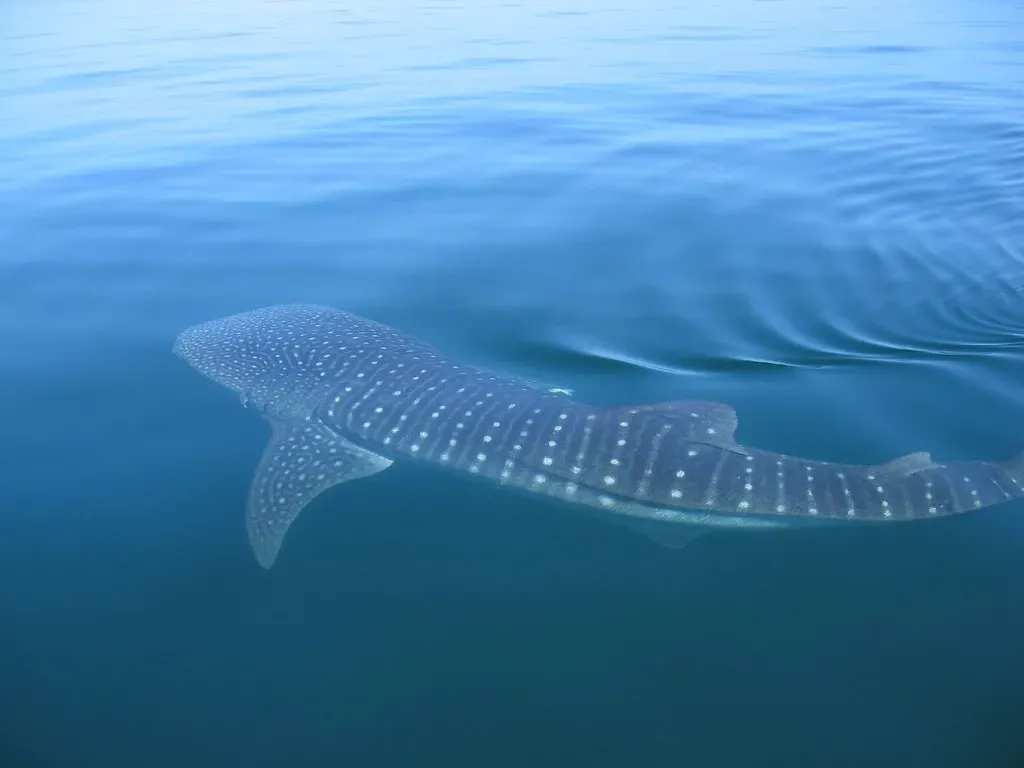
Tagging studies have revealed that whale sharks can cover enormous distances, drifting across international borders and entire ocean basins. One individual might be seen near a tropical island one year, then thousands of kilometers away not long after. They do not seem to care about the artificial lines we draw on maps; their migration is written in currents, food availability, and ancient instinct.
For divers, this means the shark you briefly swam with on a sunny morning might be halfway across the ocean a year later, gliding through entirely different seascapes. There’s something romantic about that idea, but also sobering: any protection we give them in one country is only part of the puzzle. These are truly global citizens of the sea, and they quietly expose how local conservation efforts, while important, are never the whole story.
8. They Are Gentle, But Not Helpless – Their Size And Skin Are Serious Armor
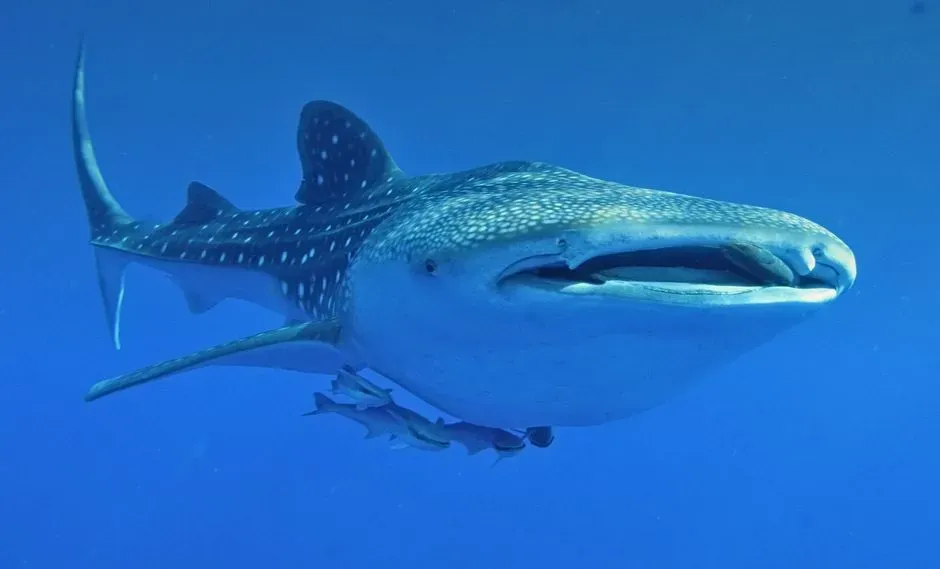
Whale sharks have a well-earned reputation as gentle giants, often swimming calmly alongside boats and people. They are not aggressive and show no interest in chasing divers or large prey. This peaceful behavior can make it easy to forget that they are still sharks and still wild animals with serious physical advantages.
Their skin is incredibly thick and tough, acting like natural armor, and their sheer mass makes them nearly untouchable to most potential predators. If one decides to turn or flick its tail quickly, the force is powerful enough to send a careless diver tumbling. I honestly think their calm demeanor is a choice rooted in security; when you are that large and well-armored, you can afford to be relaxed.
9. The Places They Gather Are Dynamic Plankton Buffets, Not Random Spots
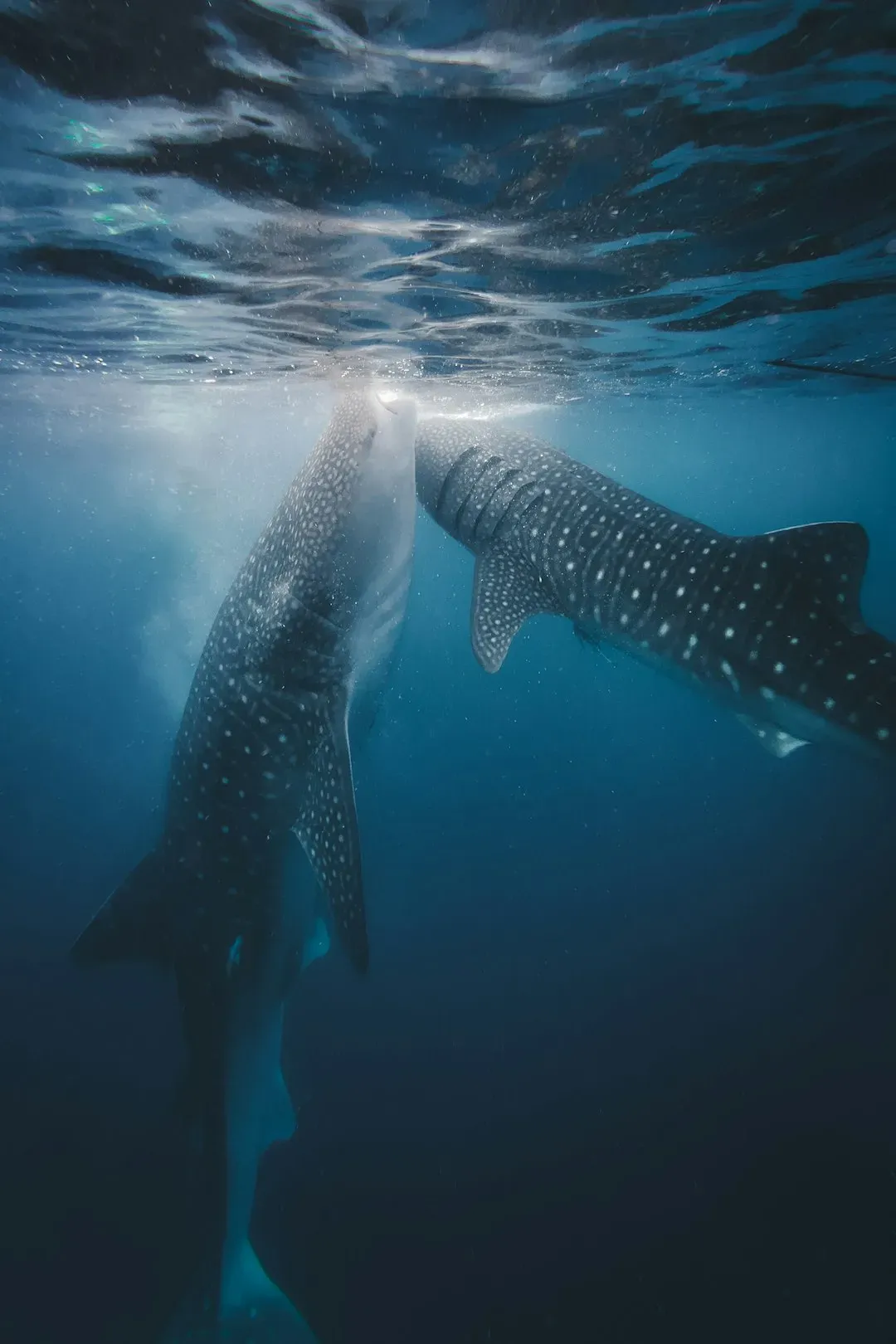
Whale shark hotspots around the world – whether off Mexico, the Philippines, or elsewhere – might look like simple tourist magnets, but scientifically they are more like pop-up food festivals. Whale sharks gather where conditions briefly line up for massive plankton blooms or spawning events, turning certain regions into floating buffets for a limited time. These pulses of food can be triggered by seasonal currents, temperature changes, and the life cycles of other species.
What appears to divers as a magical, almost spiritual gathering is, at its core, a highly practical feeding strategy. Still, there is a kind of beauty in that practicality: the idea that these huge animals are tuned so precisely to invisible shifts in the ocean that they can arrive almost exactly when the feast begins. It’s like they have a calendar we cannot see, set by tides, moon, and microscopic life.
Some researchers suspect whale sharks may use a combination of magnetic sensing, currents, and perhaps environmental cues like water chemistry or temperature shifts to navigate. To divers, it often feels like they simply materialize out of nowhere right when the conditions look perfect, reinforcing the impression that they perceive the ocean in a way we can only guess at. I find it oddly comforting that even with all our technology, their internal “map” is still beyond us.
10. They Help Connect Entire Ocean Ecosystems Without Even Trying
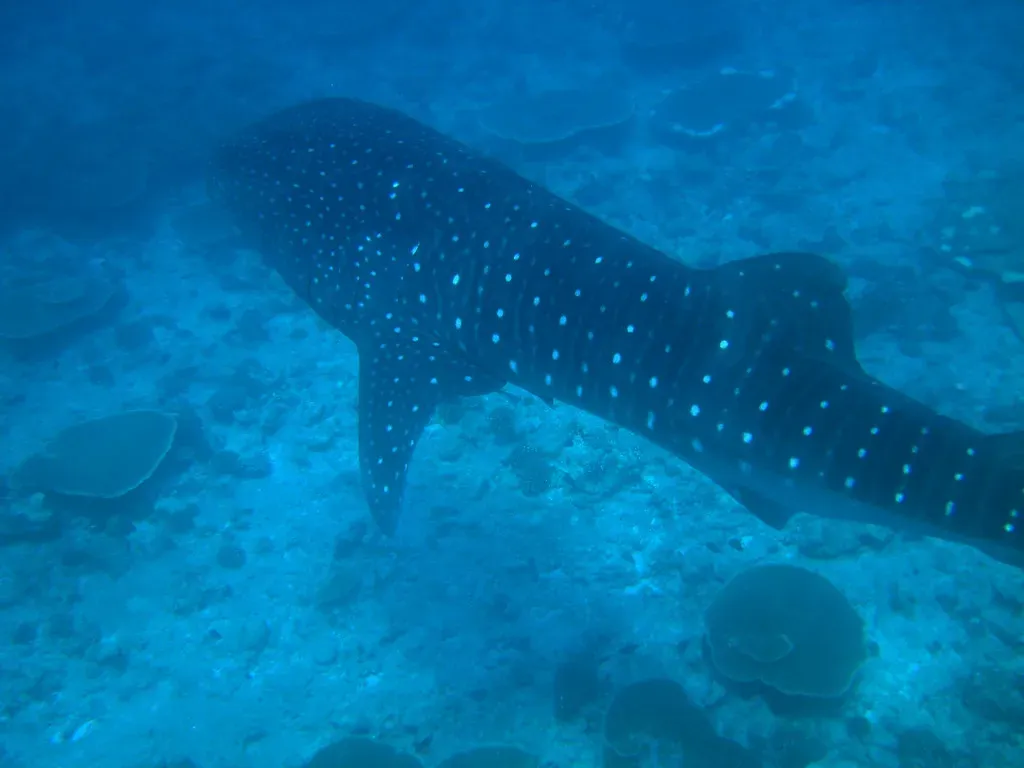
Because whale sharks migrate so widely and feed in such different areas, they inadvertently link ecosystems that might otherwise seem separate. The nutrients they take in while feeding in one region can be transported long distances and released in another through waste, subtly fertilizing new areas. In a way, they are quiet gardeners, redistributing the building blocks of life as they move.
This role is not as dramatic or obvious as hunting predators, but it may be just as important. When we lose big, wide-ranging animals like whale sharks, we do not just lose a single species; we weaken the invisible threads that tie distant parts of the ocean together. Personally, I think we underestimate how much stability these slow, massive movers add to the marine world simply by doing what they have always done.
11. Human Interaction Can Be Both A Lifeline And A Threat

One of the strangest realities about whale sharks is that tourism may be one of the best and worst things that has happened to them. On one hand, people travel from around the world to see them, bringing attention, money, and political pressure to protect these animals and their habitats. A whale shark can turn an ordinary coastal town into a global eco-tourism destination, which can motivate local communities to safeguard them.
On the other hand, careless boat traffic, overcrowded snorkel trips, and unethical feeding practices can stress the animals, alter their natural behavior, and increase the risk of injuries. I genuinely believe responsible, strictly managed encounters are worth keeping, because when someone looks into the eye of a whale shark, bland statistics about conservation suddenly become personal. But we have to be honest: if we really love them, we should be willing to put their comfort ahead of our perfect selfie.
Conclusion: Ancient Giants In A Modern World That Is Changing Too Fast
The more you learn about whale sharks, the harder it is to see them as just another “bucket list” dive. They are ancient, slow, and built for an ocean that used to be more predictable than the one we are creating now. In my view, it is almost obscene that a species that might live close to a century can be put at risk in a decade or two by warming seas, ship strikes, and careless tourism.
At the same time, I am stubbornly optimistic. Every diver who surfaces giddy after their first encounter becomes another voice arguing that these animals are worth protecting, even if it means slower boats, stricter rules, and fewer people in the water at once. If a single calm, spot-covered giant can shift how we think about our role in the ocean, maybe that alone justifies fighting harder for them. When you picture the future of the sea, do you imagine it with or without these gentle buses of the blue quietly cruising by?