Imagine a creature that has spent millions of years in total darkness, breathing air that has never touched the surface, moving through a world of stone and silence. It has never seen the sun, never known day or night, and yet its story is still being written in its DNA. That is the kind of life scientists are chasing right now in the deepest caves on Earth, and what they are finding is forcing us to rethink what it means to be alive, to adapt, and to evolve.
To be clear, no one can honestly say we have a fully documented, named species that we know with absolute precision has been isolated for exactly five million years. Biology does not work like a time-stamped science-fiction story. But what we do have are cave ecosystems and lineages that likely stretch back millions of years, with some species so deeply adapted to darkness that they might as well come from another planet. When you dig into what these animals are, how they function, and what they can teach us, the reality turns out to be even stranger and more inspiring than the headline.
A World Beneath Worlds: How Deep Caves Really Get
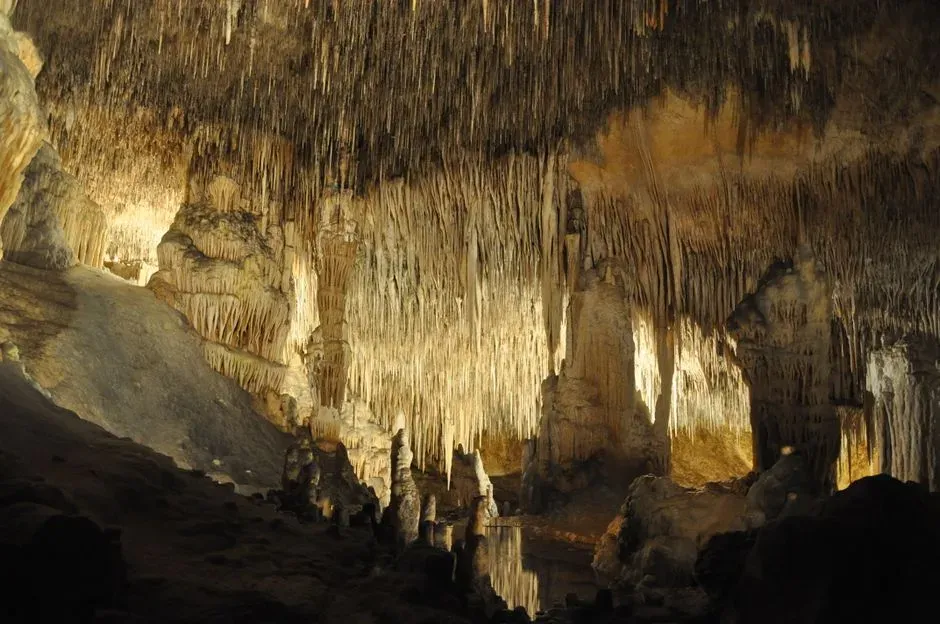
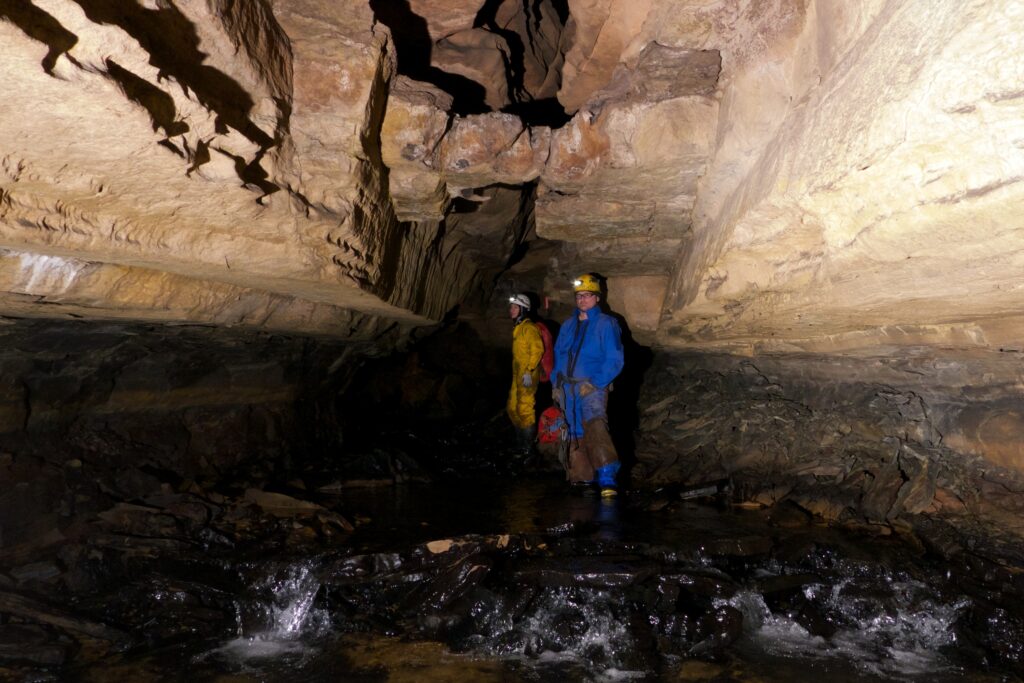
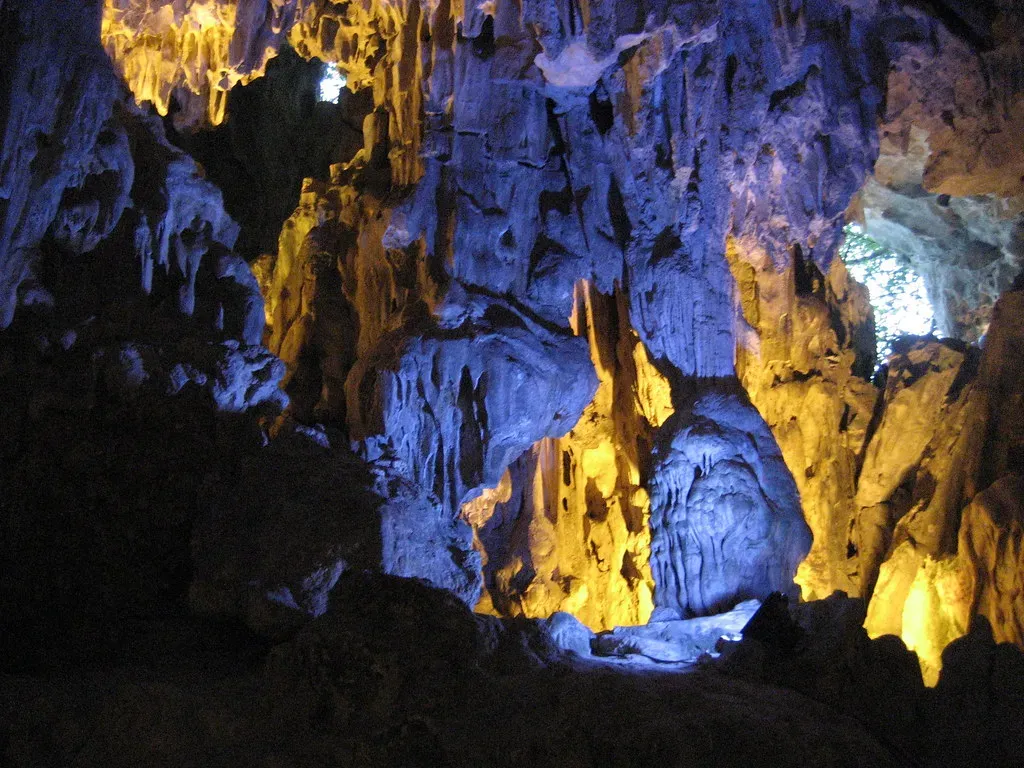
When people picture a cave, they usually imagine a short tunnel with a few bats and a drip of water somewhere in the distance. The reality is almost ridiculous by comparison: some of Earth’s deepest cave systems plunge more than two kilometers below the surface, twisting through flooded shafts, razor-sharp rocks, and chambers the size of cathedrals. These places are so hard to reach that cavers haul in weeks of supplies, set up underground camps, and rely on complex rope systems just to move a few hundred meters at a time.
In these extreme depths, light is gone, temperature barely changes, and the outside world might as well not exist. You breathe cave air that feels heavy and ancient, and the silence is so complete it becomes a kind of sound. That kind of environment naturally filters out almost all typical life, leaving only the hardiest microbes and a handful of specialized animals that have somehow cracked the code for surviving in permanent night. If you were going to find a lineage that has not seen sunlight in millions of years, this is exactly where you would look.
Meet the Troglobionts: Life Designed for Eternal Darkness
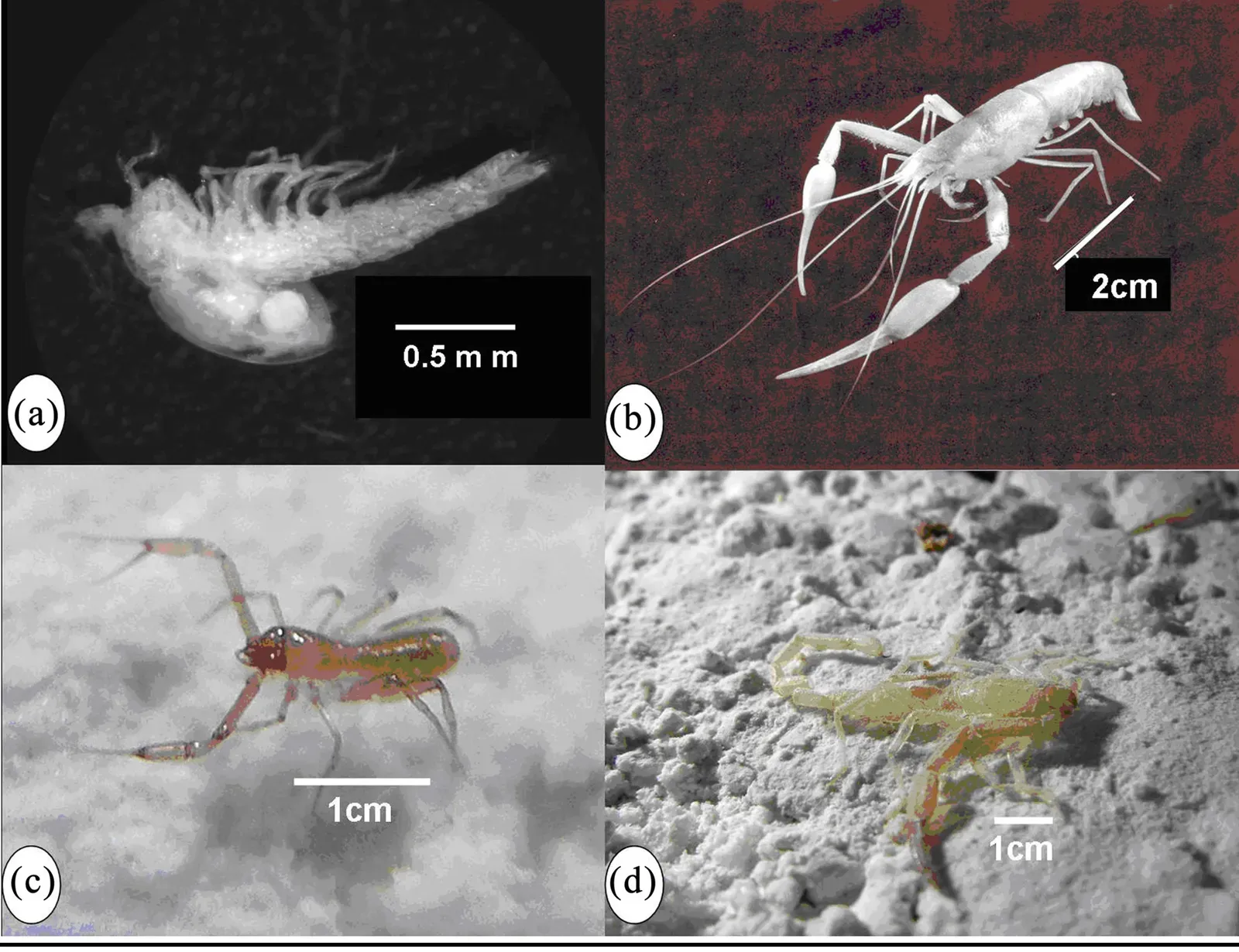
Biologists even have a special word for creatures that live only in caves and cannot survive outside them: troglobionts. These animals are the textbook example of evolution by extreme specialization. Over enough generations, they often lose their eyes entirely, because eyes are energetically expensive to build and maintain when there is nothing to see. Pigmentation fades away until their bodies look ghost-pale or even transparent, turning them into moving shadows of muscle and nerve and bone.
Instead of sight and color, they invest in what actually matters underground. Their legs might stretch out longer to feel their surroundings, antennae and feelers expand like delicate radar dishes, and their sense of touch and chemical detection becomes almost unnervingly sharp. It is as if life has taken a normal insect, fish, or crustacean and run it through a minimalist, darkness-optimized redesign, trimming away everything that does not serve the brutal logic of surviving in a world of stone corridors and slow, scarce food.
The Five-Million-Year Question: How Old Is a Cave Lineage Really?
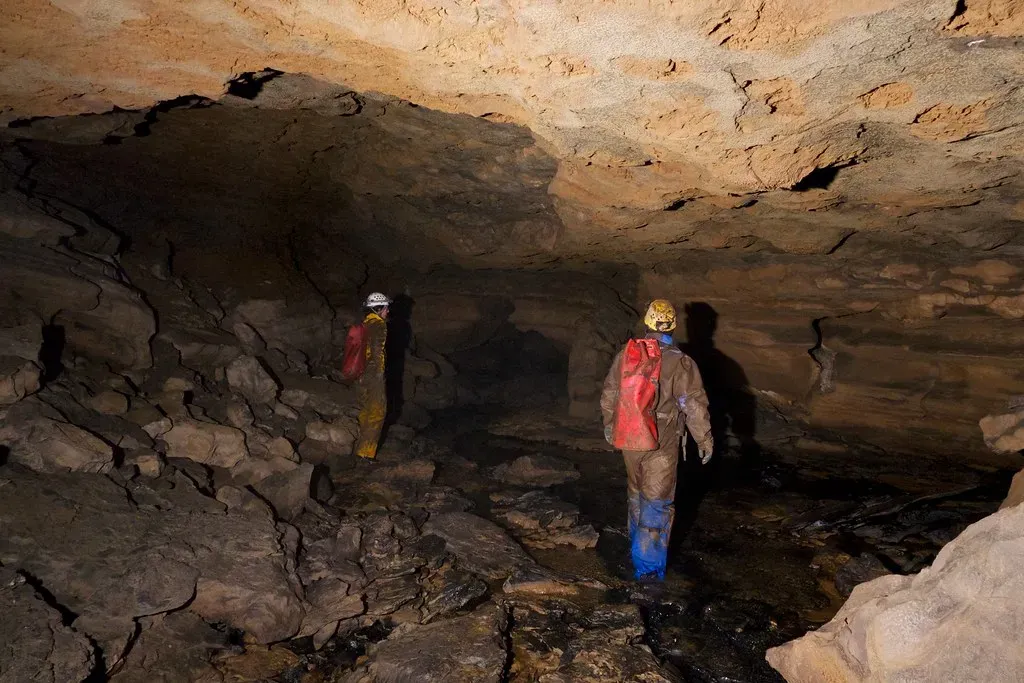
The headline idea of a species that has not seen sunlight in five million years sounds wild, but it is not pure fantasy. We know that many cave lineages split from their surface relatives millions of years ago, especially in geologically old regions where caves have been stable for long periods. Scientists infer this by comparing DNA between cave species and their nearest relatives above ground, a bit like checking how long ago two branches diverged on a family tree, only in this case the tree is written in base pairs instead of ink.
But here is the nuance: evolution is continuous, not a frozen state. A cave creature that entered darkness five million years ago is not a time-capsule copy of some ancient ancestor. Instead, it is the end result of millions of years of ongoing change in a very particular direction. That is why it is more accurate to say a lineage has been adapting to darkness for that long, rather than claiming it has stayed the same. In my view, that makes the story better, not worse, because it means the drama of adaptation has never stopped.
Still Evolving in the Dark: Adaptation Without Sunlight
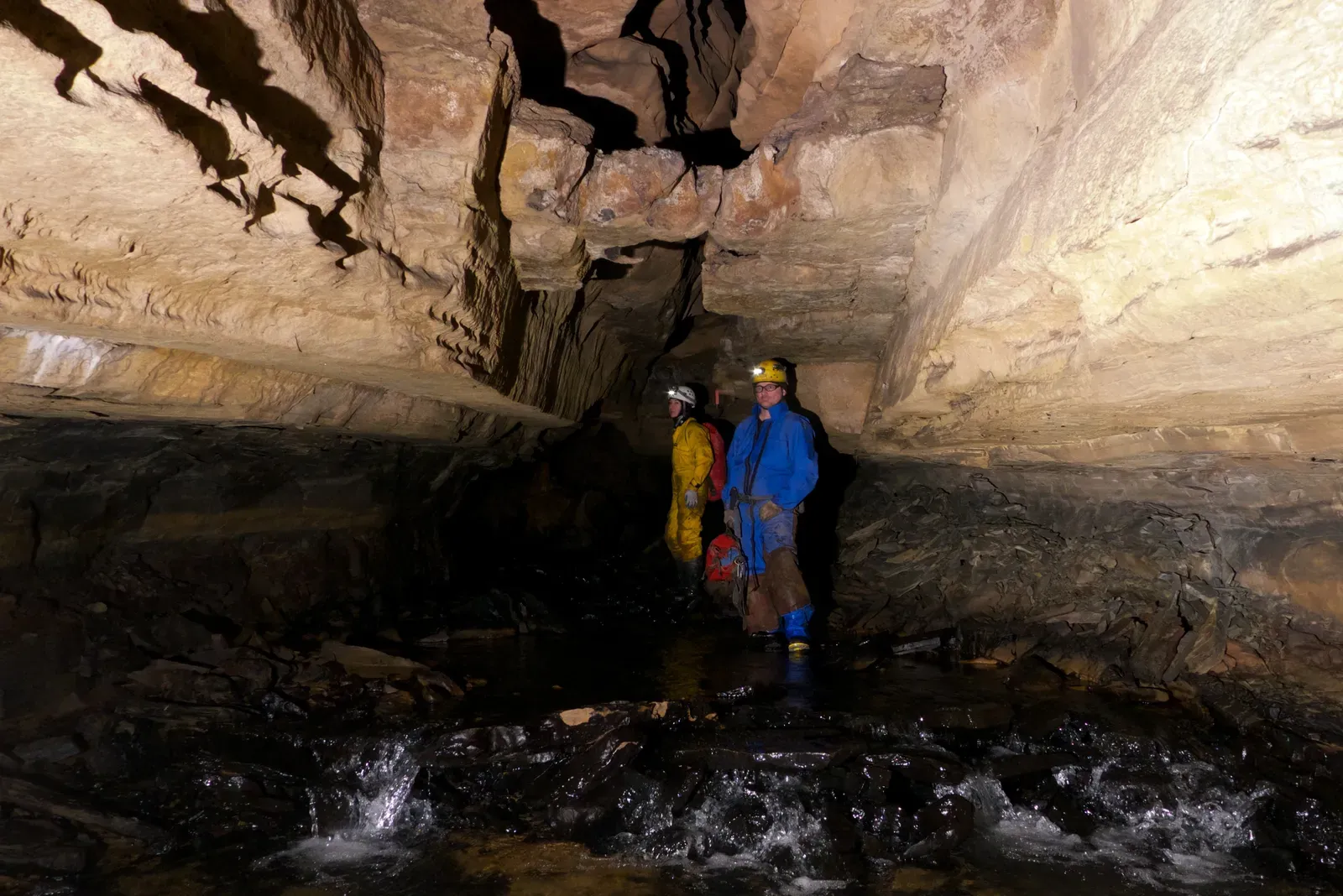
One of the most counterintuitive things about deep-cave life is that it keeps evolving even though the environment looks, at first glance, utterly unchanging. Temperatures are stable, light is always zero, and seasons do not matter. You might think, almost instinctively, that evolution would slow to a crawl. Yet the opposite can happen: small genetic changes that bring even a tiny advantage in sensing food, avoiding predators, or conserving energy can spread rapidly because there is so little room for error.
Instead of adapting to big seasonal swings like surface animals do, cave species are constantly fine-tuning the same small set of pressures: extreme scarcity, darkness, and isolation. Think of it like a musician practicing a single song for years, polishing every note until it is almost unnervingly precise. Cave creatures are that song. Their nervous systems, metabolism, and even reproductive strategies can become honed for a lifestyle of patience and efficiency, where wasting a little energy today might mean extinction a few hundred generations from now.
What fascinated me when I first really looked into cave biology was how much evolution leans into trade-offs. You give up vision, but you gain sensitivity in touch and chemical cues. You abandon pigmentation, but in return you save resources and potentially avoid producing unnecessary molecules. Over millions of years, these tiny nudges stack up into entire body plans that no one would ever design on purpose, but that work beautifully under a very specific set of rules. It is slow, relentless negotiation with the environment, logged in every cell.
Food Chains Built on Almost Nothing
Deep in a cave, there is no sunlight, and therefore no photosynthesis, which means no typical plants to anchor a food web. So how do you build an ecosystem on almost nothing? The answer is both fragile and ingenious. Many cave systems depend on organic material from the surface drifting in: bits of leaves, wood, animal droppings, or entire carcasses washed down by water. That random supply of nutrients becomes the foundation for microbes, which in turn support small invertebrates, which then feed larger predators, all in extraordinarily low numbers.
Other caves, especially at deeper extremes, may rely heavily on chemosynthetic microbes that can use chemical energy instead of sunlight to power their metabolism, a strategy similar to what we see at deep-sea vents. These bacteria and archaea form slimy biofilms on rocks and in pools, a hidden pasture that grazers can scrape or filter. When you understand that, the idea of a species persisting without sunlight for millions of years no longer feels impossible. It starts to look like a logical extension of life’s basic playbook: if there is a usable energy gradient somewhere, something will eventually evolve to tap it.
Clues for Other Worlds: Why Cave Life Matters Beyond Earth
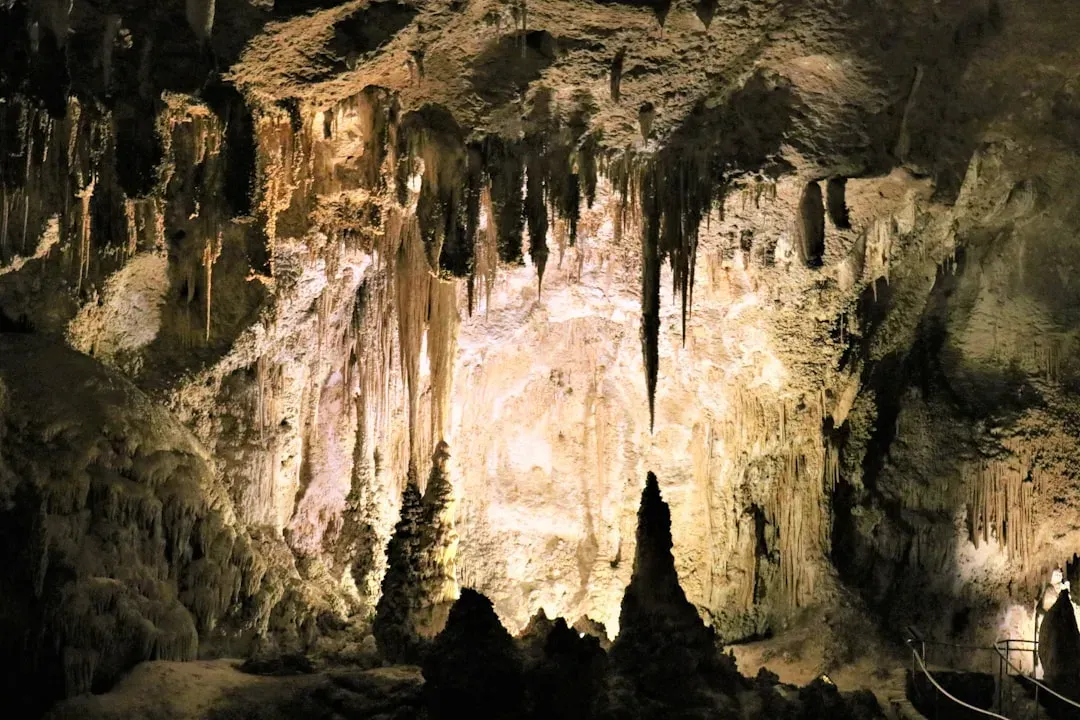
Every time scientists crawl deeper into a cave and discover a new, lightless species, they are not just expanding a checklist of weird animals. They are also quietly testing ideas about where life might exist beyond our planet. Worlds like Mars or the icy moons of Jupiter and Saturn are harsh on the surface, but could have protected subsurface environments. If Earth can sustain evolving life in cold, dark, nutrient-poor caves, maybe the line between habitable and uninhabitable is much thinner than we once believed.
What I find especially exciting is that cave ecosystems show how little life really needs: liquid water, a long-lasting environment, a source of chemical or organic energy, and enough time for evolution to tinker. That recipe is not uniquely Earth-like; it could exist in Martian lava tubes or ice-covered oceans elsewhere. So when you hear about a species that has not seen sunlight in millions of years yet is still evolving, you are also hearing a quiet argument that the universe might be full of overlooked, underground stories we have not even begun to read.
Why Protecting Invisible Species Is a Moral Choice
It is easy to dismiss these creatures as obscure curiosities, especially when we will never see them in a zoo or trending on social media. But deep-cave species are often incredibly vulnerable. A bit of pollution in an underground river, changes in groundwater levels, or careless tourism in a fragile cave can wipe out a population that took millions of years to sculpt. You do not get that kind of evolutionary history back; it is more like burning the last copy of a book that was never printed twice.
In my opinion, there is something deeply unsettling about destroying a lineage that has quietly survived in darkness longer than our entire species has existed. These animals are not just scientific data points; they are living evidence that life can endure in conditions we would once have called unthinkable. If we choose to protect them, it is not just about biodiversity numbers or conservation checklists. It is a statement about what kind of species we want to be: one that respects even the lives it will never meet, or one that treats the hidden corners of the planet as disposable.
Conclusion: The Dark Is Not Empty – It Is Still Writing New Stories
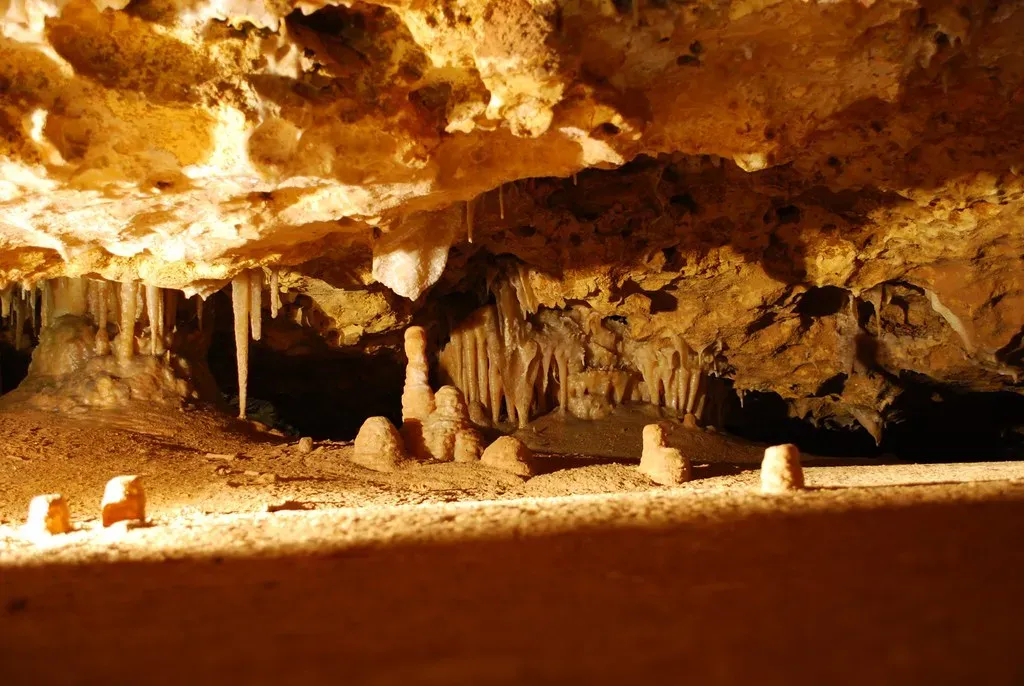
The idea of a species that has not seen sunlight in five million years but is still evolving sounds like something out of a sci-fi thriller, but the truth behind it is quieter and, to me, far more powerful. We may never pin down a single, neatly labeled creature and say with absolute certainty that its ancestors entered darkness on a precise prehistoric Tuesday. What we can say is that entire lineages have spent unimaginable spans of time honing themselves for a life in total night, negotiating every mutation against the brutal constraints of scarcity, isolation, and stone.
My honest take is that these cave organisms should shake us a little. They remind us that the visible world we move through every day is just a thin skin on a much deeper, stranger planet full of slow, patient stories. We are used to thinking of progress as something that happens in the light, in cities and labs and open fields, but beneath our feet, evolution has been quietly running an experiment for millions of years with no audience at all. Maybe the real question is not whether a species can survive that long without sunlight, but whether we can learn to see value in a life we will almost never see. Did you expect the darkest places on Earth to be this alive?