Every now and then, Earth pulls off a kind of cosmic magic trick. You wake up to news of a major earthquake in one country, and by the time you go to bed, a distant volcano is erupting somewhere you have to squint to find on the map. It feels like the planet is having a bad week. But here’s the twist: events that seem eerily synchronized are often part of a much bigger, quieter story about how our restless world actually works.
Geologists are very cautious about claims of “linked” disasters, and for good reason. Earth is huge, active, and noisy; with thousands of quakes and dozens of eruptions each year, coincidences are guaranteed. Still, there have been striking 72-hour windows when big, headline-making events unfolded on opposite sides of the globe, inviting us to ask: pure chance, or subtle echoes of a deeper connection? Let’s walk through nine such windows, staying grounded in what scientists actually know, while still letting ourselves feel some awe at how wild this planet really is.
1. A Megaquake in the Pacific, a Crustal Jolt in Europe
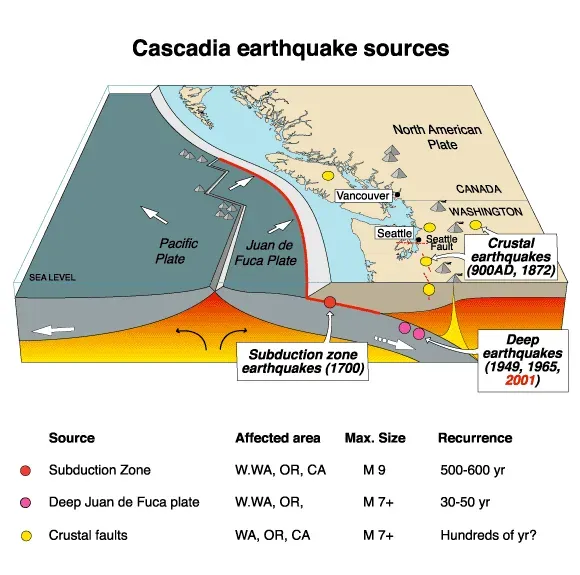
One of the clearest examples of a dramatic, short time window is when a truly massive subduction-zone earthquake in the Pacific is followed, within a couple of days, by a moderate but widely felt quake in Europe. On paper, that looks like a planetary chain reaction: a tectonic domino in the ocean trenches toppling something thousands of kilometers away beneath a crowded city. In reality, plate boundaries operate under their own local stress regimes, and the best evidence so far suggests that most of these episodes are coincidences rather than cause-and-effect.
That doesn’t make them any less gripping. When a megaquake releases energy equivalent to many thousands of nuclear weapons, people naturally wonder whether the whole crust might be “shaken loose.” Scientists do actively look for statistical signatures of global triggering, but the results are mixed and cautious. You can think of it like lightning storms: one big strike somewhere in the sky does not cause a second one hundreds of miles away, but a charged atmosphere makes multiple flashes more likely. Earth’s plates are always “charged” with stress, and sometimes the timing just lines up in ways that feel almost spooky.
2. Paired Volcanic Eruptions in Distant Arcs
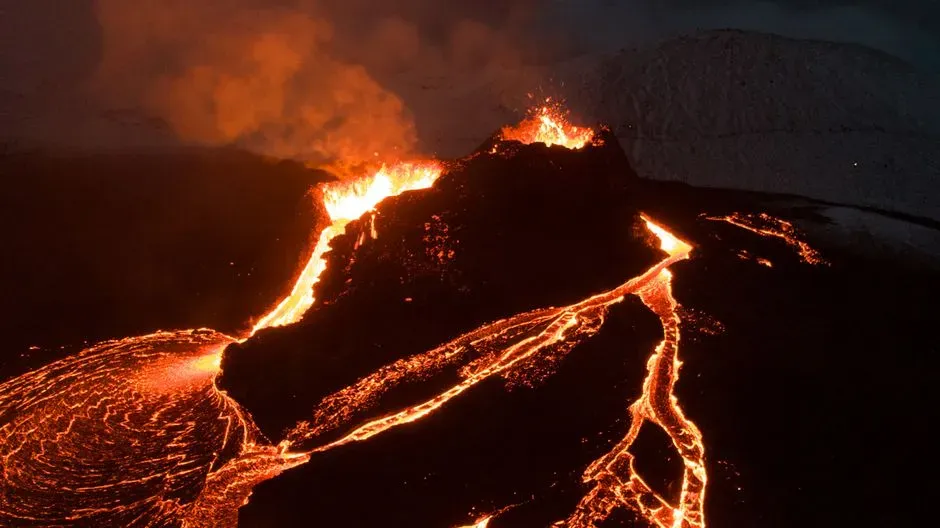
Volcanoes, too, sometimes seem to coordinate their drama. There have been 72-hour stretches where one volcano in the Pacific Ring of Fire begins a new eruptive phase while another, far off in a different volcanic arc, ramps up activity almost at the same time. Social media quickly lights up with theories about global magma waves or deep mantle pulses rippling through the planet like an underground tsunami.
The catch is that the physics does not really back up those flashy explanations at the time scales people imagine. Magma migration and mantle convection operate over years to millions of years, not days. What is far more likely is that both volcanoes were already close to their own tipping points, with gas pressures, magma viscosities, and fracture networks all primed independently. The near-simultaneous eruptions end up more like two popcorn kernels exploding at once in a hot pan: they share the same broad heating environment, but one does not actually set off the other.
3. Deep Earthquakes Beneath One Hemisphere, Shallow Shocks in Another
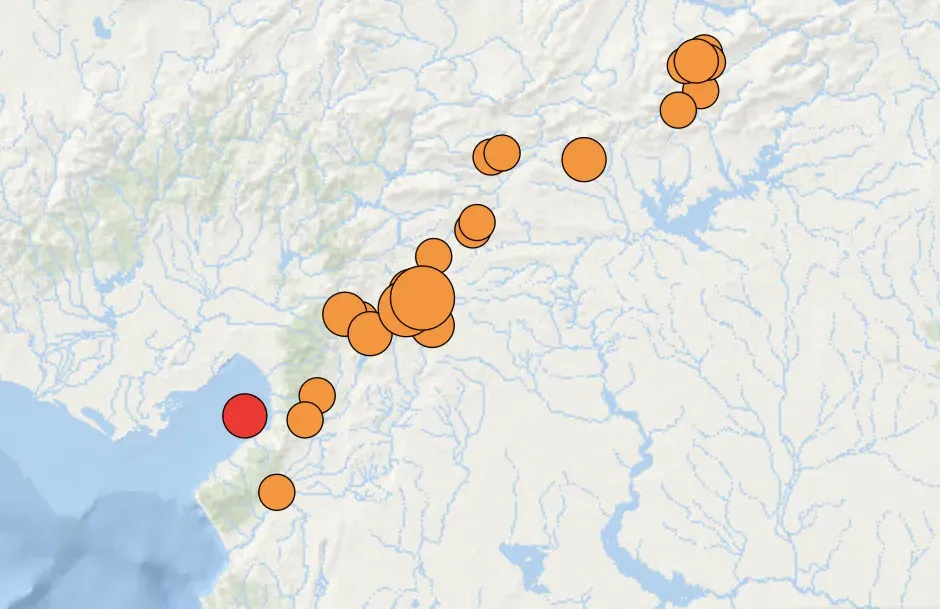
Another striking pattern that occasionally shows up within a single 72-hour window is a deep-focus earthquake on one side of the world and a sequence of shallow crustal quakes on the other. Deep quakes, which can originate hundreds of kilometers down inside subducting slabs, are mysterious to begin with because the rocks there are thought to be too warm and plastic for the classic brittle fracturing that makes most earthquakes.
When such a deep rupture happens near the same time as shallow activity elsewhere, it is tempting to picture some sort of global “tug” on the slabs. But the evidence for true physical linkage is weak. Geophysicists often frame this in terms of a planet that is constantly adjusting: plates are sinking, sliding, and bending everywhere at once. We are just more likely to notice the apparent pairings when one of the events is large enough to get international coverage, even though similar deep–shallow combinations happen all the time in the background with smaller magnitudes.
4. A Powerful Subduction Quake and a Triggered Landslide Far Away
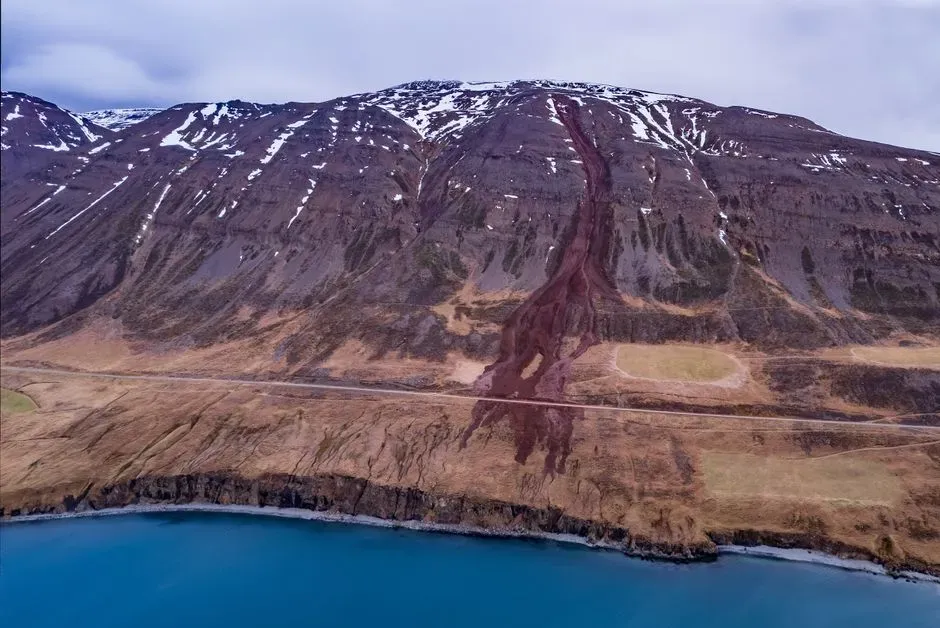
Sometimes the connection between far-flung events is not crust-to-crust, but quake-to-landscape. A strong subduction earthquake, for example, can send seismic waves streaming around the globe, very slightly shaking slopes and cliffs on the opposite side. In rare circumstances, those waves can contribute to landslides or rockfalls in regions that are already heavily weakened by rain, thaw, or long-term erosion.
Even here, scientists are careful. It is hard to prove that a distant landslide was triggered by a specific seismic wave train when gravity, weather, and local geology are already conspiring to pull things downhill. The planet, though, really is that interconnected: vibrations from a single rupture can be measured circling the globe multiple times. If you imagine Earth as a bell, a very large earthquake is someone striking it hard enough that the whole instrument hums, and now and then that hum might just be enough to dislodge a few precarious pieces of the sculpture attached to it.
5. Twin Tsunami Alerts in Different Oceans
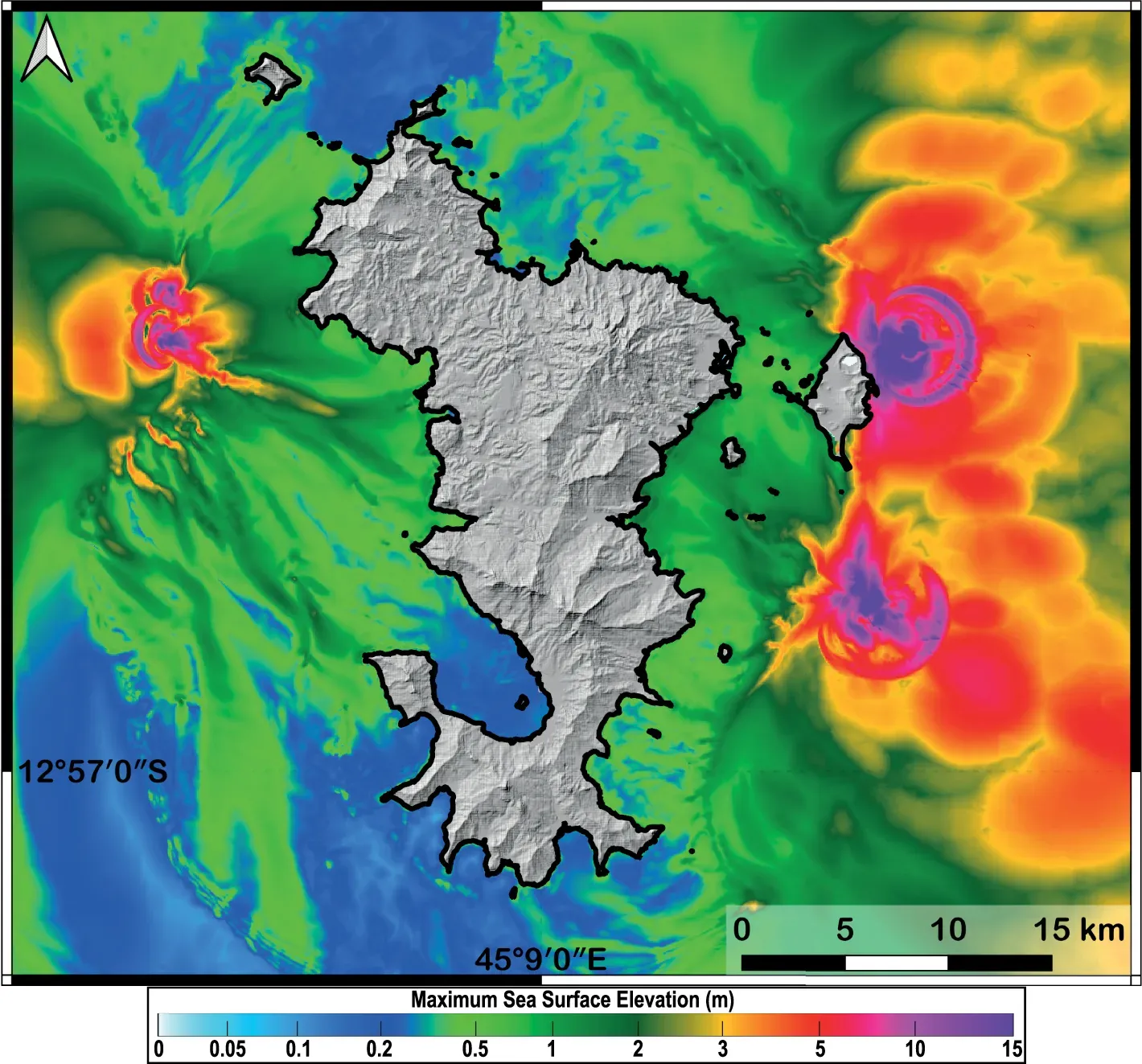
Another kind of “simultaneous” window happens not only in the rocks, but in our global warning systems. In a few intense 72-hour spans, different coastal regions have found themselves under separate tsunami alerts from unrelated earthquakes in different oceans. While the instruments and agencies know these events are independent, the human experience of hearing successive alarms can feel like the sea itself is in revolt.
Tsunami generation is a precise matter of seafloor displacement, water depth, and wave propagation, not mood. Two tsunamis separated by continents are almost always the result of their own local tectonic settings. Yet the coincidence highlights how our modern world shrank the planet: before satellites and real-time sensors, coastal communities might never have known that two distant subduction zones had slipped within days of each other. Today, we see the planet’s hydrological and seismic heartbeat in near real time, and overlaps that were once invisible are now impossible to ignore.
6. Synchronized Swarms: Earthquake Clusters on Two Continents
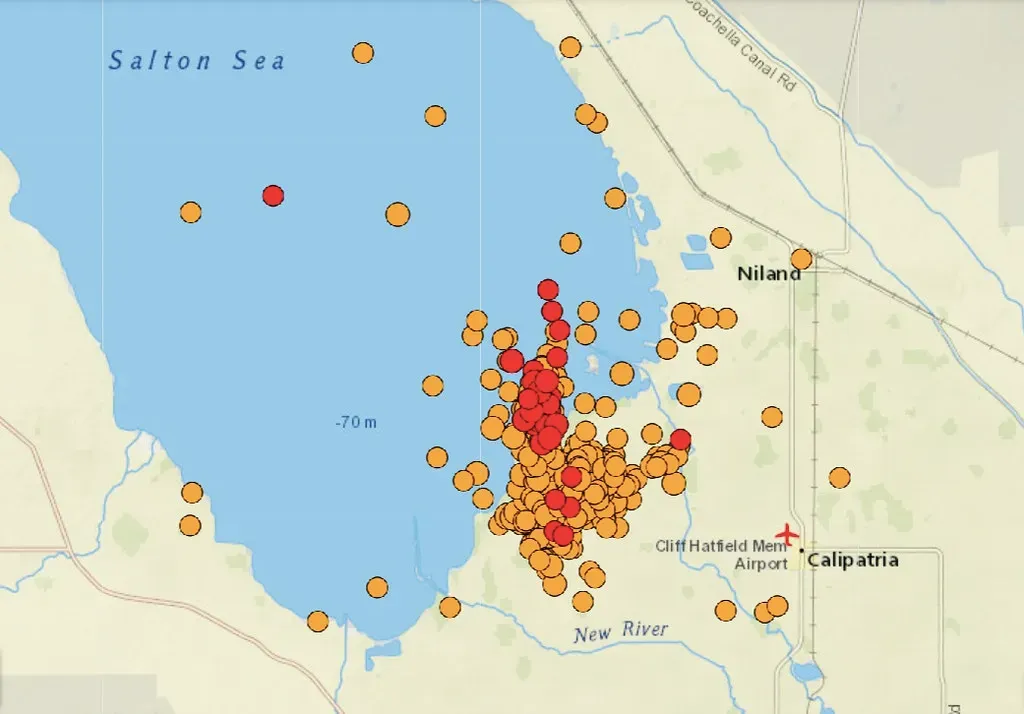
Seismic swarms – clusters of many small to moderate quakes – sometimes kick off on two separate continents in the same rough three-day span. One might be linked to magmatic intrusions under a volcanic field, while the other marks tectonic readjustment along an old, reactivated fault zone. On the surface, the timing can look eerily coordinated, especially when both swarms intersect with populated areas and dominate global news feeds at once.
From a scientific standpoint, though, swarms are expected features of a stressed planet. There are always numerous faults creeping toward failure and volcanic regions accumulating magma at different rates. With thousands of seismically active areas worldwide, a few of them flaring up at the same time in any given week is not surprising statistically. The real value for researchers is not in the coincidence itself, but in using these windows to compare swarm behaviors and refine models of how faults and magmatic systems respond to long-term stresses.
7. A Major Rift Event and Distant Intraplate Quakes
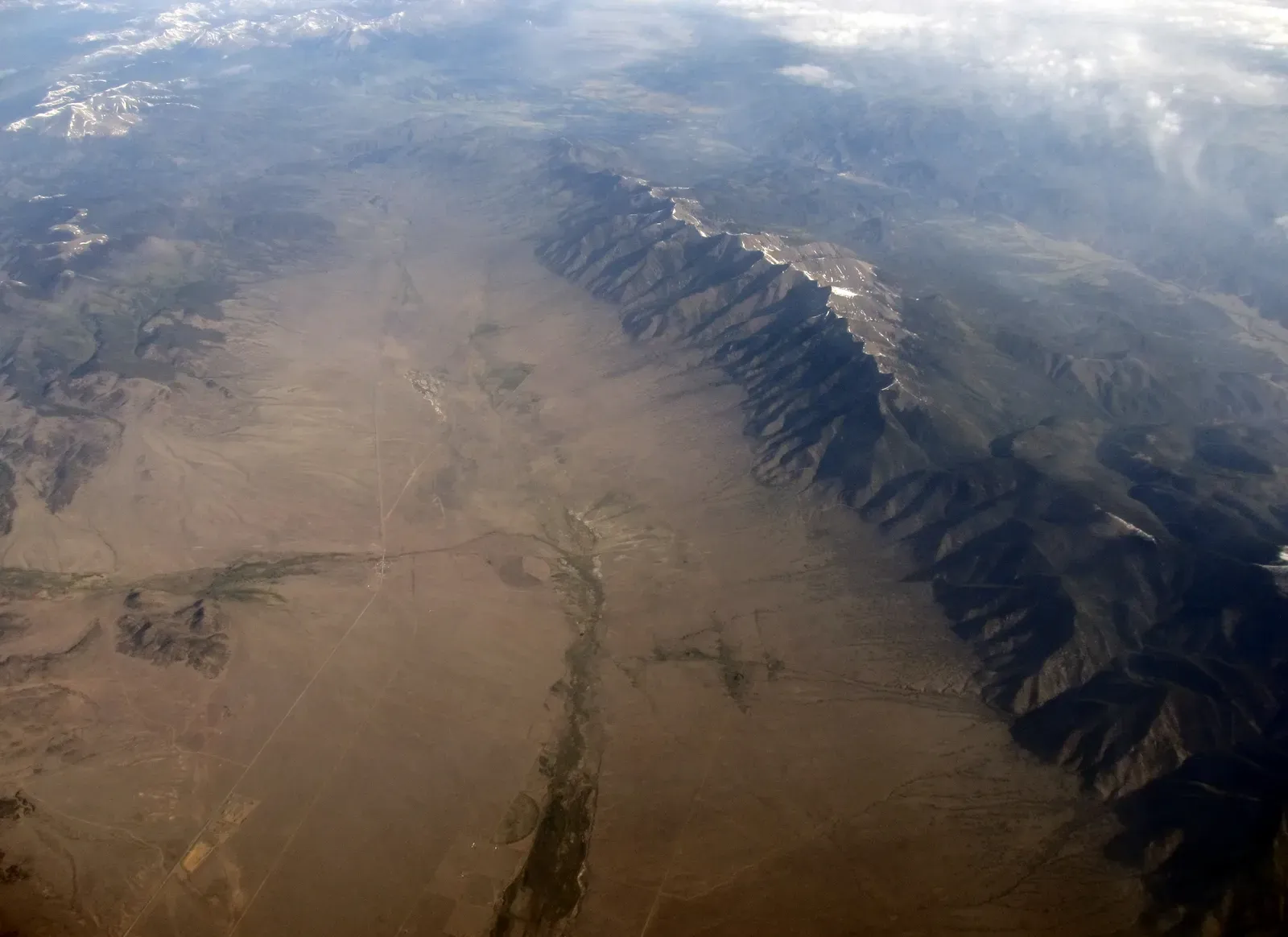
Within short time frames, we have also seen high-profile rifting episodes – where a continental plate is slowly tearing apart – overlap with intraplate earthquakes in very stable-looking interiors of other continents. Rifting zones, like the ones forming long linear valleys, involve slow extension and thinning of the crust, creating volcanic and seismic activity along elongate fractures. Intraplate quakes, by contrast, happen disconcertingly far from any obvious plate boundary, often along ancient, buried structures in the crust.
When these two flavors of tectonics flare in the same 72-hour window, it feels like the entire lithosphere is in motion at once. In a sense, it is – but that is always true, not unique to those days. The plates are constantly adjusting to forces from mantle convection, gravitational collapse of high topography, and long-standing weaknesses. The overlap in time is more a reminder that the apparent calm of “stable” continental interiors is partly an illusion: their faults can awaken suddenly, even as rifts continue their patient work of pulling continents apart elsewhere.
8. Glacial Isostatic Rebound and Earthquakes Across the Globe
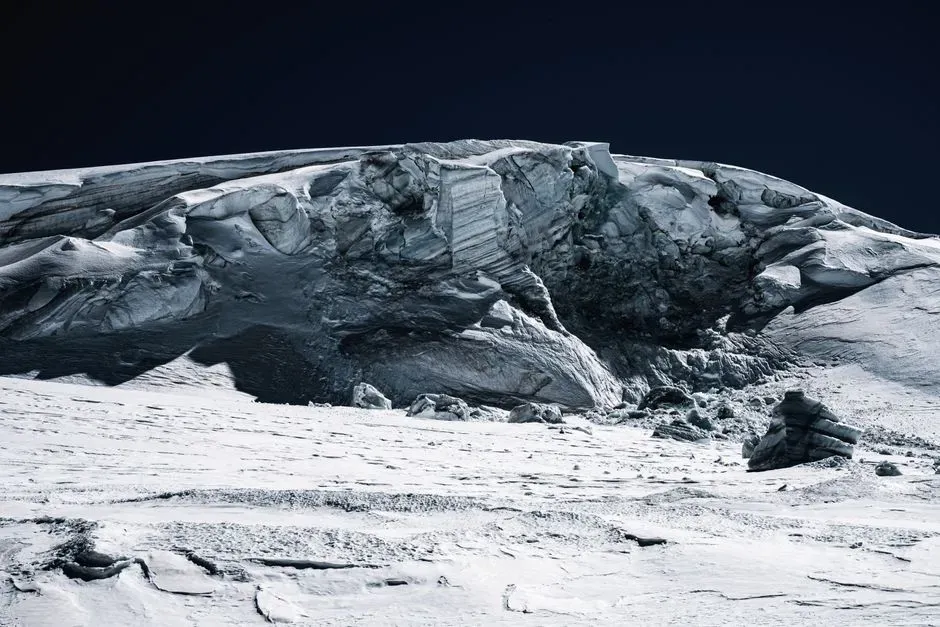
One of the more subtle global themes involves how melting ice can change the way the crust behaves. In some regions formerly buried under thick ice sheets, the land is still slowly rising today as it rebounds from the weight that was removed thousands of years ago. This process, called glacial isostatic adjustment, can alter stress fields in the crust and contribute to small-to-moderate earthquakes in those regions. Occasionally, bursts of such quakes line up in time with more classic plate-boundary events on the far side of the world.
It is incredibly tempting to see that as a single planetary “response” to climate change and long-term ice loss, but the time scales again do not quite match the story we want to tell. The rebound-driven quakes are responding to a long history of deglaciation, not a specific 72-hour pulse. The overlap with distant boundary quakes in that short window is almost certainly coincidental. Even so, those periods are powerful symbols: they compress into a few days a reality that is far more continuous, where climate, ice, rock, and deep Earth processes are all interwoven in ways we are only beginning to untangle.
9. Solar Storms, Magnetosphere Disturbances, and a Cluster of Quakes
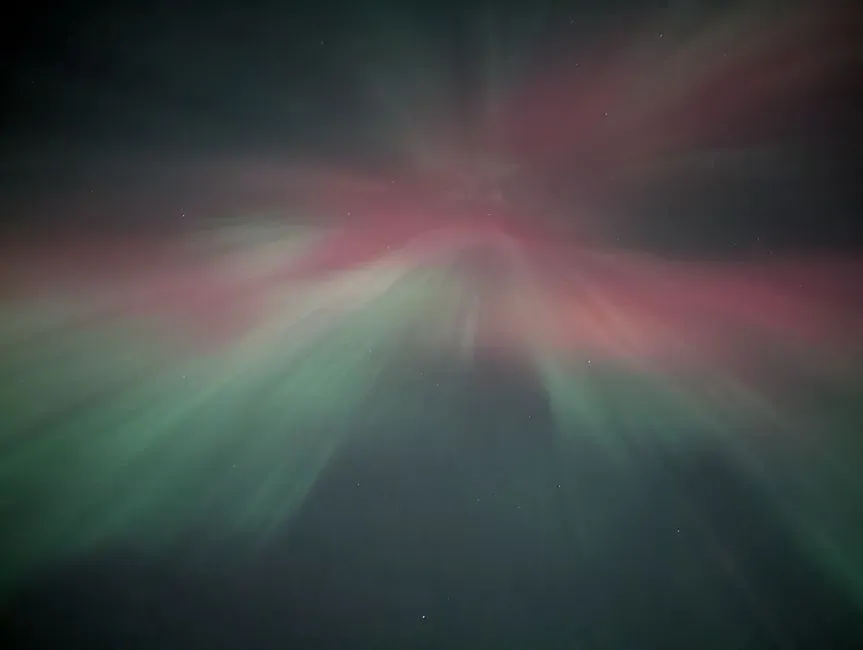
Every few years, a strong solar storm smacks our planet’s magnetic field, lighting up spectacular auroras and rattling power grids and satellites. Now and then, a significant space weather event has overlapped with a brief period of elevated seismic activity on both sides of the globe, fueling dramatic claims that solar storms are “triggering” earthquakes. The idea is intuitive – after all, both involve energy and disturbance – but the data so far have not convincingly supported a direct, short-term causal link.
What we do see is a shared sense of vulnerability: in the same 72-hour stretch, the sky flares with unusual color while the ground shakes in multiple regions. Scientists have tested various hypotheses, from electromagnetic induction in the crust to subtle changes in atmospheric loading, and overall the evidence points more toward coincidence than conspiracy. Still, for many people, those overlap days feel like a reminder that we live inside multiple invisible systems at once – tectonic, magnetic, atmospheric – and sometimes they all seem to whisper their presence at the same time.
Conclusion: Coincidence, Connection, or Just a Loud Planet?
When you zoom out, these nine kinds of 72-hour windows tell a surprisingly down-to-earth story. Our planet is not neatly taking turns with its disasters; it is humming with constant activity, most of it too small or remote for us to notice. With a dense web of instruments and a global media ecosystem, we are finally seeing that hum as it really is – messy, overlapping, and occasionally unsettling. My own view is that we tend to underestimate how much coincidence we should expect on a world this active and this well monitored, and overestimate the need for dramatic hidden connections.
That does not mean everything is random or meaningless. These clustered days are useful stress tests for our warning systems, our infrastructure, and frankly, our nerves. They force us to confront how interconnected our lives are with distant coasts, quiet rift valleys, and deep slabs most of us will never see. Maybe the most honest takeaway is this: Earth is loud, and we are finally hearing more of its conversation. The real question is not whether the planet is talking to itself – but how well we are learning to listen. Did you expect the story to be this much about us as well as the rocks?