There is something spine‑tingling about standing in a place where stone, sky, and sunlight have been choreographed to meet in a single, fleeting moment each year. Around the world, ancient builders aimed temples, pyramids, and stone circles at the rising or setting sun on key days like the solstices and equinoxes, as if carving a notch in time itself. When you realize that cultures separated by oceans all watched for the same cosmic rhythms and built sacred calendars in stone, it suddenly feels less like coincidence and more like a quiet, global conversation written across the Earth.
In this article, we’ll explore seven major sites on seven different continents that are either clearly or strongly suspected to be linked to the same broad family of astronomical events: the solstices and equinoxes. These “anchor points” of the year were visible everywhere on the planet, and yet each culture interpreted them through its own myths, rituals, and architecture. The evidence is stronger for some sites than others, and scholars often argue over how intentional or precise certain alignments really are. Still, taken together, they reveal a striking pattern: humanity, again and again, turned sacred places into tools for tracking the sky at the same recurring moments of the year.
1. Stonehenge, Europe: A Sunrise Gateway At The Edge Of The Year
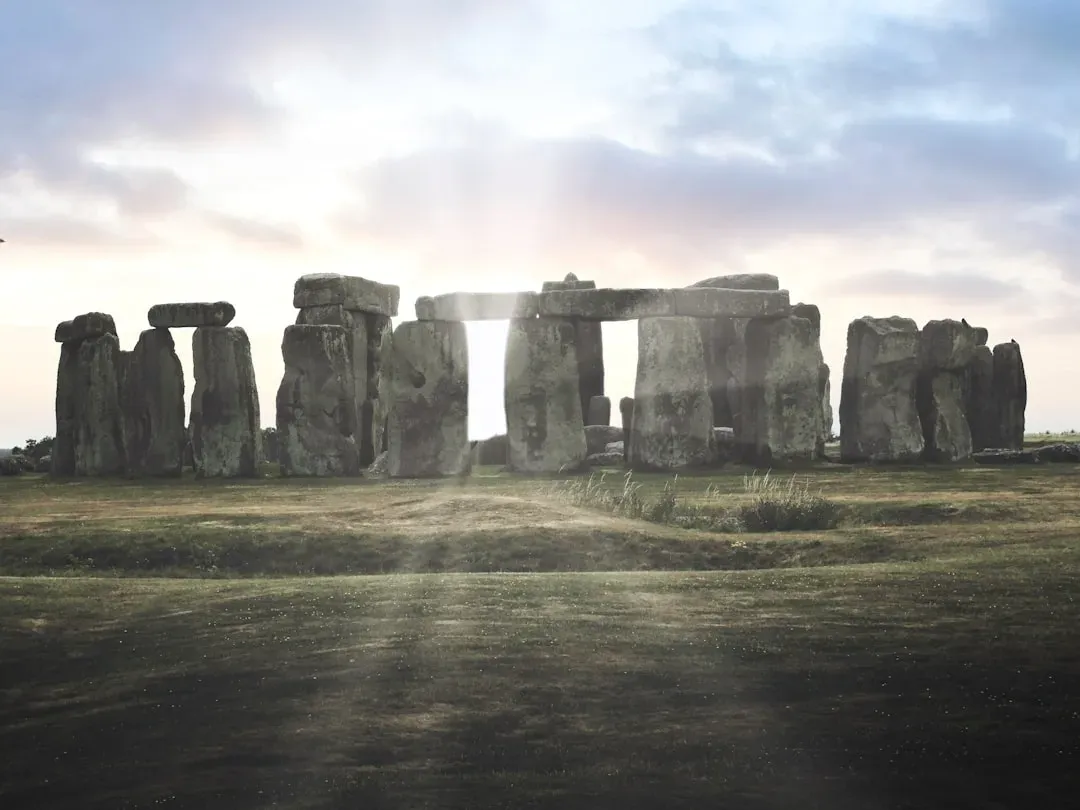
Let’s start with the celebrity: Stonehenge on England’s Salisbury Plain, often treated as the poster child for prehistoric sky‑watching. Archaeological and astronomical studies strongly support that Stonehenge’s main axis is aligned to the sunrise at the summer solstice and the sunset at the winter solstice. If you stand near the center of the circle at dawn around the June solstice, the sun appears to rise over the distant Heel Stone in a way that feels uncannily theatrical, like a curtain being pulled back on the longest day.
That alignment is not an accident; it’s baked into the geometry of the stones and the surrounding landscape features such as the Avenue, a processional causeway that points toward the solstitial sunrise. What fascinates me most is that this monument was not built all at once but modified over many centuries, suggesting that sky‑related rituals were part of an evolving tradition. While nobody can say with certainty exactly what ceremonies took place there, it’s hard to ignore that, even today, people flock to Stonehenge at the solstices to welcome the same sun on the same days that likely mattered to its original builders thousands of years ago.
2. Chichén Itzá, North America: The Feathered Serpent Of The Equinox
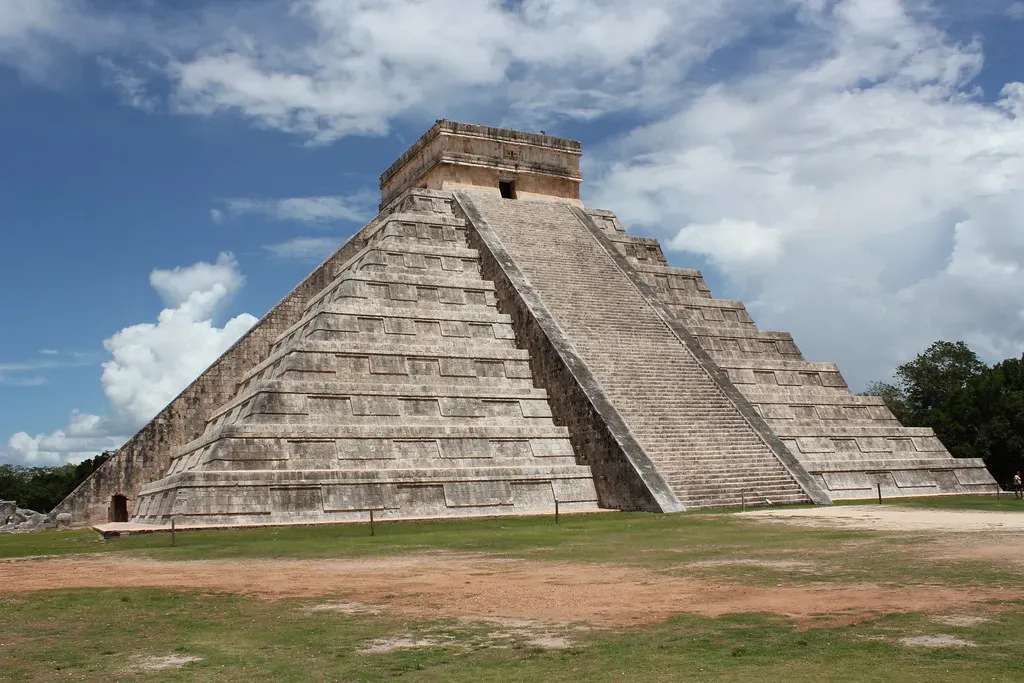
Across the Atlantic and far to the south, the Maya built temples that turned the equinox into a kind of special‑effects show. At the pyramid of El Castillo (also known as the Temple of Kukulcán) in Chichén Itzá, the stairway balustrades on the north side create an iconic light‑and‑shadow effect around the equinoxes. As the late afternoon sun descends, the edges of the stepped terraces cast a serrated shadow that looks like a snake slithering down the side until it meets a carved serpent head at the base. It’s not pixel‑perfect to the minute or restricted to a single calendar day, but it consistently happens around that equinox window.
What makes this site powerful in the context of worldwide alignments is that it honors the same celestial turning point that Stonehenge recognizes in a different way: the transition between seasons when day and night are roughly equal. The Maya tracked complex astronomical cycles, including the movements of Venus and the sun, and wove them into religious symbolism and political power. When I first saw footage of the “descending serpent,” it struck me that this is architecture as storytelling: a stone narrative triggered by the same sun that people watched in Britain, Africa, and beyond at the same point in the annual cycle.
3. Machu Picchu, South America: Inca Windows Framing The Solstices
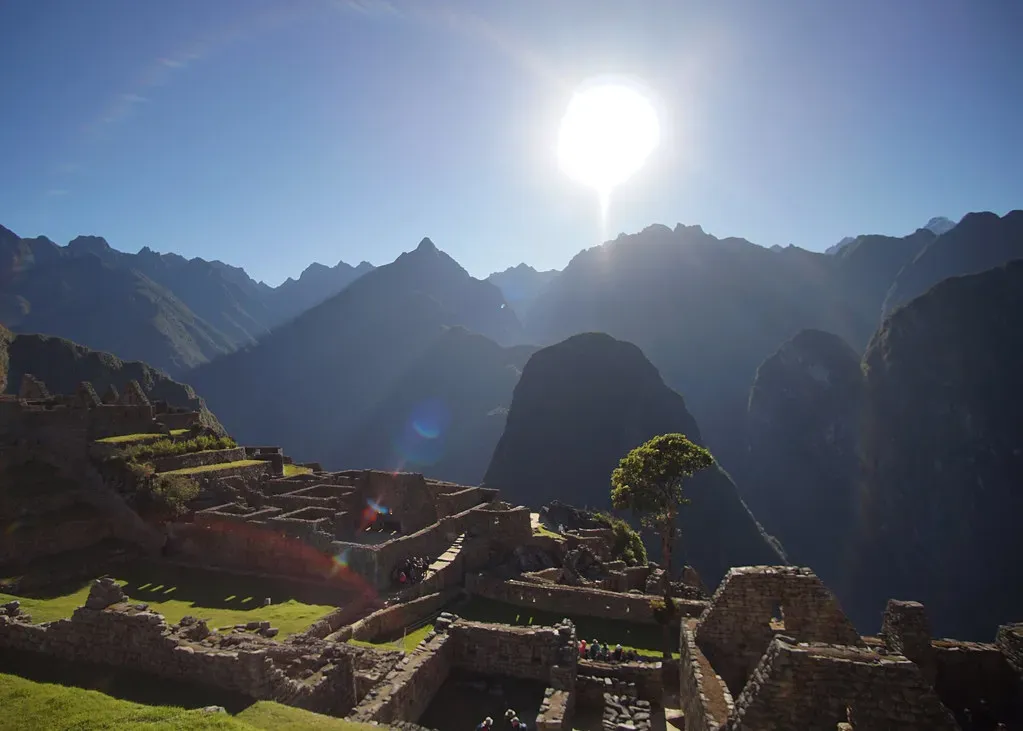
High in the Andes, Machu Picchu gives the impression that the mountains themselves were recruited into an astronomical instrument. The Inca paid very close attention to the sun’s path, and several structures at Machu Picchu appear to be oriented to key solar events. One famous example is the Torreón, a curved tower with trapezoidal windows that let sunlight fall on specific interior features around the June solstice. Another is the carved Intihuatana stone, whose name is often translated as “hitching post of the sun,” a symbolic anchor for the solar cycle even if the popular myths around it sometimes drift into exaggeration.
From a global perspective, Machu Picchu slots into the same pattern of honoring the extreme positions of the sun at the solstices, much like Stonehenge and other sites. The Inca did not just watch the sky out of abstract curiosity; solstice rituals were tied to agriculture, imperial authority, and the worship of Inti, the sun deity. When you stand there and look through those windows at the surrounding peaks, it feels like watching a carefully staged performance where the mountains, stones, and sun all hit their marks at the same moment each year, connecting this Andean sanctuary to a worldwide choreography of solstice worship.
4. Great Zimbabwe, Africa: Subtle Solar Geometry In A Walled Citadel
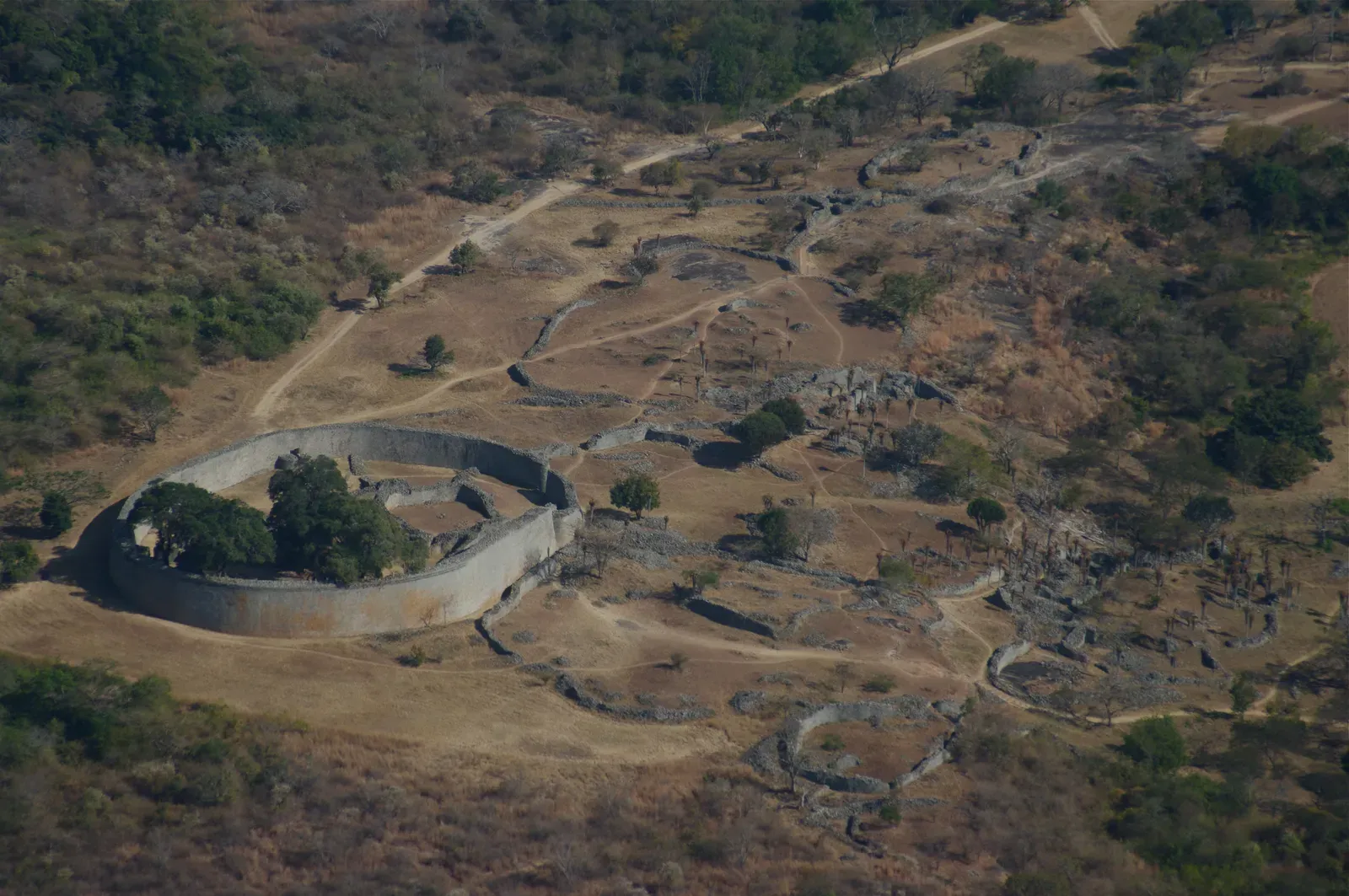
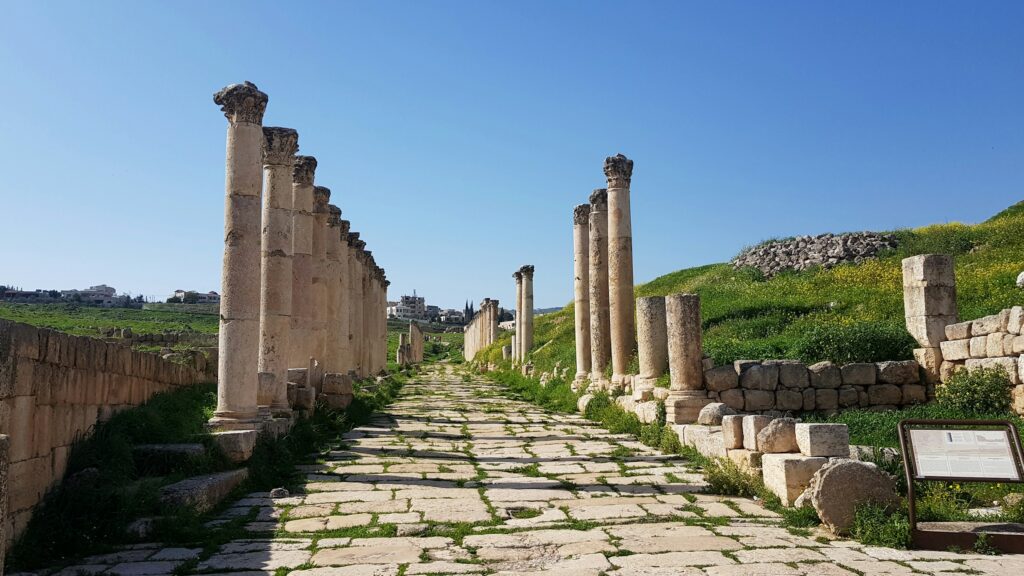
African sacred architecture is often left out of popular “ancient astronomy” conversations, but that omission says more about modern bias than about the past. At Great Zimbabwe, a sprawling stone complex in present‑day Zimbabwe, researchers have proposed that certain parts of the site may encode alignments to solstitial sunrises and sunsets. The evidence is not as flashy or widely agreed upon as at Stonehenge or Chichén Itzá, and some scholars caution against over‑interpreting every wall. Still, studies of sightlines from the Hill Complex and other vantage points suggest that builders were aware of the sun’s extreme rising and setting points on the horizon.
What’s compelling is that Great Zimbabwe flourished as a political and ceremonial center, with elite and ritual areas that would have been perfect stages for marking key days in the year. If some of those walls and towers doubled as reference markers for solar positions, then this site too was plugged into the annual rhythm of solstices that mattered from Britain to the Andes. I find it important to be honest about the level of certainty: the alignments here are more subtle and debated. But the possibility that this African powerhouse also observed the same annual celestial turning points hints at a broader, pan‑human urge to root sacred power in the predictable drama of the sky.
5. Angkor Wat, Asia: A Temple‑Calendar For Equinoxes And Solstices
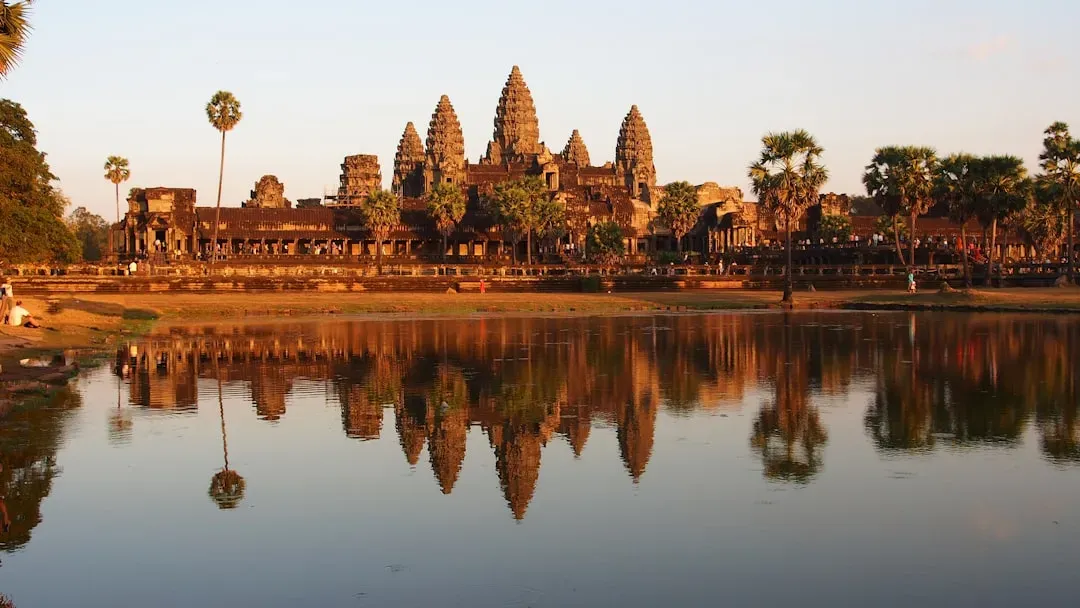
In Cambodia, Angkor Wat is often described as a stone mandala, and its relationship with the sky is far from accidental. Research has shown that the temple’s central towers align with the rising sun on equinoxes and solstices when viewed from specific causeways and gateways. On the equinox, for example, the sun appears to rise directly over the central tower when seen from the western entrance, a striking effect that has drawn early‑morning photographers and pilgrims alike. The temple’s layout also encodes numerical relationships to the solar year and cosmological ideas, which suggests the sky was integral to its design rather than a decorative afterthought.
What I love about Angkor Wat as part of this global set is how unapologetically technical and spiritual it is at the same time. The Khmer builders were not only honoring deities; they were creating a walkable model of the cosmos, in which a single dawn at the equinox becomes a living diagram of harmony between heaven and Earth. When you realize that on roughly the same dates people in Mesoamerica watched the serpent of light and shadow, and others in Europe or the Andes watched sunrise move to its seasonal extremes, it feels like these distant civilizations were all tuning their sacred spaces to the same underlying rhythm, each temple a different instrument in one planetary orchestra.
6. Tiahuanaco (Tiwanaku), South America’s Altiplano: The Solar Gate Of The Andes
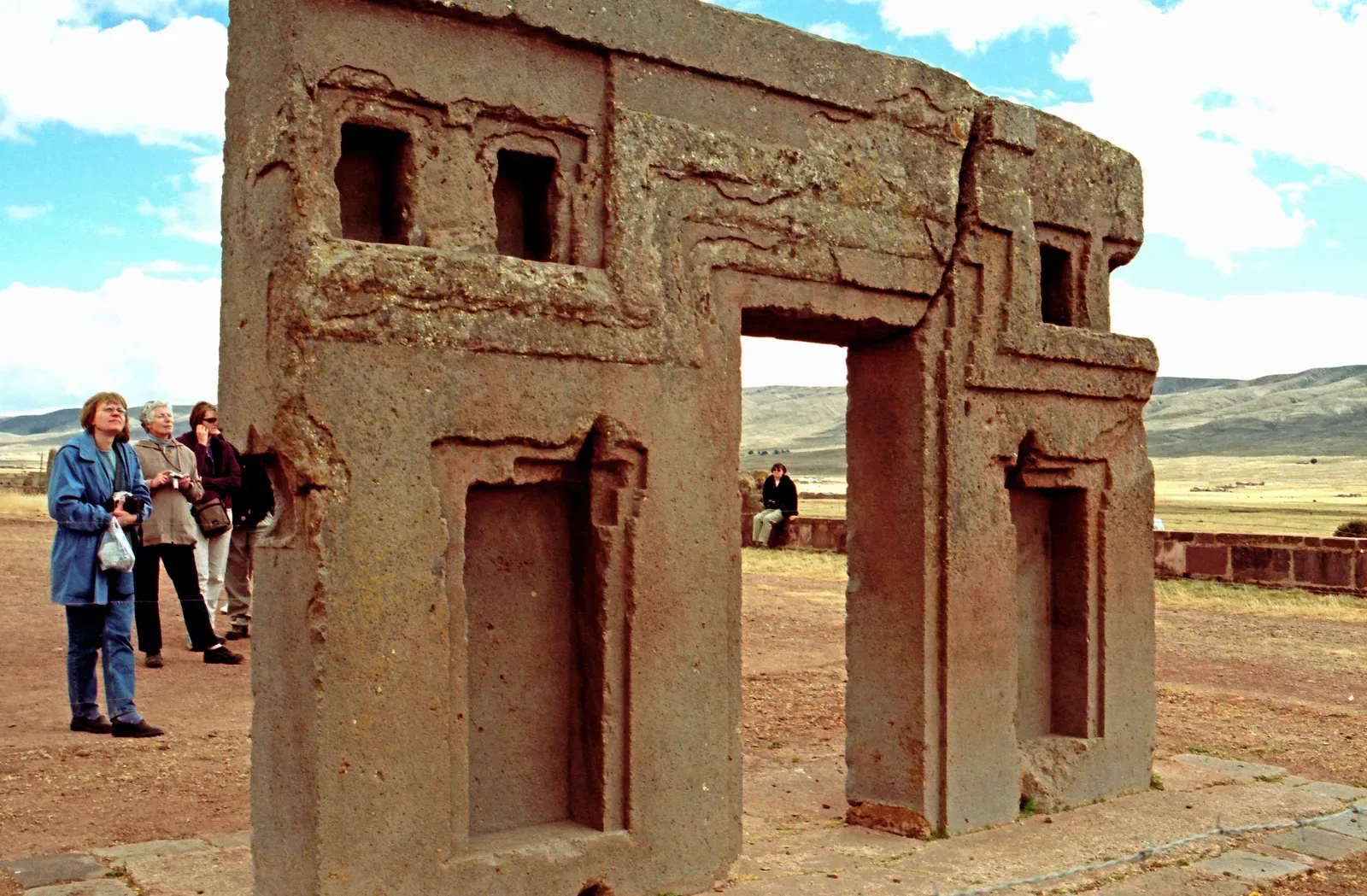
Staying in South America but shifting cultures, the pre‑Inca site of Tiwanaku near Lake Titicaca offers another powerful example of sacred architecture wired to the sun. The Kalasasaya platform temple, for instance, has a rectangular layout with standing stones along the perimeter that have been interpreted as solar markers. Observers at the center can watch the sun rise or set near certain pillars around the solstices and equinoxes. The famous Gate of the Sun, a monolithic portal carved with complex imagery, is also likely connected to solar symbolism, even though not every detail of its function is understood.
Tiwanaku reminds me that ancient astronomy was not a sterile science but a woven fabric of myth, ritual, politics, and practical timing for agriculture. When the sun appeared in a particular notch or between specific pillars on a certain day, that was both a calendar check‑in and a sacred performance. In the broader global picture, Tiwanaku’s possible equinox and solstice links again line up with those at sites like Angkor Wat and Stonehenge. Different gods, different languages, different building styles, yet the same recurring celestial events are being pinned down by stone, year after year, as if humans everywhere wanted to literally see time move along the horizon.
7. Newgrange And Other Megaliths, Europe’s Atlantic Fringe: Winter’s First Light
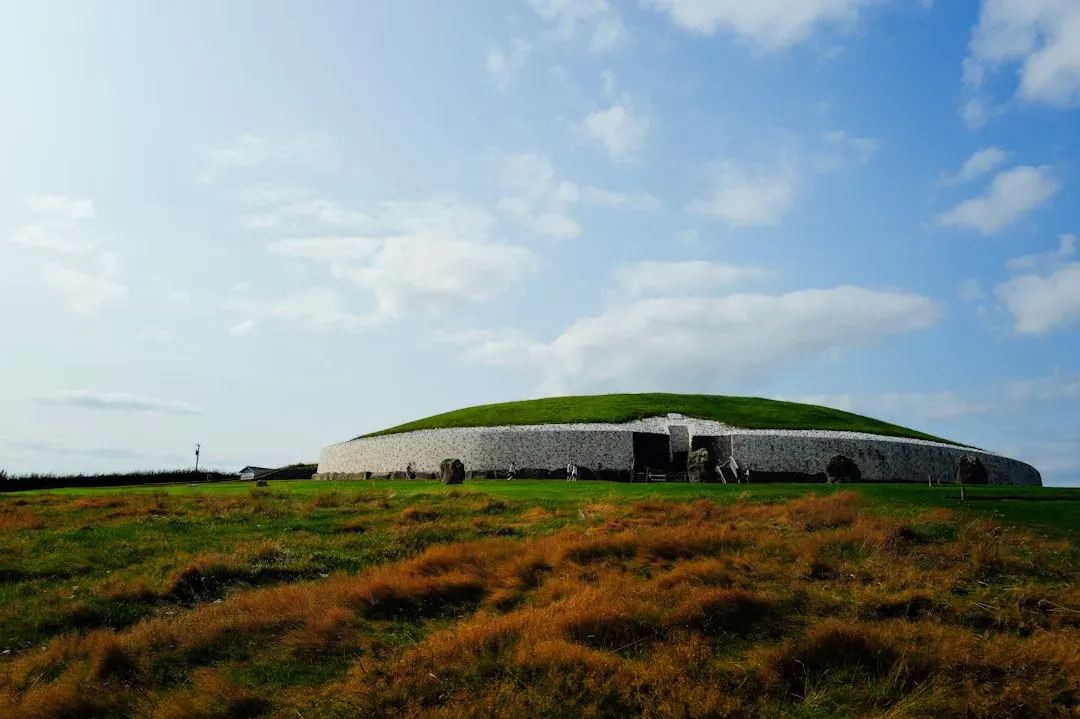
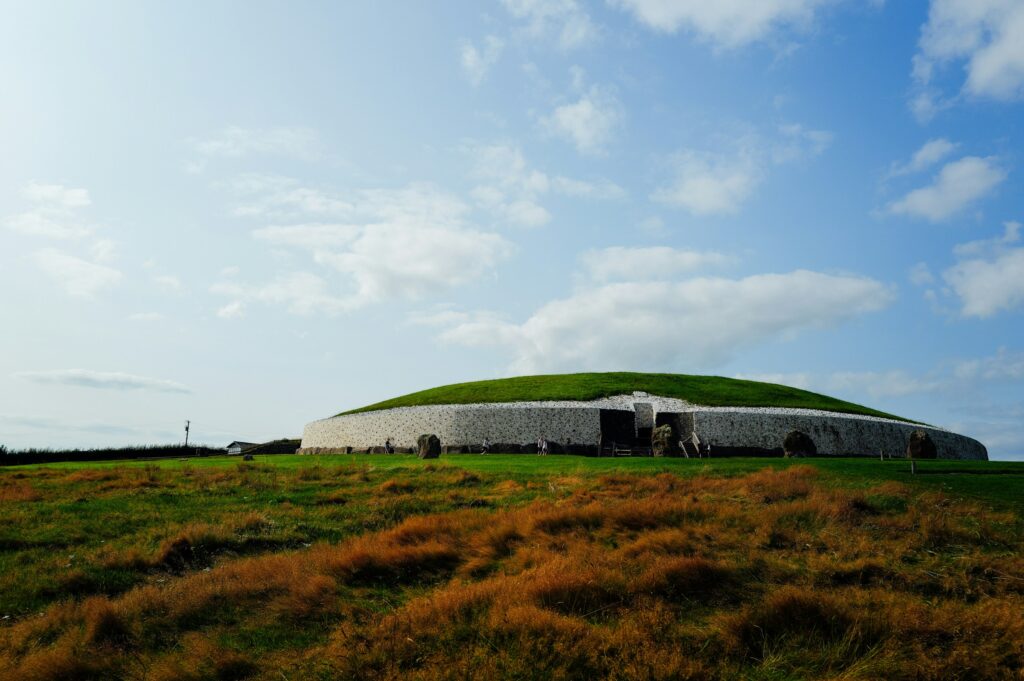
On another part of Europe’s Atlantic edge, the passage tomb of Newgrange in Ireland delivers one of the most dramatic stone‑and‑sun experiences on the planet. Built long before Stonehenge, Newgrange has a long, narrow corridor that leads into an inner chamber. Around the winter solstice, when the sun is at its lowest and the days are shortest, a shaft of light enters through a specially designed roof box above the entrance and travels down the passage to illuminate the chamber. This effect only happens in a tight window of days centered on the winter solstice, which makes it very hard to argue it’s a coincidence.
Newgrange joins sites like Stonehenge as a European gateway into the annual solar cycle, with a particular focus on the symbolic rebirth of the sun at midwinter. When I think about how, on almost the same days, people at Machu Picchu watched solstice light move across sacred stones, and those at Angkor Wat saw the sun crown their central towers, it becomes clear that the same cosmic milestones were being marked by cultures separated by vast oceans. To me, that is the quiet shocker: not that these places are somehow magically connected to each other, but that humans everywhere looked up, noticed the same patterns, and chose to carve those patterns into the most sacred spaces they could imagine.
Conclusion: A Shared Sky, Not A Secret Conspiracy
When you line up Stonehenge, Chichén Itzá, Machu Picchu, Great Zimbabwe, Angkor Wat, Tiwanaku, Newgrange, and many other candidates, it’s tempting to leap straight into grand theories of lost global civilizations or hidden energy grids. I think that does these sites a disservice. The far more grounded, and frankly more awe‑inspiring, explanation is that humans everywhere had access to the same sky and the same repeating solar events: the solstices and equinoxes. People who paid attention for long enough could not miss them, and if you are farming, ruling, or praying for a good harvest, knowing exactly when the year is turning is priceless. Sacred architecture became the perfect tool to fix those invisible dates in place, so that even without a written calendar, the walls and stones could say: now, this is the moment.
My own opinion is that the real wonder lies not in secret alignments known only to a chosen few, but in the stubborn, global human urge to make meaning out of the sky. Some alignments are clear and precise; others are likely coincidental or over‑interpreted, and we should be honest about that instead of forcing every stone to be a telescope. Yet even with that caution, the overall pattern holds: across continents, cultures independently tuned their most sacred sites to the same small set of annual celestial milestones. That quiet convergence tells us that while our stories differ wildly, our clock is shared. Next time you watch a sunrise near the solstice or equinox, it is worth asking yourself: in a world full of noise, how many other humans, past and present, have paused at that same annual moment to listen to the sky?