You probably think of sinkholes as the stuff of nightmares: the ground suddenly giving way, cars and trees tumbling into a dark, gaping void. And yes, sometimes they are exactly that. But every now and then, when the earth tears open, it does not just swallow things – it reveals them. Hidden forests, ancient secrets, lost machines and eerie signs of how fragile your world really is suddenly come to light. As you move through these stories, you’ll notice a strange pattern: what looks like pure catastrophe at first glance often turns into a window into something you never would have seen otherwise. Some of these sinkholes brought scientists running. Others left entire cities stunned. And at least one of them turned into an unexpected tourist attraction. By the time you reach the end, you may never look at a crack in the pavement the same way again.
1. The China Sinkhole That Hid a Lost Forest
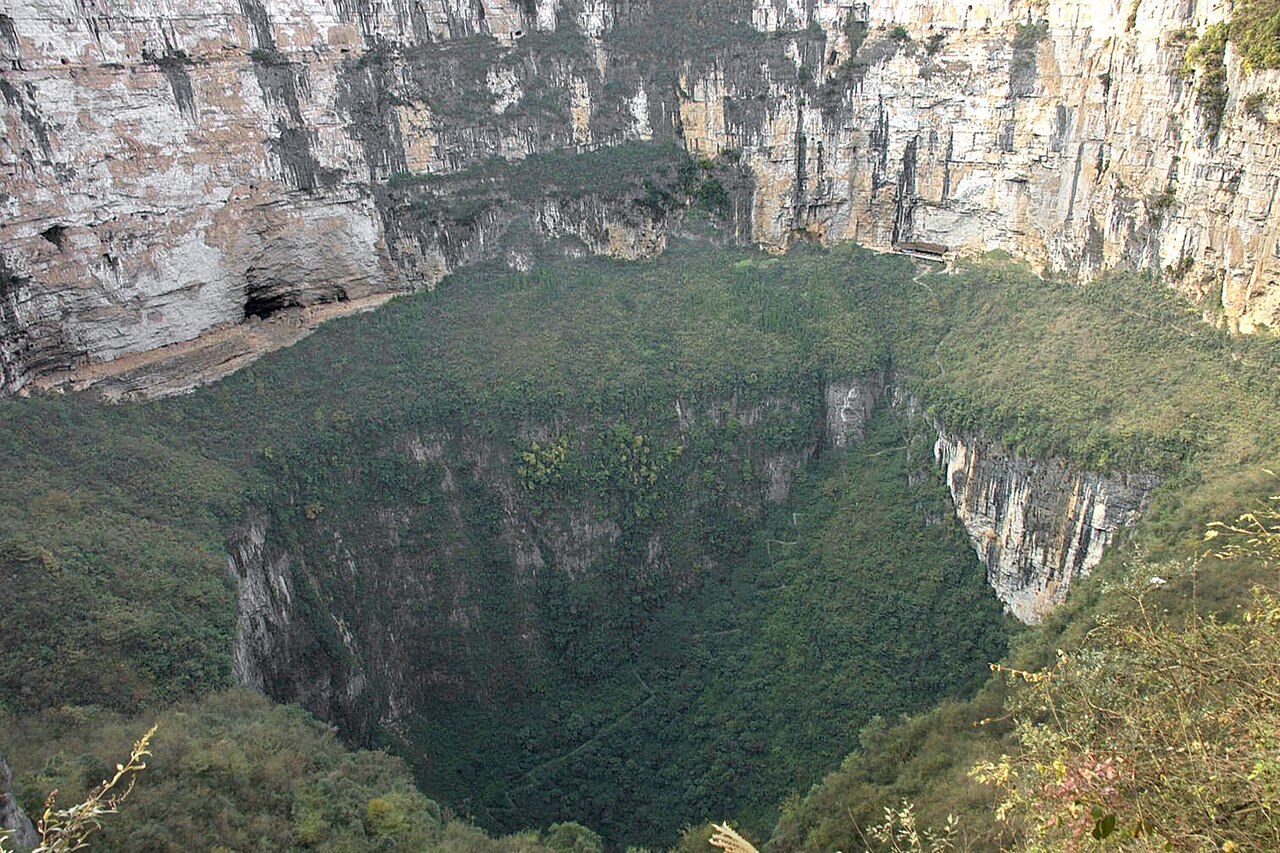
Imagine standing on the edge of a hole so deep you cannot see the bottom at first – and then realizing there is a living, breathing forest down there. In southern China’s Guangxi region, cave explorers climbed into a massive karst sinkhole and discovered a lush “prehistoric” forest thriving far below the surface. You are looking at trees towering as tall as a 10‑story building, rare plants, and a cool, moist microclimate that feels like stepping into a lost world in a fantasy novel. ([indianexpress.com](https://indianexpress.com/article/explained/explained-discovery-of-a-primitive-forest-at-the-bottom-of-a-giant-sinkhole-in-china-7931737/?utm_source=openai)) What makes this so wild is that you are not talking about some tiny pit; you are dealing with a depression hundreds of feet deep and wide, with enough space to host a small ecosystem that had stayed tucked away from most human eyes. Scientists think sinkholes like this can shelter ancient plant lineages and species that might have disappeared elsewhere. If you ever find yourself hiking through thick forest and the ground ahead simply disappears into a green abyss, this is the kind of secret that might be waiting at the bottom.
2. Kentucky’s Car‑Eating Hole Under the Corvette Museum
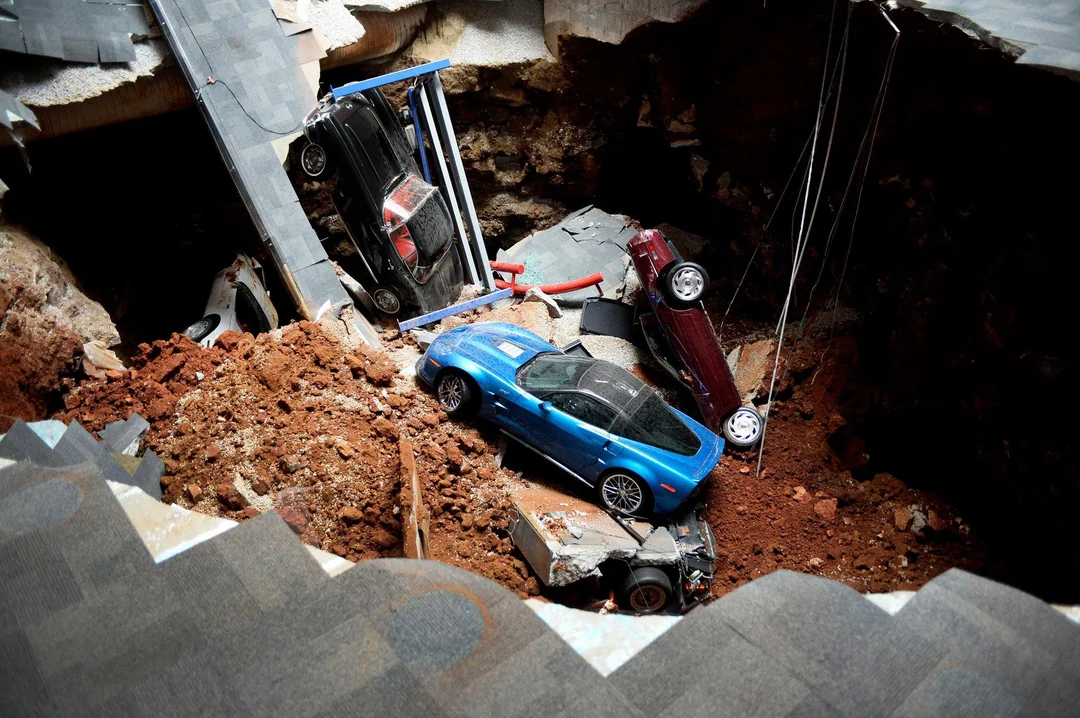
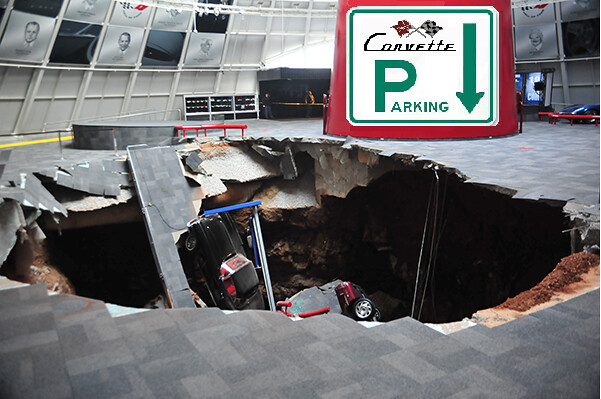
You probably do not expect the floor of a car museum to simply vanish, but that is exactly what happened in Bowling Green, Kentucky, in 2014. In the middle of the night, a huge sinkhole opened beneath the National Corvette Museum’s Skydome and swallowed eight prized Corvettes, including milestone cars like the millionth Corvette ever built. Security cameras later showed the concrete floor dropping away like a trapdoor, leaving the sports cars piled in a jagged, 30‑foot‑deep pit. ([corvettemuseum.org](https://www.corvettemuseum.org/about-the-museum/?utm_source=openai)) Here is the twist: instead of quietly burying the incident, the museum leaned into it. Crews pulled the cars out, some mangled almost beyond recognition, and the museum built a permanent “Corvette Cave‑In” exhibit over the repaired sinkhole. Today, you can stand on a glass floor, look down into the stabilized cavity below, and see some of the damaged Corvettes on display as survivors rather than victims. A disaster that could have ruined the museum’s image ended up becoming one of its biggest draws. ([corvettemuseum.org](https://www.corvettemuseum.org/museum-commemorates-5th-anniversary-of-corvette-swallowing-sinkhole-with-360-degree-virtual-cave-tour/?utm_source=openai))
3. The Guatemala City Hole That Swallowed a Building
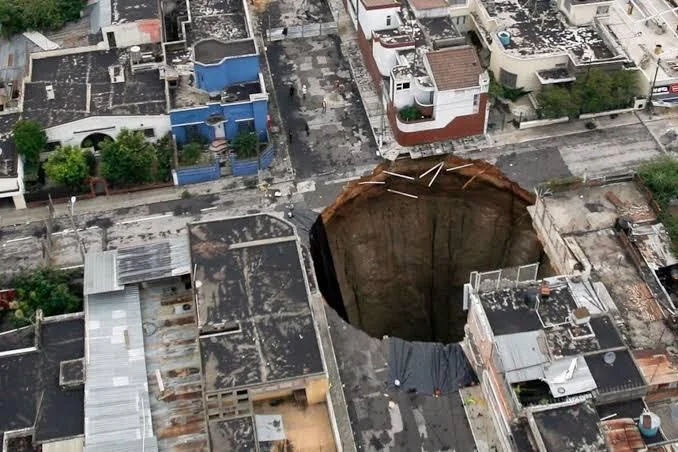
If you have ever seen those viral photos of a perfectly round, terrifyingly deep shaft in the middle of a city street, you are probably looking at Guatemala City. In 2010, after heavy rains from Tropical Storm Agatha, the ground suddenly collapsed and opened an almost impossibly neat vertical hole. It was roughly as wide as a modest house and so deep you could not see the bottom without lights, and it swallowed an entire several‑story building in an instant. ([abcnews.go.com](https://abcnews.go.com/Technology/guatemala-city-sinkhole-happen/story?id=10796311&utm_source=openai)) What you really uncover at the bottom in a case like this is less a single “object” and more a brutal lesson about how cities are built. Experts later linked the collapse to leaking, overloaded sewer systems and unstable volcanic ash layers beneath the urban core. In other words, you are watching infrastructure failure turned inside out. That neat, cylindrical shaft feels almost unreal, but it is a reminder that under your feet, especially in big cities, there is often a messy mix of natural geology and aging pipes all holding up your daily life.
4. A Temple on Top of a Hidden Cenote at Chichén Itzá
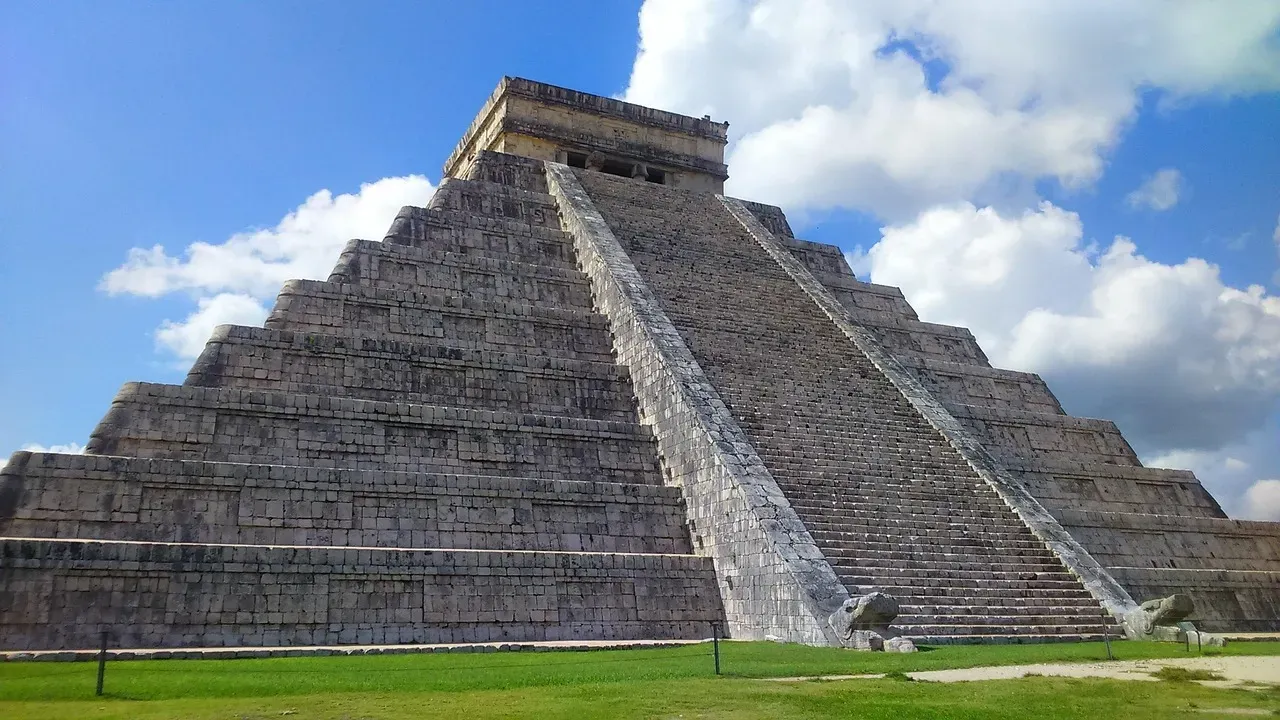
Sometimes the surprise at the bottom of a sinkhole is not discovered by a sudden collapse, but by looking under something you already know well. At the famous Mayan pyramid of El Castillo in Chichén Itzá, researchers used imaging techniques and found that the entire temple sits directly above a massive water‑filled sinkhole, or cenote. Picture standing at the base of that iconic stepped pyramid and realizing there is an underground pool encircling it like a natural moat you can’t see. ([en.wikipedia.org](https://en.wikipedia.org/wiki/El_Castillo%2C_Chichen_Itza?utm_source=openai)) For the ancient Maya, cenotes were sacred gateways, often associated with gods, rituals, and offerings. So when you learn that this huge temple is perched right over a hidden sinkhole, it suddenly makes sense: the placement is not random at all. You are looking at architecture and geology woven together deliberately, with the pyramid acting as a kind of stone crown above a natural well. The big reveal here is not a lost car or a forest, but the realization that ancient builders may have chosen this exact spot because of what lay concealed in the ground below.
5. Chinese “Sky Wells” Hiding Isolated Ecosystems
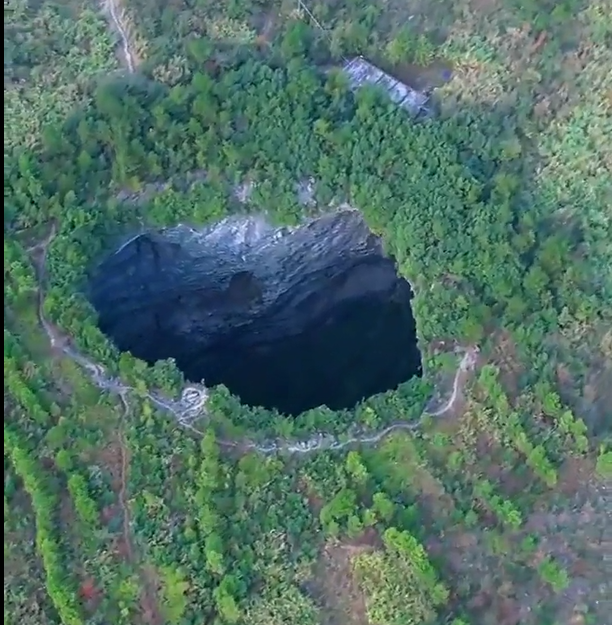
Beyond that one famous forested sinkhole, China has other “sky wells” where you stumble on entire mini‑worlds sealed off by steep stone walls. In places like Tongtianluo Cave in Guangdong, a narrow opening at the top widens dramatically below, sheltering a dense stand of trees and rare plants that you would never know were there if you just walked past at ground level. The entrance may be only as wide as a small clearing, but by the time you reach the bottom, you are standing in a green amphitheater. ([reddit.com](https://www.reddit.com/r/oddlysatisfying/comments/1jp5s2m?utm_source=openai)) What you really find at the bottom is a kind of natural laboratory. Because sunlight, rain, and wind filter down differently, plants adapt in unique ways, and some species end up thriving only in that sheltered environment. As a visitor, you feel like you have walked into the world under the world – familiar trees, ferns and mosses, but arranged in a way that makes the surface feel distant and almost unreal. It drives home the idea that the planet still hides pockets of life that do just fine without your roads, farms, or cities.
6. Sinkholes That Expose Underground Rivers and Caves
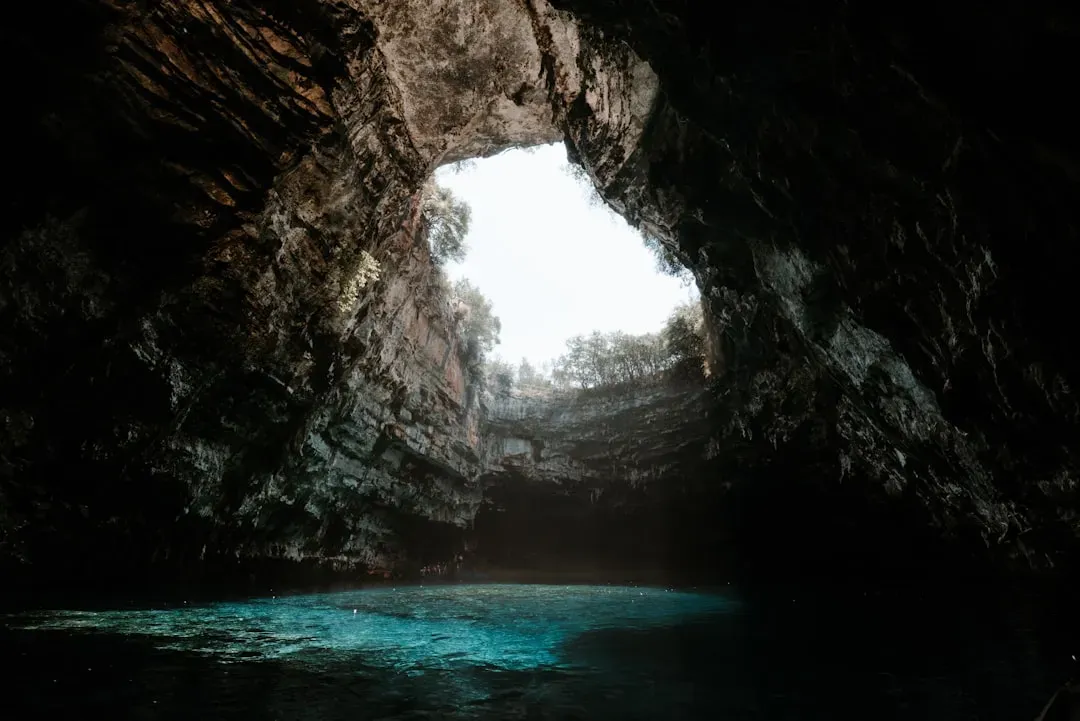
In many karst regions around the world, including parts of the United States, Turkey, and southern China, sinkholes act like accidental skylights punched into underground highways of water. When the roof of a limestone cave collapses, you might suddenly see a river you never knew existed, flowing quietly in the dark for thousands of years. One moment you are looking at a field or roadway; the next, you are staring at a rocky shaft with water rushing at the bottom like a secret subway line carved by nature. ([indianexpress.com](https://indianexpress.com/article/explained/explained-discovery-of-a-primitive-forest-at-the-bottom-of-a-giant-sinkhole-in-china-7931737/?utm_source=openai)) For hydrologists and speleologists, this is a gold mine. A fresh collapse can reveal how groundwater moves, where pollution might travel, or why certain springs suddenly change color or flow. For you, the shock is more emotional: it becomes very clear that the solid ground you trust is often just the thin roof of a much more complicated world. That hidden river or cave is not new, but the sinkhole forces you to confront the fact that you have been living over it the entire time.
7. Urban Sinkholes That Lay Bare Your Infrastructure
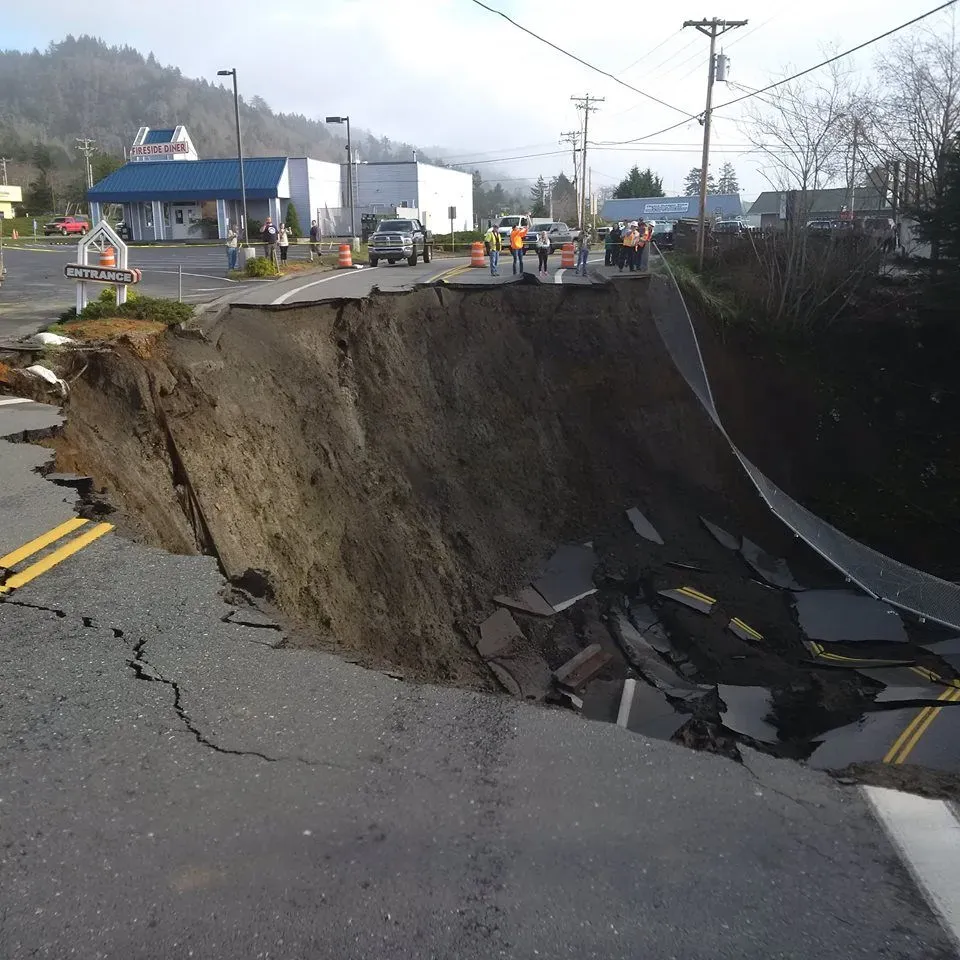
Not every surprising find involves nature; sometimes the most unexpected thing at the bottom of a sinkhole is just how much of your own technology is crumbling. In many modern cities, sinkholes form when aging water or sewer lines crack, slowly washing away the soil until the pavement finally gives up. When crews climb down, they often find a spiderweb of rusting pipes, makeshift repairs, and voids carved by leaking water, all exposed like the guts of a machine that has been run too hard for too long. ([nationalgeographic.com](https://www.nationalgeographic.com/science/article/100603-science-guatemala-sinkhole-2010-humans-caused?utm_source=openai)) If you have ever wondered how often you drive over hidden problems, this kind of collapse answers the question in a pretty blunt way. You see evidence of past quick fixes, patched connections, and forgotten cables draped through the void. It is not glamorous, but it is revealing: sinkholes can act like brutal audits of how seriously a city has taken its underground maintenance. What falls into the hole – cars, sidewalks, small buildings – is dramatic, but what you discover at the bottom is usually a story about long‑term neglect.
8. When Disaster Turns Into a Tourist Attraction
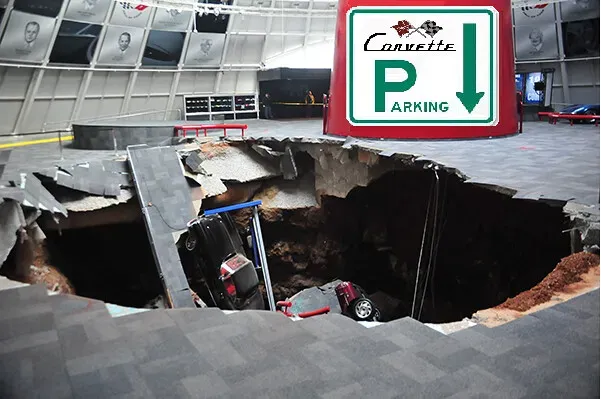
One of the oddest things you notice when you look at these events over time is how quickly people turn a terrifying hole in the ground into something they line up to see. The Corvette Museum is the clearest example: within a few years, you could tour the stabilized sinkhole area, view the smashed cars, and even buy souvenirs tied to the collapse. What started as a frightening failure of the cave roof below the building eventually became part of the museum’s identity, woven into its storytelling and marketing. ([corvettemuseum.org](https://www.corvettemuseum.org/about-the-museum/?utm_source=openai)) You see smaller versions of this elsewhere too: visitors posing for photos beside fenced‑off holes, local tours that include “the sinkhole” as a stop, or online travel posts explaining how to find a famous collapse. You might shake your head at the idea of turning geological chaos into a selfie spot, but it also shows how you cope with risk. By framing the sinkhole as something to visit, learn from, and even enjoy, you take back a little control over something that once felt completely random and terrifying.
Conclusion: The World Beneath Your Feet Is Not as Solid as It Looks
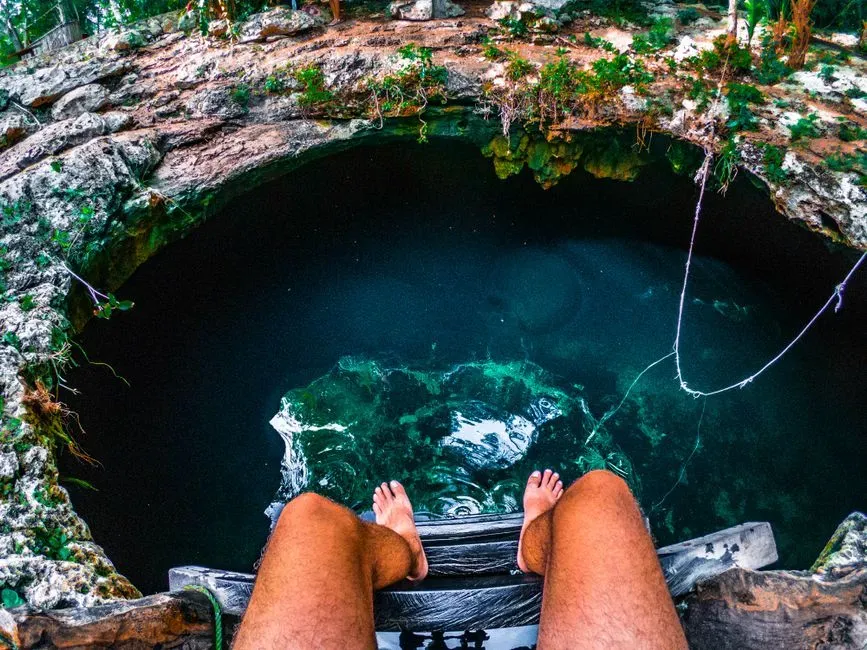
When you step back from all these stories, a single idea jumps out: sinkholes are not just holes; they are revelations. Sometimes they reveal hidden forests and underground rivers that remind you how alive the planet is, even where you cannot see it. Other times, they expose ancient sacred sites or the fragile, aging infrastructure that quietly keeps your cities running – until it does not. You do not have to stand on the rim of a massive pit to feel the impact. Just knowing that there are forests in the dark, cars in museum caverns, and pyramids sitting on secret water‑filled voids changes how you think about “solid ground.” The next time you feel the urge to take that stability for granted, ask yourself: if the earth opened under your feet, what forgotten story might be waiting at the bottom?