
Every few years, a headline promises that science has finally cracked the code on aging. Billionaires fund labs, mice get younger in experiments, and biotech companies chase the idea that death might one day become optional. Yet underneath all that noise sits a quieter, more stubborn set of facts written into the biology of every human cell, facts that no amount of funding or ambition has managed to fully overturn.
To understand why immortality remains out of reach, it helps to look past the marketing and into the actual machinery of the body. The reasons turn out to be less mysterious than people assume, and in some ways more interesting.
Every cell carries a built-in copy limit
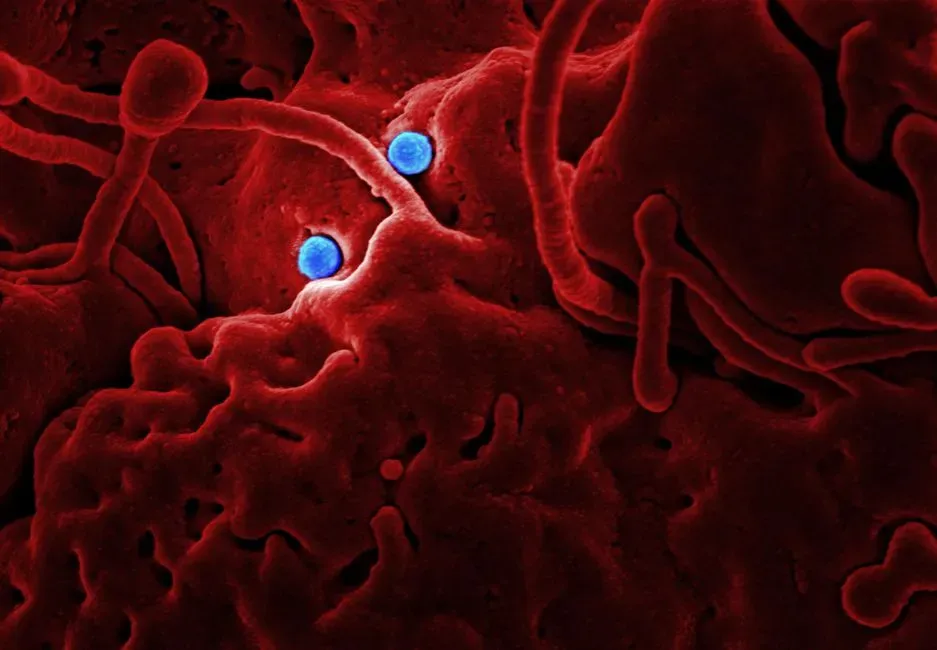
At the tip of every chromosome sits a small stretch of repetitive DNA called a telomere, and it behaves a bit like the plastic cap on the end of a shoelace. Telomeres are stretches of DNA and proteins at the ends of our chromosomes, and each time a cell divides, these stretches naturally get shorter. That shortening is not a flaw in the system. It is the system.
Once a telomere reaches a critical length, the cell stops dividing altogether. After around 50 cell divisions, the telomeres become critically short, a point called the Hayflick limit, at which the cell either destroys itself or enters a senescent state. Researchers studying human blood cells have even proposed a specific threshold, describing a leukocyte telomere length of about 5 kilobases as a marker of imminent risk, and this “telomeric brink” denotes a high risk of imminent death, with a subset of adults reaching it within the current life expectancy. The clock is not metaphorical. It is written directly into the chromosomes themselves.
The cellular cleanup crew stops cleaning up
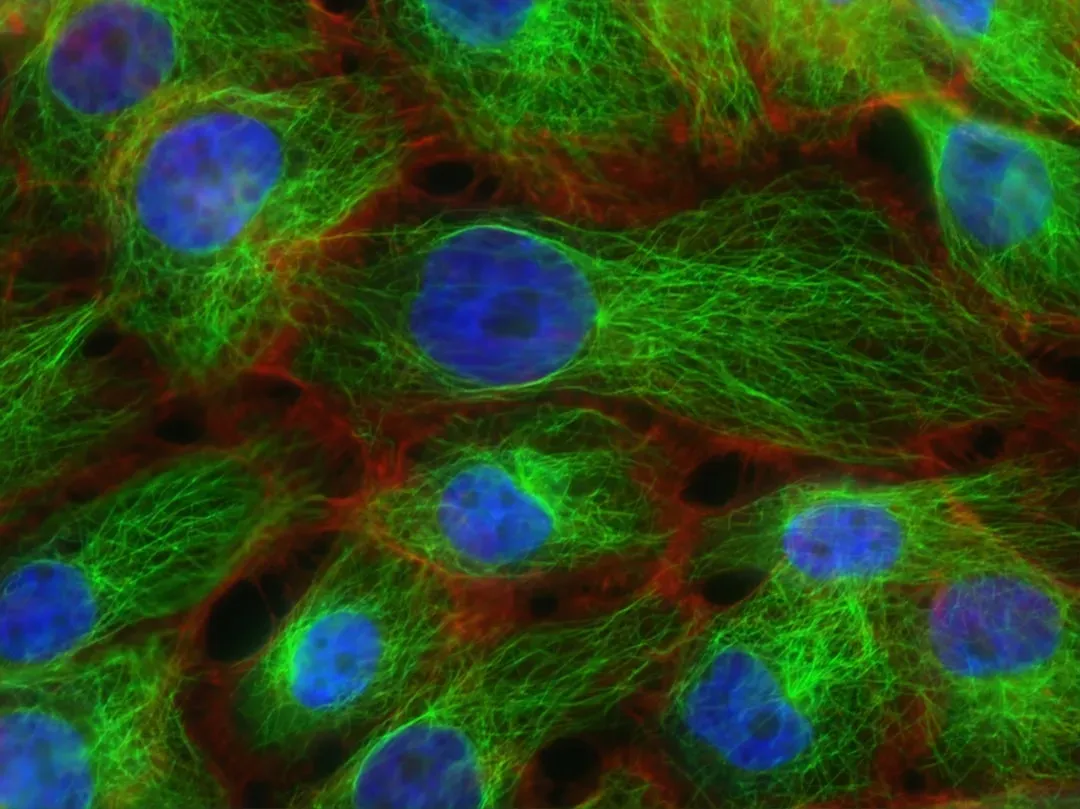
When a cell hits its division limit, it does not necessarily disappear. Many linger in a strange half-alive state known as senescence, and senescence is when a cell stops dividing permanently but remains at large, ultimately reducing the body’s ability to function and its regenerative power. These lingering cells are sometimes nicknamed zombie cells, and the description is not far off.
The trouble is that they do not just sit quietly. As we age, the body accumulates senescent cells, damaged cells that stop dividing but refuse to die, and these zombie cells promote chronic inflammation, damage nearby healthy tissue, and actively accelerate the aging process. Younger bodies clear these cells out efficiently. Older bodies increasingly let them pile up, which is part of why researchers have gotten so interested in senolytic drugs designed to flush them out, even though that approach only manages one piece of a much larger puzzle.
The body’s power plants slowly wear down
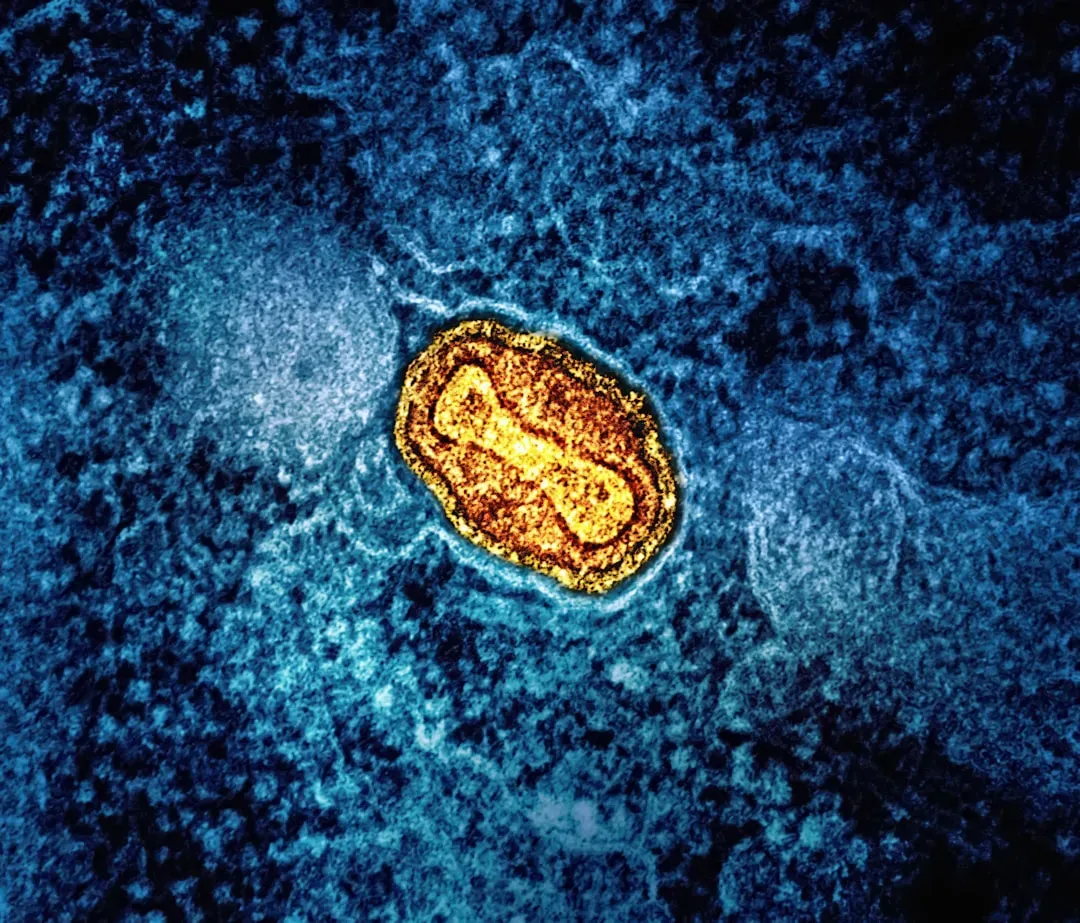
Every cell depends on mitochondria to generate usable energy, and these tiny structures do not age gracefully. Mitochondrial dysfunction and cell senescence are hallmarks of aging that are closely interconnected, and mitochondrial dysfunction is both a cause and a consequence of cellular senescence, figuring prominently in feedback loops that maintain the senescent state. In other words, tired cells and tired power plants feed off each other in a loop that gets harder to break the longer it runs.
As mitochondria falter, cells often shift toward a less efficient way of generating energy. In senescent cells, mitochondrial dysfunction drives a shift toward glycolysis over oxidative phosphorylation, characterized by upregulated glucose transporters and glycolytic enzymes alongside reduced activity of the respiratory complexes. That switch keeps a cell technically alive but functioning at a fraction of its former capacity, a bit like a factory running on backup generators indefinitely.
Damage accumulates faster than repair systems can keep up
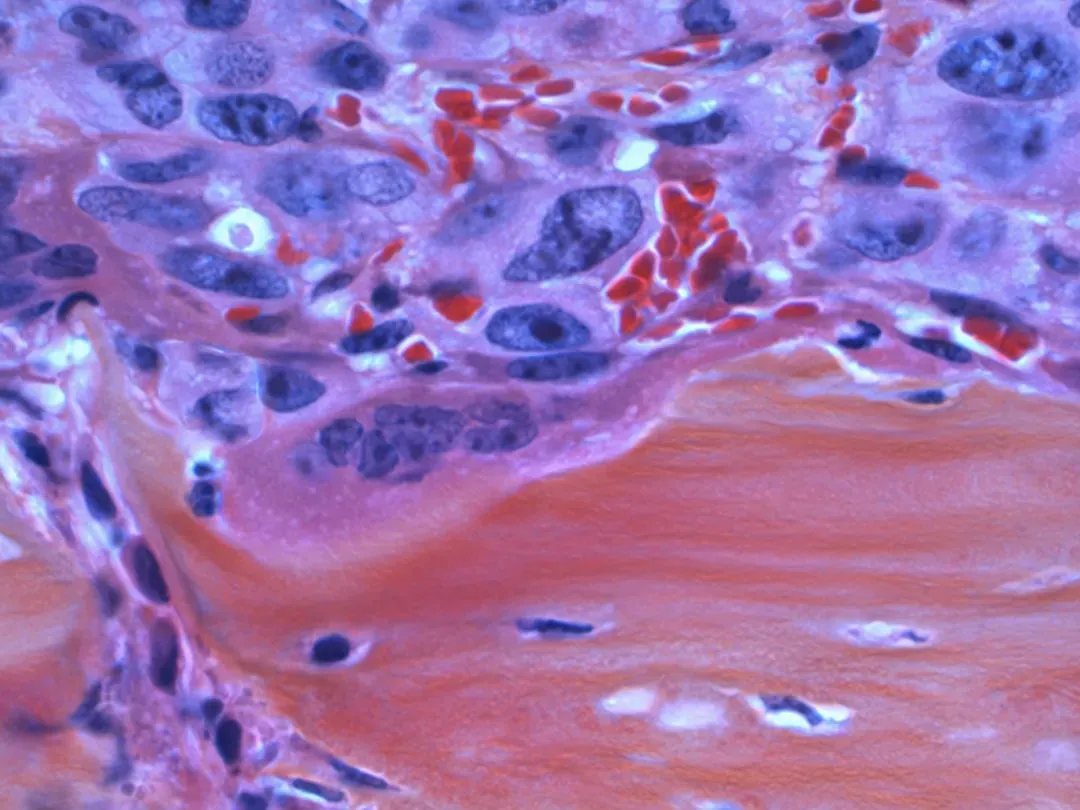
Cells are constantly bombarded by low-level chemical damage from their own metabolism, particularly from reactive molecules generated during energy production. Reactions taking place within cells can result in oxidation of proteins and other molecules, making them unstable and reactive, and these reactive oxygen species can damage DNA and proteins, leading to cellular dysfunction and aging. Repair systems handle most of this, but not all of it, and the leftover damage does not simply vanish.
Over decades, that unrepaired damage compounds. Genomic instability, altered gene expression near shortened telomeres, and disrupted communication between cellular structures all stack on top of one another, which is exactly why aging researchers now describe it as a network of interacting processes rather than one single switch. Aging is driven by hallmarks that show age-associated manifestation, that accelerate aging when experimentally worsened, and that can decelerate or even reverse aging when targeted therapeutically, with twelve such hallmarks currently proposed including genomic instability, epigenetic alterations, and chronic inflammation. No single repair job fixes all of them at once.
Evolution never selected for a long life, only for enough life
Perhaps the deepest reason death persists has nothing to do with molecules and everything to do with how natural selection actually works. Classical evolutionary theories suggest that environmental factors like predation, accidents, and disease ensure most organisms never reach old age in the wild, so natural selection strongly favors genes for early maturation and rapid reproduction while selection for long-term self-maintenance declines with age. Evolution, in short, does not care what happens to an organism after it has already reproduced.
This idea, known as antagonistic pleiotropy, explains why some genes that help us in youth quietly work against us later. The most famous example is the p53 gene, which protects young organisms from cancer by suppressing tumors but eventually depletes stem cells, acting as a guardian of the genome that triggers cell death or senescence when a cell becomes precancerous. The same trait that keeps a twenty year old from developing cancer helps grind down tissue function decades later. Biology never had to choose between the two, so it simply kept both.
The body’s information systems slowly lose fidelity

Beyond damage and cell division limits, aging also involves a gradual loss of proper regulation over the genome itself. Genes get switched on or off through chemical tags on DNA and the proteins wrapped around it, and epigenetic mechanisms critically regulate aging trajectories through dynamic DNA methylation, histone modifications, and chromatin remodeling, orchestrating cellular senescence without altering the underlying DNA sequence. Over time, these regulatory instructions drift, and cells start behaving less like their younger, better organized selves.
This drift is measurable, which is part of what makes it scientifically compelling rather than purely theoretical. Scientists can now estimate a person’s biological age from these chemical patterns using tools known as epigenetic clocks, and some interventions have shown modest ability to shift those readings. In humans, the strongest evidence remains fairly modest, since lifestyle and medical interventions can improve risk markers, function, and some biological age estimates, though the more useful question is which parts of aging biology can actually be measured and improved. That is a meaningfully different claim than reversing aging itself.
Even perfect medicine runs into a demographic ceiling

Suppose every mechanism above could someday be treated. Even then, population level data suggests something strange is happening at the very top of the human lifespan distribution. A paper published in Nature Aging concluded that unless the process of biological aging can be slowed, radical human life extension is implausible this century, noting that while average life expectancy has climbed since 1990, maximum lifespan has not changed. More people are reaching old age, but the ceiling itself has not moved.
The most famous illustration of that ceiling is a simple, uncomfortable fact. The number of centenarians is doubling every decade, yet maximum longevity remains the same, and the longest living person on record died in 1997 at the age of 122, a record that has not been beaten. Demographers disagree sharply on whether that ceiling is truly fixed or simply reflects the limits of today’s medicine, but nearly three decades without a new record is hard to wave away as coincidence.
Where the science actually leaves us
Reading through the research, what strikes me most is not that death is mysterious, but that it is almost boringly mechanical once you break it down. Telomeres shorten, cleanup systems slow, power plants sputter, damage compounds, evolution never built in a reason to last past reproduction, information systems drift, and the population level data keeps confirming that nobody has broken past roughly a century and change. None of that is a conspiracy or a failure of imagination. It is just how a self replicating, energy burning system behaves over enough decades.
I do not think this means longevity science is pointless, and the current wave of research into senolytics and epigenetic reprogramming genuinely deserves attention rather than dismissal. Still, I would be skeptical of anyone promising escape from the fundamentals described here anytime soon. The honest, current goal is not defeating death but narrowing the gap between how long we live and how long we live well, and that alone would be a real achievement worth taking seriously.