Imagine a future so distant that even the word “future” feels wrong. A time when every star has gone out, every galaxy has faded, and even light itself has nowhere left to go. Cosmology seriously suggests that, if our best theories are right, this is not sci‑fi melodrama but the ultimate fate of the universe. The twist is almost funny: the timescale is so absurdly huge that writing the number down is basically a kind of cosmic joke.
This is the story of how we go from the bright, busy, star‑forming cosmos we see today to a universe that is cold, dark, and effectively frozen. Along the way, we’ll talk about why no new stars can form, why even black holes eventually die, and why the final number on the timeline might be so massive that our brains just bounce off it. And yet, weirdly, this bleak picture can feel strangely calming, even beautiful, if you let it sink in.
The Universe Right Now Is Shockingly Young and Busy
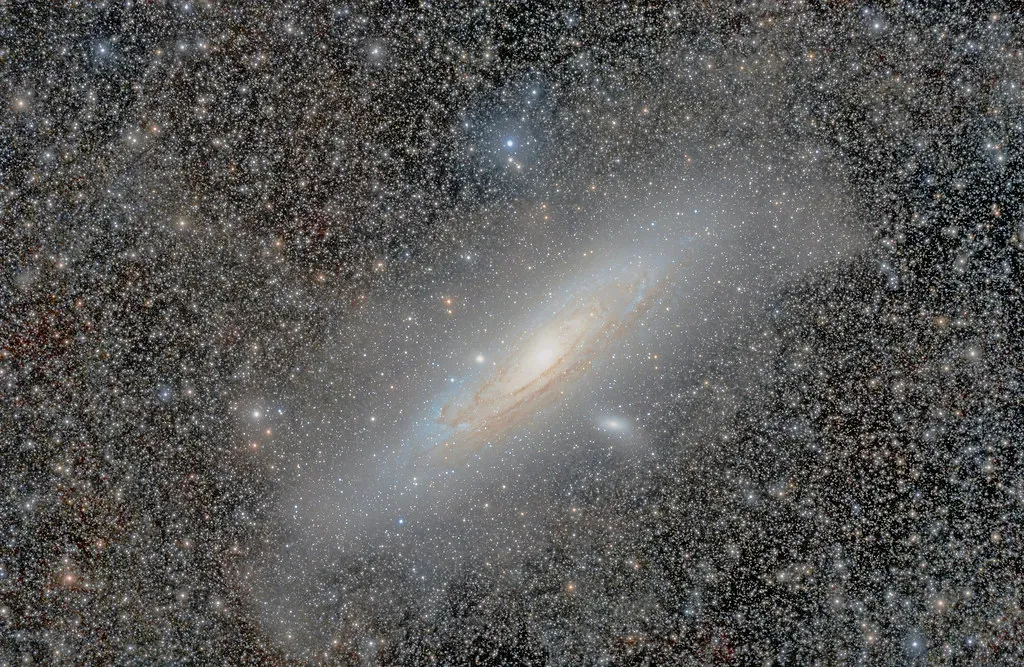
Here’s the first mind‑bender: the universe, at roughly about thirteen and a half billion years old, is cosmically a teenager. We live in a rare, messy sweet spot where stars are still forming, galaxies are still colliding, and the sky is crowded with light. Most of the universe’s history, forward in time, will not look like this at all. We just happen to exist during a brief era when the cosmos is visibly alive.
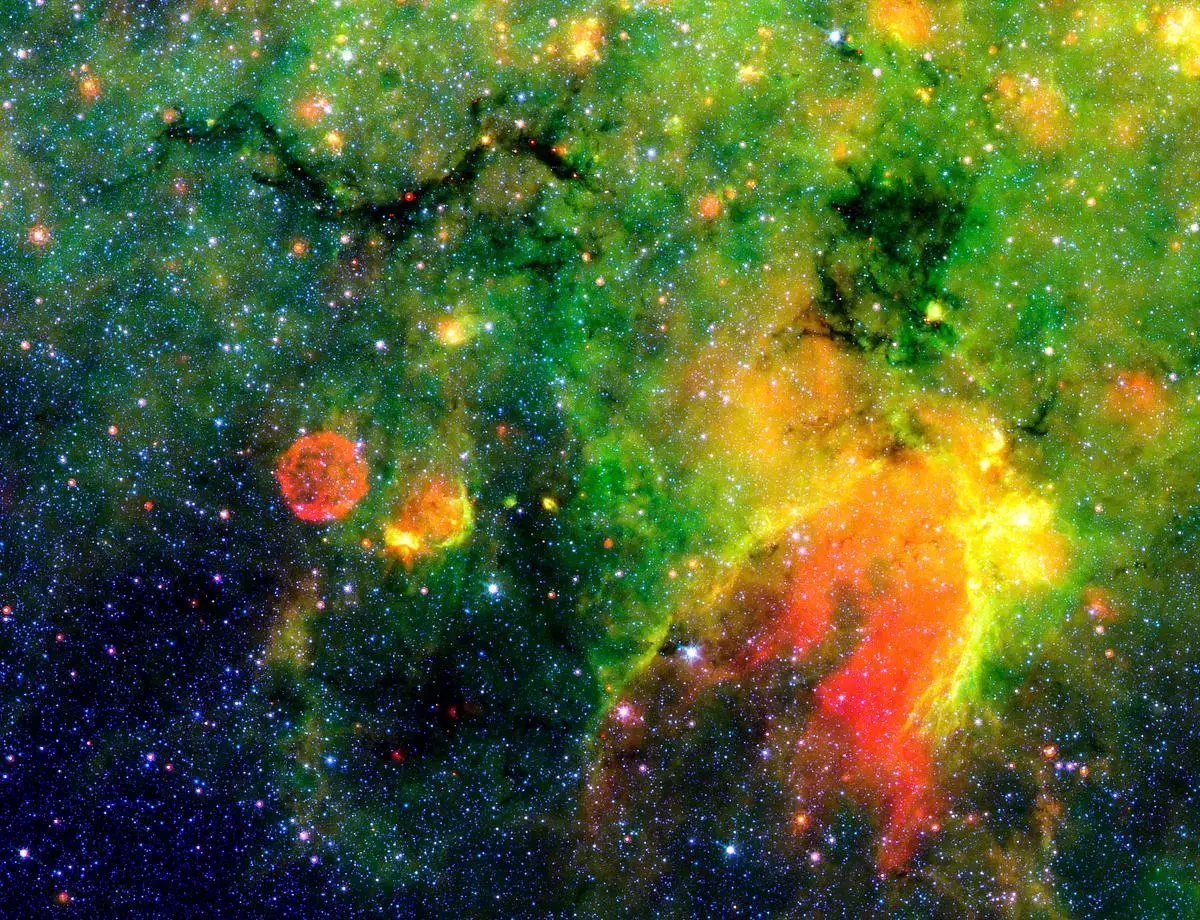
Right now, giant clouds of gas collapse under gravity, ignite nuclear fusion, and give birth to new stars. Galaxies are like cosmic cities lit up at night, their spiral arms glowing with fresh, blue, short‑lived stars. On human scales, it feels ancient and unchanging; on cosmic scales, it is an active construction site in the middle of its workday, not a finished monument. That’s important, because the conditions that make this possible are slowly, but absolutely, being used up.
How Star Formation Slowly Chokes to Death
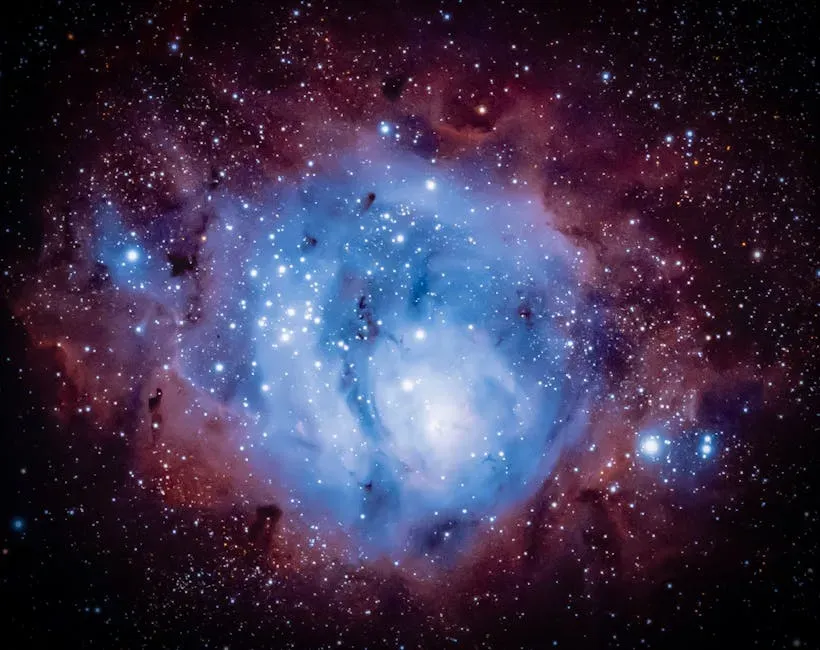
Stars are not eternal; they are more like campfires. They need fuel, and they burn through it. The “fuel” for new stars is cold hydrogen and helium gas. Over time, gravity has been hoovering this gas into stars, which then stir, heat, and scatter it in a complex cycle. But the total amount of easily usable, cold gas is finite. As more gas gets locked into long‑lived stars or heated and blown out of galaxies, the star‑formation rate drops.
Observations already show that the universe was forming stars far more furiously several billion years ago than it is today. In other words, the party has already started to wind down. Given enough time, galaxies will run out of the dense, cool gas clouds needed to make new stars at all. At that point, the universe stops being a place where new lights turn on and becomes a place where existing lights just keep going out, one by one, with no replacements.
From Stellar Graveyards to a Universe Full of Remnants
When stars die, they do not simply disappear; they leave behind corpses. Small and medium stars end up as white dwarfs – dense, Earth‑sized embers of carbon and oxygen. More massive stars collapse into neutron stars or black holes, objects so extreme they sound like bad metaphors instead of real things. Over trillions upon trillions of years, the bright, “ordinary” stars fade away, and the universe turns into a graveyard full of these remnants.
Even planets, asteroids, and loose rocks will outlive their parent stars, at least for a while. Imagine a universe where the main pieces are dark, cold balls of matter drifting through space, and the occasional ultra‑faint glow from an aging remnant star. No new bright blue giants, no newborn suns lighting up fresh planetary systems. Just the leftovers. This is the cosmic equivalent of walking into a stadium hours after the concert, when the crew is sweeping up trash under dead floodlights.
The Black Hole Era and the End of Everything Hot
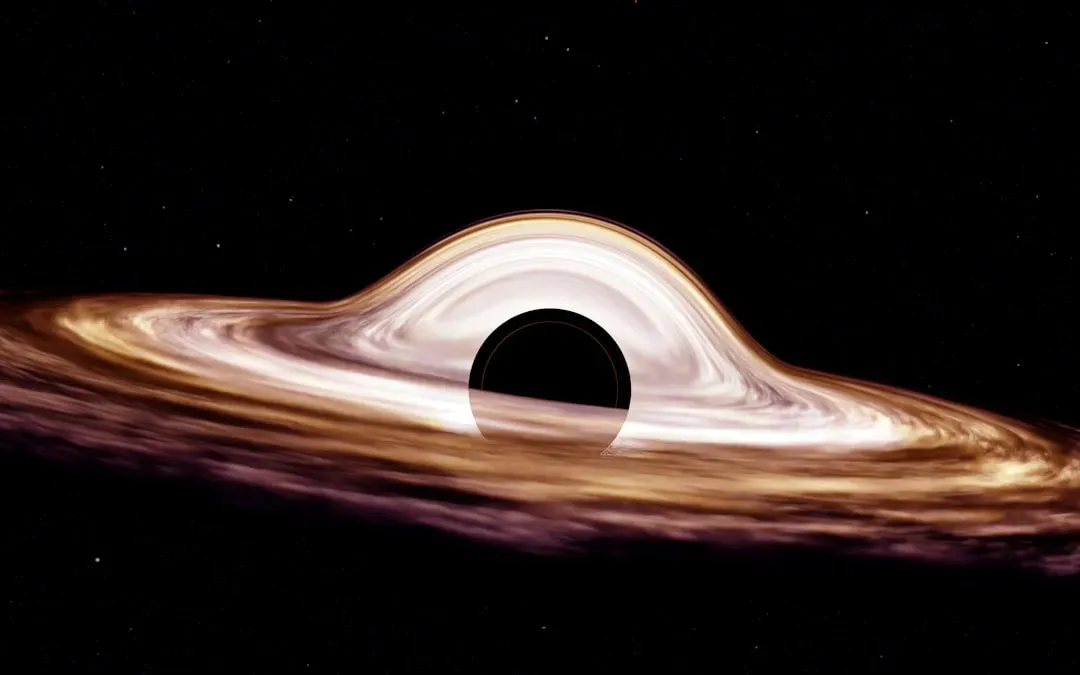
As time drags on, black holes take center stage. They swallow stars, gas, planets, and even each other, merging into fewer and fewer, but more massive, black holes. For a while, this keeps things interesting: matter still falls in, energy is released, and the surroundings can briefly flare. But even this drama has a deadline. There is only so much matter to eat, and black holes are not perfectly eternal either.
According to our best theory of gravity combined with quantum physics, black holes very slowly leak energy over unimaginable times through a process called Hawking radiation. The bigger the black hole, the longer it takes, but the direction is clear: eventually, even the largest black holes evaporate. That evaporation time makes the current age of the universe look like a fraction of a second. When the last black hole finally fades, there will be nothing left that can seriously heat anything up.
Dark Energy, Runaway Expansion, and Why Light Loses
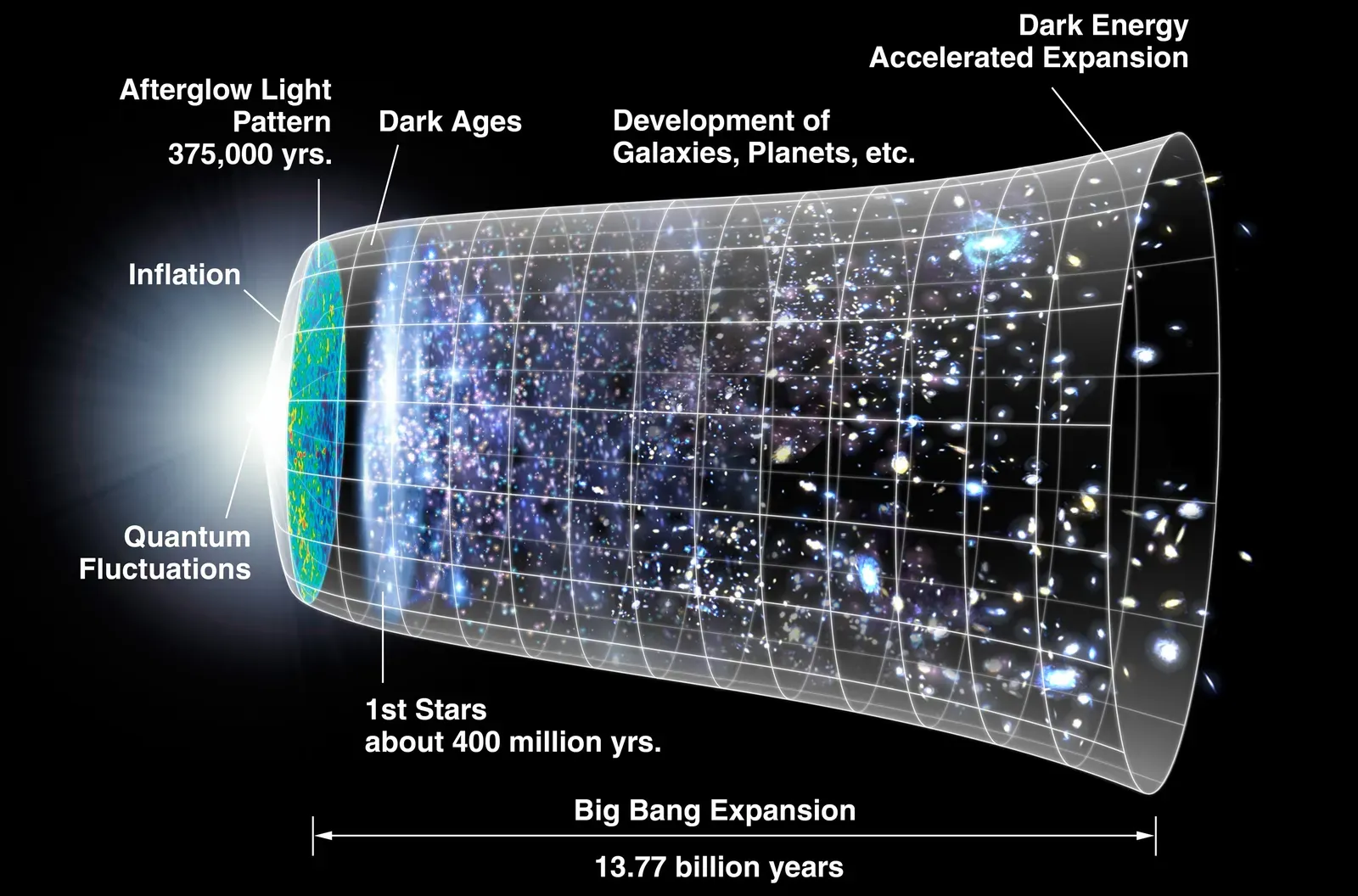
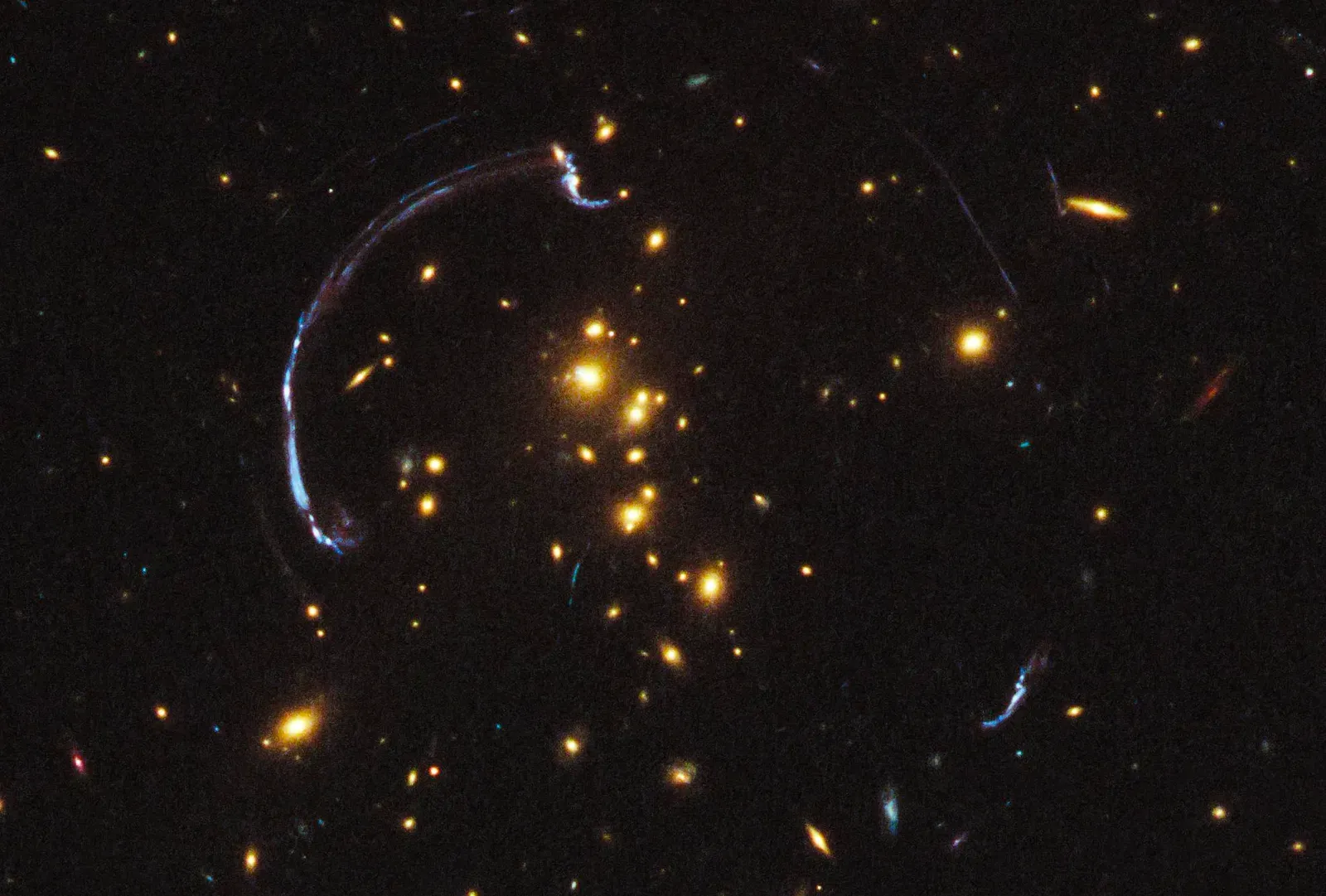
The universe is not just expanding; it is expanding faster and faster because of dark energy, some kind of energy built into the fabric of space itself. Over time, this accelerated expansion has a brutal consequence: distant galaxies slip over a kind of cosmic horizon, so far away that their light, no matter how long it travels, can never reach us. On long enough timescales, every galaxy outside our own local clump effectively disappears from view.
Inside each gravitationally bound region, like the future remnant of our local group of galaxies, gravity will still hold matter together, but the wider universe becomes more and more empty. Light that does manage to travel across space gets stretched, weakened, and reddened by expansion. Eventually, the wavelengths grow so enormous that any remaining photons carry next to no energy and become practically undetectable. In that sense, there comes a time when light has nowhere useful to go and no meaningful way to be seen.
Timescales So Big They Break Your Intuition
Here’s where the headline really kicks in: all of this happens on timescales that make even “trillions of years” sound cute. The full timeline to a universe with no new stars, no active galaxies, and evaporated black holes involves powers of ten stacked on powers of ten. You could spend pages writing zeros and still not scratch the surface of how long we’re talking about. At some point, the raw number stops being informative in any human sense.
Our brains evolved to handle minutes, seasons, lifetimes – maybe centuries if we stretch. Trying to grasp intervals that dwarf the age of the current universe by factors so huge they might as well be infinite is like asking a goldfish to understand global economics. Cosmologists use these wild numbers because they fall naturally out of equations, but they fully admit that writing them down does not magically make them intuitive. The headline is right: the number is so enormous that it tells you almost nothing about how it feels, because there is no “feeling” for it.
The Final State: A Cold, Thin, Almost Featureless Universe
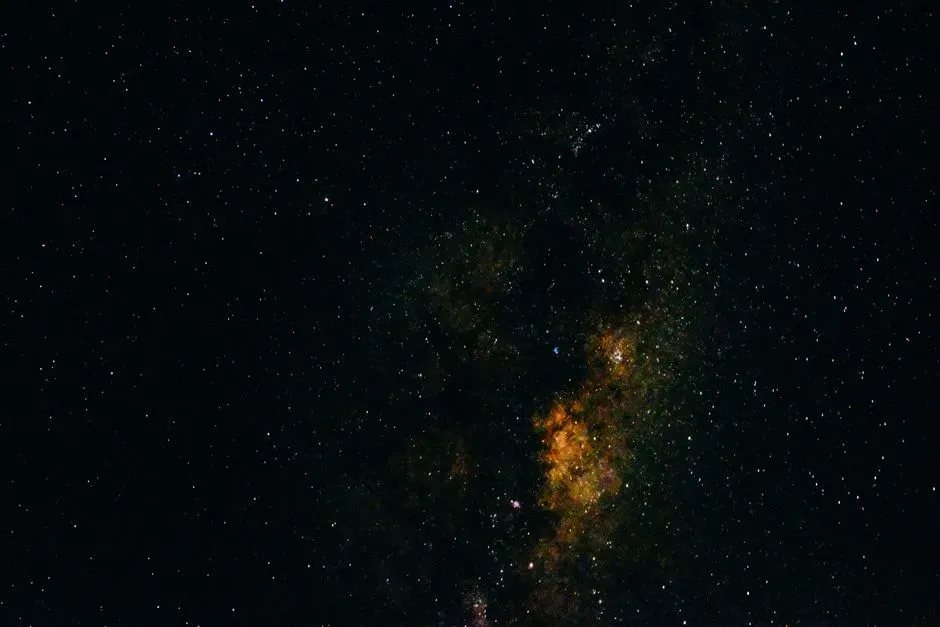
Put all the pieces together, and the far future cosmos looks eerily simple. No new stars are forming because there is no dense, cold gas left to collapse. The stars that ever existed have died and decayed into faint embers, then into dark remnants. The black holes have evaporated into a thin mist of low‑energy radiation. Space keeps expanding, stretching that radiation thinner and thinner, colder and colder, until the universe asymptotically approaches a uniform, near‑absolute‑zero bath of almost nothing.
In that regime, nothing complex can spontaneously arise. There is no free energy to drive new structures, no temperature differences to power processes like life or chemistry as we know them. The universe becomes a quiet, cold, nearly structureless desert – not because it “ran out of stuff,” but because it ran out of ways to rearrange that stuff into anything interesting. It is the heat death: maximum overall entropy, minimum potential for anything new.
Why This Bleak Ending Is Weirdly Comforting (and What I Really Think)
On the surface, this is one of the grimmest stories science has ever told: everything burns out, nothing new arises, and the whole universe ends not in a bang, but in a soft, endless fade to dark. But I find it strangely comforting that reality is this indifferent, this patient, this vast. Our dramas, hopes, and mistakes are tiny ripples in a cosmos that plays out over timescales so huge they make even our biggest problems look small and temporary. There is something liberating about knowing that the universe does not revolve around us and will keep going long after our last trace is gone.
At the same time, this picture is a reminder that meaning is not handed to us by the universe; we make it ourselves, here, in this rare bright window when stars still burn and light still travels freely between galaxies. The fact that, one day, no new star will form and no useful light will cross the void does not make our current moment pointless – it makes it precious. If anything, the absurd size of the timeline highlights how shockingly brief and weirdly special it is that we are here at all, able to look up and ask these questions. When you think about it that way, does the universe’s far‑future silence feel depressing to you, or does it make this fleeting era of light feel even more worth living in?