Right now, as you read this, parts of you are quietly dying and being rebuilt. Cells in your gut are being shed, immune cells are finishing their final battles, and even the lining of your mouth is already halfway to being replaced. It sounds dramatic, but this constant cycle of destruction and renewal is just how your body stays alive.
When you really sit with that idea, it becomes unsettling and strangely comforting at the same time. If so many of your cells have lived, died, and been replaced over the years, what is it that actually stays the same? If almost everything in your body is different from what it was years ago, in what sense are you still you?
The Hidden Reality of Living in a Constantly Replaced Body
You probably grew up with the simple idea that you have a body, and that body is just… there. Solid. Continuous. But cell biology paints a very different picture: what you think of as a stable body is actually a swirling, organized chaos of cells being born, working, dying, and being swapped out again. Large portions of you are on a timetable, with different tissues renewing at very different speeds.
The cells on your skin’s surface last only a few weeks before they flake off and are replaced from beneath. The lining of your gut cycles even faster, while many of your immune cells come and go over days to months as they respond to threats. Some cells, like most neurons in your brain, tend to stick around for decades, but even they are constantly remodeling their connections, proteins, and chemistry. You are not a fixed sculpture; you are closer to a living fountain, where the shape looks constant but the water is never the same.
How Cells Live, Die, and Get Rebuilt Without You Noticing
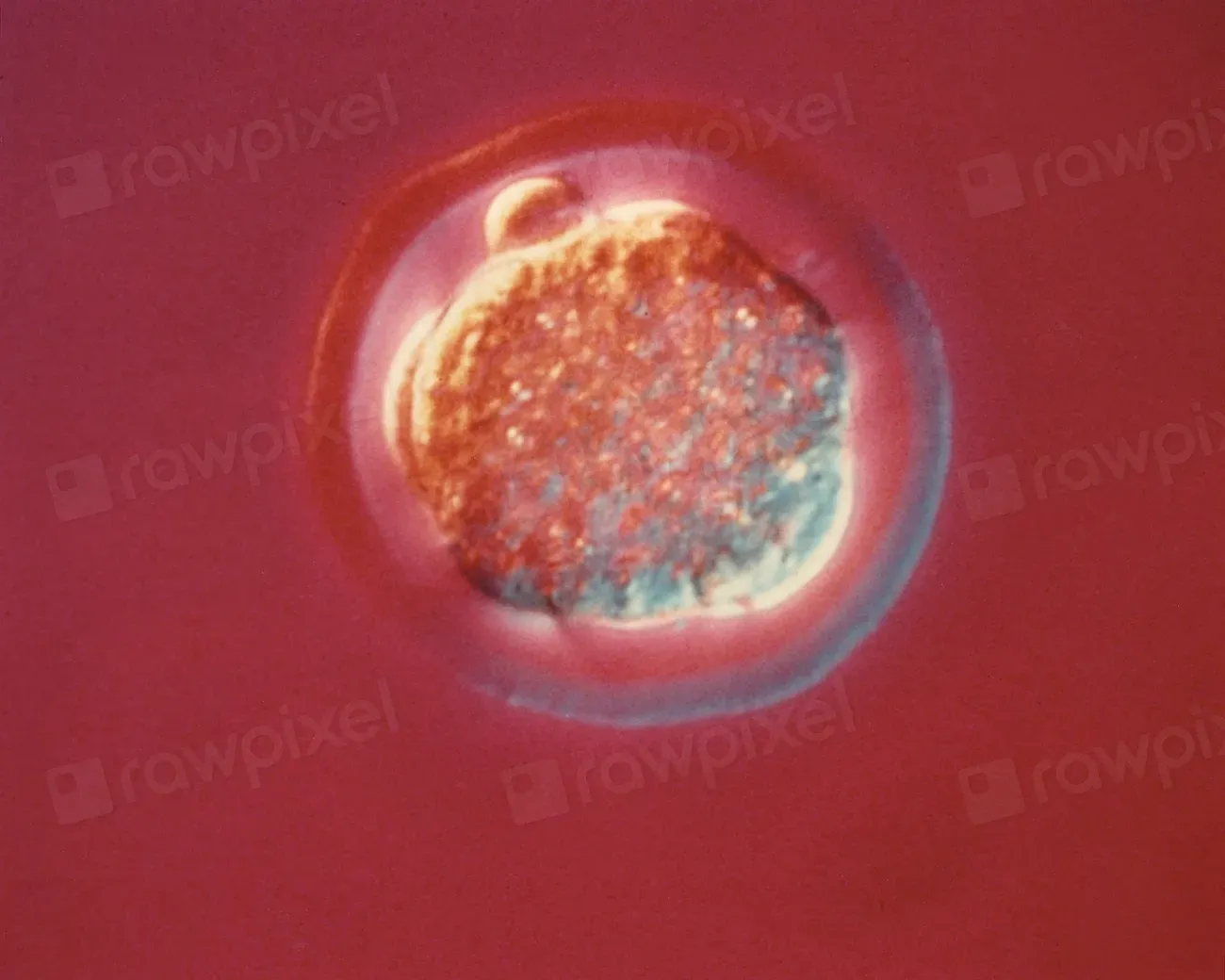
If you could zoom into your tissues, you would see that cell death is not a rare emergency event; it is a daily, quiet routine. Many of your cells die through a highly controlled process called programmed cell death, where they essentially dismantle themselves from the inside out. This keeps old, damaged, or no-longer-needed cells from sticking around and causing trouble.
At the same time, stem cells in places like your bone marrow, skin, and gut keep dividing to create fresh replacements. They follow a kind of biological blueprint encoded in your DNA and influenced by local signals from neighboring cells. You do not feel any of this directly, yet this invisible choreography is why wounds close, infections clear, and you do not simply fall apart as cells age and fail.
Your Body Has Already Been “Replaced” Many Times Over
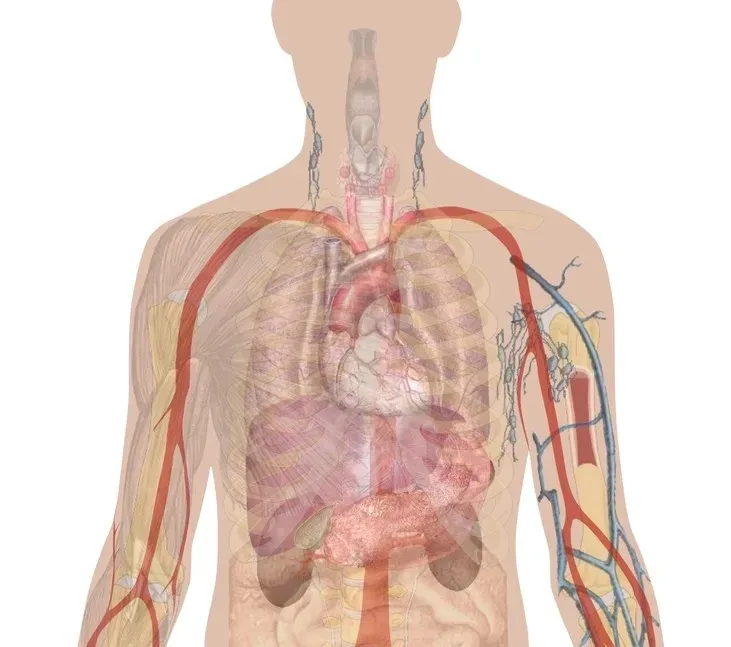
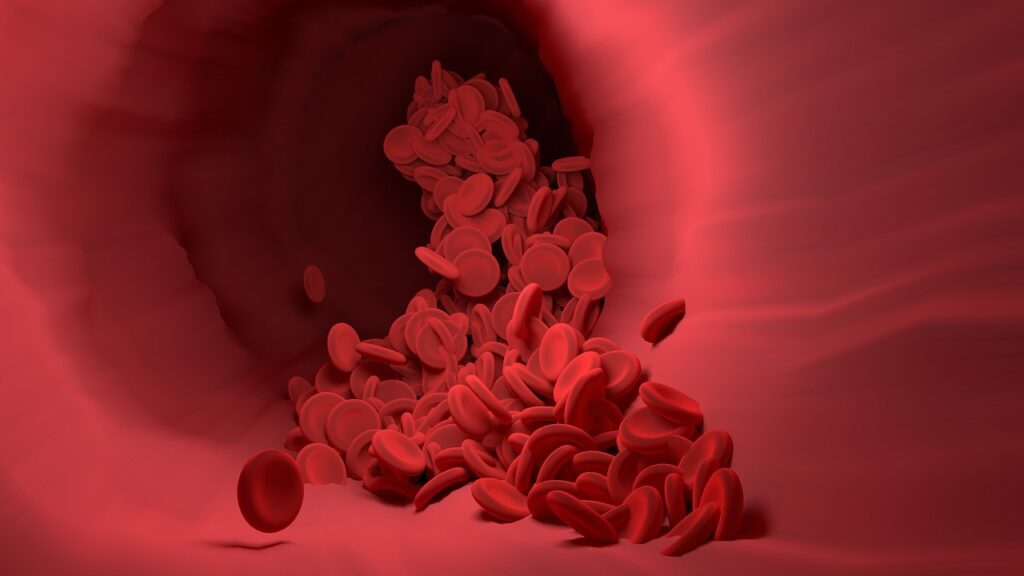
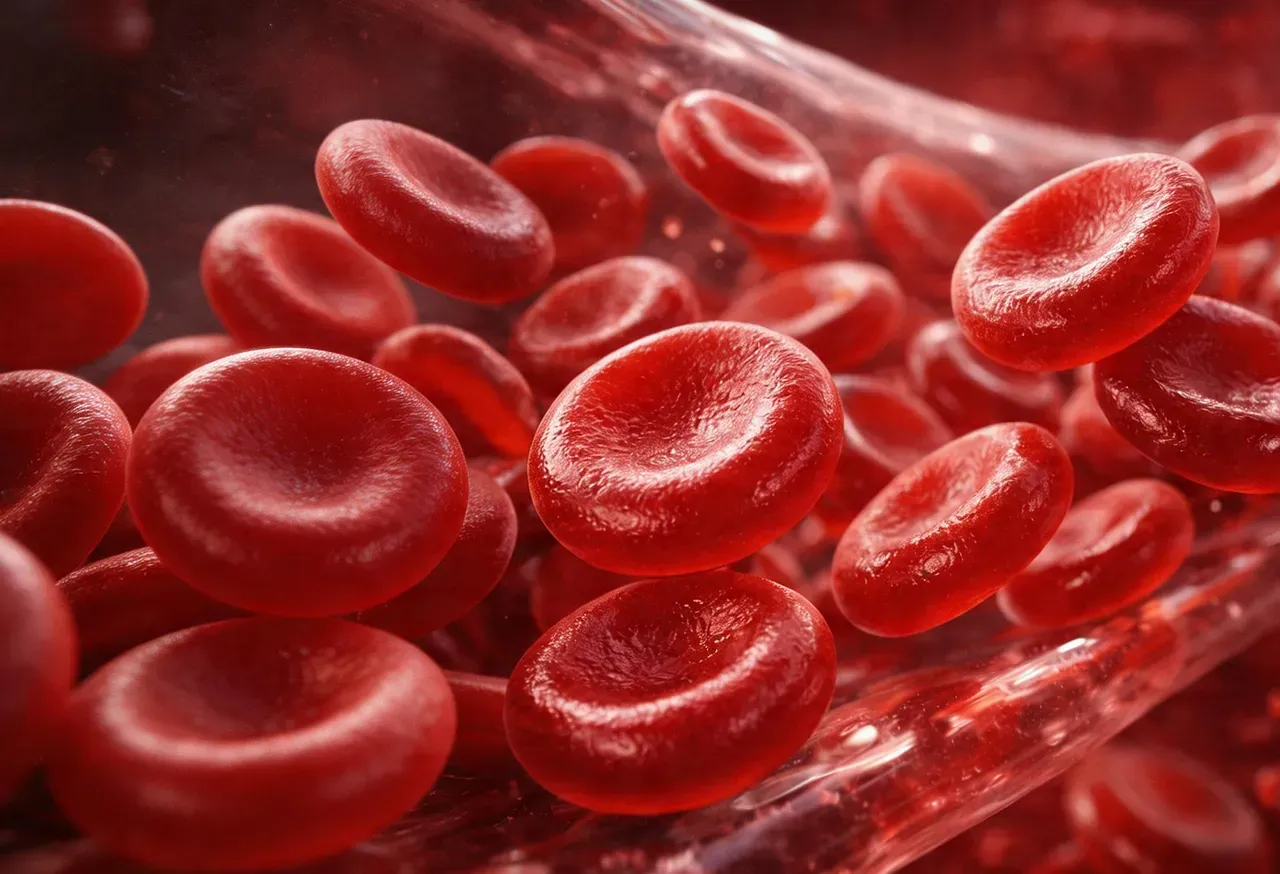
It is tempting to imagine that you still carry the same physical body you had as a child, just stretched and scaled up. In reality, many of the cells that made up your childhood body are long gone. Red blood cells circulate for only a few months before being broken down and recycled. Cells in your intestinal lining turn over so rapidly that you are essentially wearing a new gut lining every few days.
Even your skeleton, which feels like the most permanent part of you, is under constant renovation. Bone cells break down old bone and lay down new bone in response to stress, diet, and hormones. Over the course of years, much of the mineral content in your bones is exchanged. While not every single atom in your body is replaced, a huge fraction of your body’s materials has cycled through since you were born. You are literally built from different stuff than you were a decade ago, yet you still recognize yourself as the same person.
The Brain: Where Physical Change Meets the Feeling of Being “You”
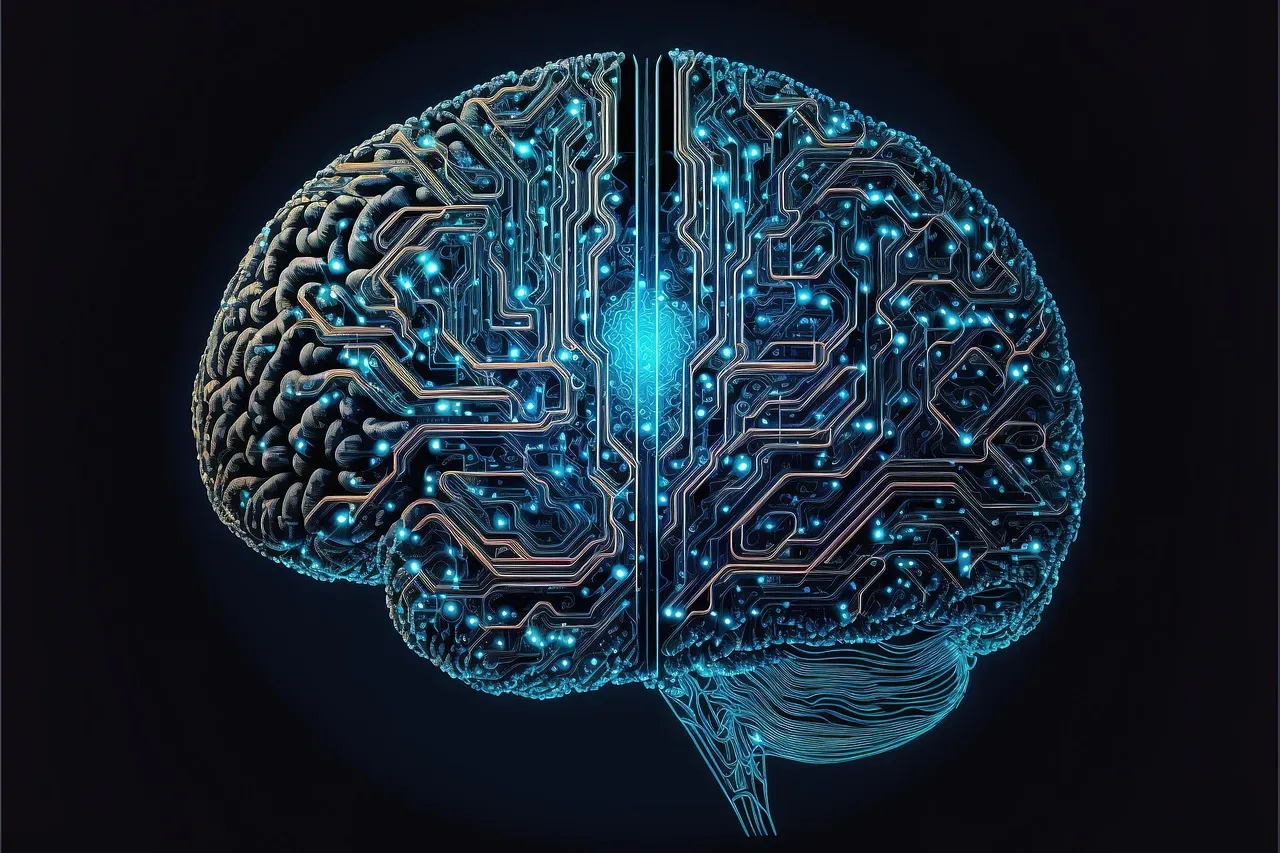
Your brain is often treated as the throne of your identity, and in some ways that makes sense. Many neurons in your brain can last nearly as long as you do, which sets them apart from constantly renewing cells like those in your skin or gut. But even here, stability is only part of the story, because the brain is plastic and constantly changing its wiring, chemistry, and structure in response to your experiences.
Every time you learn something new, remember a detail, or form a habit, you are physically altering the patterns of connections among neurons. Proteins get swapped out, receptors are added or removed, and pathways are strengthened or weakened. So the very organ you associate with a stable inner self is itself a shifting network that carries your memories and tendencies in patterns rather than in fixed parts. What feels like a single continuous “you” might actually be a living pattern that survives ongoing physical change.
What Actually Stays the Same When Everything Keeps Changing?
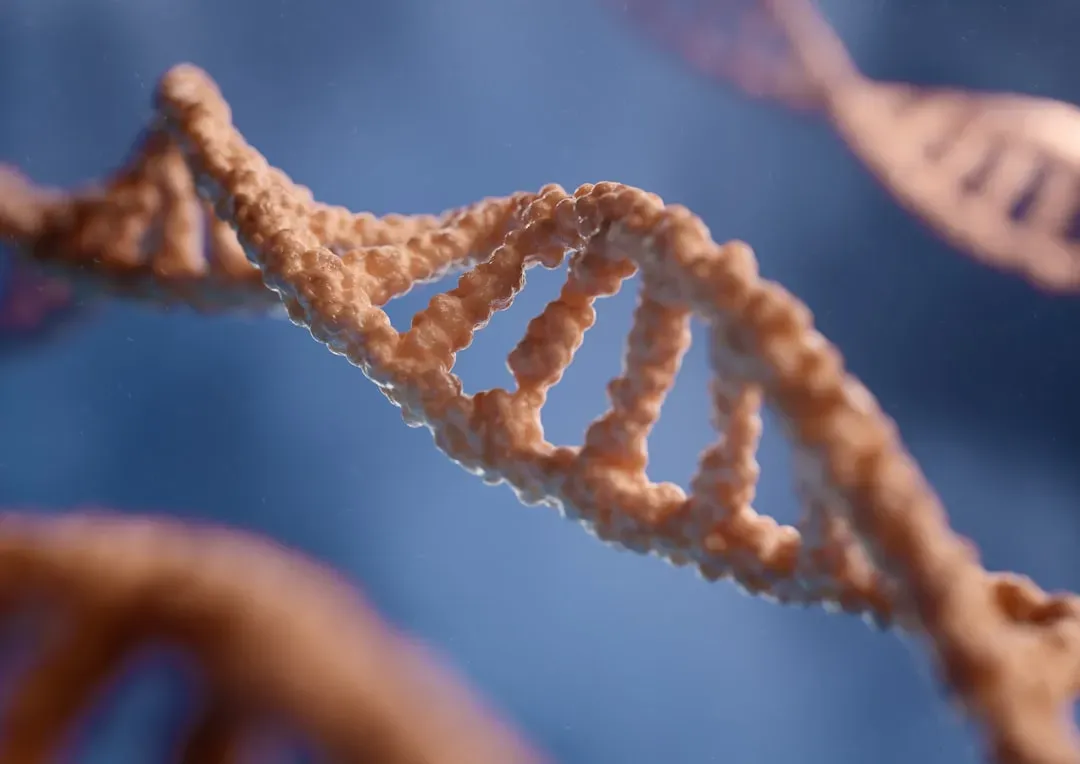
When you accept that your cells are turning over and your brain is constantly remodeling, you are pushed into a deeper question: what is the constant in all this change? One obvious candidate is your DNA, the genetic code in nearly all your cells. That code gives your cells instructions for how to build and repair your body and is remarkably stable across your life, even though minor mutations can accumulate.
But DNA alone does not really feel like “you.” You share large parts of that code with other people, and even identical twins with almost the same DNA become very different individuals. Another possibility is the overall organization of your body and brain: the way your cells are arranged into tissues and circuits, the way your networks of neurons encode your memories, habits, and values. In this view, what stays constant is not the specific cells or molecules, but the pattern they form and the history they carry.
You as a Pattern: Why Identity Is More Like a Song Than a Statue
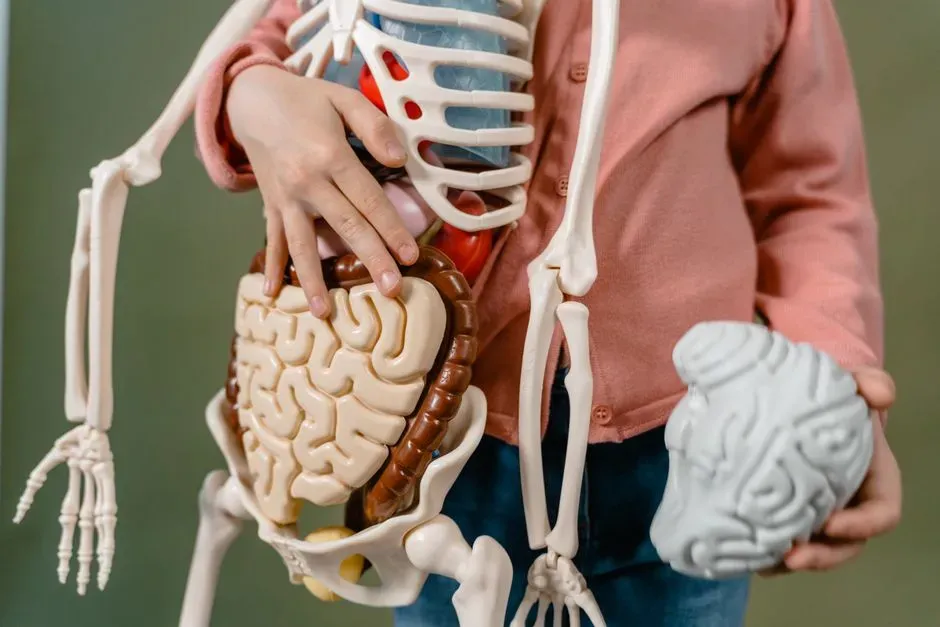
It can help to think of yourself less like a stone sculpture and more like a song being played on an instrument. The song has structure, rhythm, and recognizable themes, but the air vibrations carrying it are always new from moment to moment. In the same way, the arrangement, interactions, and activity patterns of your cells can persist even while the specific molecules and many of the cells are replaced.
This pattern-centered view fits surprisingly well with what biology shows you. Your body maintains certain shapes, behaviors, and responses; your brain maintains consistent tendencies, memories, and personality traits across time, even as the underlying hardware is continuously serviced and updated. That ongoing pattern, influenced by your genes, your environment, and your choices, may be closer to the real definition of you than any particular cell ever could be.
How This Changes the Way You Think About Aging, Health, and Change
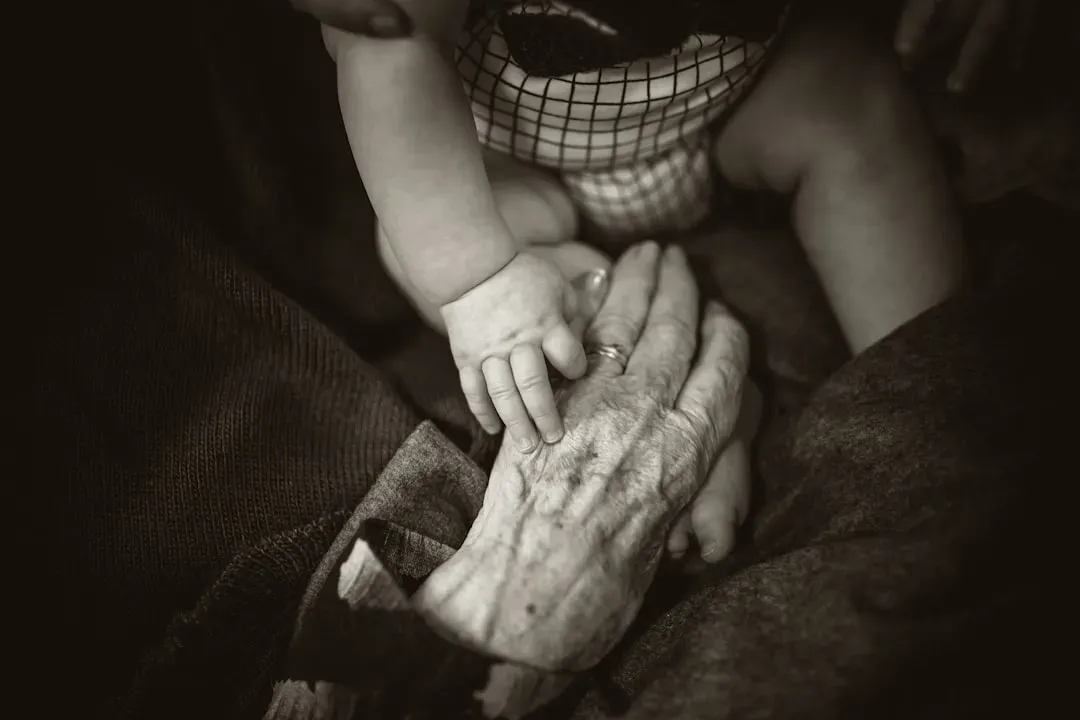
Once you understand that you are built to be rebuilt, aging looks a little different. Instead of a simple slow decline, you can see it as gradual wear and tear on the systems that manage repair and replacement. When those systems stay robust, your tissues keep renewing effectively; when they falter, damaged cells accumulate, and the balance tips toward disease and frailty.
This is where your everyday choices actually matter. Sleep, nutrition, movement, and stress levels all influence how well your cells repair themselves and how smoothly this replacement machinery runs. You cannot stop the passage of time, but you can shape how gracefully your constantly rebuilt body and brain adapt to it. You are not just trapped inside a decaying shell; you are participating in how well your living pattern is maintained.
What This Means for Who You Choose to Be
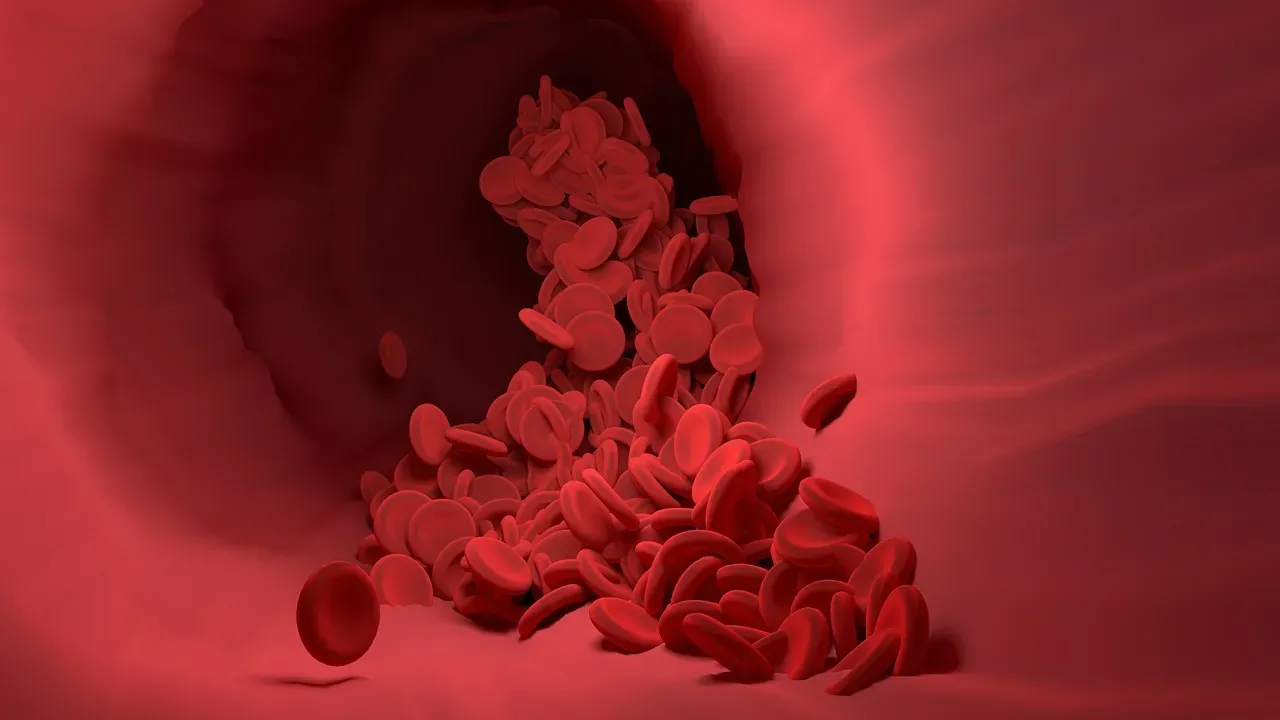
There is something strangely liberating in realizing that almost every part of you has already gone through a kind of death and rebirth. Old versions of your body have dissolved into the past, and yet you still carry the consequences of your choices, the scars, the skills, and the memories. You are proof that change and continuity can live together in the same organism.
If your cells are going to be replaced anyway, then who you become is not limited by the exact physical parts you happen to have today. You can choose what experiences you seek out, what habits you reinforce, what values you practice, and those choices get written into the patterns of your brain and body over time. In that sense, the true definition of you may lie in the story your cells keep telling as they live, die, and rebuild. Knowing that, what kind of story do you want your next version of you to tell?