
You probably hope you will never have to think about your own final moments in detail, yet some part of you is curious. What actually happens to your senses as you die, and which part of your perception is still there when everything else is slipping away? That question has pushed doctors, neuroscientists, and palliative care teams to look closely at how your brain and senses behave at the edge of life. When you zoom in on those final minutes or hours, a surprisingly consistent pattern appears: your senses do not all switch off at once like a light. They fade in a sequence, some early and some very late. And over the past years, research has increasingly suggested that hearing is very likely the last sense to remain, even when you appear completely unresponsive on the outside. Understanding this can change the way you think about goodbyes, both for yourself and the people you love.
The Order in Which Your Senses Typically Shut Down
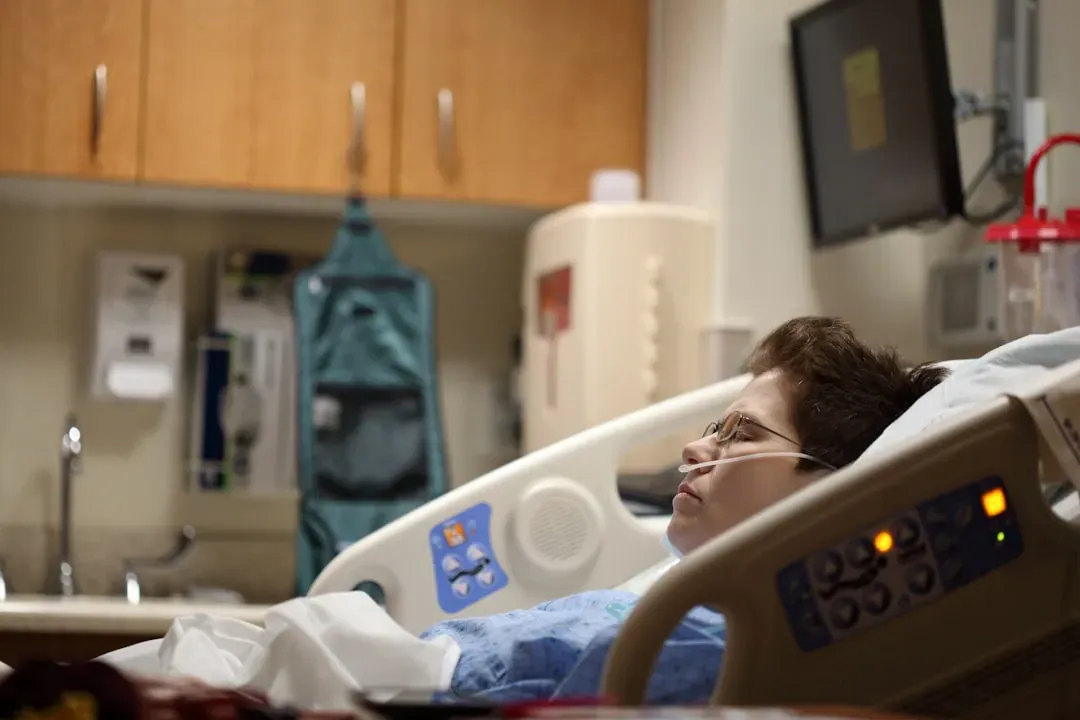
In the dying process, your body does not collapse in a random way. Instead, there is a kind of silent choreography as circulation slows, organs lose power, and your brain starts rationing energy. You often lose your appetite and your sense of taste and smell early on, long before your heart actually stops. You may stop noticing the flavor of food, or familiar scents no longer register in the same way. Your vision usually becomes blurry, dim, or tunnel-like as blood flow to the brain and eyes decreases. Touch can become distorted: some people feel icy cold, others feel oddly detached from their own bodies. But your hearing tends to linger. Even when you look unresponsive, your brain may still be processing sounds around you. That is why clinicians often talk to patients right up until the final breath, assuming that something inside is still listening.
Why Hearing Is Thought to Be the Last Sense to Fade

You process sound in parts of your brain that are wired deep into survival and awareness. Long before you can see clearly or move with coordination as a newborn, you are already responding to voices and rhythm. In a similar way at the other end of life, your auditory system seems to remain active when other sensory systems have already gone mostly offline. Brain recordings from dying patients show that sound, especially meaningful speech, can still trigger recognizable patterns of activity even when you show no outward signs of consciousness. You can think of it like a city shutting down at night. The parks close, then the shops, then most of the lights in office buildings go dark. But a few key control rooms stay powered as long as possible. Your hearing appears to be one of those “last-on” systems, potentially offering a final channel between you and the people around your bed. That does not mean you are fully alert or aware in a normal sense, but something in your brain still seems to react to sound after the rest is fading.
What Your Brain Might Still Perceive in the Final Moments

Even when you cannot move, speak, or open your eyes, your brain may still be taking in fragments of the world through your ears. Studies using brain monitors in hospice and intensive care have found that familiar voices and meaningful words can spark patterns that look surprisingly similar to those in healthy, conscious people. In practical terms, that suggests you might still notice when someone says your name, tells a story you know, or speaks directly to you with love and intention. You may not be forming clear memories or having orderly thoughts the way you do right now as you read this, but bits of emotional and sensory information can still be slipping in. Think of it like hearing a favorite song through a wall: the details are fuzzy, but you can still feel the rhythm and mood. In your last moments, your brain may be experiencing something like that – soft impressions of voices, tone, and presence, even when the rest of your senses have gone quiet.
How This Knowledge Changes What You Say to the Dying

If hearing is very likely the last sense to fade, then what you say around a dying person suddenly feels much more important. You are no longer just speaking into a void; you might be filling their last conscious or semi-conscious experiences with either comfort or noise. That is why palliative care teams often encourage you to talk gently, avoid arguing or clinical chatter at the bedside, and speak to the person as if they can hear you – because they probably can, at least on some level. This does not mean you need to deliver a perfect speech or say all the right things. You might simply say you are here, you care, you remember the good times. You might tell a small story they loved, hum a song, or thank them for something they gave you. When you realize that your words could be the final thing someone’s brain ever processes, you naturally start choosing them more carefully, more tenderly, and with a lot more presence.
The Emotional Impact of Knowing Hearing Lingers
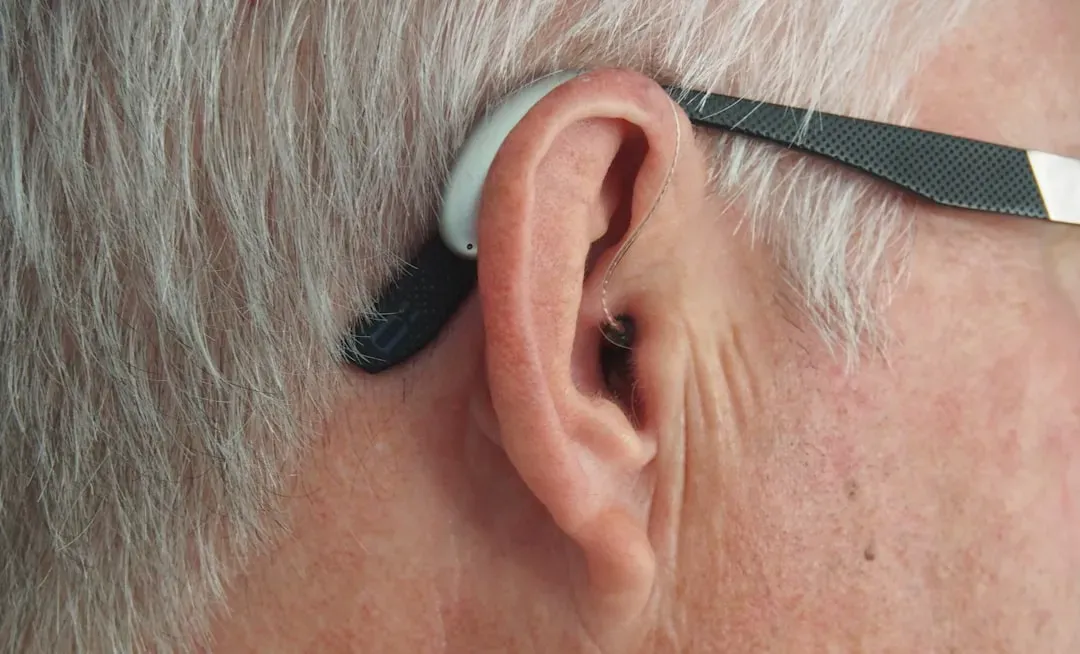
There is something both haunting and strangely comforting about knowing that, even when someone looks far away, part of them might still be listening. On one hand, it can make you feel exposed, like every careless word or stressed-out whisper at the bedside is suddenly amplified. On the other hand, it gives you a concrete way to still reach them when everything else feels out of your control. You are not entirely powerless; your voice still matters. You might even find that this changes how you think about your own final days. Maybe you like the idea that, even if you cannot respond, you can still soak in the sound of your favorite people, your favorite music, or the everyday noises of a place you love. It gives death a slightly different texture: not just a curtain dropping in silence, but a slow dimming where the last remaining light comes in through the ear.
Practical Ways to Bring Comfort Through Sound

If you ever sit with someone who is dying, you can use this knowledge in very simple, human ways. You might speak softly about familiar memories, mention the names of people they love, or describe what is happening in the room so they feel oriented: who is here, what time of day it is, what the light looks like. Your calm tone can be as important as your words; your voice can act like a warm blanket when everything else is slipping away. You can also bring in meaningful sounds: a favorite playlist, gentle nature recordings, or the quiet murmur of family talking peacefully nearby. You do not need constant chatter – silence has its place too – but you can curate the soundscape like you would choose the lighting in a room. Ask yourself: if this were my last experience of the world, what would I want to hear? Then let that guide how you shape those final hours for someone else.
Separating What Research Shows from Pure Guesswork

When you talk about death, it is easy to slide into wild speculation or comforting stories that are impossible to verify. You have likely heard people say that a dying person “waited” to hear one last voice, or “chose” the exact moment to go. Those interpretations might be meaningful, but they are not something science can prove. What research can show, though, is that the brain remains responsive to sound and speech surprisingly late, even when other signs of consciousness have vanished. So when you hear that hearing is probably the last sense to fade, you should hold that as a strong, evidence-backed pattern rather than an absolute law. Not every person’s dying process is identical, and many details are still unknown. But if you focus on what is well supported – that sound and speech continue to register in the brain of many dying people – you get enough certainty to act with intention, without pretending to know more than you actually do.
What This Means for How You Think About Your Own Death

Knowing that your hearing may be the last part of you that stays in contact with the world changes how you might plan for your final days. You could choose the kind of music you would want played, the voices you would most want beside you, and the kind of conversations you hope will be happening in the room. You may never be able to control all the medical details, but you can leave small instructions about the sound environment that would comfort you most. On a deeper level, this knowledge can make death feel a bit less like a hard cut and more like a slow fade, where connection lingers through the airwaves of sound. You might find it oddly soothing to imagine yourself leaving this world with familiar voices still brushing against your mind, even if only as faint echoes. And perhaps that thought nudges you to say more of what matters now, while everyone can fully hear and respond, instead of waiting for the last possible moment.
Conclusion: A Final Channel of Connection

When you put all of this together, a simple, powerful idea emerges: even at the edge of life, you are still connected by sound. Taste, smell, sight, and touch may vanish or warp, but your ears and the brain circuits behind them seem to hang on, giving one last doorway between you and the people around you. That doorway may not carry full conversations or crystal-clear memories, but it can carry tone, love, and presence. For you, this means your voice is never useless at the bedside of someone who is dying, and your choices about what you let them hear are deeply meaningful. It also means that in your own final moments, you are unlikely to be completely cut off; the world may still reach you through the soft murmur of a loved one’s voice. In the end, knowing that hearing is probably the last sense to fade can turn your fear into something a little quieter, and your goodbyes into something gentler and more intentional – what would you most want that last sound to be?