
You know that unsettling moment when you walk into a room, hear a sentence, or see a stranger’s face and feel absolutely certain you’ve experienced it all before? It hits you like a weird emotional flash: familiar, eerie, and gone almost as soon as you notice it. For a long time, déjà vu sat in the same mental bucket as ghost stories and past-life theories. Now, though, brain research is giving you a far less mystical – and far more fascinating – explanation.
Instead of being proof of psychic powers or glitches in the universe, déjà vu appears to be a tiny wiring hiccup in your own nervous system. In a fraction of a second, your brain can misroute incoming information so that it lands in memory systems first, and only then reaches your conscious awareness. By the time you notice what you’re seeing, your brain quietly tags it as something that is already “stored,” which is why it feels uncannily familiar even though you know it is brand new.
The Split-Second Glitch: What Your Brain Does Out of Order
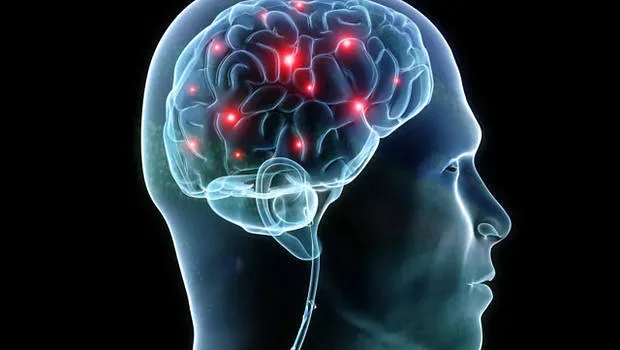
In a normal moment, your brain follows a fairly reliable sequence: you sense something, you become aware of it, and then you store some version of it as a memory. With déjà vu, that order seems to hiccup for a heartbeat. Your sensory input – what you see, hear, or feel right now – can briefly sneak into memory circuits before your conscious systems have fully processed it, so the event is labeled as “already known” by the time you pay attention.
You can think of it like sending a text to yourself and having it show up in your chat history before you remember hitting send. When your awareness finally “reads” the message, the brain goes: this is familiar, so I must have seen it before. That mis-timing between storage and awareness creates the eerie sense that the present moment is replaying, even though it is actually happening for the first time.
How Memory Circuits Turn the Present Into the “Past”
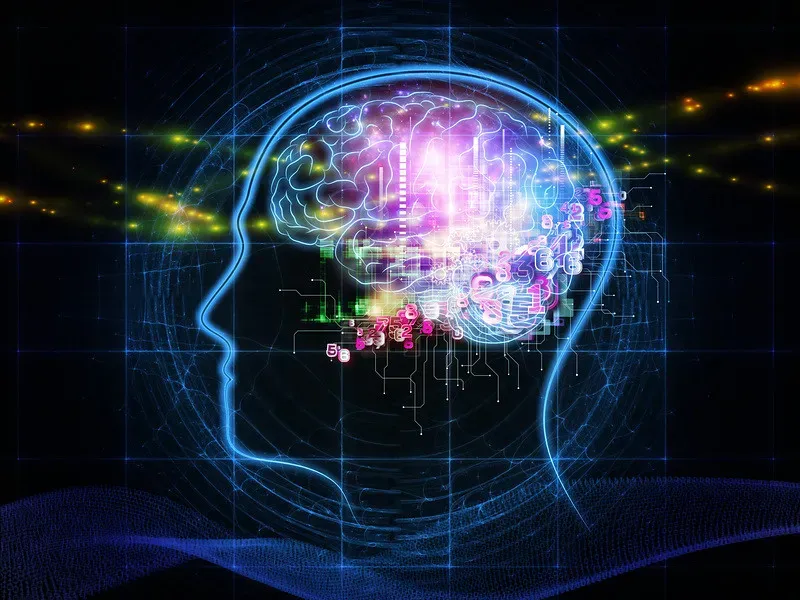
To understand why déjà vu feels so convincing, you need to look at how your memory systems quietly work in the background. Deep inside your brain, structures like the hippocampus and surrounding temporal areas are constantly encoding details: the layout of a room, the tone of a voice, the pattern of light on the wall. Most of this happens automatically, long before you consciously decide that something is worth remembering.
When that automatic encoding grabs hold of a current scene too early, your brain treats the moment as if it already belongs to your personal archive. So when your conscious mind finally catches up a blink later, you experience the present through the filter of “this is already stored.” That mismatch between what your senses know (this is happening now) and what your memory system signals (this is old) is the emotional core of déjà vu – familiar yet wrong, like watching a live event that somehow feels like a rerun.
Why Déjà Vu Feels So Emotional and Uncanny

You do not experience déjà vu as a dry technical glitch; you feel it in your gut. Part of that is because the brain regions tied to memory are closely linked to areas that process emotion and significance. When something feels familiar, your brain tends to boost its importance, almost as if saying, pay attention, this matters, you have seen this before. That emotional emphasis gets layered onto an event that is actually ordinary, so it feels hauntingly meaningful for no obvious reason.
On top of that, your conscious mind hates contradictions. When you sense both newness and familiarity at the same time, your brain scrambles to reconcile the clash. You might briefly wonder if you dreamed this scene, if you have some hidden psychic ability, or if the universe is sending a sign. The intensity of déjà vu often comes not from the situation itself, but from your brain trying to make sense of a moment that refuses to fit neatly into either “first time” or “remembered.”
What Neuroscientists Actually See in the Brain
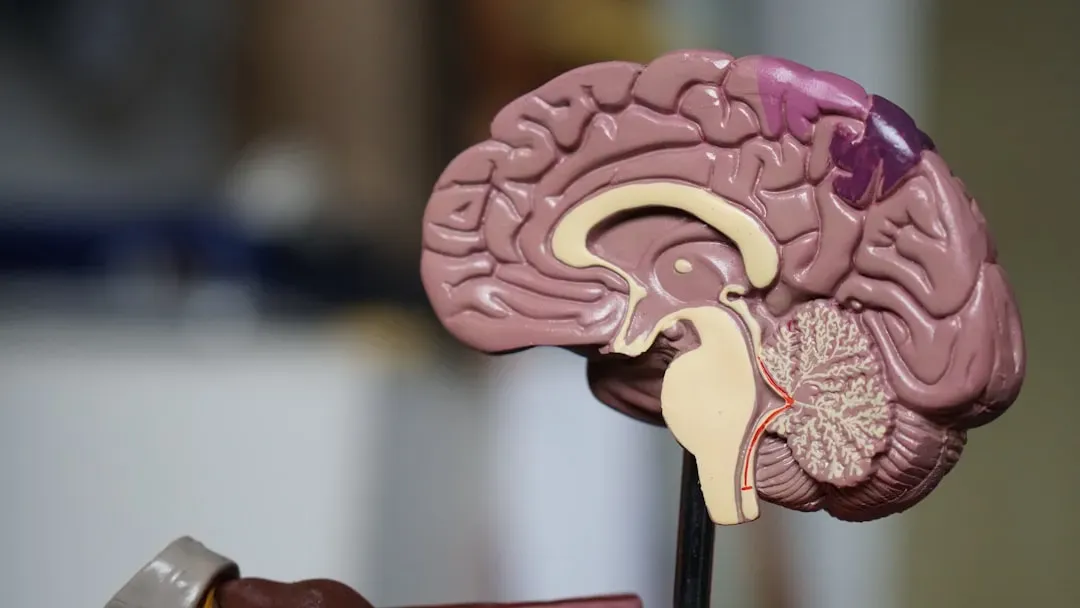
When researchers record from the brain directly, especially in people being evaluated for epilepsy, they sometimes catch the machinery of déjà vu in action. Certain regions in your temporal lobes, which sit roughly above your ears, are heavily involved in both memory and the sense of familiarity. When these areas fire in unusual patterns, you can get powerful feelings that something is known or repeated, even when it is objectively new.
In some patients, mild electrical stimulation of these regions can trigger experiences very similar to déjà vu or vivid feelings that a situation has happened before. For you, in everyday life, the same effect likely happens in a subtle, fleeting form. A tiny, harmless surge or mis-timed burst of activity can briefly route your current perception into memory systems first, flipping on that “I know this” signal a split second before your conscious awareness arrives.
Why Déjà Vu Is Common but Usually Harmless

If déjà vu feels so strange, you might worry it signals something serious, but in most people it seems to be a normal by-product of a fast and fallible brain. You are constantly juggling huge amounts of information, and the system that decides what to keep and what to ignore has to work at incredible speed. Under those conditions, occasional timing slips and misrouted signals are almost guaranteed, just like small glitches on a busy computer that still overall runs fine.
You are also more likely to notice déjà vu when you are tired, stressed, or in unfamiliar environments, all situations where your brain is working harder to encode new information. That extra workload may slightly increase the odds of a memory signal firing at just the wrong millisecond. As long as these episodes are brief, infrequent, and not accompanied by other worrying symptoms like blackouts or confusion, they are usually seen as quirky, not dangerous.
How Déjà Vu Differs From Real Memories and Premonitions
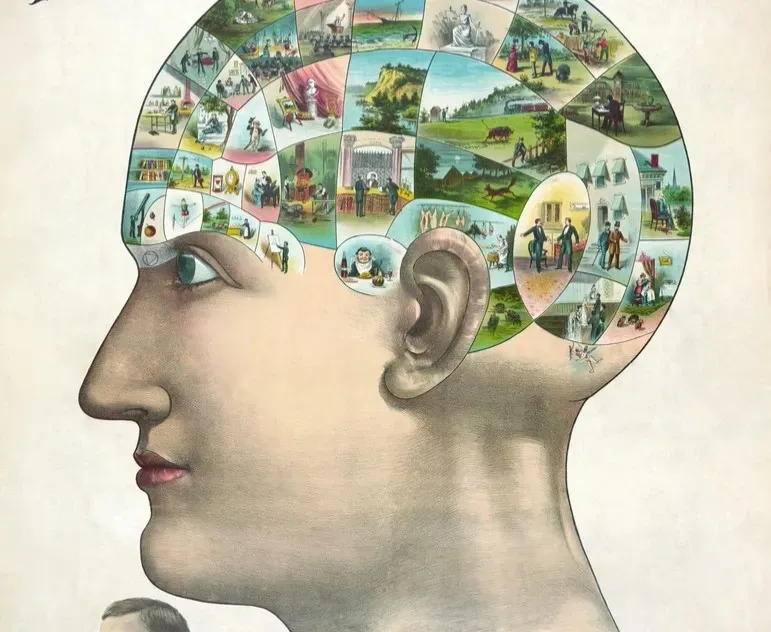
Because déjà vu can feel so specific, you might sometimes mistake it for a true memory or even a premonition. But if you pay attention, you will notice that déjà vu is usually shallow: you get a vague wash of familiarity without solid details. You cannot reliably predict what will happen next, you just feel as if you could. That is a clue that you are dealing with a feeling of familiarity generated by your brain’s circuits, not an actual stored event from your past or your future.
Real memories, even fuzzy ones, often come with context: where you were, who else was there, what happened before and after. Déjà vu, in contrast, tends to arrive without that narrative attached. It is more like a false label stuck onto a brand-new file. Your mind senses that mismatch, which is why you can often tell, even while it is happening, that this cannot logically be something you genuinely experienced before, no matter how strong the sensation feels.
What Déjà Vu Reveals About Your Sense of Reality

The fact that a tiny timing glitch can shake your confidence in what is real says a lot about how your brain builds reality in the first place. You are not experiencing the world directly; you are experiencing your brain’s best guess about what is out there, stitched together from memory, expectation, and current input. Déjà vu is one of those rare moments when you catch that stitching process in the act and see that it is not perfect.
When familiarity can be generated by a stray signal, it reminds you that your inner sense of certainty is not always a trustworthy guide. That is not meant to be unsettling so much as liberating. If your brain can occasionally fake the feeling of having been somewhere before, it means you can treat some of your other gut certainties with a little more curiosity and a little less blind faith. The glitch that creates déjà vu is also a peek behind the curtain into how your mind normally convinces you that the world is stable, continuous, and known.
Living With the Glitch: How to Respond When It Happens
The next time you get hit with déjà vu, instead of just brushing it off or turning it into a spooky story, you can use it as a quick check-in with your own brain. You might silently note what you are doing, how tired you are, or how new the environment feels. You can treat the moment as a small reminder that your nervous system is incredibly powerful but occasionally imprecise, and that both things can be true at once.
It may even help to lean into a bit of curiosity rather than fear. You are catching your brain misfiring in a way that is usually totally safe. By reminding yourself that this is probably just a split-second rerouting of input straight into memory, you can reduce any anxiety and even feel a bit of awe. After all, how often do you get to notice your own perception being assembled in real time?
Conclusion: When Your Brain Makes the Present Feel Like the Past
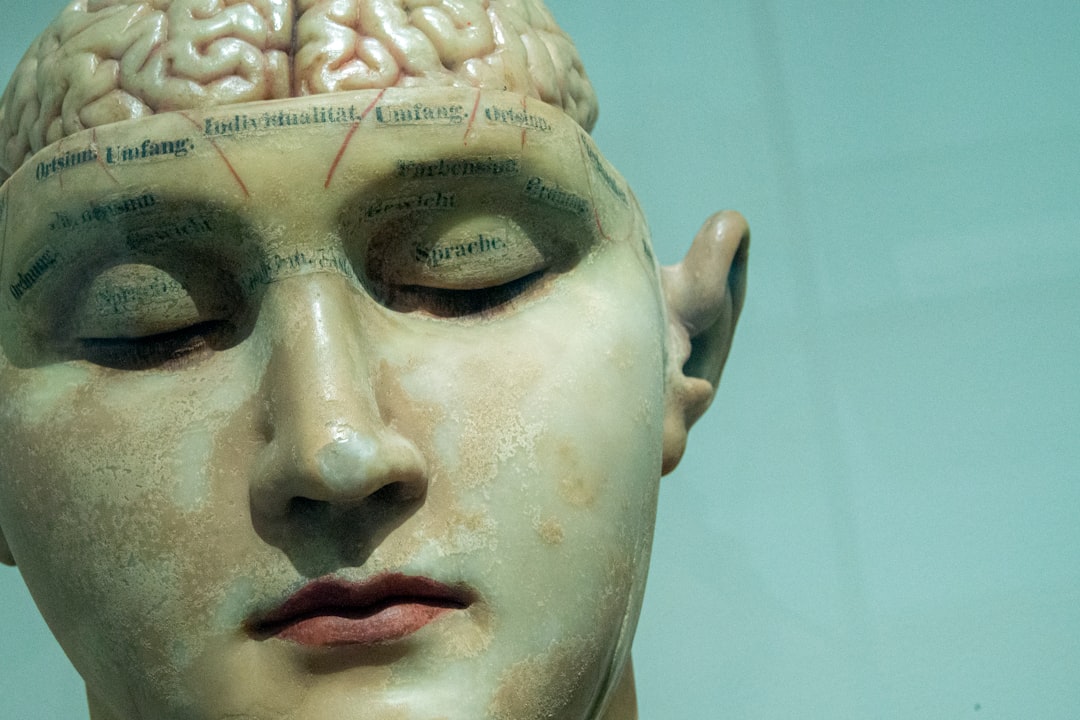
When you strip away the myths, déjà vu stands out as a beautifully human glitch: your brain moving so quickly that it occasionally trips over its own wiring. Current sensory input can slip into memory systems before your conscious mind has finished processing it, and when awareness finally catches up, the scene feels like a replay. That single hiccup in timing is enough to flood you with an odd mix of familiarity, confusion, and meaning.
Instead of seeing déjà vu as proof of something supernatural, you can treat it as a window into how your mind normally blends perception and memory so seamlessly that you rarely notice. Those strange flashes are reminders that reality, as you experience it, is not just what happens to you but what your brain makes of it from one millisecond to the next. The next time the world feels uncannily familiar for no good reason, will you see it as a glitch to fear or a brief glimpse into how astonishingly complex your own brain really is?