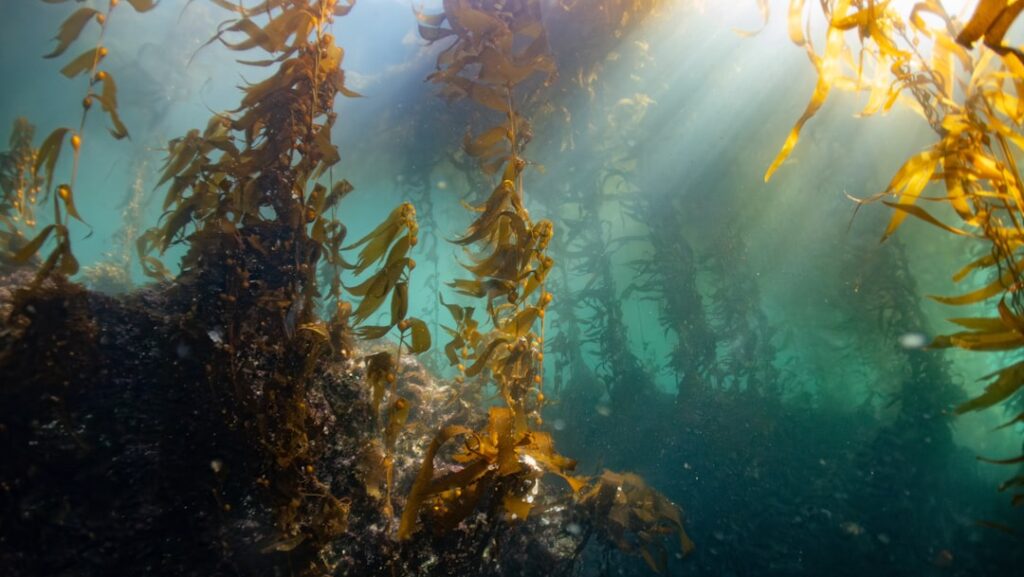
You might picture California’s kelp forests as timeless underwater cathedrals: dim green light, swaying fronds, fish weaving through a living maze. But in just a few decades, those forests have been pushed into fast‑forward change, and warm water is the main accelerant. You are living in a moment where entire seascapes along the California coast are rearranging themselves, sometimes in just a few years, and kelp is right at the center of that transformation. As ocean heat builds and marine heatwaves stack up year after year, kelp forests are no longer just responding to “normal” ups and downs. They are now dealing with a climate that presses the gas pedal harder and more often than anything seen in the last few decades of monitoring. When you zoom in on California, you can see a clear pattern: waters are warming, extreme events are more frequent, and kelp forests are shifting in where they grow, how dense they are, and which species they support.
When the Ocean Becomes a Heatwave Factory
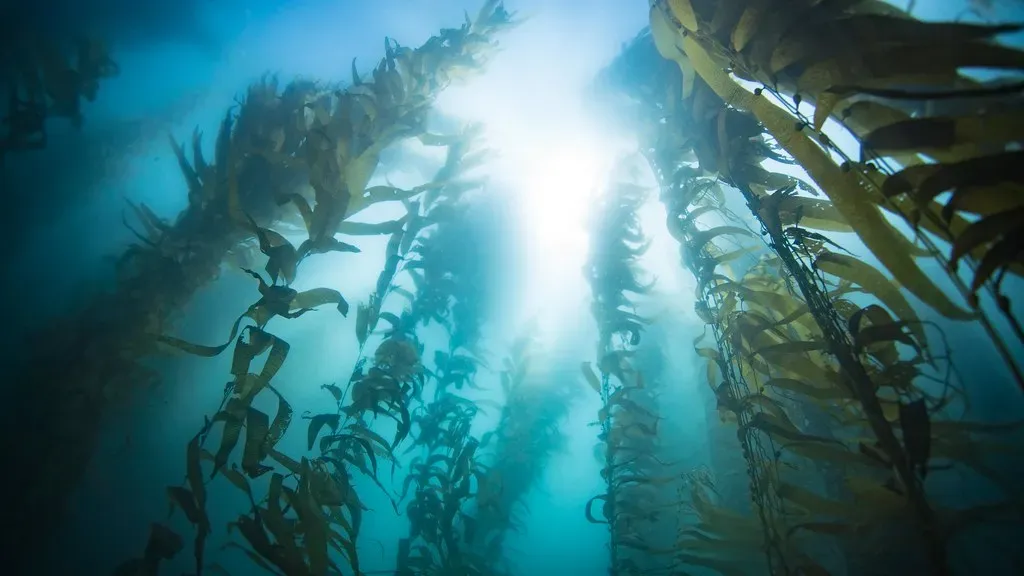
Here’s the unsettling part: the ocean off California is not just warming slowly; it is spiking more often in extreme bursts called marine heatwaves. These are not just “warm days” in the sea. Scientists define them as periods when temperatures stay well above the usual range for at least several days, and off California those events have become more frequent and longer in the last few decades. Instead of a rare anomaly, you are now looking at a coastline where extreme warmth has become a recurring feature, baked in by long‑term climate change. ([nature.com](https://www.nature.com/articles/s41598-025-90565-4?utm_source=openai)) If you were a cold‑loving kelp plant, this new ocean would feel like living in a house where the thermostat keeps getting stuck on “hot” for random, drawn‑out stretches. Those heatwaves do more than stress kelp; they disrupt the entire coastal food web that kelp anchors, from microscopic plankton all the way up to seabirds and marine mammals. Off California and the broader northern Pacific, scientists have connected these marine heatwaves to shifts in species ranges, mass die‑offs, and the loss or restructuring of habitats like kelp forests. ([fisheries.noaa.gov](https://www.fisheries.noaa.gov/feature-story/marine-heatwaves-reshape-northern-california-current-ecosystem?utm_source=openai))
Why Giant Kelp and Bull Kelp Are So Vulnerable to Heat
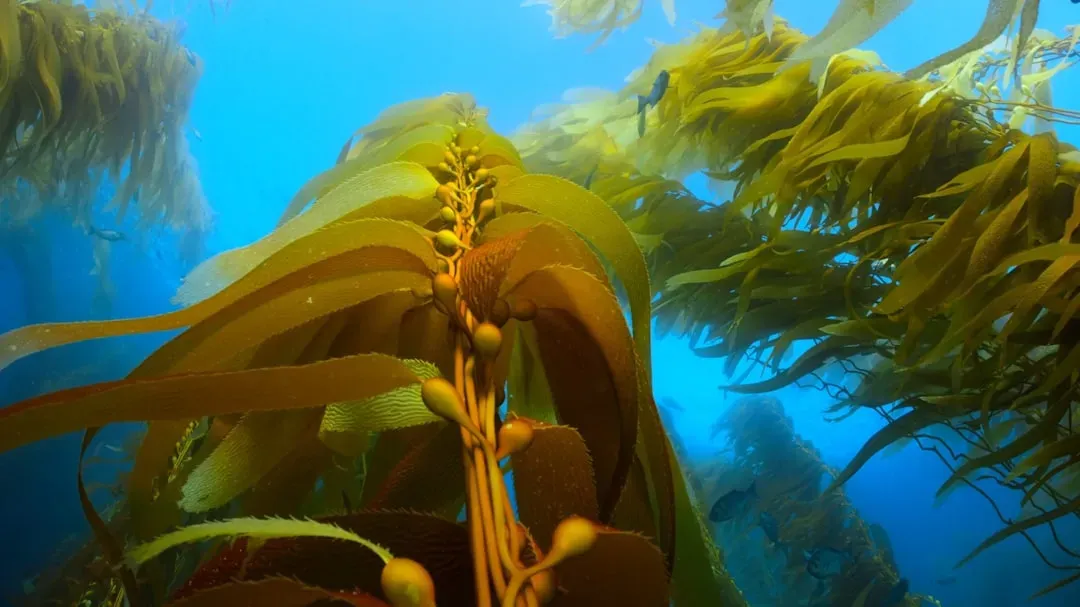
California’s iconic forests are mostly built by two types of kelp: giant kelp in central and southern California and bull kelp farther north. Both species evolved to thrive in cool, nutrient‑rich water, which historically was supplied by strong upwelling that pulled cold, deep water toward the surface. When the ocean warms and that upwelling weakens, you end up with the worst combination for kelp: hotter water and fewer nutrients, like trying to make a marathon runner perform on a sweltering day with no food. ([frontiersin.org](https://www.frontiersin.org/journals/marine-science/articles/10.3389/fmars.2024.1476542/full?utm_source=openai)) You could think of kelp as a high‑performance engine tuned for a narrow temperature window. Once temperatures climb beyond that comfort zone for long enough, kelp grows more slowly, becomes less dense, or dies back altogether. In the huge 2014–2016 Pacific marine heatwave, researchers found that kelp density along parts of the North American west coast dropped by roughly about one half in the years after the event, a sign that the warming shock had long‑lasting consequences rather than a quick bounce back. ([sciencedaily.com](https://www.sciencedaily.com/releases/2024/02/240206224505.htm?utm_source=openai))
From Forests to Urchin Barrens: The Feedback Loop You Don’t Want
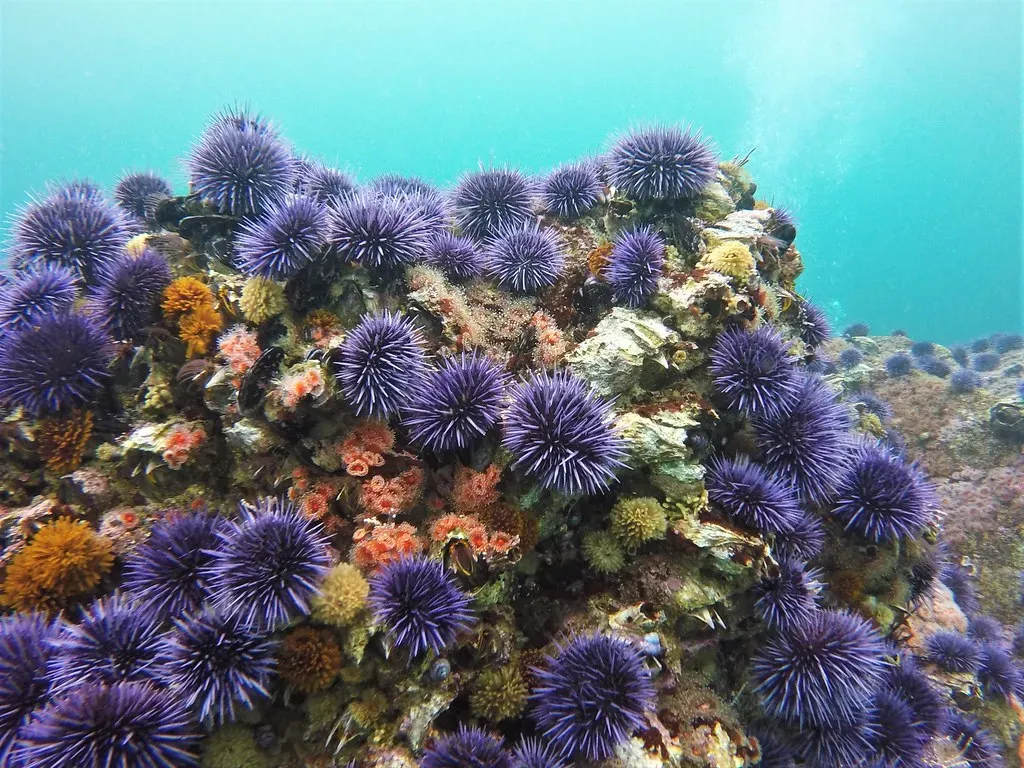
If warming water were the only problem, kelp might still hold on in many places. But you are looking at a one‑two punch: heat plus exploding sea urchin populations. When key urchin predators, like certain sea stars, crash due to disease or other stressors, urchins can rapidly multiply and graze kelp forests down to bare rock. In northern California, that dynamic wiped out the vast majority of bull kelp along hundreds of kilometers of coastline in the years after the 2014 heatwave, leaving behind so‑called urchin barrens where kelp once dominated. ([sciencedirect.com](https://www.sciencedirect.com/science/article/pii/S0141113625007019?utm_source=openai)) Once those barrens form, you face a vicious feedback loop. Urchins hunker down and survive on even tiny scraps of kelp or drift algae, making it incredibly hard for new kelp to re‑establish. Warmer, nutrient‑poor water then makes it even tougher for regrowth to get started. You end up with a seascape that has effectively flipped to a new state: instead of a cool, shaded forest teeming with life, you have a low‑relief, hotter, simpler habitat dominated by spiny grazers.
How Marine Heatwaves Reshuffle the Entire Kelp Community
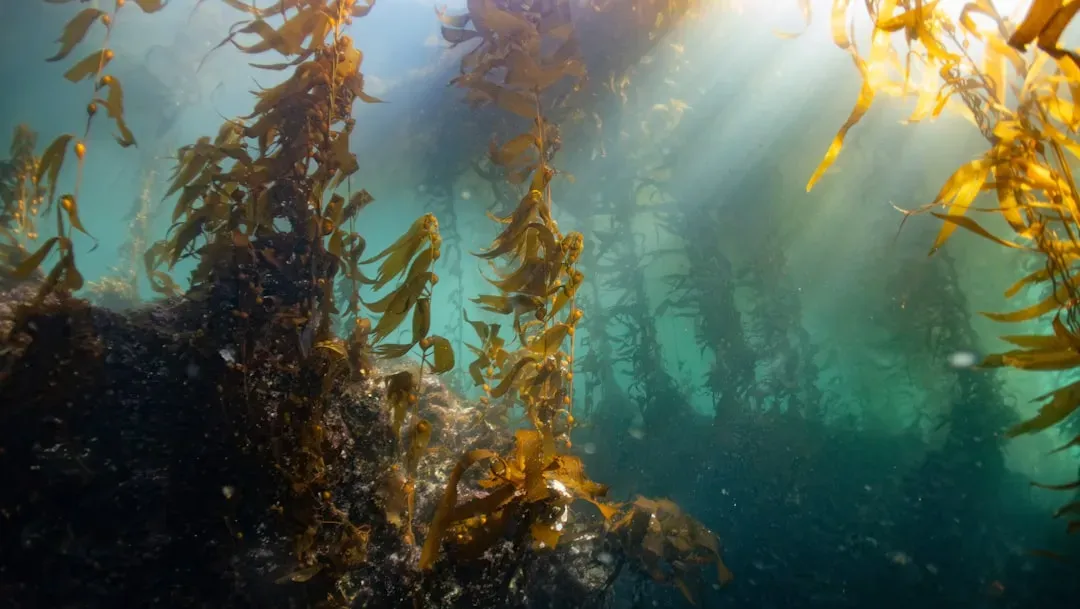
When a strong marine heatwave hits a kelp forest, you may notice the canopy thinning or disappearing from the surface, but under the waterline the changes are even more complex. Long‑term research in the Santa Barbara Channel has shown that repeated heatwaves can transform the whole community of seaweeds that live beneath the kelp canopy, favoring some species while squeezing out others. Over more than two decades of data, scientists tracking these reefs have seen that successive heat events push macroalgal communities into new configurations that do not always snap back to their original state. ([nature.com](https://www.nature.com/articles/s43247-026-03599-5?utm_source=openai)) Biodiversity in those forests is not just a feel‑good concept; it directly affects how stable the system is when heatwaves roll through. Studies using California kelp forest datasets have found that diverse communities can buffer some variability, but an extreme marine heatwave can weaken that stabilizing effect and lead to larger swings in which species are common and which are rare. For you, that means the forests you may snorkel or dive in today are already different from those of 15 or 20 years ago, not just in how much kelp there is, but in the mix of fish, invertebrates, and understory algae that call those forests home. ([esajournals.onlinelibrary.wiley.com](https://esajournals.onlinelibrary.wiley.com/doi/abs/10.1002/ecy.4288?utm_source=openai))
North vs. South: A Tale of Two Coasts Under Warming
If you travel from northern to southern California, you are effectively moving along a climate gradient that shapes how kelp responds to warming. Northern waters are generally cooler and, at least so far, have warmed more slowly on average, but they have experienced some of the most dramatic losses of bull kelp after the 2014–2016 marine heatwave and the urchin explosion that followed. In some of those areas, kelp forests that once dominated have shifted to long‑lasting urchin barrens with only scattered signs of recovery. ([sciencedirect.com](https://www.sciencedirect.com/science/article/pii/S0141113625007019?utm_source=openai)) Farther south, giant kelp forests around places like the Santa Barbara Channel and down the coast have often been hit by repeated heatwaves yet have shown patchy resilience, with some sites recovering more quickly than others. One reason lies in local oceanography: upwelling, currents, and depth can create pockets of cooler water that act as partial refuges. Another reason is ecological: in some southern areas, predator populations and intact food webs help keep urchins in check, giving kelp a fighting chance even as marine heatwave intensity is projected to increase sharply over the coming decades. ([frontiersin.org](https://www.frontiersin.org/journals/marine-science/articles/10.3389/fmars.2024.1476542/full?utm_source=openai))
Why Protected Areas and Predators Matter More in a Hotter Ocean
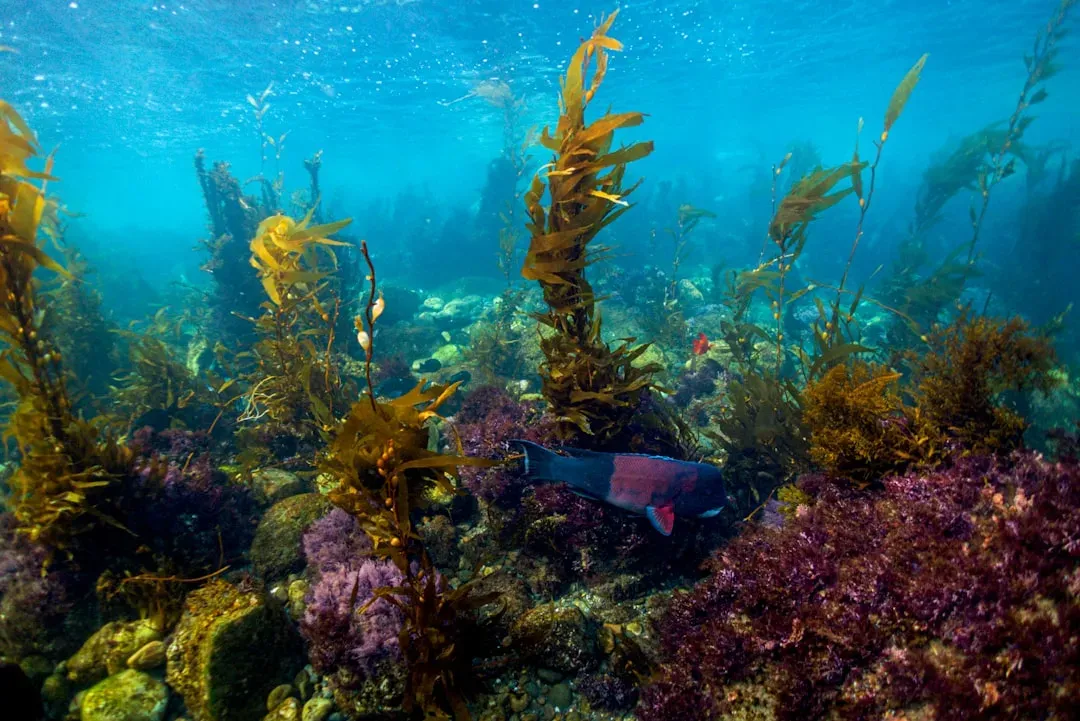
Here’s a hopeful twist you might not expect: even though marine protected areas cannot stop the water from warming, they can help kelp forests recover better after heatwaves. Recent research along the California coast has shown that kelp inside protected areas, where fishing is restricted and food webs are more intact, tends to rebound more quickly following extreme warm events than kelp in heavily fished areas. The effect is not dramatic in normal years, but it becomes striking after big shocks like the 2014–2016 heatwave. ([newsroom.ucla.edu](https://newsroom.ucla.edu/releases/marine-protected-areas-protect-help-climate-change?utm_source=openai)) The mechanism is surprisingly straightforward: when predators like fish, sea otters in some regions, or other urchin‑eating species are not heavily removed, they can keep urchin numbers from spiraling out of control. In a warming world where marine heatwaves are expected to become roughly twice as intense in many kelp habitats by mid‑century, that top‑down control can be the difference between a stressed forest that bounces back and a forest that collapses into a barren. You can think of protected areas as giving kelp an extra layer of armor against the punches of climate change, even if they cannot stop the punches from coming. ([news.stanford.edu](https://news.stanford.edu/stories/2025/04/research-fishing-bans-kelp-forests-marine-heatwaves?utm_source=openai))
The New Frontier: Monitoring, Genetics, and “Super Kelp”
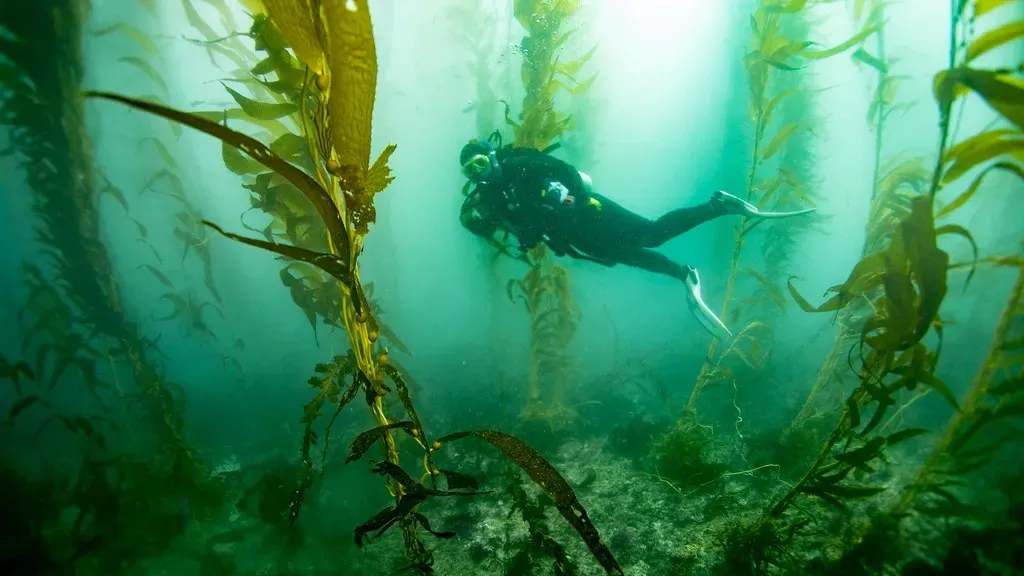
To understand how warming waters are transforming kelp forests in real time, scientists along the California coast have been building an unusually detailed picture of conditions from the surface down through the water column. Automated profilers, long‑term coastal stations, diver surveys, and satellite data now show not just that marine heatwaves are happening, but how deep they penetrate and how long they last near kelp habitats. That kind of vertical monitoring has revealed that some heatwaves can extend through the full depth of shallow kelp forests, leaving little room for cool‑water escape. ([frontiersin.org](https://www.frontiersin.org/journals/marine-science/articles/10.3389/fmars.2024.1476542/full?utm_source=openai)) At the same time, you are seeing a surge of interest in the genetic side of kelp resilience. Researchers are starting to identify strains of kelp that naturally tolerate warmer, low‑nutrient conditions better than others, including along the California and Pacific Northwest coasts. The idea of using those hardy lineages in restoration – sometimes called “super kelp” – is moving from theory to serious discussion, raising new questions about how far humans should go in actively helping species adapt to a rapidly changing ocean. ([public-pages-files-2025.frontiersin.org](https://public-pages-files-2025.frontiersin.org/journals/marine-science/articles/10.3389/fmars.2025.1702410/pdf?utm_source=openai))
What All This Means for You – And What Comes Next
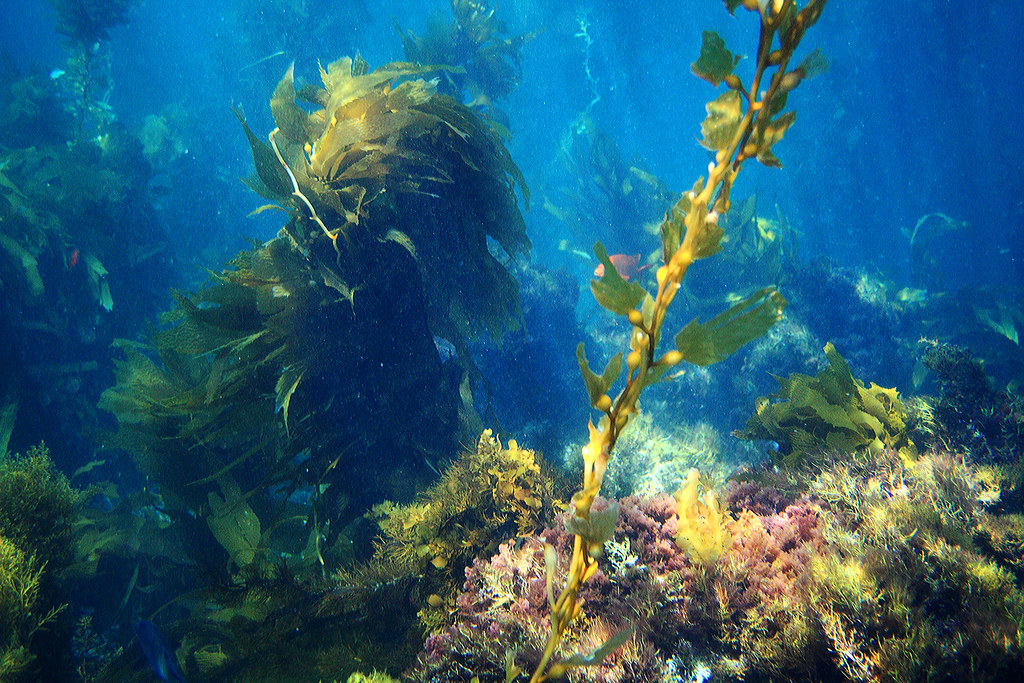
When you step back, the storyline is both sobering and strangely empowering. Warming waters and marine heatwaves are clearly reshaping California’s kelp forests, changing where they thrive, how dense they are, and which creatures they support. You are not just dealing with slow, gradual shifts, but with extreme events that can transform entire coastal ecosystems in a handful of years and leave scars that last for a decade or more. The science is telling you that these forests are under real pressure, yet they are not powerless victims. ([sciencedaily.com](https://www.sciencedaily.com/releases/2024/02/240206224505.htm?utm_source=openai)) You can support policies that cut greenhouse gas emissions, because the long‑term fate of marine heatwaves depends heavily on how much warming humans lock in. Closer to home, you can back marine protected areas, responsible fisheries, and restoration efforts that keep predators and food webs intact so kelp has the best possible shot at recovery. Personally, the first time I swam through a healthy kelp forest, it felt like walking through an old‑growth redwood grove under water – calm, towering, and impossibly alive. Knowing how fast that world can now flip, the real question for you is this: when future generations dive into California’s coastal waters, will they still find forests, or only the memory of what once grew there?