You probably picture shipwrecks as broken ribs of wood in deep, black water, but some of the most astonishing finds have been hiding in plain sight, just a short dive below busy shipping lanes. For centuries, fishing boats, freighters, cruise ships, and even weekend sailors have unknowingly sailed right over perfectly preserved time capsules lying quietly on the seabed. When archaeologists finally stumble onto them, it feels less like discovering something new and more like interrupting a long, patient secret. In shallow, relatively accessible water, these wrecks can be shockingly intact: masts still standing, hulls upright, cargo sealed in place, even tiny details like carvings and rigging frozen in time. You get to see not just how a ship ended, but exactly how it lived. As you walk through these nine stories, you’ll notice a pattern: strange combinations of cold, low-oxygen, or low-salinity water turned ordinary coastal seas and lakes into accidental museums, while generation after generation simply passed overhead, oblivious.
1. The “Ghost Ship” Fluyt in the Baltic: A Seventeenth-Century Time Capsule
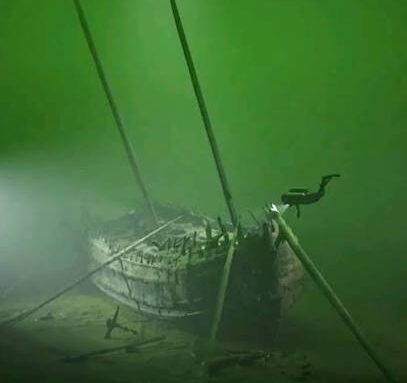
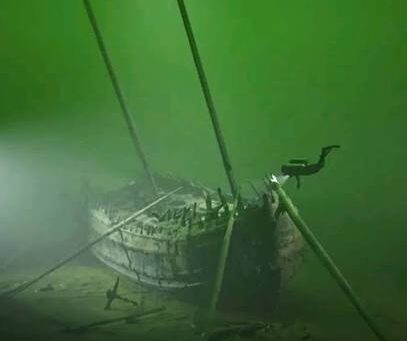
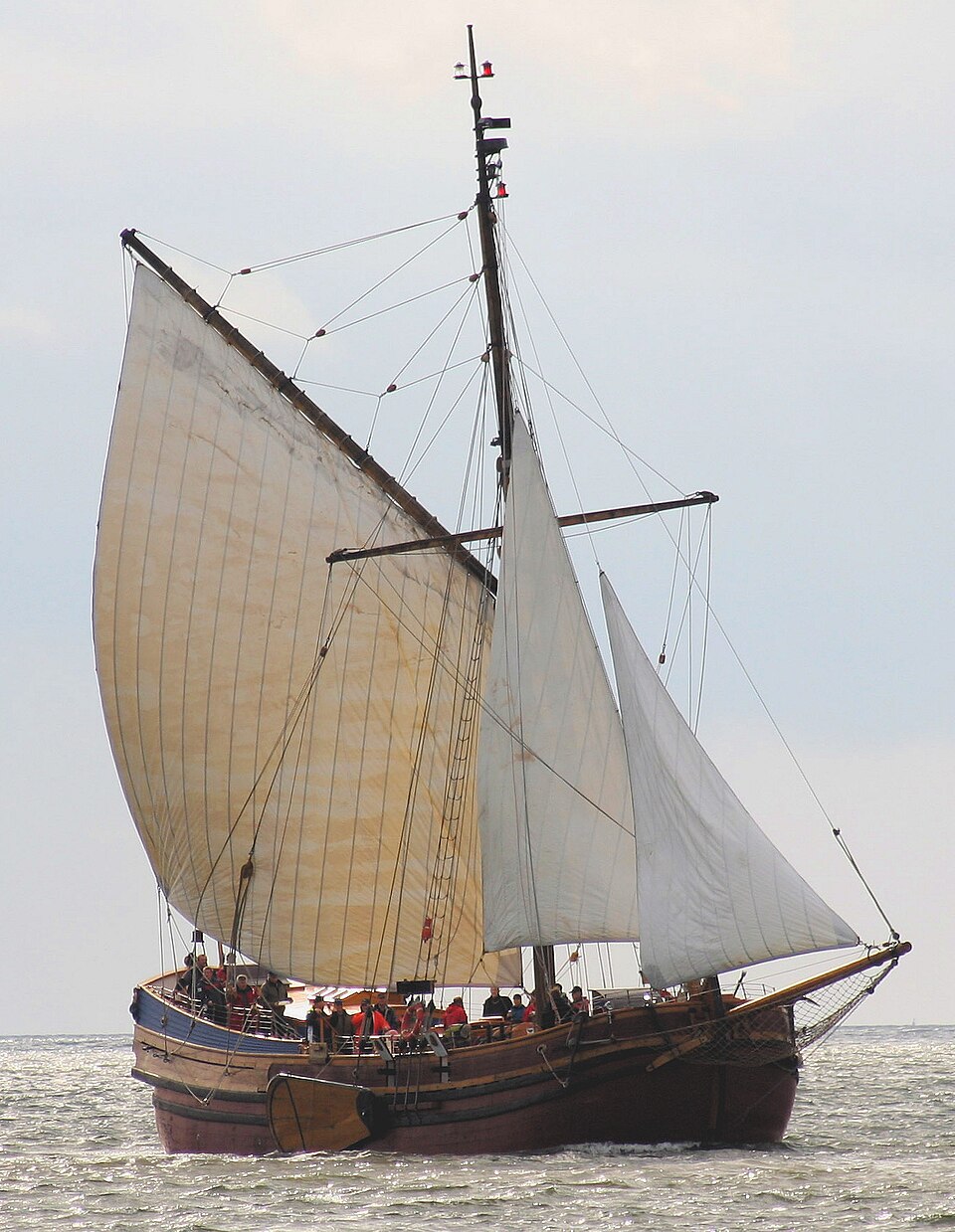
Imagine dropping a camera over the side of a modern ship and seeing, on the seafloor below, another vessel standing almost as if it could hoist its sails and leave. That is essentially what happened with the famous “ghost ship” fluyt in the Baltic Sea, a seventeenth‑century merchant vessel found at depth with its hull still three‑dimensional and upright. In life, a fluyt like this carried bulk cargo around northern Europe; in death, the cold, dark, brackish Baltic locked it in place so completely that archaeologists had to devise new methods just to document its intact structure without disturbing it. ([onlinelibrary.wiley.com](https://onlinelibrary.wiley.com/doi/10.1111/j.1095-9270.2012.00342.x?utm_source=openai)) You might assume something so complete must lie far offshore, but it actually rests in a region crisscrossed for centuries by merchantmen, fishing boats, and warships. This area of the Baltic has long been a maritime thoroughfare, yet the ship lay unseen because visibility is low, light is scarce, and the seabed is not routinely scanned with modern sonar unless you have a specific reason. The same waters that preserved the wood also hid the wreck in plain sight, letting generation after generation of traffic sail right over it without ever realizing they were passing a seventeenth‑century vessel almost frozen mid‑voyage.
2. Okänt Skepp: The “Unknown Ship” from the Renaissance, Sitting Upright
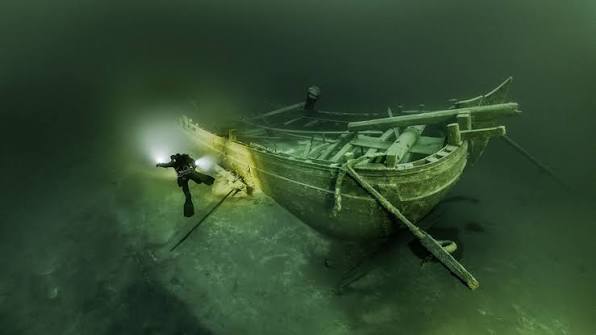
When you look at images of Okänt Skepp – the “Unknown Ship” discovered in the Baltic – you feel like you’re peeking at a ghost from around the turn of the fifteenth to sixteenth century. The ship sits upright on the bottom, hull intact, its form so crisp that researchers immediately recognized it as a rare link to early Age‑of‑Discovery shipbuilding. In most seas, a wooden wreck from this era would have turned to mush centuries ago; here, wooden planks, framing, and overall shape remain clearly defined, as if you’d sunk a replica last decade instead of during the Renaissance. ([en.wikipedia.org](https://en.wikipedia.org/wiki/Ok%C3%A4nt_Skepp?utm_source=openai)) You might reasonably wonder how a ship this intact stayed off the radar for so long in a region as busy as the Baltic. The answer is partly that “busy” on the surface doesn’t always translate to detailed mapping below. For a long time, mariners relied on charts that marked reefs and shallows hazardous to navigation, not every feature of the deeper bottom. Until modern survey companies started sweeping whole areas with high‑resolution sonar – often for cable routes or aviation searches – nobody had reason to suspect that directly under established routes lay a Renaissance hull that had watched, silently, as centuries of shipping passed overhead.
3. An Almost Perfectly Preserved 500‑Year‑Old Baltic Trading Ship
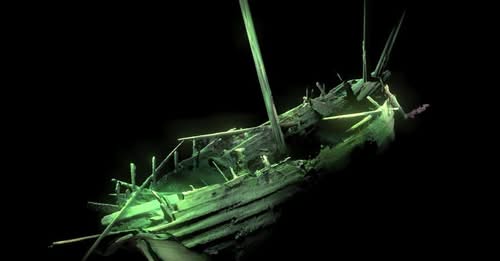
On the muddy floor of the Baltic, researchers stumbled on another near‑miracle: a roughly five‑hundred‑year‑old small merchant ship so intact that its sterncastle, cannons, and even parts of the rigging were still in place. When you see the images, you get the eerie sense that the crew has just stepped away, even though the wreck predates many of the coastal cities you take for granted today. Its preservation is so extraordinary that it is often described as one of the most complete early modern merchant ships ever found. ([sciencealert.com](https://www.sciencealert.com/a-mysterious-500-year-old-shipwreck-has-been-found-at-the-bottom-of-the-baltic-sea?utm_source=openai)) Again, the striking part for you is not just that the ship survived, but where it survived. The Baltic is a trade artery, with centuries of vessels using the same corridors; this little trader appears to have gone down along a route that stayed important long after it sank. Because the wreck sits in relatively modest depth for modern survey equipment, later ships traveled right above it for hundreds of years. Only when sonar and technical diving became routine did anyone finally realize that beneath those familiar waters, an entire small world of early gunports, cargo holds, and shipboard details had been waiting, untouched.
4. The Dalarö Wreck: A Swedish Seventeenth‑Century Ship Beneath a Quiet Anchorage
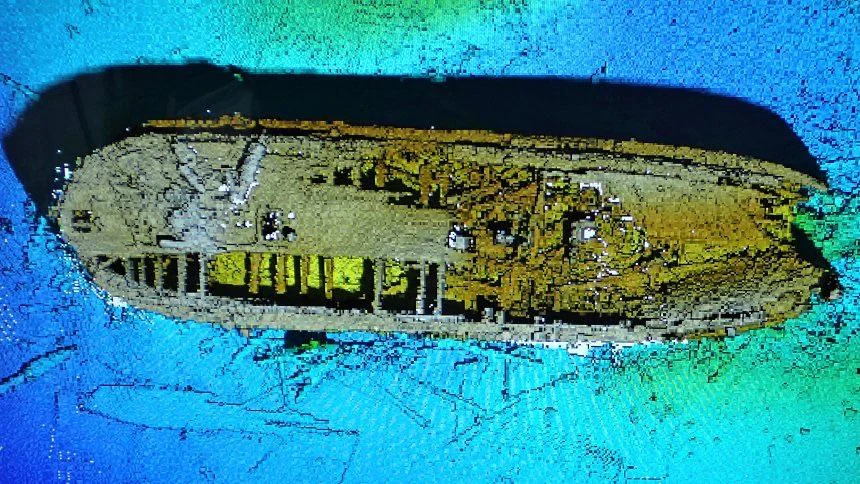
Just off the Swedish coast near Dalarö, divers found a seventeenth‑century vessel lying upright with most of its wooden structure intact, nicknamed simply the Dalarö wreck. You can still make out the decks, the hull planking, and many of the fittings that tell you how the ship was sailed and how its crew lived. In normal coastal waters, metal fittings may survive while wood disappears; here, the opposite happened: the iron has corroded, but the timber hull is preserved so well that archaeologists treat it as a full‑scale three‑dimensional textbook of seventeenth‑century naval carpentry. ([en.wikipedia.org](https://en.wikipedia.org/wiki/Dalar%C3%B6_wreck?utm_source=openai)) What makes this particularly surprising for you is the setting. The waters around the Stockholm archipelago have long been used for anchorage, fishing, and local trade, with countless small boats and modern yachts passing nearby. Yet for centuries, nobody realized that beneath these calm anchorages a seventeenth‑century ship sat nearly whole. The Baltic’s low‑salinity, low‑oxygen environment suppressed shipworm and slowed decay, and because the site wasn’t shallow enough to snag anchors routinely, it avoided the kind of human interference that often tears wrecks apart. So day after day, people motored past a ship that, in archaeological terms, is almost shouting its story – if only you know where to look.
5. HMS Erebus: A Lost Arctic Expedition Ship in Surprisingly Reachable Water
In your mind, the fate of the Franklin expedition feels almost mythical – two Royal Navy ships disappearing into the Arctic in 1845, their crews never returning. When HMS Erebus was finally found in 2014 in shallow Arctic water off King William Island, the wreck turned out to be astonishingly intact, resting in about eleven meters (around thirty‑six feet) of water. From that depth, divers can reach it directly, and underwater robots have revealed well‑preserved cabins, fixtures, and even personal items that look as if the crew left only yesterday rather than in the mid‑nineteenth century. ([nationalgeographic.com](https://www.nationalgeographic.com/culture/article/arctic-shipwreck-frozen-astounds-archaeologists?utm_source=openai)) What might surprise you most is that Erebus lay in water visited by Inuit hunters and traversed by modern ships exploring the same Northwest Passage the expedition sought. Sea ice and seasonal conditions kept casual divers away, but for over a century, small craft and occasional larger ships passed within reach of a wreck that held answers to one of polar history’s greatest mysteries. The Arctic’s cold temperatures helped lock the structure in place, slowing decay, and the shallow depth meant ice scoured but did not obliterate the hull. It took modern systematic surveys – and close collaboration with Inuit knowledge – to finally reveal that a nearly complete expedition ship had been watching silently as each new generation of vessels probed the same waters.
6. The Oldest Intact Greek Shipwreck in the Black Sea’s Upper Layers
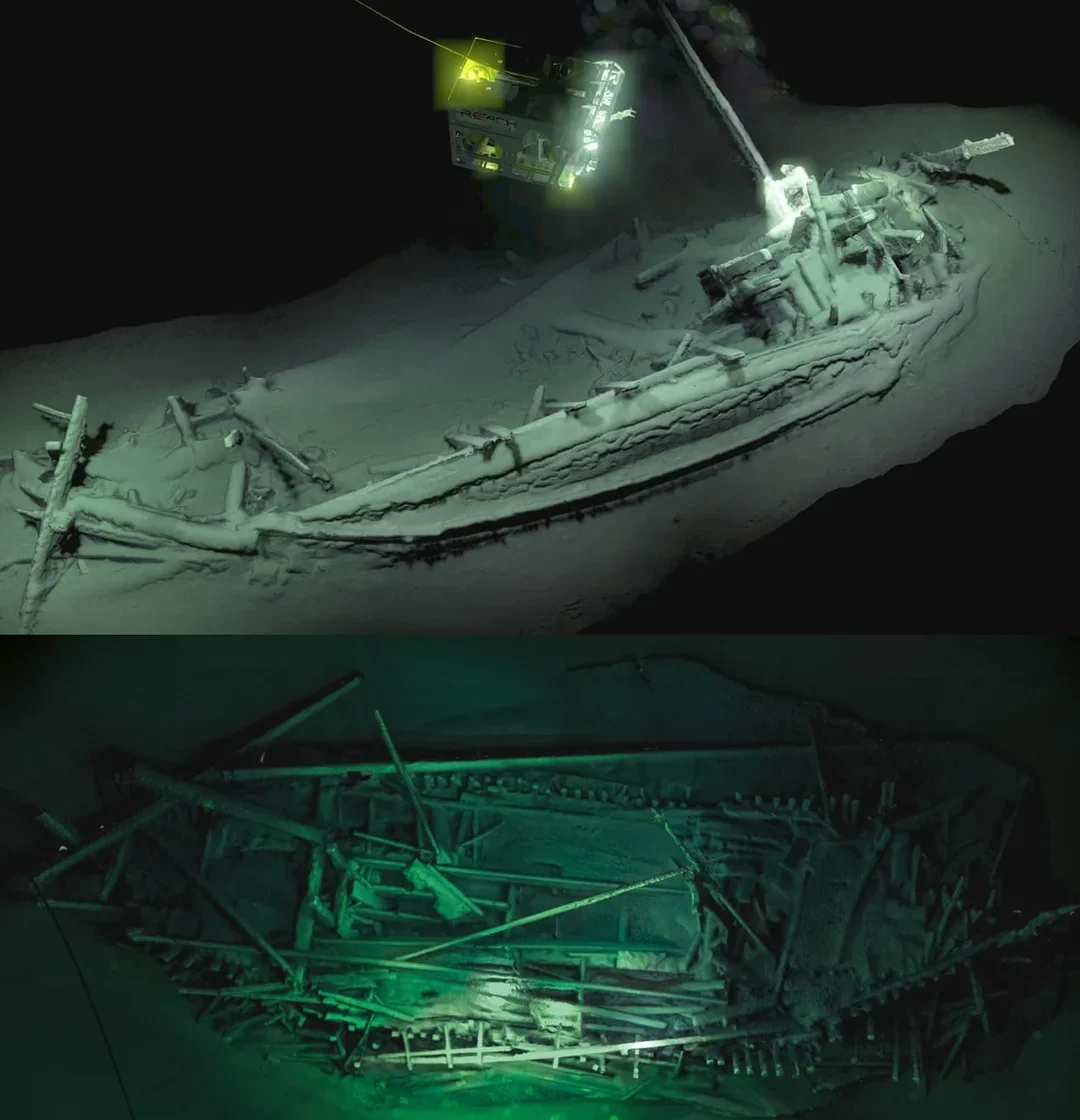
Off the coast of Bulgaria, in the Black Sea, archaeologists identified a Greek merchant ship from more than two thousand four hundred years ago that has been called the oldest intact shipwreck ever found. The vessel lies on its side, but the mast, rudder, steering gear, and hull form are all preserved so clearly that you can match them almost directly to ancient vase paintings. The Black Sea’s unusual water chemistry – an oxygenated upper layer overlying an anoxic deep layer – helps protect organic material, and even in upper zones the lack of typical wood‑boring organisms slows the normal destruction you’d expect. ([livescience.com](https://www.livescience.com/63899-oldest-intact-shipwreck-found.html?utm_source=openai)) Although this particular wreck sits in deeper water than you might consider “shallow” for casual diving, it still lies in a basin historically crowded with shipping and coastal traffic along Bulgaria’s shores. For roughly twenty‑four centuries, fishermen, traders, and later steamers sailed overhead with no idea that a complete Classical‑era cargo ship rested quietly below, almost like a missing illustration from a history book. For you, the lesson is that “deep” and “remote” are sometimes relative terms; when a body of water is a highway for centuries, your assumptions about what’s beneath often lag far behind the reality.
7. Gribshunden: A Late Medieval Flagship Preserved off the Swedish Coast
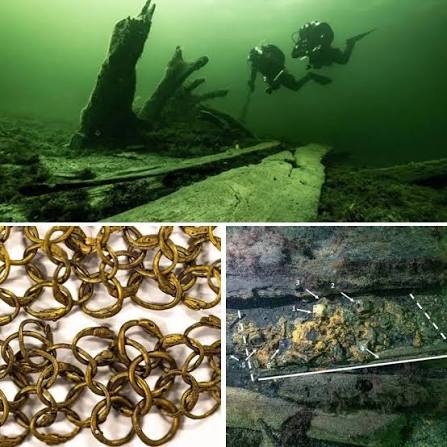
Gribshunden, the flagship of the Danish king in the late fifteenth century, sank off the coast of modern‑day Sweden and then quietly waited on the seabed for over five hundred years. When archaeologists re‑examined the wreck in earnest, they realized you are looking at one of the best‑preserved late medieval warships ever found. The hull structure, decorative carvings, and parts of the armament remain in place, letting you see how a state‑of‑the‑art royal vessel of that era was put together in remarkable detail. ([en.wikipedia.org](https://en.wikipedia.org/wiki/Gribshunden?utm_source=openai)) The ship lies in comparatively shallow Baltic water near a coastline that has never exactly been empty of traffic; fishing boats, ferries, and local trade have long moved through the same archipelago. Yet for centuries, nobody fully grasped the wreck’s significance or degree of preservation, even though divers knew of timbers there as early as the twentieth century. You might think that such an important royal ship would be famous the moment it was found, but the Baltic’s murky visibility and chilly conditions mean that a near‑intact medieval flagship could sit under one of Europe’s busiest seas, largely unrecognized, while modern hulls traced the same routes overhead.
8. SS Erebus’s Lake Cousins: Intact Steamships Hidden in North America’s Inland Seas
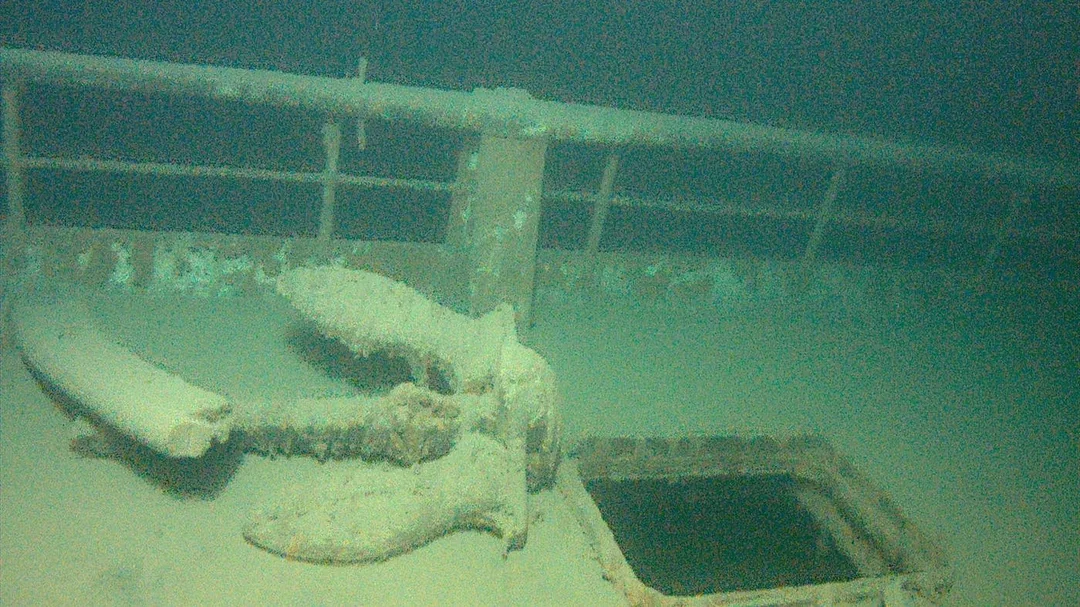
If you shift your attention from Europe to North America’s Great Lakes, you discover another twist on the same story: cold, fresh water quietly preserving steel and wooden ships while modern freighters steam right over them. One example is the SS Hudson, a freight steamer that vanished on Lake Superior in 1901 and eluded searchers for one hundred eighteen years. When its wreck was finally located in deep but still accessible lake water, the hull was found largely intact, sitting upright and recognizable – almost as if it had only recently made its final crossing. ([en.wikipedia.org](https://en.wikipedia.org/wiki/SS_Hudson_%281887%29?utm_source=openai)) What makes this relevant for you, even though the Hudson lies deeper than typical recreational dives, is the same pattern: a well‑traveled body of water, with commercial traffic running directly above an intact wreck for more than a century. For years, local lore and fragmentary reports hinted at its fate, but without modern sonar and systematic surveys, the wreck simply remained invisible. Similar patterns have played out with other Great Lakes steamers, where water too cold for ship‑eating organisms, combined with limited storms at depth, has kept hulls astonishingly complete, silently watching as newer generations of lake freighters pass overhead hauling ore, grain, and containers.
9. A Medieval “Super Ship” off Denmark, Revealed After Centuries of Sand
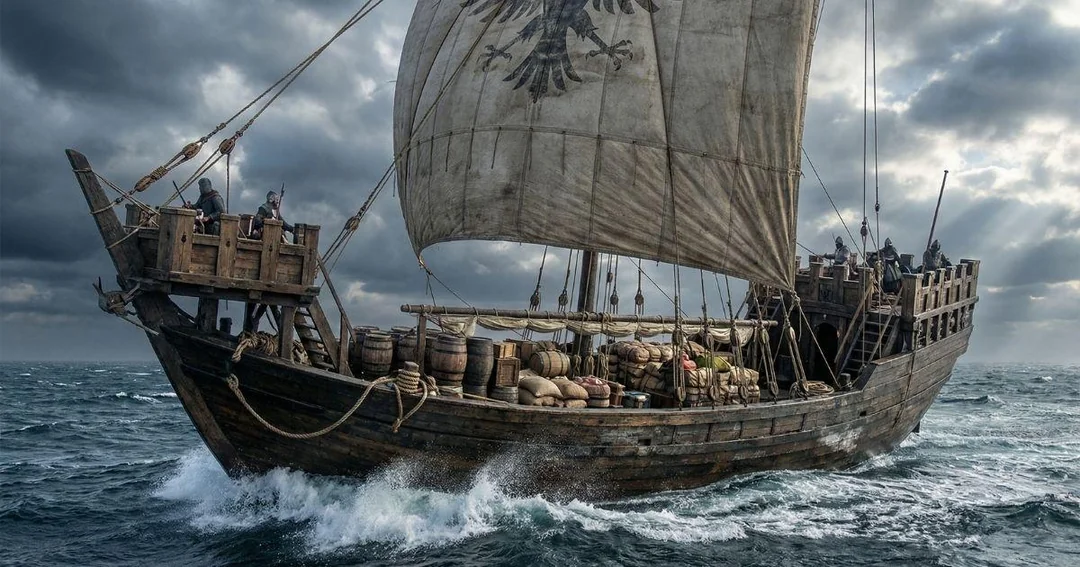
Very recently, archaeologists working in the Øresund – the narrow strait between Denmark and Sweden – uncovered the remains of a colossal medieval cargo ship nicknamed a “super ship.” This cog‑type vessel, about twenty‑eight meters long and roughly nine meters wide, dates to around six hundred years ago and seems to have been built to move hundreds of tons of cargo as efficiently as possible. For centuries, its timbers lay buried under sand and silt on the shallow seabed, close to one of the busiest maritime gateways in Europe, where ships constantly pass between the Baltic and the North Sea. ([livescience.com](https://www.livescience.com/archaeology/medieval-super-ship-found-wrecked-off-denmark-is-largest-vessel-of-its-kind?utm_source=openai)) What is striking for you is how close this wreck is to modern shipping lanes and to the bustling port of Copenhagen. The Øresund has seen medieval traders, naval fleets, fishing vessels, and contemporary tankers all funnel through the same constrained channel, yet the outline of a massive cog sat hidden right beneath them. Only when archaeologists deliberately peeled back layers of sediment using careful excavation did the full scale of the ship emerge. You are left realizing that even in waters that feel thoroughly known, the seabed can still conceal entire lost workhorses of commerce, their hulls waiting just beyond the reach of casual anchors and echo sounders.
Conclusion: The Sea Remembers More Than You Think
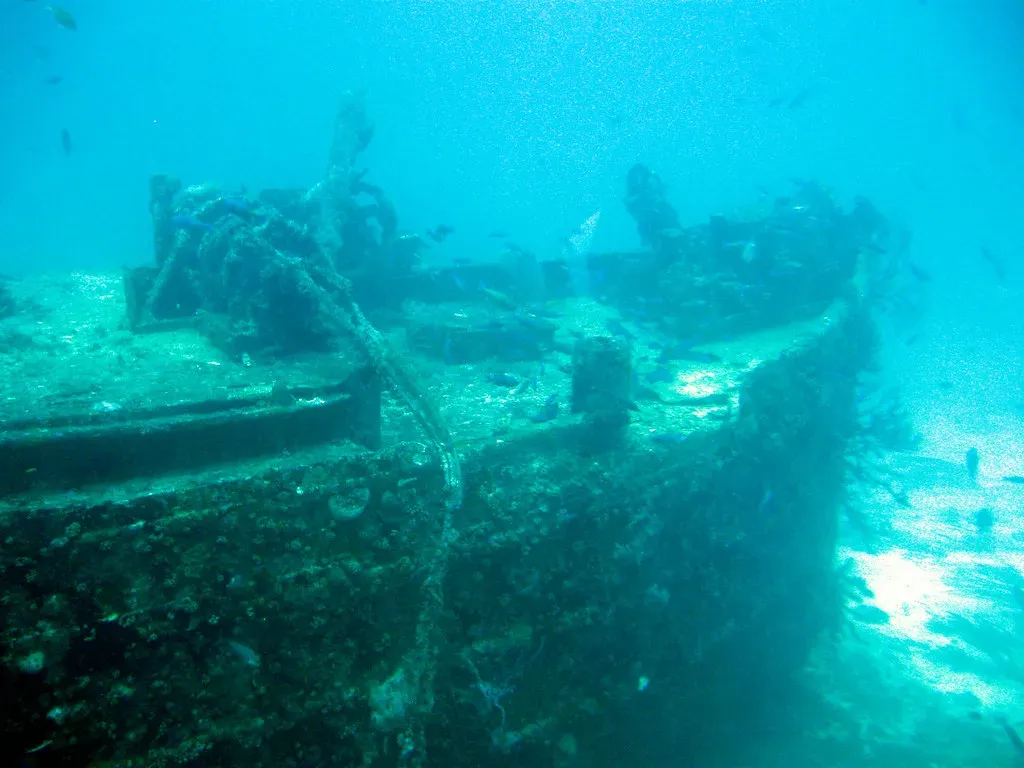
When you step back from these nine stories, a picture emerges that is both humbling and oddly comforting. You learn that the sea, lakes, and straits you see as busy, noisy corridors can also act as quiet, patient archives. Cold temperatures, low oxygen, and low salinity conspire to keep ships astonishingly intact, while human attention stays focused on the surface. For centuries, masts, hulls, and cargo have been lying in water shallow enough for divers and survey gear, yet just deep or murky enough that ordinary sailors never knew they were there. For you, the real shock is not that these wrecks exist, but that they coexisted so long with everyday traffic – thousands of hulls passing overhead while a Renaissance trader, a royal flagship, or a lost expedition ship sat watching history go by. As underwater mapping and archaeology keep improving, you can expect more of these secrets to surface, not from distant abysses, but from just below the reach of sunlight along familiar coasts. The next time you look out over a crowded shipping lane or a calm inland sea, it is worth asking yourself: what complete, forgotten world might be resting quietly on the bottom, just a little too deep for you to notice?