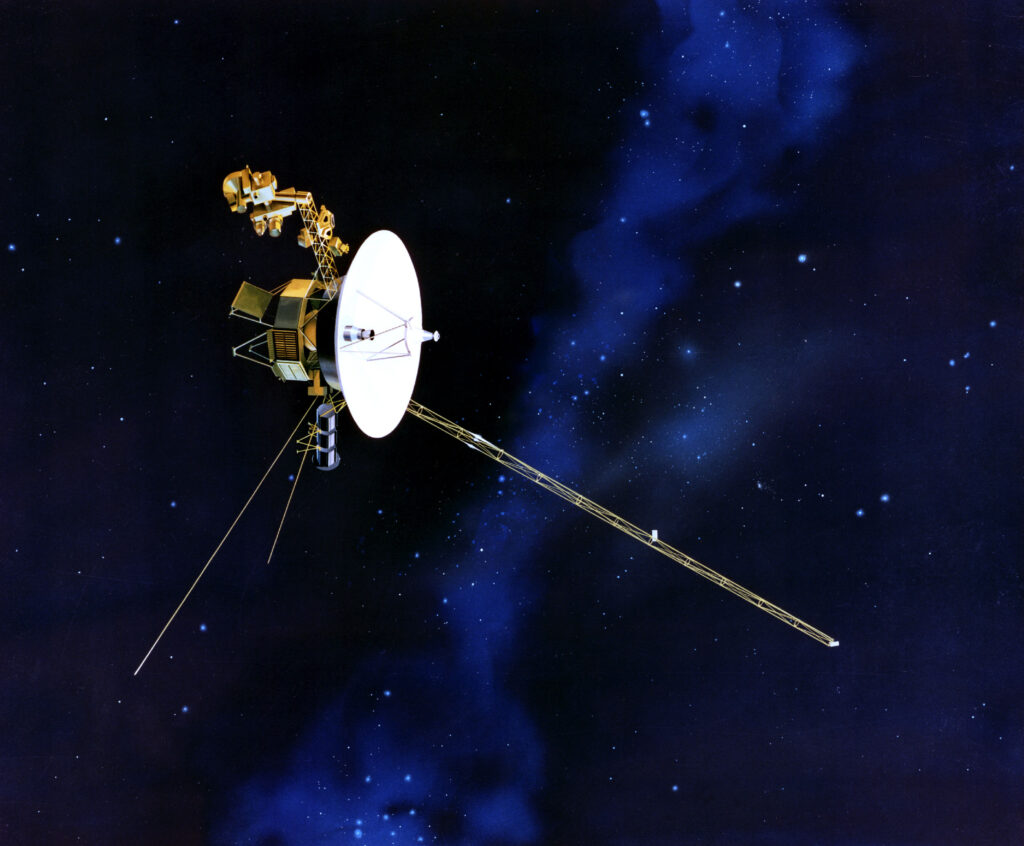
You live at a time when a bus‑sized robot launched before the first home computers is still talking to Earth from beyond the edge of the Sun’s influence. That alone is wild. But what really twists your brain is that Voyager 1’s messages sometimes stop making sense, and even the people who built it cannot fully explain why. You are watching, in real time, humanity learning how little it understands about deep space, aging hardware, and the invisible environment between the stars. The probe keeps whispering across billions of miles, sometimes in clean, elegant numbers, sometimes in what looks like cosmic gibberish – and you are left to wonder what, exactly, it is trying to tell you.
You’re Listening to a 1970s Time Capsule in Interstellar Space
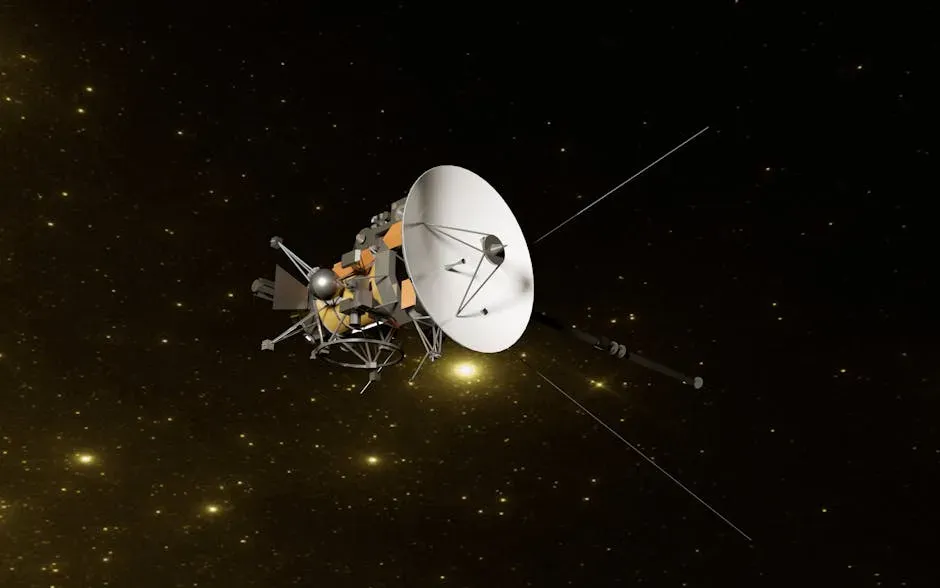
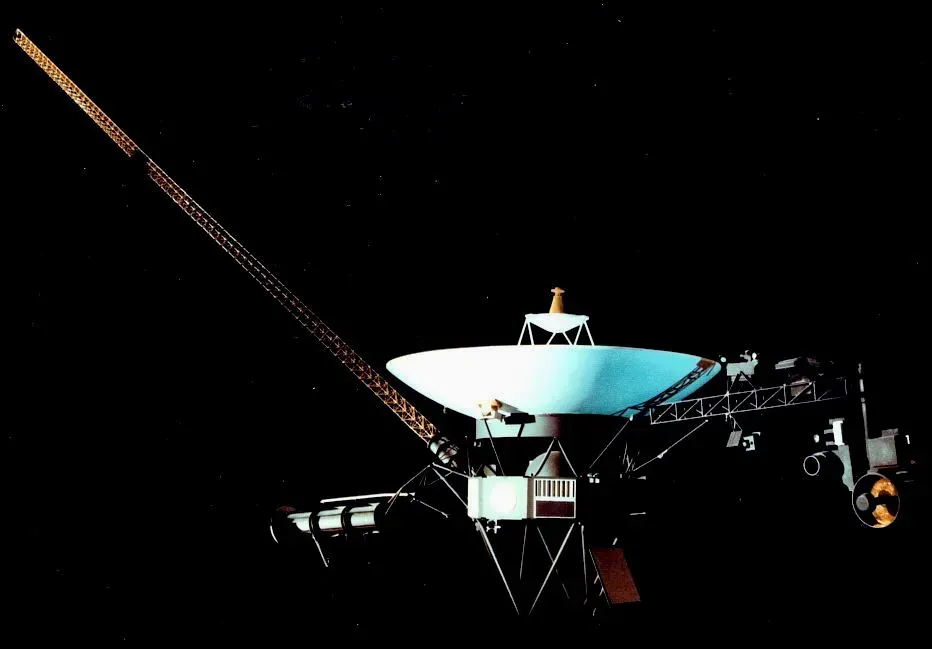
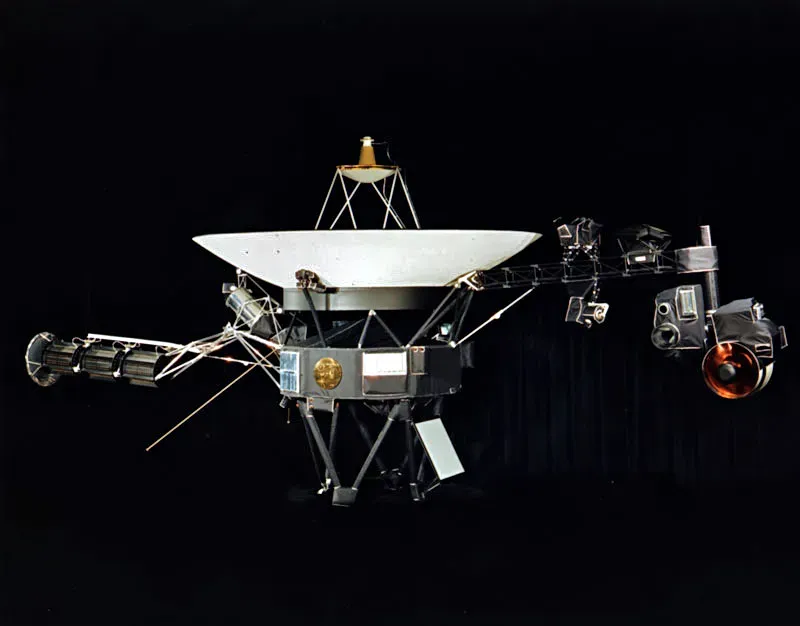
If you could hold Voyager 1 in your hands, you’d be touching technology older than most people alive today, running computers that make a cheap calculator look powerful. Yet this relic is now more than fifteen billion miles from Earth, outside the bubble of the Sun’s magnetic influence, sampling the space between stars. You’re basically listening to a 1970s time capsule doing frontier physics with hardware that was obsolete before you were born. From your point of view, that’s part of why the strange data feels so unsettling. You expect space science to look like sleek touchscreens and artificial intelligence, not hand‑coded instructions squeezed into memory measured in words, not megabytes. When you learn that a single failing memory chip or a misrouted data stream can make the spacecraft sound like it’s possessed, you start to see just how fragile this whole interstellar experiment really is.
Why Voyager’s “Gibberish” Spooks You More Than Silence
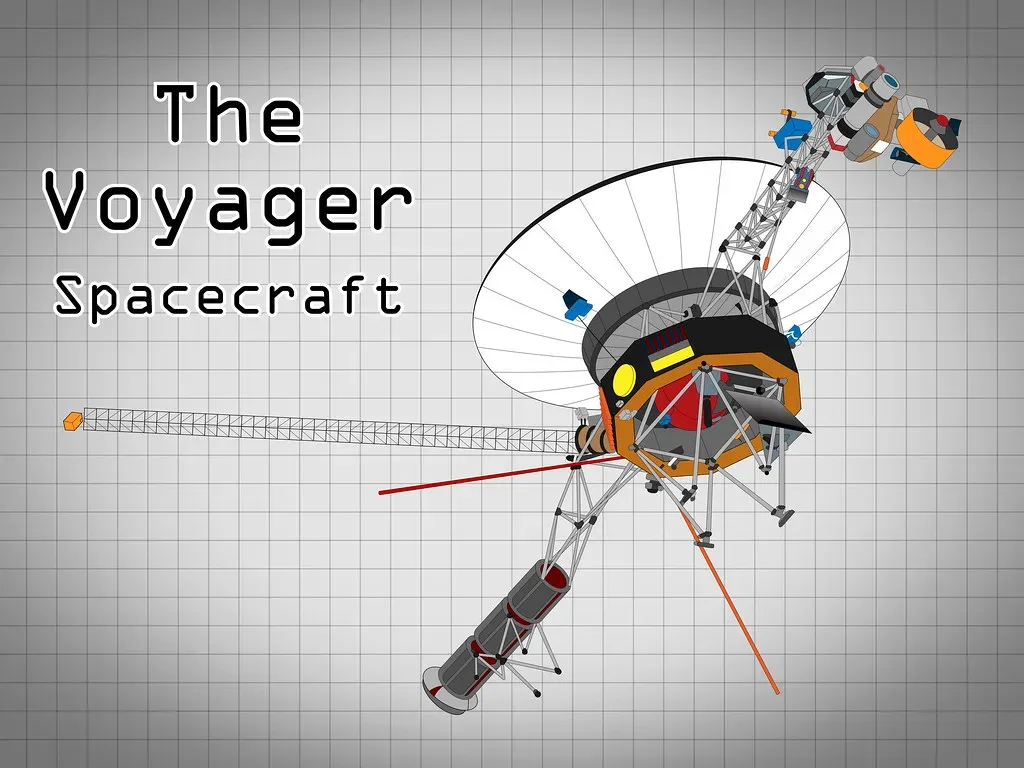
If Voyager 1 simply went quiet, you’d mourn, call it the natural end of a heroic mission, and move on. Instead, what you get sometimes is worse: a strong, steady radio signal full of data that refuses to line up with reality. The spacecraft looks healthy by every other measure, but the numbers it sends about its own status or its environment come through scrambled, like a heartbeat monitor drawing nonsense squiggles. That mismatch between signal strength and sense is what really gets under your skin. You’re staring at readouts that should tell you where the spacecraft is pointing or how instruments are behaving, but they look like random codes typed by an invisible prankster. Engineers have traced some of these episodes to the systems that package and route the data – not to the instruments themselves – which means the spacecraft may be working fine while you are effectively reading its diary through a paper shredder. You are forced to ask: is this just aging electronics, or is something about interstellar space pushing this hardware in ways you don’t fully understand?
When a Single Memory Chip 15 Billion Miles Away Ruins Your Day
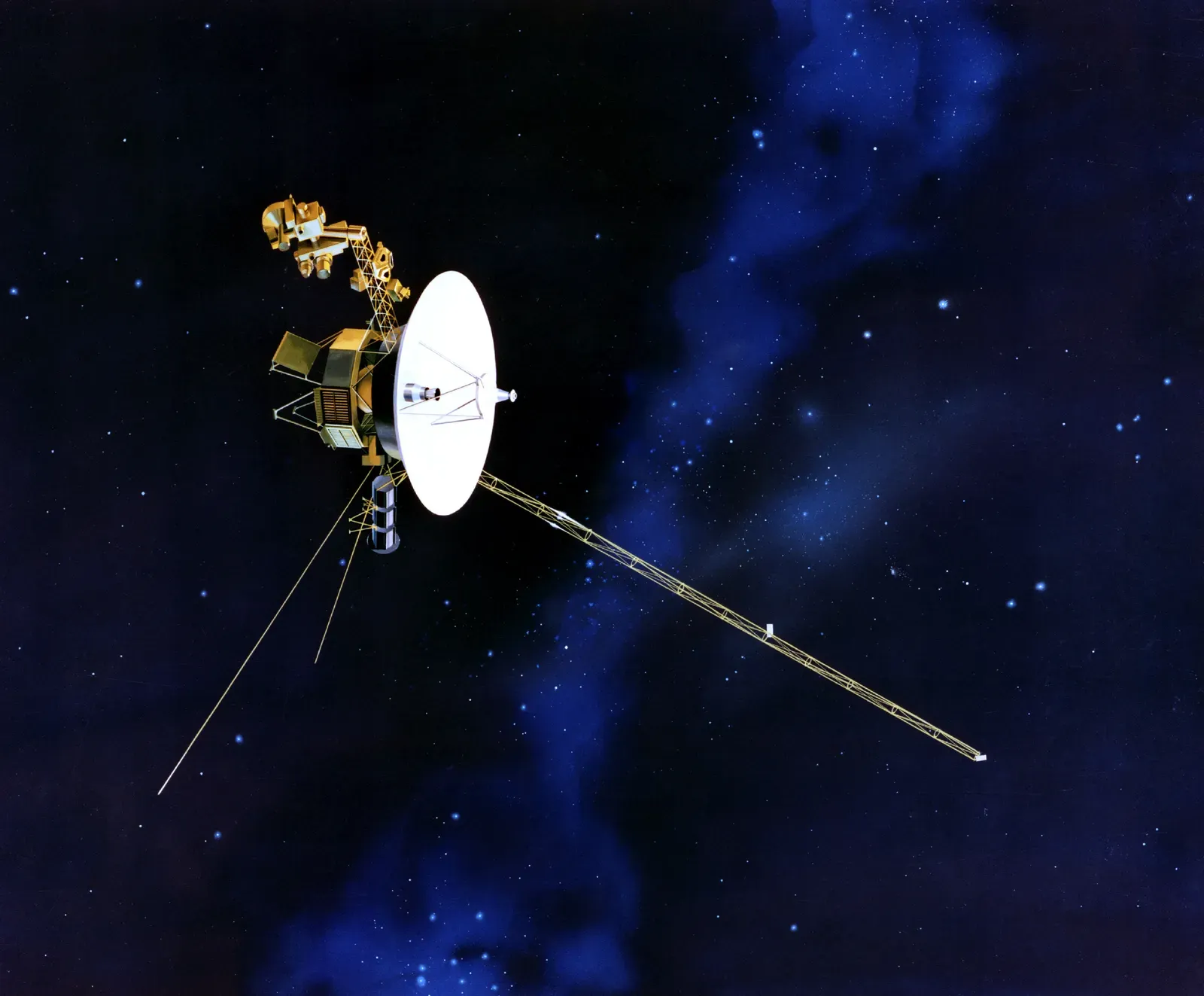
Imagine your whole understanding of a spacecraft’s health suddenly collapsing because one tiny memory chip blinked out in the dark. That’s basically what you’re dealing with. Voyager 1’s flight data system, the computer that bundles science and engineering data into neat packages for transmission, lost part of its memory after decades of radiation, cold, and sheer time. From your perspective, that feels absurdly fragile: an entire deep‑space mission thrown into confusion by a component smaller than your fingernail, installed before smartphones, before the internet, before you. You can’t swap the chip, you can’t send a repair crew, and you can’t add new hardware. All you can do is rewrite software from Earth, carving around the damaged parts of memory like a surgeon avoiding scar tissue. You split the lost code into pieces and tuck them into different areas that still work, then hold your breath for nearly a day while the signal crawls out and back at light speed. When the garbled stream finally snaps back into meaningful numbers, you realize you’ve just patched a forty‑plus‑year‑old computer in interstellar space – and that the next random failure might be impossible to dodge.
How You Decode a Whisper That Takes Almost Two Days to Answer
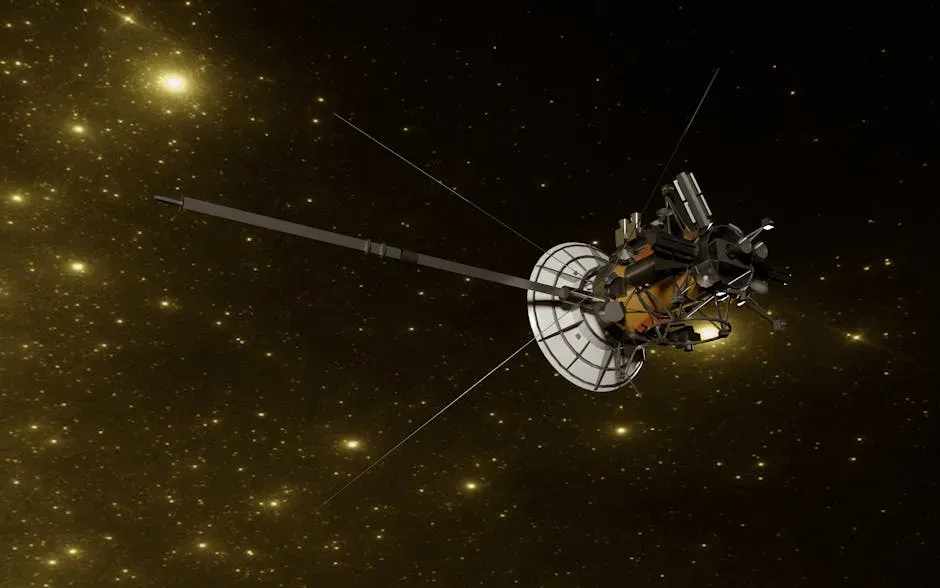
Think about having a conversation where every question you ask takes almost a full day to arrive, and the reply takes another day to come back. That’s what you’re dealing with when you interact with Voyager 1. Every diagnostic command, every tweak to its software, every attempt to poke a stuck subsystem is a slow‑motion gamble. You send a carefully crafted instruction, then you wait, knowing that if you got one bit wrong, you won’t know for nearly two days. From your vantage point, that delay turns troubleshooting into a kind of chess game in molasses. You can’t just try things quickly and see what happens. You have to simulate everything on the ground, double‑ and triple‑check the logic, and then commit, knowing there are no do‑overs if you seriously mess up. When strange data appears – say, a full dump of computer memory disguised in an unfamiliar format – someone has to recognize what it is, craft new tools to decode it, and then decide how to operate a failing computer that sits beyond the orbit of every planet you’ve ever learned about.
What the “Weird” Data Is Actually Telling You About Interstellar Space
It’s tempting to imagine the oddities in Voyager 1’s transmissions as some kind of hidden alien message, but when you look closely, what they mostly reveal is how strange the space between stars really is. You’re learning that the boundary of the Sun’s influence is not a smooth, simple border; it’s a messy region where charged particles, magnetic fields, and shock waves from distant outbursts collide and mingle. Small changes in those conditions subtly affect the instruments and the environment around the spacecraft, sometimes in ways your models didn’t fully predict. Even when the data looks clean, it’s quietly rewriting your understanding of cosmic space weather. You’re seeing how the density of particles changes, how interstellar magnetic fields drape and twist, how shock waves from solar activity propagate far beyond the planets. The baffling episodes – the ones where you’re not entirely sure whether the odd patterns are due to hardware hiccups or unmodeled physics – remind you that this is the first and only direct sampling of this region. You are calibrating your expectations using a single aging messenger, and it’s honest to admit you don’t always know where instrument quirks end and new science begins.
You’re Watching Engineers Do Necromancy on Vintage Space Hardware
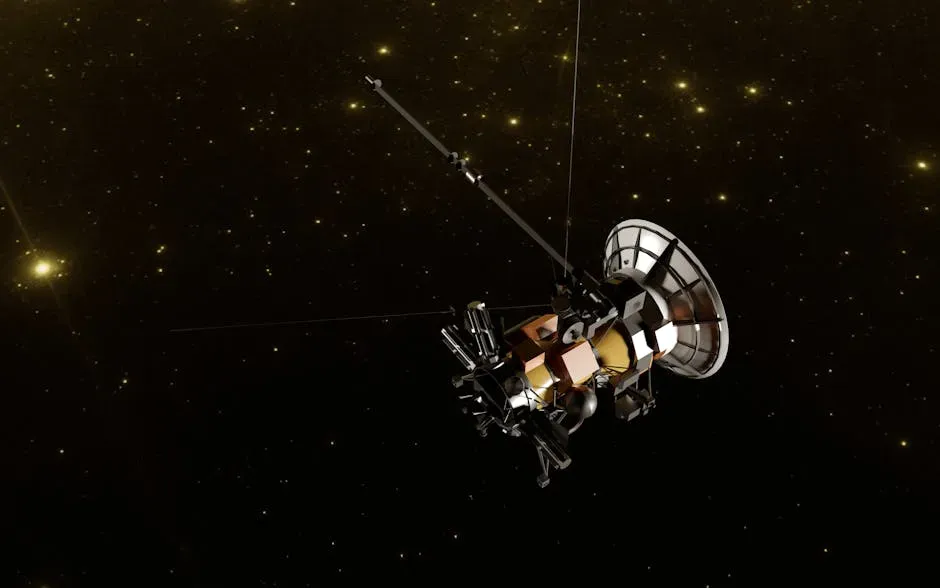
From your perspective, one of the strangest parts of this story is not the data itself, but what human beings do to keep it coming. The people who originally designed Voyager’s systems mostly retired long ago, and some are no longer alive, so every new glitch feels like deciphering a forgotten language. Engineers dig through decades‑old documentation, reconstruct design decisions from dusty diagrams, and then invent modern tools to talk to code written in the 1970s. It looks less like routine maintenance and more like high‑stakes digital archaeology. You might find yourself oddly moved by that image: a handful of specialists on Earth coaxing an elderly spacecraft to share its secrets a little longer. Instead of discarding old tech, they adapt around failures, power down nonessential systems to save energy, and juggle which instruments stay on as the nuclear battery slowly fades. When Voyager 1 suddenly returns to normal science operations after months of nonsense, you realize you’re witnessing an improbable victory against entropy – people using patience and creativity to prolong a voice that should have gone silent years ago.
Why You Should Be Skeptical of Overblown Mysteries – and Still Be Amazed
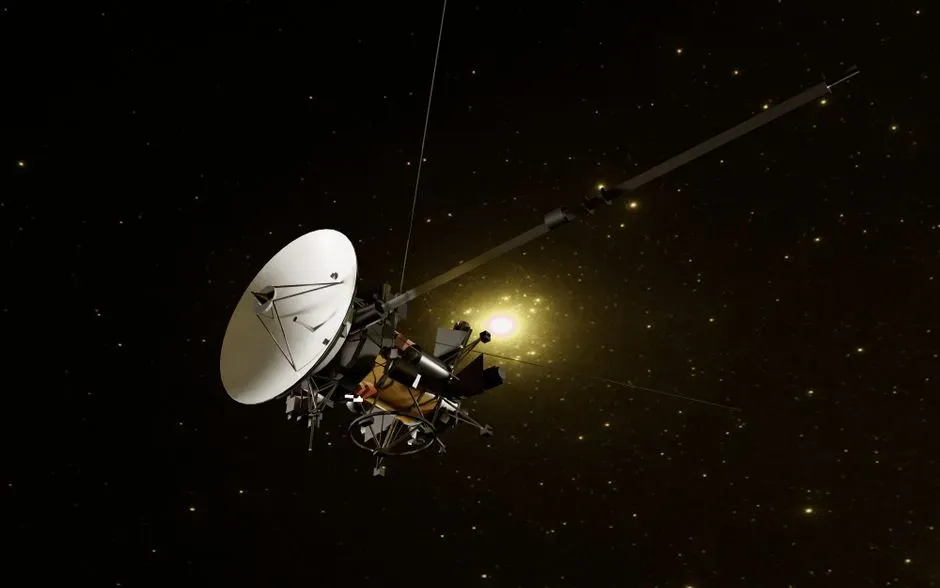
When you see sensational headlines about Voyager 1 sending spooky or incomprehensible messages, it’s easy to picture something uncanny lurking in the data. In reality, almost every “mystery” has come down to something mundanely terrifying: a misbehaving attitude control system feeding status through the wrong computer, a corrupted software pointer, or a failing memory chip. You’re not looking at evidence of unknown civilizations; you’re watching the natural breakdown of old hardware trying to talk through the harshest environment any machine has ever survived. But if you strip away the hype, what’s left is arguably even more impressive. You’re seeing how far careful engineering, persistence, and honest uncertainty can get you. Instead of pretending they know everything, the teams working on Voyager 1 openly admit what’s unclear, test ideas slowly, and accept that some quirks might never be fully explained. From your seat on Earth, you’re reminded that real science often looks like this: messy, patient, occasionally boring – and somehow still awe‑inspiring.
What Voyager 1’s Strange Signals Really Mean for You
If you zoom out for a moment, Voyager 1’s baffling data is a mirror held up to your own expectations about technology, certainty, and control. You grew up assuming that if something breaks, you swap it out or upgrade, not nurse it along with clever workarounds across billions of miles. Yet here you are, rooting for a decades‑old probe you can’t touch, celebrating each successful patch as if it were a medical miracle. The strangeness of its signals forces you to accept that some things you build will outlive your intuition about how they should behave. On a more personal level, this interstellar probe changes how you think about distance and time. You’re receiving information that left the spacecraft almost a day ago, from a region of space no other human‑made object has ever visited, translated by people you’ll never meet, using documents written before you were born. When the numbers look weird, you’re reminded that exploration is not a clean line of progress but a stumbling walk into the dark. Maybe that’s the real message buried in all those garbled bits: you will not always understand what the universe is telling you, but you keep listening anyway.
In the end, Voyager 1’s strange data is less a cosmic riddle and more a story about how you deal with the unknown. You’re learning to balance wonder with skepticism, to see glitchy numbers as both engineering headaches and clues to unfamiliar territory. The spacecraft will not last forever; its power source will fade, its instruments will go quiet, and one day the radio whisper will stop. Yet for as long as it keeps talking, you are part of a conversation that stretches far beyond your own lifetime.
When you think about a fragile, aging machine still phoning home from interstellar space, patched and repatched by people who refuse to give up on it, you might feel a bit differently about what humans are capable of. The baffling signals are a reminder that curiosity does not require perfect data, only the stubborn desire to keep asking questions. So the next time you hear that Voyager 1 is sending strange messages again, you might ask yourself: did you really expect exploring the space between the stars to be anything less than weird?