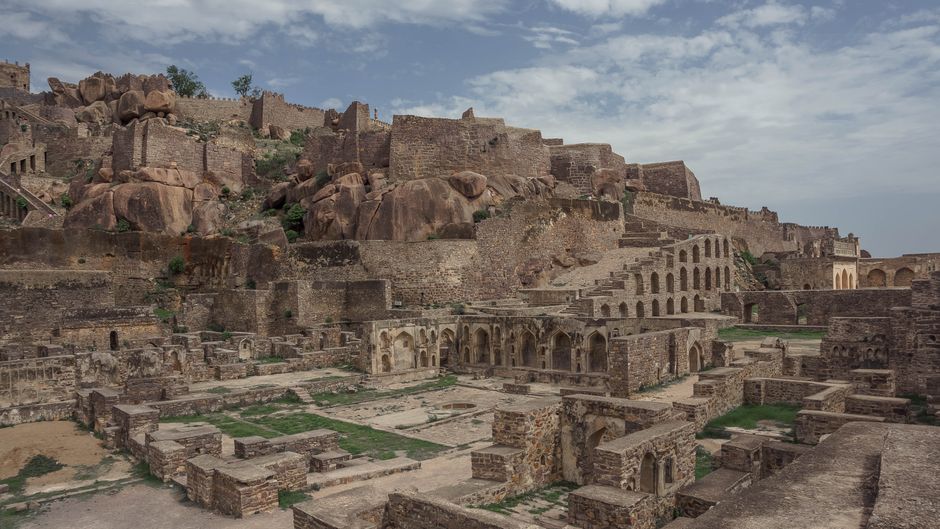
You know that feeling when a movie zooms in on a jungle and suddenly a whole stone city appears out of the mist? That used to be pure fantasy. Now, thanks to lasers from airplanes, satellite scans, and a lot of muddy boots on the ground, scenes like that are basically showing up in scientific journals. Entire cities that were dismissed as myths, or thought to be small villages, are suddenly turning out to be sprawling urban worlds hidden under forests, deserts, and even modern towns.
What makes this moment so wild is the race against time. Forests are being cleared, rivers are dammed, looters move faster than research teams, and climate change is chewing away at fragile ruins. Archaeologists are hustling not just to dig, but to document these places before they vanish again, this time for good. Let’s dive into twelve of the most intriguing lost cities they’re scrambling to understand, and why each one is quietly rewriting what we thought we knew about human history.
1. Angkor’s Hidden Megacity Beneath the Cambodian Jungle
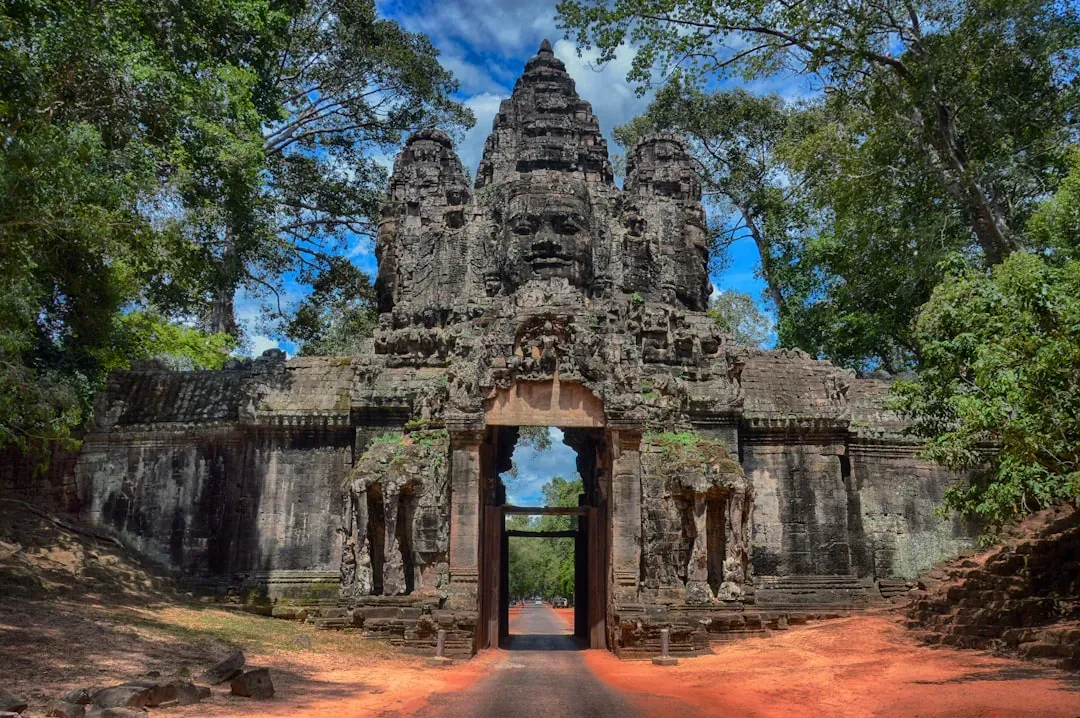
Most people think of Angkor as the famous temple of Angkor Wat sitting over a moat, but that’s like calling New York just Times Square. Under the jungle canopy around those stone towers, laser scanning has revealed a vast low-density city grid: neighborhoods, reservoirs, canals, and roads that stretched far beyond what anyone expected. It turns out Angkor was not just a temple complex; it was the heart of one of the largest pre-industrial urban landscapes on Earth.
Archaeologists are racing to map this buried network because every year, modern development, looting, and simple erosion eat away at what’s left. The urgency is not just about saving stones; it’s about understanding how this water-managed city thrived and then collapsed. In a warming world where droughts and floods are escalating, Angkor’s story – of how kings played with hydrology and possibly broke their own system – feels uncomfortably relevant. The more researchers see of Angkor’s hidden arteries, the more it looks like a mirror held up to our own sprawling, fragile megacities.
2. The Deep Amazonian Cities Once Written Off as “Just Jungle”
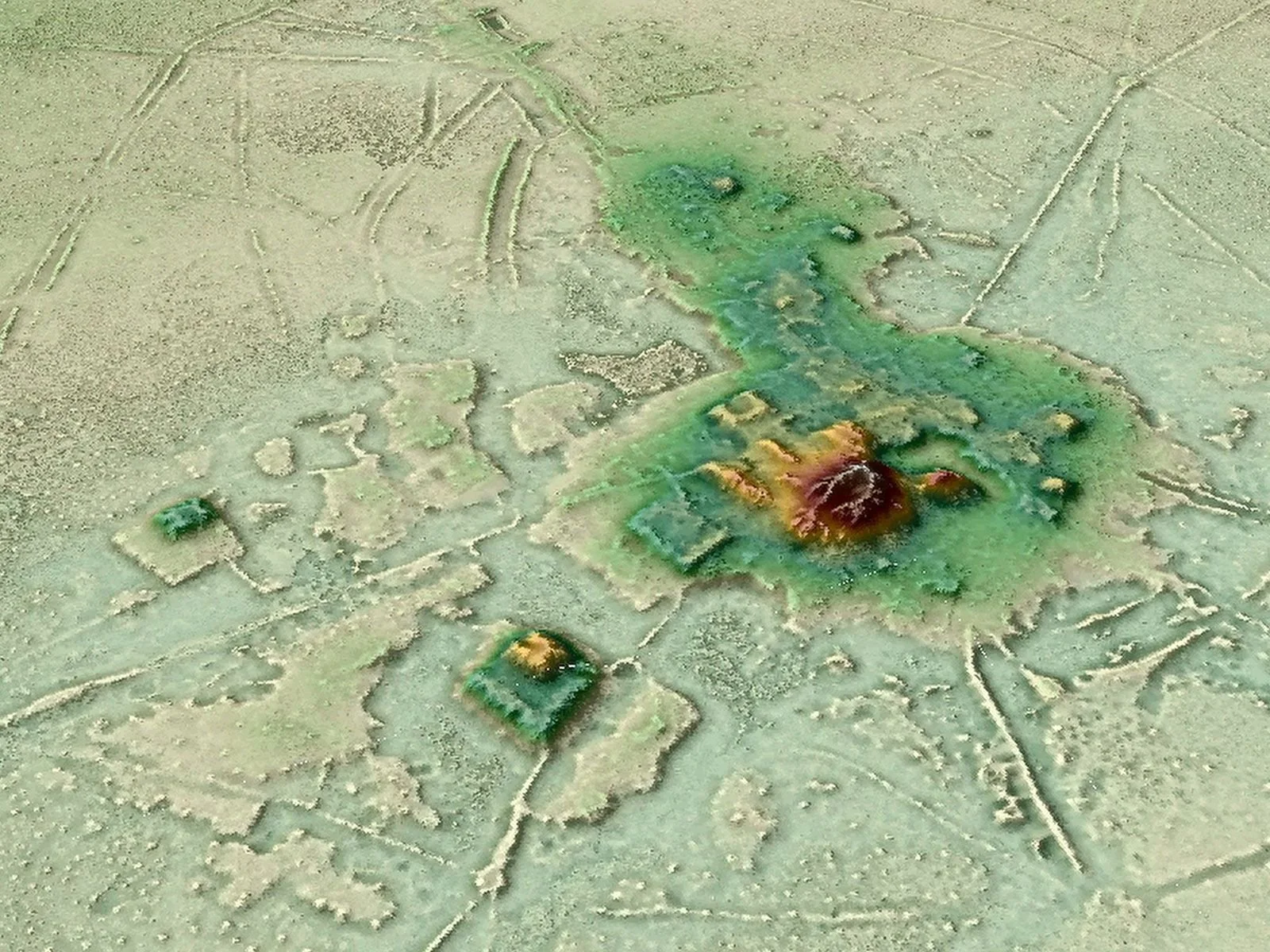
For decades, the default attitude about the Amazon was that it was basically an untouched wilderness sprinkled with a few small tribes. That view is crumbling fast. Airborne laser scans have started to reveal geometric earthworks, massive causeways, and complex settlement patterns in parts of Brazil, Bolivia, and beyond. What we once saw as endless green may, in some areas, actually be the ghost of a carefully engineered, densely inhabited cultural landscape.
Archaeologists are scrambling because deforestation is a brutal double-edged sword: cutting trees exposes buried features, but it also destroys them before anyone can study them properly. The race is to use technology – drones, lidar, satellite data – to map as much as possible, then target careful excavation before large-scale agriculture wipes the slate clean. Personally, I find this wave of discoveries humbling; it suggests that the Amazon’s “emptiness” was more our own blind spot than reality, and that Indigenous engineering there was far more inventive and large-scale than the old textbooks ever gave credit for.
3. The Expanding Puzzle of Guatemala’s Maya Super-Cities
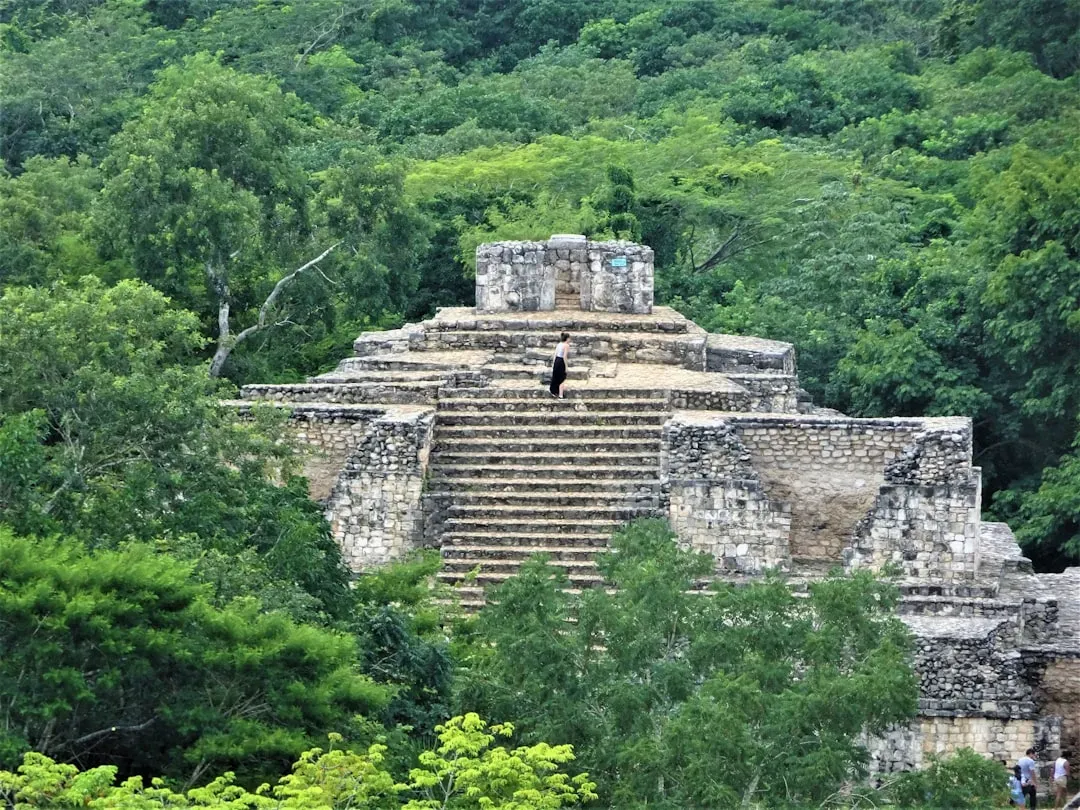
In northern Guatemala, what look like unbroken forests are increasingly being exposed as dense webs of ancient Maya infrastructure. Lidar surveys have uncovered highways raised above swampy ground, defensive earthworks, hidden pyramids, and entire districts linking what were once thought to be isolated city-states. Instead of a patchwork of independent towns, the region is starting to look like a coordinated, networked civilization with urban clusters stretching across huge distances.
Field teams are racing to ground-truth these digital discoveries, hacking through thick brush to confirm what the lasers suggest. Every season counts: looters cut into new mounds, climate swings trigger landslides, and tourism plans push development into remote zones. What grabs me here is how quickly the narrative has shifted – from Maya cities as isolated ceremonial centers to something closer to a Mesoamerican version of metropolitan sprawl. The story of these hidden super-cities is really a story of how our tools shape what we even notice about the past.
4. The Vanishing Coastal City of Thonis-Heracleion in Egypt
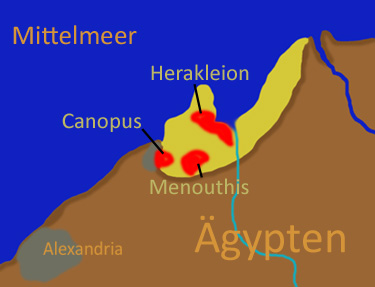
Off the Mediterranean coast of Egypt, divers are exploring the submerged ruins of Thonis-Heracleion, a once-vital port city that served as a gateway to the Nile. For centuries it was forgotten, preserved underwater by silt and mud, until its statue-lined avenues, temples, and harbors started to emerge through underwater archaeology. Think colossal stone figures, ritual barges, and toppled columns lying on a seafloor that used to be a bustling waterfront.
The race here is not against bulldozers, but against the sea itself. Coastal erosion, shifting sediments, and rising sea levels threaten to disturb or bury the site in ways that make careful excavation nearly impossible. Underwater archaeology is slow, technical, and expensive, so teams must prioritize what to study and lift before the environment shifts again. There’s something oddly poetic about this city: a place once defined by trade and tides now slipping in and out of visibility, forcing us to admit how little control we really have over coastlines – ancient or modern.
5. Neolithic Streets Frozen in Time at Çatalhöyük, Turkey
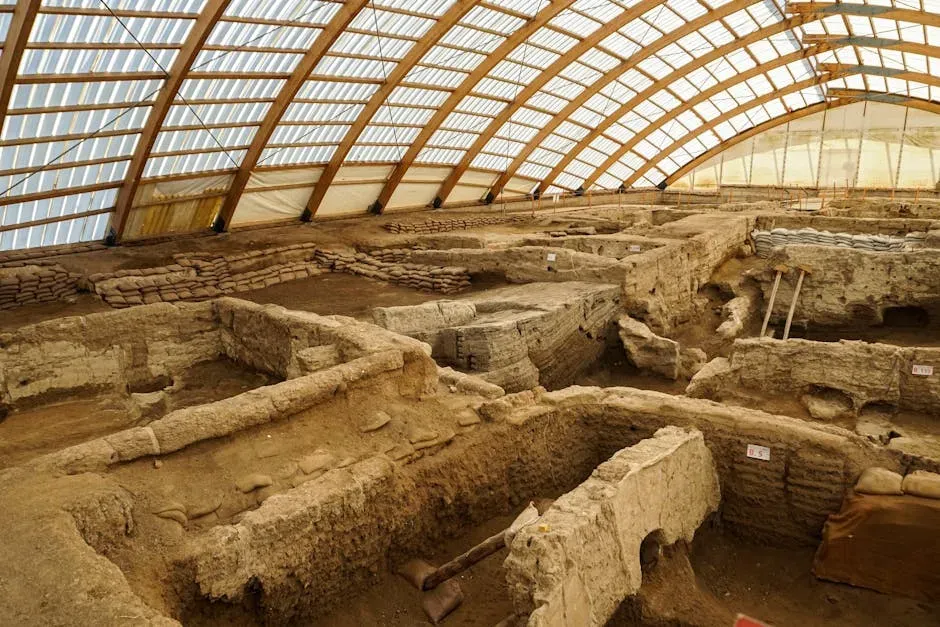
Çatalhöyük, in central Turkey, is not a “lost city” in the Hollywood sense of giant temples in the jungle, but it is one of the most astonishing early urban experiments we know. Dating back many thousands of years, it was a dense settlement where people built houses wall to wall and moved around by walking over rooftops, with entrances often in the ceiling instead of the street. It looks like something out of a surreal painting: no grand boulevards, just a packed honeycomb of human life.
Archaeologists are racing here not to find the city – it is already known – but to extract every bit of information before exposure, weather, and even tourism degrade the fragile mudbrick. Layers of ancient floors record daily life in microscopic detail: where people cooked, slept, buried their dead, and even where smoke hung in the air. I think sites like Çatalhöyük quietly challenge our assumptions about what a “real” city has to look like. It suggests that urban living began in forms far stranger and more experimental than today’s grid-planned suburbs and glass towers.
6. The Legendary but Elusive City of Tenea in Greece
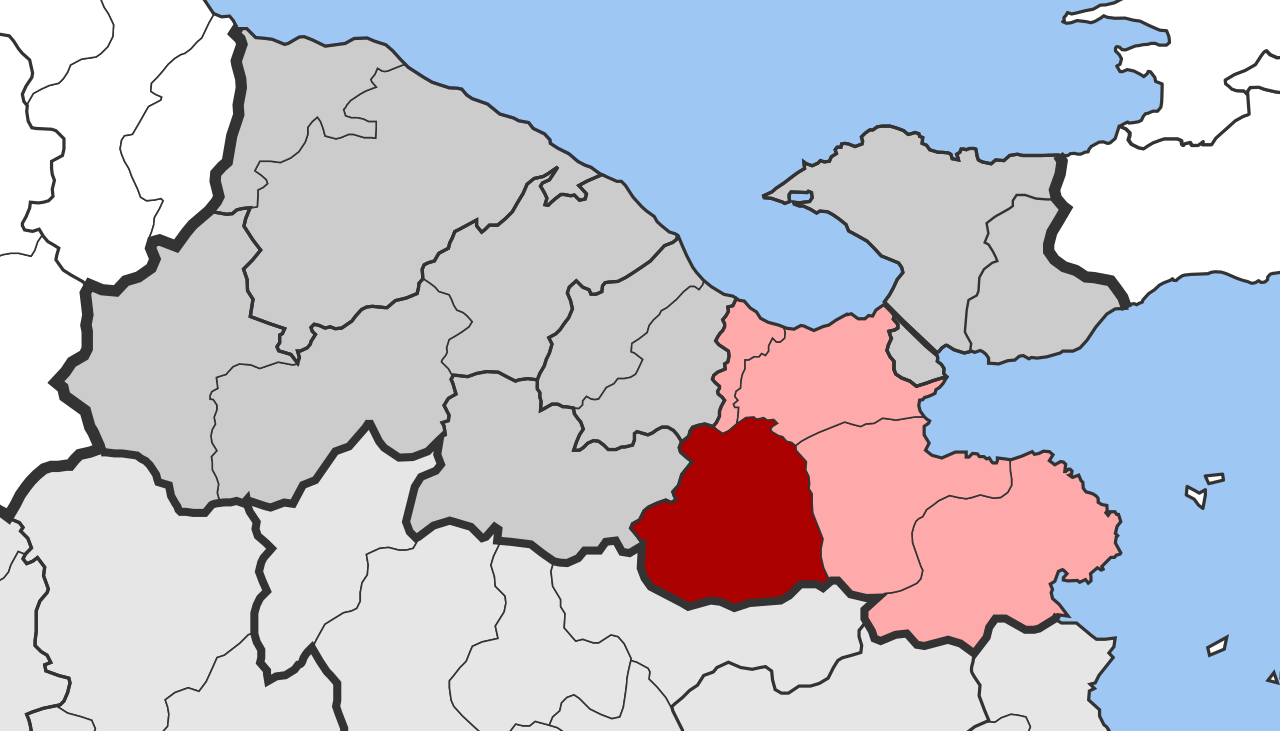
Ancient texts mentioned a city called Tenea in the Peloponnese, supposedly founded by prisoners of war after the Trojan conflict. For a long time it hovered in that awkward space between legend and archaeology: a name on a page without a clear place on the ground. That has been changing as excavations in southern Greece have uncovered building foundations, roads, richly furnished graves, and artifacts pointing to a prosperous community that fits the historical hints.
This is a race of interpretation as much as excavation. Every new discovery – coins, inscriptions, city planning details – helps confirm whether the settlement truly is Tenea and how it fit into the wider Greek world. What fascinates me here is the emotional side: archaeologists are effectively chasing a rumor handed down over millennia, trying not to let wishful thinking outpace the evidence. When texts and trenches finally line up, it feels a bit like matching a voice you’ve heard your whole life to a face you are only now seeing.
7. Caral in Peru: A Silent Giant of the Ancient Americas
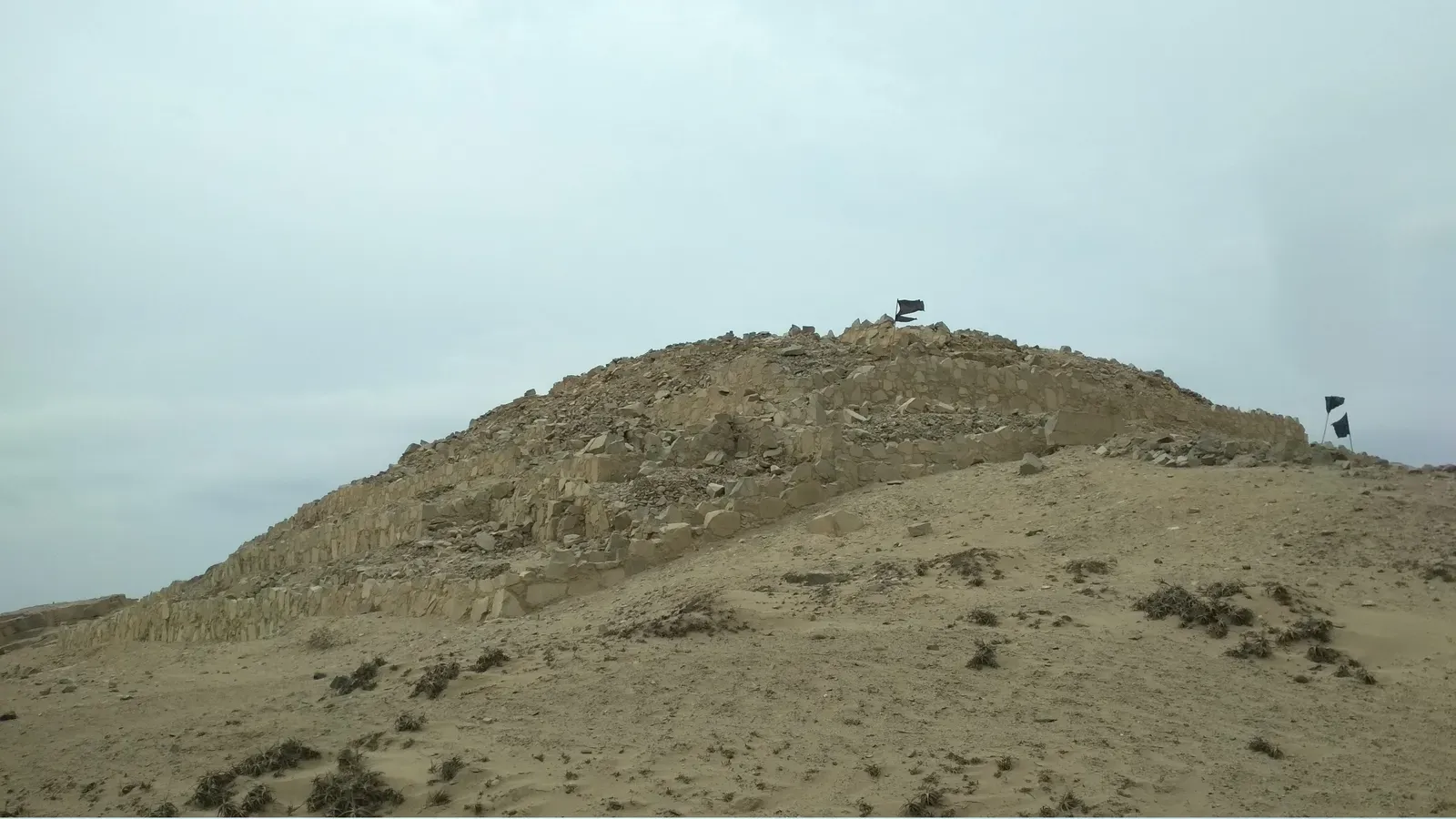
In Peru’s Supe Valley, the city of Caral lay for ages as eroded mounds and quiet terraces, overshadowed by the fame of the Inca and the Nazca lines. Only relatively recently has it been recognized as one of the oldest major urban centers in the Americas, complete with monumental platforms, sunken circular plazas, and evidence of organized labor and ritual life. It’s like finding out the prologue to a story is not a page but an entire volume you’ve skipped.
Researchers are pushing to document, conserve, and interpret Caral’s architecture and artifacts while balancing tourism and local realities. Wind, earthquakes, and unregulated development can do in a few seasons what took thousands of years to build. To me, Caral makes a strong argument against the idea that complex civilization is a late or rare arrival in human history. It shows that people were experimenting with large-scale planning and communal identities far earlier, and in more places, than most of us were taught in school.
8. The Buried Hellenistic City of Zeugma in Turkey
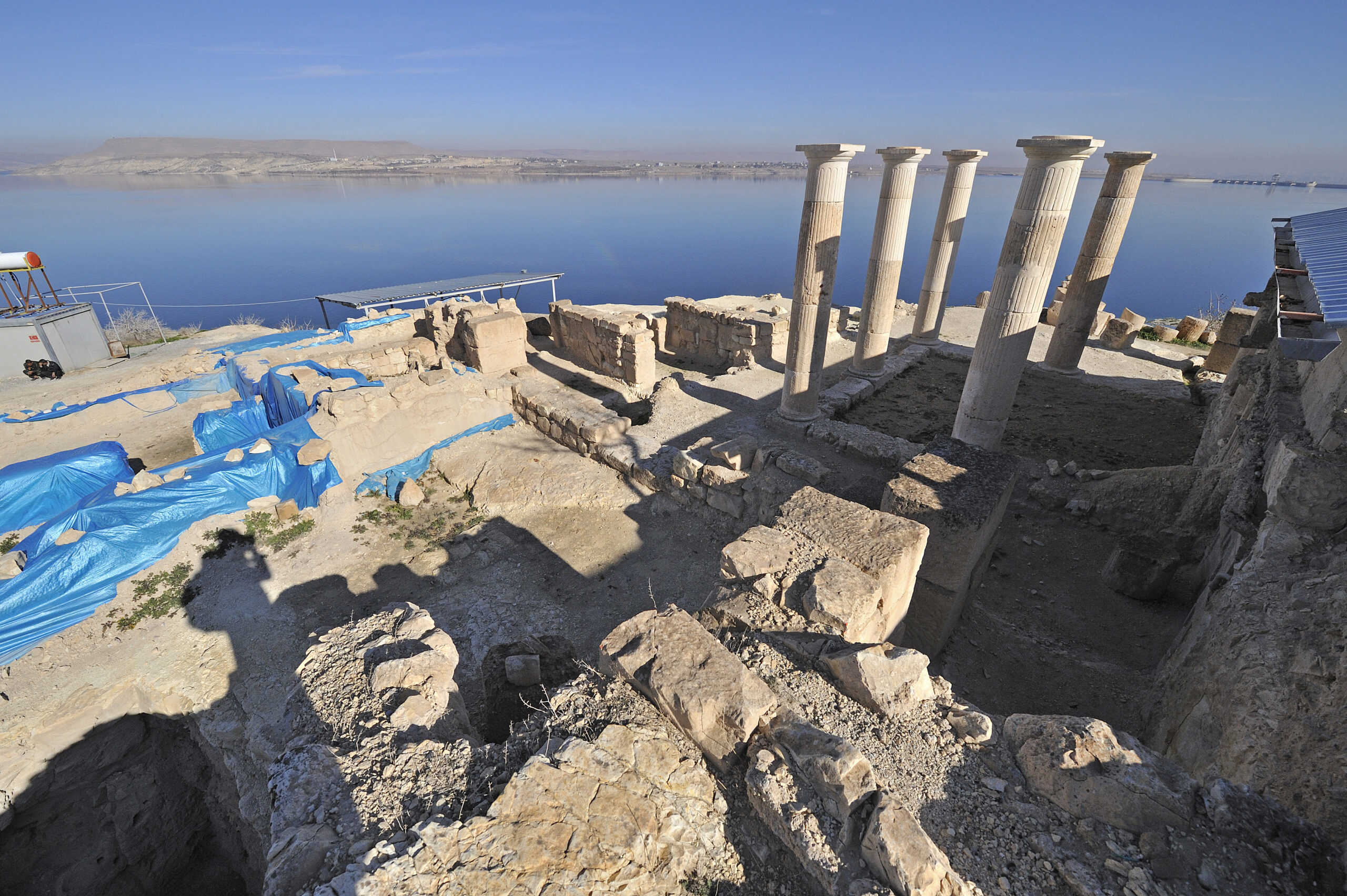
Zeugma, once a thriving city on the banks of the Euphrates, became famous in recent decades for its exquisite mosaics – intricate floor artworks that survived long after the rest of the city fell into ruin. Yet much of Zeugma lay unexcavated when modern dam projects threatened to flood large sections of the valley. That triggered a frantic, high-stakes salvage campaign, with archaeologists working against a literal rising tide to document and rescue what they could.
Parts of the city are now underwater, a stark reminder that sometimes the clock runs out no matter how hard teams push. What survives – mosaics in museums, records of houses and streets, digital reconstructions – comes from that intense race. I think Zeugma is a cautionary tale about infrastructure and heritage: every new bridge, highway, or dam is also a decision about what parts of the past we are willing to drown. The fact that so much beauty and information was saved feels like a win, but also a glimpse of what we routinely lose without ever noticing.
9. The Eroding Trade Hub of Kilwa Kisiwani in Tanzania
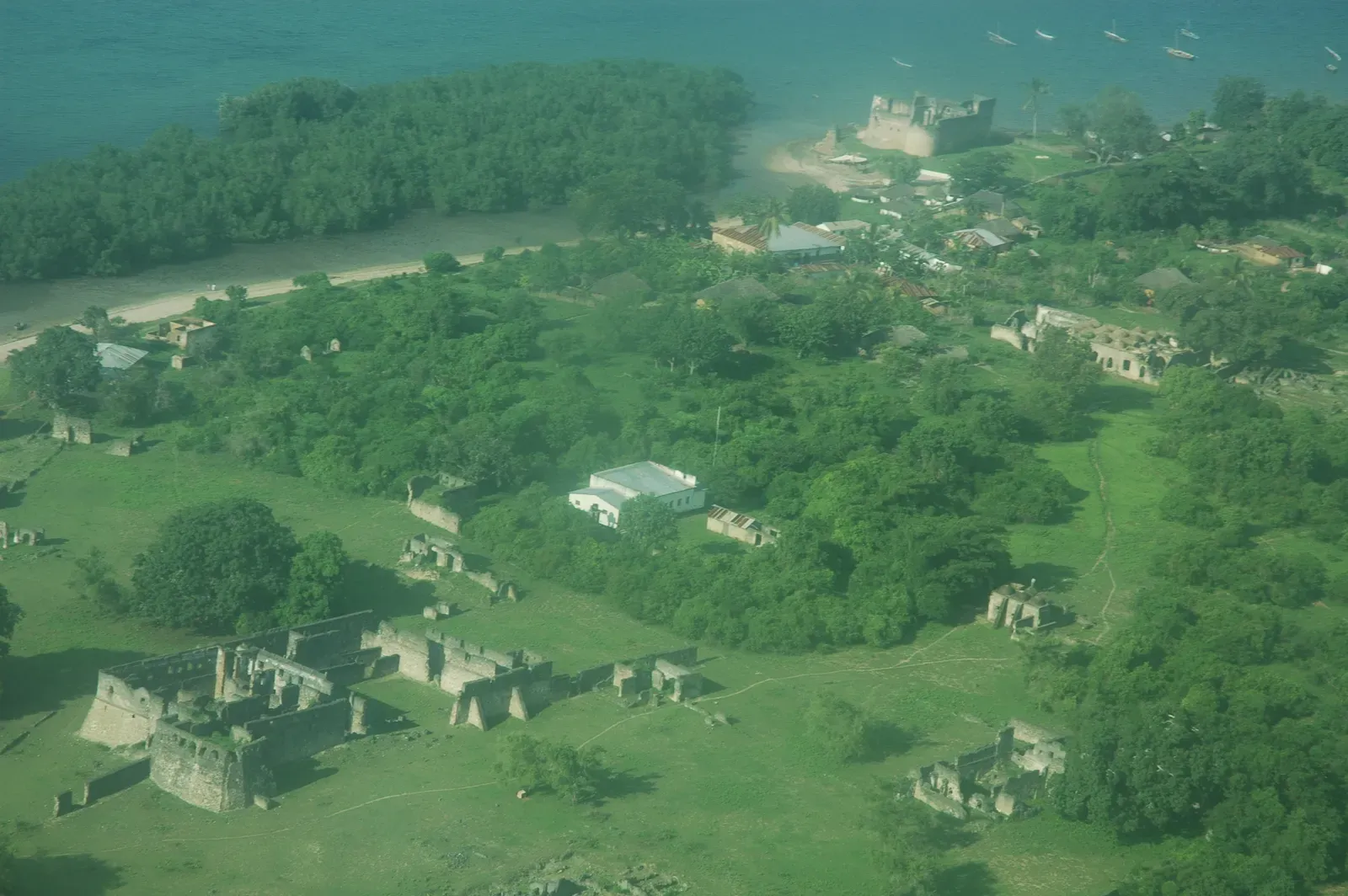
Along the coast of Tanzania, the island city of Kilwa Kisiwani was once a powerful hub in the Indian Ocean trade network, linking Africa, Arabia, India, and beyond. Stone mosques, palaces, and fortifications still stand, their weathered walls hinting at centuries of commerce in gold, ivory, and other goods. For a long time, this swahili city and others like it were sidelined in popular narratives that focused on inland empires or foreign explorers, but that is finally starting to change.
The problem is that change may be coming too late. Rising sea levels, shoreline erosion, and storms are steadily eating away at Kilwa’s foundations. Archaeologists and conservation experts are racing to document, stabilize, and protect these structures, often with limited funding and local communities facing their own immediate challenges. It feels unfairly symbolic: a city that once connected continents now on the edge of disappearing beneath the waves, just as we are beginning to give it the recognition it always deserved.
10. Mohenjo-daro and the Fragile Heart of the Indus Civilization
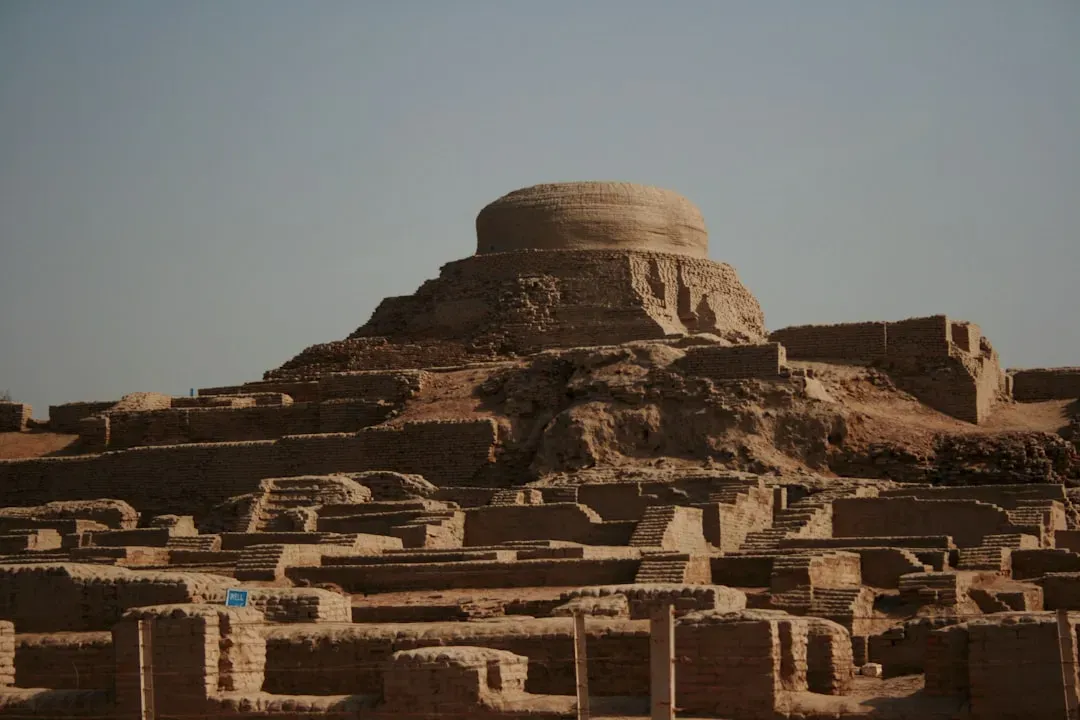
Mohenjo-daro, in present-day Pakistan, has been known for about a century, but in many ways it is still a lost city because so much of its story remains unreadable. This meticulously planned urban center, with its straight streets, drainage systems, and standardized bricks, hints at a sophisticated civilization that rivaled ancient Egypt and Mesopotamia. Yet the writing system of the Indus world has not been definitively deciphered, and large parts of the city remain unexcavated or only partially understood.
The race here is about preservation rather than discovery. Groundwater damage, salt deposits, pollution, and climate shifts threaten to weaken the very bricks that have survived thousands of years. Archaeologists are walking a tightrope: they want to dig more to learn more, but every trench exposes new surfaces to decay. In my view, Mohenjo-daro is one of the clearest arguments for investing in conservation science, not just in dramatic digs. If we let such a key chapter of urban history crumble, that loss is on us, not time.
In Cambodia, far from the crowds at Angkor Wat, the city of Koh Ker rises quietly out of the forest, dominated by a steep, pyramid-like temple that looks almost like a stepped mountain. For a brief period in the tenth century, it was the capital of a Khmer king, and its sculptures and inscriptions suggest an ambitious political and religious project. Yet for many years, the site was heavily mined with unexploded ordnance and scarred by looting, pushing serious archaeological research into the background.
Teams are now working to clear hazards, stabilize structures, and piece together how Koh Ker fit into the broader Khmer world. Every statue recovered, every inscription reexamined, adds new nuance to what was once dismissed as a short-lived royal vanity project. I find Koh Ker especially moving because it carries the double weight of ancient and modern violence: a city shaped by power struggles a thousand years ago, then battered again by recent conflict. The race to study it properly is also a race to show that places marked by war can become sites of knowledge and, eventually, pride.
12. Nan Madol: A City Built on the Sea in Micronesia
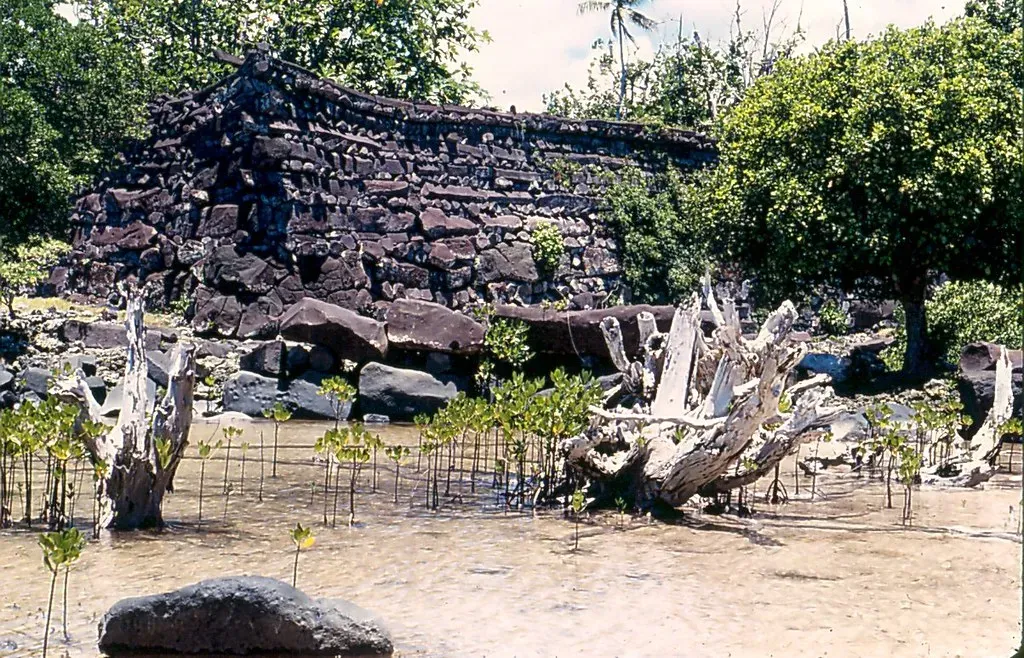
On the island of Pohnpei in Micronesia, the ruins of Nan Madol sprawl across a lagoon in a maze of artificial islets, canals, and basalt structures. Imagine a city built like a stone Venice, with massive columns stacked into platforms rising out of the water. For years, Nan Madol sat on the fringes of popular awareness, its origins and political role only partly understood and often wrapped in local legends and outsider speculation.
Archaeologists and local experts are now pushing to map and interpret the full extent of the site while also dealing with vegetation, saltwater intrusion, and logistical challenges of working over water. The more they uncover, the clearer it becomes that Nan Madol was not a quirky one-off, but a serious center of power with sophisticated engineering behind it. To me, it is one of the most visually striking arguments that human urban imagination has never been confined to dry land. At a time when we worry about cities adapting to the sea, it is striking to remember that some societies chose to literally build their capitals in it.
Conclusion: What These Lost Cities Say About Us
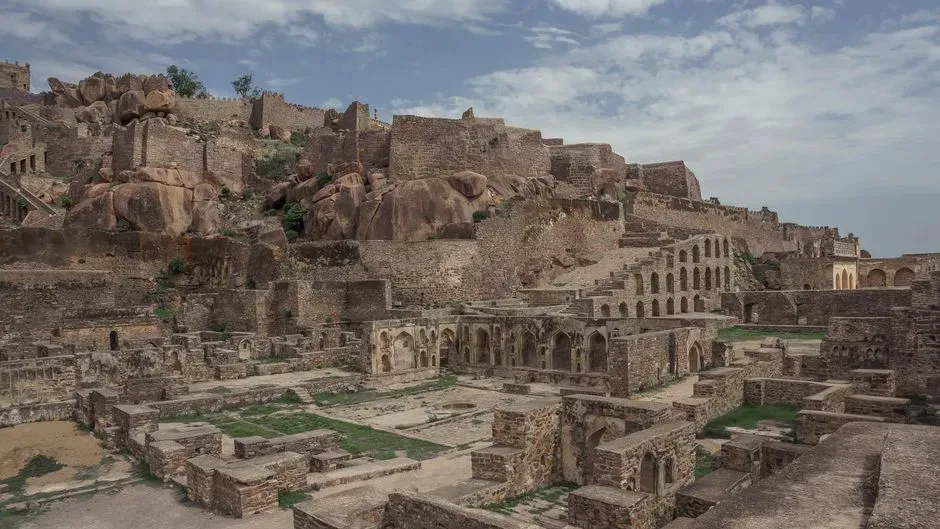
When you put all these places side by side – from jungle-covered Maya highways to half-drowned Egyptian ports – the pattern is hard to ignore. Human beings have been experimenting with cities in wildly different environments for a very long time, and those experiments have always come with risks: environmental strain, political upheaval, bad luck with the climate, or just simple overreach. The romantic idea of the “lost city” hides a harsher reality: most of these places did not just vanish; they were undone by pressures that feel eerily familiar to our own century.
My opinion is that the race to unearth and protect these cities is not really about nostalgia or treasure at all. It is about confronting the fact that we are not the first people to build big, complex, vulnerable worlds and assume they would last forever. The more we learn before time, water, and bulldozers destroy the evidence, the fewer excuses we have for repeating the same mistakes in new forms. Maybe the real question is not how these cities were lost, but whether we are willing to listen to what they are still trying to tell us – before our own skylines become someone else’s mystery. What do you think: are we learning fast enough from their ruins, or just admiring the view?