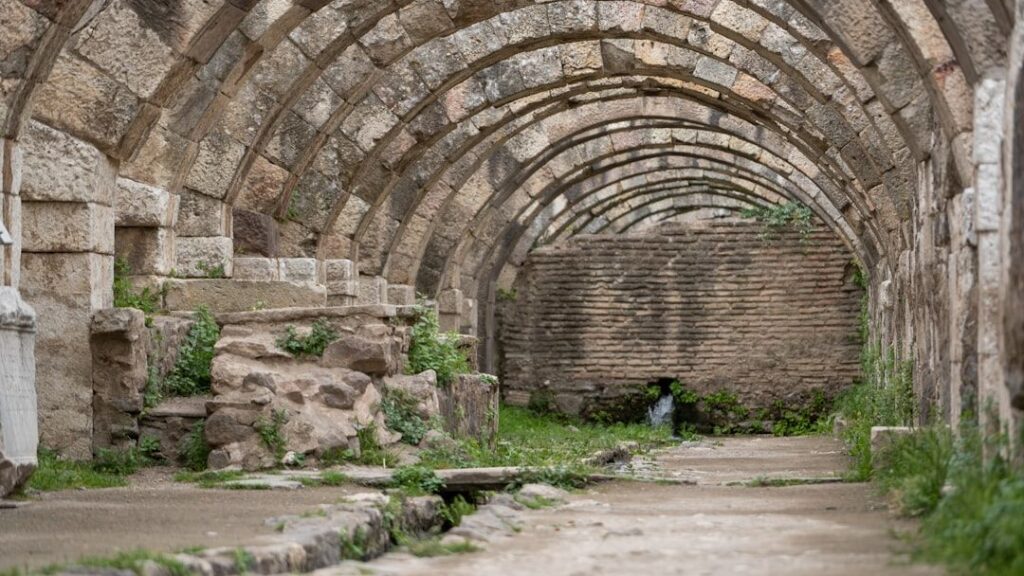
You know that strange mix of awe and discomfort you feel when you look at something and think, there’s no way they could do that back then? That is exactly the feeling many engineers quietly confess to when they stand in front of certain ancient works. We can model, simulate, estimate forces and tolerances, but for some of these achievements, the step-by-step “how” is still maddeningly out of reach.
To be clear, serious researchers are not saying aliens did it, or that ancient people were superhuman. Instead, they are saying something much more interesting: our ancestors mastered practical techniques, tools, and workflows that have either been lost, were never written down, or are far more sophisticated than the simplistic stories in school textbooks. In other words, the results are real, the materials are real, but the exact method is still a puzzle that today’s experts are trying to re‑solve in reverse.
The Polygonal Megalithic Walls of Peru and Bolivia
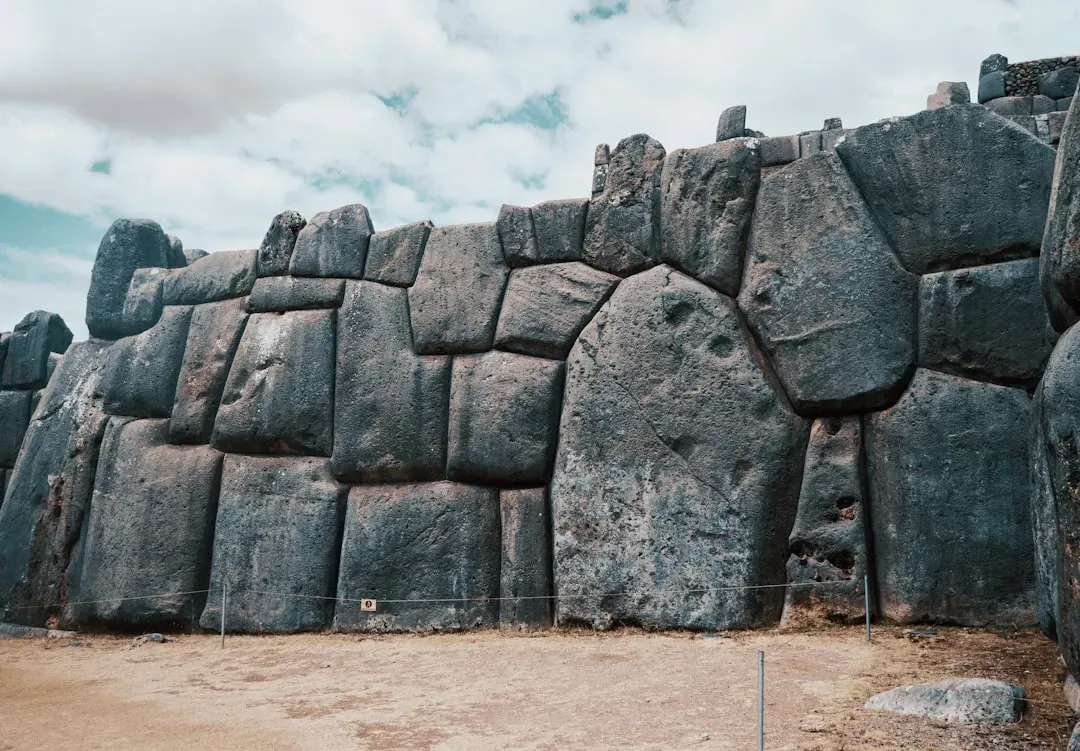
Stand in front of the polygonal walls at Sacsayhuamán or some Andean sites in Bolivia and you immediately notice something unnerving: multi‑ton stones lock together like 3D jigsaw puzzles with joints so tight you can barely slip a razor blade between them. These blocks are irregular, with many sides, yet somehow they fit with stunning precision, often without mortar. Modern engineers can describe the outcome in terms of contact surfaces, shear resistance, and seismic stability, but they still argue over how exactly such complex shapes were cut, moved, and placed en masse on steep ground.
Experimental archaeologists have tried to reproduce this style using hammerstones, abrasives, and trial‑and‑error fitting, and while they can approximate the look on a small scale, it is painfully slow compared with the vast walls actually built. Some researchers propose that the builders used systematic templates and iterative dressing with stone tools; others suspect clever use of wooden levers, earth ramps, and maybe even controlled “rock polishing” with sand and water. What we do not have, even today, is a fully agreed, field‑tested workflow that shows how a preindustrial society could produce thousands of these blocks to such tight tolerances in a practical timescale.
The Quarrying, Transport, and Placement of Multi‑Hundred‑Ton Stones
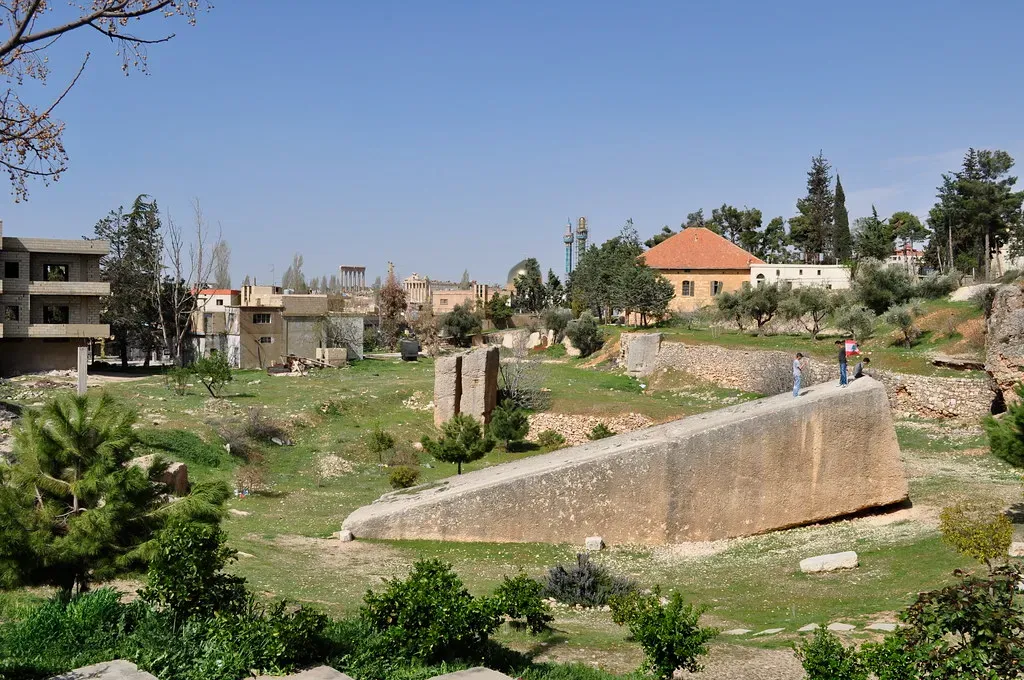
It is one thing to move a block that weighs as much as a car; it is another to move one that weighs as much as a small ship. At places like Baalbek in Lebanon, or in some Egyptian and South American sites, we find stone blocks well into the hundreds of tons, and in a few cases above a thousand tons, quarried, partially shaped, and in some instances raised into position. Engineers can calculate the force needed to drag such a mass over various surfaces and can sketch plausible combinations of sledges, rollers, ropes, and teams of workers, but those calculations often make the logistics look right on the edge of feasibility.
Modern construction projects that handle similar weights typically rely on heavy machinery, steel cables, and carefully engineered lifting frames. Ancient builders had none of that, yet they seem to have moved and set these stones repeatedly, not as freak one‑offs. Reconstructions with small groups of volunteers and wooden sledges show that human muscle plus simple physics can achieve surprising things, but scaling up from a public‑demonstration stone to a multi‑hundred‑ton block, on a long slope, with turnings and tight tolerances, remains largely hypothetical. The truth is, we still lack a fully demonstrated, end‑to‑end method that engineers universally accept as “this is how they really did it.”
The Ultra‑Precise Masonry and Jointing of Certain Egyptian Stonework
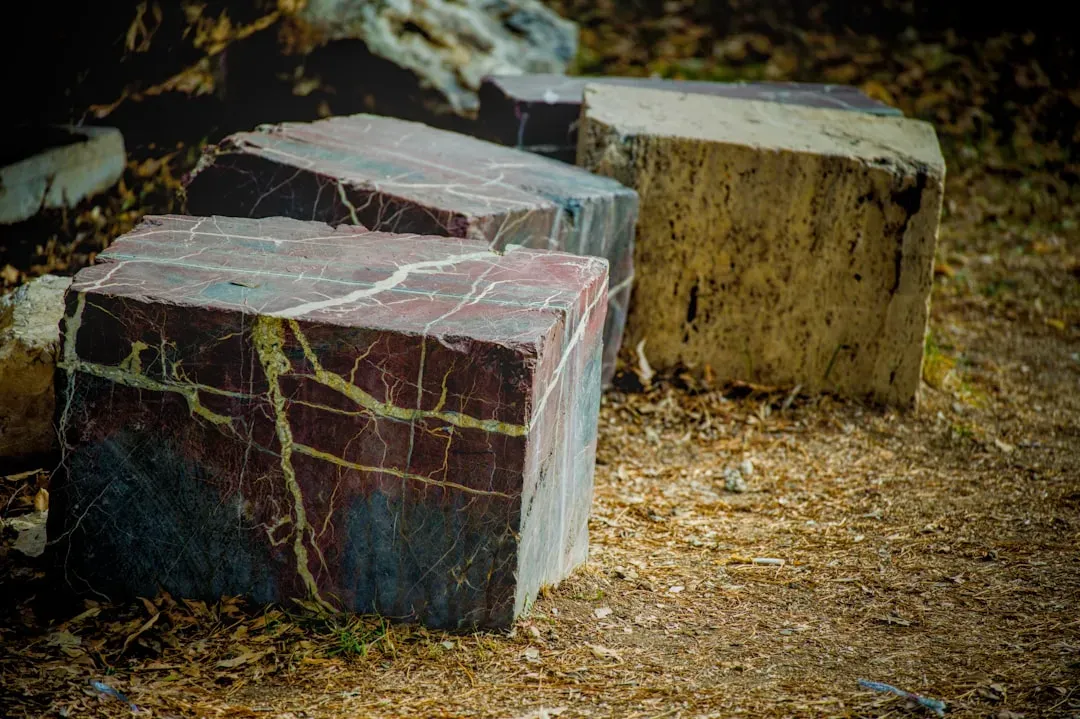
Outside of the famous pyramids, some Egyptian stonework shows precision that makes even seasoned machinists raise an eyebrow. Granite blocks with faces ground so flat and square that they rival what you might expect from industrial planers, joints that align over large distances, and internal surfaces where deviations from straightness or flatness are extremely small for the tools we assume they had. Modern engineers can measure this very precisely with lasers and contact instruments, and those measurements repeatedly show that the workmanship is not just roughly good; it is consistently and systematically excellent.
Traditional explanations credit copper tools, stone hammers, and abrasives like quartz sand, combined with endless labor. Experimental efforts have confirmed that copper saws and drills with abrasive slurry can indeed cut granite, but the process is slow, and maintaining dimensional consistency over long lengths is difficult. Some researchers speculate about large‑scale jigs, weighted straightedges, or advanced abrasives and polishing regimes that simply have not survived in the physical or written record. What engineers can say confidently is that the methods were robust enough to produce near‑machine‑like consistency, yet the exact chain of operations, from rough quarry block to finished tight‑fitting element, is still reconstructed more from educated guesswork than from direct evidence.
The Stone “Vases” and Hollowed Artifacts of Hard Igneous Rock
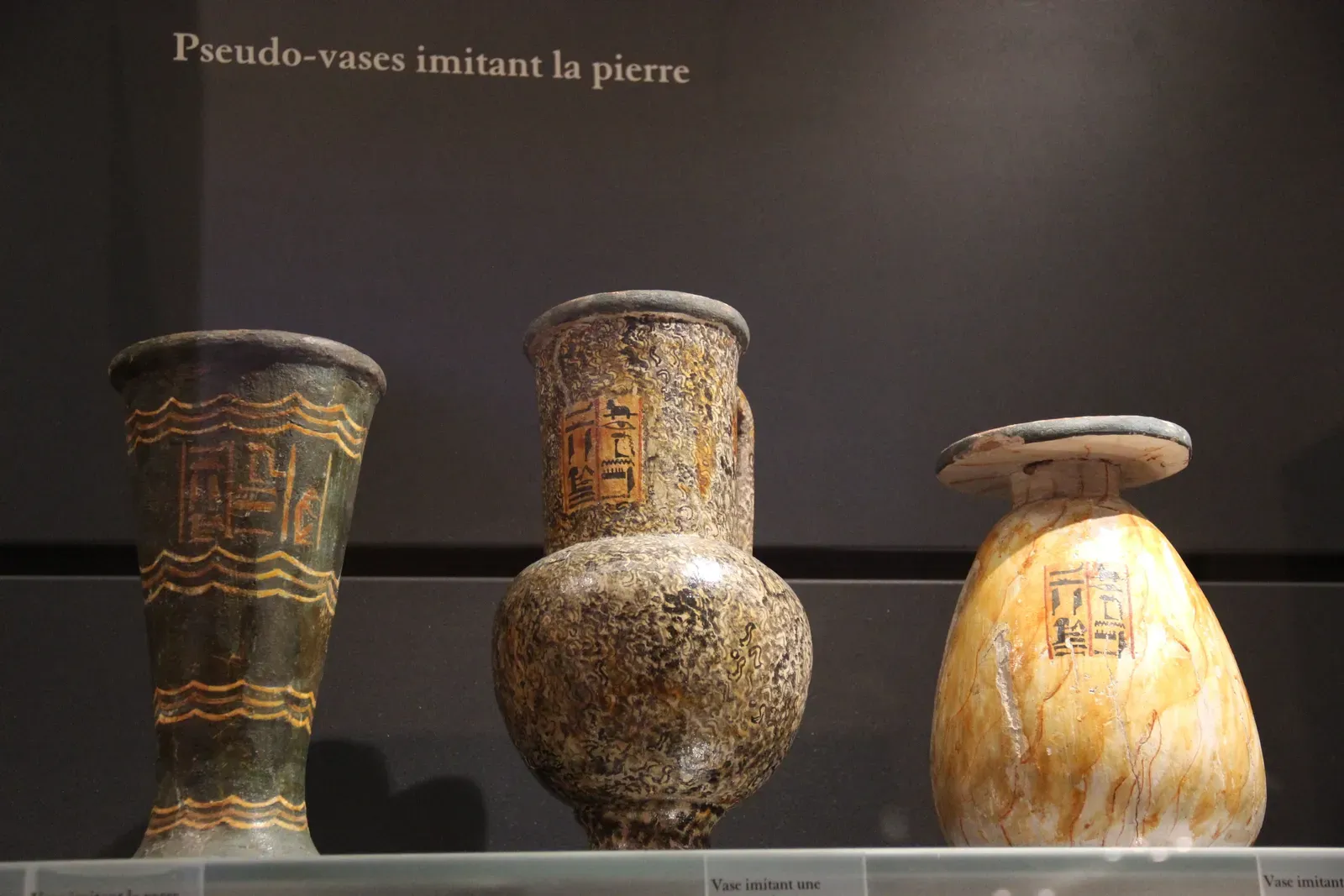
Among the most baffling artifacts from ancient Egypt and other regions are thin‑walled stone vessels and hollowed objects made from very hard rock such as diorite, basalt, or granite. Some pieces have narrow necks and wide interiors, with walls so uniformly thin that, in engineering terms, they display a high degree of surface control and symmetry. Modern observers, including engineers familiar with rotary machining, often compare them to products of lathes or advanced drilling tools, yet we have no surviving ancient lathes capable of handling these materials in that way.
Experiments using bow drills, hand‑spun tools, and abrasive slurries can produce hollowings and simple shapes, but achieving the observed level of symmetry and thinness around complex curves is another story entirely. The puzzle is not whether stone can be cut, but how the artisans monitored wall thickness, controlled runout, and maintained balance without cracking these brittle materials, all while relying on relatively soft metal tools. Some researchers suggest that highly refined workflows, using progressively finer abrasives, simple rotation devices, and an almost obsessive feedback between eye, hand, and tool, might explain it, but until someone convincingly reproduces these vessels at scale with period‑appropriate tools, the method remains an open engineering question.
The Baffling Precision of Certain Ancient Bores and Drill Holes
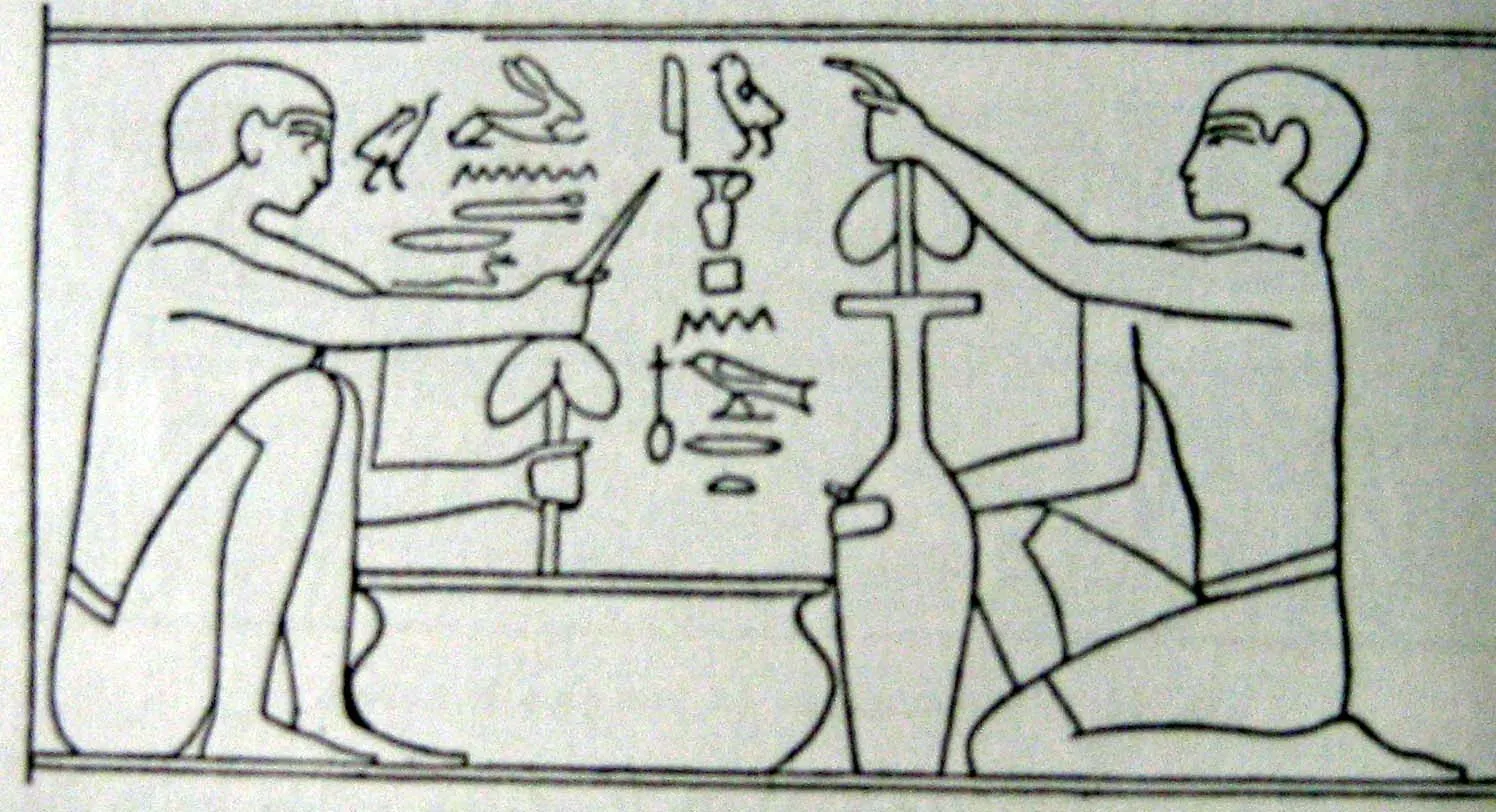
In various sites, especially in Egypt and parts of the Mediterranean and Near East, engineers have studied ancient drill holes that seem, by modern metrology, remarkably consistent and in some cases surprisingly rapid in their material removal patterns. Cylindrical holes in hard stone can show regular spiral tool marks, near‑constant diameters, and surface finishes that suggest stable, repeatable tool behavior. When measured carefully, some of these bores exhibit straightness and coaxial alignment that are not trivial to reproduce even with modern hand tools, let alone with the presumed ancient equipment.
Standard explanations involve tubular copper drills, sand or crushed quartz abrasives, and patient manual rotation, perhaps with a bow mechanism. Experiments have replicated the characteristic spiral striations, proving that this fundamental technique is plausible. The remaining puzzle for many engineers is how ancient workshops controlled drilling parameters so consistently – feed pressure, abrasive replenishment, alignment over deeper holes – without the feedback systems we use today. The fact that we can outline the basic physics but have not converged on a fully documented, workshop‑level process is a humbling reminder of how much practical craft knowledge can vanish while the finished products endure.
The Geometric and Astronomical Alignment of Massive Stone Complexes

Move from individual stones to entire complexes, and another kind of precision shows up: large monuments aligned with striking accuracy to cardinal directions, solstice sunrises, or key star positions, often over large baselines. Sites such as certain Mesoamerican pyramids, megalithic circles in Europe, and Egyptian temple axes display orientation errors that are small enough to make surveyors nod in respect. Engineers and geodesists can easily quantify these alignments today using satellite data and laser instruments, and the numbers repeatedly show that ancient builders were not simply eyeballing it.
We know that simple tools – plumb bobs, gnomons, observation of shadows and star risings – can define directions and track cycles in the sky, so nothing here breaks physics. What remains elusive is the exact surveying workflow they followed to propagate those reference lines across rough terrain, maintain alignment while building, and correct for errors without the trigonometric frameworks and instruments used today. Modern experimental surveys can map out theoretical methods, but when you are actually on site wrestling with hills, uneven horizons, and human error, hitting that level of precision becomes far from trivial. That engineers still debate which combination of celestial observations, baselines, and iterative checks was actually used reveals how much is still inferential rather than firmly known.
The Lost‑Looking Metallurgical Know‑How Behind Certain Ancient Alloys
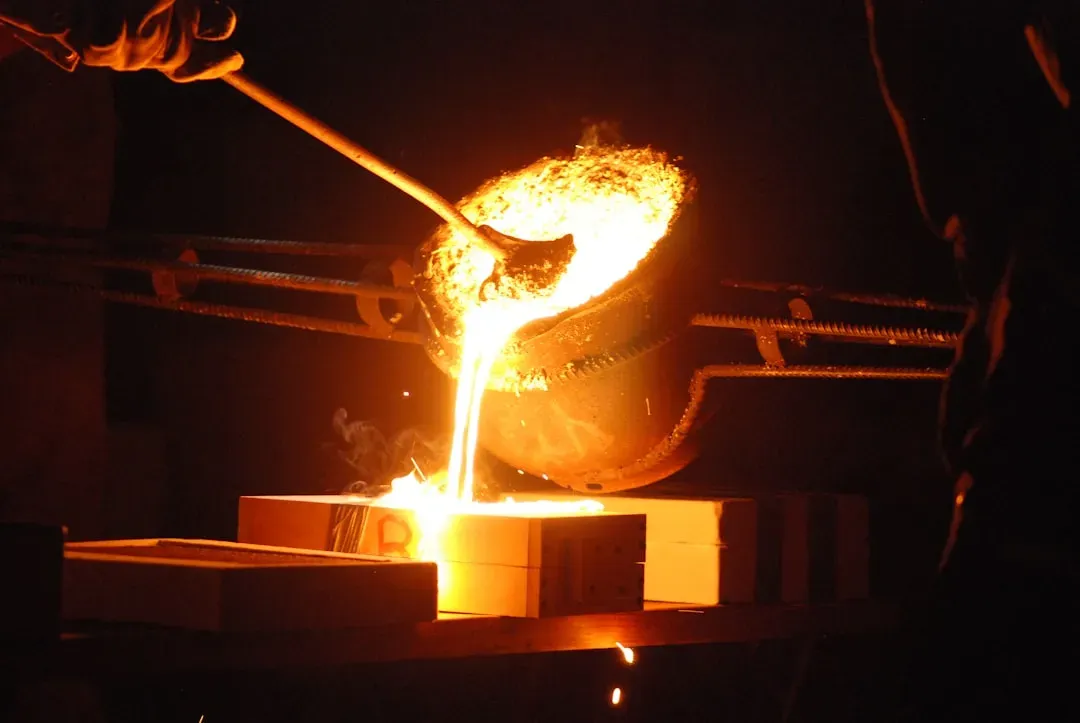
Ancient metallurgy is often presented in simple terms – bronze before iron, then steel – but when modern materials scientists analyze specific artifacts, the story gets more complicated. Some early iron and steel objects, for example, show carbon contents and microstructures that would be considered quite sophisticated even by preindustrial smithing standards, and certain bronzes and other alloys have impurity profiles that suggest deliberate compositional tuning rather than accidental mixing. We can describe these materials in the familiar language of phases, heat treatments, and mechanical properties, yet the exact recipes and furnace practices used to achieve them are not fully documented.
Researchers can reproduce approximate alloys by trial and error, heating ore and metal in reconstructed furnaces and adjusting airflow, charcoal ratios, and quench techniques. Still, matching very specific combinations of hardness, corrosion resistance, and workability seen in some ancient pieces is not always straightforward. The original smelters and smiths likely had rule‑of‑thumb knowledge, sensory cues, and workshop traditions that let them hit these sweet spots without thermocouples or phase diagrams. From a modern engineering standpoint, we understand the “what” at the microscopic level, but the “how” often feels like looking at a finished recipe with half the cooking steps missing.
The Structural Behavior and Long‑Term Durability of Ancient Concrete and Mortars

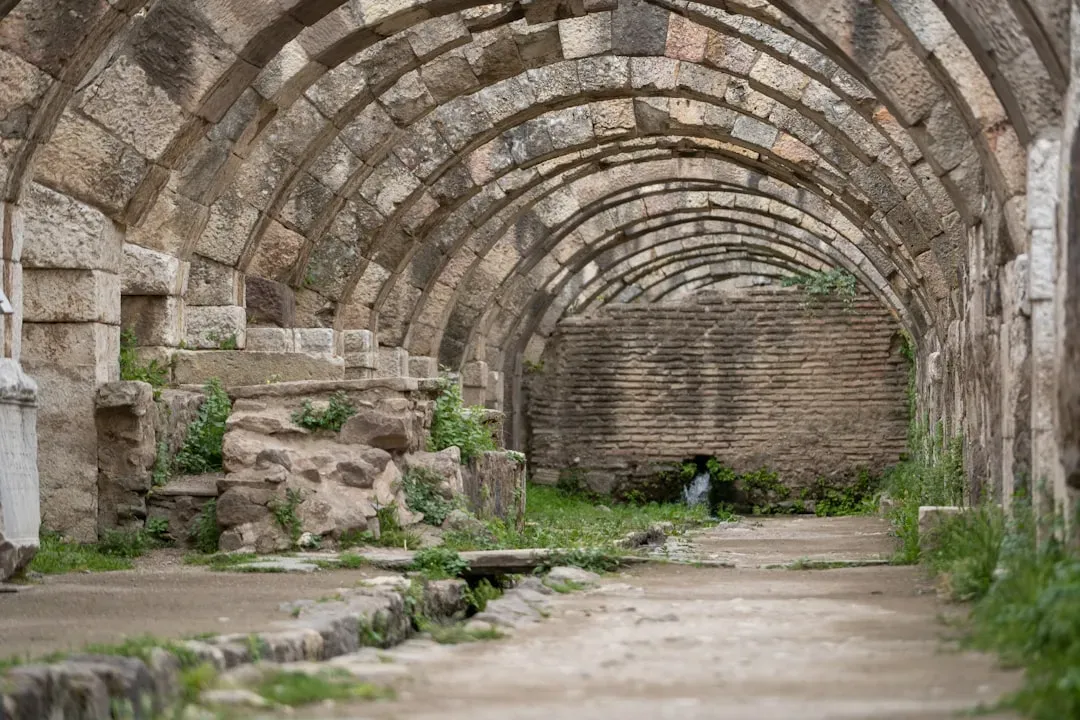
Roman concrete is the classic example, but it is not the only one: ancient binders and mortars in various cultures have survived harsh environments for many centuries in ways that put some modern concrete to shame. When materials scientists analyze these mixes, they often find clever use of pozzolanic additives, locally sourced volcanic ash, and microstructural features that encourage self‑healing, crack‑bridging, or slow strength gain over time. Engineers can model these behaviors and propose mechanisms, yet the holistic “design intent” of the original builders is largely inferred rather than explicitly recorded.
Modern attempts to recreate these materials usually manage to capture parts of the behavior – good durability in seawater, for example – but the exact combination of aggregate grading, mixing methods, curing conditions, and placement techniques that ancient builders used is still under active research. The irony is that we can now see inside these materials at microscopic scale and even simulate their hydration chemistry on computers, but we still do not fully understand the low‑tech, day‑to‑day practices that made them so reliable in the field. That gap between theoretical understanding and practical replication is precisely where engineers, today, admit that the old masters still have a few secrets left.
Opinionated Conclusion: What These Mysteries Really Tell Us About Ourselves
When you line up these eight examples, a pattern emerges that has nothing to do with conspiracies and everything to do with respect. The more closely modern engineers and scientists look at ancient work, the less satisfying the old narrative of “primitive people with crude tools” becomes. We can describe the forces, estimate the energy, and propose tools that could in principle do the job, but again and again the fully worked‑out method is missing, like a crucial chapter ripped out of a manual. In my view, that does not mean the ancients had magic; it means they had deeply evolved craft traditions that we have not yet fully re‑engineered.
I think the uncomfortable but inspiring truth is this: technological progress is not a smooth, one‑way escalator upward, it is a messy landscape where advanced techniques can be invented, perfected, and then quietly lost when cultures shift or records decay. That realization should make us a bit more humble about our own era’s “cutting‑edge” methods, and a lot more curious about hands‑on experimentation instead of armchair dismissal. If anything, these ancient puzzles are invitations to roll up our sleeves, rebuild, and relearn – not to prove that we are smarter, but to finally understand what they actually pulled off. When you look at a thousand‑ton stone or a wafer‑thin granite vessel, the better question is not “How could they possibly do this?” but “What practical genius are we still missing?”