Every time we think we’ve wrapped our heads around the universe, it pulls a plot twist worthy of a season finale. Over just the past few years, telescopes, probes, and supercomputers have turned long‑held “facts” into question marks, forcing scientists to rewrite textbooks and admit, again, that we’re still only scratching the surface. It’s a bit humbling, honestly: the smarter we get, the more the cosmos seems to smirk and say, “You have no idea.”
What follows isn’t just a list of cool headlines. These ten discoveries genuinely mess with our assumptions about how planets form, how galaxies behave, what black holes really are, and even whether alien life is a distant fantasy or a creeping possibility. Some of them are subtle shifts, others are wild shocks, but together they paint a picture of a universe that’s stranger, more dynamic, and more alive than most of us were ever taught in school.
1. James Webb’s First Deep Fields: The Early Universe Is Too Grown Up
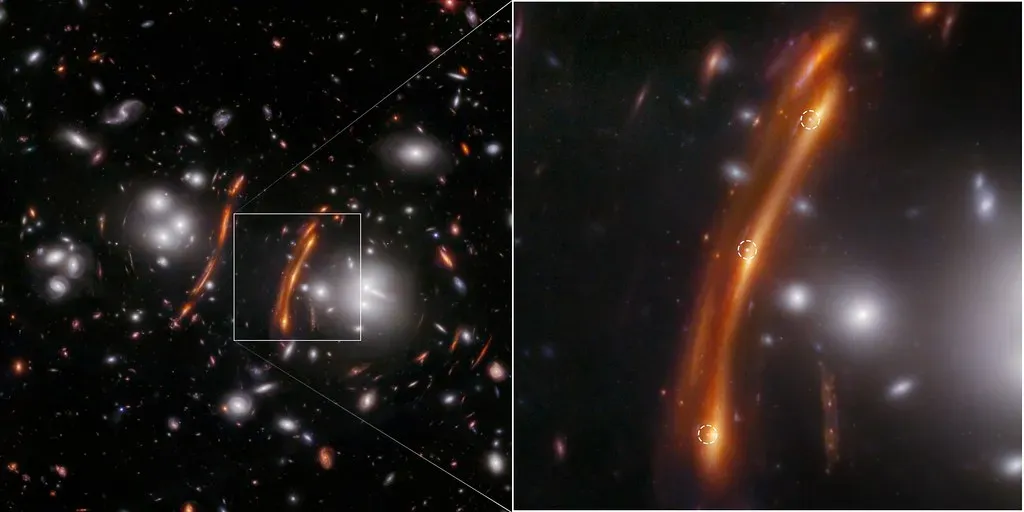
When the James Webb Space Telescope (JWST) sent back its first deep images, astronomers expected to see baby galaxies: small, messy clumps of stars slowly assembling only a few hundred million years after the Big Bang. Instead, they found galaxies that looked surprisingly massive and well‑organized at a time when, by standard models, the universe was still basically a toddler. It was like opening a baby photo album and finding fully grown adults staring back at you.
This “early maturity” has triggered intense debate about whether our models of galaxy formation, dark matter behavior, or even the timing of cosmic evolution need serious revision. Some researchers argue we might just be catching bright outliers, while others think we’re underestimating how fast stars and structures can form when conditions are right. My own take: if multiple surveys keep finding these overachieving early galaxies, the elegant timelines in cosmology lectures are going to need some messy corrections, and that’s a good thing – science is supposed to get uncomfortable when reality pushes back.
2. The Hubble Tension: The Universe Won’t Agree on Its Own Age
For decades, astronomers refined measurements of the Hubble constant, the rate at which the universe is expanding, assuming that better data would eventually converge on a single value. Instead, two high‑precision methods – one using the afterglow of the Big Bang, the other using nearby stars and supernovae – are stubbornly refusing to match. They aren’t just a little off; the disagreement is big enough that it probably isn’t a random fluke or a minor calibration issue.
This so‑called “Hubble tension” has cracked open the door to something profound: maybe our cosmological model is incomplete. Ideas on the table include evolving dark energy, extra forms of radiation in the early universe, or subtle new physics that slightly tweaks the way gravity or space‑time behaves. No one can honestly claim to know the answer yet, but here’s the bold opinion: when very different, very careful measurements clash this hard, history suggests we’re on the edge of a serious paradigm shift rather than a boring bookkeeping error.
3. Thousands of Exoplanets and the Rise of the “Weird Worlds” Era
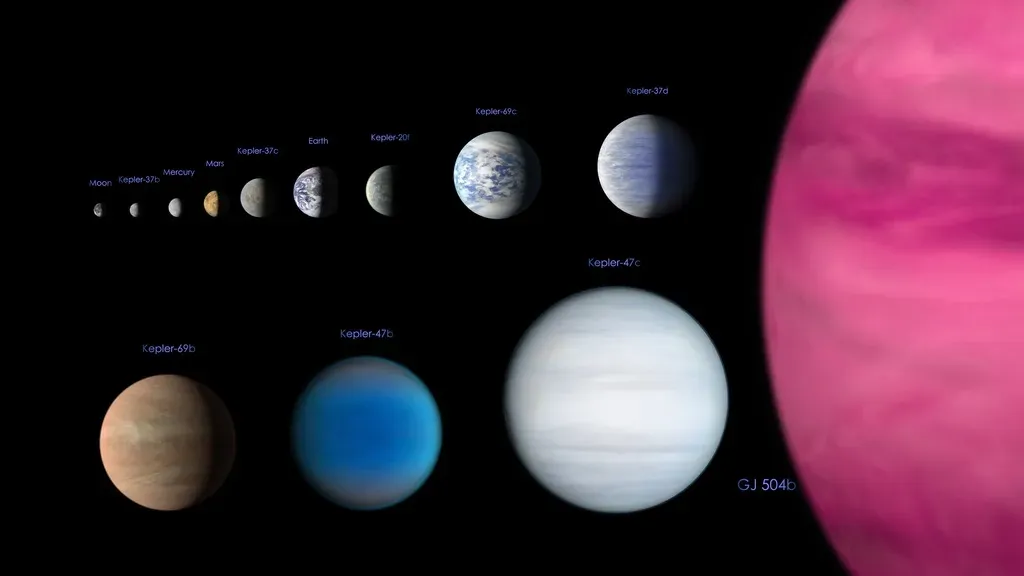
Not long ago, the only planetary system we knew in detail was our own, and we treated it as a kind of default template: small rocky worlds close in, gas giants far out, everything on fairly neat, stable orbits. Then missions like Kepler and TESS started uncovering thousands of exoplanets, and the universe basically laughed at our idea of “normal.” We found hot Jupiters skimming their stars, super‑Earths with no equivalent in our system, and compact systems where planets orbit closer than Mercury but in surprisingly orderly chains.
These discoveries have flipped our theories of planet formation on their head. It now looks like migration – planets moving inward or outward after they form – may be the rule rather than the exception, and the old clean separation between “rocky” and “gaseous” worlds is far more complicated. From a more human point of view, this is thrilling: the catalog of possible worlds is wildly more diverse than the textbook pictures most of us grew up with, and it makes our own solar system feel less like the standard model and more like one quirky example among countless cosmic experiments.
4. Water and Organic Molecules Everywhere: The Building Blocks Are Not Rare
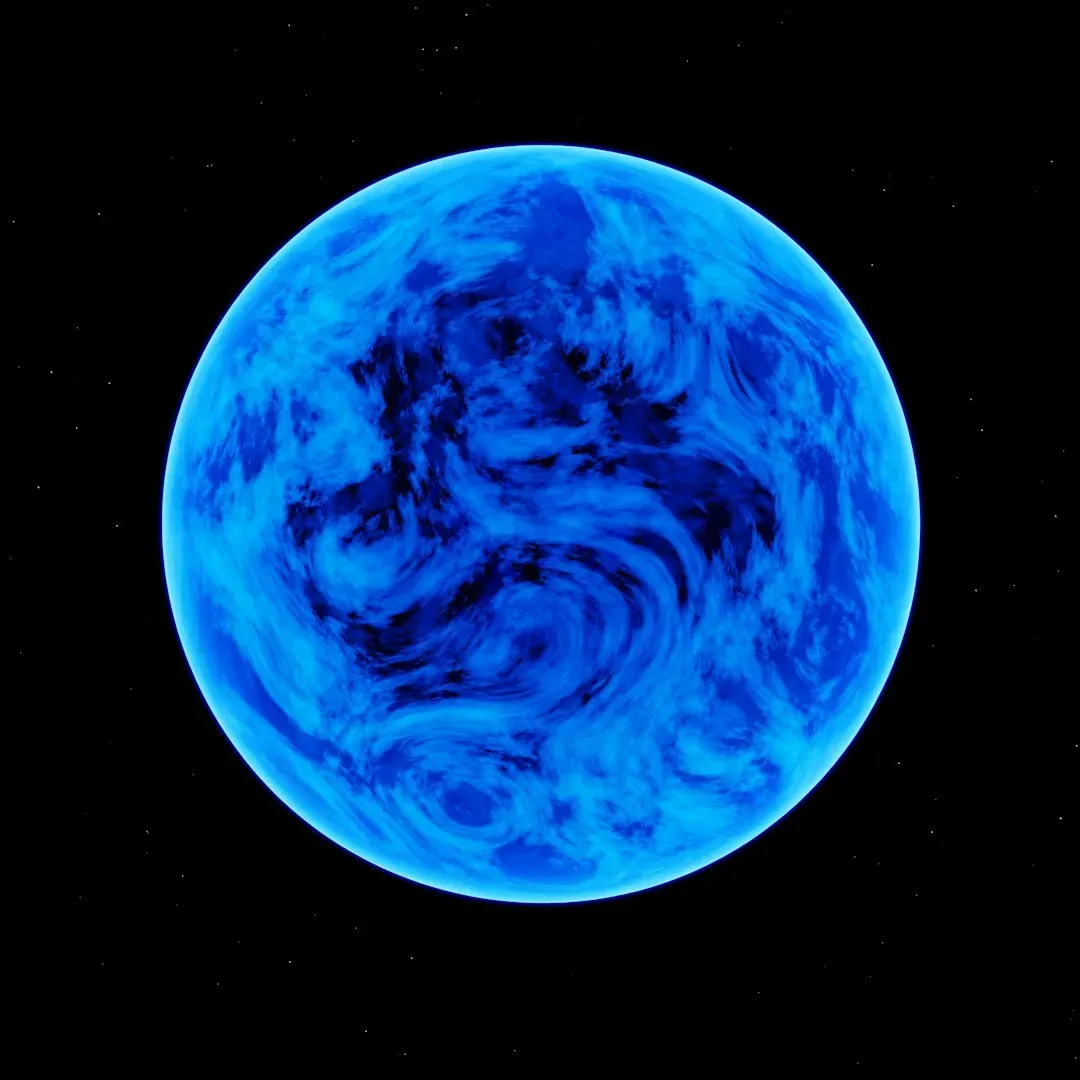
One of the quiet revolutions in recent space science is how often we keep spotting water and organic compounds in places that used to seem hopelessly barren. We’ve detected water vapor in the atmospheres of exoplanets, ices and organic molecules in comets and asteroids, and even complex carbon‑bearing compounds in interstellar clouds where new stars and planets are born. Space, it turns out, is not a pristine void; it’s more like a messy kitchen where ingredients are constantly being stirred and splattered around.
For the question of life, this matters far more than any single dramatic “alien” headline. If water and organic chemistry are nearly everywhere – on icy moons, in dusty proto‑planetary disks, drifting between stars – then the raw materials for biology are not the bottleneck we once feared. I think this quietly kills the old narrative that life’s chemistry is so improbable that Earth must be a cosmic miracle; if anything, it suggests that given a reasonably stable environment and enough time, the universe might almost be biased toward complexity. That doesn’t prove life is common, but it makes the idea feel a lot less like wishful thinking.
5. Black Holes Captured on Camera: From Abstract Monsters to Real Objects
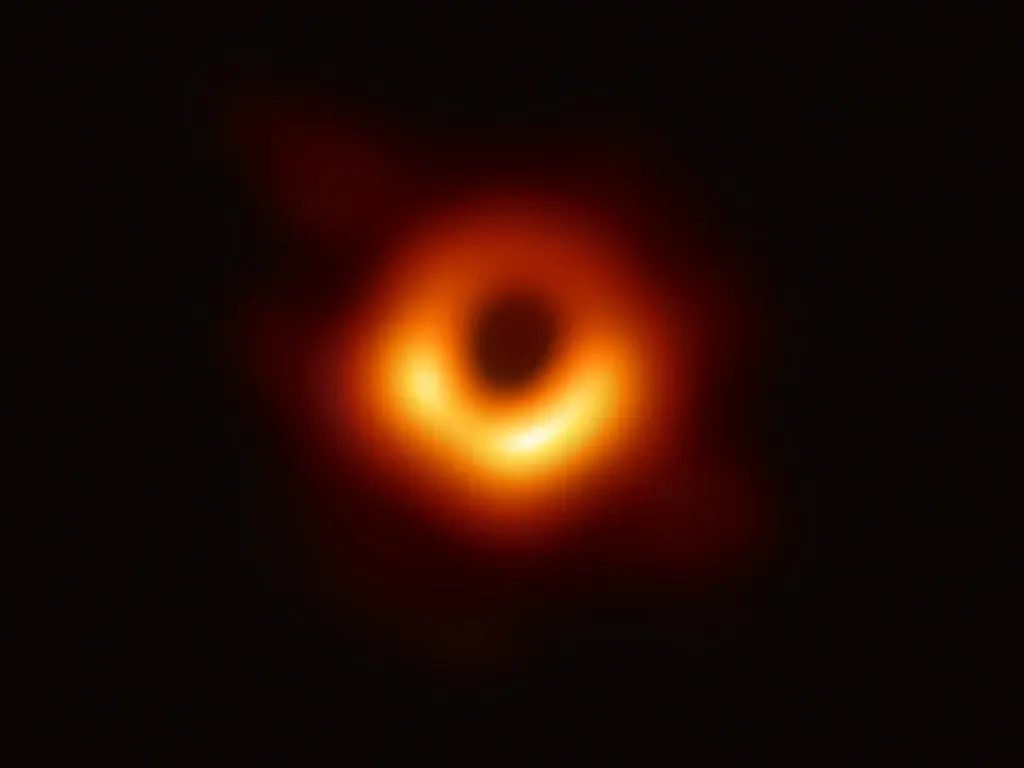
For most of modern astronomy, black holes were treated as almost mythical: mathematically inevitable, strongly suggested by observations, but still fundamentally unseen. That changed when the Event Horizon Telescope collaboration stitched together radio data from observatories around the world to create the first images of a black hole’s shadow, first in a distant galaxy and later in the center of our own Milky Way. Those fuzzy rings of light around a dark core were more than just pretty pictures – they were direct tests of Einstein’s theory in its most extreme environment.
The images showed that space and time really do behave near a black hole the way our best equations predict, at least within current precision. They also opened up a new way to study how black holes feed, how they launch energetic jets, and how they interact with their host galaxies. Personally, I think this was the moment black holes graduated from “far‑out theoretical beasts” to concrete astrophysical tools; it’s one thing to study equations, and another to stare at a silhouette carved out of light itself and realize you’re looking at the edge of the knowable.
6. Gravitational Waves: Listening to the Universe Instead of Just Looking
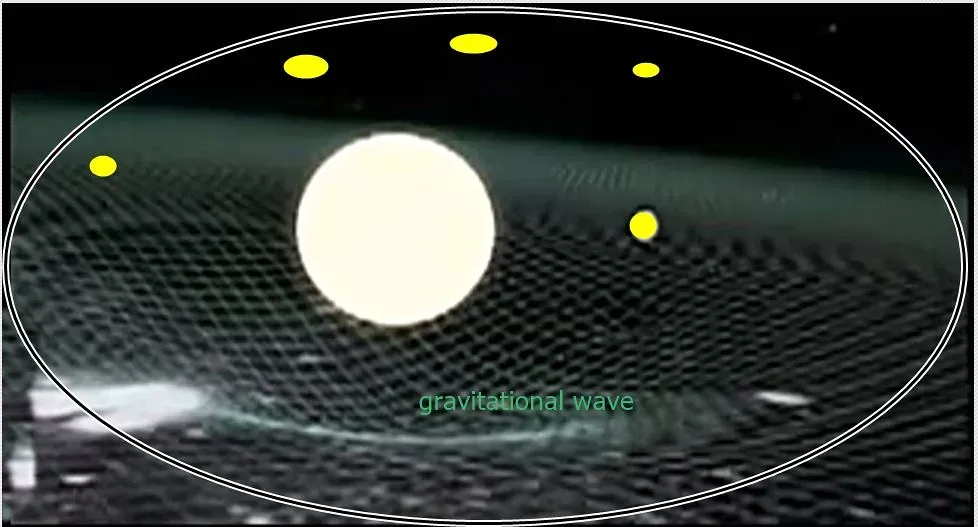
When detectors like LIGO and Virgo first picked up ripples in space‑time from colliding black holes, it marked the birth of gravitational‑wave astronomy – a whole new sense, not just a new telescope. Instead of relying only on light, we could now feel the universe’s most violent events as literal stretches and squeezes of space passing through Earth. That first detection was quickly followed by many more, revealing a population of black hole and neutron star mergers that no one had ever observed before.
The real game‑changer came when astronomers caught both gravitational waves and light from a neutron star collision, linking the two kinds of signals to a single event. This confirmed that such mergers can forge heavy elements like gold and platinum and launch brilliant kilonova explosions. My opinionated take: in a hundred years, people will look back at the pre‑gravitational‑wave era the way we look back at astronomy before telescopes – a time when we were half‑blind, relying on a single narrow sense to understand a roaring, multidimensional universe.
7. The Milky Way’s Black Hole and the Heartbeat of Our Galaxy
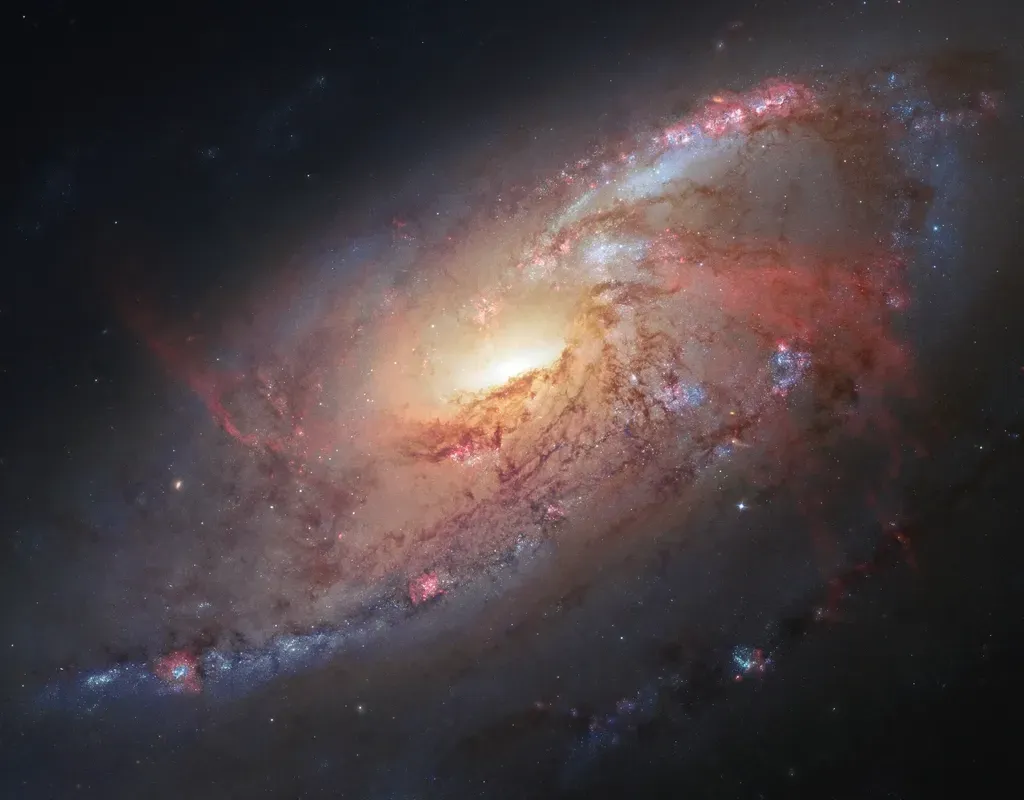
We have long suspected that our galaxy hides a supermassive black hole at its center, but tracking the orbits of nearby stars and imaging the region in detail have turned suspicion into a high‑definition character study. Astronomers have watched individual stars whip around an invisible point in tight, fast orbits, proving that millions of solar masses are crammed into a volume smaller than our solar system. Later, high‑resolution imaging finally revealed the glowing donut of hot gas swirling around this dark core, confirming it as a true black hole.
These studies have redefined how we think about the Milky Way’s history and structure. The central black hole seems relatively quiet compared to the raging giants in some other galaxies, but it still shapes the motion of stars and gas in our inner regions and likely influenced how our galaxy assembled over billions of years. To me, there’s something oddly grounding about knowing we orbit not just a star, but a vast, dark anchor at the galactic center; it turns the Milky Way from a pretty backdrop into a living system with a beating, if somewhat ominous, heart.
8. Habitable Zone Worlds Around Nearby Stars: Potentially Friendly Real Estate
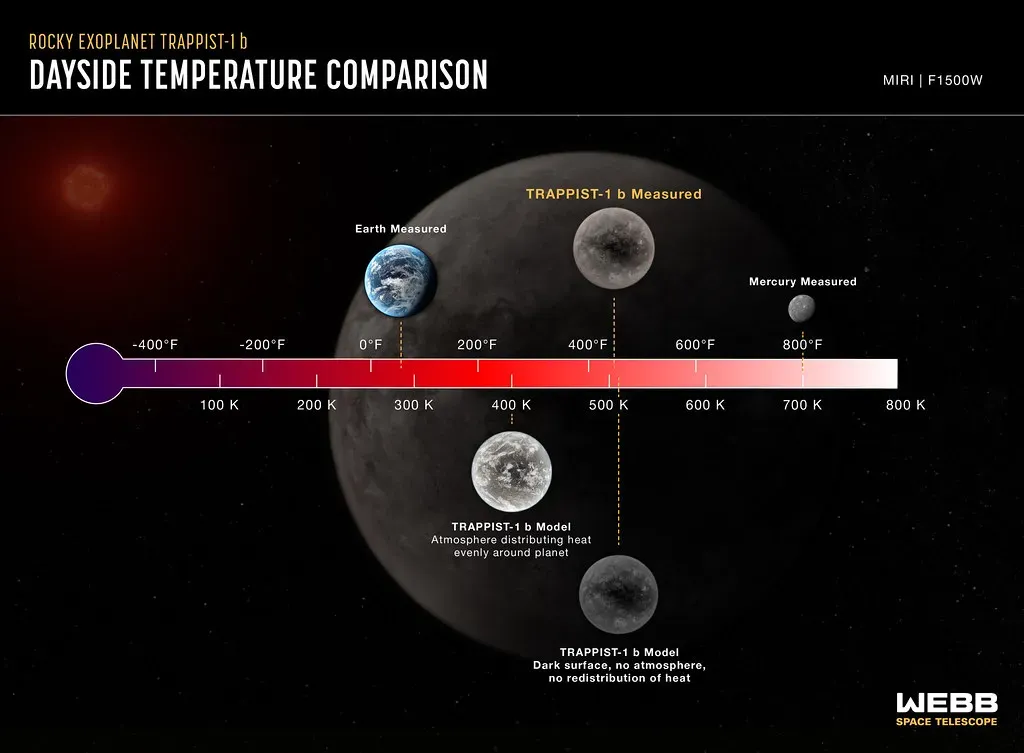
For years, the phrase “Earth‑like planet” was mostly science fiction shorthand; we had no real examples, only guesses. That shifted as telescopes began to find rocky planets in the so‑called habitable zones of their stars, where temperatures might allow liquid water on the surface. Some of these worlds orbit relatively nearby, cool stars, making them tempting targets for future atmospheric studies that could hunt for biosignatures – gases potentially linked to life.
There are big caveats: being in the habitable zone doesn’t guarantee a friendly environment, and many of these stars are more active and flare‑prone than our Sun. Still, the sheer number of candidates has changed the emotional tone of the search for life from distant dream to concrete roadmap. I think we’re now in an awkward but exciting in‑between phase: close enough to plausibly detect hints of life in exoplanet atmospheres within our lifetimes, but still unsure whether we’ll find a thriving ecosystem, a sterile rock, or something in between. That uncertainty feels electric rather than discouraging.
9. Icy Ocean Worlds: Moons That Might Be Better for Life Than Mars
For a long time, Mars hogged the limelight as the most promising place to look for life beyond Earth, with its dry riverbeds and hints of ancient lakes. Then the focus began to shift toward icy moons like Europa and Enceladus, where spacecraft found strong evidence of global oceans hidden beneath thick shells of ice. In some cases, plumes of water vapor and ice grains even erupt into space, letting us sample the interior oceans without drilling through the crust.
These underground seas may be in contact with rocky seafloors, providing energy sources and chemistry not so different from hydrothermal vents on Earth’s ocean bottom, where rich ecosystems thrive without sunlight. That combination – liquid water, chemistry, and energy – ticks many of the boxes for potential habitability. My personal bet is that if we ever find living microbes in our own backyard, it’s more likely to be in one of these hidden oceans than in the dusty soil of Mars, which is a quietly radical shift from the red‑planet‑obsessed narrative that dominated most of the twentieth century.
10. Dark Matter and Dark Energy: The Invisible Majority Gets Even Weirder
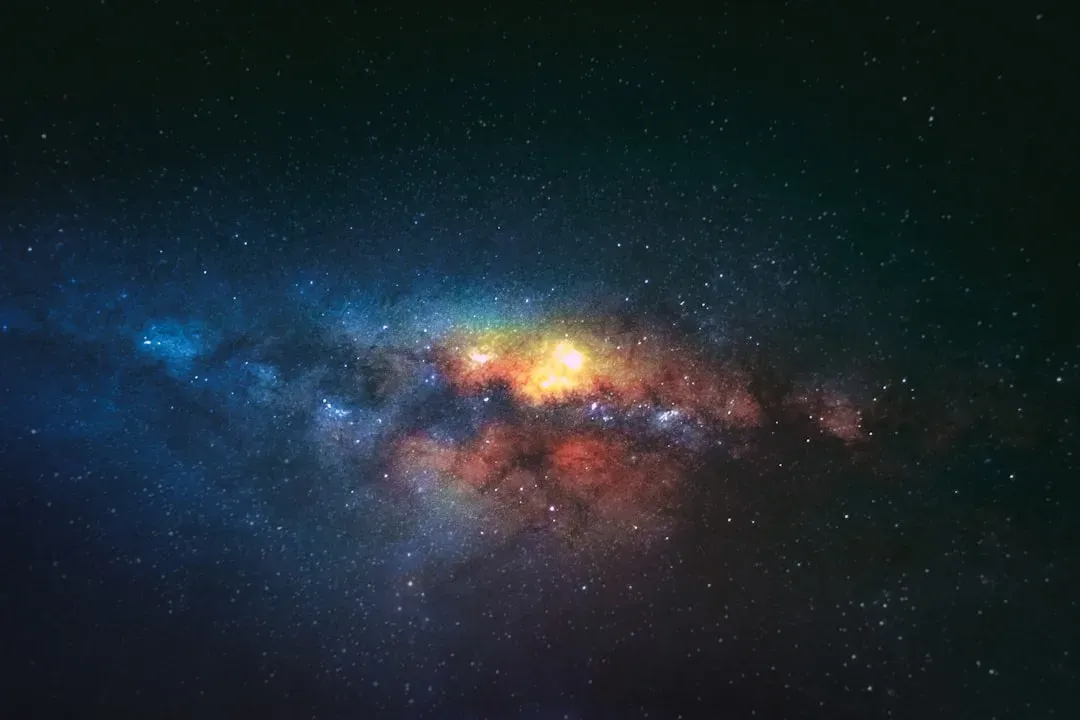
For years, scientists have accepted that the vast majority of the universe’s content is invisible: dark matter shaping galaxies and clusters through gravity, and dark energy driving the acceleration of cosmic expansion. That alone was already a mind‑bending discovery, but more recent observations have complicated the picture instead of clarifying it. Subtle discrepancies in how galaxies rotate, how structures grow over time, and how the universe expands suggest that our simplest dark matter and dark energy models might be missing key ingredients.
Some teams are exploring the possibility that dark matter interacts more with itself than we thought, forming cores or clumps that don’t fit the old “cold and collisionless” stereotype. Others are testing whether dark energy is truly constant or evolving, which would have deep implications for the far future of the cosmos. Here’s where I land: the phrase “dark matter and dark energy” has become a little too comforting, like labeling a mystery box and pretending that counts as understanding it. Over the next few decades, I think we’ll either dramatically refine what those terms mean or replace them altogether with something far stranger.
Conclusion: A Universe That Refuses to Sit Still
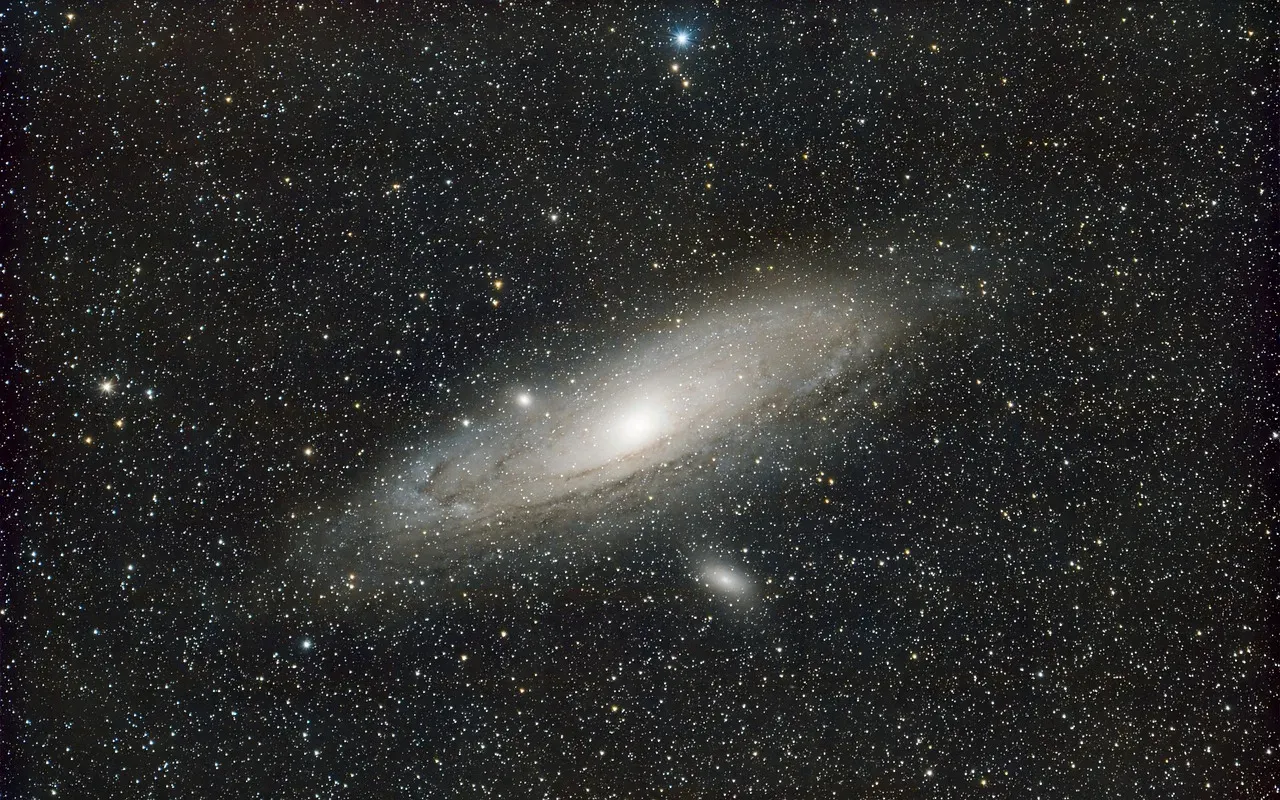
When you stack these discoveries together, a pattern emerges: the universe consistently refuses to match our tidy expectations. Galaxies grow up too fast, the expansion rate disagrees with itself, planets come in wild varieties we never predicted, and the invisible components of reality keep behaving like characters we still barely know. If you were hoping for a calm, closed‑book cosmos, the past decade or so of space science has been profoundly inconvenient. But if you care about truth more than comfort, it has been exhilarating.
My opinion is that we’re living through a golden age of productive confusion, where every big new observatory or mission seems less like a final answer and more like a fresh set of puzzles. That can feel unsettling – nobody likes watching the “rules” change – but it’s also the clearest sign that we’re actually learning something real. The universe is stranger, richer, and more dynamic than the versions many of us memorized in school, and that should make us curious rather than scared. If this is what we’ve uncovered with just a few decades of serious space exploration, how many of our current “facts” will look adorably naive to someone reading about us a century from now?