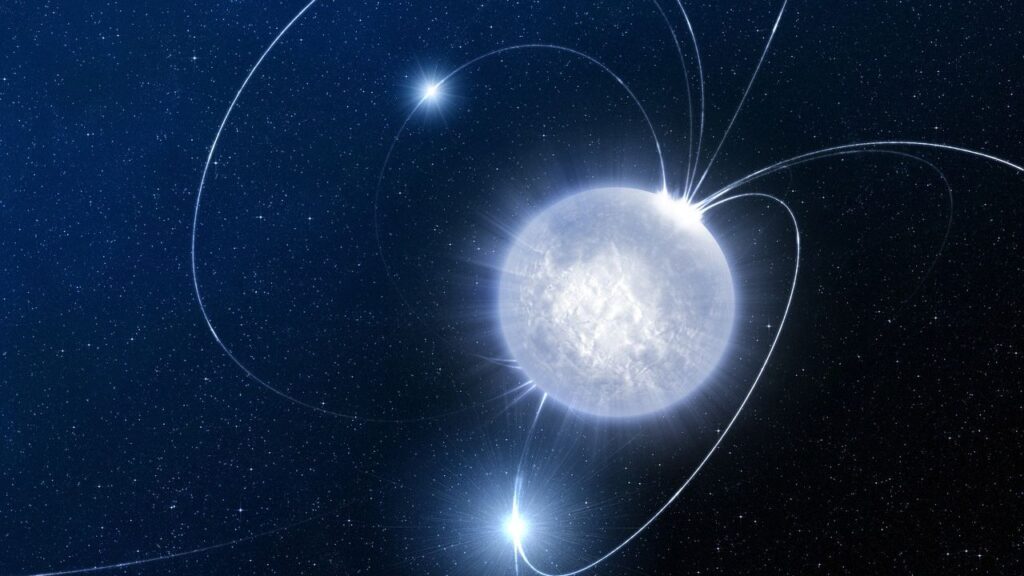

If black holes are the drama queens of the universe, neutron stars are the quiet, terrifying overachievers. They do not swallow light or warp spacetime in quite as flashy a way, yet almost everything about them sounds made up: mountains the size of ant hills, matter crushed so hard a teaspoon weighs more than a skyscraper, and clocks so precise they outclass anything we can build on Earth. Neutron stars are what you get when physics has been pushed until it is close to snapping, and somehow, it still holds together.
What makes them so addictive to think about is that they sit right on the edge of what we actually understand. They are built from stuff we cannot touch, spin faster than kitchen blender blades, and generate magnetic fields that would shred the molecules in your body instantly. And yet, they are not just science-fiction props; they are real, measurable objects that astronomers use as tools to test the deepest ideas in gravity, matter, and even time itself. Here are ten of the wildest, most mind-bending facts about neutron stars that show how far physics can be stretched before it breaks.
1. A Teaspoon Of Neutron Star Would Weigh More Than A Mountain
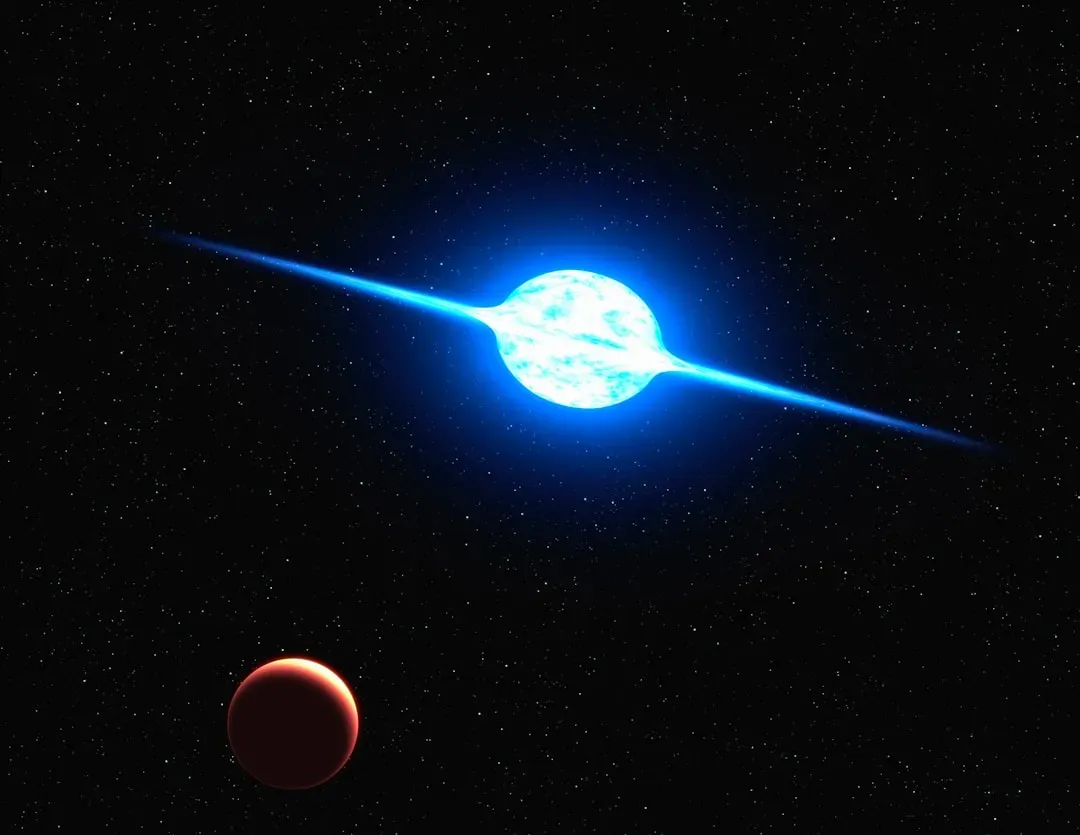
Imagine scooping up a teaspoon of neutron star material, casually dropping it onto your kitchen scale, and watching it punch straight through the floor, the foundations, and probably a chunk of the planet for good measure. The densities involved are so extreme that a teaspoon of this stuff would weigh roughly as much as a major mountain range, or more than all the people on Earth combined many times over. Inside a neutron star, gravity has crushed atoms so thoroughly that protons and electrons have fused into neutrons, packing matter together in a way that simply cannot happen on Earth.
To put it more simply, a neutron star is like a cosmic version of stuffing every car, building, tree, and person from a large city into a space the size of a city bus. This is not just a fun comparison; the densities are genuinely that ridiculous. At these levels, matter behaves less like individual particles and more like a single quantum fluid, a kind of nuclear soup that normal language struggles to describe. Whenever I read the numbers, it feels less like astrophysics and more like someone turned the dial on reality up too far.
2. Neutron Stars Are The Collapsed Hearts Of Giant Stars
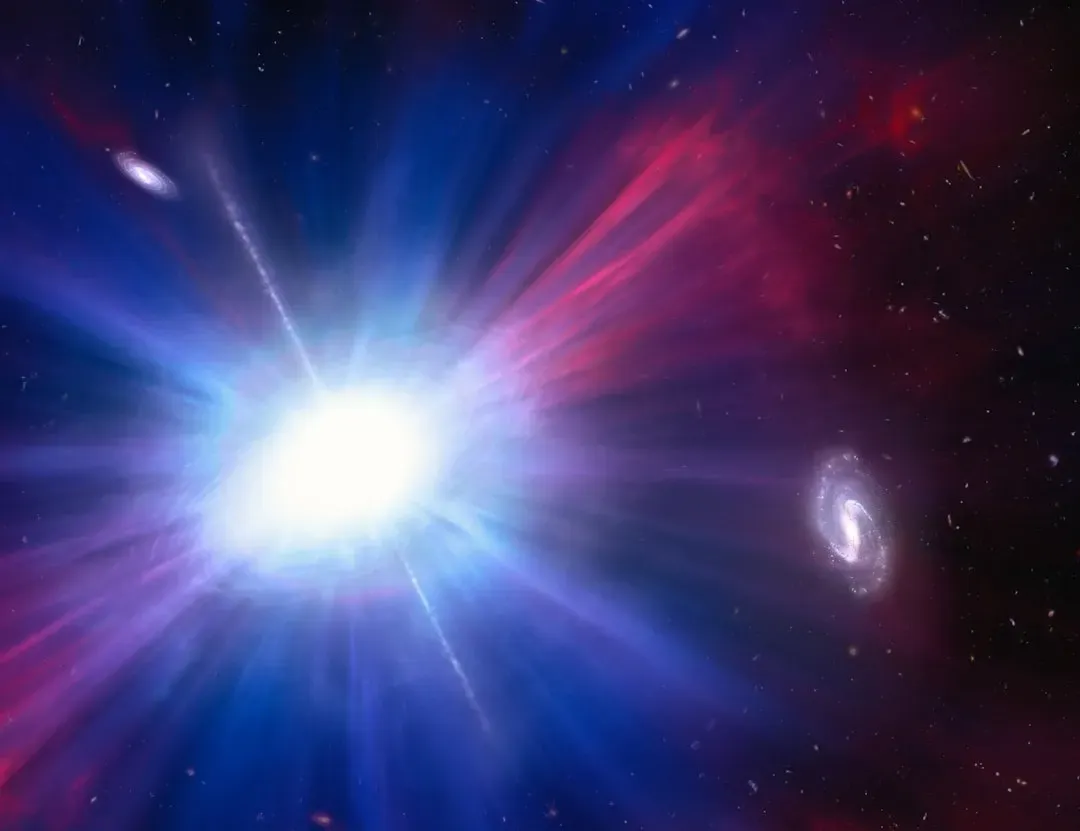
Neutron stars are not born gently; they are forged in some of the most violent events the universe can offer: supernova explosions. When a massive star has burned through its nuclear fuel, its core can no longer resist gravity, and the entire structure implodes in a fraction of a second. The outer layers blast outward in a titanic explosion, while the inner core is squeezed so brutally that electrons and protons are forced together to become neutrons, forming a neutron star. What you are left with is the exposed, hyper-compressed heart of a once-mighty star.
The wild part is that this dead core, only about as wide as a city, still carries the memory of the giant star that created it. It can spin rapidly, carry an intense magnetic field, and sometimes stay hot enough to glow in X-rays for millions of years. I like to think of a neutron star as the ghost of a star that refused to fully vanish, a kind of compact, brooding relic that still affects its surroundings long after the original star is gone. When we study neutron stars, we are basically reading the final chapter of a massive star’s life story, written in nuclear matter instead of ink.
3. Some Neutron Stars Spin Faster Than A Kitchen Blender
It sounds like a party trick gone wrong, but some neutron stars, known as pulsars, spin hundreds of times every second. Picture something with more mass than the Sun, squeezed into a ball only about twenty kilometers across, rotating faster than the blades of a high-speed blender. This insane spin rate comes from angular momentum: as the massive star collapses into a tiny neutron star, it spins faster in the same way a figure skater spins faster when pulling in their arms. The result is a cosmic top that can whirl with breathtaking speed.
Even more astonishing, many of these pulsars keep this frantic rotation going with incredible stability, acting almost like natural clocks. Some hardly change their spin rate over years, rivaling or surpassing our best atomic clocks on Earth in terms of regularity. I find something strangely comforting about that; out there in the chaos of space, these tiny, ultra-dense corpses of stars are calmly ticking away, offering us a kind of galactic metronome. It is a reminder that even the messiest endings in the universe can leave behind something beautifully precise.
4. Pulsars Beam Cosmic Lighthouses Across The Galaxy
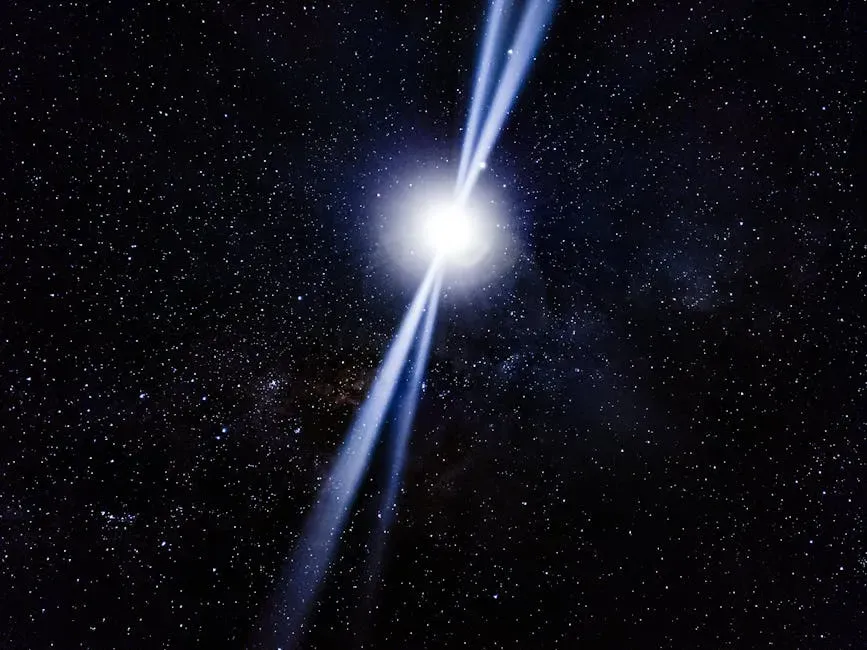
Pulsars do not just spin fast; they also sweep beams of electromagnetic radiation through space like cosmic lighthouses. Their intense magnetic fields funnel particles and radiation along their magnetic poles, creating beams that can flash past Earth every time the neutron star rotates. When those beams cross our line of sight, we see regular pulses of radio waves, X-rays, or even gamma rays, sometimes arriving like clockwork. That is why they were called pulsars in the first place: pulsating radios sources that seemed almost artificial when first discovered.
The regularity of these pulses has turned pulsars into some of the most powerful tools in astrophysics. Astronomers use them to map the galaxy, test the nature of gravity, and even search for ripples in spacetime from distant cosmic events. I love that something so exotic has ended up being almost practical, like a series of cosmic GPS beacons scattered through the Milky Way. For a while, scientists even half-joked about whether such precise signals might be alien in origin, which tells you how unsettlingly tidy these natural signals look.
5. Their Crust Might Be The Strongest Material In The Universe
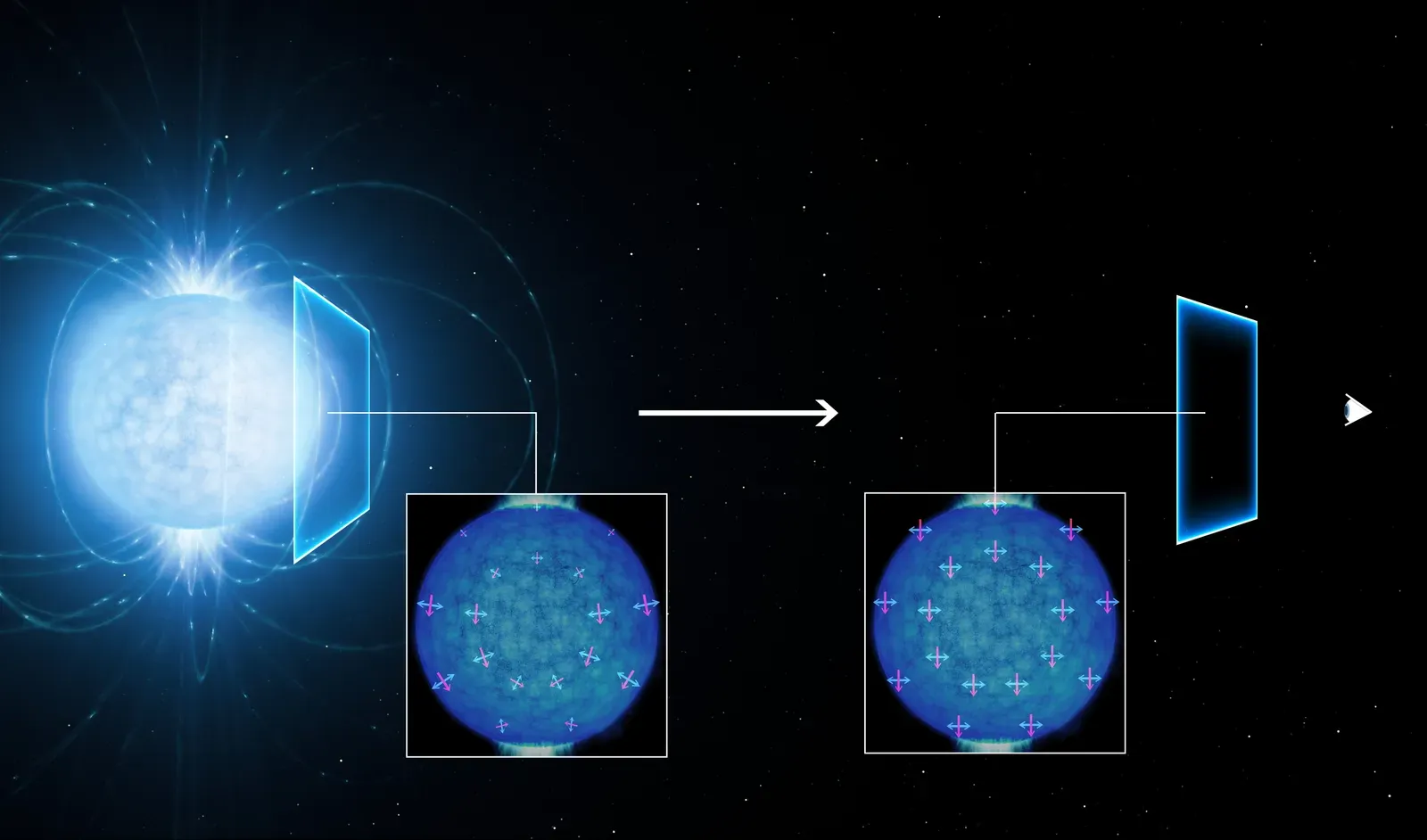
On the surface of a neutron star, there is a thin, solid crust that is believed to be outrageously strong – far stronger than steel or any material we can make in a lab. Computer simulations suggest that this nuclear crust, made of exotic atomic nuclei packed tightly together, could withstand pressures and strains that would shatter ordinary matter instantly. If you could somehow lift a chunk of this crust and place it in your hand (ignoring the violence that would actually cause), it would behave less like metal and more like an indestructible, crystalline armor.
This mind-boggling strength matters because it affects how neutron stars quake and crack. Small “mountains” on the crust, barely fractions of a millimeter tall, might generate gravitational waves as the star spins, sending out tiny ripples in spacetime. I find it kind of poetic that on these stars, a bump the height of a grain of sand could be enough to shake the fabric of the universe. It is a reminder that when you push matter and gravity to this level, even tiny details can have outsized effects.
6. Some Neutron Stars Have Magnetic Fields That Defy Imagination
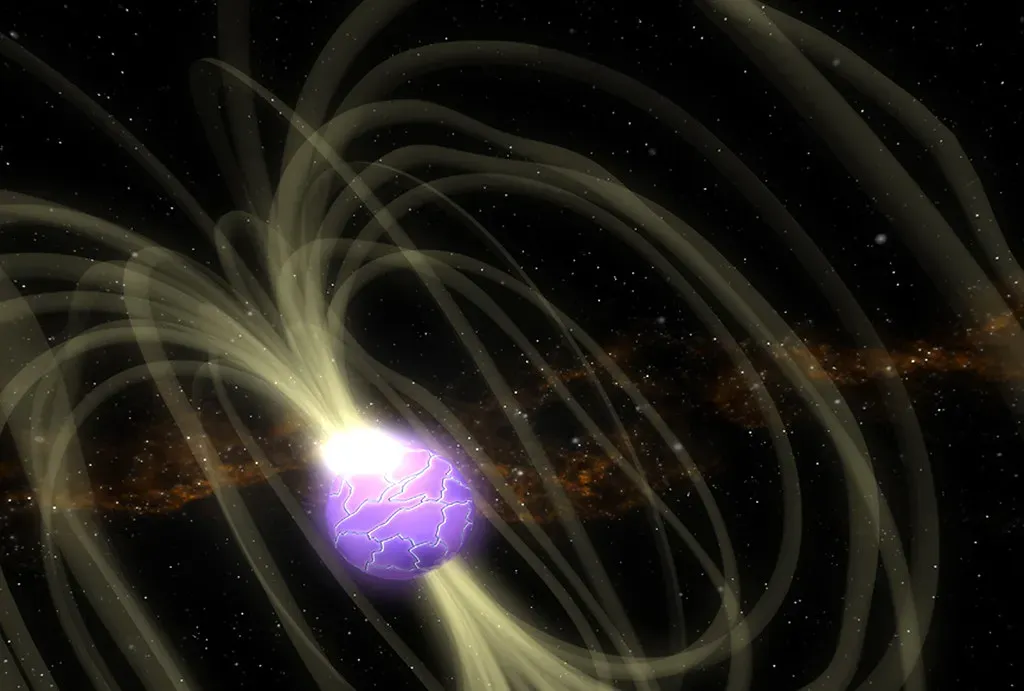
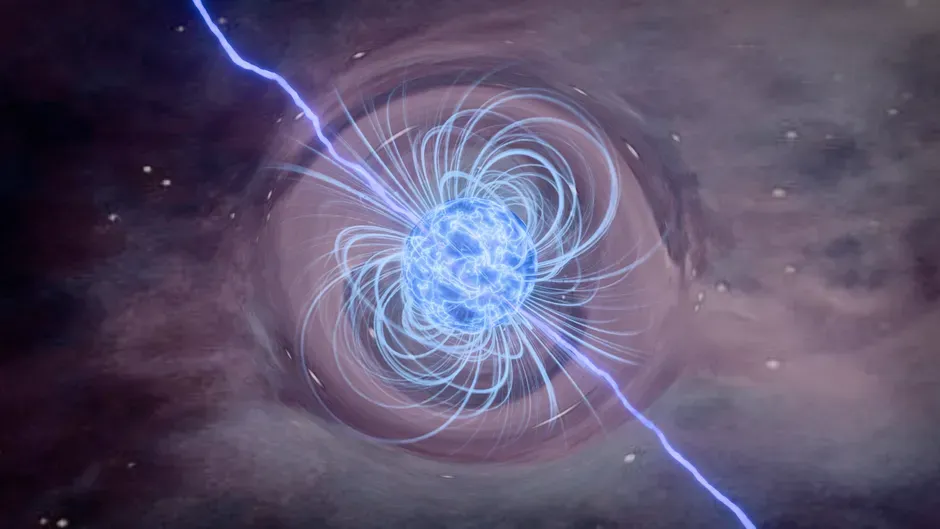
If you thought regular neutron stars were intense, magnetars are like their unhinged cousins. These are neutron stars with magnetic fields so ridiculously strong that they make the strongest magnets on Earth look like fridge decorations. These fields are capable of twisting and snapping the crust of the star, releasing bursts of high-energy radiation into space. If you somehow stood within a close distance of a magnetar, the magnetic forces would be strong enough to tear apart the very atoms in your body.
Magnetars occasionally flare, producing brief but powerful flashes of X-rays and gamma rays that can be detected across the galaxy. These outbursts are like cosmic tantrums, caused when their hyper-charged magnetic fields rearrange themselves in sudden, explosive ways. I admit that magnetars are my personal favorite flavor of neutron star; they feel like nature went too far with the “magnetic field” slider and then just left it there for us to marvel at. Whenever one of these flares is detected, it is like getting a reminder that the universe still has a few cards we do not fully understand.
7. Neutron Star Collisions Forge Gold, Platinum, And Heavy Elements
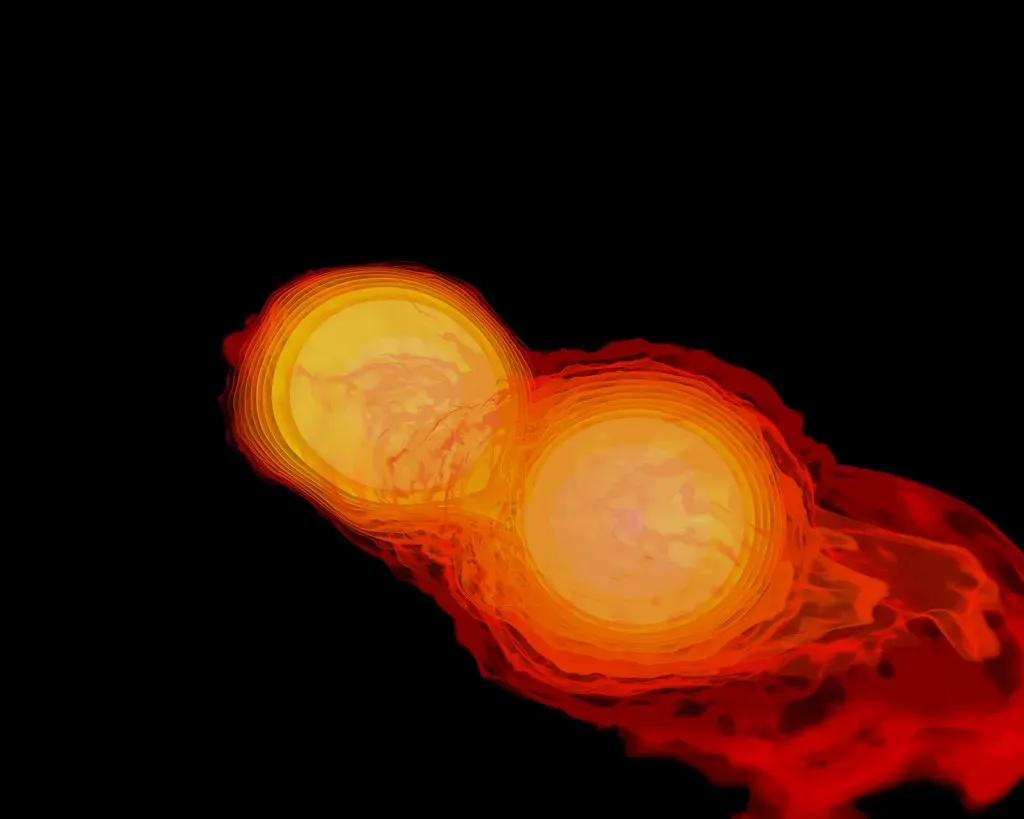
For a long time, scientists argued about where the universe’s heaviest elements – like gold, platinum, and uranium – actually come from. We knew ordinary stars could create lighter elements, but the very heavy ones seemed to need something more violent. The current leading picture is that many of these precious elements are forged in the cataclysmic collisions of neutron stars, in events called kilonovae. When two neutron stars spiral together and merge, they eject streams of neutron-rich matter that can rapidly assemble into the heaviest elements we know.
That means the gold in your ring or the platinum in your electronics might literally be the ashes of a neutron star merger that happened billions of years ago. I find that deeply humbling and strangely romantic: the metals we associate with luxury, technology, and even love have origins in a brief, furious flash between two dead stars. Every time I read about a newly observed neutron star merger, I cannot help but picture space briefly filling with a storm of newborn atoms that will one day end up in planets, machines, or maybe even someone’s pocket.
8. They Bend Space And Time Almost As Extremely As Black Holes
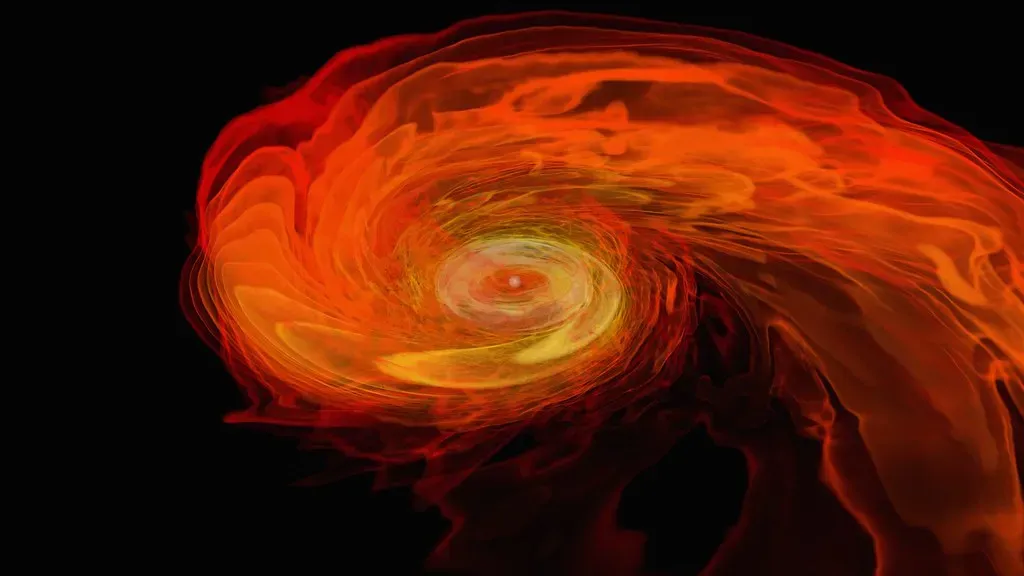
Neutron stars are not black holes, but they come alarmingly close. Their gravity is so strong that time itself runs noticeably slower near their surface compared with far away. According to general relativity, this extreme gravity warps spacetime, bending the paths of light and affecting the orbits of nearby objects. If you could hover safely just above a neutron star (which you cannot), your clock would tick more slowly than a clock far from its gravity, and signals leaving you would be stretched and redshifted.
In binary systems where a neutron star orbits another star or another neutron star, astronomers can watch how their motions deviate from simple Newtonian predictions. Those deviations provide some of the clearest, sharpest tests of Einstein’s relativity in the real universe. From my perspective, neutron stars are like labs built by nature, far better than anything we could construct on Earth, letting us poke at the limits of gravity. When the data from these systems match the predictions of relativity, it feels a bit like watching a wild, unlikely theory survive yet another attempt to break it.
9. The Matter Inside May Be An Exotic Soup Of Quarks Or Even Stranger Stuff
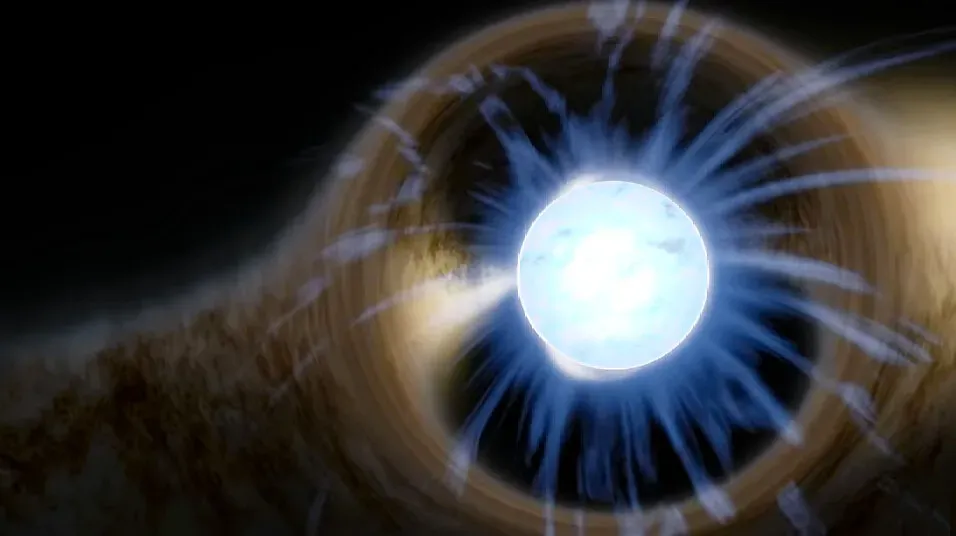
As wild as neutron stars already sound, we are not actually sure what is going on deep in their cores. At the highest densities, neutrons might start to break down into their constituent quarks, forming a strange, ultra-dense liquid known as quark matter. Some theories even suggest more exotic possibilities, like forms of matter containing “strange” quarks, or phases where particles pair up in unusual ways and behave like superfluids or superconductors on a cosmic scale. The exact recipe of the core is still one of the biggest open questions in astrophysics.
What we do know is mostly inferred indirectly, from how neutron stars spin, how they cool, and how they deform when they collide. It is a bit like trying to guess the filling of a pie without ever being allowed to cut it open, just from how it jiggles and smells. Personally, I think this is where neutron stars are the most provocative: they are physical objects we can detect, yet their insides live in a regime of physics we cannot reproduce on Earth. In a way, every new observation is us gently knocking on the crust and listening for clues about what kind of impossible matter lies underneath.
10. Neutron Stars Help Us Listen To The Universe With Gravitational Waves
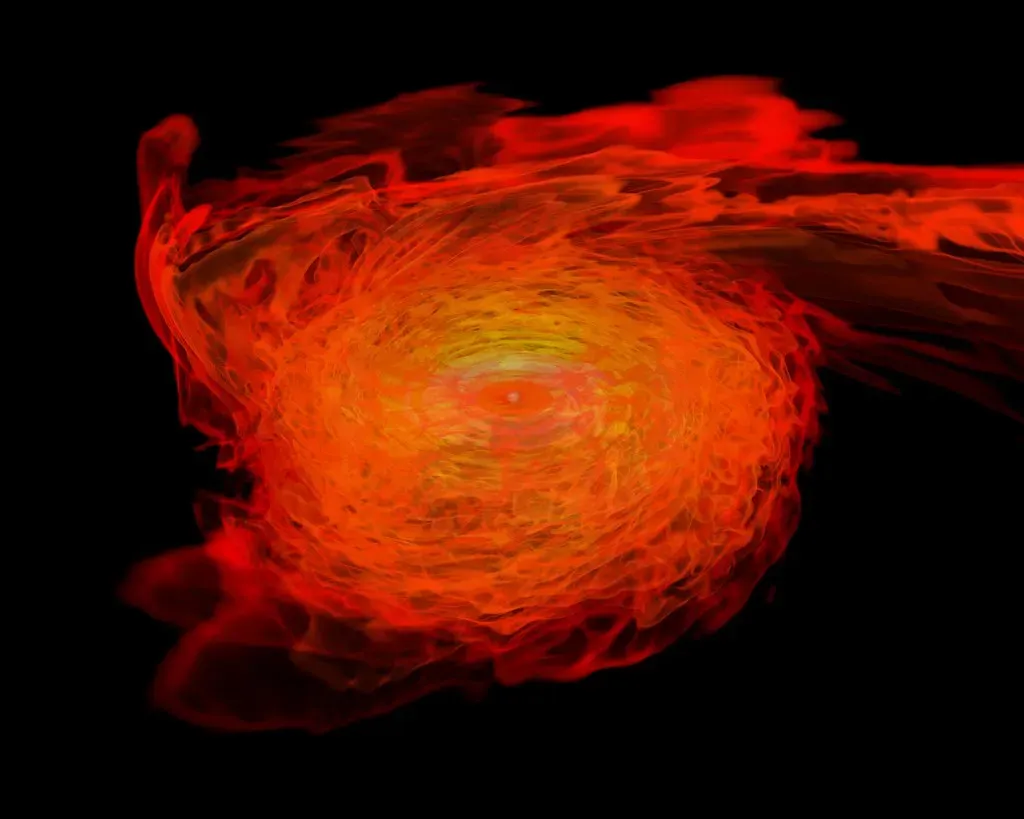
When neutron stars orbit each other in tight pairs and eventually collide, they do not just make fireworks in light; they also send out ripples in spacetime itself, known as gravitational waves. Detectors on Earth have already picked up these faint tremors from distant mergers, letting us “hear” cosmic events that were previously invisible. These signals carry fingerprints of the neutron stars’ mass, size, and internal structure, turning each detection into a data-rich experiment on extreme matter and gravity. It is like finally being able to listen to the universe, not just look at it.
Even solitary neutron stars might contribute to this new way of observing the cosmos, through tiny continuous waves from their spinning, slightly distorted shapes. We are just at the beginning of this gravitational-wave era, and neutron stars are already front and center, forcing theorists to refine their models. To me, this is where neutron stars feel the most modern and thrilling: they are no longer just strange ideas in textbooks, but key players in a brand-new kind of astronomy. It is hard not to feel a little jealous of future generations who will grow up taking this kind of multi-messenger view of the universe for granted.
Conclusion: Neutron Stars Are Where Our Theories Go To Be Tested
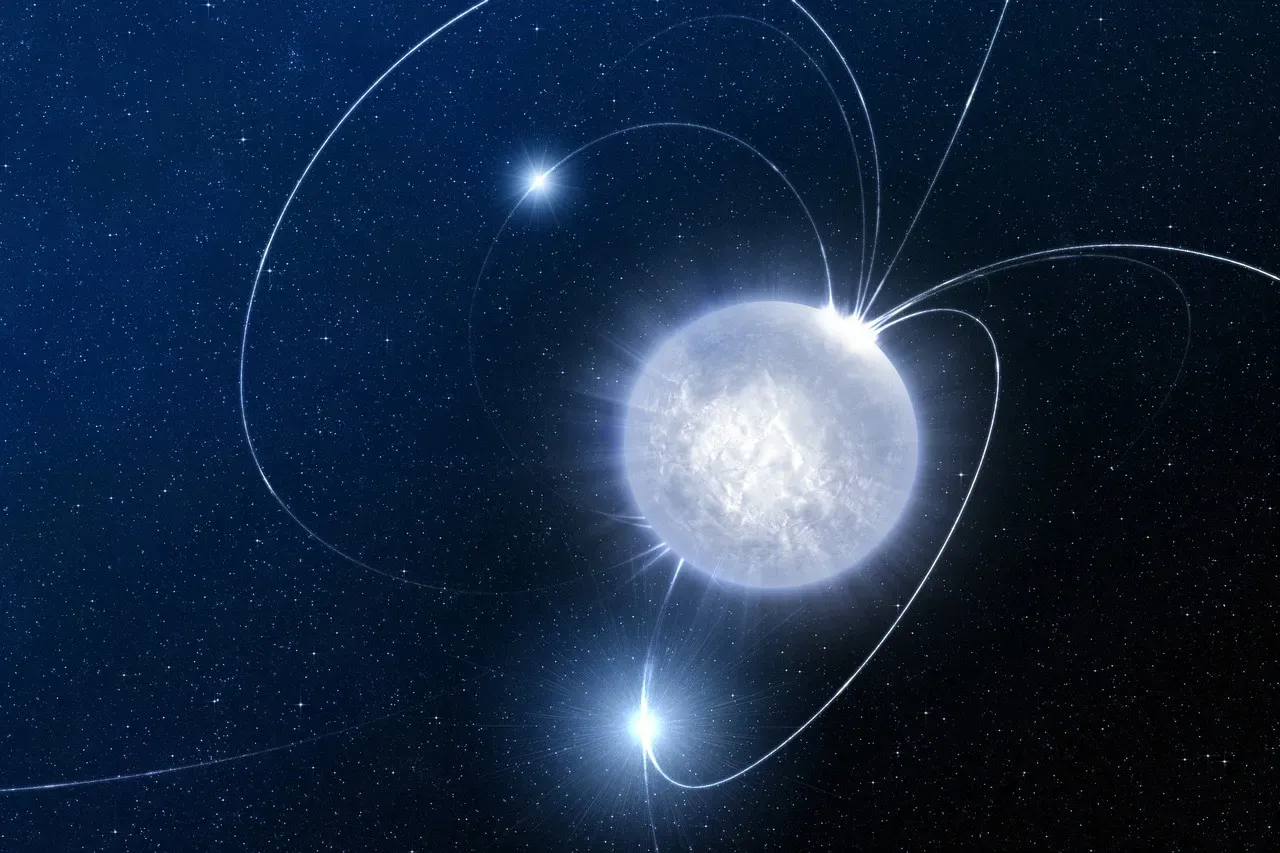
Neutron stars sit at this deliciously uncomfortable crossroads where gravity, quantum mechanics, and nuclear physics all collide and none of them gets to walk away unchanged. We treat them as laboratories, tools, and sometimes even as clocks, but the truth is they are also mirrors, reflecting back the strengths and weaknesses of our theories. Every time we measure a new pulsar, catch a magnetar flare, or detect a neutron star merger, we are really asking a blunt question of physics: are you still holding up under pressure, or are you about to crack?
In my view, that is what makes neutron stars so irresistibly fascinating – they are not just bizarre objects, they are the stress tests of reality. They remind us that the universe is under no obligation to be intuitive or comfortable, and that our neat equations are always provisional, waiting for the next impossible object to expose their limits. As we build better telescopes and detectors, I suspect neutron stars will keep surprising us, forcing us to admit that the universe is even stranger than we dared to hope. When you look up at the night sky, does it change how you feel to know that some of those faint points are the shattered, spinning hearts of dead stars, still rewriting the rules of physics?