

Every now and then, you’re just sitting at home, and out of nowhere the air feels different. Not colder because the AC kicked on, not a draft from a window, but a subtle, almost eerie drop in how the room feels on your skin. A lot of people shrug that off as imagination, but physics suggests there’s something much more real going on in those moments. What feels like a sudden chill can actually be your body quietly registering changes in air pressure and airflow that you are not consciously tracking.
Here’s where it gets really interesting: those same kinds of pressure changes are part of what animals seem to notice before earthquakes and big storms. We like to think our homes are sealed off pods, but they actually breathe with the outside environment, flexing with shifts in pressure we can’t see. Once you understand how that works, the weird moments when your living room suddenly feels colder stop feeling mysterious and start to look like a tiny, everyday physics experiment you happen to be standing inside.
The Science Behind That Sudden “Cold” Feeling

The human body is a surprisingly sensitive detector, even though we usually give credit to gadgets instead. When you feel a sudden “temperature” drop in an otherwise stable room, your skin and inner ear are likely responding less to a real change in temperature and more to changes in air pressure and subtle air movement. Most thermostats on the wall would never flag a one‑ or two‑degree shift, but your nervous system often does, especially when it happens quickly.
Air under higher pressure tends to feel more dense and still, while lower pressure allows air to expand and move a bit more. Tiny drafts that you normally ignore suddenly become noticeable, brushing against your skin and giving your brain a cold signal. It is a bit like walking into a grocery store freezer aisle: the temperature reading might not be dramatically different from the rest of the store, but the airflow and humidity change sharply enough that your body instantly knows something has shifted, even before you can explain how.
How Air Pressure Quietly Moves Through Your House
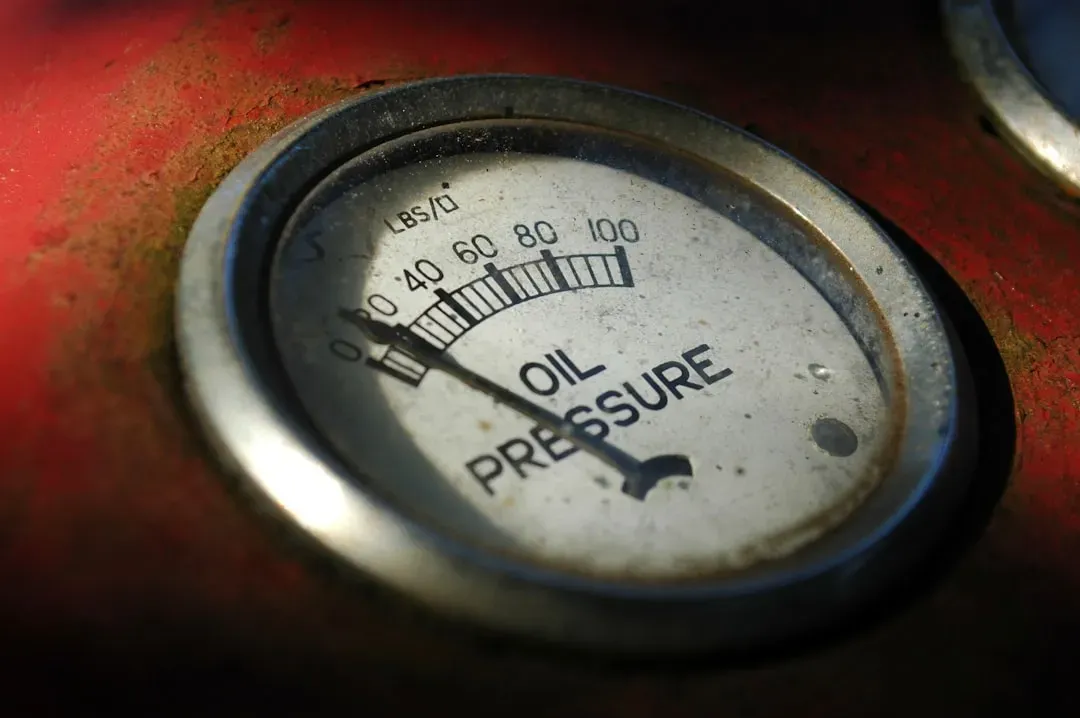
Your home is not a closed box; it is more like a lung constantly exchanging air with the outdoors. Doors opening and closing, exhaust fans, dryers, HVAC systems, and even wind pushing on one side of the building all create zones of slightly higher and lower pressure. When those zones shift, you can get quick bursts of moving air between rooms, stairwells, and vents, which your body may read as a sudden temperature change. It feels random, but behind it is a quiet tug‑of‑war of air molecules trying to equalize pressure.
Even small differences matter. A strong gust outside can slightly lower pressure on one side of the house, pulling air toward that side without you ever seeing the curtains move. Meanwhile, a bathroom fan or kitchen hood can be throwing the whole interior pressure balance off by a tiny but noticeable amount. To your nervous system, those little surges of air feel like the room just shifted from steady to unsettled, and your brain slaps the label “it just got colder in here” on top of that raw sensory input.
Why Animals Seem to “Know” Before Earthquakes

Stories about animals acting strange before earthquakes go back centuries, and scientists have been trying to sort myth from reality for a long time. While the evidence is mixed and not as dramatic as many people want to believe, there is a consistent pattern: some animals do react to subtle environmental changes long before humans notice anything. One plausible piece of that puzzle involves pressure changes and low‑frequency vibrations moving through the ground and air.
Many animals are built to notice slight shifts in their surroundings because their survival depended on it for millions of years. Birds and some mammals, for example, can sense changes in pressure and infrasound that precede storms or seismic events. When tectonic plates grind and strain, they can produce tiny pressure waves and electromagnetic anomalies that ripple out ahead of the main earthquake. To us, that might translate into a vague feeling that the air is off; to a dog, a bird, or a herd of cattle, it can be a clear signal that something is seriously wrong.
What Physicists Think Is Really Going On
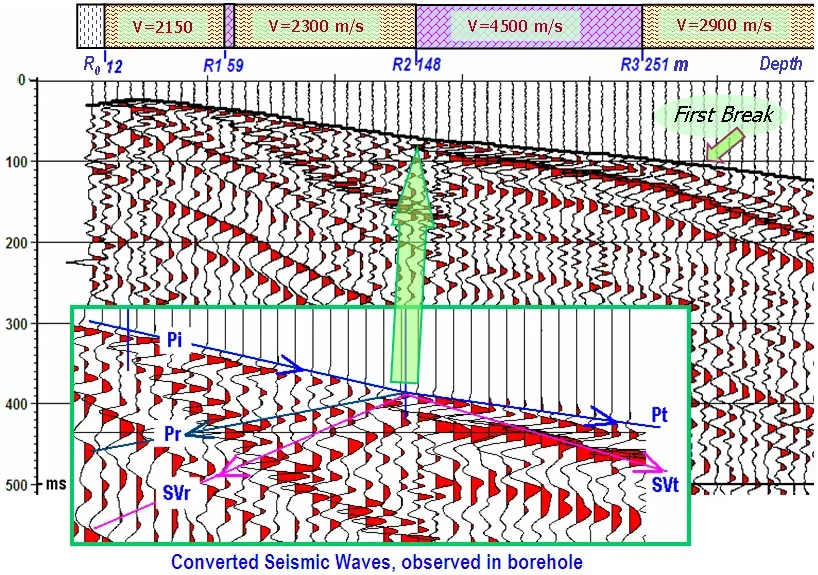
Physicists tend to be skeptical of dramatic claims, so when they look at these reports of pre‑earthquake animal behavior, they focus on testable mechanisms rather than folklore. One key idea is that stress in rocks underground produces small mechanical and electrical disturbances that couple into the atmosphere as pressure waves and very low‑frequency sounds. These waves are too subtle for most humans to consciously notice, but not too subtle for sensitive ears, whiskers, feathers, and pressure‑sensing organs in other species.
Inside your home, those same kinds of pressure ripples would show up as minute changes in the way air pushes on walls, windows, and ducts. The structure responds slightly, air moves differently, and your body picks up the change indirectly. You are not some mystical earthquake detector, and neither are your pets, but you are all living barometers and seismometers to a small degree. The physics is boringly straightforward: forces change, pressure responds, air moves, and biological sensors notice, whether or not the conscious mind understands what is being sensed.
Why Your House Is a Giant, Accidental Sensor

If you think of your home as a big, rigid object, you are missing half the story. Buildings actually flex with wind, temperature swings, and small ground vibrations all the time, usually by tiny amounts we cannot see or hear. When that happens, interior volumes change just enough to nudge the pressure and airflow inside. A slight bowing of a wall, the almost imperceptible rattle of a window frame, or a duct shifting in the ceiling can all create or relieve pressure pockets that your skin notices as a brief, odd chill.
In a way, your house turns large‑scale environmental changes into something your body can sense. It is like a big mechanical amplifier: the bigger the structure, the more subtly it can respond to outside forces, and the more opportunities there are for you to feel those responses as drafts, pops, or sudden changes in the feel of the air. I have had that experience during strong winds, when the whole apartment seemed to breathe in and out. At the time it just felt weird; later, with a bit of physics under my belt, it was obvious my “creepy” feeling was my nervous system riding along on structural flex and pressure equalization.
Separating Real Physics From Spooky Stories

There is a temptation to leap from “I felt a sudden cold wave in my kitchen” straight to “an earthquake is coming.” That is where we need to slow down and be honest about the limits of what we know. Yes, there are plausible, physics‑based reasons why both humans and animals might pick up on pressure changes tied to larger environmental shifts. But that does not mean every odd sensation is a reliable warning signal, any more than every gust of wind predicts a hurricane. Most of the time, that sensation is your home’s normal breathing, not a prelude to disaster.
Scientists who study earthquakes are very blunt about this: we still cannot reliably predict the exact time and place of quakes using any single signal, whether it is ground motion, gas emissions, or animal behavior. A pressure change in your living room might coincide with seismic stress far away, or it might just be your neighbor closing their door, your HVAC cycling, or a weather front passing overhead. The responsible stance is to treat these sensations as interesting data points, not as supernatural messages or guaranteed warnings from the planet.
How to Pay Attention Without Scaring Yourself
Just because we cannot turn your living room into a precise earthquake sensor does not mean it is pointless to notice what you feel. Learning to pay attention to subtle shifts in air, pressure, and sound can actually make you more grounded, not more anxious. You start to connect how wind patterns, passing storms, and even traffic outside influence the micro‑climate inside your home. That awareness can be comforting, because it replaces vague unease with a sense of cause and effect: you know that gust against the window is from an approaching storm, not some nameless threat.
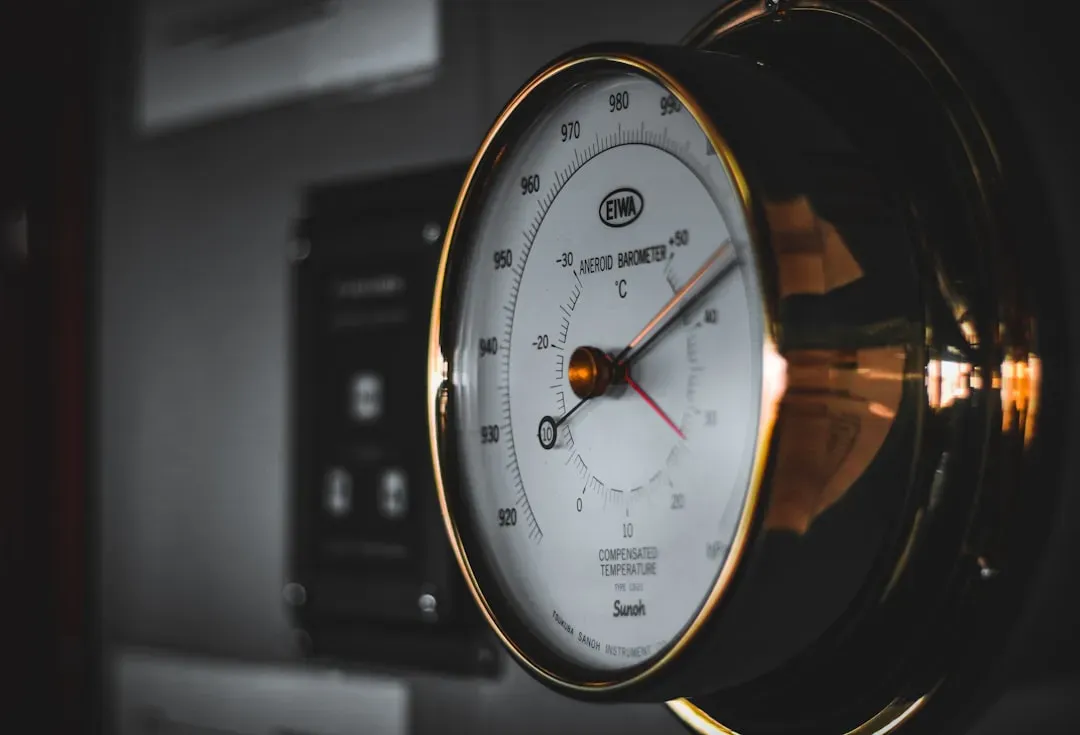
If you are curious, you can pair your own sensations with simple tools like a barometer or weather app and see how often your “it just changed in here” moments line up with real pressure swings outside. Over time, patterns emerge: perhaps you always feel that sudden coolness when a strong front is moving through, or when your HVAC system hits a certain cycle. Instead of trying to be a human earthquake siren, you become more like a careful observer of how your small indoor world is connected to the larger atmosphere and crust beneath your feet.
Conclusion: You Are Not an Earthquake Oracle, But You Are Not Imagining It Either

Here is the blunt truth: feeling a sudden drop in temperature or a strange shift in the air inside your home does not make you a walking earthquake predictor, and anyone who tries to sell you that story is stretching the science way too far. At the same time, brushing off those sensations as “just in your head” is lazy, because physics, biology, and building science all say you really are picking up small pressure changes and airflow shifts. In that sense, you are experiencing the same underlying forces that animals use, even if you cannot turn them into reliable predictions.
My own opinion is that this makes the world more interesting, not more mystical. You, your pets, and your house are constantly interacting with forces that start in shifting rocks, moving air masses, and the spinning planet itself, and every odd little chill is a reminder of that connection. We should appreciate that sensitivity without pretending it is magic or a shortcut to forecasting earthquakes. Maybe the better question is not “Was that a sign?” but “What subtle chain of events just made the air in this room feel different?” Once you start asking that, the ordinary moments in your living room become a lot less ordinary.