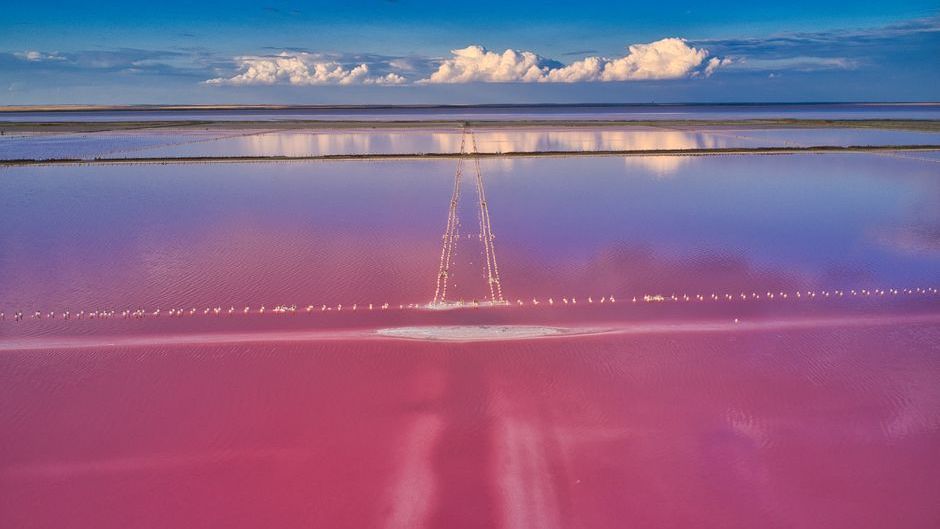
If you stumbled across photos of a lake glowing a vivid blood red, you might assume it was a movie set, a photo filter gone wild, or some kind of apocalyptic omen. But in a few very real places on Earth, water does seem to transform dramatically once a year, shifting from blue or green to a shocking crimson or deep pink. It looks supernatural, even a little unsettling, and that emotional punch is exactly why these lakes keep going viral online.
Yet beneath the drama, there’s a calmer story: physics, chemistry, and biology quietly doing their thing. The same processes that color a sunset, feed microscopic algae, and shuffle minerals around in rocks are at work here, building up over months and then suddenly tipping the whole lake into a new, startling shade. When I first dug into the science of “blood-red” lakes, I half expected some dark mystery that no one really understood. Instead, I found a reminder that nature can be both completely explainable and still wildly magical to look at.
The Places Where Water Really Runs Red
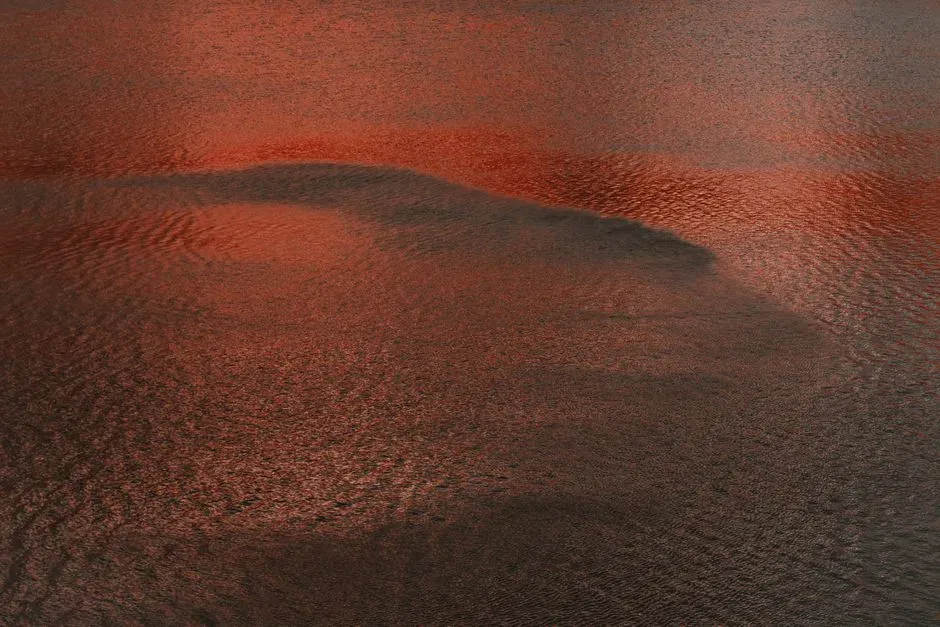
Most people hear “blood-red lake” and assume there’s only one, some cursed spot hidden in a desert. In reality, there are several lakes and ponds around the world that can turn intense red, pink, or magenta under the right conditions. Some are tiny seasonal pools, others are broad salt lakes, and a few are reservoirs influenced by human activity. They tend to show up in hot, dry regions or places where evaporation is strong and water has little chance to flush out and refresh.
Think of places like salt lakes in Africa or Australia, high-salinity ponds near the Dead Sea, or shallow coastal lagoons where inflow and outflow are limited. Many of these spots do not stay red all year; they shift gradually through shades of green, brown, orange, and then, for a relatively short period, hit that startling blood-red or candy-pink hue. The “once a year” part usually lines up with a dry season, a heat peak, or a predictable period when water drops, salt rises, and microscopic life explodes in response.
Why Some Lakes Only Turn Red Once a Year
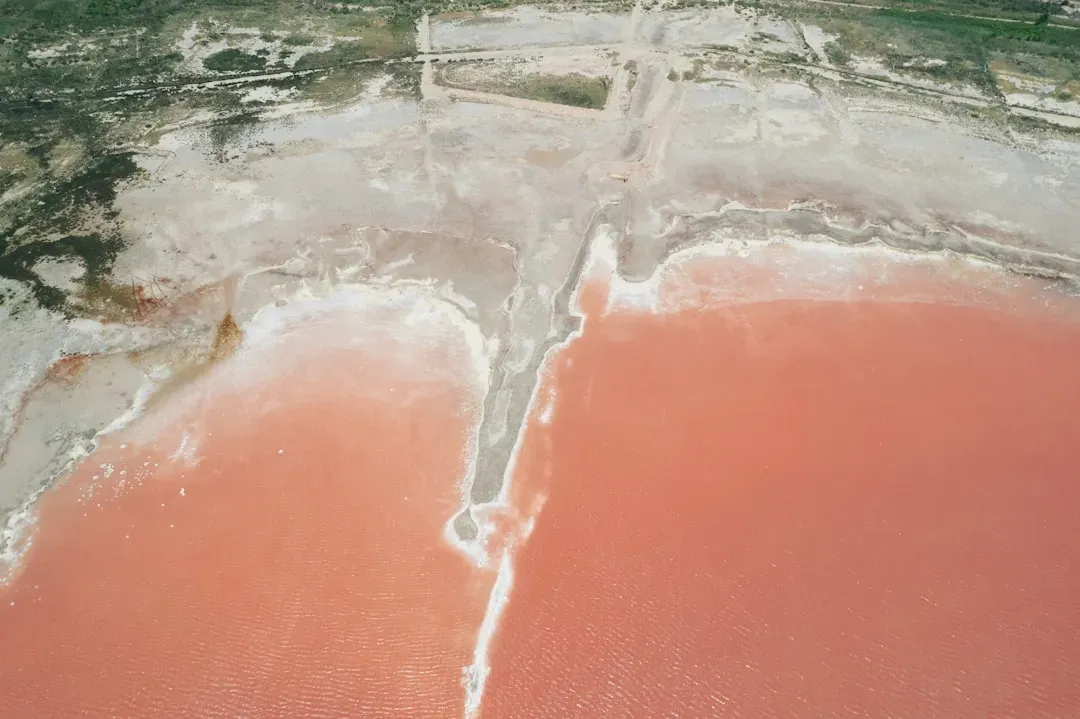
The big question is not just why lakes can be red, but why it happens in a short window instead of all the time. The answer comes down to thresholds. Throughout the year, sunlight, temperature, rainfall, and inflow play tug-of-war with the lake. As the dry season or hottest stretch approaches, water levels shrink, salinity creeps up, and nutrients become more concentrated. For months, nothing looks that dramatic – the water may seem a little murkier or slightly off-color, but not shocking.
Then, at some point, conditions pass a tipping point: the salinity gets high enough, the water warms enough, or the nutrient balance shifts just right for specific microbes to suddenly dominate. It is similar to a crowded party where one song comes on and suddenly everyone is dancing. You could stand there beforehand and think nothing special is happening, then within minutes the entire mood flips. The red phase often corresponds to that brief moment when a particular group of salt-loving algae, bacteria, or archaea takes over the microscopic community and fills the water with pigment.
The Microscopic Artists: Algae, Bacteria, and Archaea
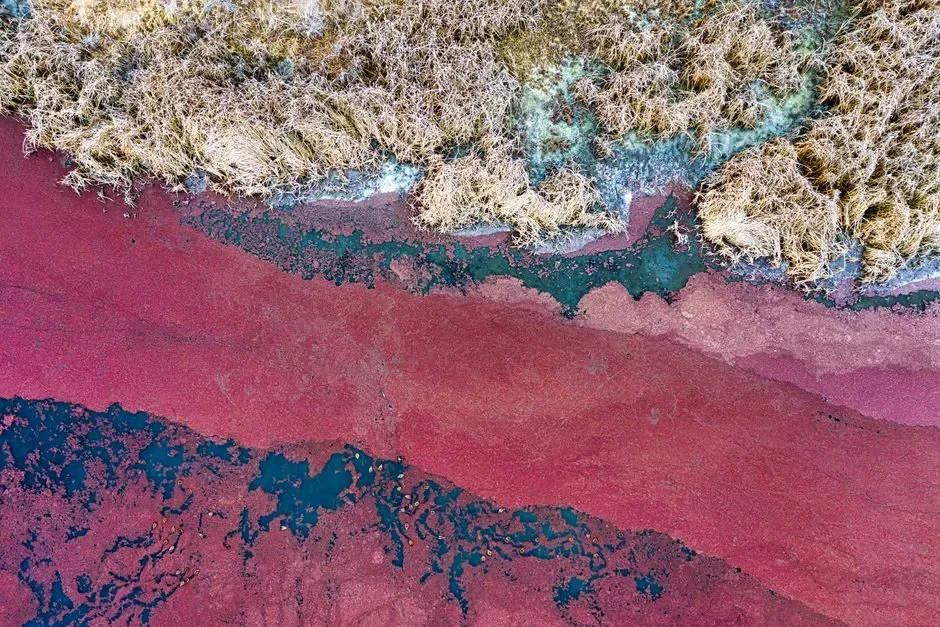
Despite the dramatic appearance, the blood-red water is almost always powered by organisms too small to see with the naked eye. The main culprits tend to be halophiles, literally “salt lovers,” that thrive where most life would struggle. Some are single-celled algae that produce red carotenoid pigments, the same family of molecules that color carrots and autumn leaves. Others are archaea or bacteria that carry deep reddish molecules in their membranes, often linked to how they handle light or survive intense salt stress.
When conditions favor them, these microbes can multiply like crazy, turning the lake into a living pigment bath. Each cell by itself has almost no visual impact, but when there are billions upon billions suspended in the water, the combined effect is like pouring in tanks of dye. I like to think of it as a natural version of crowd-sourced art: every microbe adds a tiny brushstroke, and together they paint the entire lake. Importantly, in most documented cases, this is not blood, not pollution in the sensational sense, and not a horror-movie toxin spill – it is a bloom of microscopic life doing what evolution wired it to do.
Salt, Sun, and Heat: The Chemistry Behind the Color
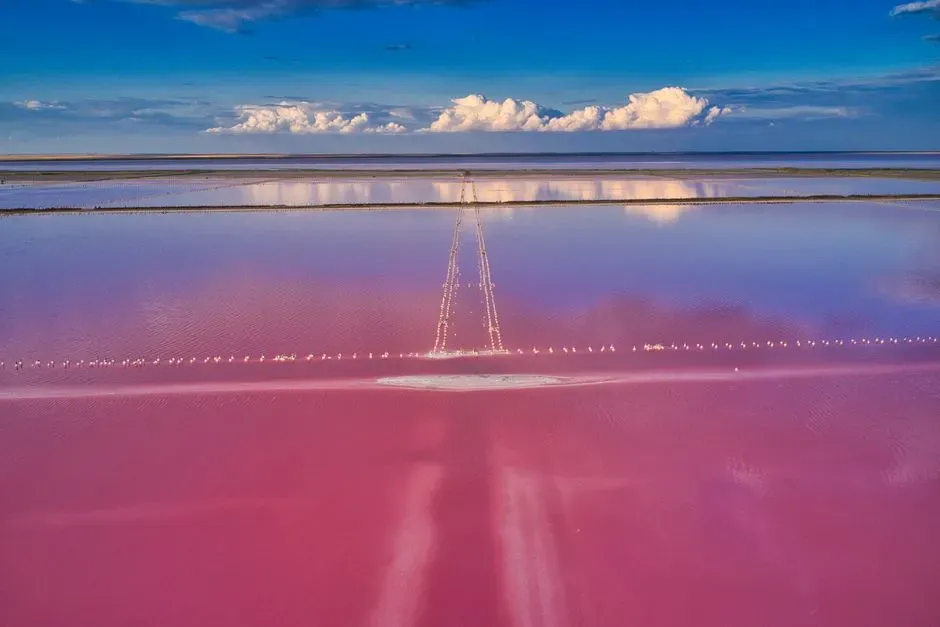
Although biology gets the spotlight, chemistry and physics are quietly setting the stage. High salinity is one of the most consistent ingredients in red lake events. As water evaporates under hot sun, dissolved salts become more concentrated, often reaching levels where your skin would sting and ordinary freshwater organisms would simply die. That harsh brine environment shuts out most competition and leaves the field open for the handful of halophiles that can tolerate or even prefer these conditions. Their pigments are not just for show; they can help protect against strong sunlight, stabilize cell structures, or support specialized metabolisms.
Sunlight itself also changes how we perceive the water. The angle of the sun, the depth of the lake, and the amount of suspended particles all affect the color that bounces back to our eyes. On some days the lake might look more pink or orange, on others more like a bruised red, depending on the mix of microbes and the way light is scattering. Minerals like iron oxides in the sediments can add a rusty or brick tone, especially if wind stirs up the bottom. So when you see a photo of blood-red water, you are basically looking at a complex collaboration between light, salt, minerals, and pigment-packed microbes.
How Safe Is a Blood-Red Lake, Really?
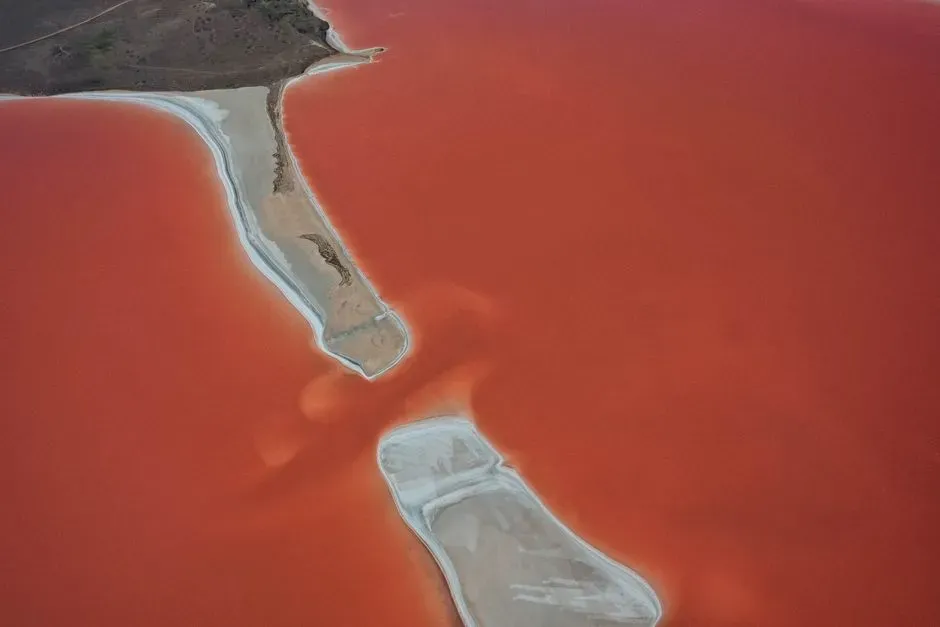
The sight of red water understandably triggers fear; our brains are wired to associate that color with injury and danger. The reality is more nuanced. In many cases, these lakes are not dangerous in the sense of being poisonous to simply look at or stand near. The red color itself, coming from carotenoids or membrane pigments, is usually not harmful to humans at a distance. What is risky, though, is the combination of extreme salinity, potential for other toxins, and bacterial contamination that can piggyback on these conditions. Jumping in without understanding the local context is rarely a smart move.
Some red or pink lakes are touted as tourist attractions or even natural “spas,” and in certain regulated places, people do float or wade in them for short periods. Personally, I would be cautious: highly salty water can irritate eyes and skin, and any enclosed body of water with intense microbial blooms may harbor species that trigger allergic reactions or infections. There is also the issue of what flows into the lake – industrial waste, sewage, or agricultural runoff can all transform an otherwise natural phenomenon into something more worrying. The bottom line is that the color alone does not tell you whether it is safe, but it is a clear signal to treat the ecosystem with respect and not as a casual swimming pool.
When Nature and Human Activity Collide
Not every red lake is purely natural. In some places, human activity pushes a lake toward conditions that encourage dramatic blooms. Reservoirs used for irrigation, ponds receiving nutrient-rich runoff, or mining areas with altered water chemistry can slide into a state where microbial communities flip in surprising ways. Sometimes the red phase becomes more intense or more frequent than it would have been without human influence. The system still follows the same basic rules – salt, sun, microbes – but the starting point has been shifted by what we have dumped or diverted.
That raises an uncomfortable but important point: a blood-red lake can be both a scientific curiosity and an early warning sign. If fertilizer runoff repeatedly fuels algal blooms, or if changing climate makes dry seasons longer and evaporation stronger, the once-a-year spectacle might stretch into a longer, more stressful state for the ecosystem. To me, this is where the story stops being just about a strange color and becomes a quiet climate and land-use report card. When water bodies start behaving in new and extreme ways, they are often telling us that the balance around them is changing faster than we like to admit.
The Allure – and the Responsibility – of Visiting a Red Lake
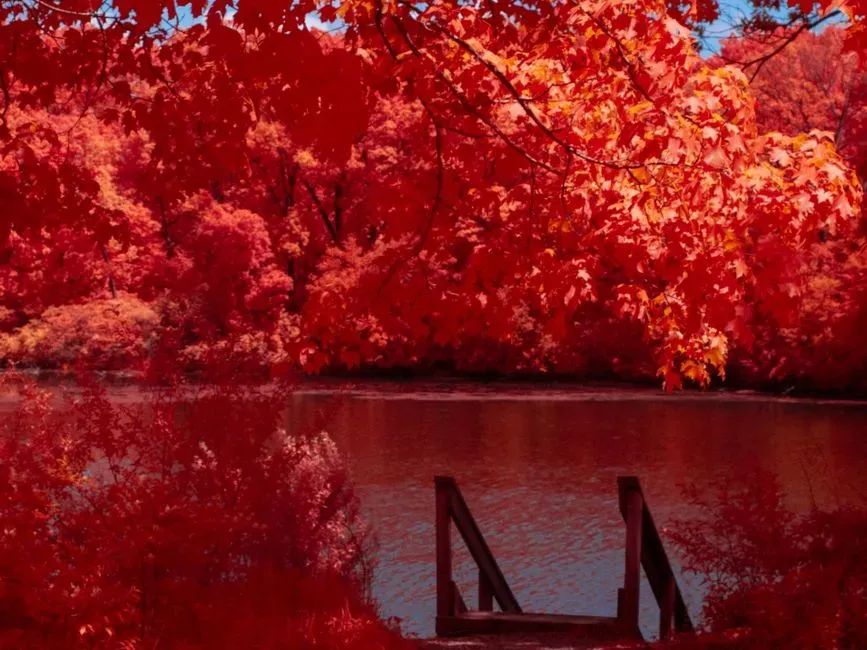
It is no surprise that a lake that turns blood red once a year is Instagram bait. The contrast between ordinary landscapes and that surreal color is irresistible. Travelers plan trips around the narrow windows when the water is expected to turn, drone shots flood social media, and the location suddenly feels like a portal to another planet. I get the appeal; seeing such a strong, otherworldly color in a natural setting is genuinely awe-inspiring. It shakes you out of that dull sense that you have already seen everything Earth has to offer.
But there is a downside to the hype: fragile environments can be overwhelmed by visitors who trample shoreline crusts, leave trash, or stir up sediments for the sake of a better selfie. Many of these lakes are already under pressure from water extraction, drought, or pollution. If we are going to chase the spectacle, we have to accept some responsibility too. That means respecting local rules, staying on designated paths, and remembering that the lake is not a theme park set; it is a living system with its own limits. The most stunning photos are the ones that do not leave scars behind once the season changes and the color fades.
Conclusion: A Red Warning or a Red Wonder?
In the end, a lake that turns blood red once a year is both a scientific puzzle and a mirror held up to us. On one hand, it is a natural wonder driven by salt-loving microbes, harsh sunlight, and shifting chemistry – a reminder that life can thrive in forms and colors that seem almost alien. On the other hand, the timing, intensity, and stability of these events are increasingly entangled with what we are doing to climate, water cycles, and land around them. I find it hard to look at a photo of a crimson lake now without wondering how much of that spectacle is ancient rhythm and how much is modern disruption.
My own opinion is that we should treat these places less like bizarre curiosities and more like teachers. They show us how sensitive ecosystems are to small changes, how extreme conditions can flip a system in a heartbeat, and how beauty and fragility often travel together. If a shocking red lake can push us to ask better questions about water, climate, and our footprint, then the awe it inspires is doing important work. The real mystery is not how the color appears – science has answered most of that – but whether we are willing to listen to what that color might be saying about the world we are reshaping. When you see that blood-red water, do you just see a photo opportunity, or do you see a story about where our planet is heading?