Every few years, a new headline explodes across social media claiming that some newly discovered stone ring lines up with distant star systems so perfectly that it must be proof of advanced lost civilizations or visiting extraterrestrials. It sounds thrilling, almost cinematic: vast stone circles acting as giant cosmic compasses, pointing straight at the Pleiades, Sirius, or Orion’s Belt. But when you look closely, the real story is actually more interesting than the sensational one. Ancient people really did track the sky with remarkable care, yet what they left behind is subtler, more human, and more grounded in survival than in sci‑fi.
In this article, we’ll walk through what we actually know about stone rings and star alignments, what modern science can test, and where the evidence runs out. Some alignments are surprisingly precise and almost certainly intentional; many others are looser, coincidental, or wildly over‑interpreted. I still remember standing in a stone circle in the rain in western Europe, realizing how small I felt under the same sky those builders watched thousands of years ago. That mix of awe and skepticism is the mood to keep as we dig in: open to wonder, but unwilling to abandon critical thinking at the first mysterious claim.
The Sky Was Their Calendar, Not a Sci‑Fi Map
Imagine living in a world without clocks, phone reminders, or printed calendars. For ancient farming and herding communities, the difference between planting a few weeks too early or too late could mean famine. In that context, the sky was not some abstract, poetic backdrop; it was a brutally practical calendar and clock. The rising and setting points of the sun, the phases of the Moon, and the seasonal appearance of certain bright stars or constellations were crucial signals for planting, harvesting, migrations, and rituals tied to survival.
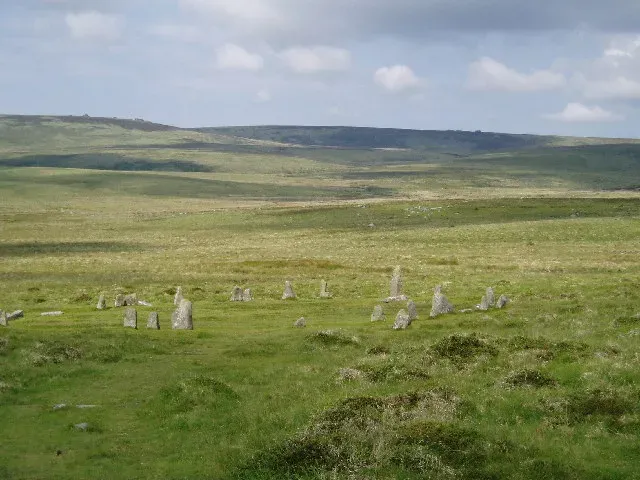
When people built stone rings, earth mounds, or wooden circles, many of those structures seem designed to track these repeating patterns in the sky. Instead of being mysterious star maps aimed at exotic distant systems, they were more like rugged, permanent tools for watching the motion of the Sun and sometimes specific stars on the local horizon. To me, the most moving part is that these are expressions of ordinary people solving ordinary problems in extraordinary ways, using nothing but careful observation, memory, and stone.
Stonehenge: Impressive Alignment, But Mostly Solar
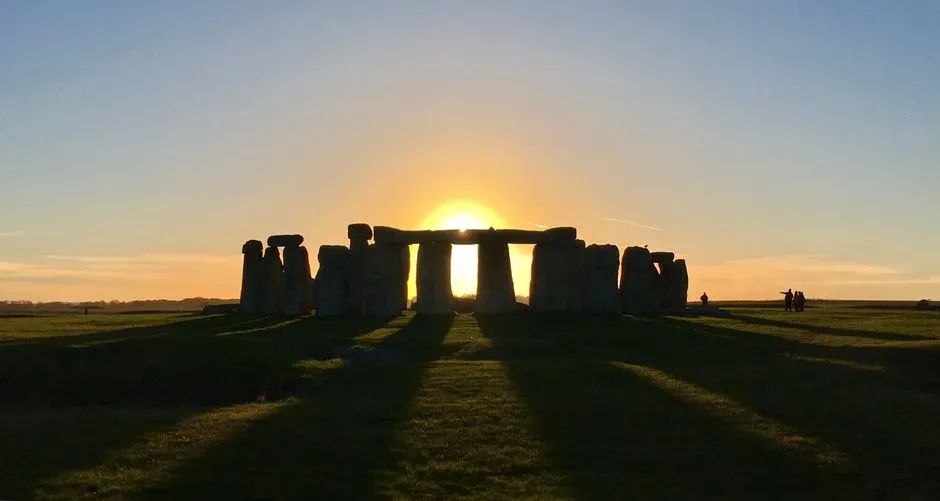
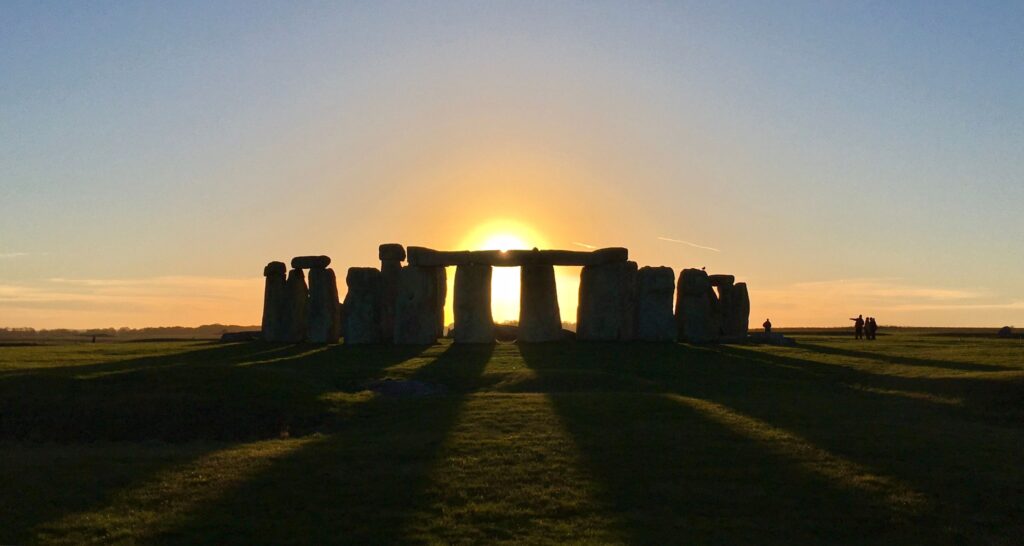
Stonehenge is the go‑to example in almost every conversation about ancient stone rings and the stars, and for good reason. Its axis lines up very clearly with the midsummer sunrise and midwinter sunset when viewed from the center through key stones. That is not a vague, hand‑wavy match; it is a robust solar alignment that holds up under careful measurement. The layout suggests that the builders were tracking the Sun’s extreme points on the horizon, probably tying them to seasonal festivals and social gatherings.
There have been many claims that Stonehenge also encodes detailed knowledge of distant star systems or constellations in its layout and number of stones, but those claims get far shakier under scientific scrutiny. With enough creativity, you can match some part of the ring to almost any star pattern you want, especially if you ignore the bits that do not fit. The safer takeaway is that Stonehenge shows sophisticated awareness of the Sun’s annual path, and possibly the Moon’s cycles, but there’s no solid evidence it was a precision star chart for far‑off systems. The real achievement is already astonishing without stretching it into something it is not.
Nabta Playa and Other Desert Circles: Early Star Watching, Carefully Framed
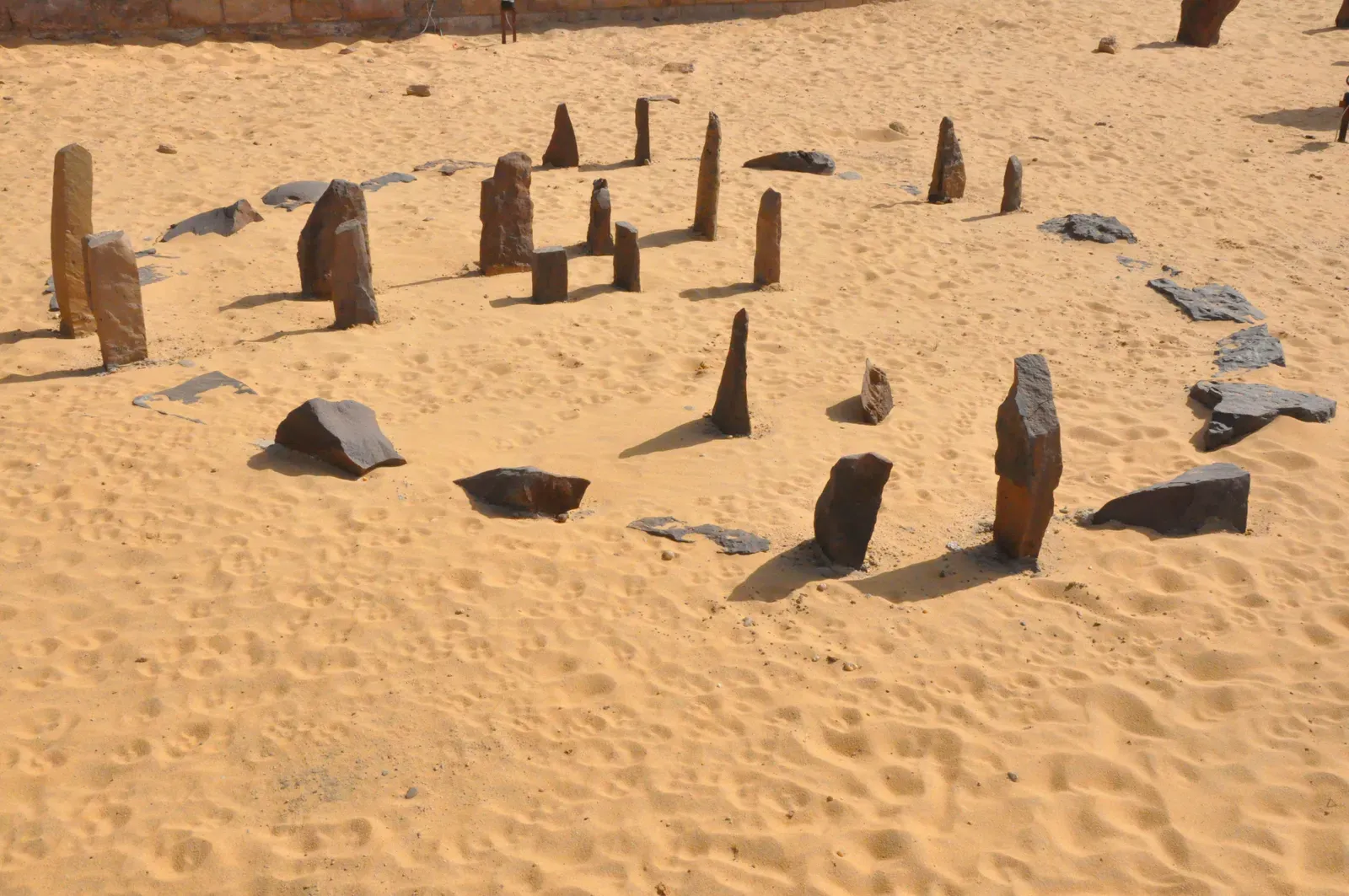
In the Sahara, at a site called Nabta Playa, archaeologists uncovered a small stone circle and associated structures that appear to be aligned with both the summer solstice sunrise and possibly with certain bright stars as they rose on the horizon thousands of years ago. If those interpretations are correct, it would make Nabta Playa one of the older examples of stone architecture possibly linked to both solar and stellar observations. That sounds dramatic, but it still sits firmly in the realm of people tracking the cycles that mattered to their seasonal movements and water sources.
Other desert or steppe regions show similar patterns: modest rings or standing stones that roughly face key points of sunrise, sunset, or the heliacal rising of important stars that heralded seasonal change. None of these sites, as far as current evidence goes, align in a surgically precise way with far‑off star systems on a scale that would defy normal human observing skill. Instead, they show people patiently watching the horizon for years, maybe generations, and then freezing that knowledge into stone under a blazing sky where mistakes could be deadly.
Göbekli Tepe and the Temptation of Over‑Interpretation
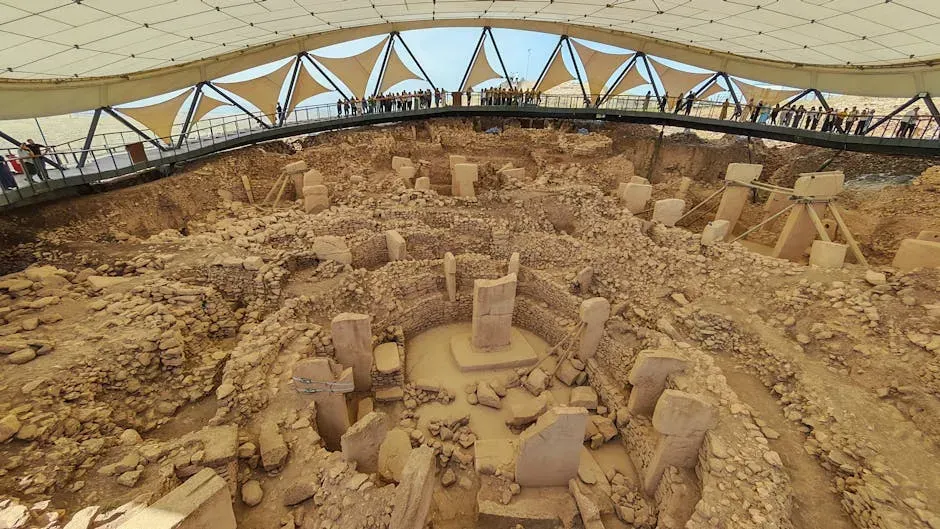
Göbekli Tepe in modern‑day Türkiye is one of the most mind‑bending prehistoric sites ever found: huge T‑shaped pillars, intricate carvings, and circular or oval enclosures built by hunter‑gatherers long before agriculture fully took hold in that region. Unsurprisingly, it has attracted a storm of theories linking it to precise stellar alignments, including suggestions that certain animal symbols correspond to constellations or that the layout locks onto specific star patterns thousands of years in the past. Some of these ideas are fascinating to think about, but they remain debated and far from proven.
This is a good example of how our desire for dramatic cosmic meaning can run ahead of solid evidence. Alignments can and do appear by chance, especially when you have many pillars, many carvings, and a wide range of possible constellations to match them with. While it is entirely plausible that people at Göbekli Tepe were interested in the sky and may have oriented parts of their enclosures to important celestial events, the step from that to “perfect alignment with star systems” is huge. Personally, I think it is more respectful to the site to sit with what we truly know than to drown it in speculative stories that may say more about us than about them.
How Archaeologists Test “Perfect Alignment” Claims
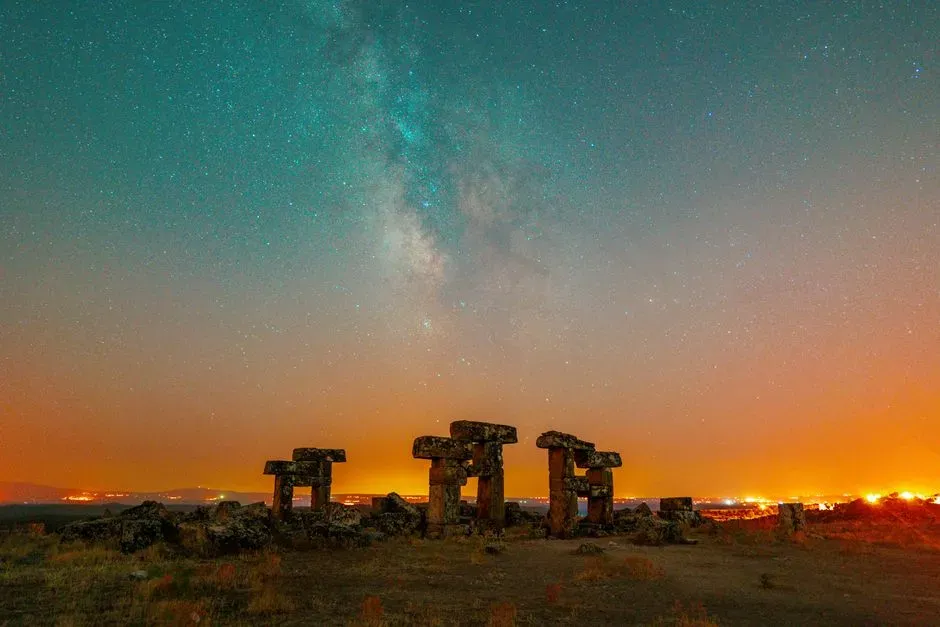
When someone today claims that an ancient stone ring aligns perfectly with a star system, astronomers and archaeoastronomers do not just shrug or accept it at face value; they run the numbers. They model how the sky looked from that exact latitude thousands of years ago, factoring in precession (the slow wobble of Earth’s axis) which gradually shifts where stars rise and set on the horizon. Then they compare those reconstructed sky positions with the actual bearings of stones, passageways, or sight lines on the ground.
Even when a match looks promising, researchers ask tough questions: how tight is the alignment, and could it be accidental given the number of possible directions? Did the ancient builders leave any hints in carvings, artifacts, or later traditions that the alignment mattered to them? They also have to correct for damage, missing stones, and landscape changes. This is why many breathless online claims do not survive rigorous testing; “perfect” often becomes “sort of close if you squint,” and sometimes that is simply not good enough to be convincing. I really appreciate that kind of skepticism, because it keeps the genuinely solid cases from being buried under a pile of wishful thinking.
The Difference Between Constellations and Star Systems

A big source of confusion in popular stories is the difference between constellations and star systems. Constellations like Orion, Taurus, or the Pleiades cluster are patterns as seen from Earth, not physical objects tied together out in space. The stars in a constellation can be at wildly different distances and only form a picture from our line of sight. When someone says a stone ring aligns perfectly with a star system, they often really mean a constellation, or even just a few bright stars that share a pattern in our sky.
Actual star systems are physical groupings like a single star with orbiting planets or multiple stars orbiting each other. There is no evidence that prehistoric builders knew anything specific about distant planetary systems, let alone designed rings to point at them in some cosmic communication scheme. What they could see, with impressive clarity, were recurring sky patterns: certain bright stars that rose just before dawn in specific seasons, or constellations that dominated a particular time of year. Their alignments, where real, speak to that observational world, not to modern ideas of exoplanets and galactic engineering.
Why So Many Patterns Appear “Too Perfect” to Be Chance

Humans are pattern‑hungry creatures. We see faces in clouds, animals in constellations, and meaning in the simplest coincidence. When you stand inside a stone circle and start looking along lines of stones, gaps, and horizons, you can easily find “alignments” with one star or another, especially if you are willing to define the target after the fact. The more stones, angles, and possible target stars you have, the higher the odds that something will seem suspiciously tidy just by random chance.
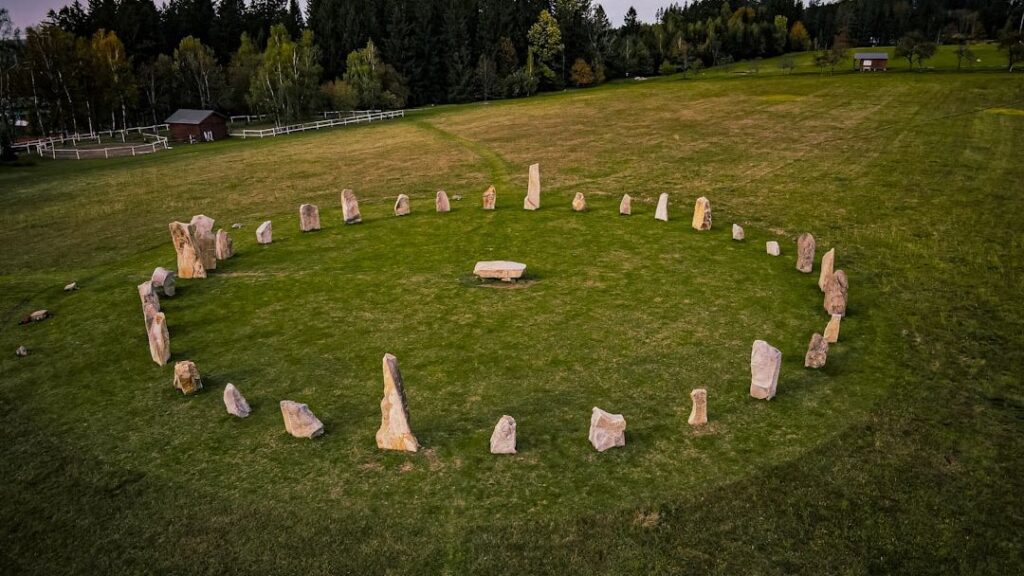
Scientists actually have statistical ways to test this, comparing how many alignments you would expect just by accident against what is observed. Often, what looks mind‑blowing in a casual drone photo becomes less impressive when you run those numbers. I remember doing this mentally at a small local stone ring: once I started rotating in place and picking different horizons, I could invent all sorts of mystical lines that clearly were not all intentional. That does not kill the magic for me; it just shifts the magic from imaginary alien messages to the very real human brain that is desperate to spot meaning in the noise.
What These Rings Really Tell Us About Ancient Minds
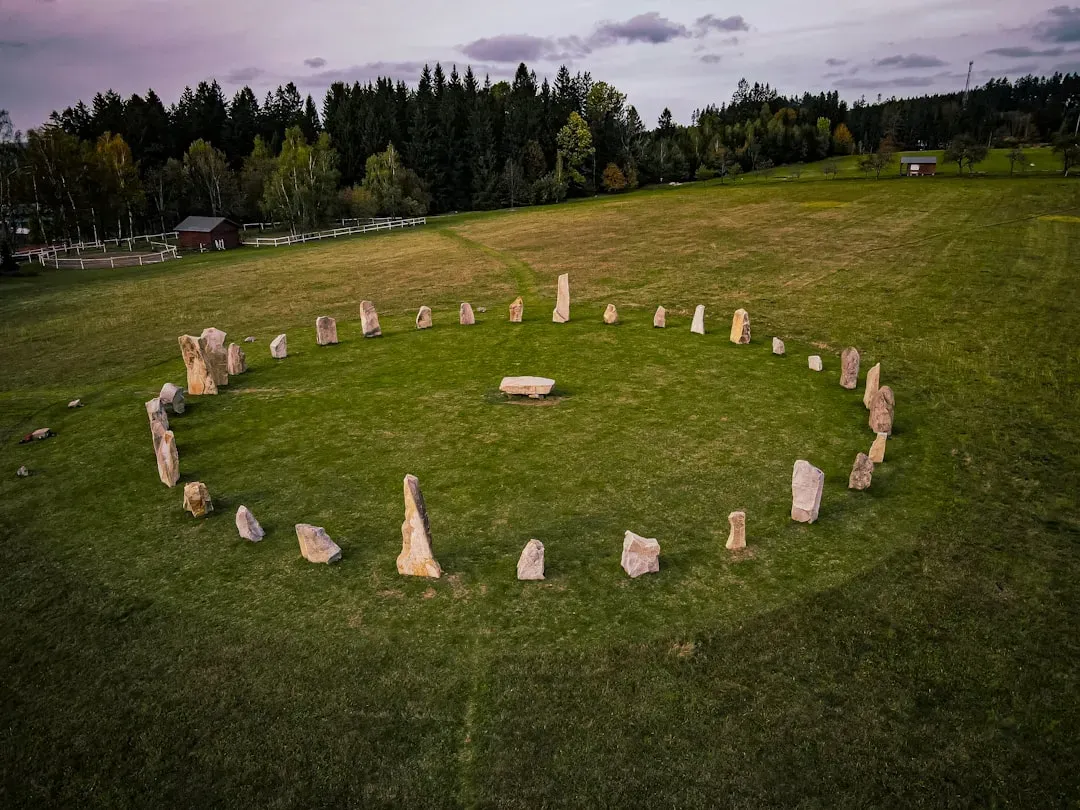
When we strip away the thin, flashy claims and stay with what is well supported, stone rings that track the sky reveal something profound: ancient people were paying close, disciplined attention to their environment for generations. You do not line up a passageway with the winter solstice sunrise by accident; you have to watch, mark, and remember where that Sun first appears over the same horizon year after year. That kind of patient observation, translated into stone, is the root of what later becomes astronomy, timekeeping, and eventually modern science.
These sites also remind us that cosmology was never just abstract for the people who built them. The movements of the Sun, Moon, and stars were soaked in meaning, tied to stories, rituals, and social order. A stone ring that faces the sunrise on a sacred day is part observatory, part church, part town square. In a way, arguing over whether some ring aligns perfectly with distant stars misses the deeper point: these structures show that long before telescopes, humans were already weaving the sky into their calendars, stories, and sense of who they were in the universe.
Conclusion: The Truth Is Less Flashy – and Far More Impressive
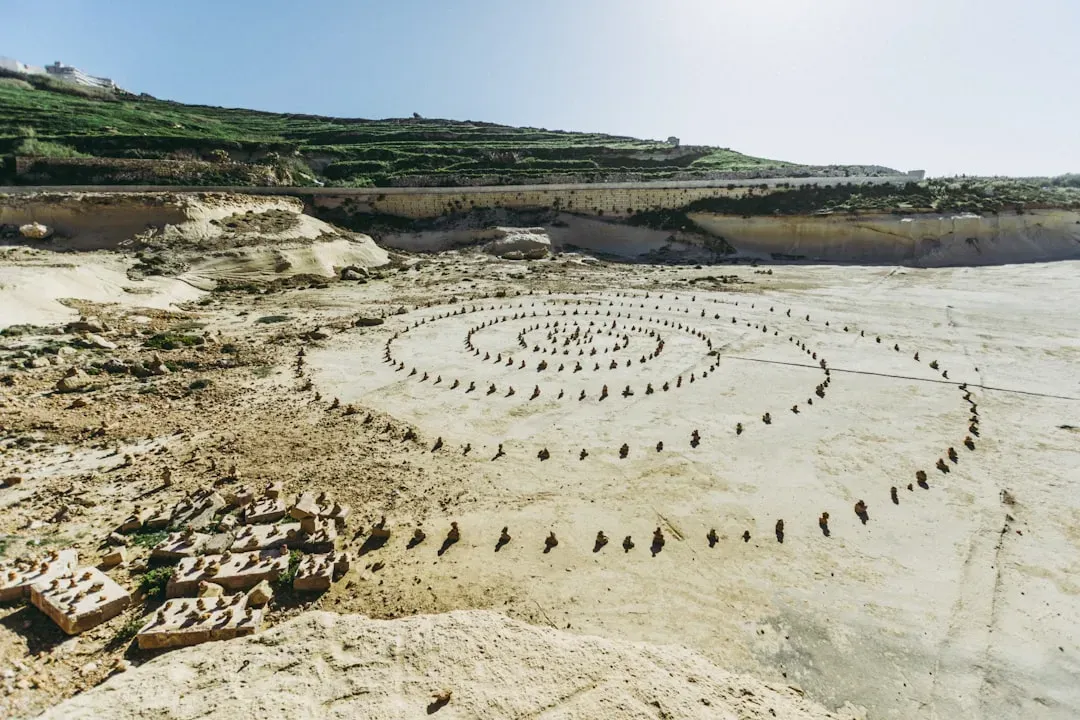
I think we actually sell the ancient builders short when we insist that their stone rings must be flawless star maps aimed at distant systems or the fingerprints of lost super‑civilizations. The real evidence paints a picture that is humbler but more relatable: communities using stone, earth, and open sky as tools to track seasons, to anchor rituals, and to make sense of their place in a vast, mysterious cosmos. Some alignments are intentional and striking, especially to the Sun and sometimes key stars; many others are either approximate or accidental, and that is okay. Not everything needs to be perfectly tuned to feel meaningful.
In my view, the most awe‑inspiring thing is not that a few stones might line up with some far‑off star cluster, but that people with no written language, no metal tools, and no modern instruments built enduring monuments that still speak to us across thousands of years. Standing in a stone ring today, you and some unknown builder are sharing the same sky, the same rising Sun, the same band of stars slowly wheeling overhead. That quiet, shared experience is more powerful than any overblown claim of cosmic perfection. When you hear the next viral story about a “perfect” ancient alignment, which impresses you more: the myth, or the real humans who watched the night long enough to carve time into stone?