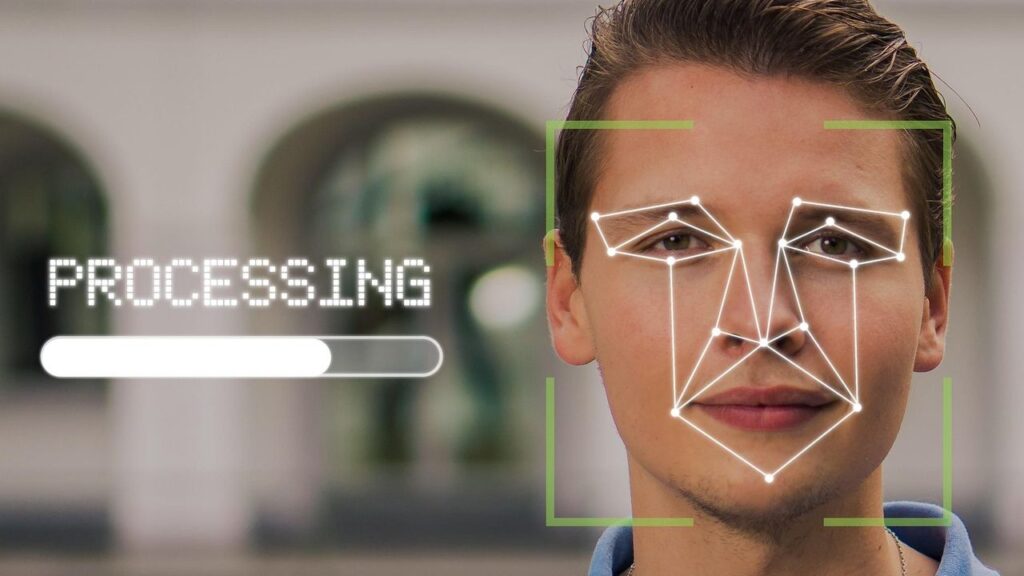
You lock eyes with a stranger for a split second and immediately feel either at ease or on edge. That snap impression feels almost magical, but neuroscience is increasingly clear: it is not magic at all, it is machinery. Your brain starts processing a face and forming a gut-level judgment about trustworthiness in roughly the time it takes light to bounce off that face and hit your retinas – about thirty-three thousandths of a second, far faster than your conscious thoughts can catch up.
That should make you pause the next time you say you are “taking your time” to form an opinion about someone. In reality, your brain has already formed a rough draft of that opinion before you have even finished blinking. The fascinating – and slightly uncomfortable – part is this: those early, automatic judgments can subtly steer who we hire, date, help, fear, or ignore. Understanding how this works does not just satisfy curiosity about the brain; it also forces us to confront how much of our social life is shaped by invisible, ultra-fast neural shortcuts.
The Brain’s Lightning-Fast First Impressions
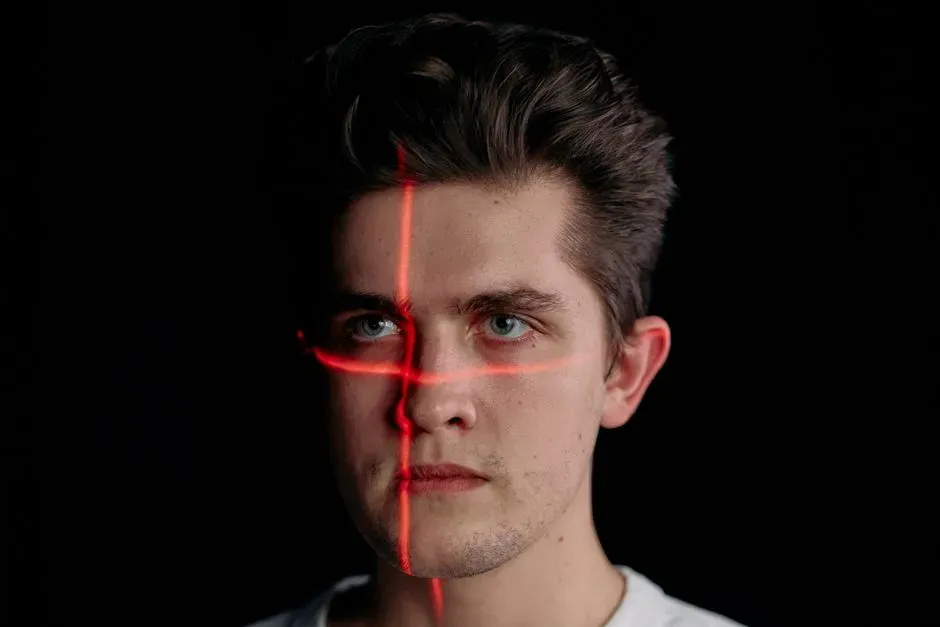
From a neuroscience perspective, thirty-three milliseconds is barely a whisper of time, yet it is already enough for the visual system to register a face and kick off emotional evaluation. Visual information races from the retina through the thalamus into the visual cortex, where basic features like contours and contrast are extracted in a cascade of rapid processing. At almost the same time, subcortical routes can send coarse information toward emotion-related regions like the amygdala, allowing a rough threat-or-safety judgment to begin before details are fully filled in.
Think of it like your brain running a “quick and dirty” preview before the high-resolution version loads. Those first milliseconds are not about recognizing who the person is; they are about answering a more primal question: safe or unsafe, approach or avoid. Researchers measuring brain waves and using brain-imaging techniques consistently find activity related to face processing and emotional evaluation in that early time window, well before people report any conscious awareness of having formed an opinion. By the time you feel like you are deciding what you think of someone, your brain has already nudged you in a certain direction.
How We Judge Trustworthiness From a Glance

When people say someone “just looks trustworthy” or “gives off a bad vibe,” they are putting words on an automatic categorization process the brain performs spontaneously. Studies where participants view faces extremely briefly – sometimes for only a few tens of milliseconds – still show surprisingly consistent ratings of traits like trustworthiness, dominance, or warmth. The brain seems to be sensitive to a mix of cues: subtle patterns around the eyes and mouth, facial symmetry, and even how closely a face resembles expressions we typically associate with friendliness or threat.
It is important to emphasize that these judgments are about appearance, not reality. A person who is rated as highly trustworthy based on facial features alone is not guaranteed to be honest, kind, or reliable in everyday life. Yet, those initial ratings do tend to line up across different observers, hinting at shared mental templates our brains use to make sense of faces quickly. Over thousands of social encounters, the brain may have learned rough correlations between certain expressions, facial shapes, and behavior, then compressed those lessons into a fast, automatic “trust radar” that can fire in a fraction of a second.
Unconscious Processing: Decisions Before Awareness

One of the most unsettling lessons from this research is just how much decision-making happens before we are aware anything is going on. In experiments where people are shown faces too quickly to be consciously recognized, their physiological responses – such as subtle muscle activation or changes in skin conductance – still shift as if they have seen something friendly or threatening. Later, when they have more time to look at those same faces, their feelings often line up with those unconscious reactions, even though they would swear they are thinking everything through calmly and rationally.
This fits with a broader picture from cognitive science: consciousness is often more like a narrator explaining choices than a commander issuing them. The rapid, hidden layers of processing handle the first pass, especially for emotionally charged topics like threat and trust. Only afterward does conscious thought step in, offering reasons that may feel convincing but arrive after the fact. From my own experience, that explains why I sometimes “just do not like” someone and then spend time inventing explanations, instead of admitting my brain made a snap call before I knew it.
The Neural Circuitry Behind Snap Judgments
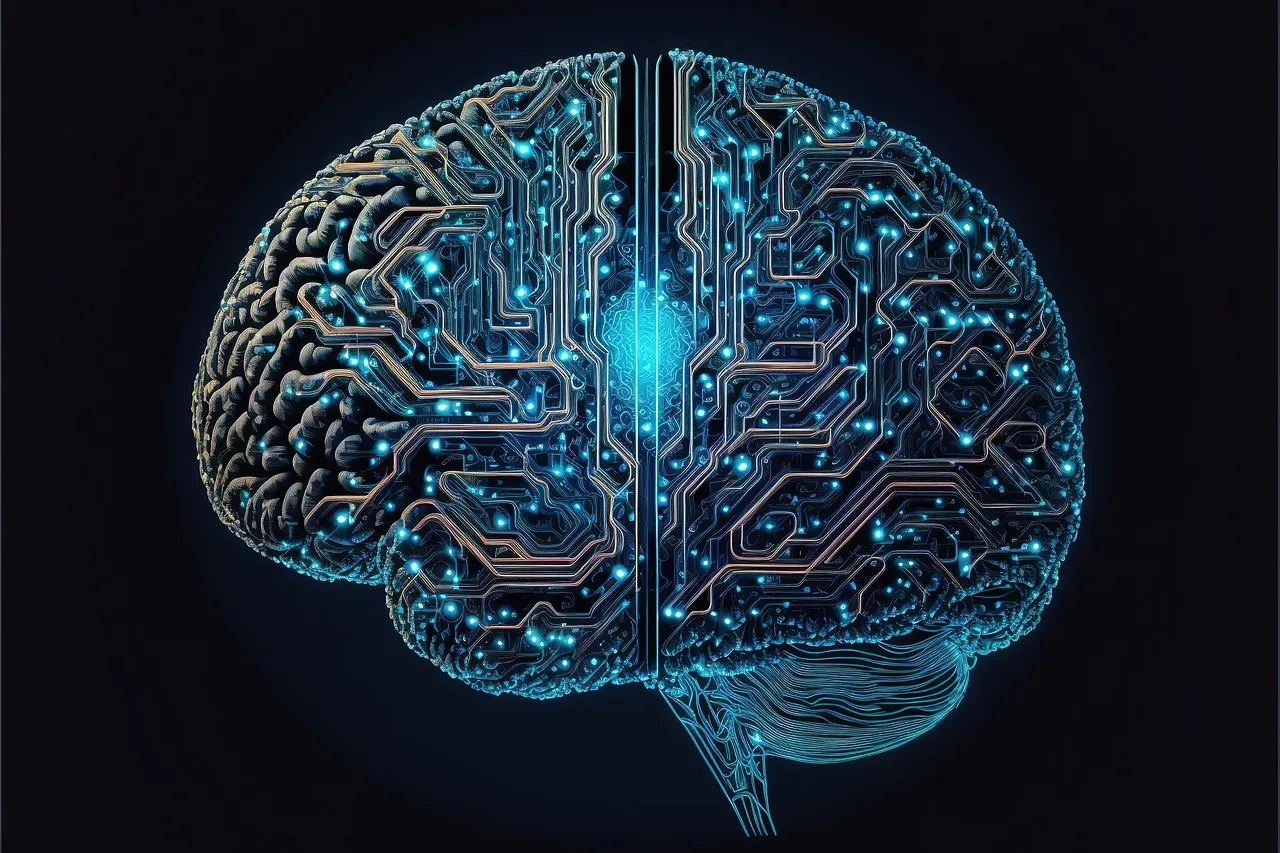
So which brain regions are doing the heavy lifting when you size up a face at high speed? Researchers often highlight the amygdala, a small almond-shaped structure deeply involved in processing threat and emotional salience. It can respond to faces associated with fear or untrustworthiness even when people do not consciously see them, suggesting it taps into very fast visual routes. Meanwhile, areas in the fusiform gyrus and nearby regions in the temporal lobe are specialized for recognizing faces and analyzing their features, forming a powerful partnership between perception and emotional tagging.
But the story does not stop there. Prefrontal regions, which help with evaluation and decision-making, can modulate how strongly those emotional signals influence behavior. In some individuals and contexts, top-down control may dampen the impact of immediate, biased impressions; in others, those impressions might flow more directly into behavior. You can picture it as a conversation in the brain: visual circuits saying “Here is the face,” emotional circuits whispering “Feels safe” or “Feels risky,” and frontal regions negotiating what to do with that whisper. The impressive part is that this negotiation can begin and influence you long before your conscious mind has formed a coherent thought.
Why Evolution Wired Us for Ultra-Fast Social Judgments

From an evolutionary perspective, there is a strong logic behind this ultra-fast social scanning system. For most of human history, misjudging another person’s intentions could have had serious consequences: trusting a dangerous stranger or missing a potential ally might have been the difference between survival and harm. In complex social groups, rapidly detecting cues of aggression, submission, friendliness, or deceit would have offered a real advantage, even if those cues were imperfect and occasionally misleading.
Our brains appear to favor speed over accuracy when the stakes feel high, especially around potential threats. Just as we sometimes jump at a stick that looks like a snake, it may be safer in evolutionary terms to overreact to ambiguous social cues than to underreact. The downside is that in today’s world – with diverse societies, long-term relationships, and nuanced social rules – this ancient shortcut can clash with modern values of fairness and careful judgment. What once helped us navigate dangerous environments can now quietly reinforce biases and the tendency to trust people who simply look familiar or comforting.
The Dark Side: Bias, Stereotypes, and Social Inequality

If our brains are judging faces within a few dozen milliseconds, those judgments do not arrive in a vacuum; they get filtered through our past experiences, cultural messages, and stereotypes. Faces that resemble groups portrayed negatively in media, or that fall outside what a person is used to seeing, can trigger less trust or more fear – not because of any real trait in the person being judged, but because of learned associations buried in memory. These associations are often implicit, meaning people are not consciously endorsing them, yet they still leak into reactions and decisions.
This is where the science stops being just interesting and starts to become morally uncomfortable. Automatic impressions about trustworthiness can influence who gets called back for an interview, who is perceived as a threat in a brief encounter, or whose explanations are believed in a conflict. The fact that these impressions arise so quickly makes them harder to catch and correct. In my view, that means we cannot simply trust our gut and feel virtuous about it; we have a responsibility to recognize that our guts were trained by a world full of biases, not by a neutral and fair teacher.
Can We Override or Retrain These Fast Judgments?

The good news is that a fast judgment is not a final sentence. While the initial response happens automatically, what happens next is much more flexible. Conscious reflection, intentional exposure to diverse faces, and structured decision processes can all help reduce the impact of snap impressions. For example, when hiring, relying on standardized questions and objective criteria instead of vague feelings can help keep early, face-based intuitions from quietly steering the outcome.
On a personal level, a practical habit is to notice when you feel an instant like or dislike and treat it as a hypothesis, not a fact. Ask yourself what might be driving that feeling: does this person remind you of someone else, or of a stereotype you have often seen? Neuroscience suggests we might never fully stop the brain from pulling those thirty-three millisecond tricks, but we can build a layer of self-awareness and deliberate choice on top of them. The goal is not to become a robot with no instincts; it is to be a human who listens to instincts but reserves the right to question them.
Living With a Brain That Judges Before We Think
Once you know your brain is sizing people up in the time it takes to blink, you face a choice: you can either shrug and say “that is just how I am,” or you can treat that knowledge as a challenge. Personally, I find it both humbling and liberating. Humbling, because it undercuts the comforting story that I am always a rational, deliberate judge of character. Liberating, because it means I can start noticing when my first impressions do not deserve the final say, and give people space to surprise me.
In my opinion, the real danger is not the existence of fast judgments, but our blind faith in them. The brain is doing its best with limited information and an ancient rulebook, but our lives are richer when we give relationships time to unfold beyond the first thirty-three milliseconds. Maybe the most responsible stance is to be curious rather than certain, especially about people who do not immediately feel familiar or easy. After all, some of the most meaningful connections in life begin not with instant trust, but with the decision to look past that first flash of feeling and stay just a little bit longer. Did you expect your own brain to be this impatient?