If you think the Milky Way is big, you’re in for a shock. The truly giant galaxies out there make your home galaxy look like a small town next to a sprawling megacity. These titans stretch for millions of light‑years, cradle mind‑bending numbers of stars, and hide black holes so massive that even astronomers struggle to wrap their heads around them.
As you explore these ten jaw‑dropping facts, you’ll see how extreme the universe can get when gravity has billions of years to build monsters. You’ll also discover that “largest” is not as simple as it sounds: you can measure galaxies by their stars, their halos, or even their radio lobes that reach far beyond what your eyes could ever see. Get ready to feel wonderfully, delightfully small.
1. Some galaxies stretch over ten million light‑years across
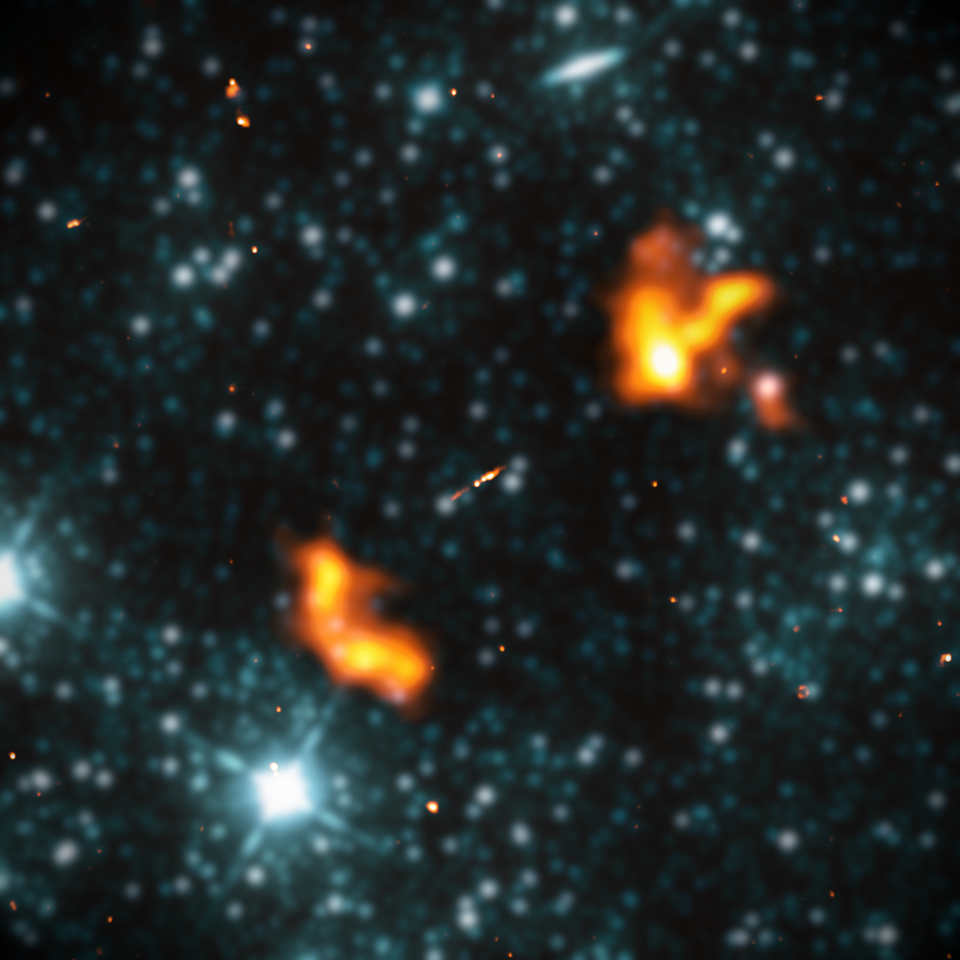
You’re used to thinking of the Milky Way as huge, spanning around a couple hundred thousand light‑years, but some galaxies blow past that scale completely. Giant radio galaxies like Alcyoneus have radio lobes that extend roughly five megaparsecs, which is about sixteen million light‑years from end to end. That is more than a hundred times wider than the Milky Way’s stellar disc, an almost absurd difference when you picture both laid side by side in space.
If you could shrink the Milky Way down to the size of a dinner plate, a galaxy like this would sprawl across an entire city block. The wild part is that most of this size does not come from a bright, star‑packed disc, but from colossal radio structures inflated by jets from a central black hole. You would not see those lobes with your eyes, but at radio wavelengths they dominate the galaxy’s footprint in the universe.
2. IC 1101 packs in more stars than almost any other galaxy known
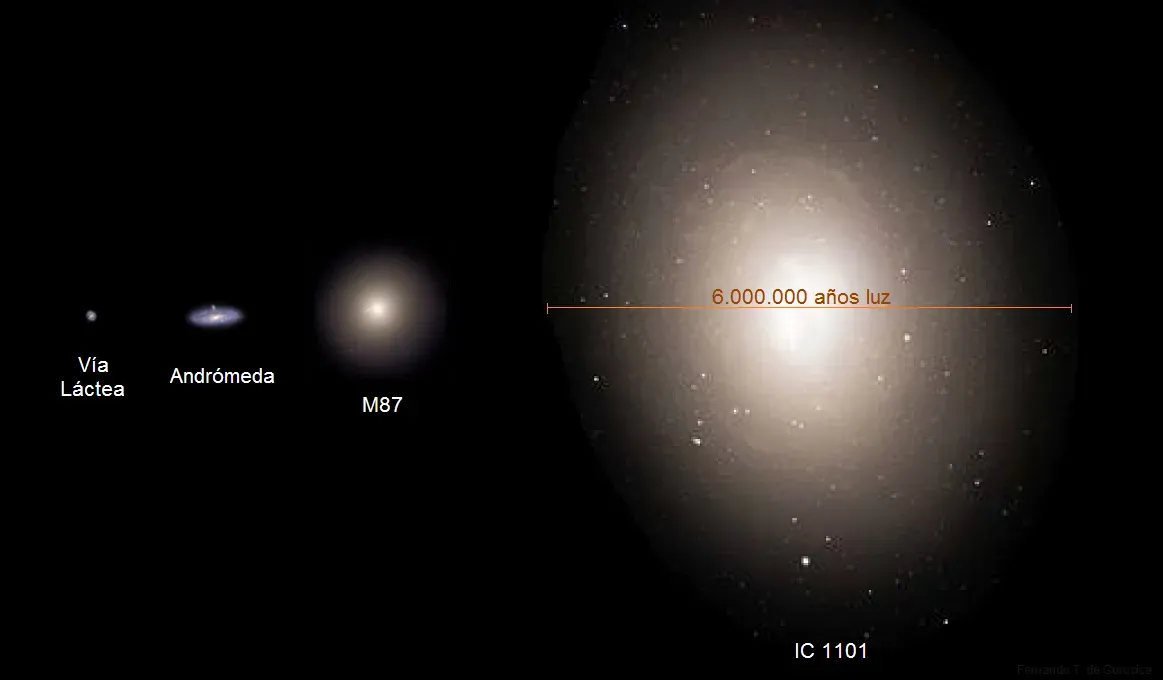
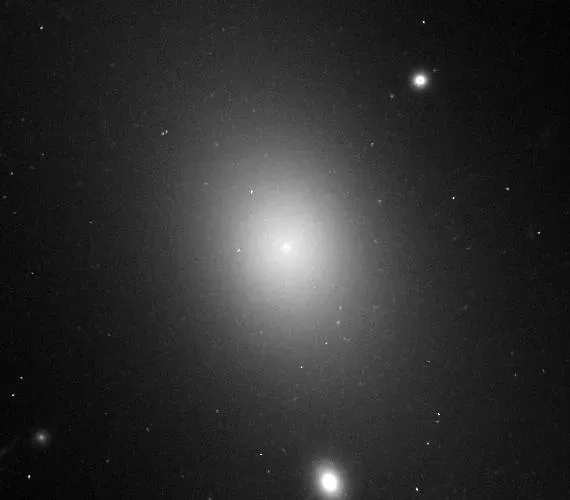
When you hear about the “largest galaxy,” you often bump into IC 1101, a monstrous system sitting in the heart of the galaxy cluster Abell 2029. You can think of it as the heavyweight champion in terms of starlight, with estimates running into the tens of trillions of stars, far beyond the roughly few hundred billion in the Milky Way. Even giving some wiggle room for measurement uncertainties, you’re still looking at a galaxy that absolutely dominates its neighborhood.
This staggering star count comes from billions of years of cannibalizing smaller galaxies that wandered too close. Each merger added fresh stars and dark matter to IC 1101’s swollen body, like a snowball rolling downhill and picking up everything in its path. When you look at an image of this galaxy, you are really seeing the fossil record of countless galactic collisions, all layered on top of one another.
3. One galaxy’s halo alone can span about four million light‑years
Even if you focus just on stars, some galaxies are astonishingly wide. IC 1101’s faint stellar halo extends to around two million light‑years from its center, giving it a total stellar diameter of about four million light‑years. For comparison, the Milky Way and the Andromeda Galaxy are separated by roughly that distance, so you could fit both and the space between them inside IC 1101’s halo.
What makes this even more surprising is that most of that outer halo is ghostly faint. If you were somehow parked in a spaceship near the edge of such a halo, you would not see a bright, crowded sky; instead you’d find a sparse sprinkling of stars floating in a very dark void. Yet gravitationally, you would still be bound to the central galaxy, slowly orbiting a mass so huge that it quietly controls a chunk of space bigger than many galaxy groups.
4. The largest radio galaxies hide titanic jets that outgrow their stars
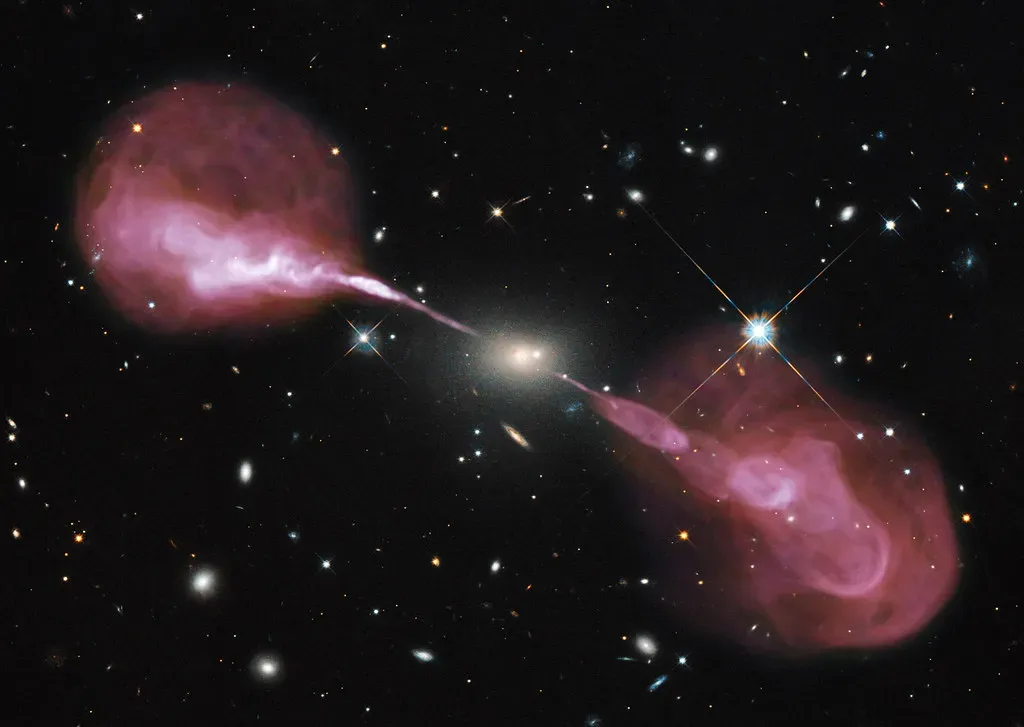
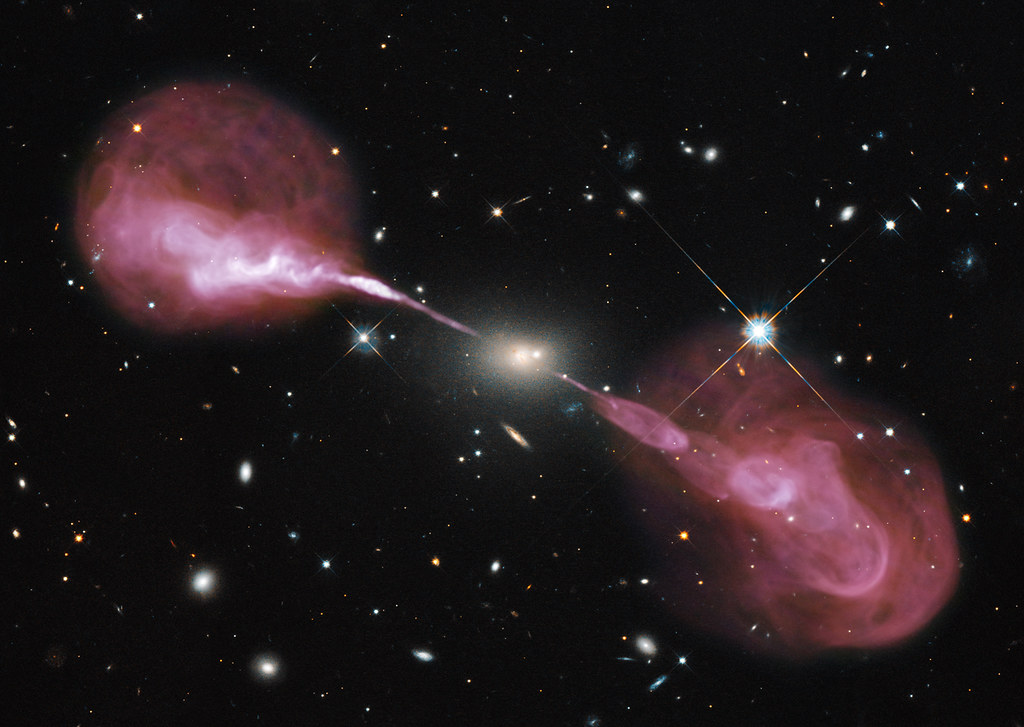
When you hear “galaxy,” you probably imagine stars, gas, and maybe some dust lanes. But in giants like Alcyoneus, the most impressive structures are not the stars at all; they are twin beams of plasma shot out by the central black hole at nearly the speed of light. Over hundreds of millions of years, those jets blow up enormous lobes that stretch millions of light‑years into intergalactic space. By size, the galaxy becomes more like a cosmic squid, with a modest body and ridiculously long tentacles.
What makes this jaw‑dropping is that the lobes are effectively painting the surrounding universe with energy, marking out where the galaxy has been pumping matter and magnetic fields for eons. If you could view the sky in low‑frequency radio waves, those lobes would loom like huge ghostly wings around what otherwise looks like a fairly ordinary galaxy. It’s a reminder that when you talk about “largest,” you have to ask: largest in what, stars or radio glow?
5. Brightest cluster galaxies can swallow entire groups of galaxies
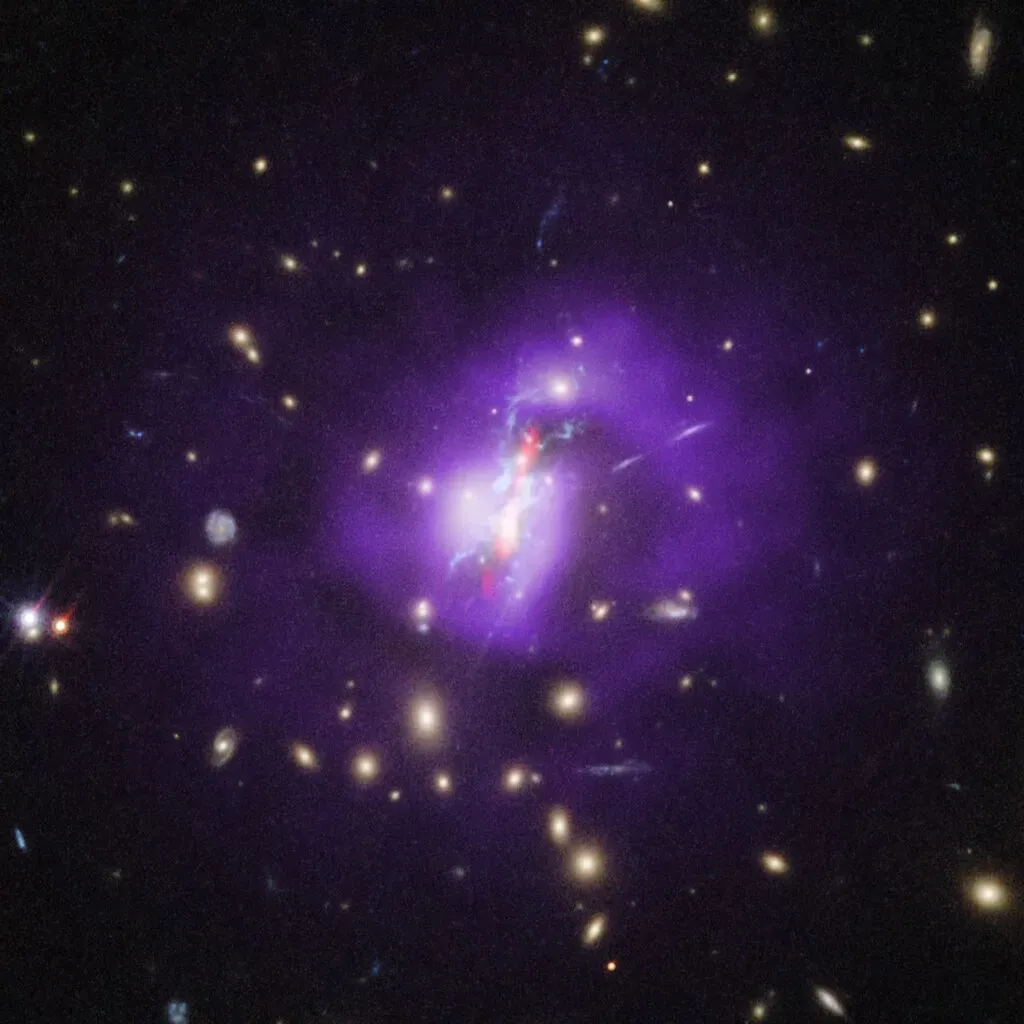
At the centers of rich galaxy clusters, you find special beasts called brightest cluster galaxies, and many of the largest known galaxies fall into this category. These cD or giant elliptical galaxies, like NGC 6166 or the central galaxy in the Phoenix Cluster, are surrounded by envelopes so extended that they literally contain other galaxies inside their outer regions. You are not just looking at a single system, but at a blended city of galaxies that has merged into one dominant structure.
Over time, as smaller galaxies orbit through the dense cluster core, dynamical friction robs them of energy and drags them inward, where they get torn apart and absorbed. You can picture it like a massive whirlpool in space, slowly shredding every smaller island that drifts too close. The result is a central galaxy so large and diffuse that it blurs the line between individual galaxy and the cluster’s overall stellar population.
6. Some galactic cores are bigger than entire ordinary galaxies
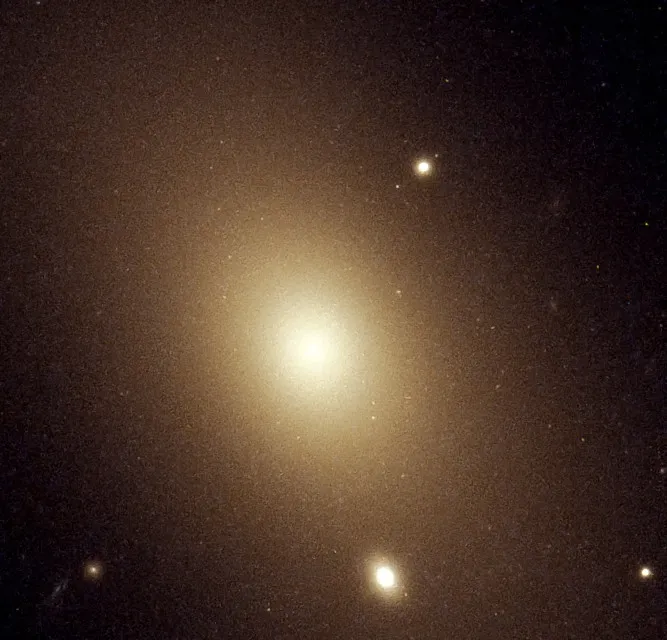
When you zoom into IC 1101, you find something almost absurd: a depleted core several thousand light‑years across, the largest core known in any galaxy so far. That inner region shows a distinct drop in starlight, as if someone scooped out the center with a cosmic spoon. This pattern is thought to result from multiple mergers of supermassive black holes, which fling away nearby stars as they spiral together.
If you compare this core to a normal galaxy, you realize that the “hole” in the middle of IC 1101 is larger than some entire dwarf galaxies. You are literally dealing with a central scar carved by gravity on a scale that swallows what you usually think of as a whole galaxy. It is one of the clearest signs that the universe builds giants by smashing smaller systems together again and again.
7. The black holes in these giants can hit tens of billions of solar masses
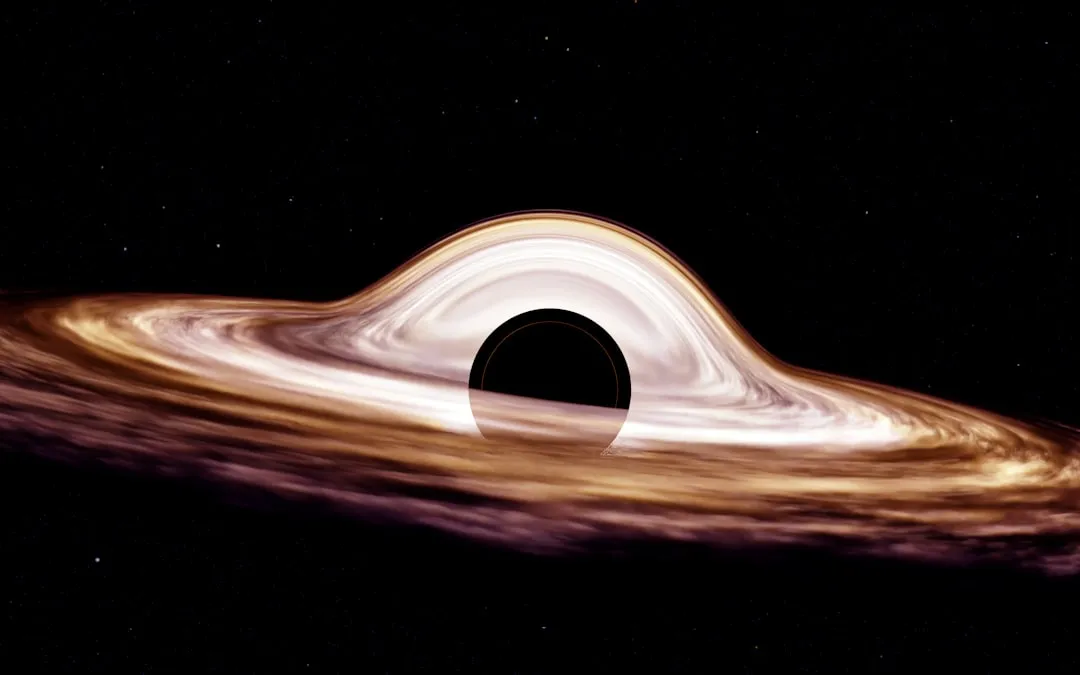
At the heart of the largest galaxies, you often find black holes that belong in a category beyond “supermassive,” edging into the ultramassive range. In galaxies like IC 1101, estimates point to central black holes that may contain tens of billions of times the mass of the Sun. For context, the Milky Way’s central black hole is already impressive at a few million solar masses, yet these monsters go thousands of times beyond that.
If you could replace the Milky Way’s center with such a black hole, its gravitational influence would reshape the orbits of stars across a huge fraction of the disc. These extreme black holes are engines that can power quasars and massive radio jets, dumping staggering amounts of energy into their surroundings. When you step back and look at the full galaxy, you’re really seeing the long‑term weather report of what those central engines have been doing for hundreds of millions of years.
8. The largest spiral galaxies still look small compared to the biggest ellipticals
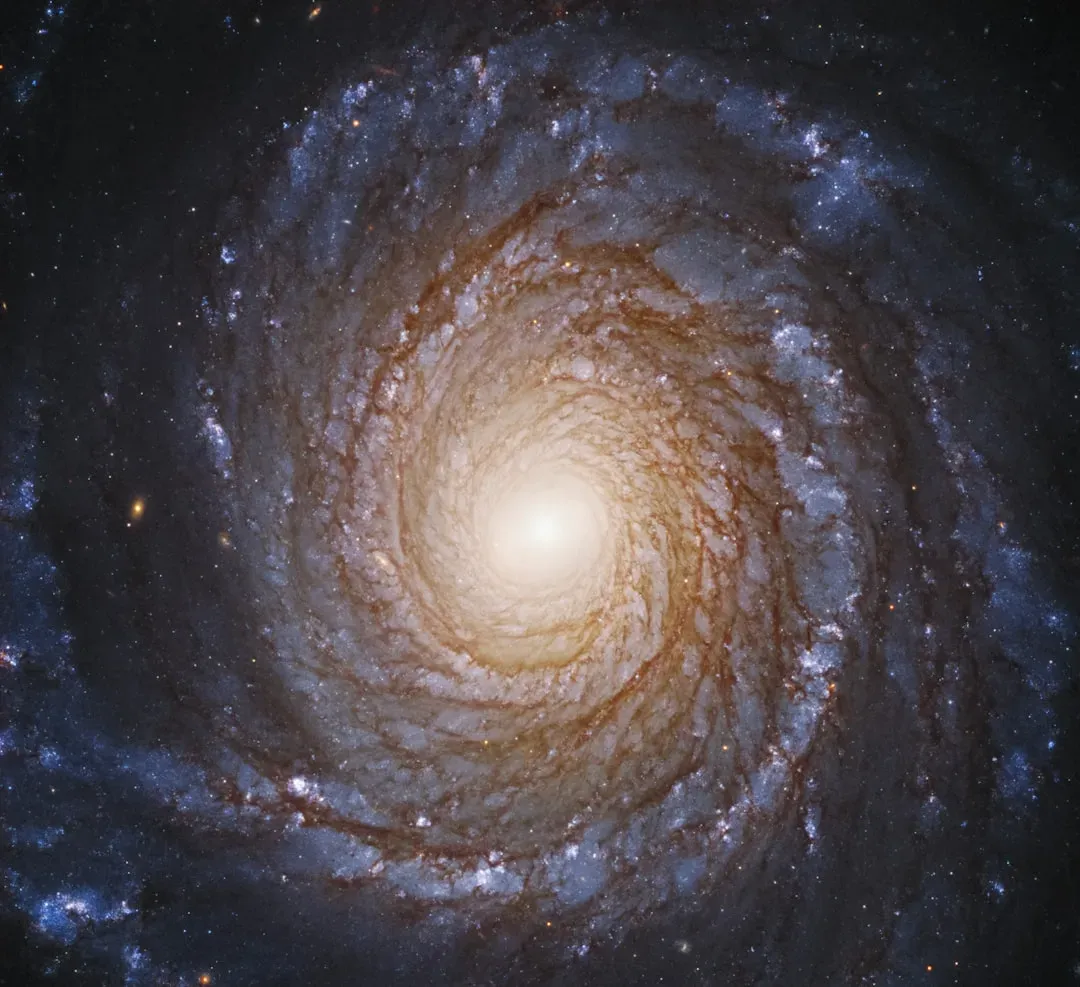
You might wonder how your familiar spiral shape competes in the size game. Some spiral galaxies, like Malin 1 or the Condor Galaxy (NGC 6872), can span more than half a million light‑years across, several times the width of the Milky Way. That is enormous by spiral standards and already turns them into outliers compared with the typical galaxy population.
But when you hold those spirals up against the most swollen ellipticals and cD galaxies, they start to look modest. An ultra‑extended elliptical with a multi‑million‑light‑year halo easily overshoots even the largest known spiral. It is a bit like comparing a sprawling but thin city built along a coastline to an entire continent‑sized landmass; both are big, but the latter wins on raw territory.
9. Galaxy “size” depends on how you choose to measure it
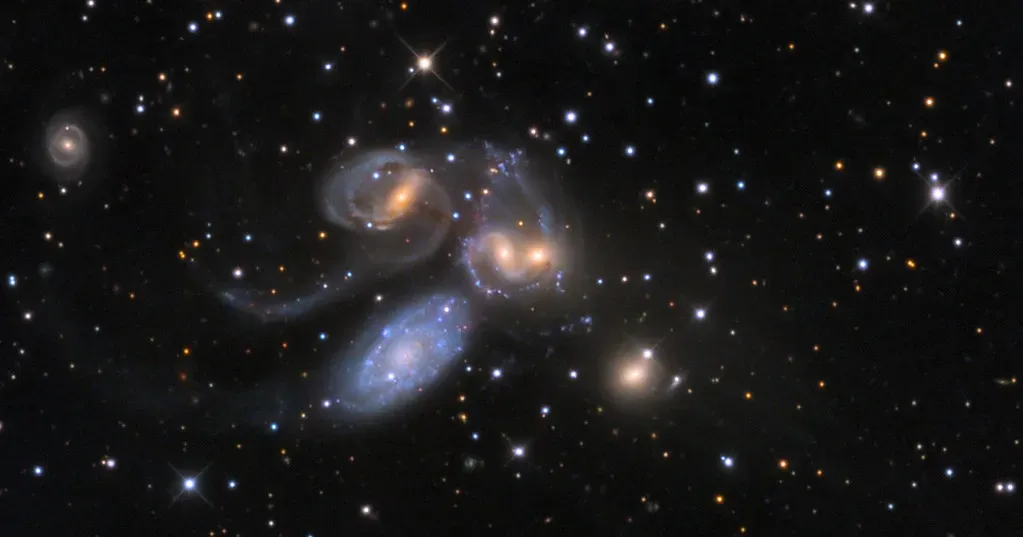
One reason you see different galaxies listed as “the largest” is that astronomers do not always use the same yardstick. If you focus on the extent of visible stars, a galaxy like IC 1101 might top your list. If you include extremely faint halos, another system can nudge ahead. And if you define size by radio lobes created by jets, a galaxy like Alcyoneus becomes your champion with its roughly sixteen‑million‑light‑year footprint.
For you, this means that any headline about “the largest galaxy ever found” comes with fine print. You are really comparing different aspects of galaxies that do not always line up neatly: stars, gas, dark matter halos, and radio structures. Instead of looking for a single winner, it is more honest to see these giants as members of a loose club of extremes, each claiming a record in a slightly different category.
10. These giants offer clues to how structure grows across the universe
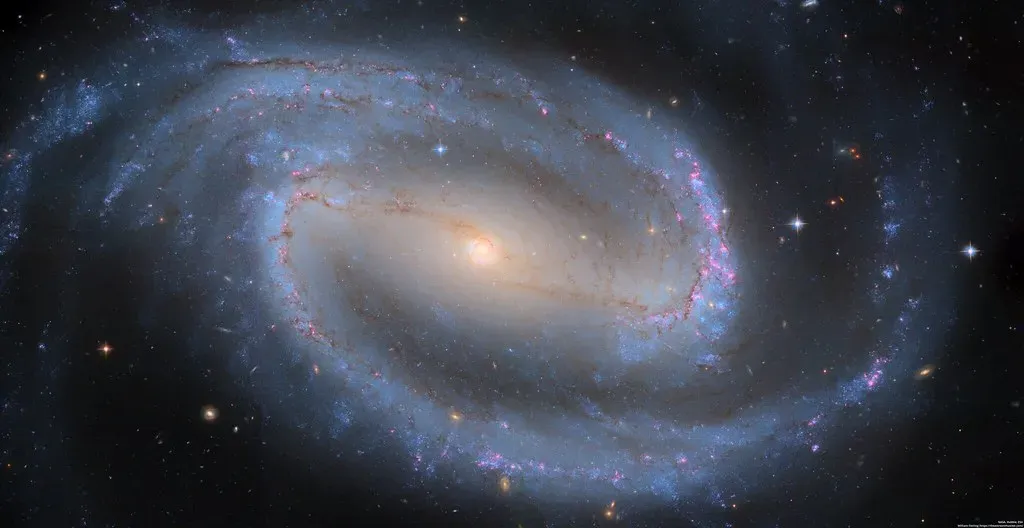
When you study the largest galaxies, you are really studying the history of cosmic growth itself. These systems sit in the densest knots of the cosmic web, at the centers of massive dark matter halos where gravity has had the most material to work with. By measuring their sizes, star counts, black holes, and radio jets, you get a front‑row view of how small galaxies merge, how clusters assemble, and how energy from black holes can shape everything around them.
For you as an observer, that means every image of a super‑giant galaxy is a kind of time‑compressed story. You are seeing the end result of hundreds or thousands of mergers, cooling flows of hot gas, and feedback from active black holes all layered together. The more of these record‑breaking galaxies you discover and map in detail, the better you can understand why the universe today looks the way it does, from tiny dwarfs to these overwhelming cosmic cities.
Conclusion: Feeling small, and strangely empowered, in a universe of giants
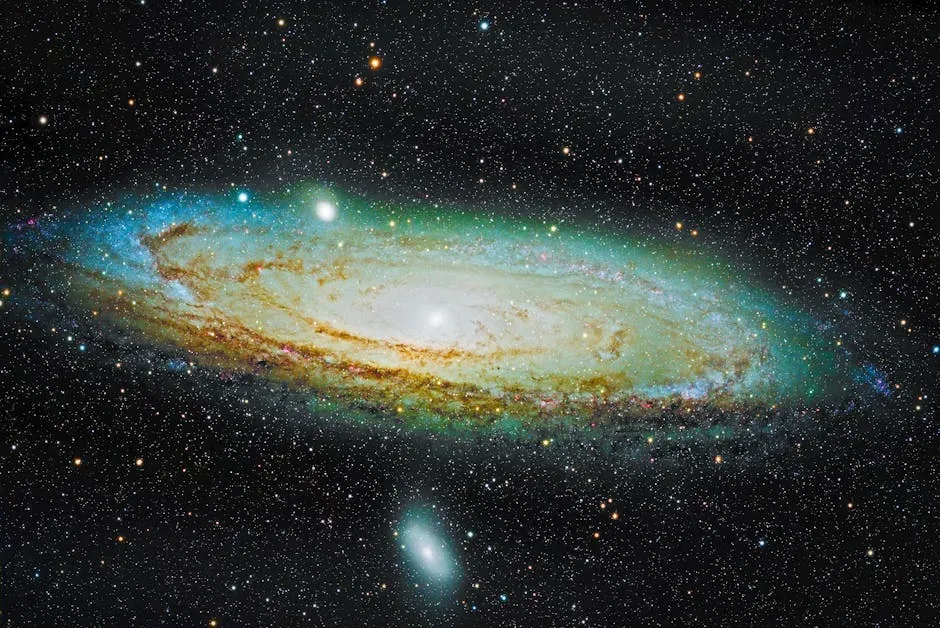
Once you wrap your mind around galaxies stretched over ten million light‑years, harboring tens of trillions of stars and black holes heavier than entire small galaxies, your own everyday scale feels almost laughable. Yet there is something quietly empowering about that perspective. From a fragile planet around an ordinary star in a very average galaxy, you are able to detect, measure, and interpret these extremes with nothing more than clever instruments and stubborn curiosity.
are not just trivia trophies; they are signposts that point you toward the deepest processes shaping the cosmos. Each new giant challenges your definitions, your models, and sometimes your intuition about what gravity can build. As you look up at the night sky, could you have imagined that some galaxies out there are big enough to swallow entire galaxy groups whole?