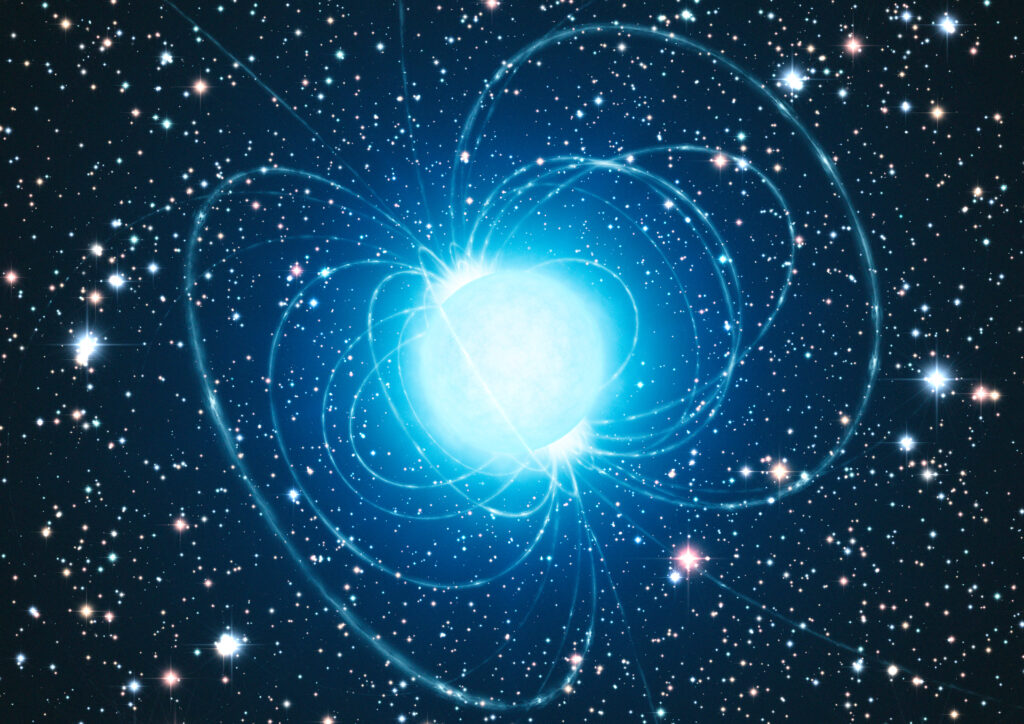

You spend your whole life thinking of space as mostly empty and harmless, a silent black ocean where stars are tiny pinpricks of light. Then you meet magnetars: compact stellar corpses whose magnetic fields are so extreme that the usual rules of matter start to break down. From a distance that would still look like ordinary darkness to your eyes, the physics around a magnetar becomes downright hostile to atoms themselves.
Astrophysicists have been slowly piecing together just how wild these objects are, and the more you learn, the stranger it gets. You are not just talking about strong magnets; you are talking about fields so intense that they can twist atomic structures, polarize empty space, and unleash bursts of energy that briefly outshine entire galaxies. Once you see what a magnetar can do, your everyday sense of what is “extreme” suddenly feels pretty tame.
What Exactly Is a Magnetar and Why Should You Care?
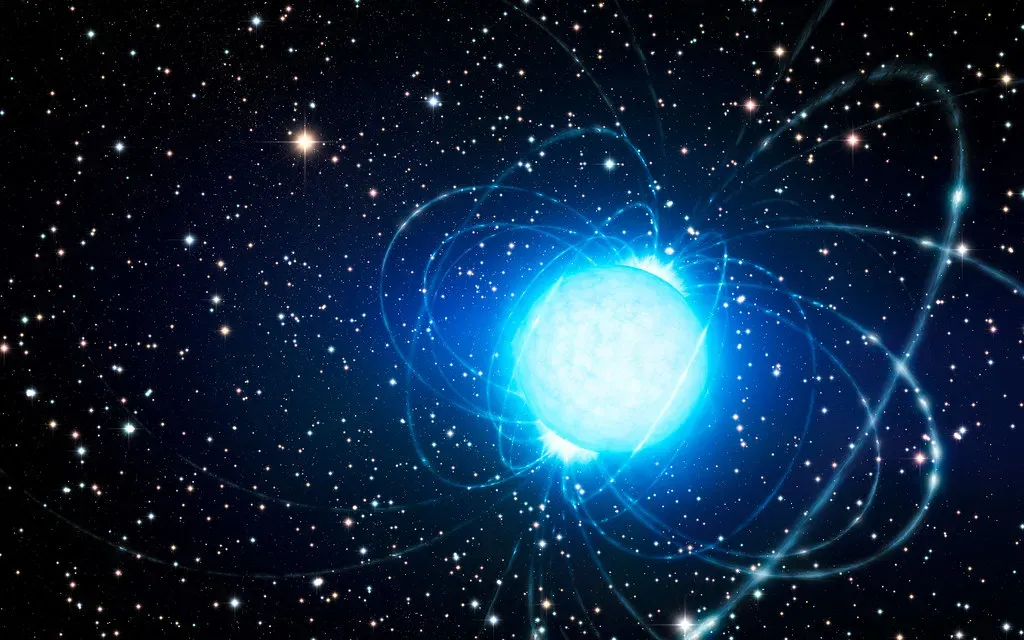
You can think of a magnetar as the overachieving cousin of a neutron star, already one of the most extreme objects you will ever hear about. A neutron star is what you get when a massive star explodes in a supernova and its core collapses into a sphere only about the size of a city, yet cramming in more mass than the Sun. A magnetar is a special kind of neutron star whose magnetic field is cranked up to almost absurd levels, far beyond what a normal neutron star usually carries.
When you hear “strong magnetic field” you might picture a lab magnet or maybe the field around Earth that guides compasses. But a magnetar’s field does not play in the same league; it is more like comparing a candle to a lightning strike. You care about magnetars because their conditions push physics right to its limits, where the theories you use for atoms, light, and even empty space itself start to behave differently. If you want to understand how the universe really works under maximum stress, magnetars are where you look.
How Strong Are Magnetar Magnetic Fields Compared to Anything You Know?
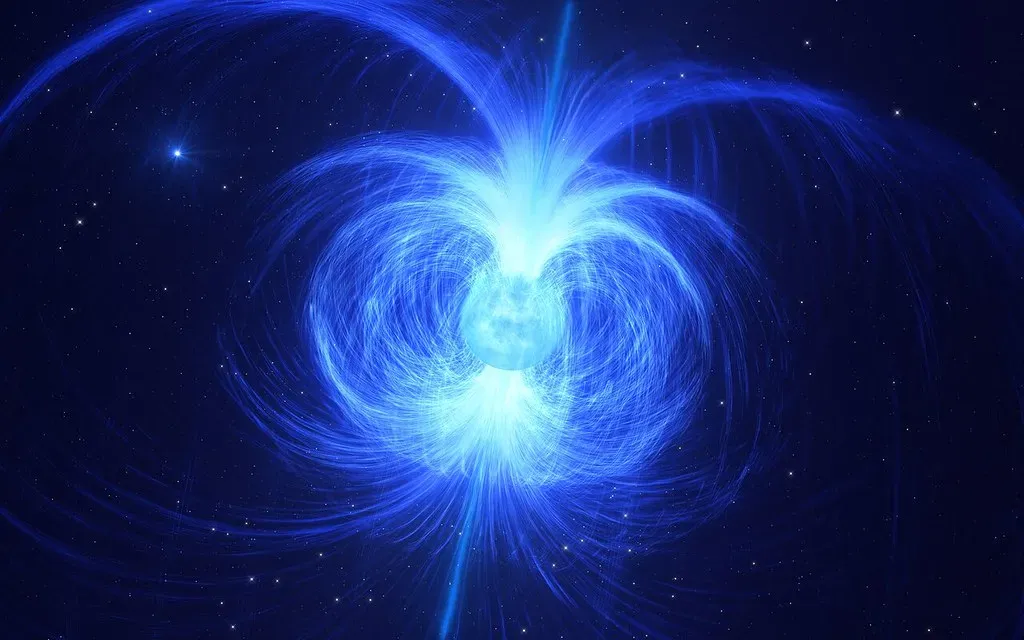
Your brain is not built to intuitively grasp the scale of a magnetar’s magnetic field, so it helps to walk up the ladder. Earth’s magnetic field is comfortable and weak, just strong enough to form auroras and nudge compass needles. A typical fridge magnet is already many times stronger than Earth’s field, yet you still casually pry it off with your fingers while grabbing a snack. Even the magnetic fields generated in advanced laboratories, used to confine plasma or study exotic materials, sit millions or billions of times stronger than Earth’s field and still cannot come close to a magnetar.
Now imagine cranking that intensity up again by a factor of roughly a trillion beyond those already extreme lab fields. That is the rough realm of a magnetar, where the field is so enormous that the usual comparisons break down and you start having to talk in terms like “field strong enough to deform atoms” or “field that rivals the structure forces inside matter.” If you placed a magnetar roughly halfway between Earth and the Moon, its magnetic field could theoretically erase your bank cards and disrupt electronics on Earth despite that unbelievable distance. From a region of space that might look just like ordinary darkness to you, the magnetic influence would be unimaginably destructive at the microscopic level.
How Can a Magnetic Field Alter Matter at the Atomic Level from So Far Away?
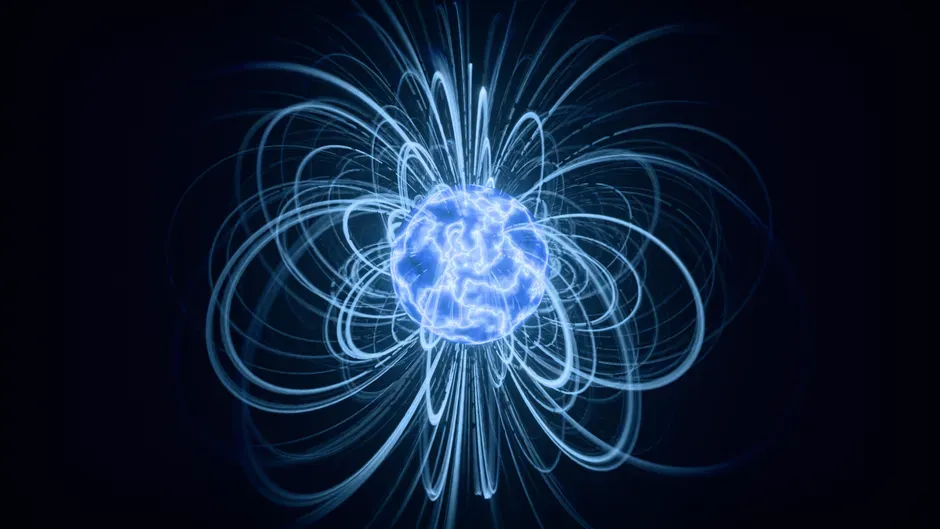
To understand how a magnetar’s field can mess with atoms from afar, you need to remember what an atom really is: a tiny nucleus surrounded by a cloud of electrons whose behavior is governed by quantum mechanics and electromagnetic forces. In everyday life, external magnetic fields are far too weak to do more than slightly nudge electron motion, which is why you only see subtle effects in experiments and specialized devices. Around a magnetar, that field becomes so dominant that it can stretch, squeeze, and reconfigure how electrons are allowed to orbit, effectively reshaping the atom’s energy levels and orientation.
At distances where the magnetar itself would be a mere speck or not even visible to the naked eye, the field can still be strong enough to polarize matter. You can imagine atoms being forced into long, thin shapes aligned with the field lines, almost like tiny metallic filings dragged into order on a grand cosmic scale. In even closer regions, the field can be strong enough to rip apart molecular bonds and strip electrons entirely, turning normal matter into an exotic, magnetically dominated plasma. From your point of view, you might think you are floating safely in “empty space,” yet at the atomic level, the rules are being rewritten by an invisible hand.
When Quantum Physics and Magnetars Collide: Vacuum That Is Not Really Empty
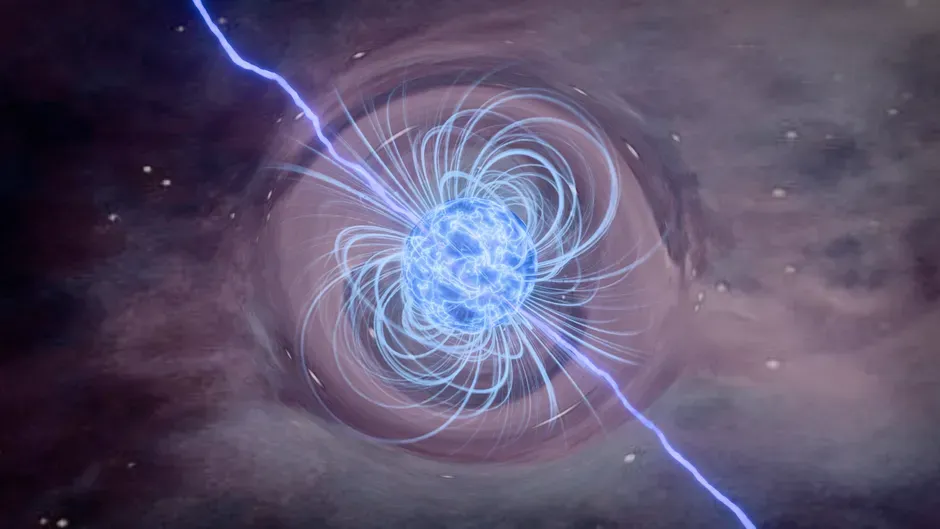
Once you climb to magnetar-strength fields, something deeply unsettling happens to your concept of empty space. In standard physics, a vacuum is supposed to be the absence of matter and fields, an ideal background where light travels in straight lines at a constant speed. But quantum field theory already hints that vacuum is never truly empty; it is seething with temporary particle–antiparticle pairs that pop in and out of existence too fast for you to normally notice. Under ordinary conditions, these virtual processes are subtle and do not change what you see on everyday scales.
A magnetar’s magnetic field turns that quiet background noise into a loud distortion, strong enough to modify how light and virtual particles behave. In such extreme conditions, the vacuum itself becomes birefringent, meaning light polarized in different directions can travel at slightly different speeds, a bit like how polarized sunglasses filter glare. To you, this is mind-bending: the field is not just influencing atoms, it is altering the very medium that light uses to move, even where there is no conventional matter. From far away, the region around the magnetar still looks like black space, but if you could measure it finely enough, you would find that “empty” space has developed optical properties under the crushing weight of magnetism.
What Would Happen If You or Your Technology Came Near a Magnetar?
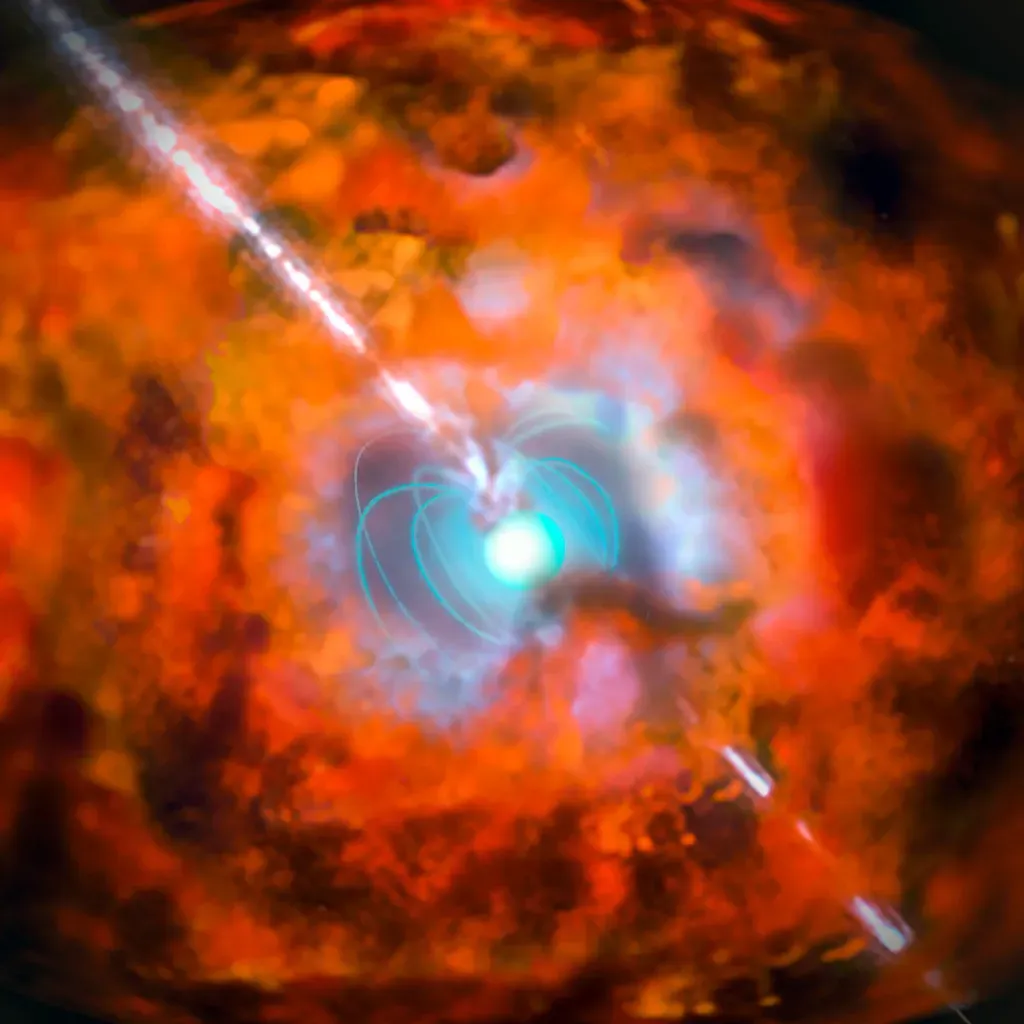
If you tried to bring any familiar piece of technology near a magnetar, its survival chances would be essentially zero long before you got close enough to see much detail with your own eyes. Strong magnetic fields exert forces on electric charges and currents, so the electronics you depend on would be violently disrupted, fried, or torn apart by induced currents. Even solid structural materials could experience stresses from magnetic gradients, especially if they contain conductive or magnetic components, causing subtle distortions or catastrophic failures depending on how close you ventured.
Your own body, made of atoms and molecules held together by electromagnetic interactions, would not fare any better. At distances far beyond what you would think of as “safe,” the field could start polarizing and distorting atomic structures, interfering with nervous system signals and basic chemistry. Closer in, molecular bonds could be broken, and the matter that makes you “you” would be stripped into a strange, super-magnetized plasma. You never get a tender warning sign saying you are too close; the transition from ordinary physics to utterly hostile conditions is set only by field strength, and magnetars reach that threshold long before you would think anything is happening just by looking around.
How Do Astrophysicists Know Any of This If Magnetars Are So Distant?
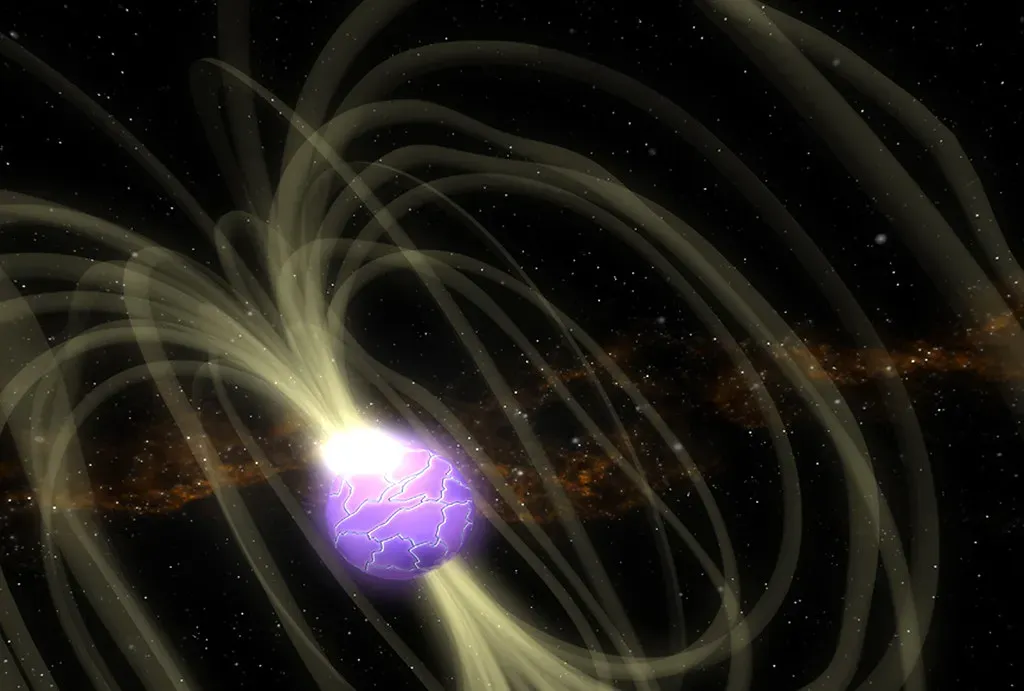
You might wonder how anyone can be so confident about the behavior of matter and fields around magnetars if you can never send a probe there or run a direct experiment. The answer is that you combine your best theories of quantum electrodynamics, nuclear physics, and general relativity with the signals you can actually detect: X-rays, gamma rays, and bursts of high-energy radiation. Magnetars occasionally produce spectacular flares and repeating outbursts that carry the fingerprints of extreme magnetic processes, including how light is polarized and how quickly it changes over time. When you compare these observations with your theoretical models, you get a surprisingly consistent picture of what must be happening.
Over the past few decades, you have seen several magnetar candidates behave in ways that ordinary neutron stars and black holes simply do not, especially in how they emit soft gamma-ray repeaters and anomalous X-ray pulsations. By tracking their pulse periods, brightness variations, and spectra, you infer magnetic field strengths and energy budgets that only make sense if these are magnetars. You are essentially treating the universe as a giant laboratory, using the faint light from these distant objects as your data stream. It is indirect, yes, but when multiple lines of evidence line up, your confidence in this extreme magnetic picture grows stronger.
Why Magnetars Matter for Your Bigger Picture of the Universe
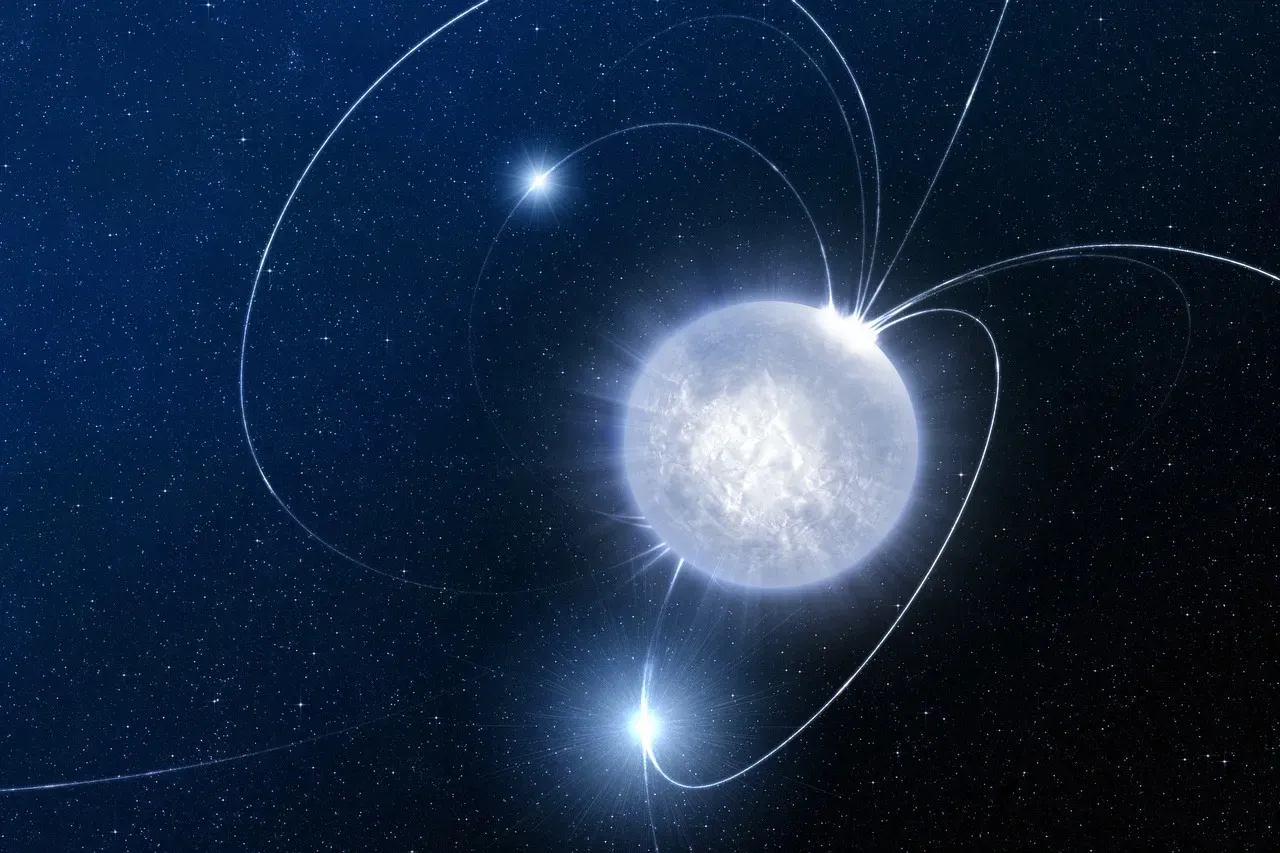
Even if you never get anywhere near a magnetar, what happens around them still shapes your universe in subtle but important ways. Their intense flares can influence the space environment of nearby stars and planets, injecting high-energy particles and radiation into surrounding regions. In very rare cases, an especially powerful flare could pose a hazard to life or technology on a planet orbiting uncomfortably close by, making magnetars potential players in the habitability story of their local cosmic neighborhoods. They also contribute to high-energy backgrounds and may be linked to some mysterious signals, such as certain fast radio bursts.
On a deeper level, magnetars are natural laboratories for physics you simply cannot reproduce on Earth, no matter how powerful your machines become. By studying them, you test your understanding of how matter behaves at nuclear densities, how quantum fields respond to super-strong magnetism, and how energy is stored and suddenly released in extreme environments. Every time your models of magnetars succeed or fail, you learn something new about the laws that govern everything from the inside of atoms to the evolution of galaxies. In that sense, when you try to grasp how a magnetar can alter matter from what looks like empty space, you are really probing the outer edge of what reality allows.
How This Changes the Way You Think About “Empty” and “Safe” Space
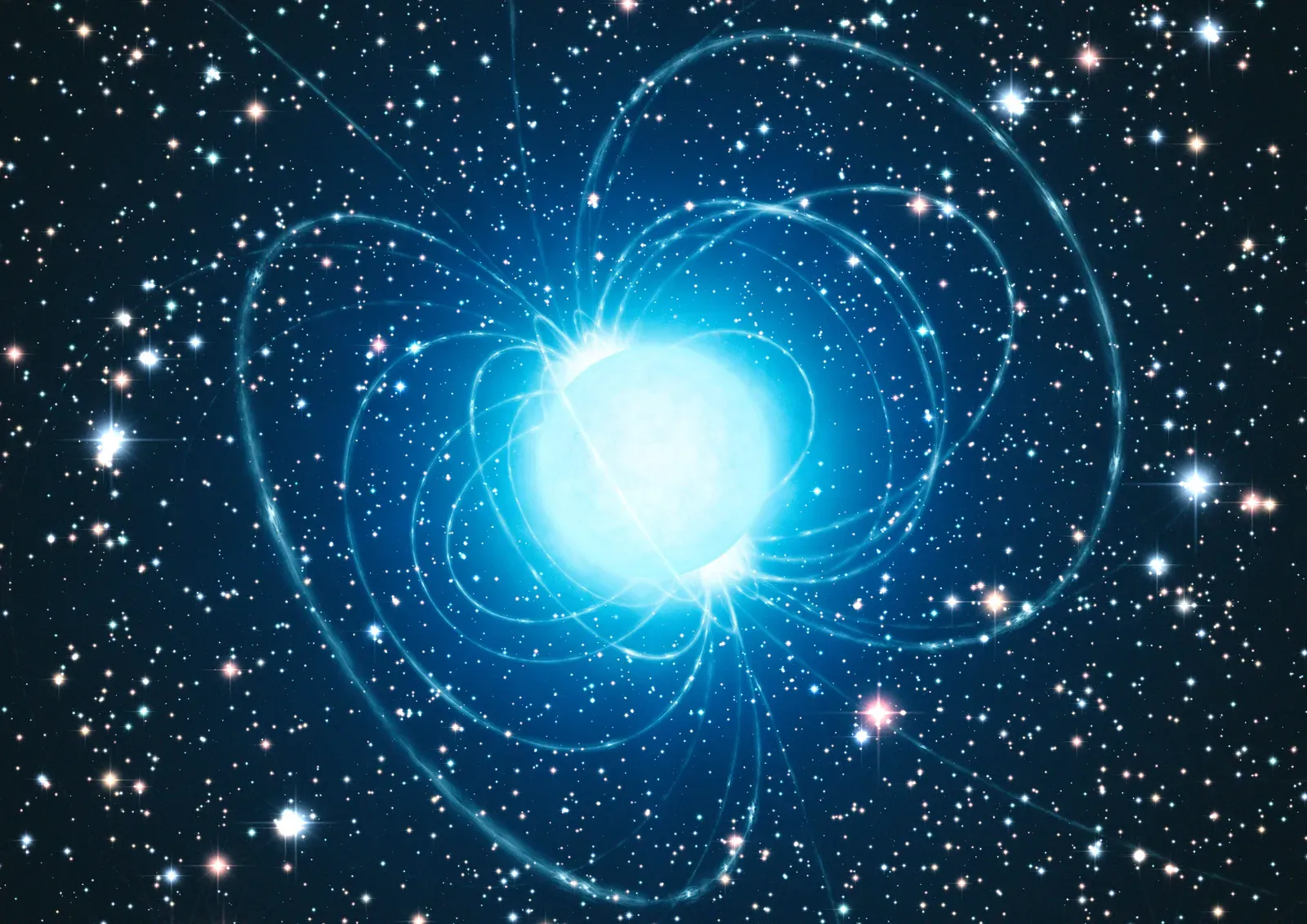
Once you absorb what magnetars can do, your intuition about space being mostly benign emptiness starts to crumble. You realize that just because something looks like deep, dark void to your eyes does not mean the physics there is calm or friendly. Invisible fields can be towering in strength, reshaping atoms and even the fabric of vacuum long before any visible cue reaches you. The comfort you usually get from seeing nothing and assuming safety does not hold up when you are operating on cosmic scales infused with extreme objects like these.
This shift in perspective can be oddly humbling and strangely inspiring at the same time. You recognize how limited your senses are, and how much you depend on careful measurements and theory to really know what is out there. Magnetic fields, radiation, and quantum effects quietly sculpt the universe behind the scenes, even when all you see is blackness. When you think of magnetars now, you are reminded that the cosmos hides ferocious intensity inside tiny dots of matter, and that what seems empty can, in truth, be violently active. It is a good reason to keep your curiosity sharper than your comfort.
In the end, magnetars force you to face a simple but profound idea: the universe is not built to human scales, and the threats or wonders it holds often lie far beyond the reach of your senses. A place that would look like harmless, star-sprinkled darkness from your viewpoint can actually host magnetic fields powerful enough to twist atoms and rewrite the rules of matter. Yet those same extremes give you a rare chance to test your best theories and glimpse how nature behaves under maximum pressure. When you imagine that quiet patch of space now, knowing it could secretly harbor such a monster, does it make the cosmos feel a little more terrifying – or a lot more fascinating?