If you have ever felt the ground suddenly move beneath your feet, you know how helpless that moment feels. Now imagine getting a reliable warning minutes, or even seconds, before that shaking hits. Around the world, scientists and engineers are pushing artificial intelligence into one of the hardest challenges in geoscience: spotting the subtle signals that might come before a big quake and turning them into usable early warnings.
You are not alone if you have heard bold claims about earthquake prediction and felt skeptical. For decades, experts have said that exact prediction is basically impossible, at least with the tools we’ve had. What is changing now is not the physics of the Earth, but your ability to process staggering amounts of seismic and environmental data using AI. These models are not magic crystal balls, but they are starting to see patterns you simply could not detect before – and that is where things get exciting, and a bit daunting.
The Difference Between Prediction and Early Warning
When you hear about AI and earthquakes, it is important to separate two ideas in your mind: prediction and early warning. Prediction is the dream scenario where you are told days or weeks in advance that a specific fault will rupture at a given magnitude. Early warning is much more modest but already life‑saving: you get a few seconds to tens of seconds of notice after a quake has started, but before the strongest shaking reaches you.
You already live in a world where early warning is real in some regions, like Japan, Mexico, and parts of the United States, but those systems mainly use fast traditional algorithms on seismic data. AI models are being layered on top of these to recognize the first tiny waves – like the soft tap before the heavy punch – and estimate quickly how bad the shaking will get. For you, that difference might be the time it takes to duck under a desk, slow a train, shut a gas valve, or move out from under a heavy shelf.
Why Earthquakes Are So Hard for Humans to Predict

If you have ever wondered why we can predict a solar eclipse down to the second but not a major earthquake, the answer comes down to complexity and chaos. The Earth’s crust is full of faults interacting in three dimensions, with rock properties that change over space and time. Unlike the orbits of planets, which follow clean mathematical paths, fault systems are messy, nonlinear, and only partly observed.
On top of that, you simply do not have enough high‑quality data from truly large earthquakes to build old‑style statistical models with confidence. Think of it like trying to predict the ending of a thousand‑page novel after only reading three pages at random. Traditional seismology relies on physical equations and simple patterns, and those still matter deeply, but AI gives you a way to let the data itself suggest patterns you might not even know to look for. That is precisely why researchers are turning to machine learning: not because they have given up on physics, but because physics alone has not cracked the problem.
How AI Learns from Billions of Tiny Earth Tremors
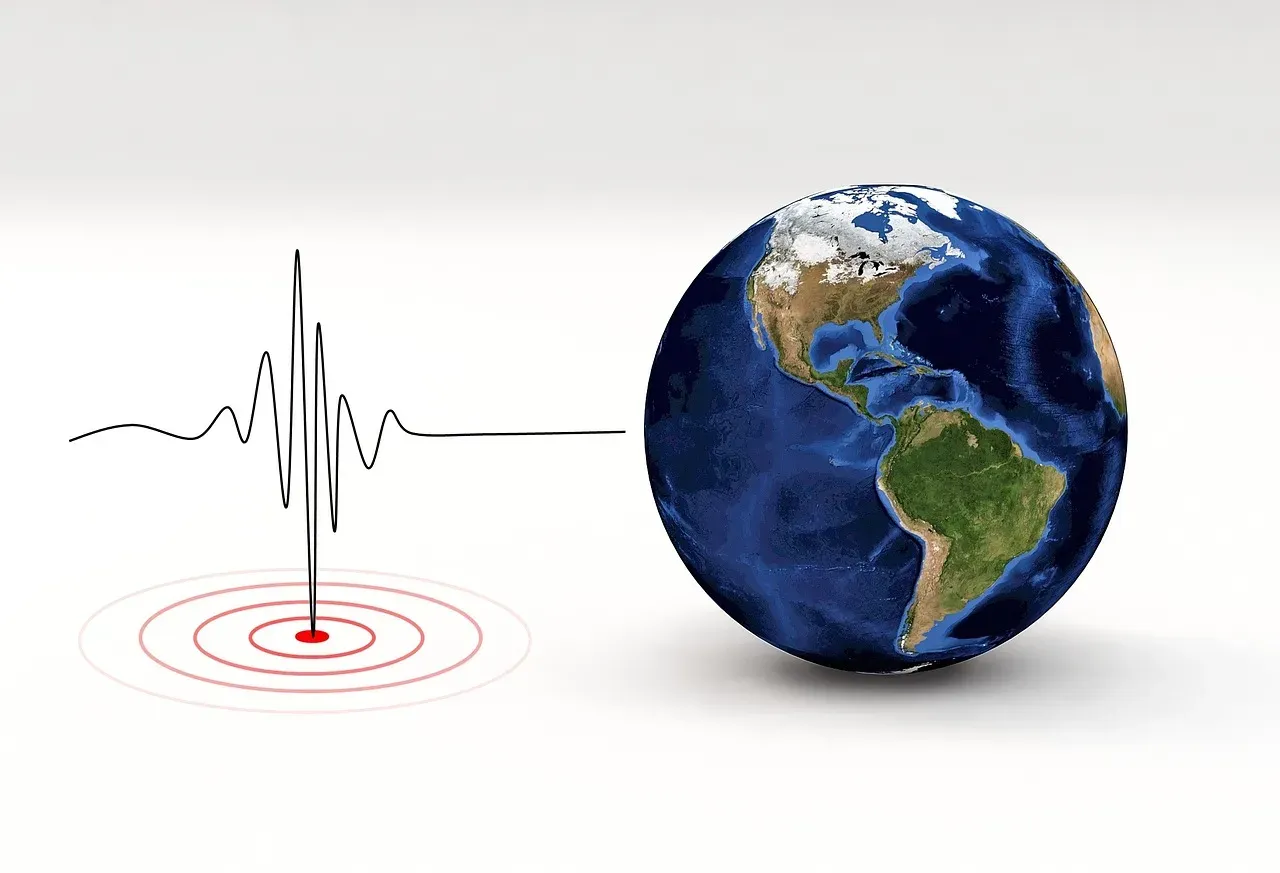
Every day, the planet trembles with countless tiny earthquakes and background vibrations you never feel. You can think of this as the Earth constantly whispering, and for decades a lot of those whispers were simply stored on hard drives and barely listened to. AI models thrive on exactly this kind of massive, noisy dataset, where there may be weak, hidden relationships scattered across millions or billions of examples.
Deep learning models, like convolutional or transformer‑style neural networks, take raw seismic waveforms and learn to spot patterns associated with different types of quakes. Instead of you hand‑coding rules such as “if the first wave looks like this, do that,” you let the model discover which shapes in the data matter most. In practice, that means an AI system can be trained on years of archived seismograms from around the world, then used to instantly classify new signals, detect microquakes you would otherwise miss, and possibly pick up subtle changes in how a fault is behaving over time.
Spotting Subtle Precursors You Would Never See by Eye
A big reason AI is so promising for earthquake work is that your eyes and standard tools are not great at spotting extremely faint or complicated precursors. Researchers are testing whether models can detect tiny shifts in seismic noise, slight changes in wave speed, or unusual clustering of microquakes that might hint a fault is getting close to failure. On a single station, those signals might look like random static, but across hundreds of stations and years of data, patterns begin to emerge.
You can think of it like listening to a crowded stadium: to you, it is just roar, but an AI trained on enough recordings might learn to tell when the crowd is about to erupt into a goal celebration. In a similar way, an AI model can be asked to flag periods when the background seismic “hum” changes character in ways that historically have been followed by significant shaking. This does not mean you suddenly know that a magnitude seven quake will hit tomorrow at noon, but it might mean you can say, with some caution, that a particular region is entering a higher‑risk window.
Enhancing Existing Early‑Warning Systems in Real Time
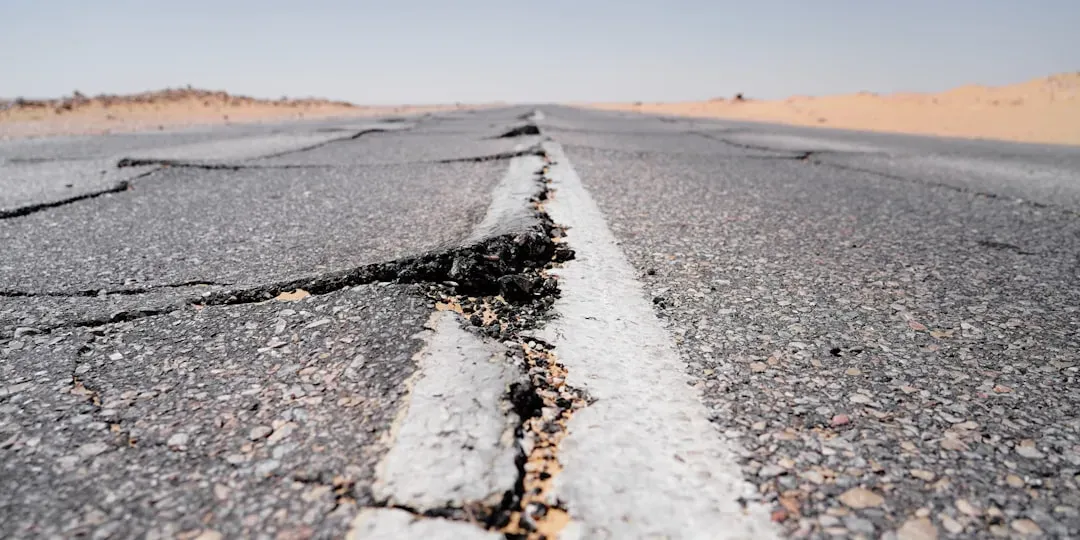
Where you see AI already having practical impact is not in science fiction‑style forecasts, but in sharpening early‑warning systems that are already deployed. Traditional systems quickly estimate an earthquake’s location and magnitude from the first arriving waves, but they can struggle when the event is very large or complex. AI models are being trained to take those first seconds of data and immediately produce better estimates of how much shaking different cities are likely to feel.
For you, that could mean getting alerts that are both faster and more accurate, reducing false alarms and missed events. Some experimental systems combine seismic signals with GPS measurements of ground motion, and AI helps fuse those different data streams into a single, cleaner picture. In a sense, the model is acting like a very fast, very focused assistant that watches every sensor at once and shouts a warning the moment it sees a familiar danger pattern unfolding.
Using Synthetic Earthquakes When Real Data Is Scarce
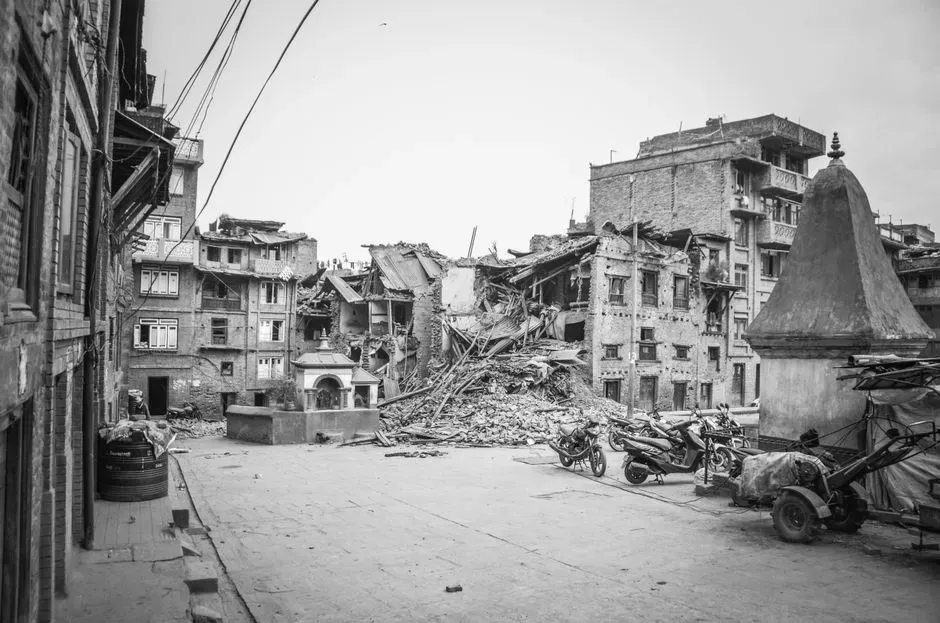
One of the quiet but powerful tricks behind modern AI for earthquakes is the use of synthetic data. Because large, damaging earthquakes are rare in any one place, you do not have enough real examples to fully train a deep model. To get around this, researchers simulate thousands of realistic earthquakes on virtual versions of the Earth’s crust and generate artificial seismograms for them. You can think of it as having a flight simulator for the planet’s faults.
By training AI models on a mix of real and synthetic events, you help them generalize better to rare but dangerous scenarios. This approach lets you explore “what if” cases – like slightly different rupture paths or depths – that have not yet occurred in recorded history but are still physically plausible. It is not perfect, because every simulation depends on assumptions, but it is a huge step up from waiting decades for enough big quakes to happen naturally. For you, the payoff is an AI system that has already “seen” far more earthquake varieties than any single human career could encompass.
What AI Can Do Today – and What It Still Cannot
You should be wary of anyone claiming that AI has solved earthquake prediction in the strict sense. Right now, the evidence is strongest for improvements in detection, classification, and very short‑term alerts once a rupture has started. In some test cases, models have shown promise in identifying higher‑risk periods or recognizing patterns that preceded past quakes, but reproducible, precise predictions with long lead times remain out of reach. The Earth is simply too complex, and the physics of fault failure is still not fully understood.
What you can realistically expect in the coming years is a gradual tightening of the feedback loop between data and decision‑making. AI will likely give you faster, more reliable early warnings, better hazard maps, and more nuanced assessments of aftershock risk. It may also help you understand which buildings or infrastructures are most vulnerable, by combining seismic information with structural and geographic data. That is a big deal for emergency planning, even if it falls short of the dream headline where tomorrow’s quake is called out with calendar‑style precision.
How These Advances Could Change Your Life and Community
When you translate all this technical progress into daily life, the impact becomes very tangible. Imagine your phone, your city’s transit system, your kids’ school alarms, and hospital equipment all linked to an AI‑enhanced network of sensors. A few extra seconds of warning can let surgeons pause delicate procedures, factory robots stop dangerous movements, trains brake smoothly, and elevators open at the nearest floor. For you at home, that same alert might be what nudges you to move away from heavy furniture or step outside.
At a community level, better AI‑driven risk assessments can shape which neighborhoods get retrofitted first, where new critical facilities are allowed to be built, and how insurance and building codes evolve. You might see more cities running earthquake drills that are informed by realistic simulations computed with AI, rather than simple paper scenarios. Personally, I remember the first time my phone blared an earthquake alert; even though the shaking turned out to be mild, it hit me that a silent, invisible system had been working nonstop to give me those few seconds. AI is about making that invisible guardian sharper, faster, and more widely available.
Ethical Risks, False Alarms, and Managing Your Expectations
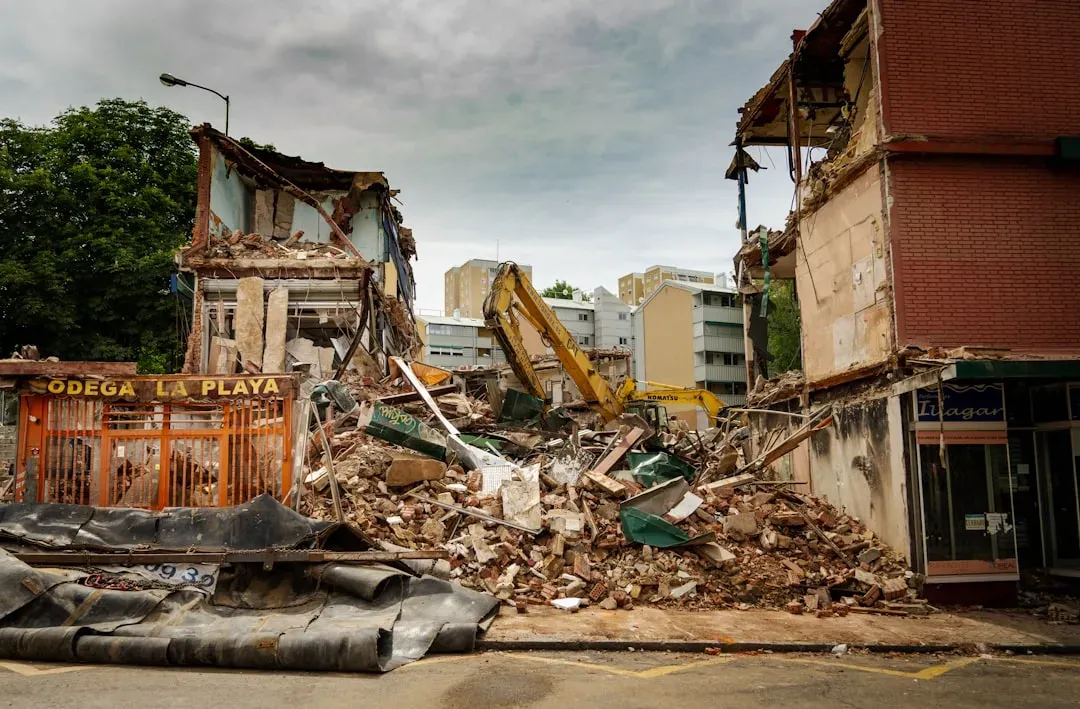
As AI creeps closer to the edges of true prediction, you also face tricky ethical and social questions. If a model says there is a heightened probability of a major quake in the next month, but with lots of uncertainty, do you tell the public and risk panic, or keep quiet and risk being unprepared? Too many false alarms can erode trust, but missing a real event can be catastrophic. You sit right in the middle of that tension as a citizen who both wants honesty and craves certainty that science simply cannot yet provide.
There are also concerns about unequal access and misuse. Wealthier regions might get sophisticated AI‑driven systems while poorer communities remain exposed, stretching existing inequalities. Insurance markets, property values, and even migration patterns could shift based on how AI‑generated risk maps are interpreted. For you, the healthiest stance is cautious optimism: appreciate the genuine progress while accepting that AI is adding new tools to earthquake science, not rewriting the laws of nature. In other words, you should prepare better, not relax more.
Conclusion: A Smarter Relationship with a Restless Planet
When you step back, the story of AI and earthquakes is really about how you choose to live with a restless planet. These models are not oracles, but they are giving you sharper ears and faster reflexes in a game where seconds and small insights matter. Instead of waiting helplessly for the next big one, you are slowly gaining systems that listen more carefully to the deep rumblings under your feet and turn those whispers into useful action.
For you, the most powerful change may be psychological: shifting from a mindset of pure surprise to one of informed readiness. No AI will ever stop tectonic plates from grinding or faults from snapping, but smarter tools can help you design safer buildings, plan better responses, and grab every scrap of warning time the physics allows. As these models keep learning from each quake, each tremor, and each near miss, you are, in a sense, learning along with them. When the ground moves next time, how much will you wish those systems had been pushed just a little further today?