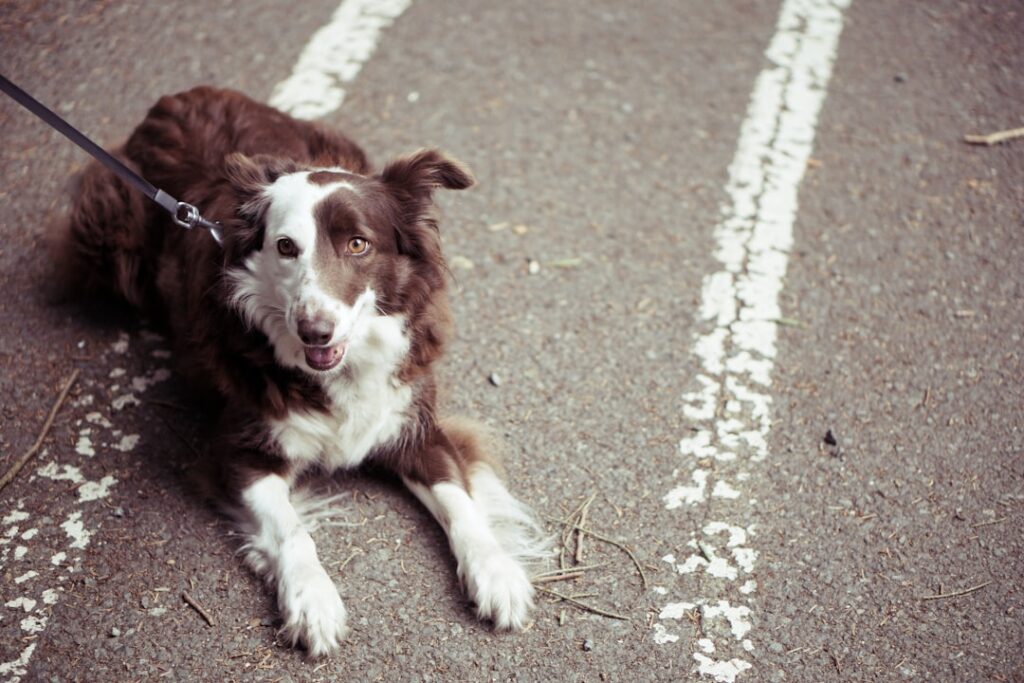
You know that feeling when your dog suddenly slams on the brakes at the exact same spot on your walk, every single day? The leash goes tight, their body drops low, the tail freezes or tucks, and you find yourself awkwardly coaxing, bribing, or even dragging them a few steps forward. It can feel random, dramatic, or even a little embarrassing in front of your neighbors.
But there’s a growing body of canine behavior research that suggests something much deeper may be happening. Your dog might not be being stubborn at all. Instead, they could be remembering a moment of genuine fear or threat that you never saw, possibly even a close call with a predator or aggressive animal when you were looking the other way. When you start looking at that “weird” stopping point through the lens of memory, survival, and instinct, the entire scene suddenly looks a lot less silly – and a lot more serious.
The Surprising Power of Your Dog’s Fear Memories

When your dog refuses to walk past a particular spot, you’re watching memory in action, not random drama. Dogs form strong emotional memories, especially around fear and pain, and those memories can lock onto specific sights, smells, and sounds along a route. In other words, that one patch of sidewalk might be less about where you are and more about what your dog once felt there.
Researchers studying canine learning have repeatedly found that fear-based memories tend to stick far longer than neutral or positive ones. This makes sense from a survival standpoint: remembering where something scary happened can help an animal avoid danger in the future. So if there was once a threatening dog, a coyote, a loud bang, or even a sharp pain near that spot, your dog’s brain may have quietly filed it away under “do not repeat.”
Why Predator Encounters Leave a Lasting Mark

You might think, “There are no predators in my neighborhood,” but from your dog’s perspective, a predator can mean more than a wild animal. A loose aggressive dog charging a fence line, a large bird swooping low, or even a human approaching in a threatening way can all register as a predator-like event. Your dog does not need to be physically attacked for their brain to treat something as a near miss and sound an internal alarm.
When that kind of encounter happens, even once, your dog’s stress system kicks into high gear. Hormones linked to fear and arousal pour into their system, their heart races, and their brain connects that intense spike of fear with the exact context: the smell of the grass, the sound of a truck, the corner of the street, the specific crack in the pavement. Later, when you approach the same place together, their body remembers before you do. You see a sidewalk; they see a warning sign.
How Dogs “Map” Danger onto Their Walking Routes
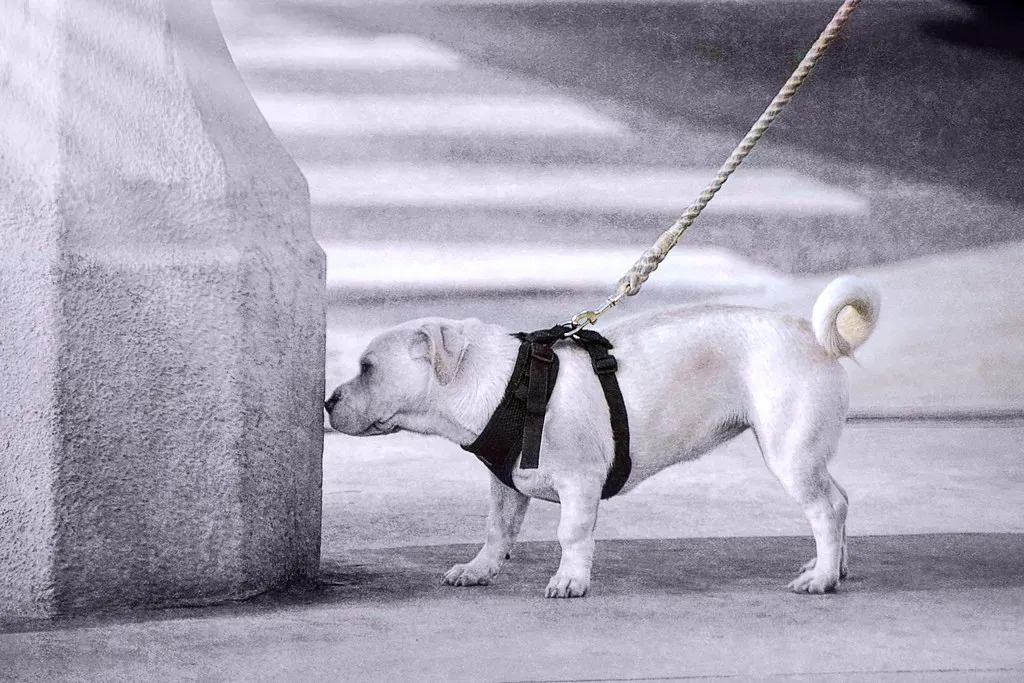
You probably think of your walking route in terms of distance and landmarks – three blocks to the park, left at the big tree, right at the mailbox. Your dog is doing something similar but with a heavy emphasis on scent and emotional significance. To them, your neighborhood is a living map of smells and feelings, and dangerous encounters carve deep, bold lines on that map.
If your dog once detected a predator or aggressive animal at a spot, they may treat that location as a red zone from then on. You’ll often notice early warning signs as you approach: slowing down, scanning, sniffing the air more intensely, or subtly leaning away from that side of the street. When the memory is strong enough, their refusal becomes dramatic: they plant their feet, pull backward, or try to cross the road. It’s not random disobedience – they’re simply choosing survival over your walking plan.
Clues That Point to a Past Predator or Threat
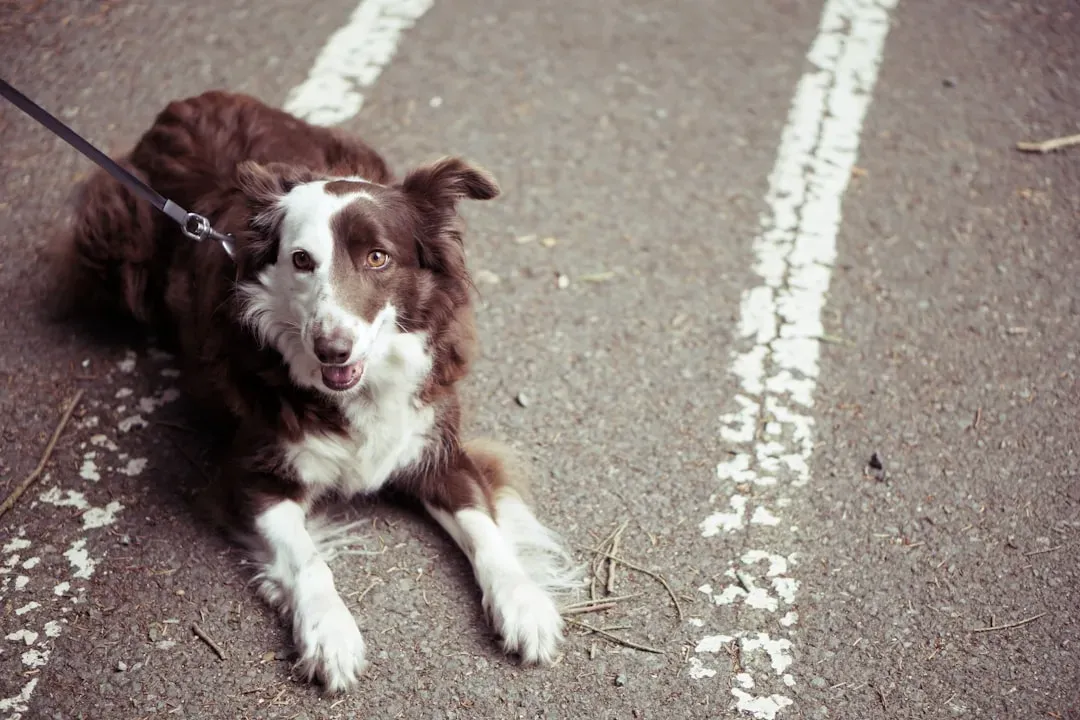
You obviously can’t rewind time and watch what happened at that corner on a random Tuesday months ago. But your dog’s behavior gives you clues. If the refusal is very specific – only at one spot or very narrow section of your route – there’s a good chance your dog has linked that exact place to something that felt truly dangerous. You might also notice their ears pinned back, whites of the eyes showing, lip licking, yawning, or a tight, closed mouth as you get closer.
Another sign is what they do if you insist. If you coax or drag them forward and they rush past the area with their body low, tail down, and head averted, that’s classic avoidance, not stubbornness. Some dogs will try to sprint past as if running through a patch of fire. Others may shut down and freeze. These reactions line up closely with what behavior specialists see in animals that have had one bad scare in a specific context and never forgot it.
Other Reasons Your Dog Might Refuse a Certain Spot
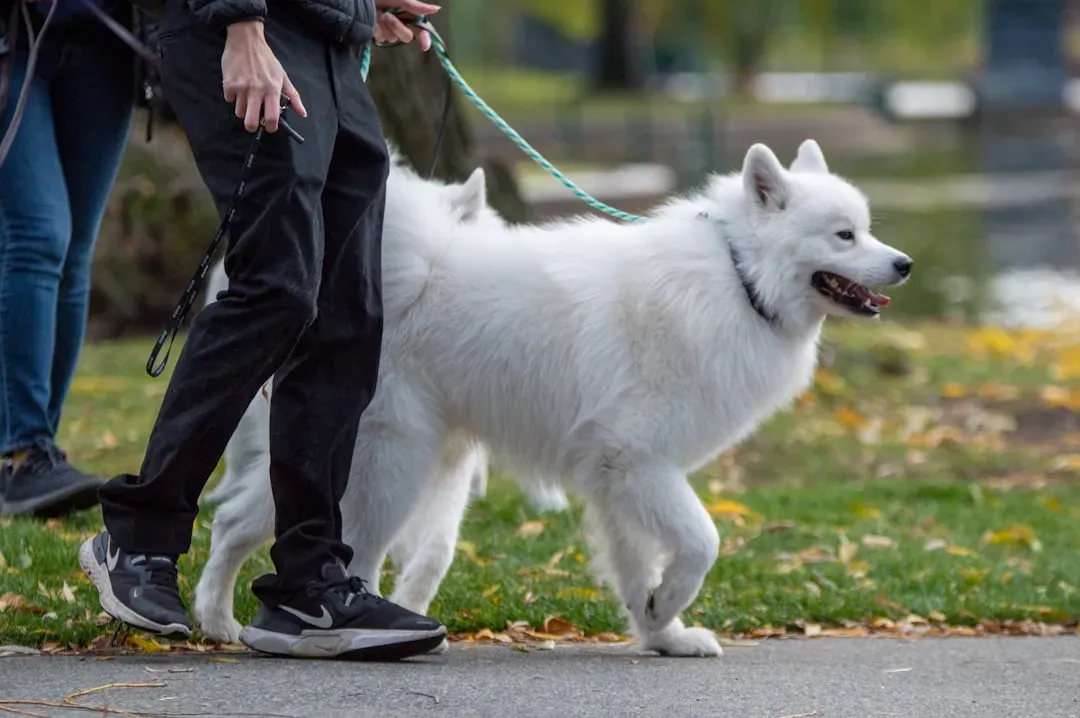
Of course, not every refusal points to a predator. You have to keep your thinking balanced and grounded in what we actually know. Sometimes, the problem is more mundane: a sharp grating noise from a manhole cover, a spot where a heavy metal gate bangs shut, a place where garbage trucks or buses frequently roar by, or even a recurring smell of harsh chemicals. Those can all be frightening or uncomfortable enough to create a mental “do not enter” zone for your dog.
Pain can play a role too. If your dog once stepped on broken glass, slipped on ice, or twisted a joint right at that spot, they may simply associate that location with physical discomfort. That can look very similar to predator-linked avoidance on the surface. This is why it helps to think like a detective: consider the environment, time of day, local animals, and noises, and combine that with your dog’s body language to build a realistic picture instead of jumping straight to the most dramatic explanation.
What You Should Never Do When Your Dog Panics at a Spot
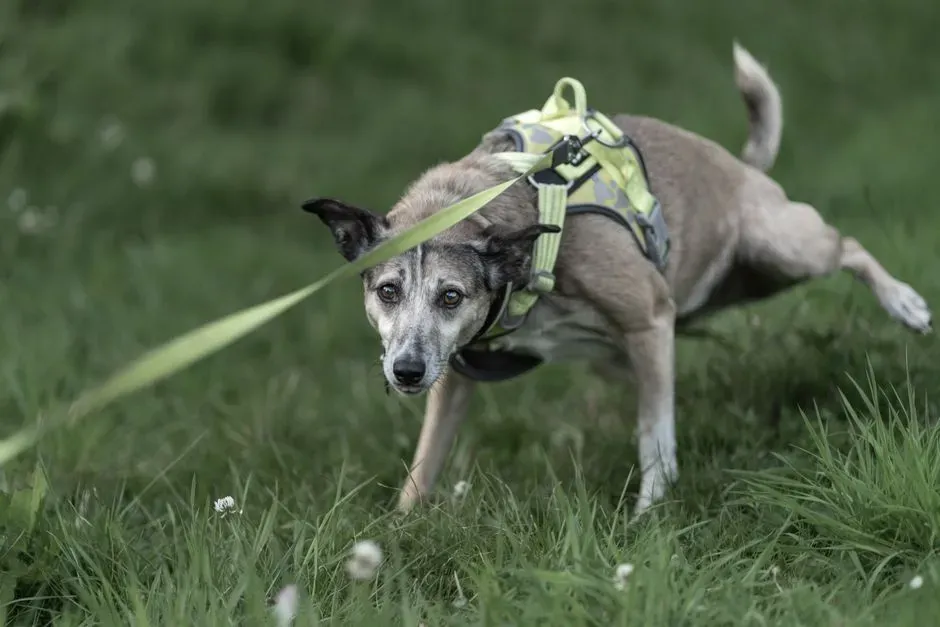
When you are running late or frustrated, it is really tempting to just drag your dog forward and hope they “get over it.” The problem is that forcing them through a fear trigger, especially repeatedly, can make the memory stronger, not weaker. From your dog’s perspective, you are trapping them in the danger zone and ignoring every signal they are sending that they feel unsafe. That can damage both their confidence and their trust in you.
Another common mistake is scolding, yanking the leash, or using punishment-based tools to “correct” the hesitation. Fear cannot be punished out of a dog; it just gets layered with confusion and stress. When you add pain or harsh pressure to a place that already feels threatening, you risk turning a manageable fear into a full-blown phobia. Instead of powering through, you are better off taking a step back – literally and figuratively – and approaching the problem as something to be gently retrained, not forced.
How to Help Your Dog Feel Safe Again on That Route
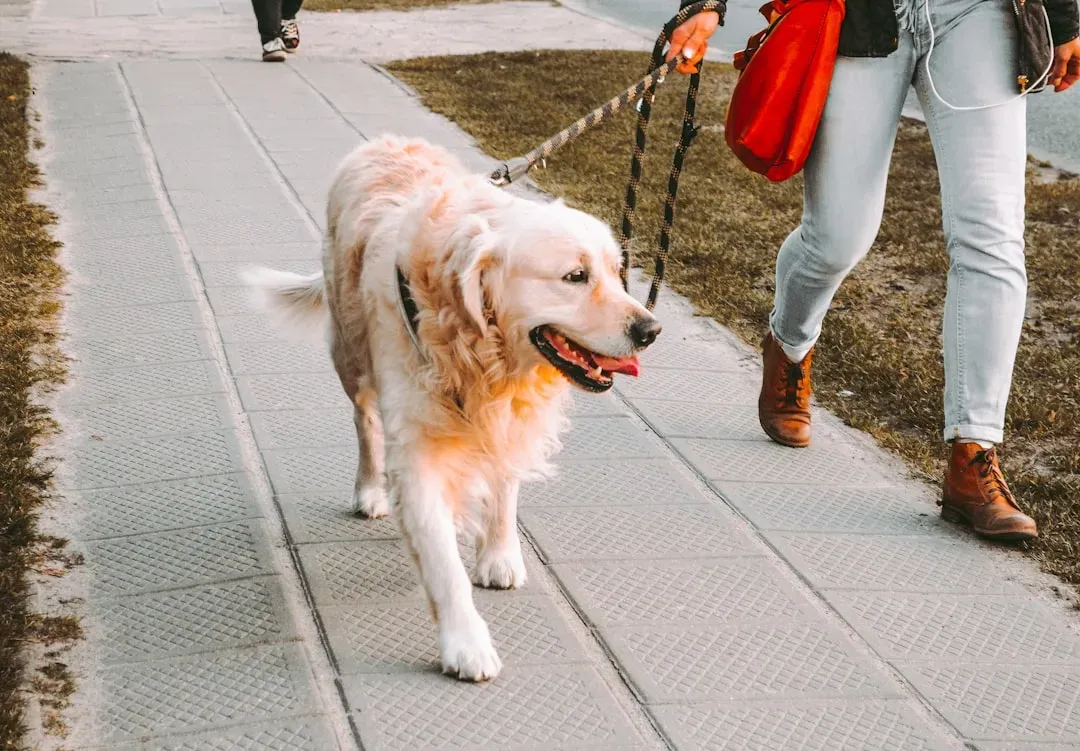
The most humane and effective way to handle that scary spot is to work with your dog’s emotions, not against them. Start by finding the distance at which your dog can see the area but still stay relaxed. That might mean you are half a block away at first. At that safe distance, you can pair the sight of the trigger zone with things your dog loves: high-value treats, a fun sniffing break, or a few seconds of a favorite game. Over time, the emotional association slowly shifts from “danger” toward “something good happens here.”
From there, you can very gradually decrease the distance, always watching your dog’s body language. If their stress ramps up, you go back to where they were comfortable instead of pushing forward. On some days, you may decide to take an alternate route entirely so you are not constantly riding the edge of their tolerance. If the fear is intense or has lasted a long time, involving a qualified force-free trainer or veterinary behaviorist can make a big difference. You are not spoiling your dog by doing this – you are teaching their nervous system that they are safe again.
When It Is Time to Talk to a Professional
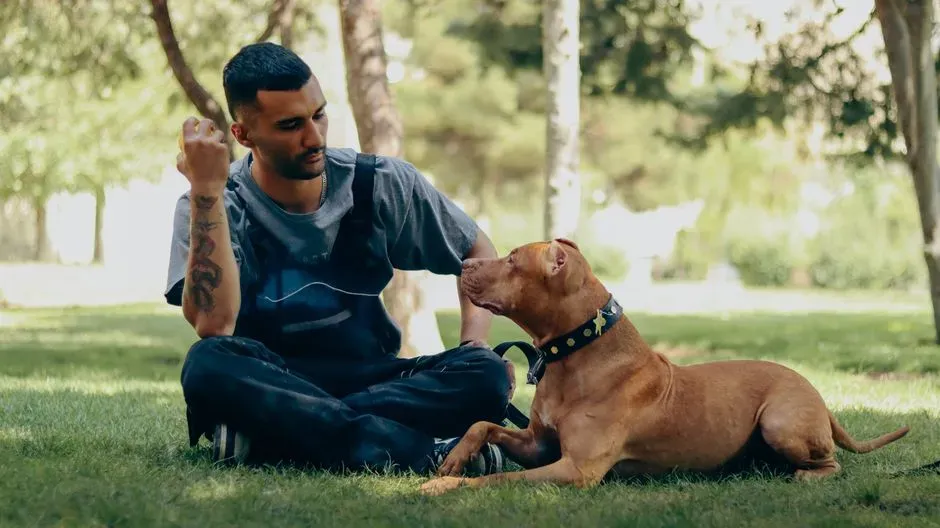
If your dog’s refusal is extreme, getting worse over time, or part of a bigger pattern of anxiety, it is worth getting expert help rather than trying to troubleshoot it all on your own. A good professional will look at the full picture: your dog’s health, age, past experiences, daily routine, and the exact context of the scary spot. Sometimes, what looks like pure behavior has a hidden medical component, such as pain, declining eyesight, or neurological issues, so a thorough veterinary check is an important step.
Behavior professionals can guide you through structured desensitization and counterconditioning plans tailored to your dog, not just generic advice. They might also suggest temporary equipment changes, like a comfortable harness to give you better control without adding pain, or management strategies like shifting walk times to quieter hours. In some serious cases, a veterinarian may recommend behavior medications to lower overall anxiety so learning can actually happen. Asking for help does not mean you have failed; it means you are taking your dog’s inner world seriously.
Listening to the Story Your Dog Is Trying to Tell You
When your dog digs in their heels at that same patch of sidewalk, you are being invited into a story you did not see happen. Maybe it was a fast, silent moment – a lurking coyote at dawn, a charging off-leash dog, a slamming gate, or a passing stranger who felt wrong to them. Whatever it was, your dog’s brain stamped it into their internal map as a place to be avoided. You may never know the exact scene, but you can absolutely respect the message: something here felt dangerous.
The more you treat your dog’s fear as information instead of misbehavior, the stronger your partnership becomes. You start walking not just through your neighborhood, but through your dog’s emotional landscape, noticing where they relax and where they tense. Over time, with patience and empathy, you can help many dogs rewrite those scary chapters and reclaim routes they once loved. And it leaves you with an intriguing question every time your dog pauses and stares down a seemingly ordinary corner: what might they remember that you were never meant to see?