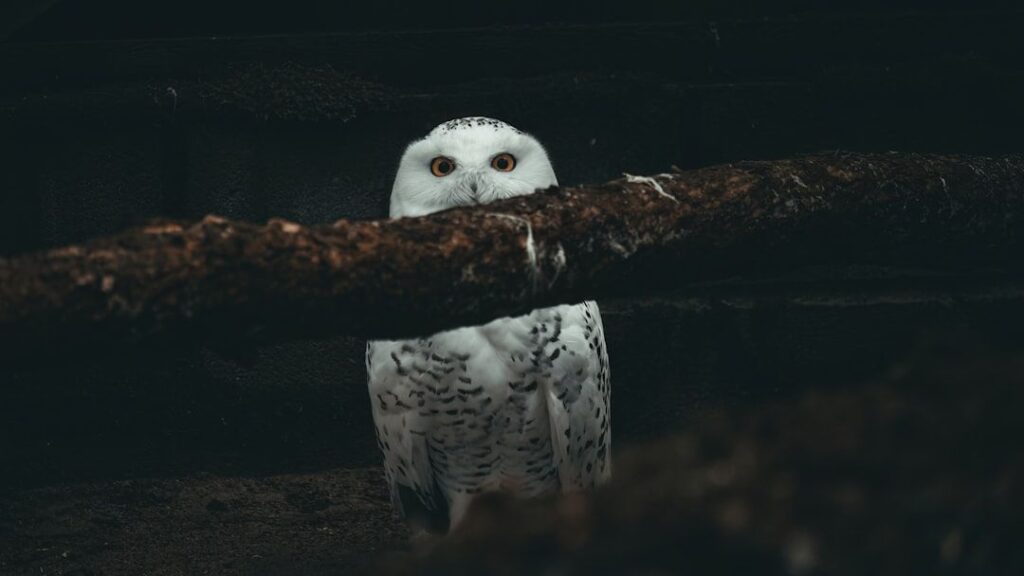
You hear it before you see it: a soft thump on the roof, the scrape of claws, and then that long, eerie call drifting through your open window at 3 AM. In the dark, your mind races. Is it a sign? A warning? Something spiritual trying to get your attention? Or is it just a very determined owl that picked your house as its nighttime lookout?
That tiny moment can feel strangely personal, almost surgical, like the universe pointed a feathered arrow at your roof and said, “You.” And in a way, both science and folklore agree that it does mean something – but maybe not what you first think. To really understand it, you have to hold two very different worlds in your hands at once: the calm, data-driven explanations of wildlife biologists and the wild, emotionally charged stories humans have told about owls for more than a century.
The Most Boring (And Fascinating) Truth: Why Owls Pick Your Roof
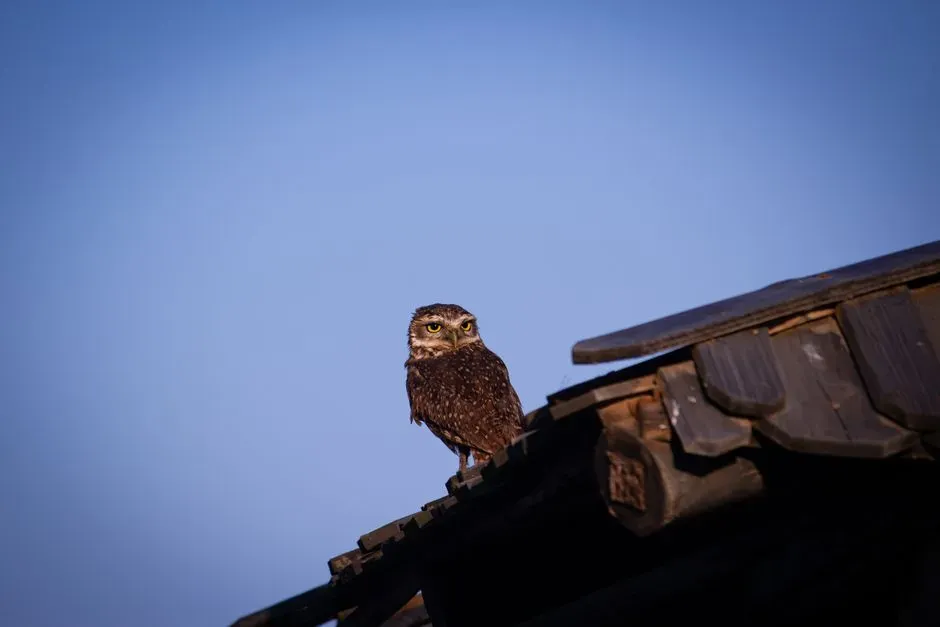
Let’s start with the least mystical answer, because it’s also the one that shows up the most: your roof is just prime real estate. From a wildlife biologist’s perspective, an owl on your roof at 3 AM is mainly making a smart tactical choice. Rooflines give a high vantage point, a clear line of sight, and usually fewer disturbances than trees that sway or branches that block vision. For a nocturnal predator trying to spot small movements on the ground, your shingles are basically a ready-made hunting platform.
Roofs also warm up a bit during the day and hold some of that heat into the night, which can create mild updrafts and microclimates that insects and small animals like. Where there are mice, rats, or small birds, there are hungry owls. So if one has landed on your roof, it may be saying something very simple: your yard ecosystem is healthy enough to feed a hunter. That might not sound romantic, but it’s a kind of quiet compliment from nature, whether you asked for it or not.
Why 3 AM Matters: The Science of Owl Night Shifts
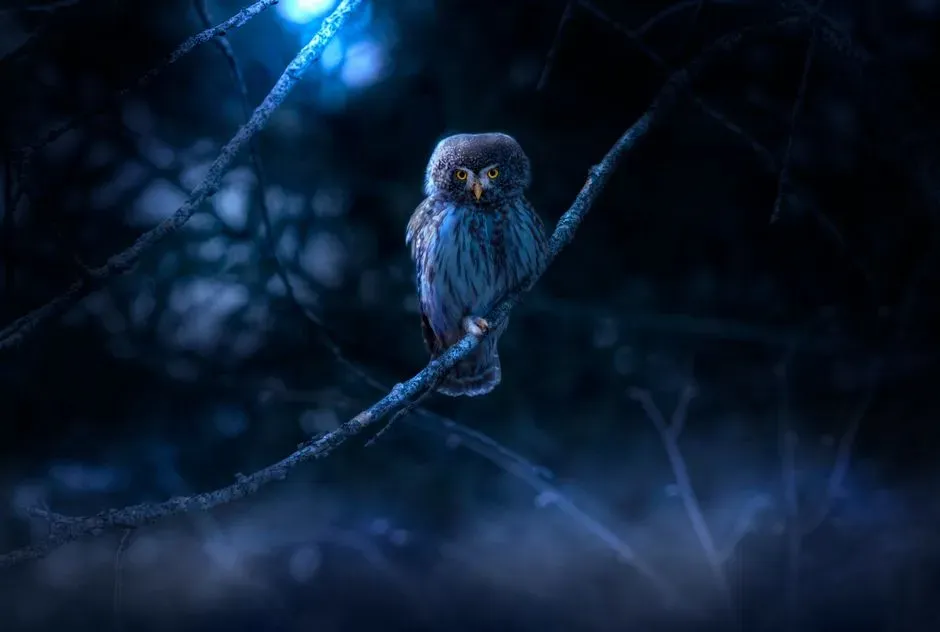
That creepy 3 AM timing feels personal, but it lines up almost perfectly with how many owls live their lives. A lot of owl species are most active in the deep night hours, often between midnight and dawn, when their prey is out exploring and human activity is at its lowest. If you could plot their energy levels on a graph, you’d see a surge in activity right when you’re trying to sleep, which means 3 AM is not mystical to them – it’s just peak work hours.
At that time of night, there’s usually less background noise, which makes their calls carry farther and helps them locate prey through sound. Your quiet street becomes their version of an office corridor. The fact that you’re awake to notice them at that exact hour often has more to do with human anxiety, insomnia, or light sleep than with any intention from the owl. Still, it can feel like the bird picked this exact moment to send a message, simply because you finally noticed the old night shift that has been happening over your roof for years.
Sounds on the Roof: Hunting, Courting, Or Just Terrible Landing Skills?
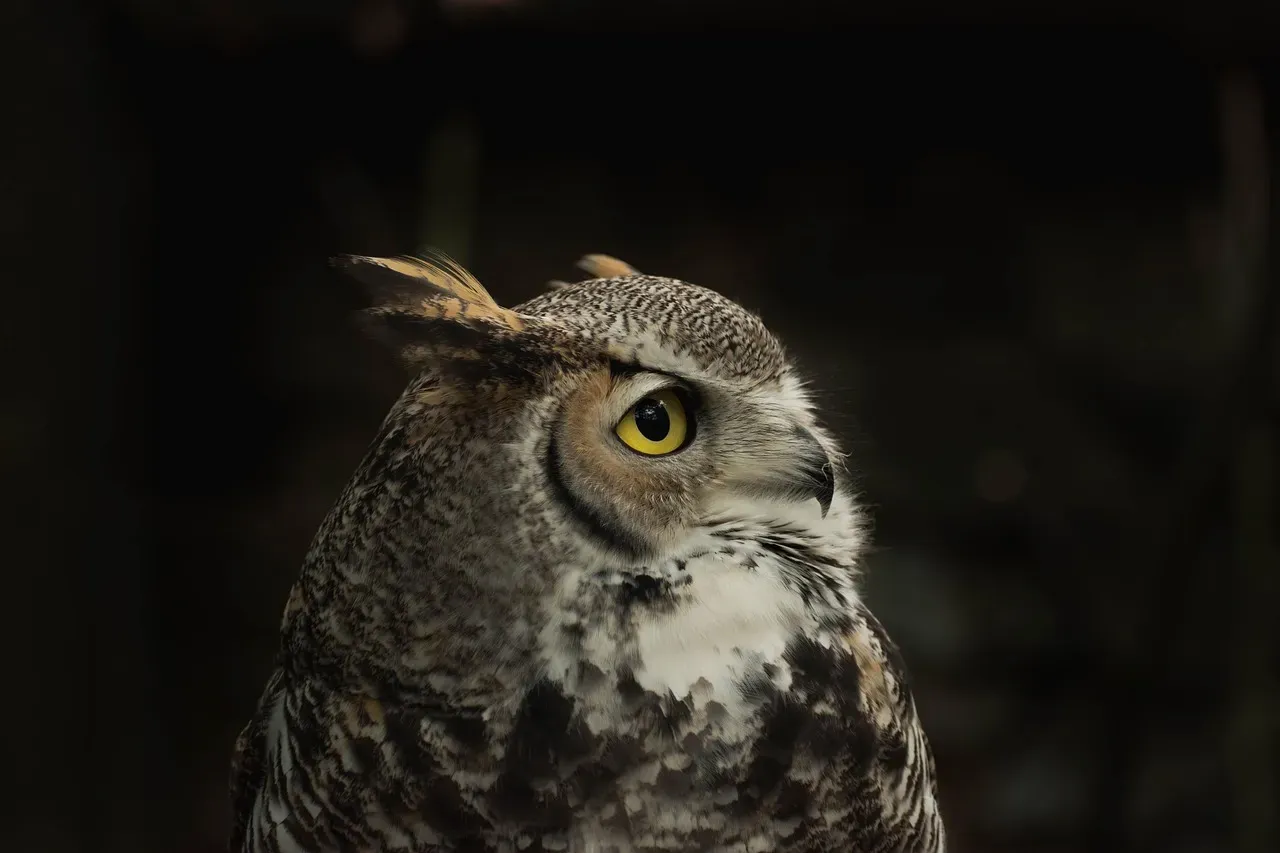
The way an owl lands on your roof can tell you more than you might think. A heavy thump or a few scraping steps might just be the sound of a large owl adjusting its balance or moving along the ridge as it scans for food. Wildlife biologists often describe owls as efficient but not always graceful; they are built for silent flight, not for dainty rooftop tap dancing. What sounds huge and ominous from your bedroom might, in reality, be a bird about the size of a housecat doing a clumsy shuffle in the dark.
Sometimes, repeated visits and extra noise can point to other motives. During breeding season, your roof might get pulled into owl courtship or territorial displays, with calls, wing flutters, or even two birds landing together. If you hear repeated calls night after night, especially during certain months, it might mean an established territory or a nearby nest site. In those cases, your roof is less mysterious symbol and more like rented balcony space in the middle of an owl neighborhood drama you never knew existed.
What Biologists Actually Think: No Omen, But Plenty of Meaning
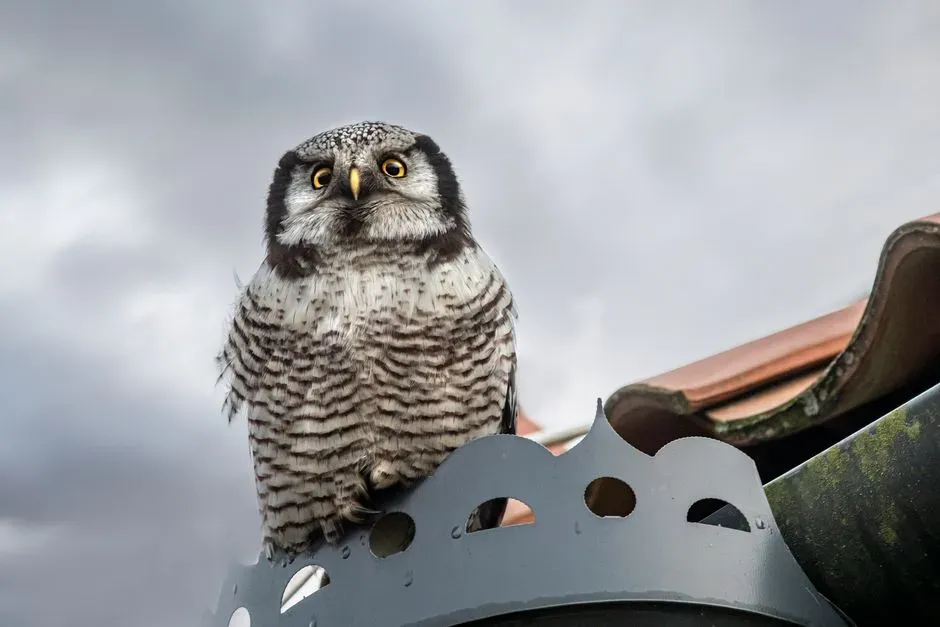
Ask a wildlife biologist what it means when an owl lands on your roof at 3 AM, and they’re not going to tell you it predicts death or cosmic destiny. They’ll talk about hunting patterns, territory, seasonal behavior, and habitat. In that view, the owl is not there for you at all; it’s there for its own survival. It’s relying on instincts and evolutionary advantages, not trying to deliver a secret message. That might sound cold at first, but there’s something grounding about it – your house is simply part of a larger map in a living landscape.
At the same time, a good biologist will admit that these encounters are powerful for people. They’ll note that when wildlife brushes up against our late-night lives, it often wakes something up in us: curiosity, fear, awe, or a renewed sense of connection to nature. The experience has meaning not because the owl intended it, but because you did. That’s the uncomfortable but honest middle ground – science says the owl is just being an owl, but it leaves room for the very human fact that the moment can still change how you see the world.
Folklore’s Take: Harbinger, Guardian, Or Trickster in the Dark
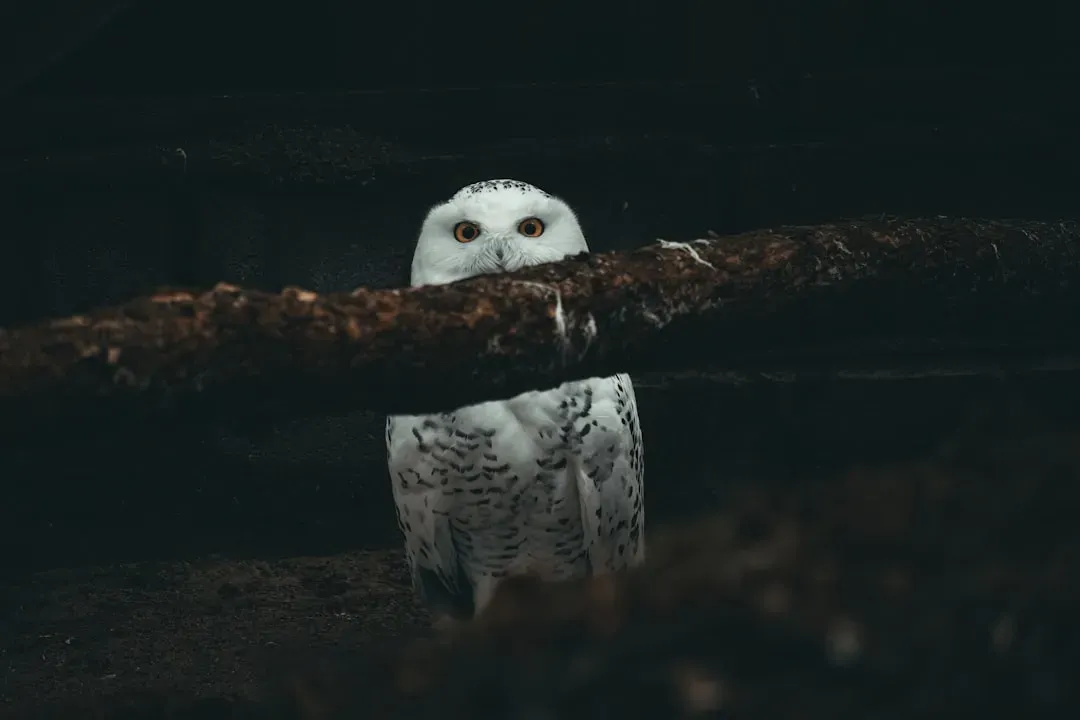
Human stories have never been content with simple explanations, and owls have been cast in more roles than most other birds. In many European and North American traditions over the last century and a half, an owl calling near the house at night has been wrapped up with ideas of bad luck or approaching death. The silent flight, forward-facing eyes, and nighttime habits made them feel otherworldly long before people understood their biology. When something bad happened after an owl visit, people remembered the bird and stitched it into the story.
But look a little wider and the picture changes fast. In various cultures, owls have also been seen as protectors, wise watchers, or messengers that warn rather than harm. Some folk traditions treat them as guides through transition, not causes of misfortune. Over roughly the last one hundred fifty years, as urbanization grew and people saw owls more often near towns and farms, stories adjusted: for some, they stayed ominous; for others, they became symbols of intuition, insight, or secret knowledge. The meaning you attach to that roof-landing often says more about the stories you inherited than about the bird itself.
Modern Spiritual Readings: Intuition, Wake-Up Calls, And Inner Shadows
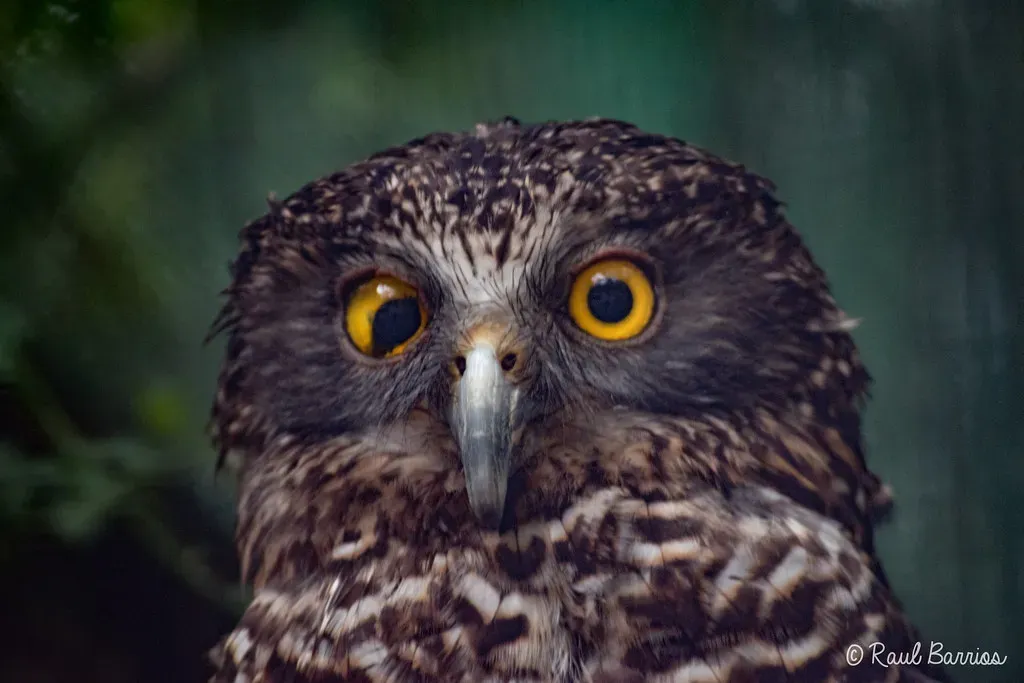
In recent decades, especially with the rise of online spirituality, owls have picked up a new wave of symbolic meaning. People often interpret a 3 AM owl visit as a nudge to pay attention to their intuition or an invitation to face what they’ve been avoiding in themselves. Because the time is associated with sleepless nights and racing thoughts, the owl becomes a kind of external mirror for whatever inner chaos is already brewing. It feels less like an intruder and more like a strange, feathery therapist tapping on the ceiling.
Here’s the key, though: this interpretation is more about personal psychology than about the bird’s intentions. If you’re going through a breakup, a job crisis, or a big transition, your brain is already on high alert for signs and patterns. The owl simply shows up at the perfect narrative moment. Seeing it as a symbol of transformation, shadow work, or hidden truth can be deeply helpful for some people, as long as they remember it is their meaning, not the owl’s. In that sense, the 3 AM visit is like a dream you have while awake – real enough to shift you, even if it isn’t cosmic programming.
When You Should Actually Worry (For the Owl, Not For You)
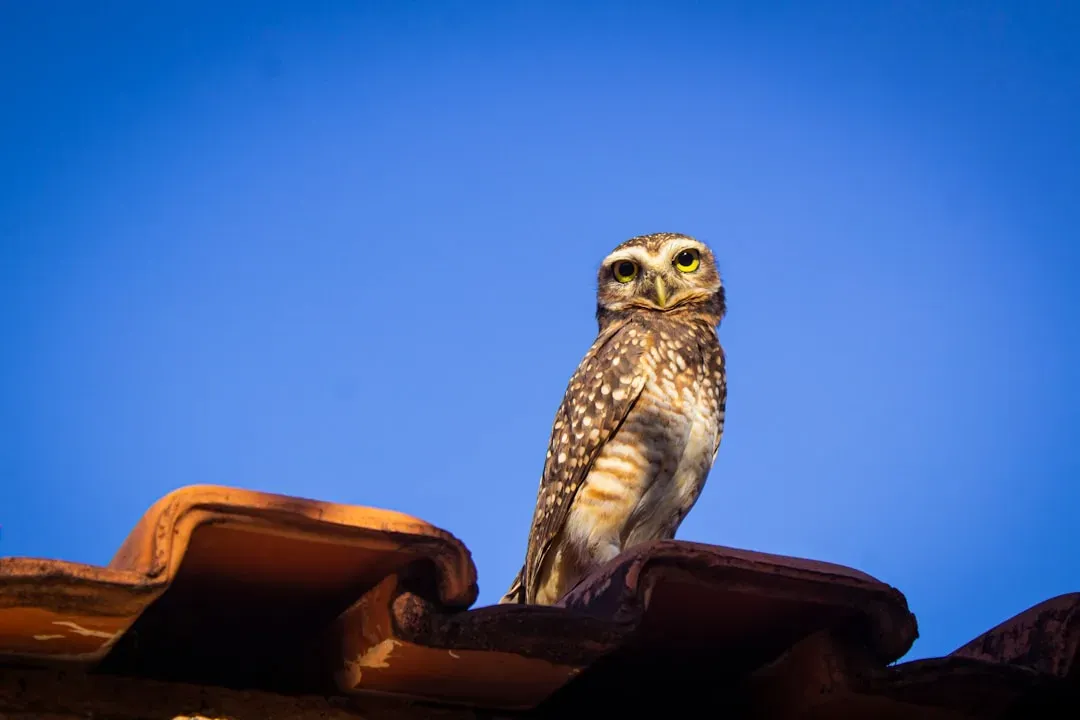
Believe it or not, the real concern in most of these encounters is not spiritual danger for you – it is physical danger for the owl. A bird spending a lot of time on your roof might be hunting successfully, but it also might be stressed, injured, or displaced by habitat loss. If you notice an owl returning again and again during unusual hours, looking disoriented, or hanging low to the ground near roads and lights, that can signal a problem. Many are hit by cars or poisoned indirectly by rodent control methods, and roofs near bright human spaces can be both a refuge and a risk.
From a practical standpoint, there are a few things worth paying attention to. If you use strong rodenticides, remember that poisoned rodents can then poison the predators that eat them. If your roofline has sharp wires or obstacles meant for other birds, an owl might get caught or injured. And if it nests or roosts nearby, loud construction or tree removal at the wrong time of year can devastate a breeding pair. So if you want to “read” the sign in a grounded way, you could see the owl’s visit as a question: will you be a safe neighbor or a hazardous one?
How to Respond: From Fear and Superstition to Curiosity and Care
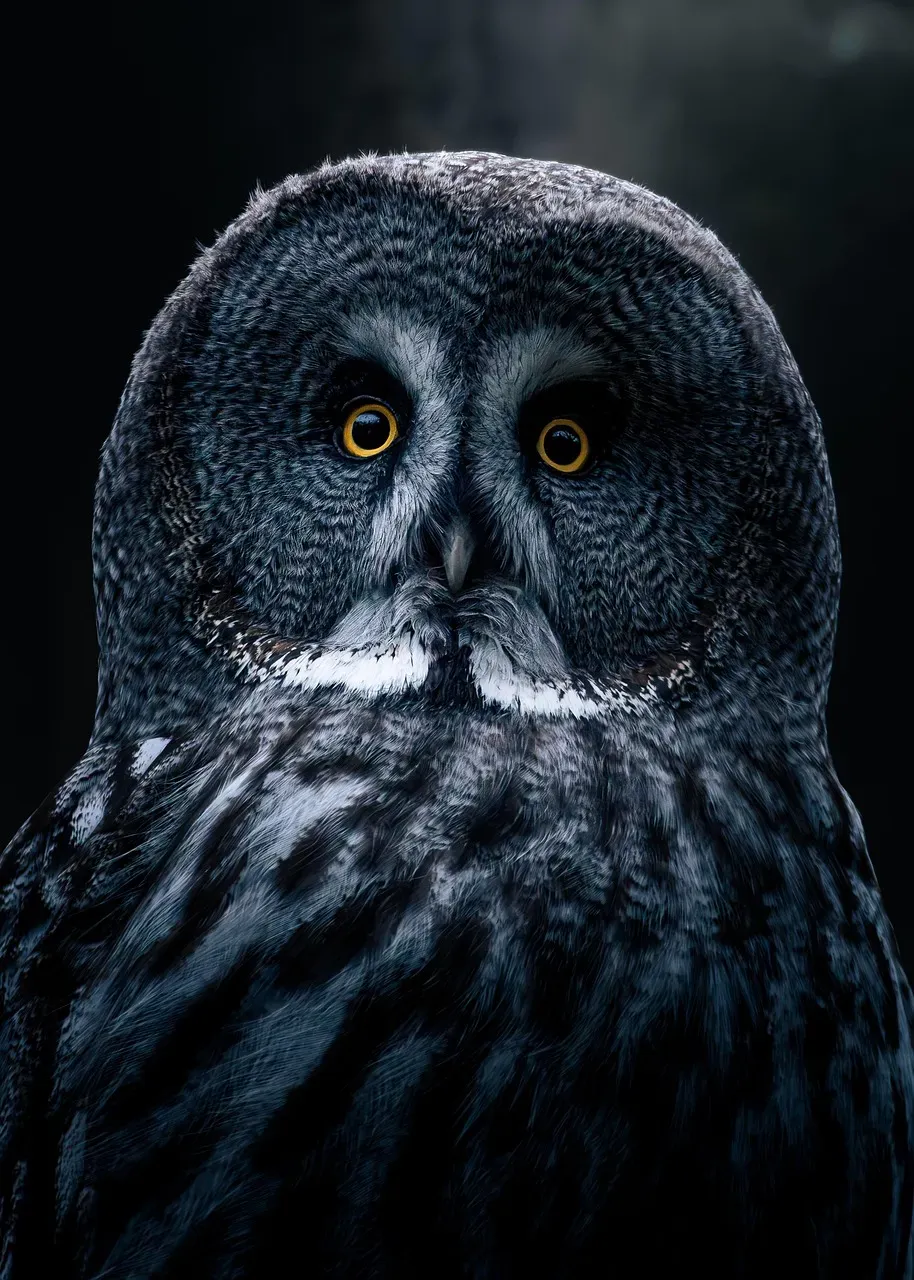
So what do you actually do when you hear that thump and call above your head? One option is to panic, reach for old superstitions, and assume the worst. The other is to treat it like a rare late-night knock from the wild and answer with curiosity. That might mean turning off a few extra lights, listening quietly for a minute, or stepping outside briefly to look from a respectful distance without shining bright beams or trying to scare the bird away. In a world where many people never notice wildlife at all, simple attention is a radical act.
If the visits keep happening, you can choose to adapt your space a little. Leaving large old trees when possible, using less toxic pest control, and avoiding disturbing known nest spots all make your property kinder to owls and other creatures. Emotionally, you can also use the moment as a personal check-in: what were you thinking about when the bird landed? What are you afraid of, hoping for, or avoiding in your life? You do not have to believe in omens to let the experience become a pause button that snaps you out of autopilot and back into being fully awake in your own story.
So What Does It Really Mean? An Honest, Opinionated Take
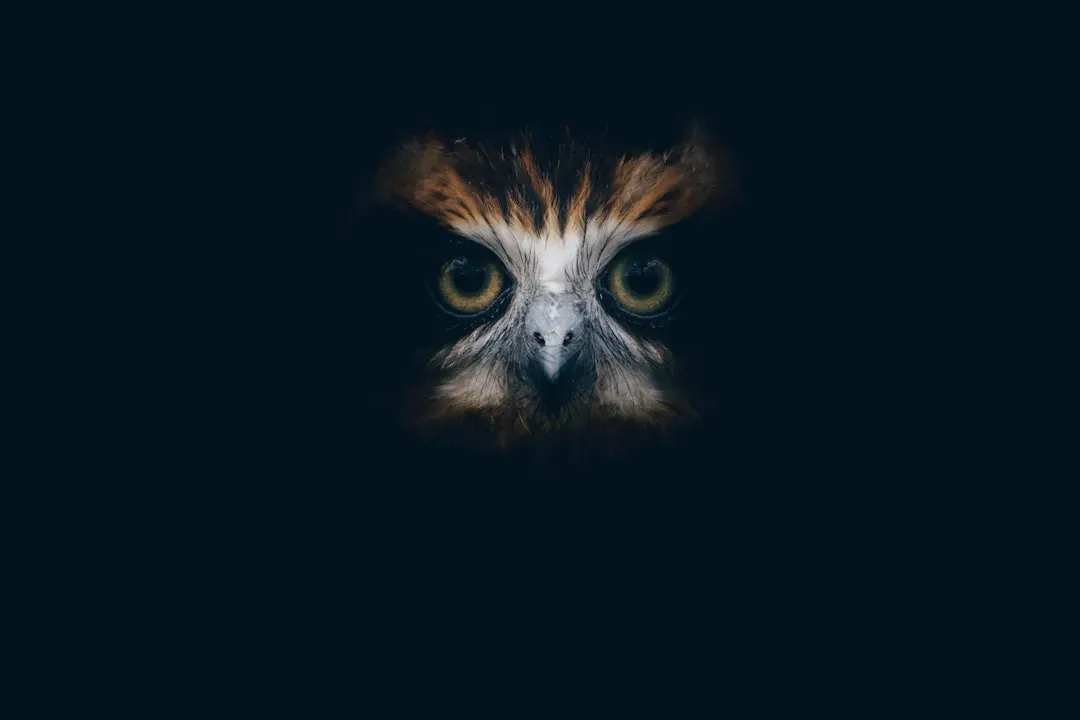
If you strip away the superstition but keep the soul of the experience, an owl landing on your roof at 3 AM means two things at once. First, in the clearest scientific sense, it means a predator is doing its job in an ecosystem that still has room for wildness. That is a quiet win in a world where wild space keeps shrinking. Second, in the more human, subjective sense, it means your life has brushed up against something bigger, older, and less interested in your to‑do list than anything you’ve scrolled past today – and that friction is worth paying attention to.
My own bias is this: I do not think the owl is a messenger sent with a personalized script for your fate, but I absolutely think the moment is a message about how thin the wall really is between your little human worries and the vast, indifferent, beautiful systems humming around you. You get to decide whether you meet that message with fear, wonder, or indifference. The bird will keep hunting either way. The real question is, the next time something wild taps on the roof of your life at an inconvenient hour, will you roll over and ignore it – or will you let it change how you see the dark?