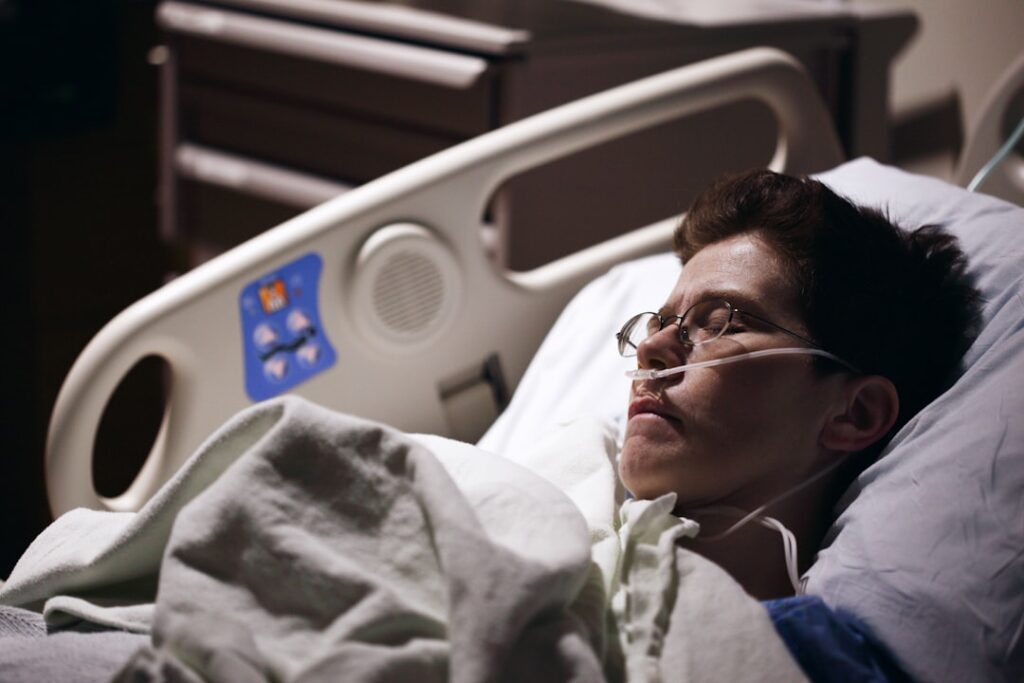
You probably grew up with a straightforward story: when your brain shuts down, your consciousness blinks out like a light. Lately, though, scientists are starting to say, not so fast. Across neuroscience labs, emergency rooms, and hospice wards, eleven different lines of research are quietly pointing to a stranger, more complicated relationship between your conscious experience and your physical death than anyone expected.
You are not about to get a mystical fairy tale, and you are not getting a promise of life after death. What you are getting is something more unsettling and more honest: serious researchers are finding that your awareness may not track your heartbeat and brain waves as neatly as once assumed. When you look closely at resuscitation cases, brain-scan data, anesthesia failures, and end-of-life reports, a picture starts to form in which consciousness can become surprisingly organized, vivid, and even heightened right at the edge of death. You might not walk away from this article comforted, but you will almost certainly walk away curious.
How Near-Death Science Dragged Consciousness Into the Emergency Room
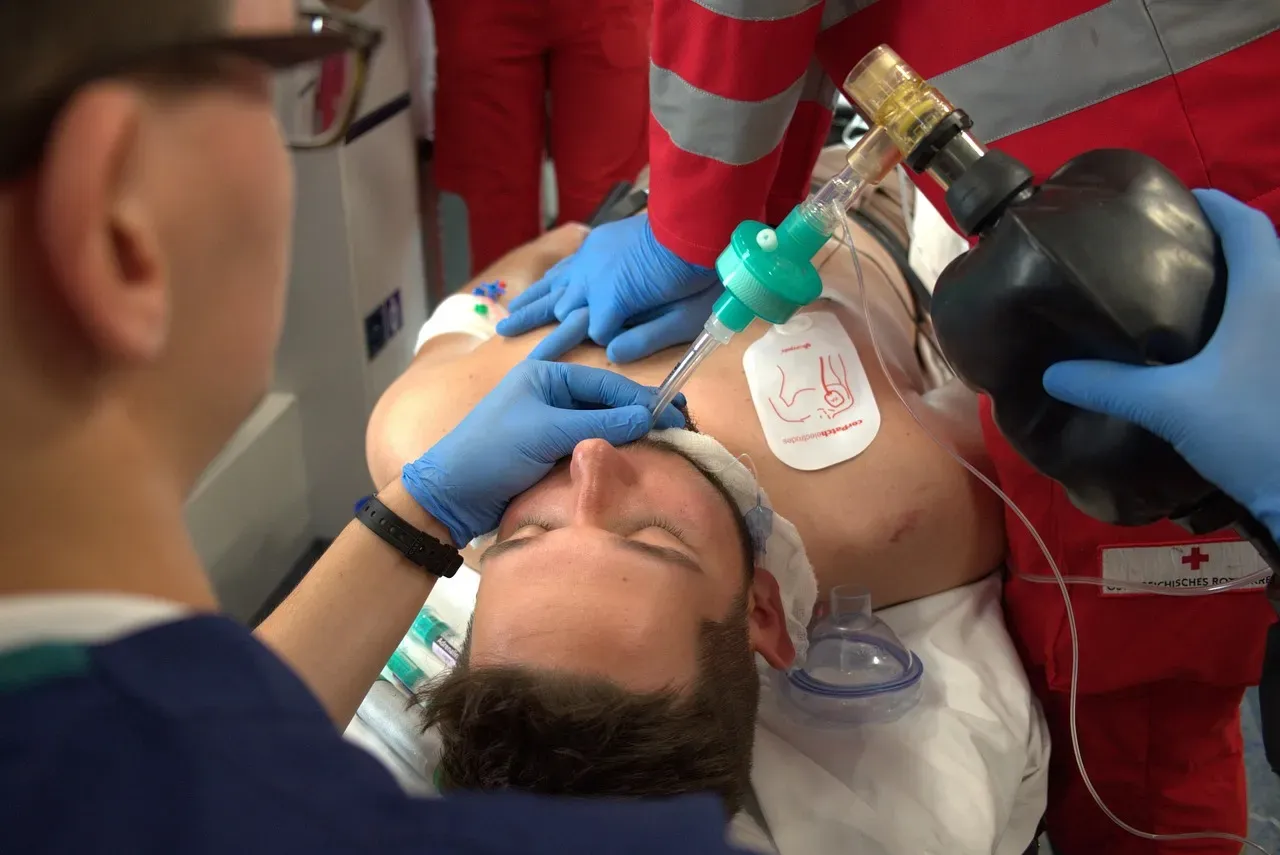
If you think of near-death experiences as only campfire stories, the last decade of resuscitation research might surprise you. Large hospital-based projects have followed patients whose hearts stopped, recorded the exact timing of their medical events, and then asked what they experienced after being brought back. The goal is not to prove anything spiritual, but to see whether what people report lines up with what actually happened around their bodies during the flatline window.
When you look at these data as a whole, you see a stubborn pattern: a small but significant group of people can describe events from the time their hearts were not beating and their brains were in severe crisis. You get detailed accounts of medical procedures, conversations, and sensations of leaving the body, often matched in time to objective records like defibrillator shocks or medication delivery. You are not required to accept any dramatic conclusion, but you do have to admit that faint, dreamy confusion is not the whole story of what happens to awareness when your body goes offline.
Flatlines, Flickers, and the Surprising Brain Activity After “Death”
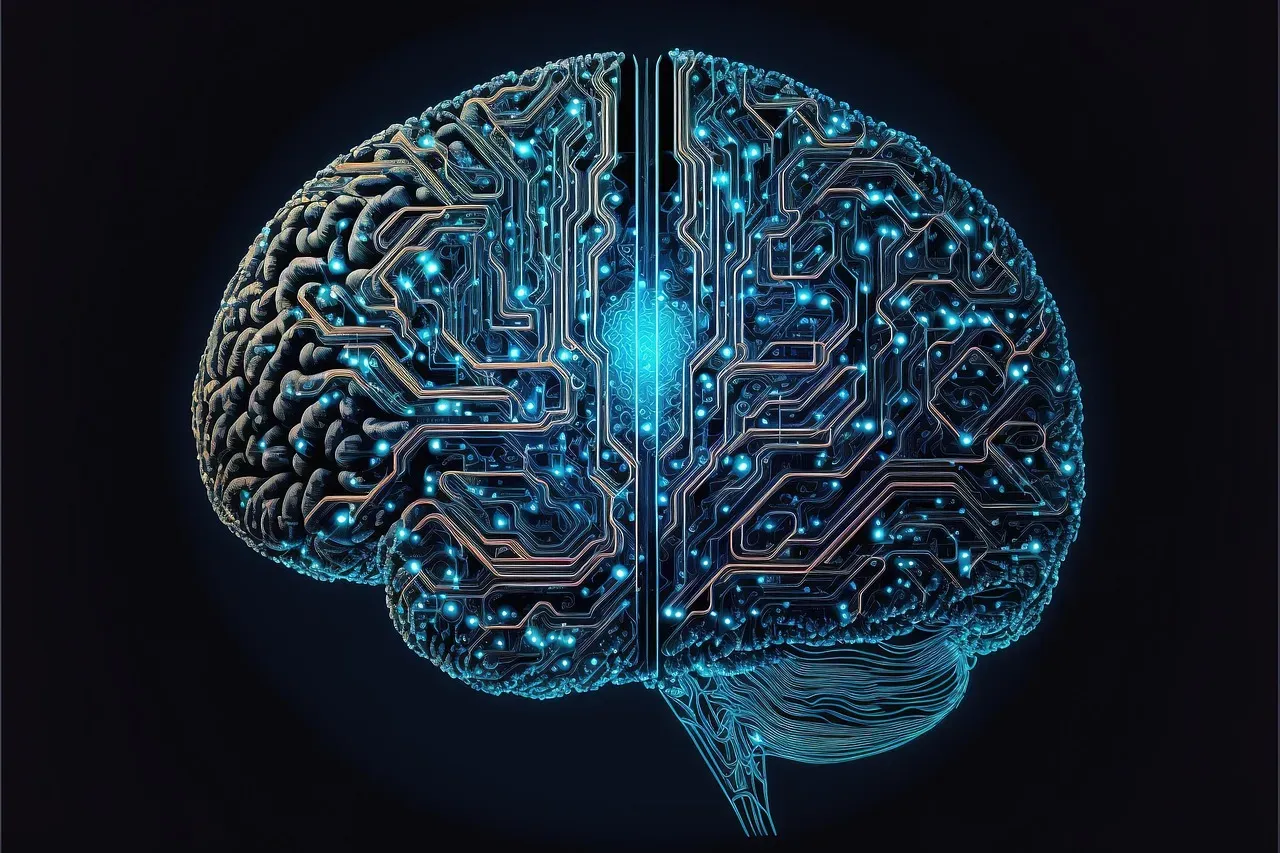
You might assume that once your heart stops, your brain quietly powers down and that is that. Yet animal studies and a growing number of human recordings tell you something different: for a brief period after cardiac arrest, the brain can show a surge of unusually organized activity. In some patients on advanced monitors, certain high-frequency patterns appear after circulation has ceased, hinting at a last burst of coordinated firing rather than a slow fade into chaos.
From your perspective, that means the border between life and death is less like a switch and more like a short, turbulent corridor. Instead of simple decline, you could be looking at a brain that briefly kicks into a strange overdrive state. No one can yet tell you exactly what that state feels like from the inside, but when you place this finding next to vivid resuscitation reports, you start to see why researchers are rethinking the simple idea that consciousness must collapse the instant the monitors go flat.
Verifiable Perception When You Should Be Completely Gone
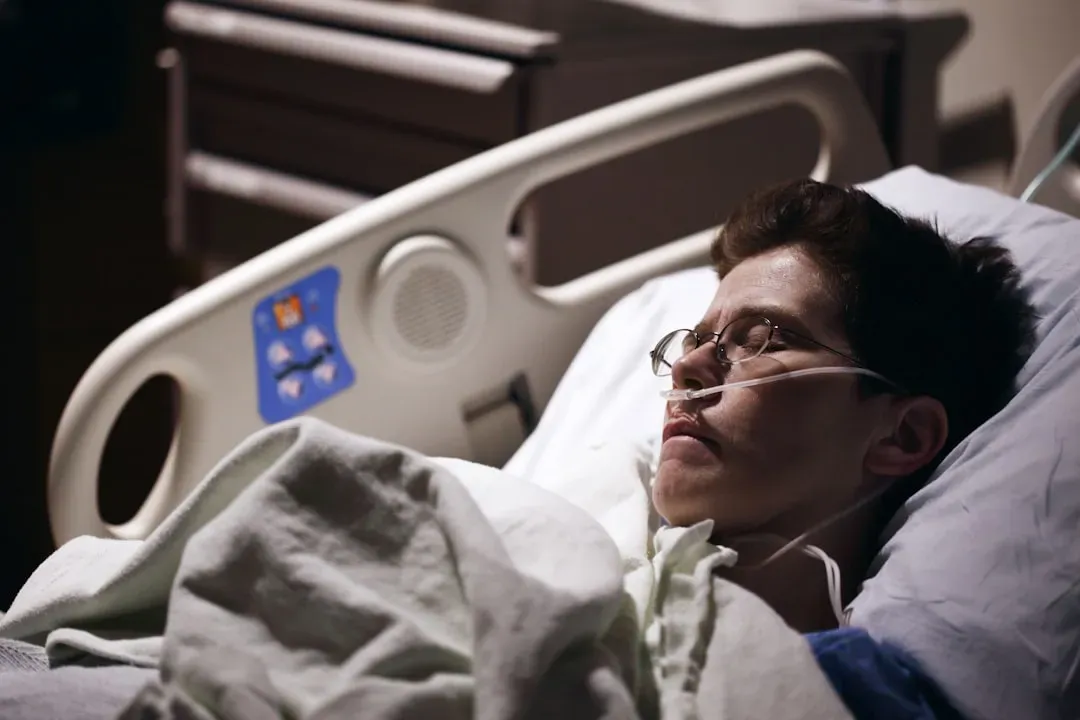
One of the most unsettling threads in this field is the handful of cases where people accurately recall things they should not have been able to perceive. You see stories of patients who had no heartbeat, no measurable awareness, and yet later described medical instruments, positions of staff, or short exchanges among doctors that happened during the deepest part of their crisis. These accounts are not taken at face value; they are checked against charts, timestamps, and staff interviews.
When even a few of these memories line up too well to be dismissed as lucky guesses, you are forced to consider what kind of conscious processing could still be going on in a dying brain. It does not prove that your mind floats free of your body, and scientists are careful not to oversell it. Still, the fact that any coherent perception might occur during a period when you would expect total blackout is exactly the kind of data that keeps pushing researchers back to the drawing board.
Terminal Lucidity: When Clarity Returns Just Before the End
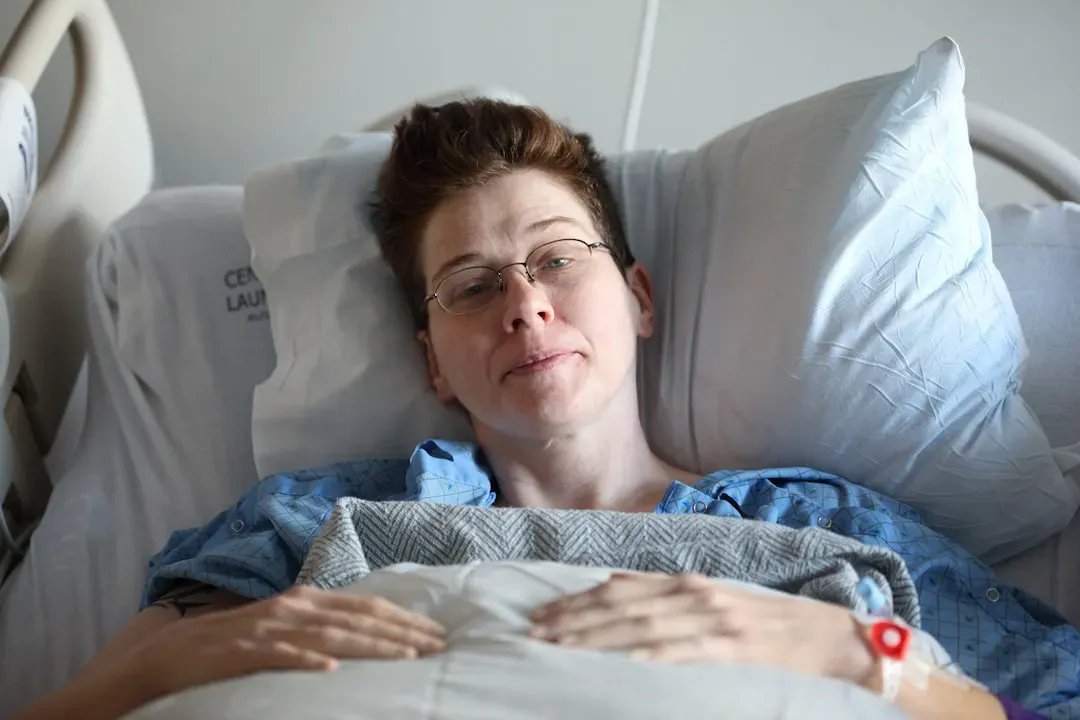
If you have ever watched a loved one slip away with severe dementia or neurological damage, the idea that they might suddenly become lucid before death almost sounds cruel. Yet reports of this so-called terminal lucidity keep emerging from caregivers, families, and clinicians. People who have not recognized their own children for months sometimes rally in their final hours, hold clear conversations, and then die soon after.
From a straightforward brain-deterioration model, this makes very little sense. You would expect only more confusion and silence, not a brief return of the person you once knew. Scientists trying to document and explain these episodes are cautious, but they cannot ignore them. If your identity can reassemble itself at the very edge of death, even as the brain is structurally ravaged, then the link between brain damage and conscious selfhood is more flexible than standard models suggest.
What Deep Anesthesia Failures Reveal About Hidden Awareness

You probably think of general anesthesia as a guaranteed off switch for your awareness. Yet a small but real number of patients later report hearing conversations or feeling pain during surgery, even though the monitors showed them properly sedated. In some experiments, people under anesthesia seem to process information at a level below full awareness and then recall it later in strange, indirect ways.
For you, the unsettling lesson is that measurable unconsciousness is not always the same as genuine absence of experience. If your brain can still encode and later retrieve information while you appear completely out, then something of you is still there behind the curtain. When scientists compare these anesthesia findings with near-death and coma research, they start to see a recurring theme: consciousness can lurk in places where behavior and standard metrics insist it is gone.
Coma, Minimally Conscious States, and the Ghost of Selfhood
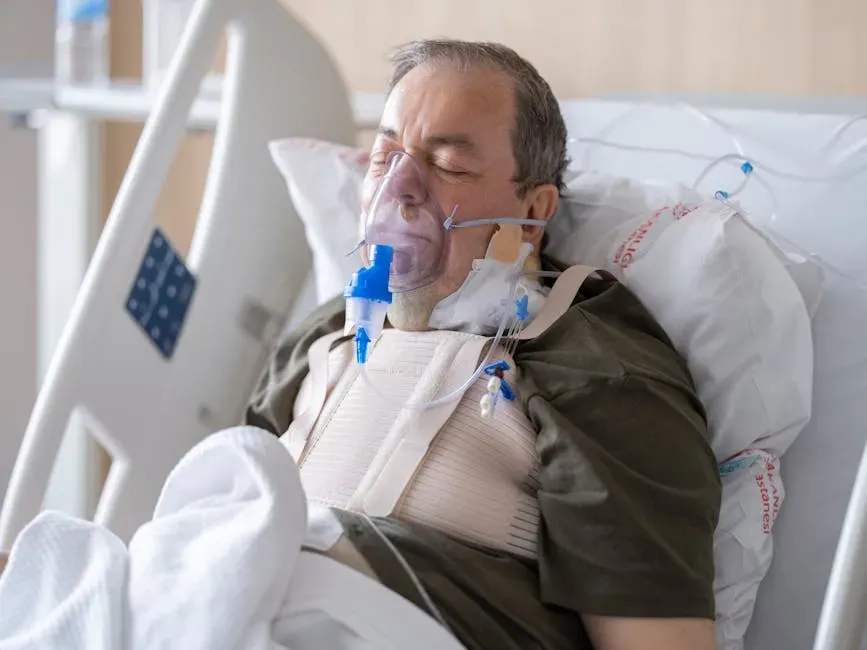
In the past, when someone fell into a deep coma or vegetative state, the medical verdict on their inner life was usually firm: there was none. Now, advanced brain imaging is telling you a more complicated story. Some patients who show almost no outward response can still follow commands in their head, like imagining playing tennis or walking through their home, and their brain scans reflect that internal cooperation.
If a person can answer yes or no simply by changing what they imagine, even while lying motionless and unresponsive, you have to admit there is still a mind inside. For your understanding of death, this blurs the timeline. The step from deep unresponsiveness to actual biological death may not mark as sharp a drop in awareness as once thought, and that uncertainty is making both neurologists and ethicists more humble when they speak about what the dying person is actually experiencing.
Shared Death Experiences and the Mystery at the Bedside

Another puzzle that keeps cropping up in independent reports is the so-called shared death experience. Here it is not the dying person who describes unusual perceptions, but the healthy relatives or caregivers at the bedside. They report sensations of leaving the room with the dying person, witnessing a life-review-like sequence, or feeling an overwhelming sense of presence at the exact moment of death.
You can easily wave these off as grief, stress, or suggestion, and there is surely some of that in the mix. Yet when similar reports appear among people who were not expecting anything unusual, or even in hospital staff who have seen many deaths, researchers take notice. These experiences do not offer clean data you can put into a spreadsheet, but as multiple project teams collect them in more systematic ways, they add one more reason scientists are reluctant to say that consciousness and bodily shutdown always move in perfect lockstep.
Culture, Expectation, and the Shape of Your Final Moments
Here is where things get even messier: not every near-death or end-of-life report looks the same. People from different cultures and belief systems often describe very different figures, landscapes, or meanings in their experiences. As a result, you are constantly reminded that whatever is happening in your brain at death’s door, it is being filtered through your personal history, language, and stories long before you put it into words.
This matters because it keeps you from using any single dramatic narrative as proof of something cosmic. Instead, you are nudged toward a more grounded view: there may be real, consistent phenomena at the threshold of death, but they show up wearing the clothing of your expectations and background. Scientists digging through these cross-cultural patterns are not trying to promote any religion or philosophy; they are trying to figure out what underlying mechanisms could produce such reliably intense yet individually flavored experiences.
Time, Memory, and the Problem of Reconstructing the Impossible
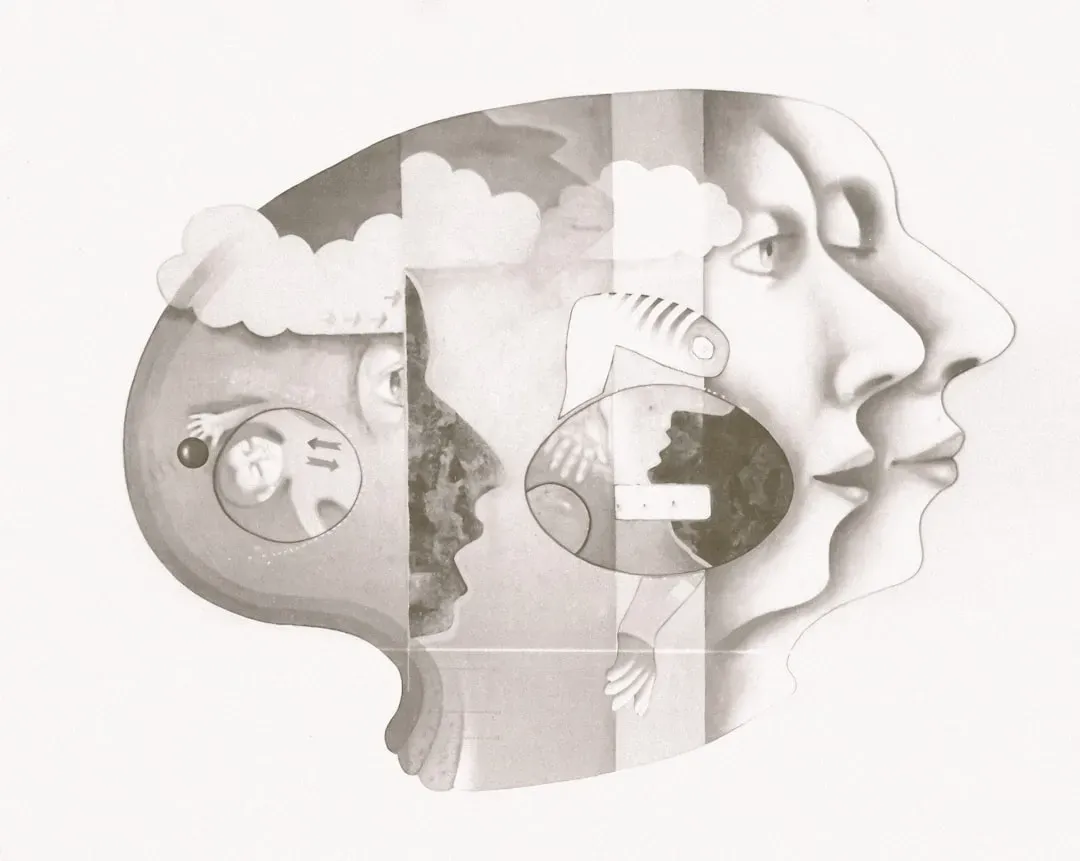
One challenge you face when you listen to people describe death-adjacent experiences is simple but brutal: memory is not a tape recorder. Your brain constantly edits, compresses, and reshapes events after the fact, especially during trauma. When someone explains what they saw or felt during cardiac arrest or deep coma, you are often dealing with a reconstruction, not a live recording.
Researchers know this, and they design studies to get around it where they can, using hidden visual targets, precise timestamps, and immediate post-resuscitation interviews. Still, the timing is tricky. You might feel as if you left your body during the flatline period when, biologically, the experience could have formed in the seconds before or after, then been stitched onto the gap. This does not make the reports meaningless, but it does force you to hold your conclusions loosely and accept that the relationship between the story you tell and the biology underneath is complicated.
The Quantum Temptation and Why Serious Scientists Stay Careful
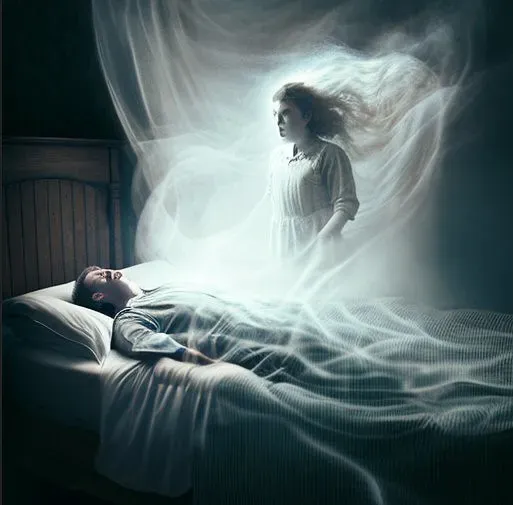
Whenever consciousness and death collide, you quickly run into grand claims about quantum physics, alternate dimensions, or minds floating outside bodies. You might even feel drawn to those ideas, because they offer a neat explanation for deeply weird experiences. But when you look at the actual scientific literature, you find far more caution than certainty in this area. Most researchers agree that we do not yet have the tools to say where consciousness ultimately comes from, let alone whether it can detach from your brain.
For you as a reader, the responsible stance is to resist the urge to jump from genuine anomalies straight to sweeping metaphysical conclusions. The eleven converging research threads do not prove that you survive death in any robust way. What they do show is that your awareness is a far stranger and more resilient process than a simple on–off switch tied to your pulse. Serious scientists are willing to admit the limits of current models without rushing to fill the gap with stories they cannot test.
Why These Converging Studies Really Change How You See Death
When you step back and look at all these lines of evidence together – resuscitation studies, strange brain surges, verified perceptions, terminal lucidity, anesthesia failures, hidden awareness in coma, bedside anomalies, cultural variations, and the limits of memory – you are not left with a tidy answer. You are left with a landscape where the familiar boundary between being here and being gone is hazy and layered. For your everyday choices, that may not change much. But for how you think about dying, it is a quiet revolution.
You are now living in a time when scientists can say, with a straight face, that they do not fully understand what happens to your consciousness as your body dies. That humility itself is the big shift. Instead of telling you that you are just a brain and you simply go dark, researchers are starting to suggest that your final moments may involve surprising clarity, complexity, and even coherence. You do not have to believe any grand story about what comes next to feel the weight of that possibility.
Conclusion: Living With Mystery at the Edge of Life
If you have read this far, you are probably someone who has already wondered what happens when you die, not in a vague poetic way, but in a concrete, biological sense. What this emerging science tells you is not that your consciousness floats away intact, nor that it simply disappears without a trace. It tells you that the transition is more intricate than either of those extremes, and that your inner world may be capable of striking patterns of order and experience even as your body fails.
Instead of promising certainty, these eleven converging studies invite you to live with a more honest kind of mystery. You are not being asked to abandon science; you are being asked to allow the data to be as strange as it really is. Maybe that makes death a little less flat and a little more awe-inspiring, not because you know what comes after, but because you finally admit how little you truly know about the moment itself. If your consciousness is not just a light that turns off but a complex story that closes in an unexpected way, what does that change about how you want to live while the pages are still being written?