If you imagine the deepest parts of the ocean, you probably picture endless darkness, crushing pressure, and strange pale creatures gliding through cold black water. What you probably do not picture is plastic shopping bags, polished glass bottles, or a camera that once filmed the surface world. Yet that is exactly what explorers and researchers keep finding, miles below where sunlight can reach. The more you learn about it, the more it feels like the ocean is quietly keeping a list of everything humanity has dropped, dumped, or lost.
When you zoom out, these discoveries are more than just oddities. They challenge what you thought you knew about how pressure works, how life survives, and how far human impact really reaches. Some things are shocking only because they are there at all. Others are shocking because life has adapted to them in ways no one expected. As you walk through these 13 examples, you are really walking through a story about how the ocean reacts when you put the impossible right in the middle of its most extreme environments.
1. Plastic Bags Found in the Mariana Trench
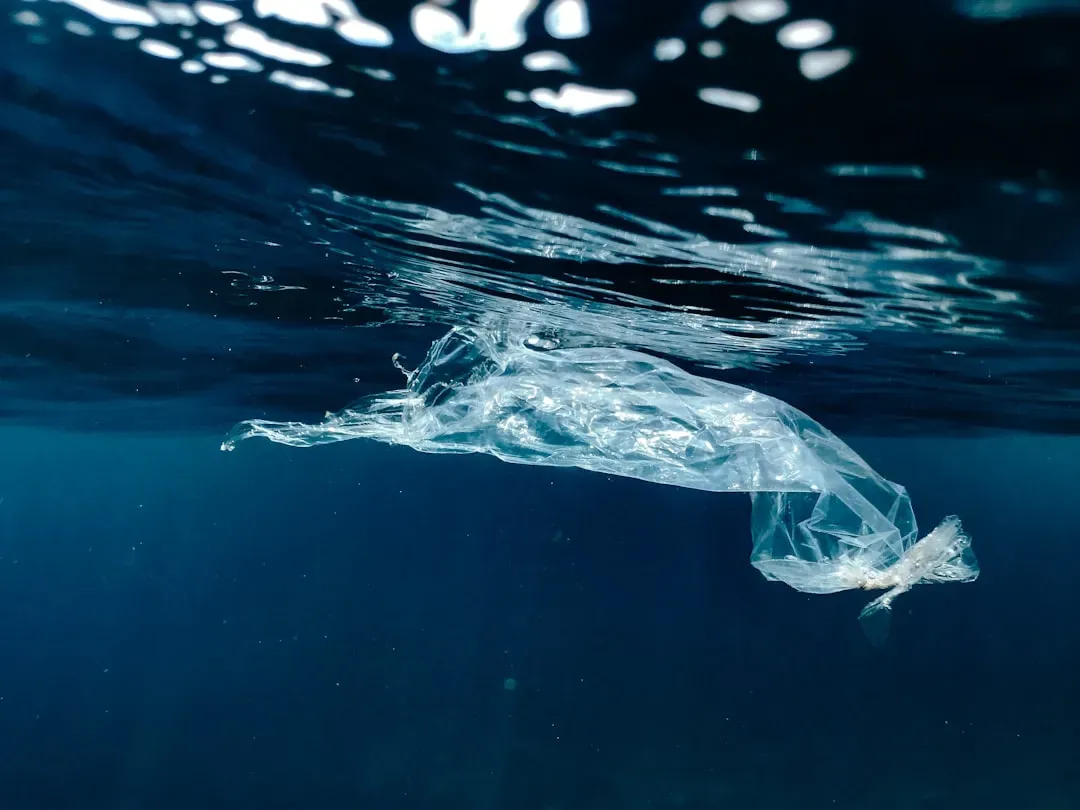
Just picturing a flimsy plastic shopping bag drifting almost seven miles down in the Mariana Trench should make your mind stutter a little. At those depths, pressure is hundreds of times what you feel at the surface, enough to crush many types of equipment if they are not engineered carefully. Yet researchers have documented plastic bags and other debris in the very deepest places ever explored, including near the deepest known point on Earth. You are talking about the ocean floor in a place that used to feel almost mythical, and there sits a bag that could have come from your last grocery run.
What makes this so disturbing is how ordinary it looks down there. The bag does not magically shred itself or vanish under pressure. Instead, it becomes part of the landscape, snagged on rock or lying in sediment like it belongs there. You may be used to seeing plastic on beaches or in surface slicks, but once you realize it has reached the deepest trenches, you cannot really tell yourself there is anywhere “out of reach” left. The deepest point on Earth is not just a scientific landmark anymore; it is evidence that human waste has effectively wrapped the planet.
2. Microplastics in Deep-Sea Creatures
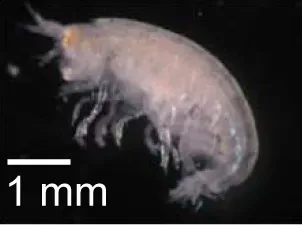
It is one thing to find a plastic bottle on the seafloor; it is another to find microscopic plastic particles inside the bodies of animals living thousands of feet down. When scientists started examining deep-sea amphipods and other scavengers from trenches and abyssal plains, they kept finding fibers and fragments of plastic lodged in their guts. These are creatures that have never seen sunlight, never come near a boat, yet they carry traces of your clothes, your packaging, your everyday life inside their bodies.
Once you let that sink in, you realize how far plastic has traveled through marine food webs. Tiny fragments get eaten by small organisms, which get eaten by larger ones, and eventually they reach the deep, because almost everything that dies or produces waste at the surface slowly sinks. You may think of the deep ocean as separate from you, but when microplastics are found in deep shrimp, deep fish, and even deep sediments, it is more accurate to picture the entire water column as one connected system. You are not just polluting the surface; you are quietly re-writing the chemistry and biology of the deep.
3. Intact Glass Bottles at Abyssal Depths
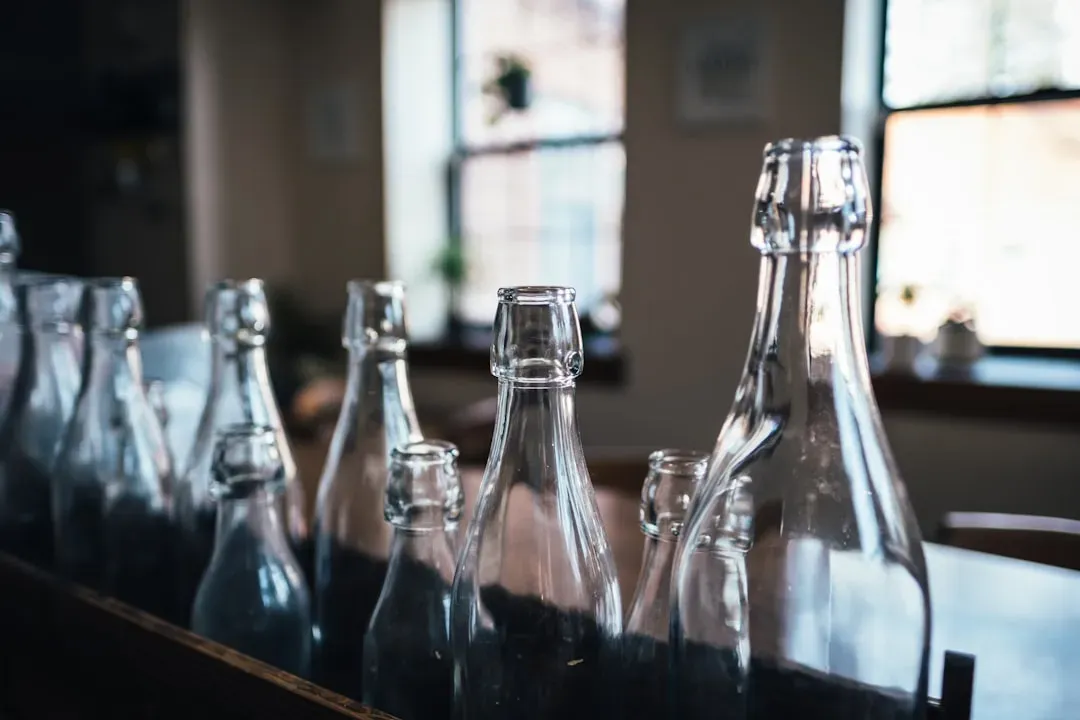
If you drop a glass bottle off a ship, you might assume the ocean’s pressure will crush it long before it reaches the bottom. In reality, glass can handle enormous pressure if it is uncracked and sealed, which is why explorers have found bottles – beer bottles, soda bottles, medicine bottles – resting nearly perfectly preserved on the seafloor. At depths of several thousand meters, you will see these clear shapes sitting upright in the sediment like forgotten time capsules that never broke open.
Seeing such fragile-looking objects surviving in a world of crushing pressure feels wrong at first, because you instinctively think of depth as instantly destructive. But if the bottle is filled with water or sealed so that the inside pressure balances the outside, it can last far longer than you would expect. Some of these bottles even become tiny artificial reefs with sponges and small animals growing on or inside them. Instead of shattering, they quietly join the architecture of the ocean floor, reminders that what you throw away does not just disappear; it takes on a second life in a place you never intended.
4. Human-Made Chemicals in Deep-Sea Food Webs
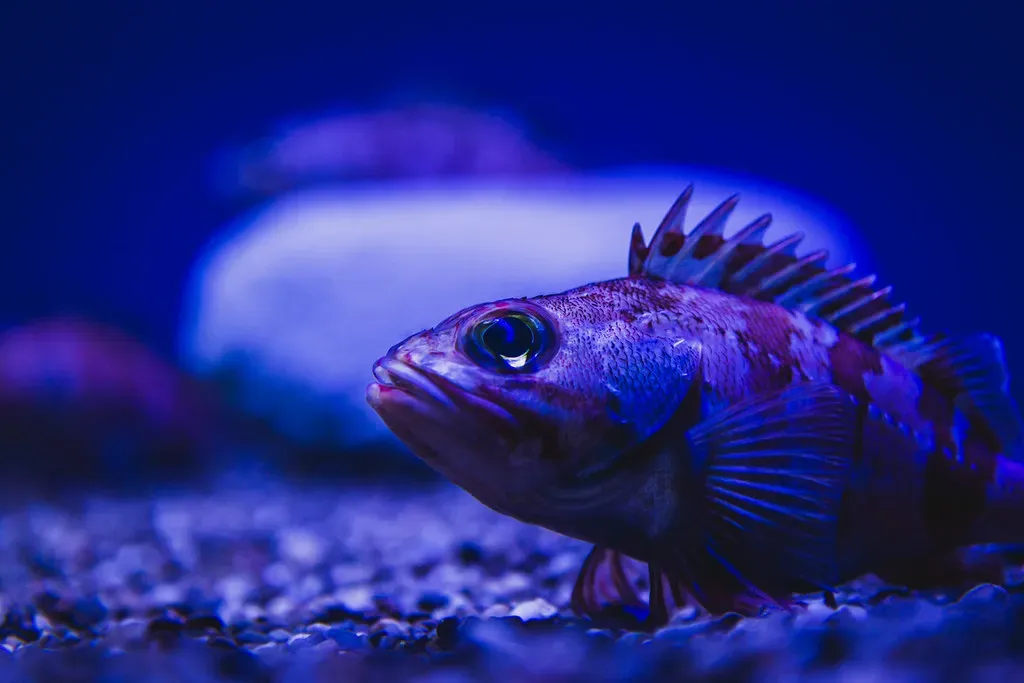
When you hear about industrial chemicals like certain flame retardants or legacy pesticides, you might imagine factories, landfills, or polluted rivers. You probably do not picture them inside the tissues of deep-sea fish and crustaceans that live far below recreational divers, ships, and coastal cities. Yet researchers sampling animals from deep trenches and remote abyssal plains have detected man-made compounds that were originally released into the environment near the surface. Somehow, these molecules have traveled all the way down into the bodies of creatures that have never been anywhere near land.
This happens because many industrial chemicals bind to particles or fats and then hitch rides through the food chain or cling to sinking organic matter, sometimes called marine snow. Over years and decades, they drift downward and are eaten by scavengers that spend their entire lives in darkness. If you grew up thinking of the deep ocean as pure, untouched wilderness, this forces you to update that mental picture. It is not just that trash is falling to the bottom; it is that invisible traces of surface industry are now threaded through the genetics and chemistry of deep-sea life.
5. Lost Submersibles and Equipment on the Seafloor
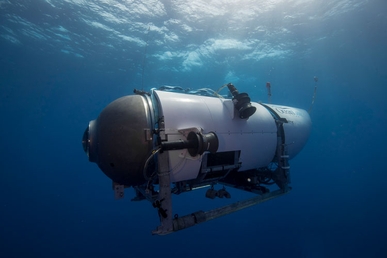
The ocean’s extremes are so unforgiving that even machines built to explore them sometimes never come back. Over the years, various remotely operated vehicles, experimental submersibles, and heavy scientific instruments have been lost at depth, where they now sit as silent metal skeletons on the seafloor. You might imagine the bottom as a natural landscape sculpted by geology and biology, but when cameras pan across it, you occasionally see cables, frames, and devices that look like relics from a science museum, just lying in the dark.
What feels strange about this is not just that the gear is there, but that it often remains in surprisingly good condition, simply because almost nothing disturbs it. There are no waves, no storms, and in many deep locations, very slow corrosion. You essentially end up with a scrapyard of high-tech equipment in one of the most remote environments on Earth. When you remember how carefully you have to design anything to survive that pressure, seeing a broken lander or a lost robot lying still feels almost like a monument to both human curiosity and human fallibility.
6. World War II Shipwrecks Still Leaking Oil
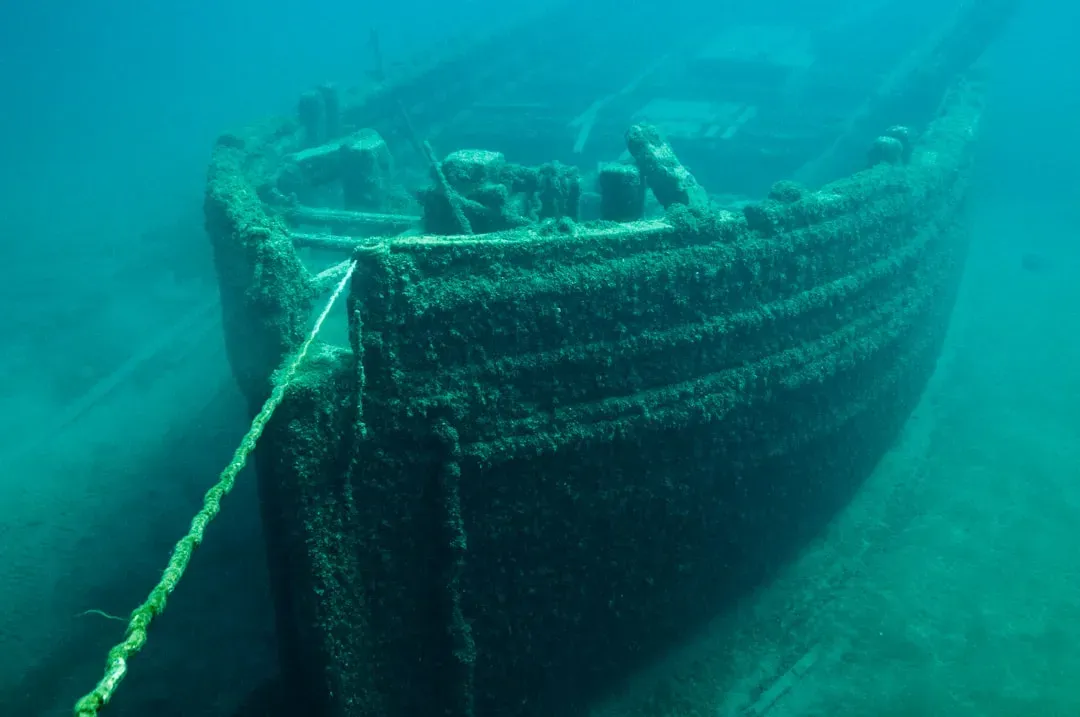
All over the world’s oceans, deep-sea surveys have located sunken warships and cargo vessels from the early and mid-twentieth century, resting at depths where divers cannot go. Many of these wrecks went down with full fuel tanks, and some of them are still slowly leaking oil decades later. When you see remote cameras roll past a rusted hull thousands of feet down and then capture dark plumes or droplets seeping from it, it hits you that history is not really over; it is still quietly bleeding into the environment.
At these depths, you have cold temperatures, high pressure, and low light, which can slow down some natural breakdown processes. So you end up with steel structures holding pockets of fuel that can stay trapped for a long time before they escape through corrosion. This was never part of anyone’s original calculation when these ships were built or sank. Yet now you have a patchwork of underwater historical artifacts that double as potential long-term pollution sources, influencing deep ecosystems you probably did not even know existed when those battles were fought.
7. Spacecraft Debris and Rocket Parts in the Ocean
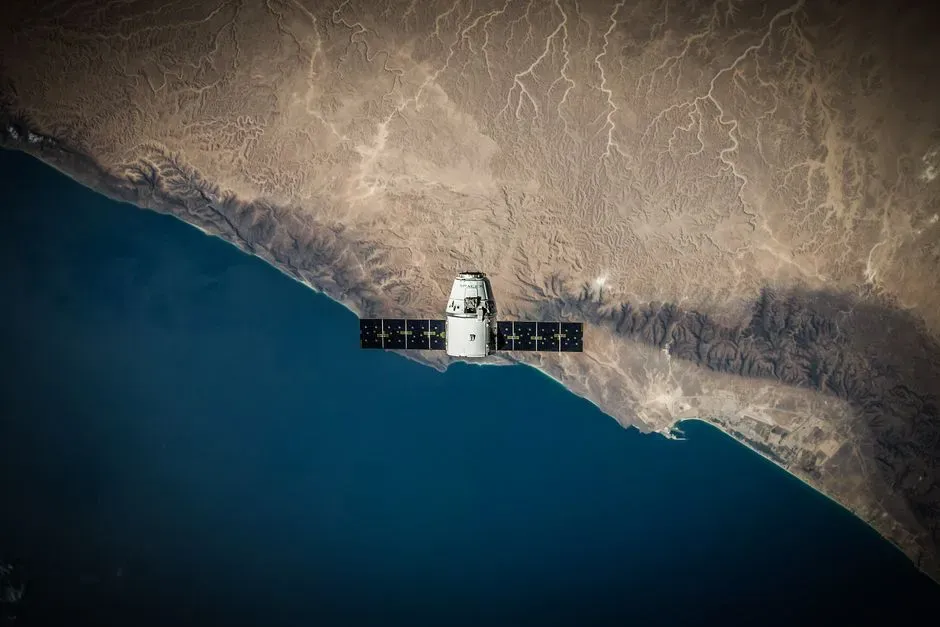
Because oceans cover most of the planet, they have become the default landing zones for spent rocket stages, test capsules, and even pieces of satellites that survive re-entry. Some of these objects sink into shallow water and are recovered, but others end up in deeper regions, where they essentially become unintended sculptures on the seabed. If you imagine a rocket casing or a fragment of spacecraft lying next to deep corals and sea cucumbers, it feels like you mashed together two completely different planets: one technological and one primordial.
Over time, some of this hardware gets colonized by marine life just like any other artificial structure. You might see metal surfaces crusted in barnacles or wrapped in sponges, turning a symbol of human space ambition into just another hard surface in the deep. What makes this unsettling is that you are looking at technology designed to leave Earth, yet its final resting place is a part of Earth that most people will never see. It is a reminder that even your attempts to escape the planet leave marks in the most hidden corners of it.
8. Deep-Sea Life Surviving Crushing Pressures
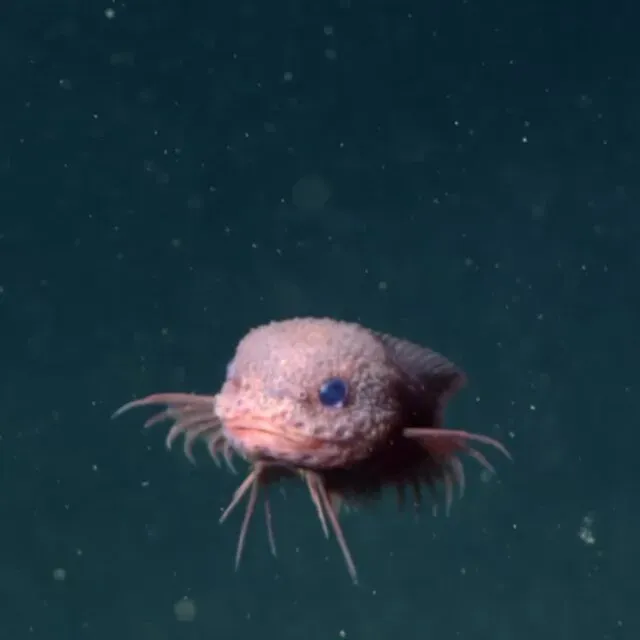
From a purely physical point of view, you might expect that complex organic life would struggle or fail in the deepest trenches where pressures are immense. Yet over and over, expeditions have filmed and collected fish, amphipods, worms, and other creatures thriving at depths that seem almost absurd. You might see a translucent snailfish gliding gracefully at a depth where the pressure is hundreds of times higher than what you feel at the surface. By your everyday logic, that kind of environment should be lethal to soft tissues and delicate organs, but clearly it is not.
These animals pull this off by having flexible bodies, specialized cell structures, and unique biochemical adaptations that let their proteins and membranes function under extreme pressure. They are not breaking the laws of physics, but they are stretching your sense of what life can adapt to. When you first learn about deep trenches, you might imagine them as nearly lifeless voids, but in reality they host entire communities. The surprise is not that anything survived down there; it is that those ecosystems are active, complex, and busy, operating under rules you are only beginning to understand.
9. Whale Falls Creating Local Oases of Life
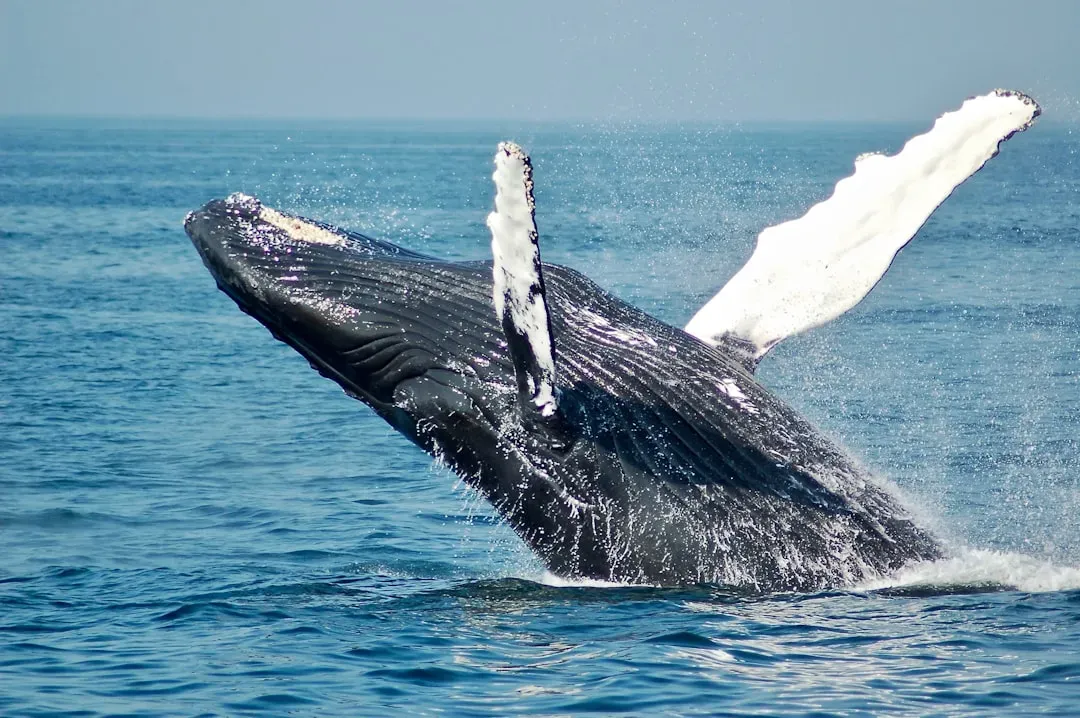
When a whale dies and its body sinks into the deep ocean, you get something that feels almost like a glitch in the system: a massive sudden delivery of organic material to a place where food is usually scarce. At the bottom, that carcass becomes known as a whale fall, and it can support an entire mini-ecosystem for years. You might expect the deep sea to be uniformly empty and lean, but around a whale fall, you see dense swarms of scavengers, specialized worms, and even organisms that feed off the chemicals released as the bones break down.
On some level, this should not feel like it belongs in the deep ocean because it is so concentrated and abundant compared to the usual slow drizzle of organic matter that sinks from above. It is like someone dropped a supermarket in the middle of a desert. Yet these events are now recognized as a key part of deep-sea ecology, shaping how certain species evolve and spread. Once you understand that a single whale can transform a patch of seafloor into a thriving community, it becomes harder to think of the deep ocean as static or simple.
10. Hydrothermal Vent Communities Without Sunlight
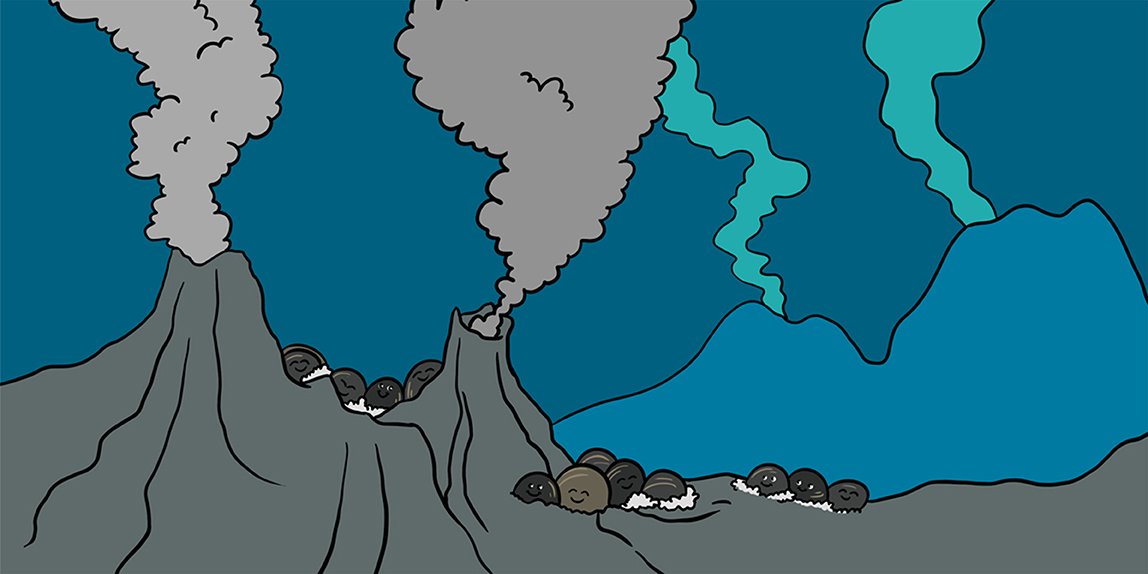
Everything you are taught as a kid makes it sound like sunlight is the starting point for almost all life on Earth. Then you meet hydrothermal vents, which are cracks in the seafloor where superheated, mineral-rich fluids gush out into the deep ocean. Around these vents, you find lush communities of tube worms, clams, crabs, and bacteria that do not rely on sunlight at all. Instead, they use chemical energy from the vent fluids, in a process called chemosynthesis, to build organic matter in total darkness.
Seeing these ecosystems, you realize that your mental rule – no light means no life – is just wrong. You have towering chimneys spewing hot water surrounded by dense clusters of living things, all thriving in a chemical storm that would kill most shallow-water species. The pressure is crushing, the water is cold just a short distance from the vents, and yet these communities are so productive that they look almost like underwater gardens lit only by camera lights. If there was ever something in the ocean that looks like it should not exist based on your surface rules, it is these glowing pockets of chemical life.
11. Cold Seeps and Methane-Based Ecosystems
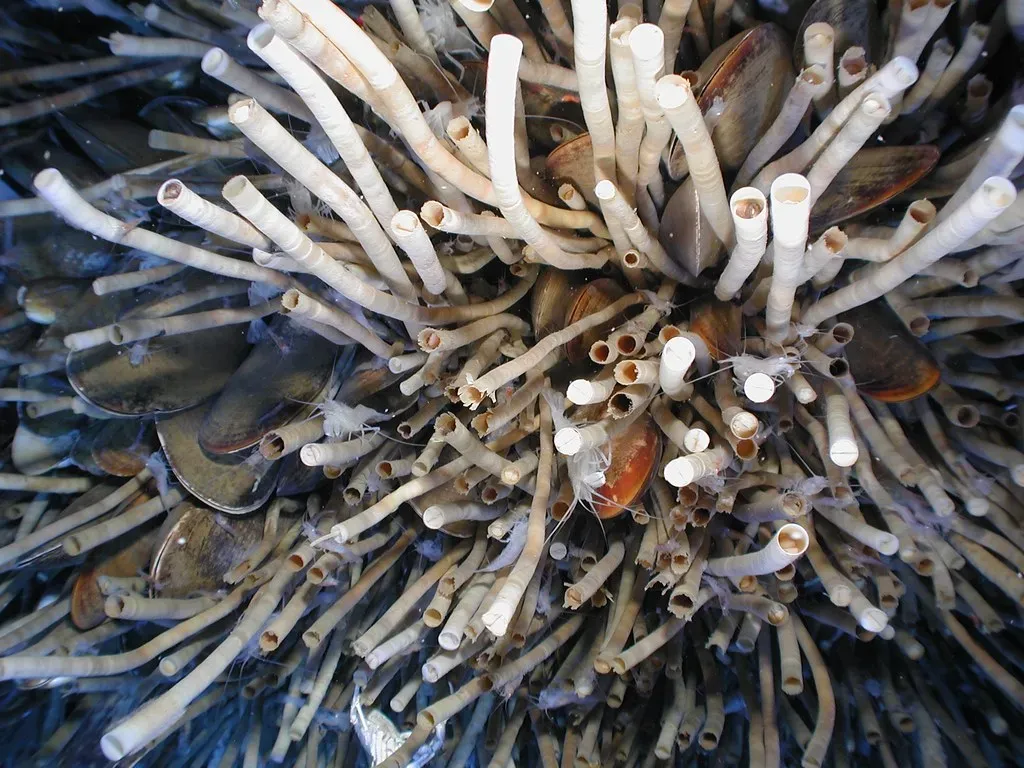
Another surprise waiting for you on the seafloor is the existence of cold seeps, where hydrocarbons like methane and other fluids slowly leak out of sediments. Unlike the dramatic, hot plumes of hydrothermal vents, cold seeps are often gentle and subtle, but they also support rich communities of life. Here again, you find bacteria and other organisms that use chemical energy, in this case from methane and related compounds, to build organic material without relying on sunlight. Tube worms, mussels, and other animals cluster around these spots like people around a hidden spring in a dry landscape.
What makes cold seeps feel so out of place is that they turn what you might think of as pollution or fuel into the foundation for entire ecosystems. You are used to hearing methane discussed as a greenhouse gas or something burned for energy, not as food that ultimately supports crabs, fish, and other larger animals. These habitats show you that the deep ocean is full of alternate rules and side stories, where the same molecules you fear in the atmosphere are quietly powering life in the dark. It is a reminder that the planet does not always care about your categories for what counts as waste or resource.
12. Ancient Bones and Artifacts Preserved in the Deep
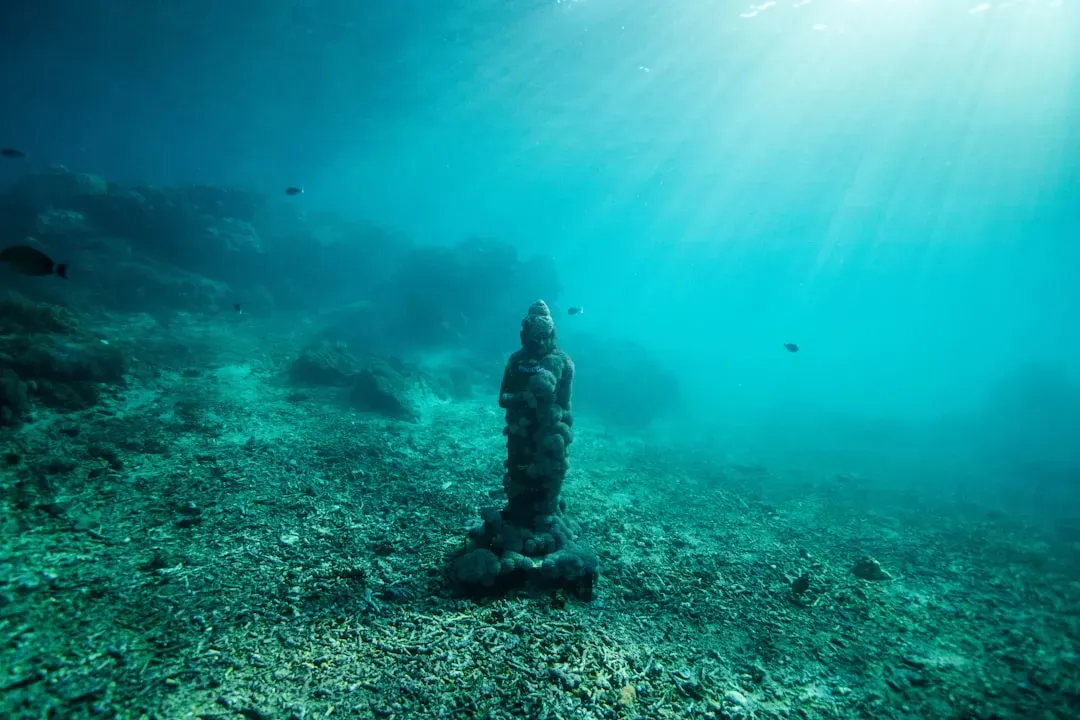
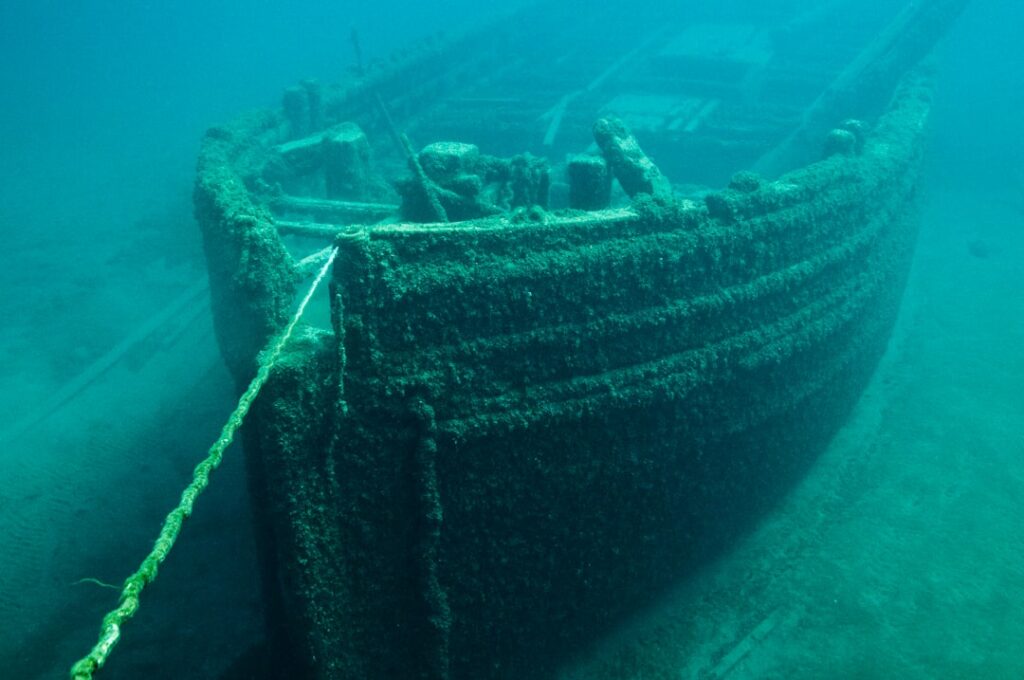
In some places, the deep ocean acts like a time capsule, preserving objects in ways you would not expect from such a harsh environment. Low temperatures, lack of sunlight, and limited oxygen can slow decay dramatically, so you sometimes find bones, wooden structures, or human-made artifacts that are far older and better preserved than you would see on land. You may picture the seafloor as a place where everything rusts and rots quickly, but that is not always true, especially in deeper, more stable waters.
This means that the deep ocean quietly holds fragments of human and natural history side by side. A ship’s wooden beams, an ancient anchor, or the skeletons of large marine animals can rest almost undisturbed for long periods, looking eerily fresh in camera lights. For you, this bends the line between past and present, because objects that should have been erased by time still sit there almost intact. It feels like walking into an archive that nobody meant to build, where the filing system is simply gravity and the patience of the sea.
13. Radioactive Traces from Nuclear Testing and Accidents
One of the most unsettling things you find in the ocean is not a physical object you can see, but radioactive signatures from nuclear tests and accidents that have left their mark far from where they began. Over the last century, nuclear detonations, leaks, and fallout have released isotopes that eventually made their way into ocean waters. Some of these traces have been detected not just at the surface, but also in deeper layers of the water column and even in deep-sea sediments and organisms.
When you realize this, you are forced to admit that even the most remote water on Earth carries a subtle fingerprint of human nuclear history. These isotopes behave according to physics and chemistry, drifting with currents, settling into mud, and sometimes entering food webs. They do not glow or call attention to themselves, but their presence shows up when scientists measure them. In an environment defined by ancient cycles and slow changes, these sharp, modern signals feel completely out of place, like neon graffiti on a cave wall that had been untouched for millennia.
Conclusion: A Planet Where “Away” No Longer Exists
Once you put all of these examples together – plastic bags in trenches, chemicals in deep fish, high-tech wreckage serving as reefs – you stop being able to pretend that the deep ocean is separate from your daily life. The very places that once symbolized untouched wilderness now contain evidence of your shopping habits, your industries, and your wars. At the same time, you see life itself stubbornly thriving in conditions you once thought were basically impossible, rewriting your assumptions about pressure, darkness, and what counts as a habitable environment.
In a strange way, the deep ocean is holding up a mirror, showing you both the reach of human impact and the raw creativity of life under stress. You are living on a planet where your actions can end up seven miles below the surface, and where strange ecosystems bloom in places that defy your intuition. The question is not whether the ocean will notice what you do – it already has. The real question is: now that you know what is down there, what part of that story do you want to help write next?