

You know that jolt that rips you out of sleep just as you are about to hit the ground in a dream? For years, people have shared the old myth that if you ever actually hit the ground in a falling dream, you would die in real life. Yet here you are, clearly alive, maybe even remembering times when your mind let you crash into the pavement, the ocean, or some endless void. What neuroscience suggests is far less supernatural but in some ways even more unsettling: your brain may be running a full-body emergency drill, a kind of dress rehearsal for what it thinks could be your last moments.
When you dream of falling and actually feel yourself hit, your brain is not predicting your death. Instead, it is simulating how your body might respond to extreme threat, shock, or trauma. You are not glimpsing fate; you are watching your nervous system practice for the worst-case scenario. Once you see it that way, those terrifying dream impacts start to look less like a curse and more like a weird kind of survival training your brain runs without your permission.
The Myth of “Hit the Ground and You Die”

At some point, someone probably told you that if you ever hit the ground in a falling dream, you would never wake up. Neuroscience and years of human experience prove that wrong immediately: plenty of people remember hitting the ground in dreams and then going on with their lives, often a bit shaken, but very much alive. This myth likely stuck around because the sensation of falling and the violent jerk awake feel so intense that your mind links them with danger and death by default.
What is really happening is that your brain is blending intense fear, body sensations, and half-remembered stories into a tidy explanation that just happens to be wrong. You might even wake up with your heart hammering, chest tight, and muscles clenched, which only strengthens the belief that something deadly was close. But once you understand that these are normal alarm responses, not omens, the story changes from “I almost died in my sleep” to “my nervous system just slammed the panic button while I was dreaming.”
What Your Brain Is Actually Doing When You Fall

During sleep, especially in rapid eye movement (REM) sleep, your brain is surprisingly active. It is processing memories, emotions, and body signals, and sometimes all of that blends into dramatic dream scenes. When you dream that you are falling, your brain is combining visual imagery with your inner sense of balance and motion, known as your vestibular system. It is as if your brain is feeding your body a false motion signal and your inner ear believes it for a moment.
This imagined fall is not random chaos; it often mirrors a feeling of losing control, sudden change, or emotional freefall in your waking life. Your brain loves metaphors, and falling is one of its favorite ways to represent insecurity or fear. So when you feel yourself drop off a ledge in a dream, your brain may actually be asking, in its own strange way, how you would cope if something in your life suddenly gave way beneath you.
The “Death Response” Rehearsal: Fight, Flight… or Freeze
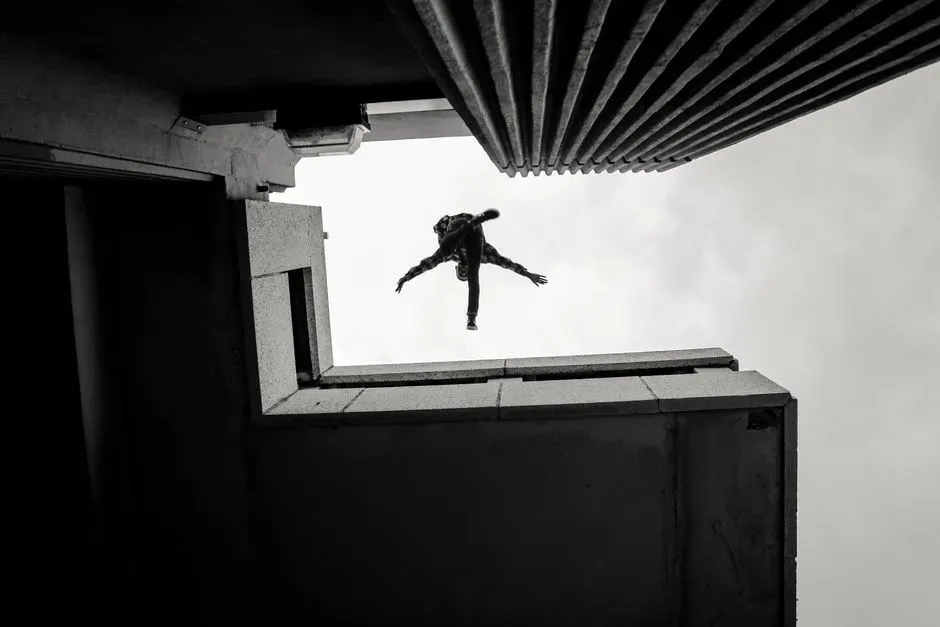
When neuroscientists talk about your “death response,” they are really talking about your most extreme survival systems: fight, flight, and freeze. In real life, if you were falling from a dangerous height, your brainstem and limbic system would flood your body with stress hormones, ramp up your heart rate, tighten your muscles, and narrow your focus. In a dream, you sometimes feel a shadow of that same storm of reactions, just without any actual impact on your physical safety.
If you dream that you actually hit the ground, your brain may be taking that simulation one step further: it is testing how far it can push that survival response inside a safe environment. You might notice that in those dreams, time seems to slow down, or everything goes strangely quiet right before impact. That odd, distorted feeling can mirror how people describe intense real-world fear or near-accidents, suggesting that your brain is quietly practicing how to process overwhelming shock while you are asleep.
Why You Sometimes Feel the Impact in Painful Detail

You might be surprised by how real the impact feels: the crunch of your body hitting concrete, the shock in your chest, or even a burst of imagined pain. Your brain does not need your body to be moving to create these sensations. It recruits your sensory maps, the same networks that help you feel touch and pain when you are awake, and runs a vivid internal simulation. In other words, your brain is using your own body’s blueprint to stage a fake catastrophe.
There is a reason this can feel emotionally brutal. When you “die” or nearly die in a dream, you sometimes also feel regret, loss, or a wave of sadness in the seconds before waking. That emotional surge is not random; your brain is connecting physical danger with meaning, values, and relationships. It is quietly asking, if everything ended now, what would matter most, and what would hurt to lose? That is less about predicting your death and more about highlighting what you care about when the stakes feel highest.
The Startle Reflex: Your Body’s Emergency Brake

You know that violent jerk that yanks you awake right as you are falling? That is often called a hypnic jerk, and it is basically your body’s startle reflex misfiring as you drop into sleep. Your muscles briefly twitch as your nervous system shifts from wake mode to sleep mode, and your brain sometimes explains that twitch by quickly inventing a falling scene. You feel the movement, your brain gives it a story, and suddenly you are plunging off a building in your dream.
When you actually hit the ground in the dream without waking up first, your startle reflex may have stayed quiet long enough to let the scene play out. You might still wake up seconds later, heart pounding as if you sprinted. From your brain’s perspective, this is a full disaster drill: an imagined fall, a sudden impact, and a strong wave of bodily alarm that reinforces your survival circuits, even though you never left your bed.
Stress, Anxiety, and Why Falling Dreams Show Up When They Do

If you notice that your falling dreams show up more when you are overwhelmed, you are not imagining it. When you are stressed, your brain spends more time in a state of watchfulness, constantly scanning for threats, even while you sleep. That hyper-alert state can slip into your dreams as scenarios where you lose control, like falling, being chased, or getting stuck in slow motion while something terrible looms.
Dreams where you hit the ground can be your brain’s dramatic way of exploring what “worst-case scenario” feels like without real-world consequences. If your job feels unstable, your relationship feels shaky, or your future feels foggy, your dream mind might turn those abstract fears into a literal drop off a cliff. Instead of seeing the dream as a prediction, you can treat it like a coded message: something in your life feels unsafe, and your brain is responding by rehearsing how you might emotionally survive a crash.
What These Dreams Do for Your Emotional Resilience

Even though they are terrifying, falling-and-impact dreams can actually serve you. By letting you “experience” a disaster in a safe, simulated environment, your brain gives you a chance to process feelings you might avoid in the daytime: helplessness, fear, vulnerability, or the realization that you are not fully in control. You wake up shaken, but the emotional charge has been at least partly drained inside the dream.
Over time, these rehearsals can help you feel more familiar with intense emotions, so they do not knock you completely off balance when something genuinely hard happens. It is a bit like a flight simulator for your inner life: no real crash, but a very real chance to practice. You do not consciously sign up for this training, but your brain seems to believe that running these scenarios has survival value, especially when your waking life feels unstable.
How to Respond When You Keep Dreaming You Hit the Ground
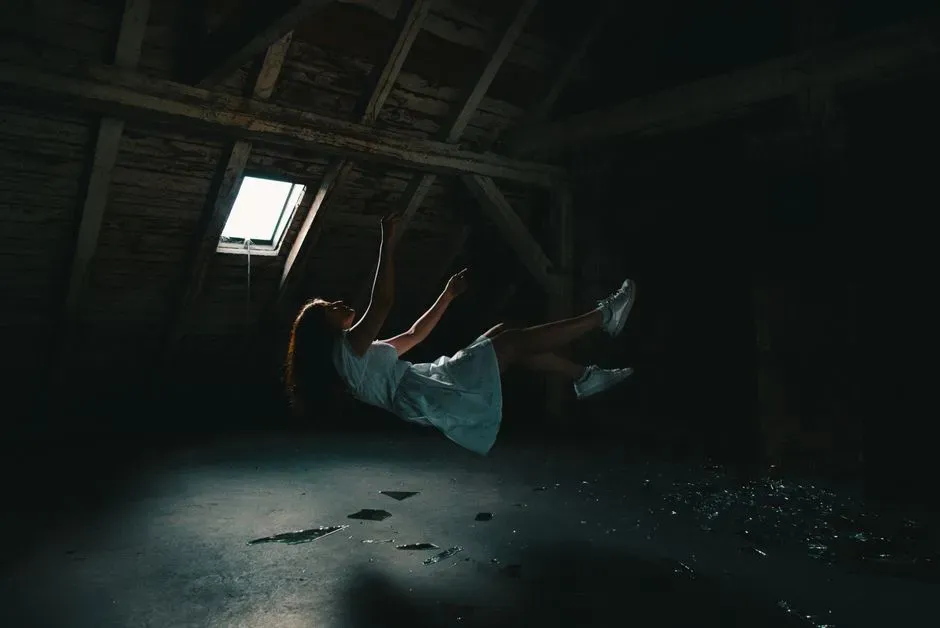
If you keep replaying falling-and-impact dreams, your first instinct might be to push them away or try to never think about them again. That usually backfires, because what you resist tends to stick around louder. A more helpful approach is to get curious: ask yourself what was happening in your life around the time the dreams appeared or intensified. Were you starting something risky, ending something important, or feeling like your footing was gone in some area of your life?
You can also pay attention to what happens right after the impact in the dream. Do you wake up immediately, or do you sometimes find yourself standing up again inside the dream? Even if the scene ends in darkness, noticing your emotional reaction matters. If you wake up feeling terrified and alone, that might nudge you to seek real-world support. If you wake up weirdly calm, it might signal that some part of you trusts your ability to handle even the scariest unknowns.
When to Worry – and When to Simply Listen

Most of the time, even intense falling dreams are a normal part of being a human with a nervous system under pressure. But if your dreams are so frequent or disturbing that you dread going to sleep, or if they connect with other signs of serious anxiety, depression, or trauma, it is worth talking to a professional. A sleep specialist or therapist can help you sort out whether your brain is just doing its usual safety drills or whether it is stuck replaying something it needs help to heal.
For many people, though, these dreams are more like flashing dashboard lights than signs of immediate danger. They tell you that your inner alarm system is running hot, that you may feel like you are always on the edge of a metaphorical cliff during the day. If you treat the dream not as a curse but as feedback, it can push you to adjust your stress levels, your boundaries, and your support systems so that your brain does not feel compelled to rehearse disaster quite so often.
Conclusion: Your Nightly Plunge as a Strange Kind of Protection

The next time you dream that you are falling and actually feel yourself slam into the ground, you do not have to interpret it as a premonition of your own death. You can see it instead as your brain’s intense, clumsy attempt to keep you alive: running worst-case scenarios, testing your emergency responses, and helping you process fear in a place where no real bones break. It is uncomfortable, even terrifying, but it is not a prophecy; it is a rehearsal in the safest theater your mind has.
That does not make the dream pleasant, but it does give you a different kind of power: you can listen, reflect, and make changes in your waking life instead of living in fear of what happens when you hit the ground in your sleep. Your brain is already on your side, even when its training sessions feel extreme. Knowing that, what will you pay closer attention to the next time your dreams throw you off a cliff and then let you walk away?