
Look around you for a second. The chair under you, the phone in your hand, the bones in your fingers pressing against the screen all feel solid, dense, reassuringly “there.” Yet, at the level of atoms, almost everything you are interacting with is, in a very real sense, nothing. That comforting solidity is more like a special effect than a physical wall, a force field your brain has quietly decided to interpret as “hard.”
This is not poetry; it is physics. Modern particle physics tells us that roughly about ninety–nine point nine nine nine nine nine nine nine percent of every atom is empty space. When you push your hand against a table, what stops you is not tiny billiard balls packed together, but invisible forces refusing to let matter overlap. The deeper you follow this idea, the stranger everyday life becomes: touch, shape, texture, even your sense of having a body are built out of absence choreographed by fields and forces.
Why “Almost Pure Empty Space” Is Not Just a Cute Factoid
It is tempting to treat the idea that atoms are mostly empty as a fun science trivia fact and then put it aside, but it is much more disruptive than that. If almost all of an atom’s volume is empty, then the familiar picture of the world as a collection of solid little marbles fitting together like Lego bricks is simply wrong. The things you trust most – your weight on the ground, your hand on your chest, the key turning in a lock – are based on an illusion your nervous system finds extremely convincing.
At the atomic level, nearly all the mass is concentrated in an unimaginably tiny nucleus, with electrons occupying vast regions of “allowed” space described by probability, not fixed orbits. If you scaled a nucleus up to the size of a pea in the middle of a huge cathedral, the nearest electrons would still be hovering somewhere out by the walls, and most of the cathedral would be just empty. Yet that ghostly, mostly vacant arrangement is what gets reassembled into smartphones, oceans, forests, and the person you see in the mirror. Once you let that truly sink in, everyday solidity stops feeling obvious and starts feeling like a small, continuous miracle.
Inside an Atom: Tiny Nuclei, Fuzzy Electrons, Vast Nothing
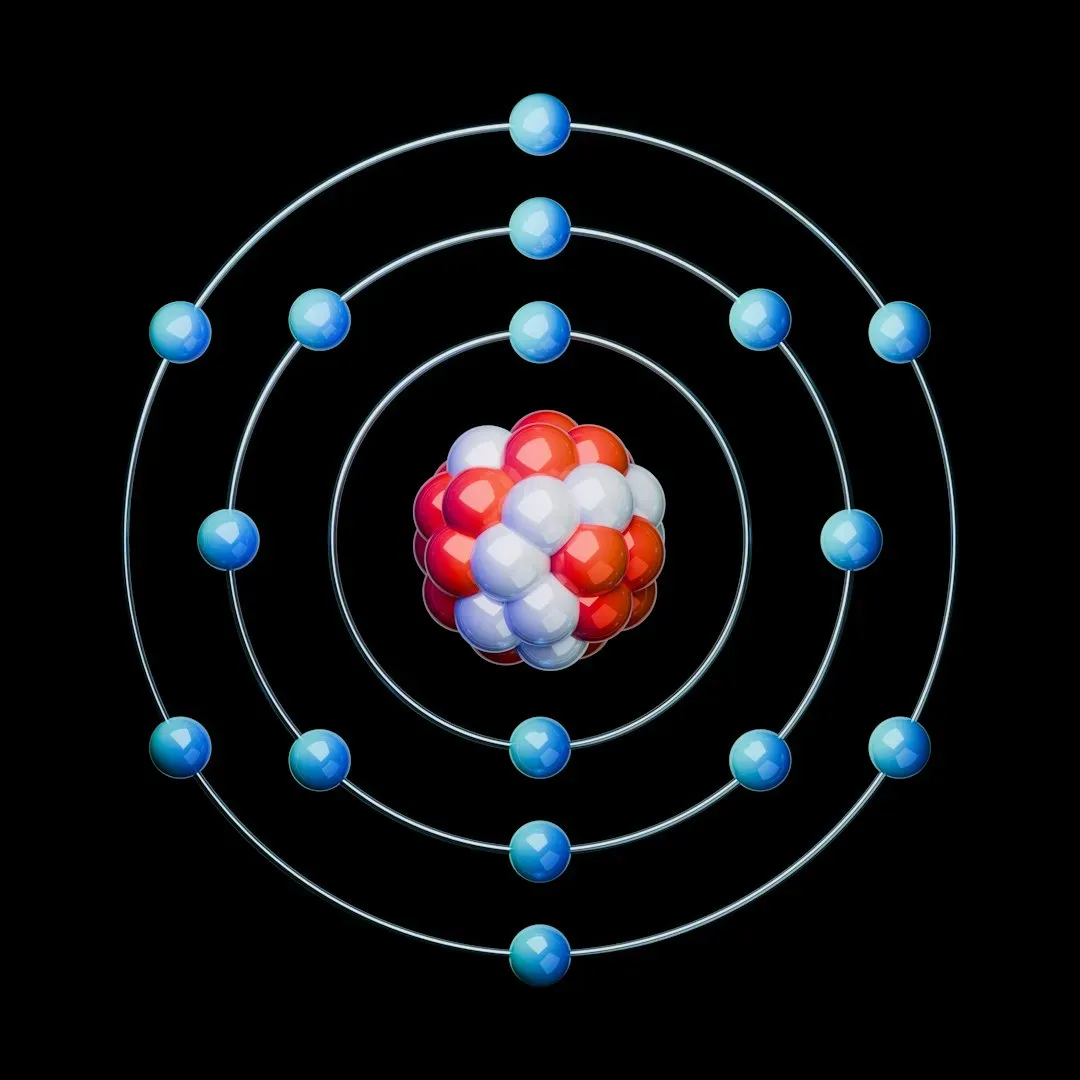
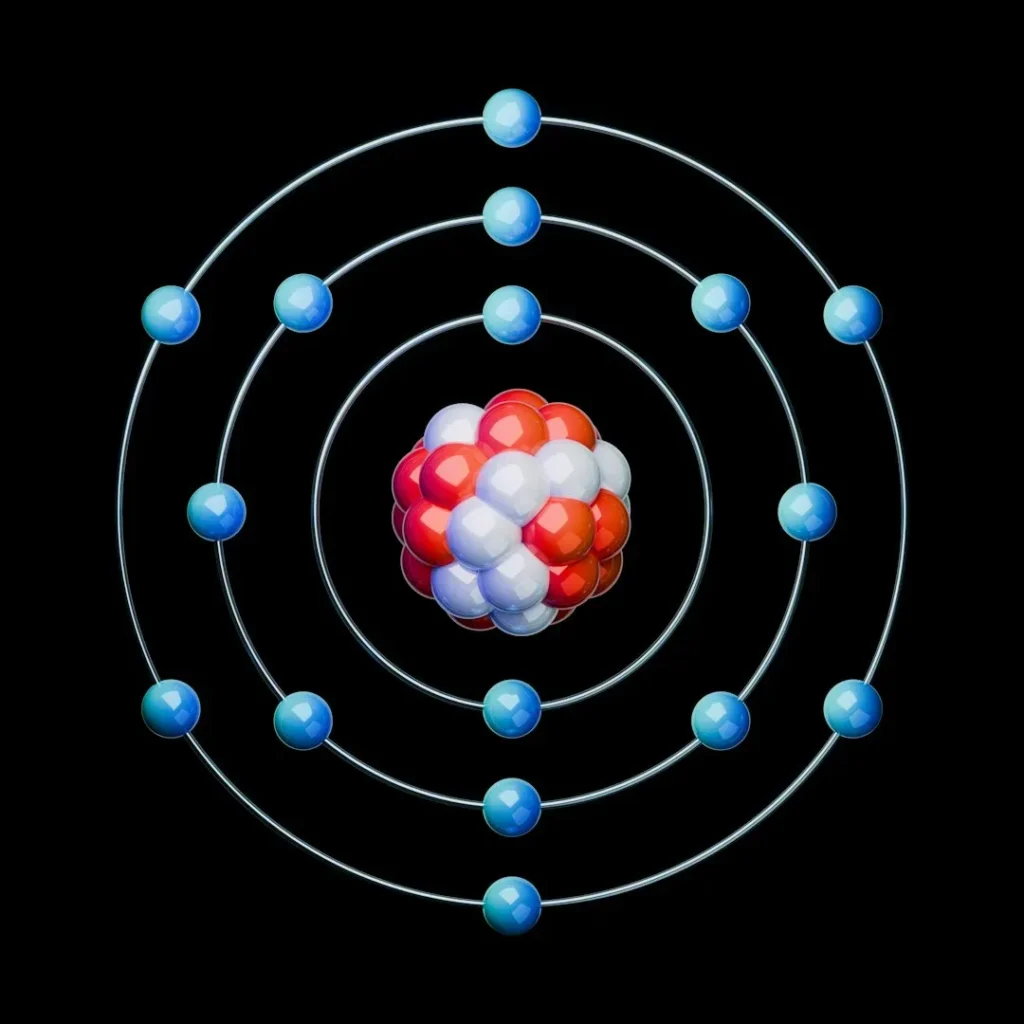
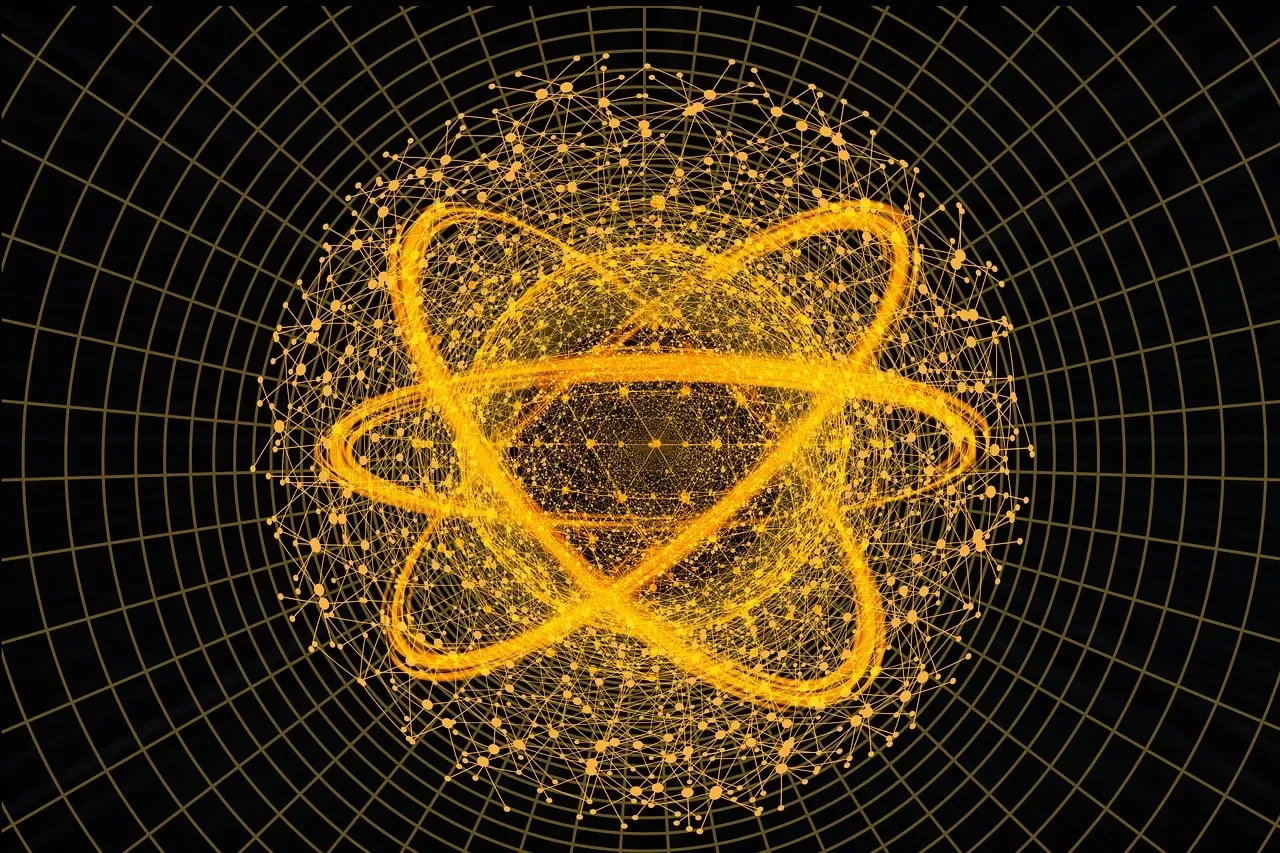
An atom is not a miniature solar system with neat planets circling a sun; it is more like a dense speck of almost all the mass surrounded by a ghostly haze where an electron is likely to be found. The nucleus – made of protons and neutrons – is crushingly tiny compared to the total size of the atom but holds practically all of its mass. If an atom were the size of a stadium, the nucleus would be a grain of rice at the center, and the rest would look like almost pure vacuum.
Electrons do not trace crisp little loops around this grain; they exist as clouds of probability, smeared out in regions defined by quantum rules rather than familiar geometry. These electron “orbitals” are patterns of where you might find an electron if you could take a snapshot, not solid shells. The strange part is that this diffuse, ghostlike distribution of charge is exactly what sets up the electric forces that make things feel solid. What we call the edge of a table is really the outer edge of those electron clouds pushing back.
If It Is Mostly Nothing, Why Can’t You Push Your Hand Through It?
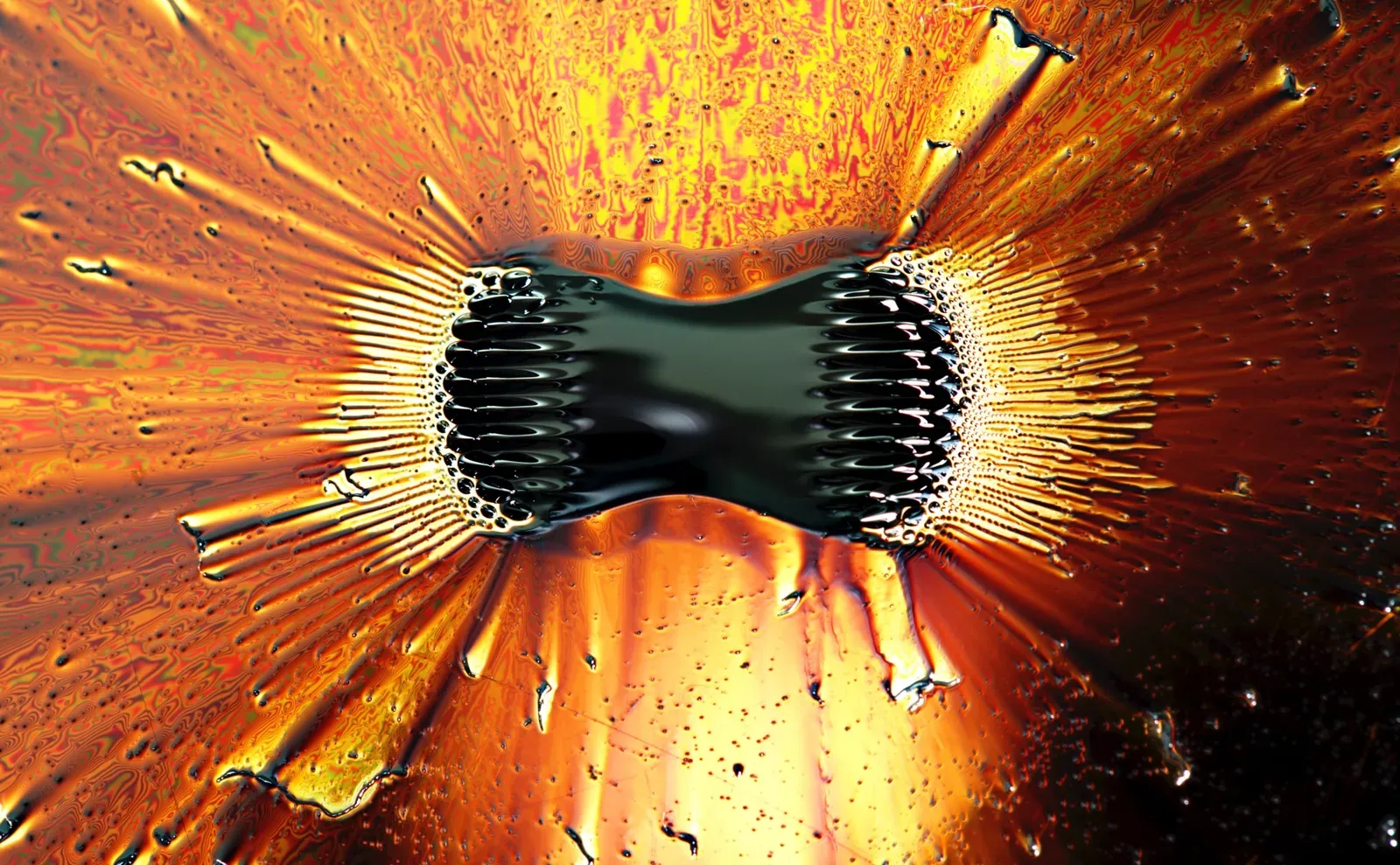
This is the question that nags at people: if atoms are mostly empty space, why can’t you just shove your hand through a wall like a ghost? The short answer is that forces – primarily electromagnetic forces between electrons – simply will not let the charged particles in your hand occupy the same quantum states as the electrons in the wall. It is like trying to push two powerful, invisible magnets into the same spot with their like poles facing; the closer you get, the stronger the pushback becomes.
At the microscopic level, the electrons in your skin and the electrons in the table share the same basic rulebook: they refuse to be in the exact same place and state, and they repel each other when they get close. When your hand “contacts” the table, what actually happens is that the electromagnetic fields overlap, the repulsion skyrockets, and your muscles feel that resistance as hardness. No tiny bricks are colliding; no physical boundaries are clashing. It is fields on fields, forces on forces, your nervous system translating all of that into the simple sensation of “stop.”
Solidity as a Force: How Your Brain Turns Fields into Feelings

When you tap a desk, your nerves are not detecting atoms hitting a rigid surface; they are detecting changes in pressure and deformation in your skin caused by electromagnetic repulsion. Specialized nerve endings in your fingers convert mechanical changes into tiny electrical signals that race up your arm, eventually reaching the brain. Your brain then assembles those signals, tosses in your expectations and memories, and presents you with a unified experience: “This is hard, flat wood.”
In other words, what you experience as texture, roughness, hardness, and shape is already one layer removed from reality. You are feeling the effects of quantum rules and electric fields translated through biology into a story that makes sense for survival. No animal needs to consciously understand Pauli exclusion or electron orbitals to know not to put its paw into a fire. The brain’s job is not to show you the universe as it is but to show you a version of it that lets you navigate without falling apart.
The Pauli Exclusion Principle: The Quiet Rule That Keeps You from Falling Through the Floor
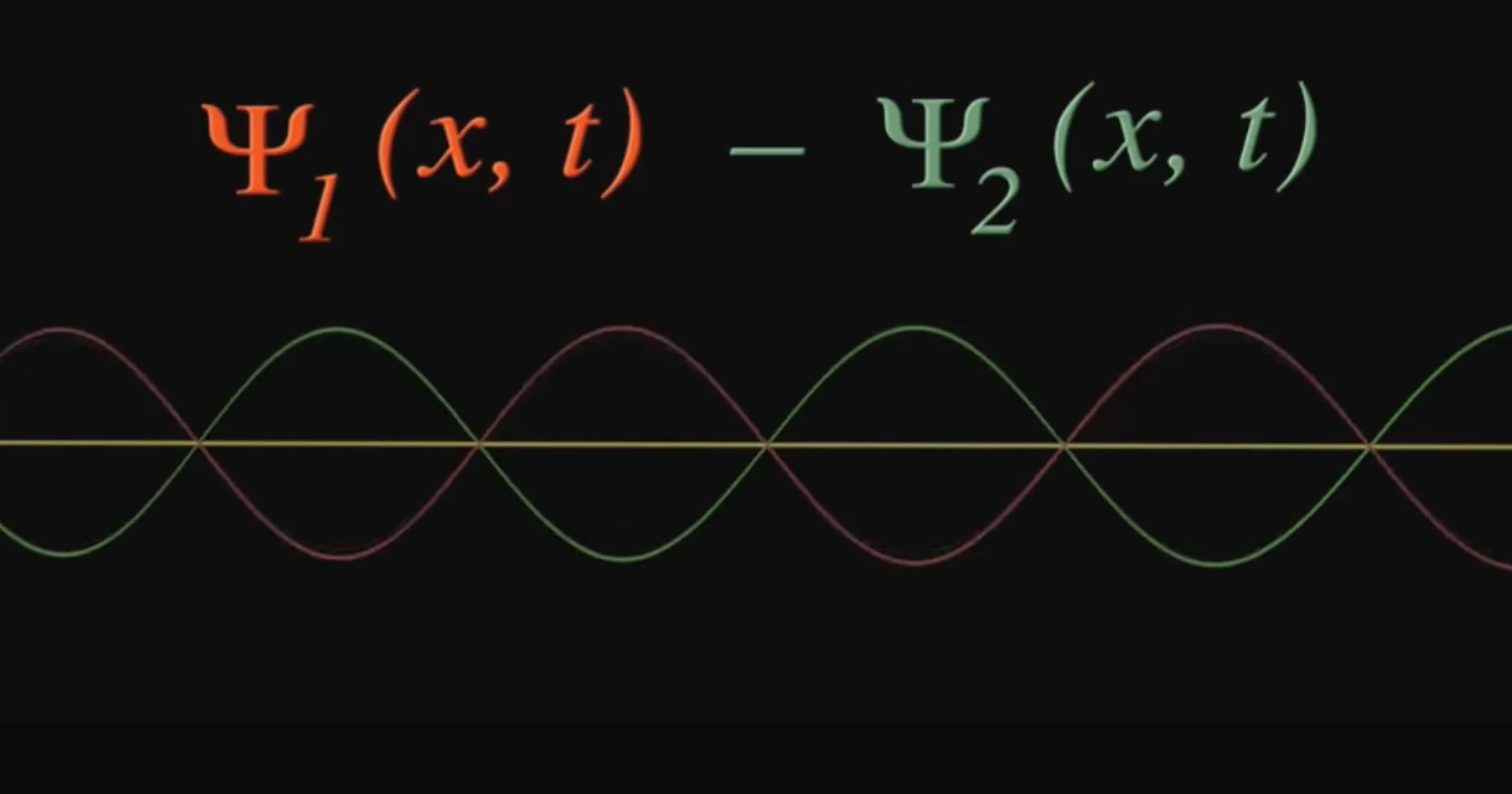
There is a quiet, almost philosophical rule hiding inside your everyday life: certain particles, like the electrons in your body, are not allowed to pile into the same quantum state. This is called the Pauli exclusion principle, and it is a big part of why matter has size and shape instead of collapsing into a denser and denser smear. When the electrons in your atoms get too close to the electrons in something else, the quantum rules dig in their heels and push back.
Combine that rule with electromagnetic repulsion, and you get something astonishing: resistance to compression, which we interpret as solidity. Even in exotic environments like white dwarf stars, this principle is what stops matter from imploding completely, providing so-called degeneracy pressure. The same underlying rule that keeps stellar corpses from collapsing into black holes is at work when you sit on a chair and do not sink through the floorboards. It is a reminder that everyday comfort depends on abstract, nonnegotiable laws written in the language of quantum mechanics.
Fields All the Way Down: From Particle Zoo to Invisible Fabrics
Particle physics in the last century has moved us away from thinking about reality as a collection of tiny, hard beads and toward the idea of fields. In this view, what we call particles – electrons, quarks, photons – are more like ripples, localized excitations in deeper fields that fill all of space. The electromagnetic field, the Higgs field, the quark and gluon fields: they are not sitting in space, they are what space is made of, in the most literal, if abstract, sense.
From this perspective, the emptiness inside atoms is not a void in the everyday sense; it is a region where these fields are relatively quiet but still very much present. The nucleus is a loud, concentrated disturbance in some of those fields, the electrons are gentler ripples in others, and the “space” between is a kind of resting state, not absolute nothing. When you touch a surface, you are not bringing solid little marbles together; you are letting two structured patterns in various fields interact and push on each other. The universe starts to look less like stuff in a box and more like patterns in an invisible ocean.
Your Body Is Mostly Absence – But That Does Not Make It Unreal
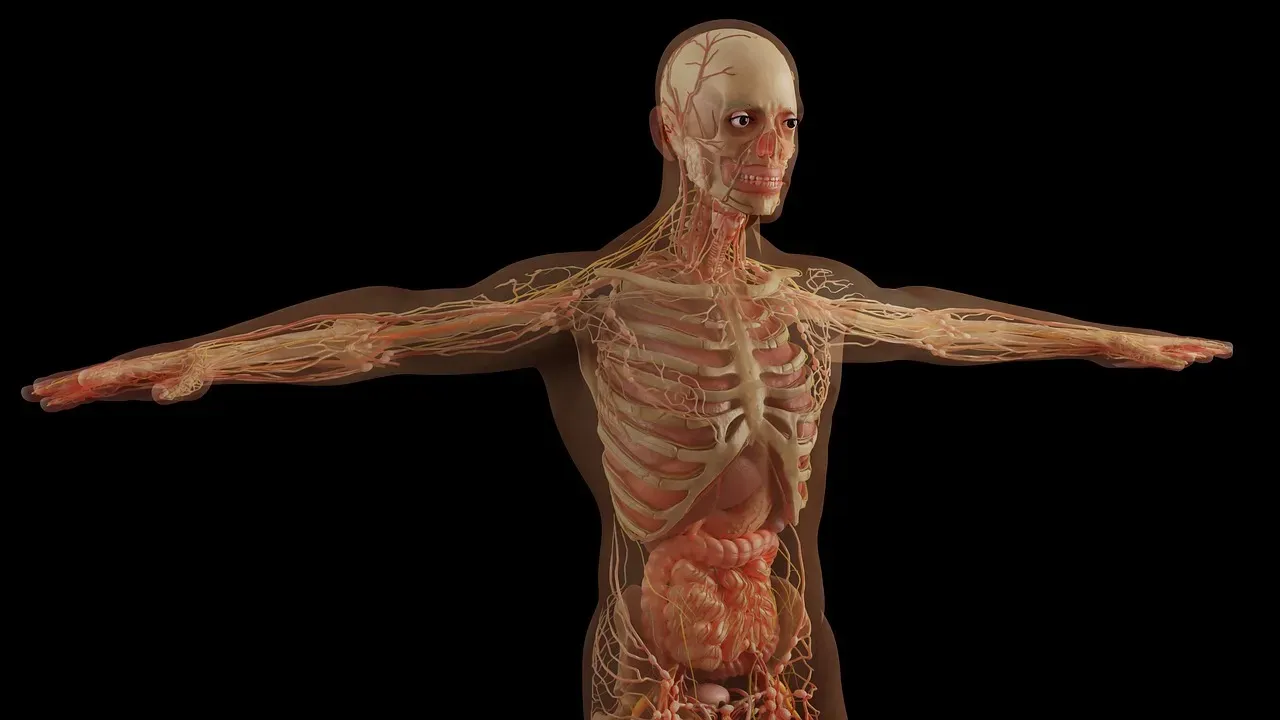
It can be unsettling to realize that the body you identify with is, at the atomic level, mostly empty space organized by fields and forces. Skin, bone, muscle, and blood feel continuous and hefty, but zoom in far enough and you are looking at tiny clusters of energy and charge hanging in a sea of almost-nothing. The idea that the hand touching your chest and the chest being touched are both nearly all absence can trigger a strange, almost existential vertigo.
Yet, that realization does not make you less real; it just changes what “real” has to mean. Reality stops being about density and starts being about structure, relations, and behavior over time. A symphony is not unreal because the air between instruments is mostly empty; its reality lies in the pattern of vibrations and the way they affect listeners. In the same way, your reality lives in the pattern of interactions between your atoms, your cells, your thoughts – a layered choreography of almost-nothing that somehow manages to care about things, remember things, and wonder what it is made of.
What This Does to Our Everyday Intuition About the World
When I first seriously sat with the idea that solidity is a force effect and not a stacked wall of stuff, it quietly rewired how I saw objects. A coffee mug stopped being a dense lump of clay and started feeling more like a standing wave in a sea of fields, stubbornly maintaining its shape thanks to the rules of quantum mechanics. Even something as simple as leaning against a wall began to feel slightly unreal – my body hovering, in effect, on a cushion of invisible repulsion rather than truly, deeply “touching” the bricks.
There is also a weird kind of comfort in realizing that the line between “me” and “not me” is not a crisp boundary but a zone where interactions fade out. The surface of your skin is not an absolute edge; it is where the fields and forces that define your body start to blend with the fields and forces defining everything else. You are, quite literally, entangled with the environment at every moment. The messier, more relational picture that physics suggests fits much better with how life actually feels: fluid, interconnected, sometimes confusing, but undeniably vivid.
Conclusion: Living as a Pattern in an Almost-Empty Universe
If particle physics is right, then the solidity you are feeling right now – the weight of your body in a chair, the keys under your fingers, the pulse in your wrist – is not the touch of substance upon substance. It is the resistance of fields and the stubbornness of quantum rules pretending to be walls. Your body and the world around it are made almost entirely of structured absence, and what you call “contact” is really just forces declining to overlap. That sounds bleak only if you insist reality must be dense and bricklike to matter.
I find the opposite reaction creeping in: a kind of awe that something so airy, so mathematically delicate, manages to become forests and cities and people late at night thinking too hard about atoms. Being mostly empty space does not make you less significant; it makes you a particularly intricate ripple in a universe that loves organizing almost-nothing into something. So the next time your hand rests on a table, maybe pause for a second and remember that nothing really touches, yet everything connects. Does it change how solid your life feels to know it is built on almost pure absence?