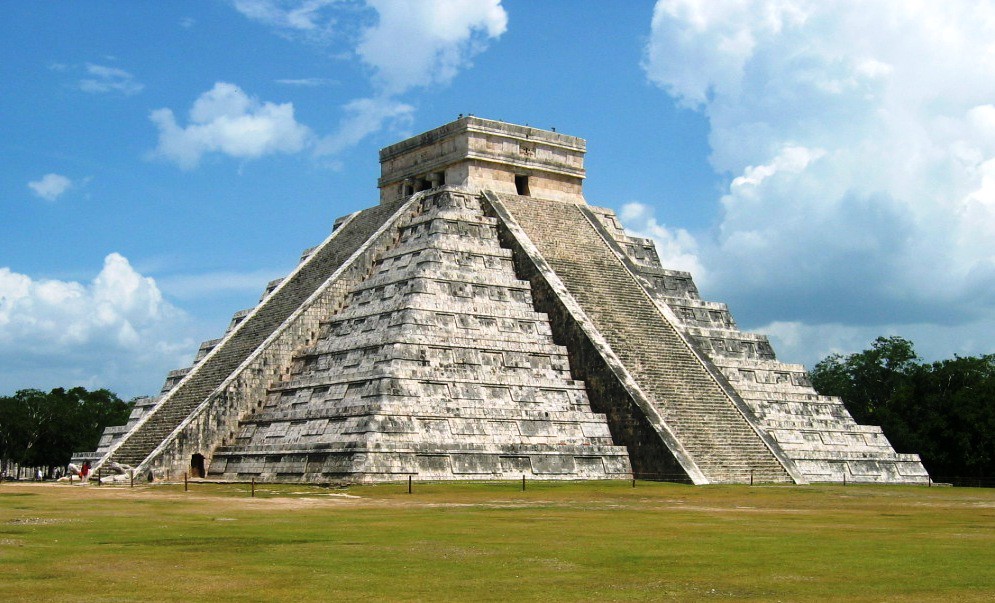
Walk into most modern cities and you’ll see cranes, glass towers, and laser-guided machinery everywhere. We like to think we have reached the peak of precision and control. Yet scattered across the world are stone structures so exact, so stubbornly perfect, that even in 2026 engineers still argue about how on earth they were made. These are not just old ruins; they are challenges, almost taunts, from the past.
This article walks through nine of the most baffling ancient engineering sites where, in specific aspects of construction precision, modern methods still have not truly recreated what the ancients pulled off in situ, at that scale, with those materials. We can model them in computers, and we can sometimes imitate parts of the work in labs, but the combination of location, size, joinery, and long-term stability has never been reproduced one-to-one. As someone who geeks out over both history and engineering, I find these places a bit humbling – and a good reminder that “ancient” doesn’t mean “primitive.”
1. The Great Pyramid of Giza: Millimeter-Level Alignment on a Megastructure

Imagine trying to build a massive stone mountain and align it almost perfectly to true north, without GPS, lasers, or even a standard measuring tape. That is essentially what the builders of the Great Pyramid of Giza accomplished. Its sides are aligned to the cardinal directions with an angular error so tiny that, even today, large buildings routinely do worse when they go up at high speed in tough conditions. The base is astonishingly level, with deviations measured in mere centimeters over more than two hundred meters.
On paper, modern engineering could of course design something as massive and aligned, but that misses the point: nobody has actually done it in stone under comparable constraints, and the cost and difficulty would be so extreme that there is no real incentive. We use steel, concrete, and prefabrication, not multi-ton limestone blocks dressed and fitted by hand. In some blocks, the joints are so snug that a thin blade can hardly slip between them. Standing there in person, you get this odd sensation that the structure is both brutal and impossibly delicate at the same time, like a granite cathedral built with the care of a watchmaker.
2. Stonehenge: Impossible-Looking Mortise-and-Tenon in Multi-Ton Stones
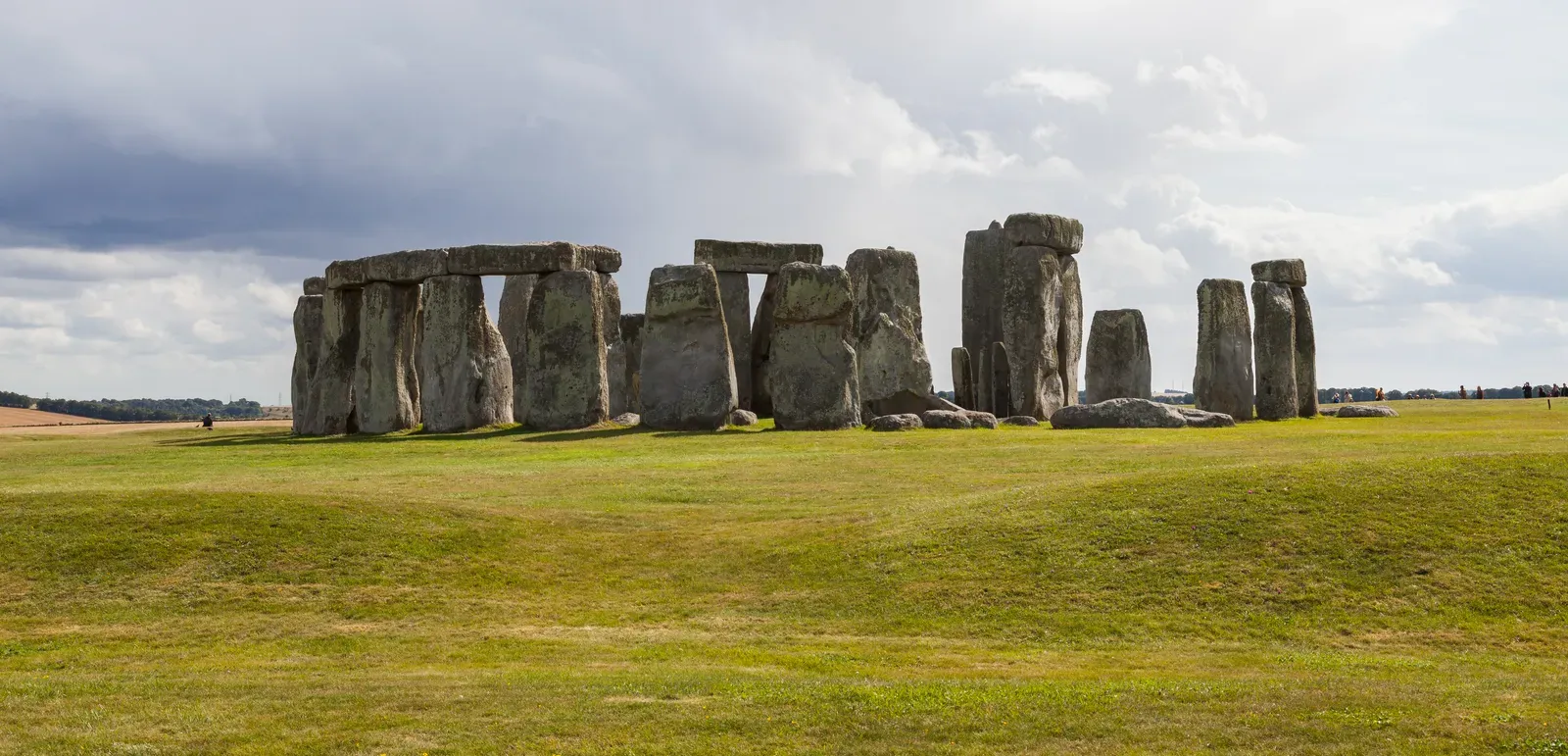
At first glance, Stonehenge looks almost crude: big stones, simple circle, windswept field. But once you get up close, the sophistication hits you. Many of the lintels are fitted onto the vertical stones using carpentry-style joints – mortise-and-tenon and tongue-and-groove forms carved directly into hard stone. These joints had to be precisely shaped so the lintels would lock into place and stay there for thousands of years, despite frost, rain, wind, and soil movement.
Today we can replicate that kind of joint easily in timber, metal, or with CNC-carved stone, but you almost never see such massive, interlocking stone assemblies erected in the wild with no mortar and no steel reinforcement. The stones were hauled from distant quarries, shaped with tools far less efficient than what stonemasons have now, and then raised into position with mind-bending coordination. No modern project has really tried to recreate Stonehenge’s full combination of sourcing, shaping, and assembly at the same scale with the same constraints – and, honestly, I suspect most contractors would laugh you out of the room if you proposed it.
3. Baalbek’s Trilithon: Gigantic Stone Blocks Fitted With Razor-Thin Gaps
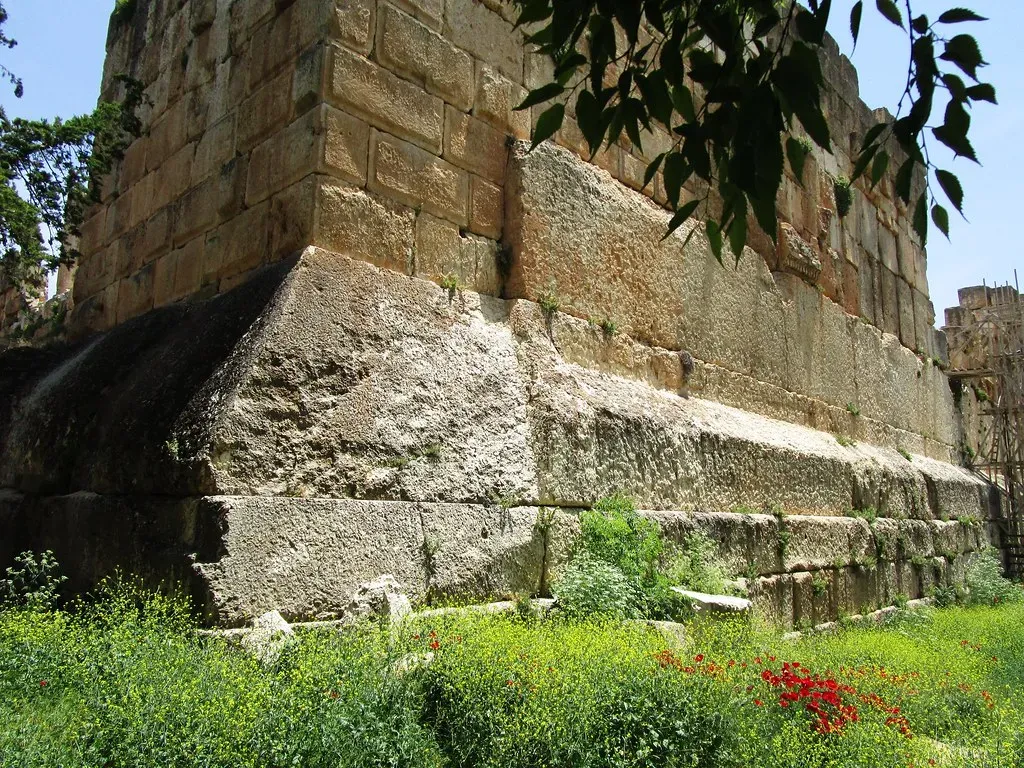
In the Lebanese site of Baalbek, there is a platform wall containing some of the largest building stones ever used by humans, often called the Trilithon. Individual blocks weigh hundreds of tons, and some nearby quarried stones are even heavier. These were not simply dumped in place; they form part of a wall where the joints between blocks are astonishingly tight for such massive pieces. The logistics of quarrying, moving, and accurately positioning them are still hotly debated.
Modern cranes can theoretically lift more, but only under ideal conditions and usually on prepared industrial sites, not uneven ancient hillsides. To transport and place such immense stones with the kind of joint precision seen at Baalbek – without steel rails, diesel engines, or hydraulic jacks – feels almost like watching someone do brain surgery while blindfolded, and somehow succeeding. No contemporary building project routinely combines such huge monoliths with that level of seated accuracy, because our entire material culture has shifted toward breaking things into smaller, standardized components instead.
4. Sacsayhuamán: Interlocking Polygonal Blocks Like a Stone Jigsaw
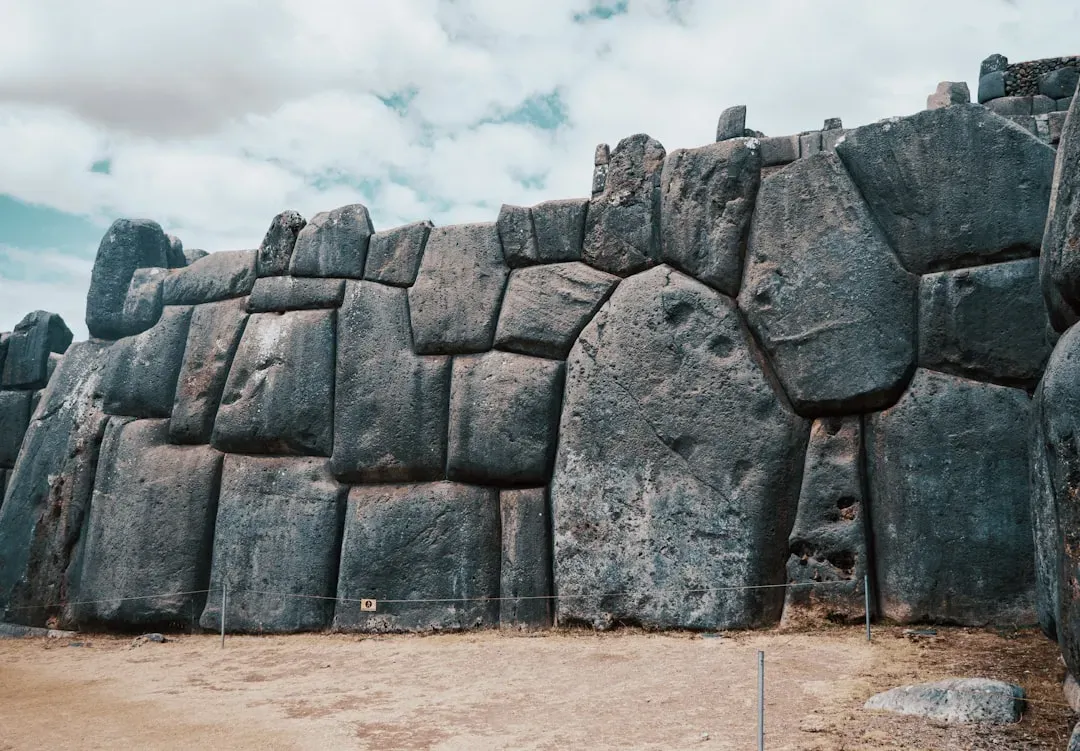
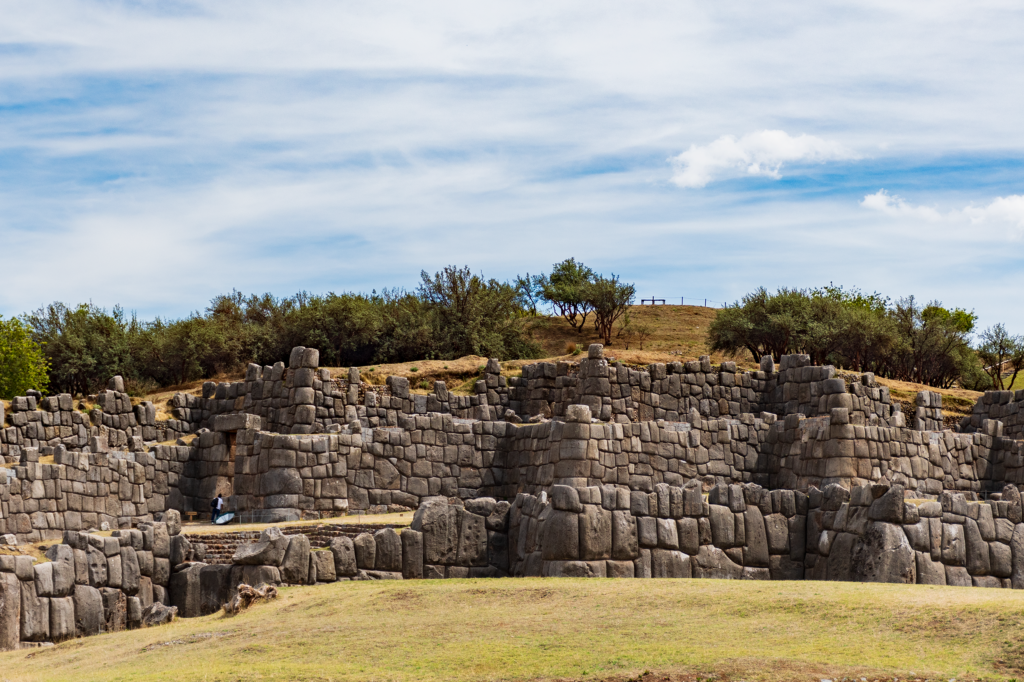
Above Cusco in Peru, the walls of Sacsayhuamán look like the work of a giant who got carried away playing with a stone puzzle. The blocks vary wildly in size, shape, and angle, yet they fit together so tightly that people have famously said a knife blade cannot be pushed between them. There is no mortar, and the faces of the stones show subtle curves and undulations that allow them to lock in three dimensions. From a structural standpoint, it is a masterclass in seismic resilience.
Replicating this today, block for block, would be a nightmare for any contractor. Modern masonry aims for regular blocks and straight joints to ease design, cutting, and installation. Here, each stone is unique, often with many faces and odd angles, and yet the wall behaves almost like a single continuous surface under stress. The fact that this stone jigsaw has shrugged off centuries of earthquakes that crumpled younger buildings nearby is, in my opinion, one of the clearest examples of ancient precision serving a performance level we still struggle to match on that scale without resorting to modern composites and reinforcement.
5. The Giza Pyramids’ Granite Chambers and “Machine-Like” Surfaces

Beyond the famous outlines of the pyramids themselves, the interior granite work – especially in the so-called King’s Chamber and other granite elements at Giza – is another level of precision that raises eyebrows among engineers and stonemasons. Many granite blocks appear to have surfaces flattened and squared to tolerances that rival what you see in high-end stone machining today, yet they were shaped with copper tools and abrasives, not industrial diamond saws. The angles between surfaces are sometimes remarkably close to perfect right angles over long spans.
You can find lab-grade slabs or factory-cut granite nowadays that look just as precise, but that is exactly the nuance: we do it in controlled environments with powered tools, water cooling, and calibration. The builders at Giza were doing something functionally similar inside confined, unventilated spaces, then hauling these pieces into position and lining them up so cleanly that they form straight, continuous edges and flush joins. No modern civilization has gone to that level of hand-worked stone precision inside a monument of this size; we tend to save that kind of detail for machine parts and opt for cheaper finishes for large, hidden structural elements.
6. The Parthenon: Subtle Curves That Trick the Eye With Sub-Millimeter Intent
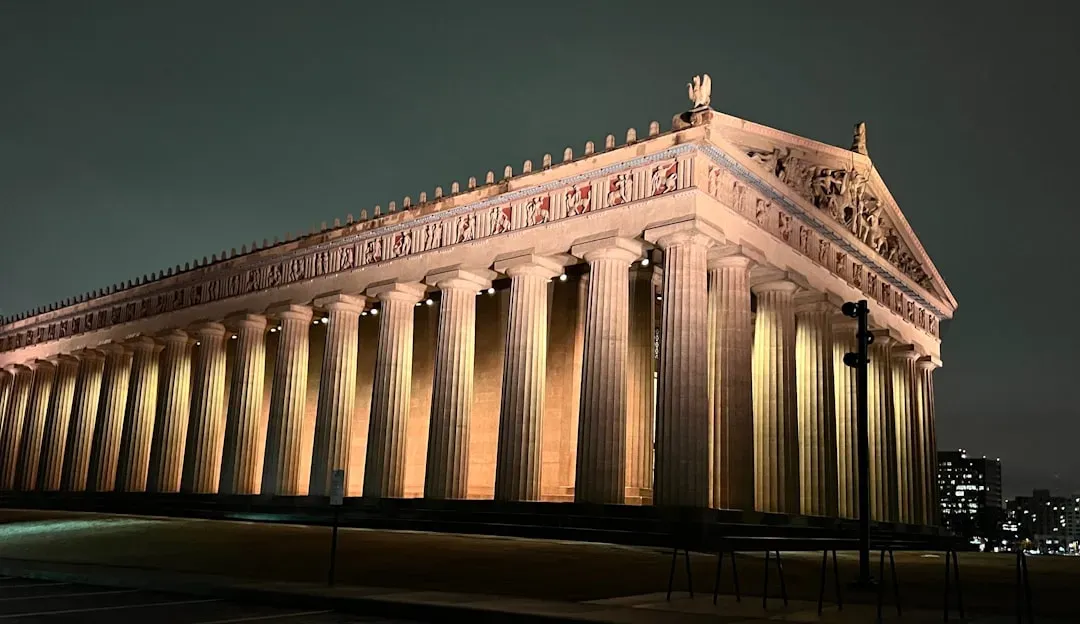
The Parthenon in Athens looks like a simple rectangle of columns supporting a flat roof. That impression is almost entirely an illusion. In reality, hardly any major element is perfectly straight or purely vertical. The steps curve upward slightly, the columns lean inward a touch, and their profiles swell subtly in the middle. All of these deviations are deliberate optical refinements designed to compensate for how the human eye perceives lines and mass at large scales.
Modern architects can and do use optical corrections, but rarely with the same all-encompassing, stone-carved thoroughness and manual precision. The amount of measurement and planning required to execute those curves consistently, without CAD software or laser levels, is staggering. It is not that we could not reproduce the math; it is that no one has actually gone out and manually carved an entire marble temple with that degree of built-in visual psychology again. I remember standing there, years ago, realizing that what looks “simple” from a distance is more like a hand-tuned musical instrument once you know what to look for.
7. The Pantheon’s Unreinforced Concrete Dome: Perfect Geometry Without Steel
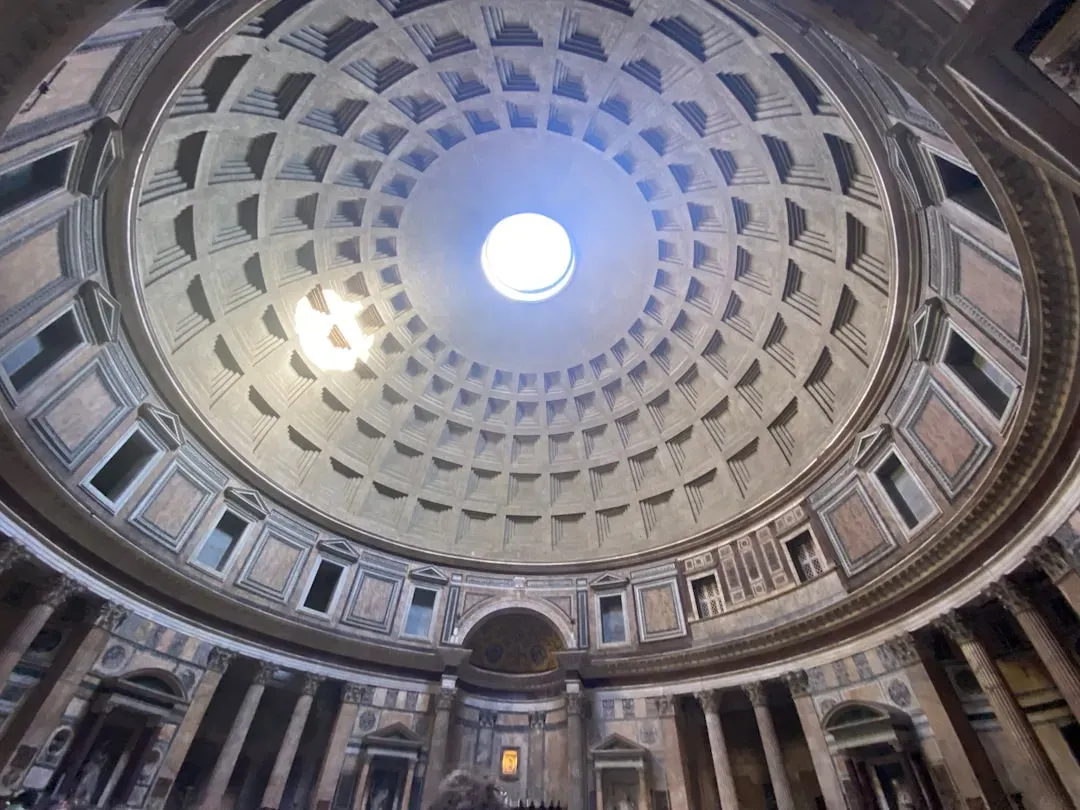
In Rome, the Pantheon’s dome still stands as the largest unreinforced concrete dome ever built, approaching two millennia of service. The precision here is not just about pretty joints; it is about mass, geometry, and material behavior. The thickness of the dome gradually changes, and the aggregate in the concrete was varied with height to reduce weight and manage stresses. All of this was done without modern structural analysis software or standardized cement chemistry as we know it today.
Modern engineers have, of course, created larger domes, but they rely heavily on steel reinforcement, composite materials, and very different design philosophies. The Pantheon remains essentially unmatched in its specific combination: a monolithic, unreinforced dome, mathematically elegant, superbly balanced, and still performing its job long after entire empires came and went. When I first stepped inside, the sensation was like walking under a stone sky that, by all common sense, should have cracked ages ago – but did not, because its builders understood geometry and materials almost instinctively.
8. Puma Punku: Laser-Like Cuts and Interlocking “H-Blocks”
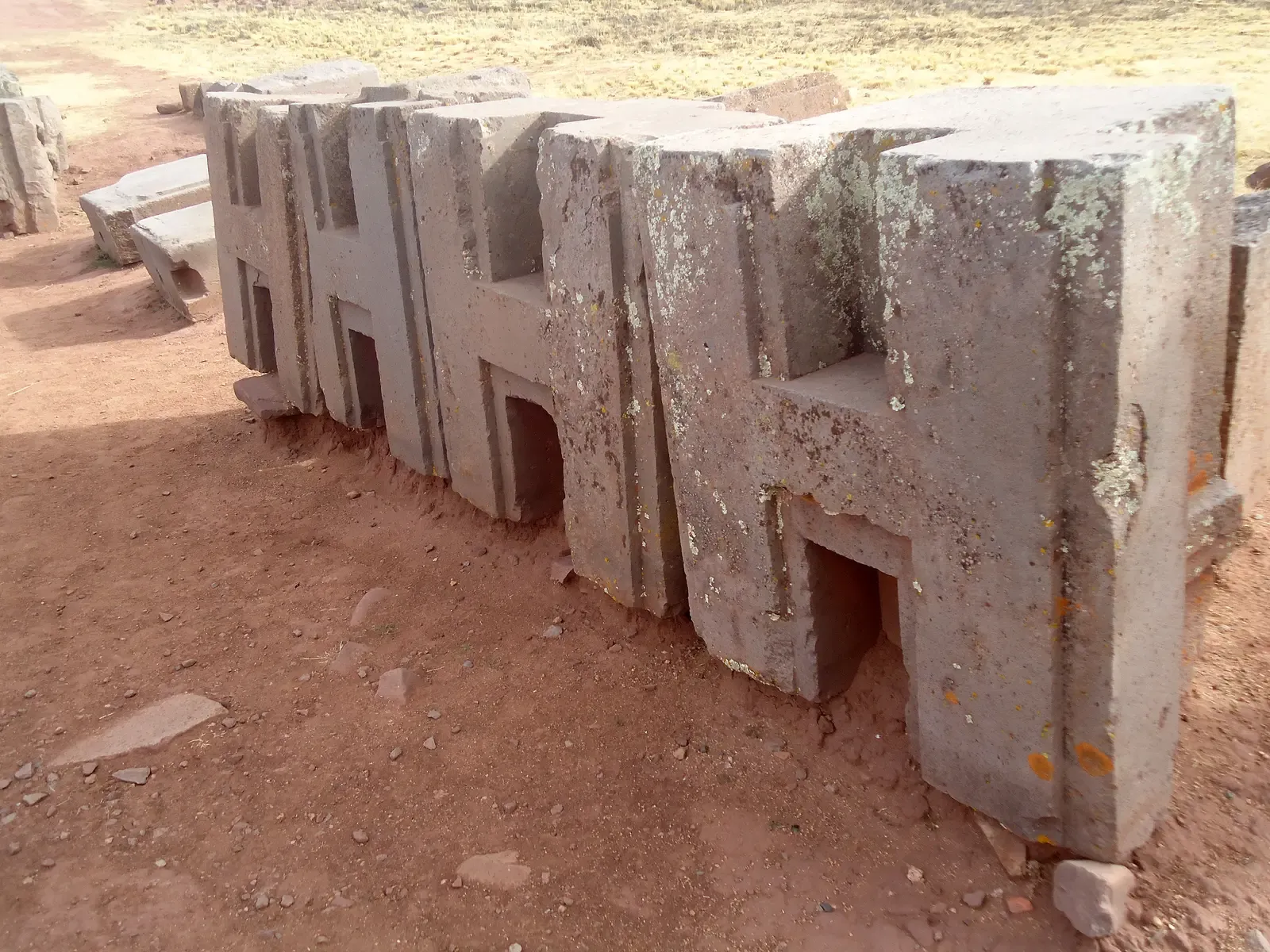
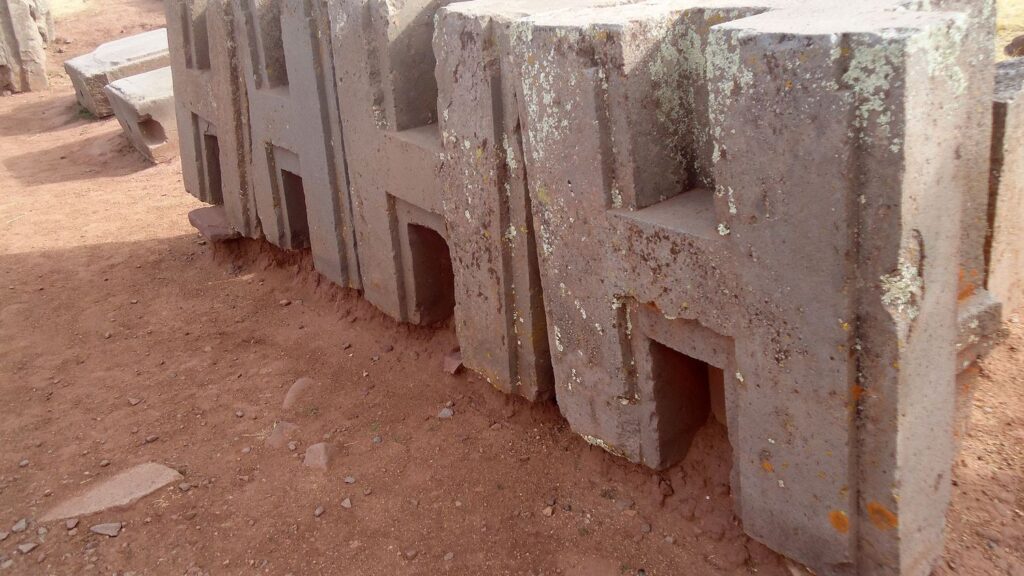
At the Bolivian site of Puma Punku, part of the larger Tiwanaku complex, you find an assortment of andesite and sandstone blocks that have become almost legendary among engineers and skeptics alike. Many of the so-called H-blocks show extremely straight cuts, precise right angles, and repeated geometries that look, to the naked eye, as if they were made with some kind of mechanical templating. Some surfaces are so smooth that they have been compared to machined stone, and the interlocking features suggest very tight tolerances for fit.
There is plenty of debate about just how exact every angle really is, and it is important not to exaggerate, but even a conservative assessment acknowledges a level of stoneworking skill that is far beyond typical hand-cut masonry. Modern tools could certainly shape such blocks today, yet there is still no large-scale modern project that uses that style of modular, interlocking stone geometry purely for structural assembly in the same way. The combination of remote high-altitude location, limited toolset, and intricate repeating profiles creates a package of precision that, as of now, we simply have not felt compelled – and maybe not fully able – to reproduce under similar constraints.
9. The Kailasa Temple at Ellora: A Monolithic Rock-Cut Wonder
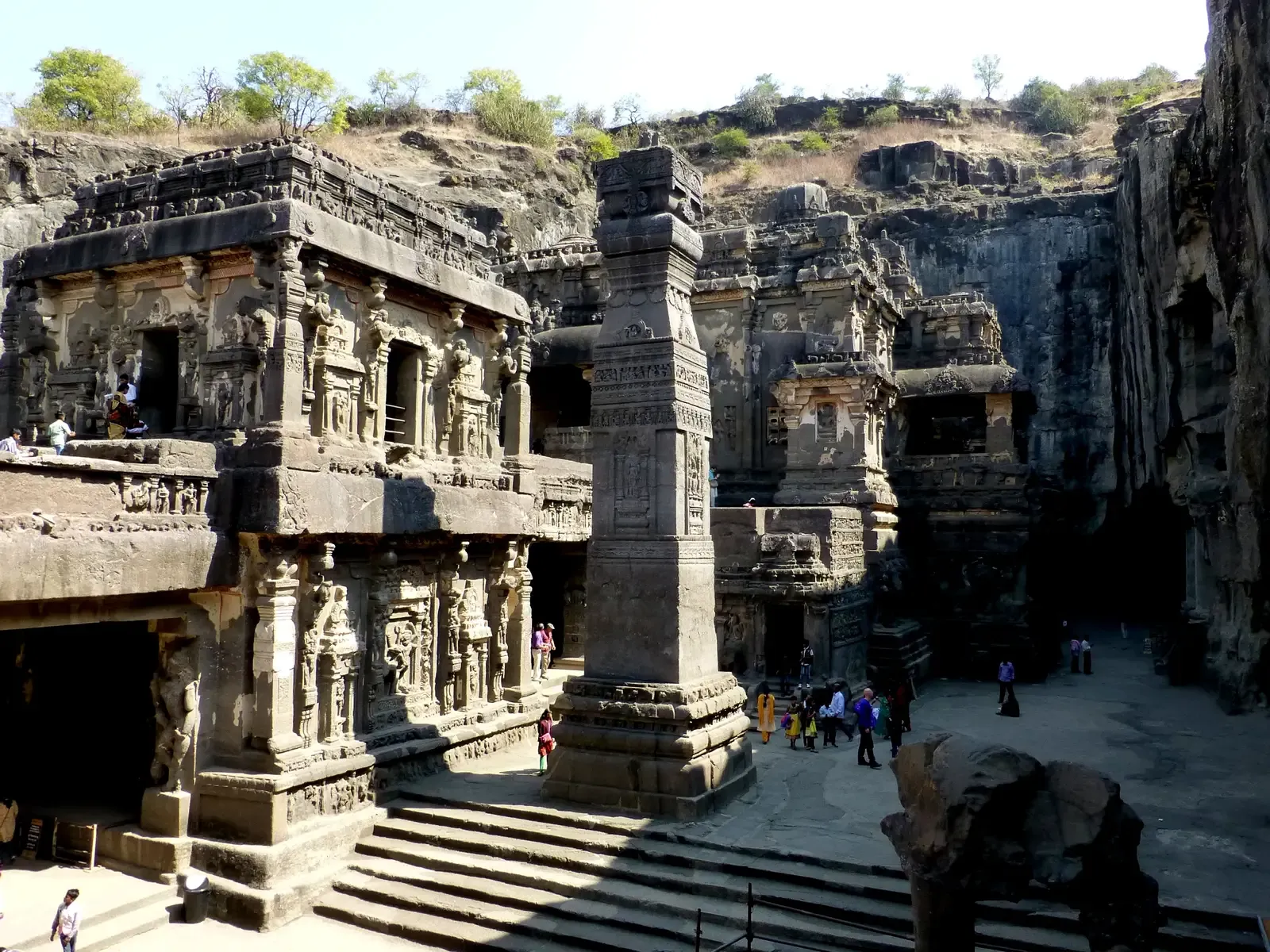
The Kailasa temple in India, part of the Ellora cave complex, was carved downward from a single rock mass. Instead of stacking stones, ancient builders removed roughly what would amount to thousands of tons of basalt, shaping columns, shrines, and sculptures as they descended. The precision here is in negative space: they had one shot, because any major error could not be undone by swapping blocks. Alignments, proportions, and structural thicknesses all had to be judged and executed in three dimensions with almost terrifying accuracy.
Modern engineering sometimes uses rock-cut structures, but rarely with this blend of architectural complexity, ornamental detail, and structural risk concentrated in one monolithic piece. To duplicate Kailasa today, with every column correctly placed and every space properly supported, carved straight out of living rock, would demand a coordinated effort of scanners, modeling software, and robotic cutters. Yet even with all that, the soul of the project – the ability to anticipate the final form while standing inside a solid cliff – feels like something we have not truly matched. It is a precision of vision and execution, not just measurement.
Conclusion: When “Ancient” Feels More Advanced Than “Modern”
Looking across these nine sites, a pattern emerges that I find both unsettling and inspiring. We absolutely have the technology to measure more finely, simulate more thoroughly, and cut more cleanly than any ancient civilization could dream of. But in the messy reality of full-scale, real-world construction, the specific feats of precision achieved at these places – whether in alignment, stone joinery, geometric subtlety, or monolithic carving – have not been recreated under comparable conditions. In practice, we settle for different materials, different priorities, and often a different definition of “good enough.”
My opinion is that this gap is less about raw capability and more about attitude. The builders of these sites invested generations of skill into slow, obsessive refinement, with a focus on durability, symbolism, and awe, not cost per square meter. Modern society could, in theory, replicate almost any of these feats, but we have chosen speed, flexibility, and disposability instead. Maybe that is rational in a fast-changing world – but part of me wonders what it would look like if we decided, just once, to build something with the same stubborn, almost unreasonable commitment to precision that our ancestors poured into stone. If we tried, do you think our work would still be standing, and still baffling people, two thousand years from now?