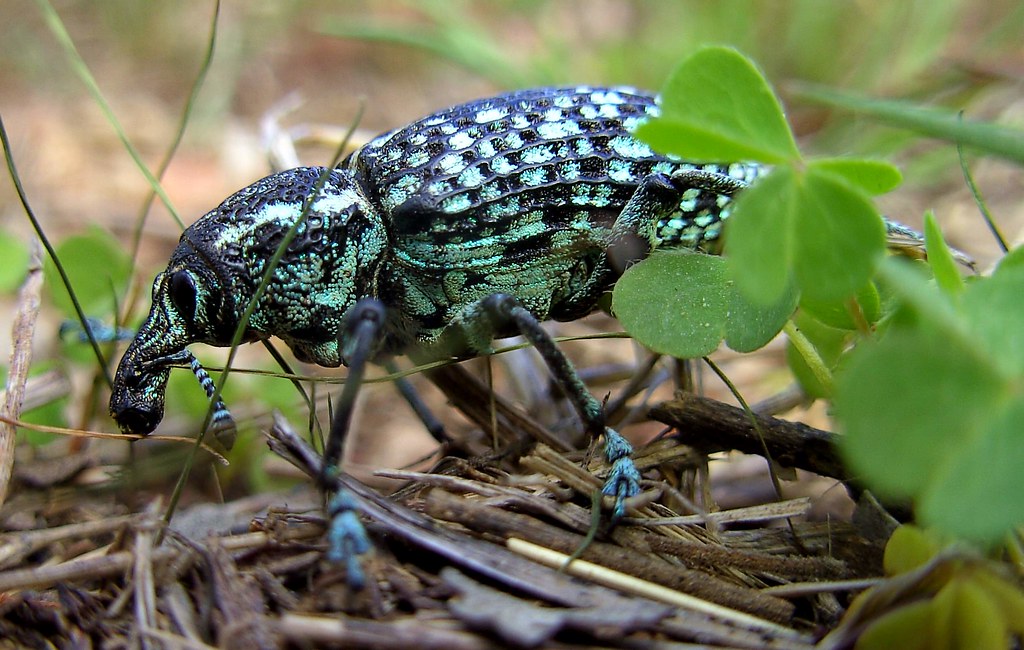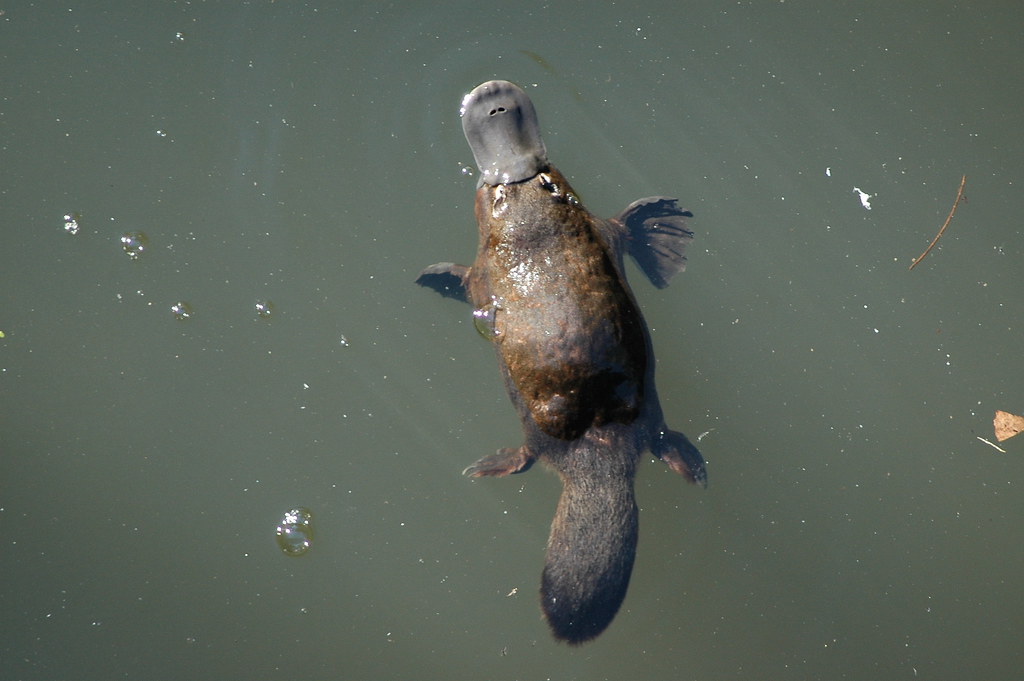
I still remember the first time I watched a scrub jay bury food while another bird was watching, then sneak back later to move the stash somewhere else. It felt uncomfortably familiar, like watching a roommate hide snacks from another roommate. Moments like that are why so many scientists quietly admit that studying animal cognition can be a little humbling: the more we test, the less uniquely clever we look.
Across labs, field stations, and makeshift testing rooms in zoos, a handful of species have repeatedly flipped the script in carefully designed experiments, beating human children, tripping up adult volunteers, or using workarounds that researchers simply did not see coming. Some of these animals are the usual suspects, like great apes and dolphins. Others are much less obvious – and that is where things get really interesting. Let’s walk through eight species that have, in very real and measurable ways, outsmarted humans in controlled tests – and why the one sitting at the top of many scientists’ mental list is not the creature most people would bet on.
1. New Caledonian Crows: The Engineers That Beat Children at Physics Puzzles
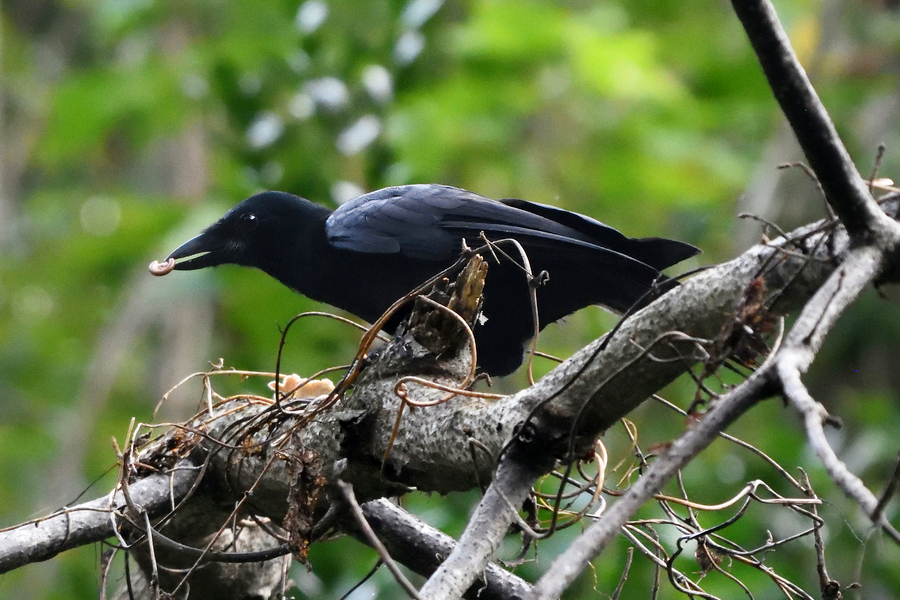
New Caledonian crows have become the poster children for bird intelligence, and for good reason. In multiple lab experiments, they’ve solved multi-step tool puzzles that many human preschoolers simply cannot figure out, especially when the solution requires grasping invisible forces like water displacement or counterintuitive cause-and-effect. In some famous setups, crows had to drop stones into a water-filled tube to raise a floating reward, but ignore tubes of the wrong shape or material; many birds learned the physics-like rules more reliably than young children put through comparable tasks. That does not mean crows are “smarter” overall, but it does mean their evolved strengths line up uncannily well with some of our supposed cognitive superpowers.
What really throws researchers, though, is how flexibly these birds combine different skills. New Caledonian crows are capable tool-makers in the wild, shaping hooks and barbed sticks from leaves and twigs. In lab experiments, they have chained together several tools in sequence, used one object to retrieve another, and even appeared to show something like planning: using a tool now to gain access to a better tool later. When human adults struggle with the same puzzles, it is not because they cannot understand them; it is because they overthink, stick to verbal reasoning, or ignore solutions that feel “too simple.” The crow, in contrast, just quietly does what works – and walks off with the prize.
2. Western Scrub Jays: The Paranoid Planners That Understand How Minds Work
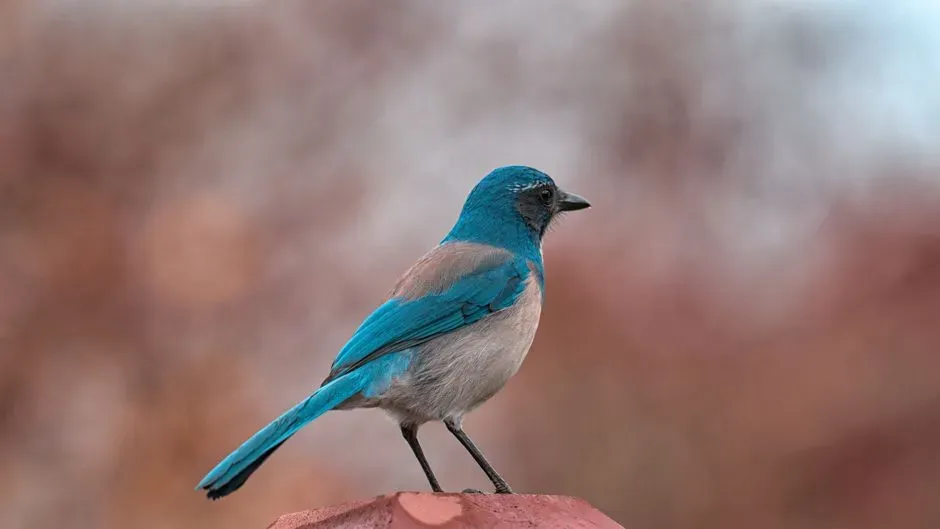
Western scrub jays have blindsided researchers by doing something that looks a lot like reading minds. In controlled experiments, birds that had stolen food in the past were far more likely to secretly re-hide their own caches later, but only if another jay had watched them bury the food. If they cached in private, they rarely went back to move anything. That pattern strongly suggests they were not just responding to vague anxiety; they were responding to what another bird had seen and might remember. When similar scenarios were described to adult humans, many struggled to predict the exact pattern of behavior the jays actually showed.
The part that unsettles people is that this skill nudges up against what psychologists call theory of mind – the ability to reason about what someone else knows or believes. For a long time, humans were assumed to be alone in this capacity, with great apes coming in as a distant second. Yet these modest-looking corvids, birds most people would lump under “just a crow-like thing,” have repeatedly passed tests that confuse young children and even trip up adults who are not paying close attention. Watching a jay look over its shoulder and re-bury a seed feels almost uncomfortably human, like seeing your own social paranoia reflected back at you in feathers.
3. Octopuses: Escape Artists Who Reverse-Engineer the Experimenter
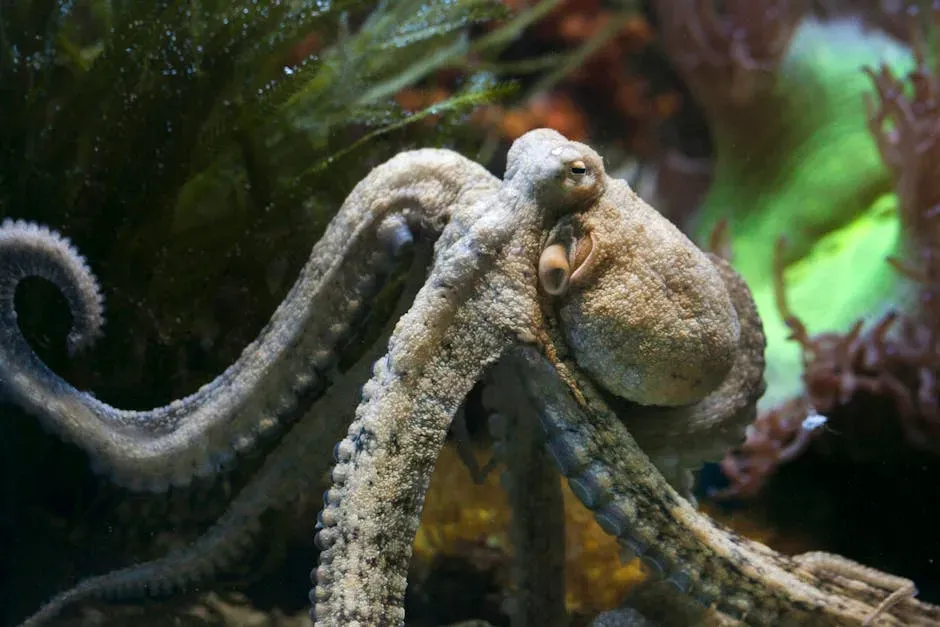
Octopuses are so routinely underestimated that aquarists and researchers now swap “heist stories” like parents swapping tales of mischievous toddlers. In controlled problem-solving tests, octopuses have opened screw-top jars, navigated mazes, and figured out how to dismantle or bypass puzzle boxes much faster than human observers expected. In some labs, they solved tasks on the very first trial by manipulating unfamiliar latches or levers, while human volunteers given replicas needed explanations or repeated attempts. The octopus’s combination of flexible arms, sensitive suckers, and a nervous system distributed partly outside the head gives it options humans simply do not have.
More striking is their knack for turning the experiment itself into a puzzle they can exploit. Some octopuses have learned to recognize particular researchers, squirting water at those they dislike or manipulating objects only when a familiar person is nearby, which complicates neatly controlled testing. There are documented cases of octopuses repeatedly escaping tanks at night, crossing floors, raiding other tanks for food, and then returning to their own enclosures before morning checks. From a human standpoint, that is not just problem-solving; it is anticipating surveillance and gaming the system. It is hard not to see a sort of alien cunning at work, and that has led some scientists to quietly admit that octopuses are far better at experimenting on us than we are on them.
4. Bottlenose Dolphins: Social Strategists That Outsmart Our Tests Themselves
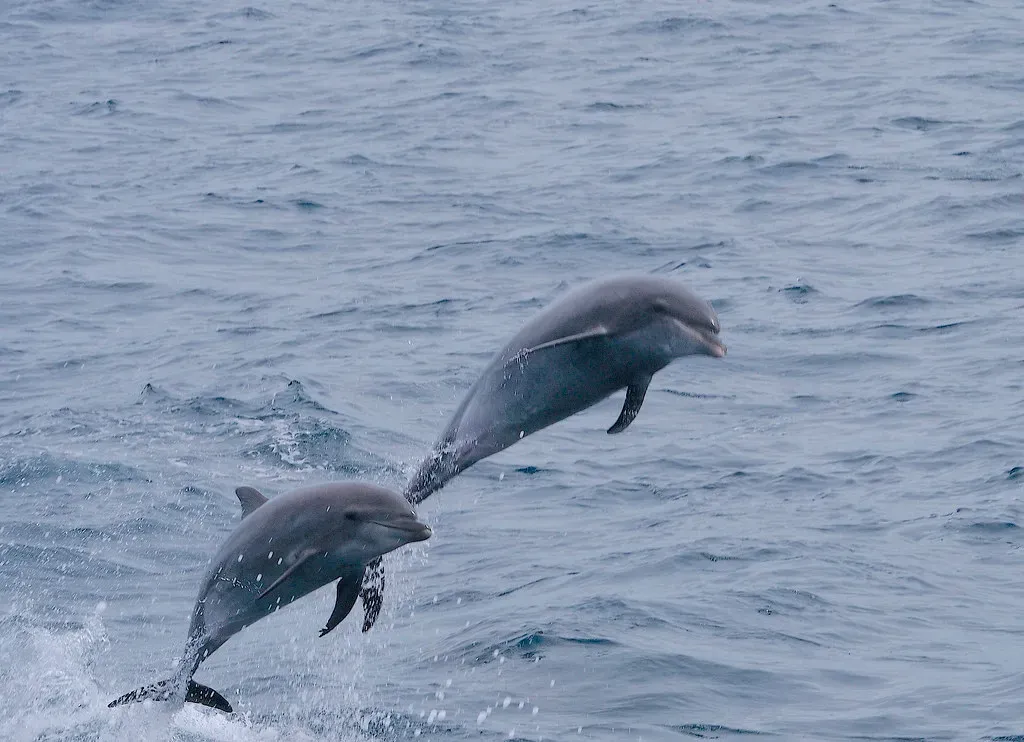
Bottlenose dolphins have long impressed people with tricks, but the most interesting results come from lab-style experiments on memory, communication, and rule-learning. In some controlled tasks, dolphins learned abstract rules faster than many human children – for example, understanding that they were being asked to imitate a trainer’s action even when that action was entirely new. In others, they seemed to recognize when they did not know the answer to a question, signaling an “uncertain” option to avoid making a wrong choice, something even adult humans sometimes fail to do in forced-choice tests.
Perhaps more telling, dolphins often treat experiments as social games rather than dry tasks. They pick up on human body language, researcher routines, and unintentional cues with unnerving speed, then use those patterns to “cheat” in ways that make the data messy. In some cases, dolphins have spontaneously invented new behaviors when trainers stopped rewarding old tricks, almost as if they sensed a meta-rule that novelty itself could earn a payoff. When you put human volunteers into comparable learning tasks, many get bogged down in the details or overexplain what is happening. The dolphin just reads the room and wins the game, which might be an even more sophisticated skill than solving a straightforward puzzle box.
5. Chimpanzees: Memory Masters That Beat Adults at Their Own Game
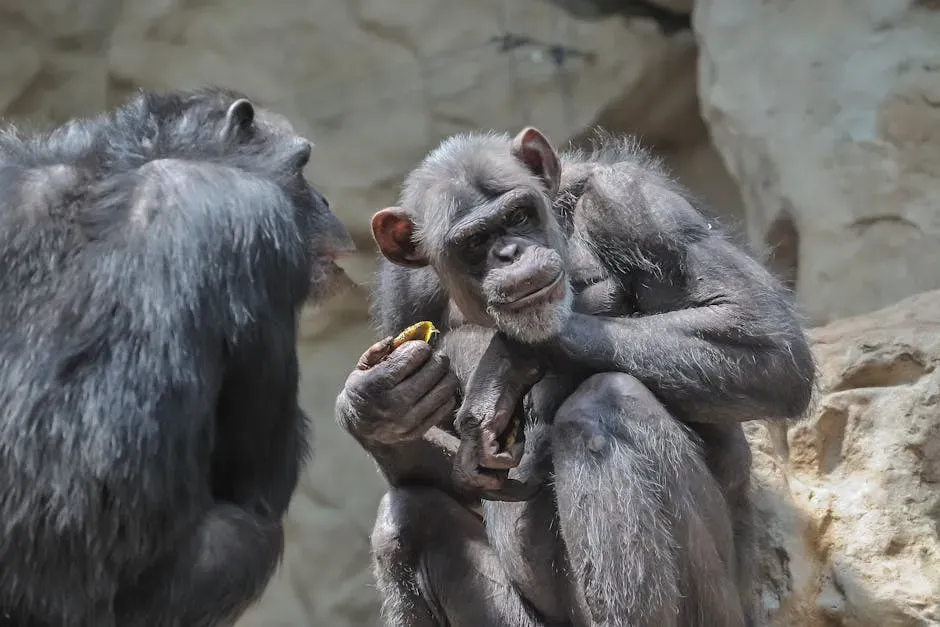
Chimpanzees are the obvious contenders in any intelligence ranking, but they have still startled researchers in head-to-head contests with humans. In one well-known style of experiment, chimps were shown a grid of numbers that flashed briefly on a screen, then disappeared, forcing them to recall the positions from memory. Some young chimpanzees performed dramatically better than human adults, tapping the numbers in correct order even when the display times were so short that most people could barely register them. For a task that looks “purely cognitive,” that kind of performance hits our pride directly.
These results highlight that intelligence is not one thing; it is a mosaic of strengths. Chimpanzees may rely more on fast, precise visual memory, while humans lean on language and slower reasoning. In practical terms, the chimps’ edge in these experiments shows up as something like photographic recall, where brief exposure is enough to lock in an entire pattern. Many adult humans need strategies, rehearsal, or verbal labeling to keep up, and even then they often fall short. When you picture a chimp casually out-performing an office worker in a lab booth, the old assumption that humans sit alone at the top of the mental pyramid starts to look very fragile.
6. Rats: Statistical Thinkers That Rival Human Intuition
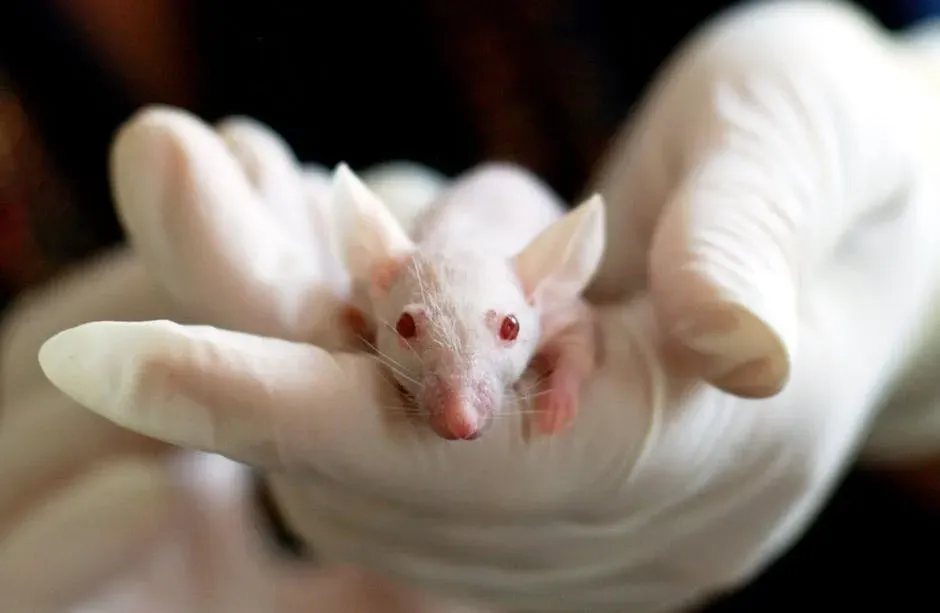
Rats are usually cast as the subjects, not the stars, in lab stories, but a series of decision-making experiments has forced psychologists to revise that view. In some tasks, rats learned to predict the most likely outcome from a noisy, probabilistic pattern better than many human participants. While human volunteers stubbornly searched for complex patterns that were not really there, rats simply gravitated toward the option that paid off most often, which is mathematically the optimal strategy. It is an almost painful example of animals being more rational than people when it comes to statistics.
Rats have also shown surprising self-control in delayed-reward tests, waiting for a better payoff later instead of grabbing a smaller reward immediately, especially when the environment is stable and trustworthy. Younger children, and even some adults, often struggle with the exact same trade-off, choosing the “right now” option even when they can see that waiting would clearly be better. To me, that is one of the most humbling findings in animal cognition: a creature many people dismiss as a pest can handle uncertainty and payoff calculations more cleanly than the average person scrolling a shopping app. When the rules are clear, the rat stays focused on the numbers, while humans let hopes, hunches, and storytelling get in the way.
7. Honeybees: Tiny Brains, Big Conceptual Surprises
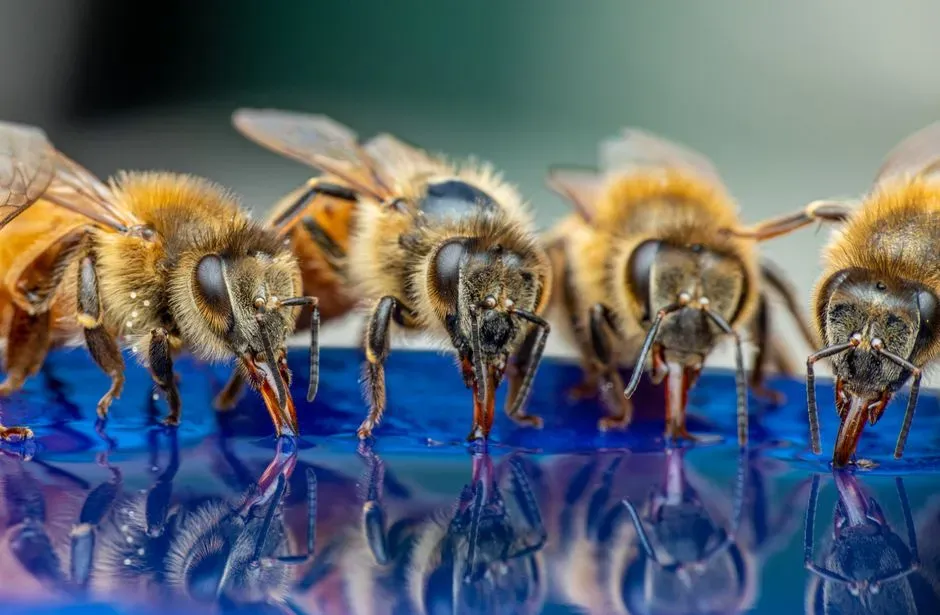
Honeybees are not what most people picture when they think of animals outsmarting humans, yet their performance in carefully controlled experiments has been quietly shocking. Researchers have trained bees to distinguish between concepts like “same” and “different,” and even to choose images that represent “larger” or “smaller” in an abstract sense – tasks that small children can find confusing or frustrating. In some setups, bees learned to generalize those rules to completely new colors or shapes, suggesting they were not just memorizing patterns but actually grasping an underlying idea.
Even more mind-bending, bees have succeeded in simple arithmetic-like tasks, such as learning that a certain symbol means “add one” or “subtract one” when choosing between image sets. Human volunteers presented with stripped-down versions of these tasks can find them surprisingly counterintuitive, especially when distractions or time pressure get in the way. The fact that an insect with a brain the size of a grain of sand can handle symbolic rules at all forces a re-think of what neural hardware is really necessary for complex behavior. In a sense, bees do not so much “beat” humans as expose how often our bigger brains get tangled in their own complexity.
8. Pigeons: The Unexpected Champions at the Top of the List
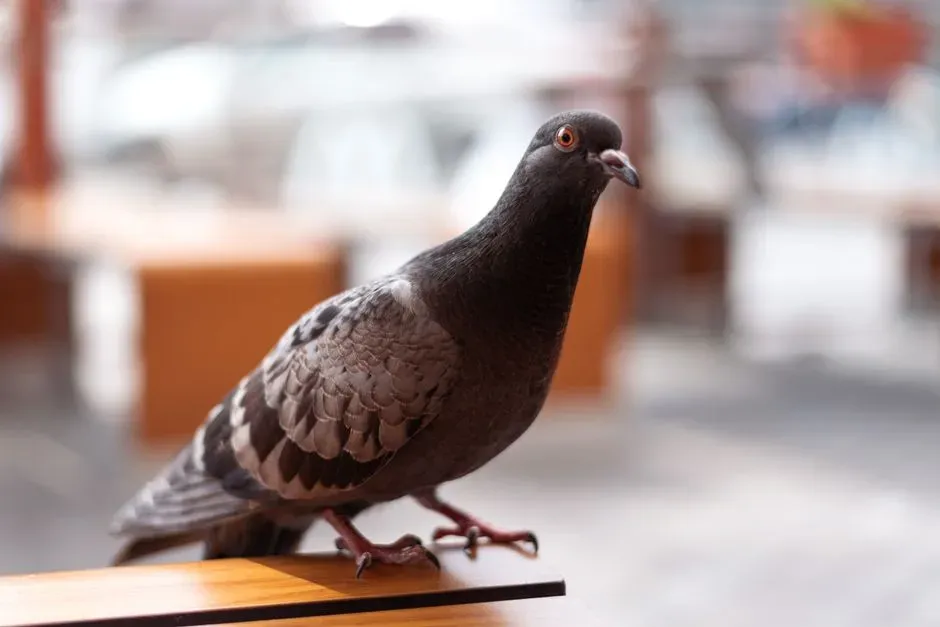
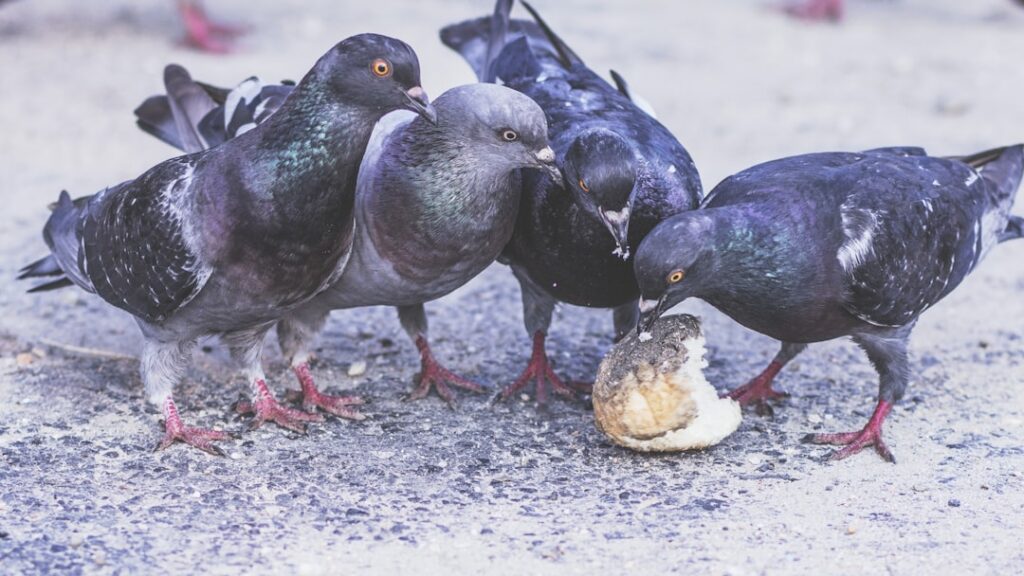
Pigeons are the species almost no one would pick to top a list of animals that outsmart humans, yet in a surprising number of controlled experiments they have edged ahead of people on tasks we like to think of as very human. In carefully designed learning studies, pigeons have matched or exceeded human performance at sorting complex visual categories, distinguishing among styles of artwork, and even identifying subtle medical patterns in images, such as signs of disease in scans or slides. When given enough training examples and clear feedback, pigeons have outperformed untrained human observers and sometimes rivaled trained technicians in raw accuracy. That result shocks almost everyone the first time they hear it.
What makes pigeons so formidable in these setups is a ruthless focus on statistical regularities. They do not overthink, invent stories, or let boredom and bias tug them off track; they just absorb patterns across thousands of trials and then apply those patterns with impressive consistency. Humans, on the other hand, are easily distracted by meaning, narratives, and exceptions, which can actually drag our performance down on highly specific tasks. I think that is why many researchers quietly rank pigeons near the top of the “humbling species” list: not because they are philosophizing about the universe, but because they keep beating us at tightly focused jobs we imagined required uniquely human insight. The fact that the “sky rats” of city sidewalks can outclass us in controlled lab settings might be the single most uncomfortable finding in modern animal cognition.
Conclusion: Being Outsmarted Might Be the Smartest Thing That Happens to Us
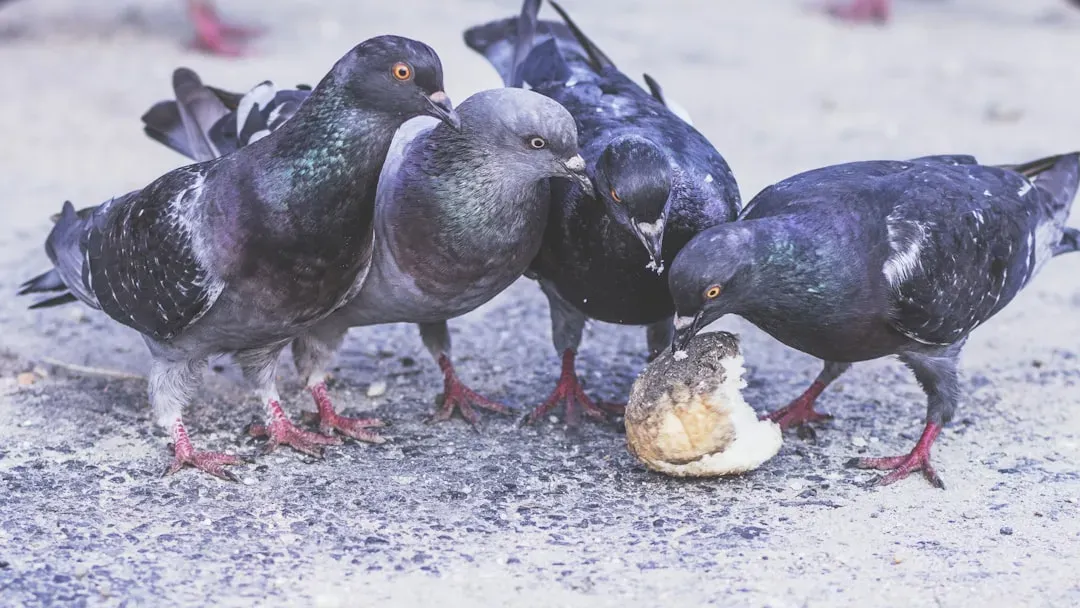
Looking across these eight species, a clear pattern emerges: humans are not being dethroned so much as brought down to earth. Crows outplay our kids at physics puzzles, scrub jays anticipate social betrayal, octopuses jailbreak their own experiments, dolphins game our expectations, chimps crush us at rapid memory tests, rats outperform our intuition in probability games, bees juggle abstract rules with a speck of a brain, and pigeons quietly dominate narrow visual tasks that we assumed needed deep understanding. If anything, the most jarring part is not that animals can beat us, but that they do it so matter-of-factly, without the ego, excuses, or storytelling that we wrap around our own intelligence.
My personal take is blunt: being repeatedly outsmarted by other species is the best thing that could happen to us. It forces us to admit that intelligence is not a single ladder with humans on the top rung, but a wild, branching forest of different mental talents, each tuned to a particular way of surviving. That realization should make us less arrogant, more curious, and far more cautious about how we treat the animals whose abilities we are only starting to understand. The next time you see a pigeon pecking at crumbs or a crow eyeing the trash, it might be worth wondering what experiment they would design to test you – and how confident you really are that you would pass.